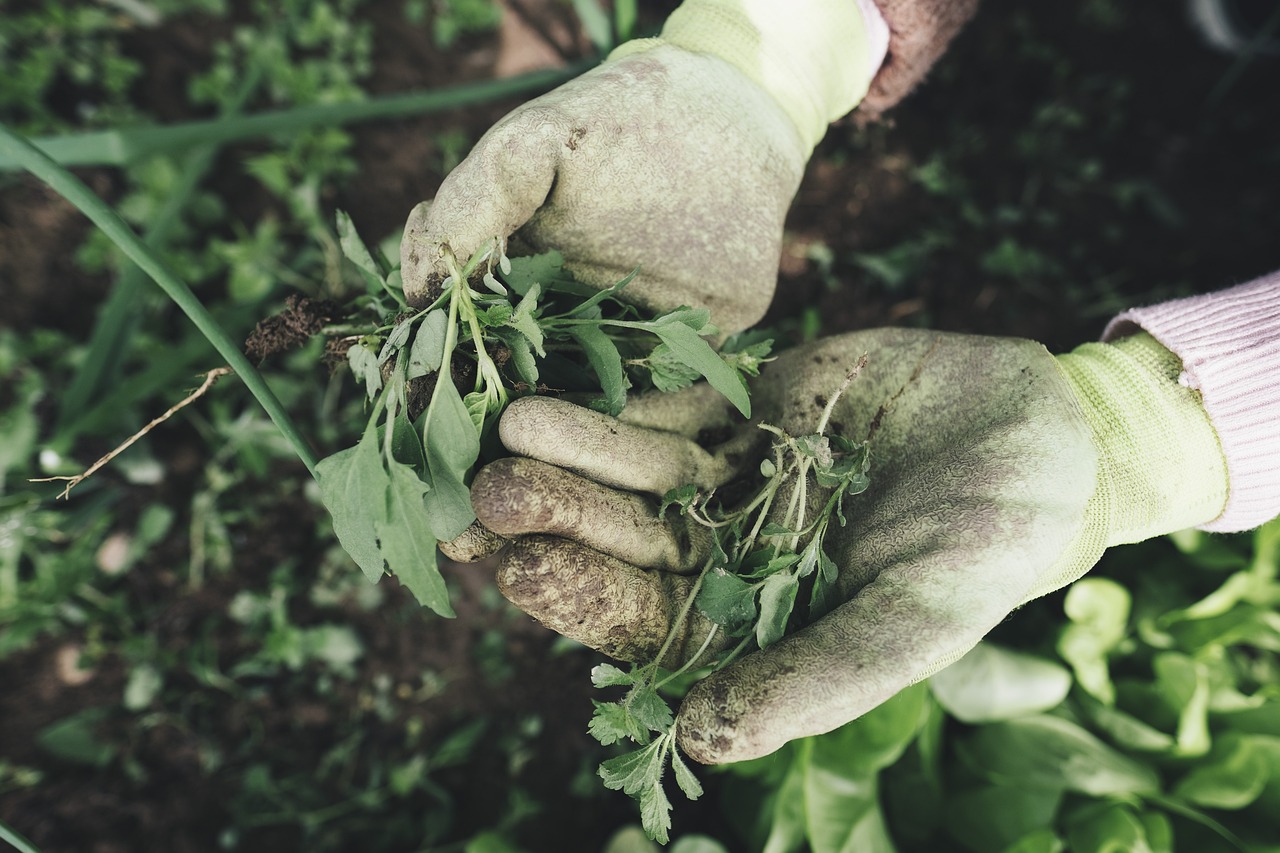

Most gardeners spend a Saturday morning yanking these plants out by the roots, tossing them into yard waste bags without a second thought. They crowd the beds, spread into the lawn, and resist every attempt to keep them tidy. It turns out, though, that some of the most aggressively “unwanted” plants in your garden are sitting on a quietly expanding global market worth hundreds of millions of dollars. The gap between what gardeners think they know about these plants and what researchers, herbalists, and food scientists actually know is surprisingly wide.
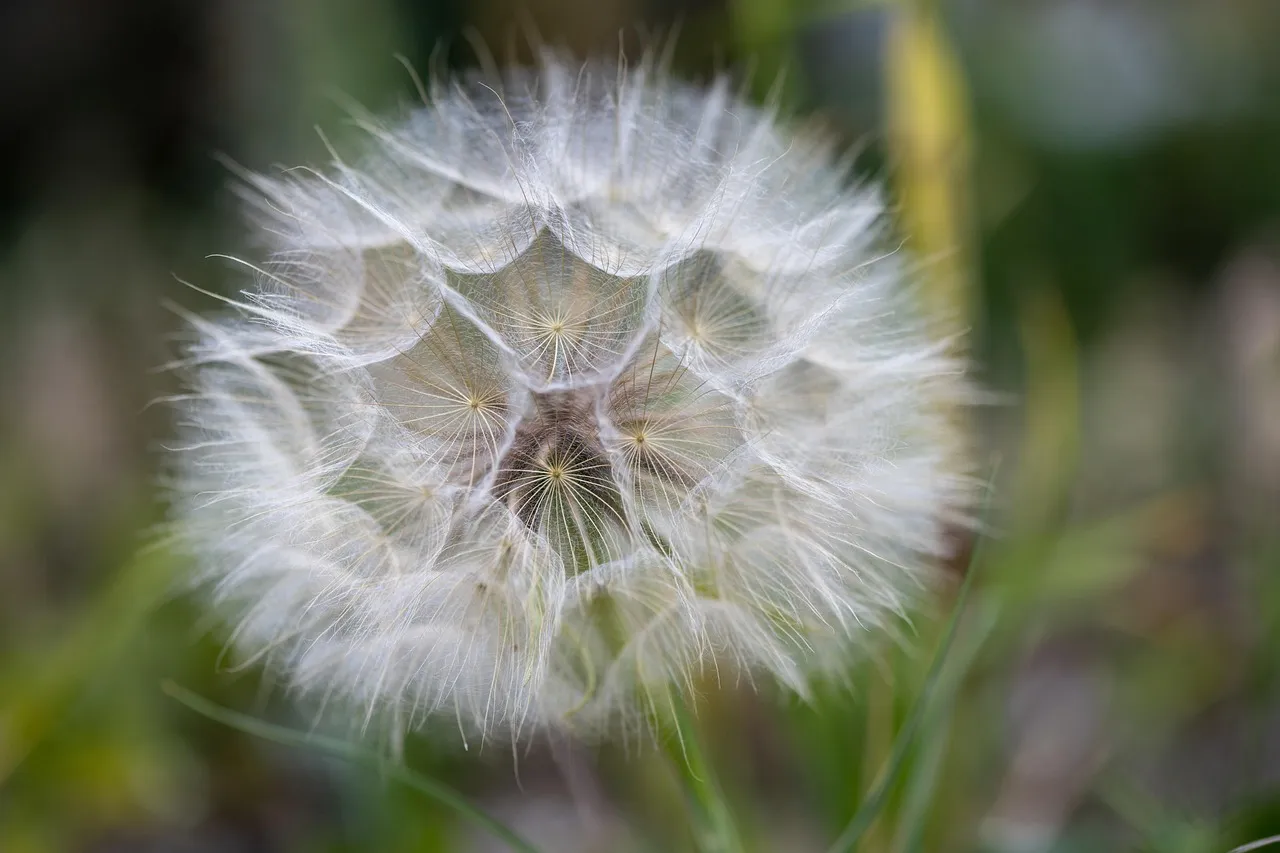
1. Dandelion (Taraxacum officinale): The Billion-Dollar Weed You Keep Pulling
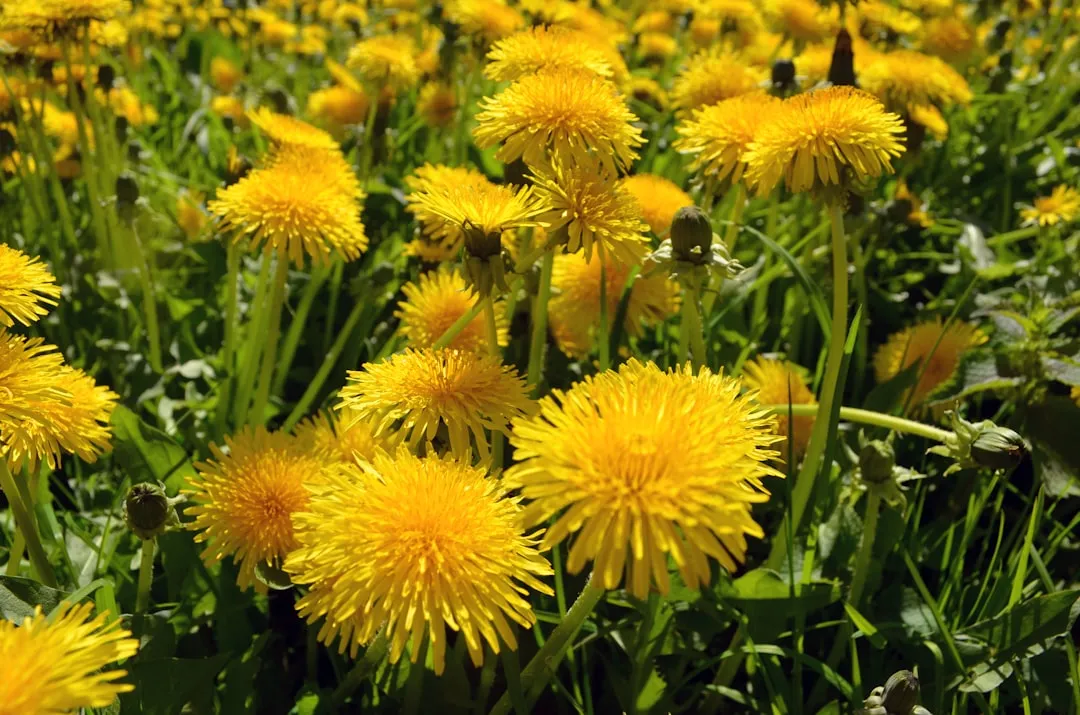
Dandelion, often dismissed as a weed, has gained serious attention for its numerous health benefits and commercial applications. Every part of the plant, including its leaves, roots, and flowers, has been used for centuries in traditional medicine and herbal remedies. That history is now translating into real commercial numbers.
Dandelion extract market revenue was valued at USD 150 million in 2024 and is estimated to reach USD 300 million by 2033, growing at a CAGR of 8.5% from 2026 to 2033. That’s a doubling of the market in under a decade, driven largely by supplement and functional food demand.
The dandelion extract market encompasses the global industry involved in the production, refinement, and commercialization of concentrated extracts derived from Taraxacum officinale. These extracts are primarily used in dietary supplements, functional foods, herbal medicines, and cosmetics, serving as natural remedies for liver health, digestion, and inflammation.
Growth drivers include strong demand from dietary supplements, significant adoption in liver detox products, and growing usage in natural diuretics. Nearly half of new supplements now include dandelion, and online sales have risen sharply alongside adoption in botanical skincare.
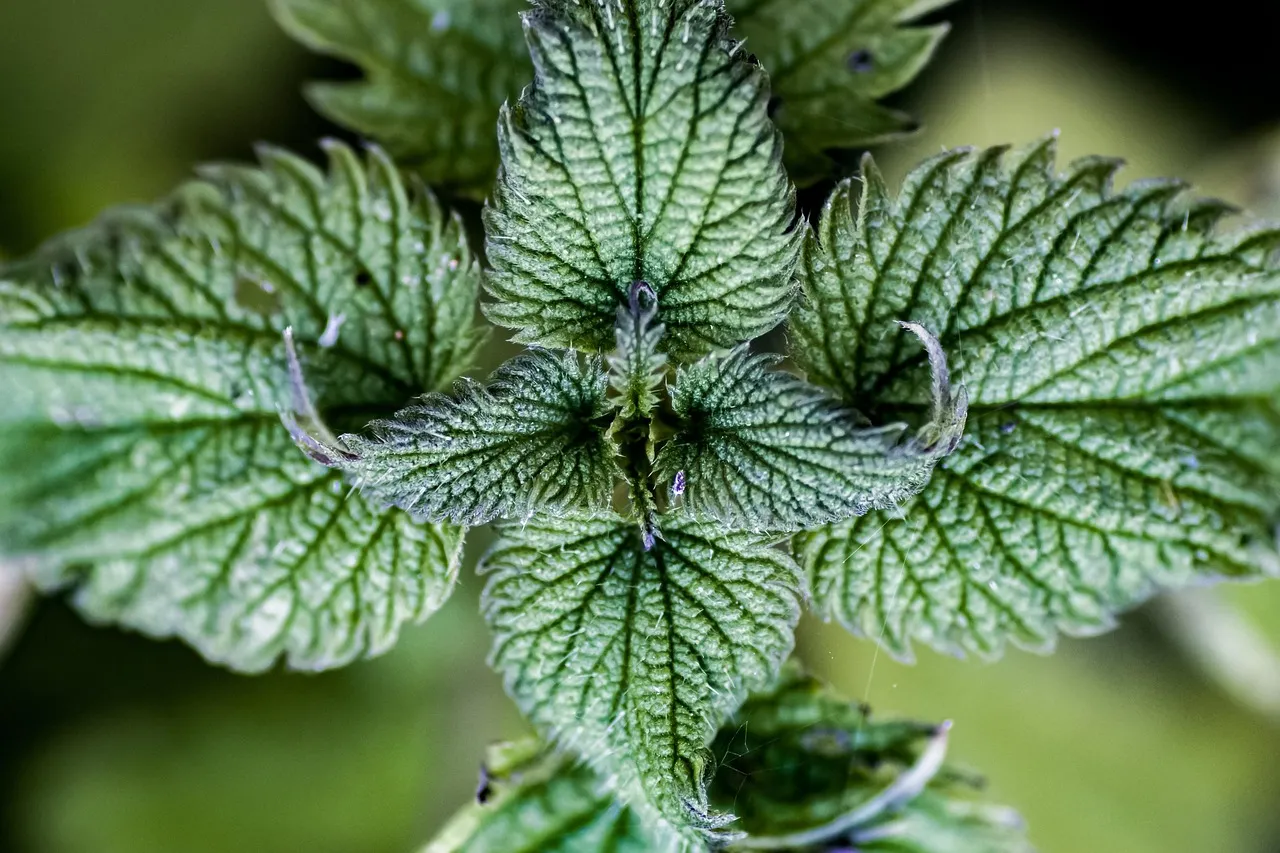
2. Stinging Nettle (Urtica dioica): The Plant That Bites Back With Profits
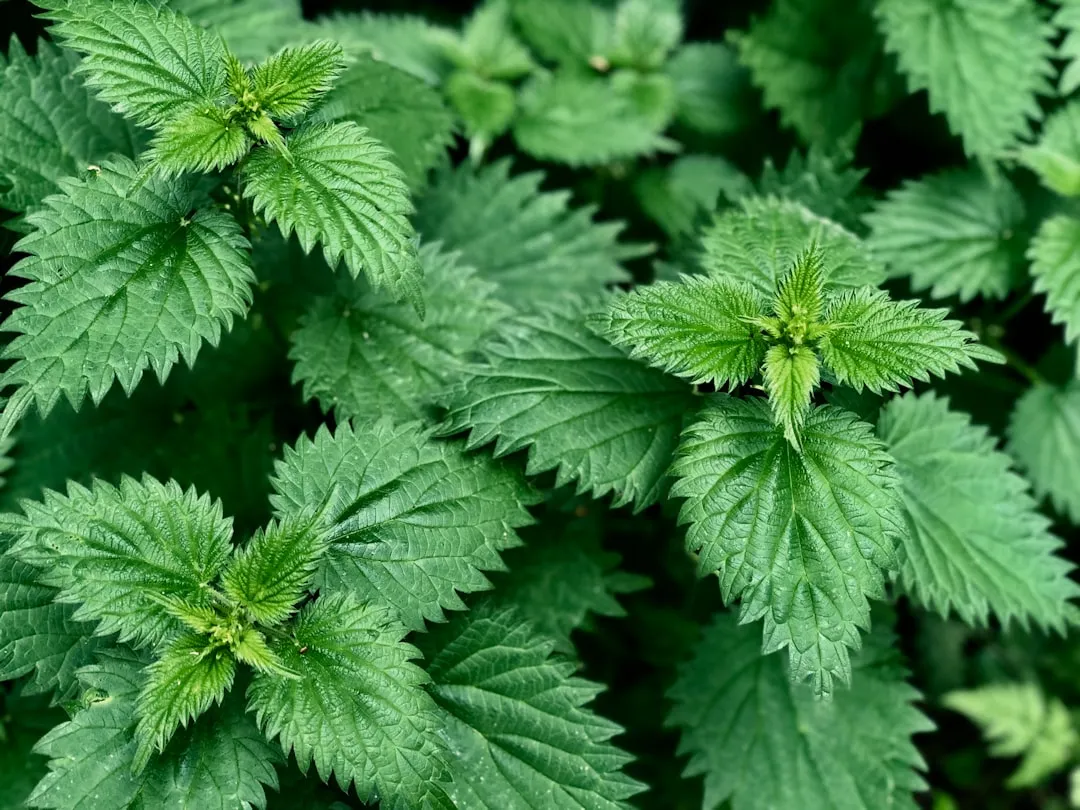
The nettle products market revenue was valued at USD 1.2 billion in 2024 and is estimated to reach USD 2.5 billion by 2033, growing at a CAGR of 8.5% from 2026 to 2033. That’s a figure that would surprise most gardeners who have spent time cursing at its sting.
Worldwide demand for stinging nettle root extract alone is estimated to reach a market valuation of USD 62.3 million in 2024, with the global market projected to reach USD 145.3 million by 2034. The growth rate sits at a remarkably consistent trajectory across multiple market segments.
The stinging nettle root extract market is experiencing notable growth, driven by increasing demand for natural and plant-based health supplements. The pharmaceutical industry dominates the market, leveraging the extract for prostate health, inflammation management, and hormonal balance.
The scope of commercial nettle products includes powdered leaf extracts, liquid leaf extracts, root extracts, capsules, tablets, tea blends, topical creams, and cosmetic formulations. Rising prevalence of arthritis, benign prostatic hyperplasia, allergies, and metabolic conditions is supporting clinical and commercial use of nettle-based products.
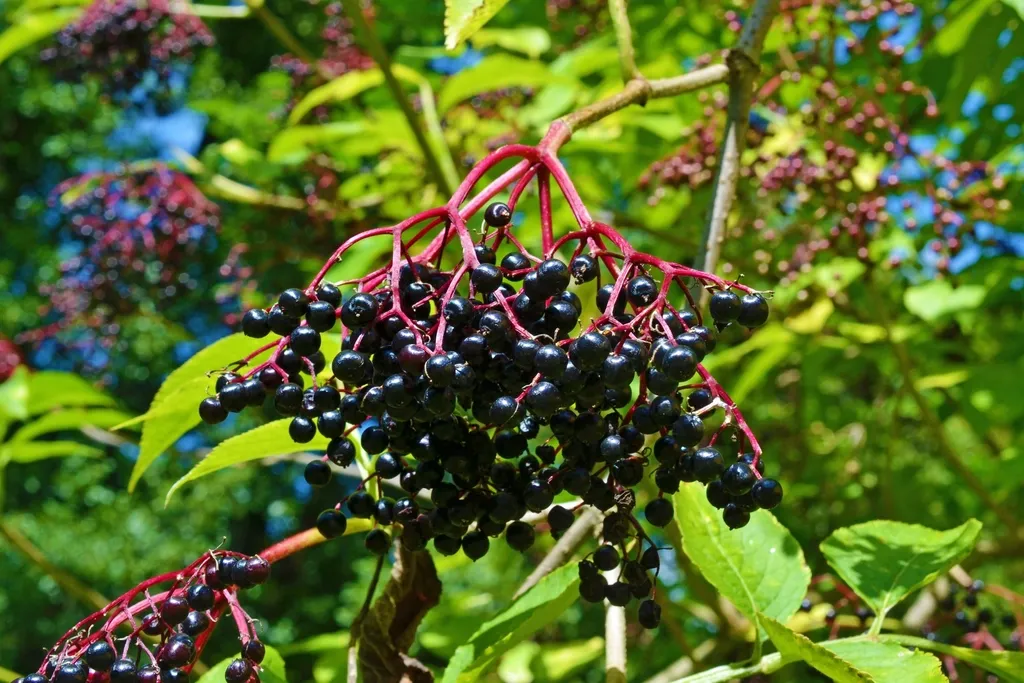
3. Elderberry (Sambucus nigra): The Hedgerow Shrub With a Half-Billion-Dollar Future
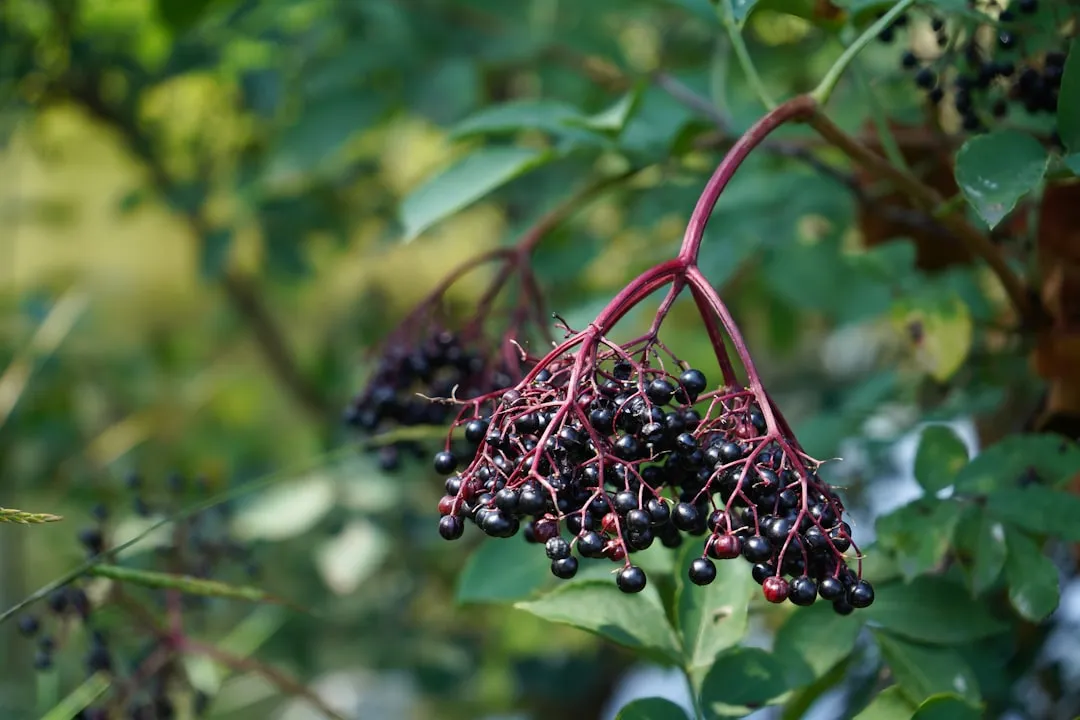
The global elderberry extract market reached a value of USD 334.7 million in 2024. Worldwide revenue from elderberry extract sales is forecasted to rise at a CAGR of 6.1% and reach USD 605.2 million by the end of 2034. For what many gardeners treat as a straggly, overgrown shrub, those are striking numbers.
Elderberries are rich in vitamins, antioxidants, and flavonoids, and have gained wide popularity for their immune-boosting properties. That reputation has built a loyal consumer base that shows no sign of contracting.
According to the American Botanical Council, sales of elderberry skyrocketed to over USD 320 million following the pandemic, reflecting its status as a top-selling herbal ingredient. That consumer awareness has proven durable even years later.
Both processors and retailers express strong interest in elderberries, and a significant majority of elder processors surveyed reported they could not find enough supply to meet their needs. Prices for elderberry offer substantial opportunity for profitability, with a multi-species hedgerow potentially providing between two and three thousand dollars in net annual revenue within three to five years.
4. Purslane (Portulaca oleracea): The Succulent Weed on High-End Restaurant Menus
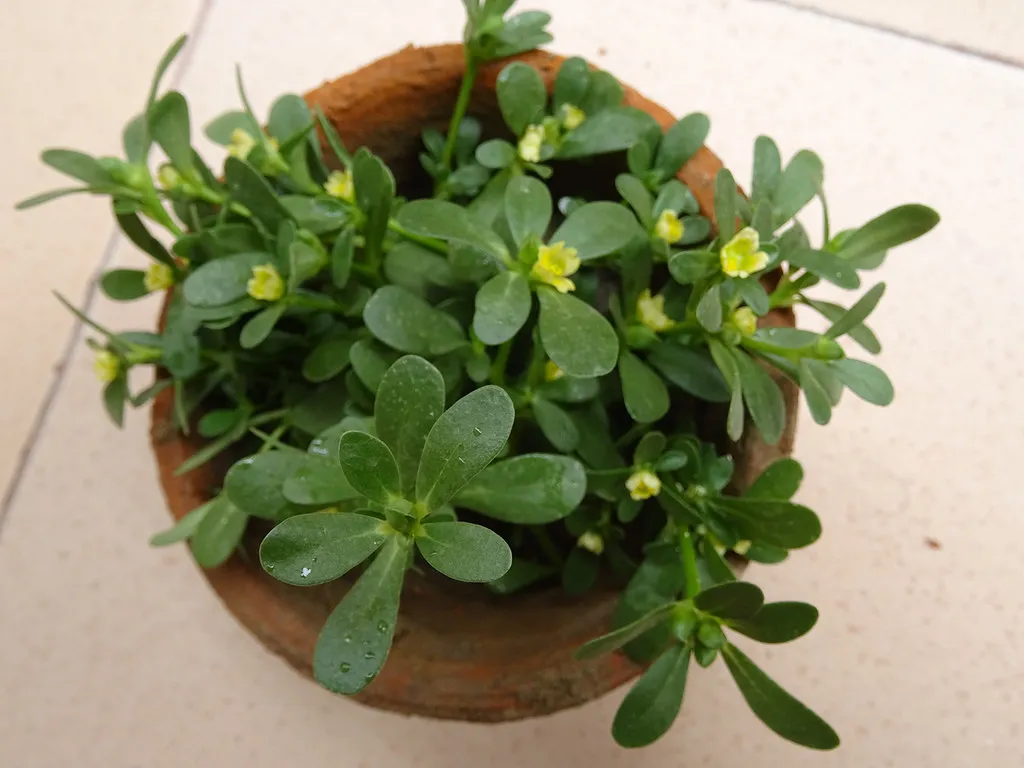
Purslane is a low-growing plant found in shady areas and moist garden beds. Its fat, succulent leaves and stems are edible raw or cooked. Loaded with iron, vitamins B, C, and E, and beta-carotene, it is one of the highest vegetable sources for heart-healthy omega-3 fatty acids.
Many common weeds that growers battle with, such as purslane, lamb’s quarters, and pigweed amaranth, are the very ones popping up on restaurant menus and at farmers’ markets. The market potential for edible weeds is expanding. Cornell University’s research into marketable weeds confirmed this shift is not just a trend but a structural change in how specialty food buyers source ingredients.
In terms of raw nutrition, purslane punches well above its weight. In a 100-gram serving of raw purslane, you get more than 1,320 international units of Vitamin A, 21 mg of Vitamin C, and a dense array of B-complex vitamins. That nutritional profile is exactly what functional food developers are looking for right now.
5. Chickweed (Stellaria media): A Tiny Weed With a Growing Global Market
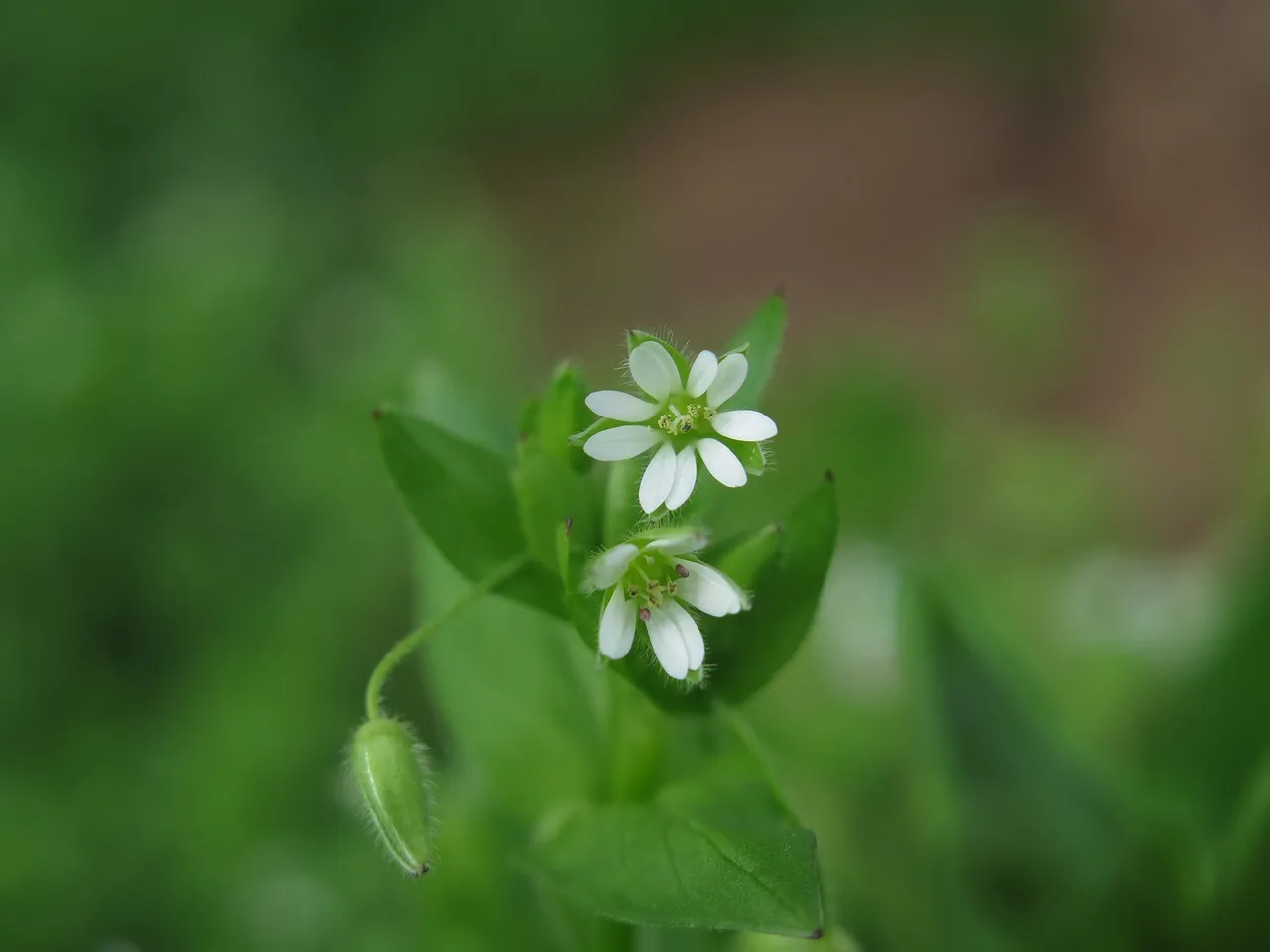
The chickweed market, while currently niche, exhibits promising growth potential driven by increasing consumer awareness of its medicinal and cosmetic benefits. Its value in 2025 is estimated at USD 50 million, with a compound annual growth rate of 7% projected through 2033, indicating expansion to an estimated USD 90 million by that point.
Most gardeners pull chickweed in early spring without a second glance. Yet the same delicate, mat-forming plant that smothers seedbeds is now being harvested for skincare formulations, herbal teas, and topical anti-itch creams. Tender chickweed can be eaten raw when properly identified and harvested from clean areas.
Chickweed’s key compounds include saponins and flavonoids, which have drawn interest from cosmetic chemists developing gentle, plant-based products. The clean-label movement has worked significantly in its favor, with formulators actively replacing synthetic alternatives with botanical options that carry recognizable, natural origins.
6. Lamb’s Quarters (Chenopodium album): Nutritionally Richer Than Spinach
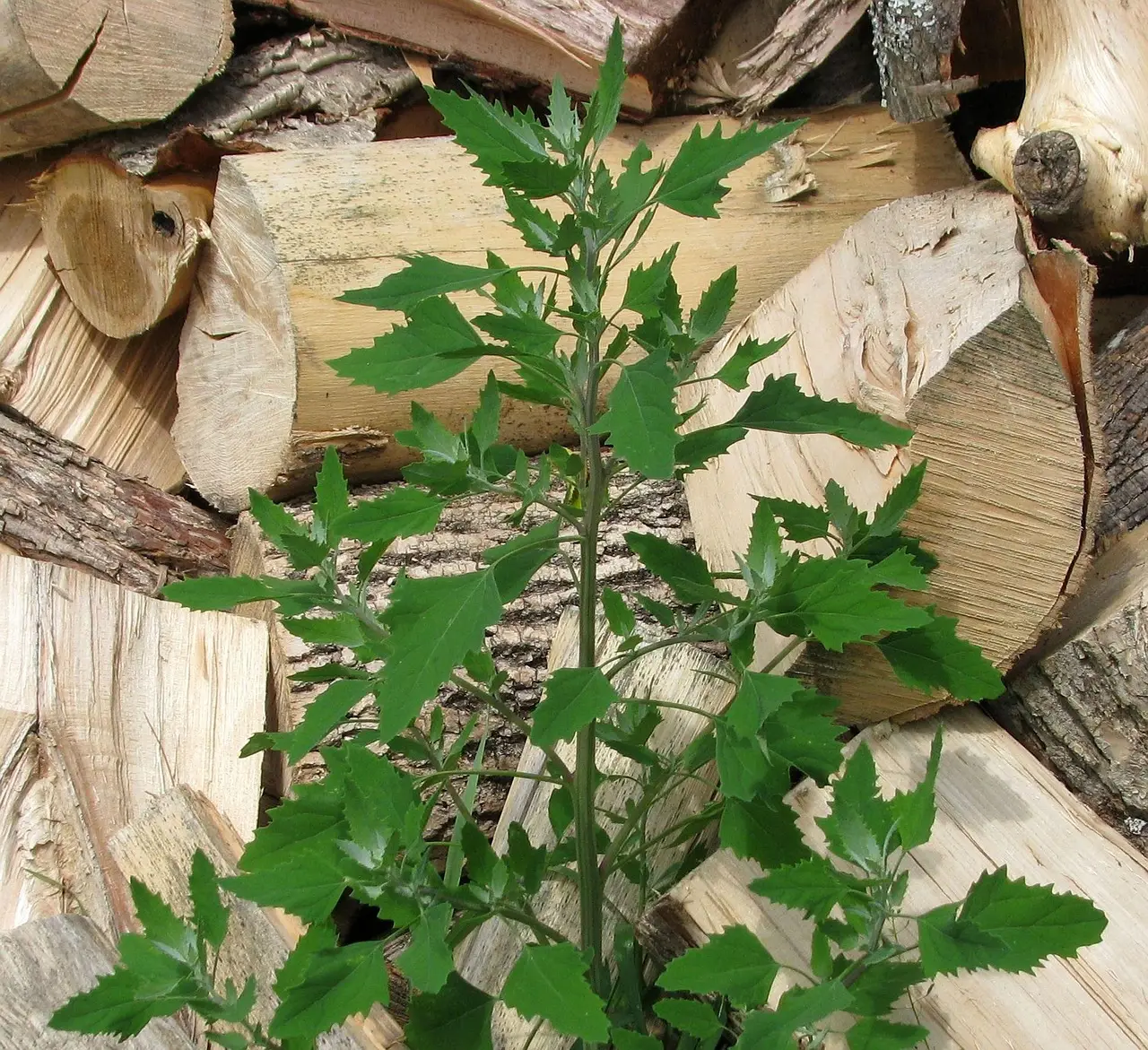
Lamb’s quarters are super-nutritious weeds containing three times the calcium and at least twice the other nutrients found in spinach. It is second only to the dandelion as the most popularly eaten weed. That nutritional standing is increasingly catching the attention of the food industry.
Lamb’s quarters can substitute as spinach in any dish and is packed with nutrients. While most edible weeds are best harvested in spring, lamb’s quarters thrive throughout the entirety of summer. That long growing window makes it more commercially reliable than many cultivated greens.
Many common weeds that growers battle, including lamb’s quarters, are the very ones popping up on restaurant menus and at farmers’ markets. Chefs working with hyper-local and foraged ingredients have been particularly enthusiastic, pairing its mild, mineral-rich flavor with everything from lentil dishes to flatbreads. Its zero-input growing habit means zero cultivation cost, which is an unusual proposition for any ingredient that ends up on a fine-dining menu.
Why the Conventional Garden Mindset Is Slowly Changing
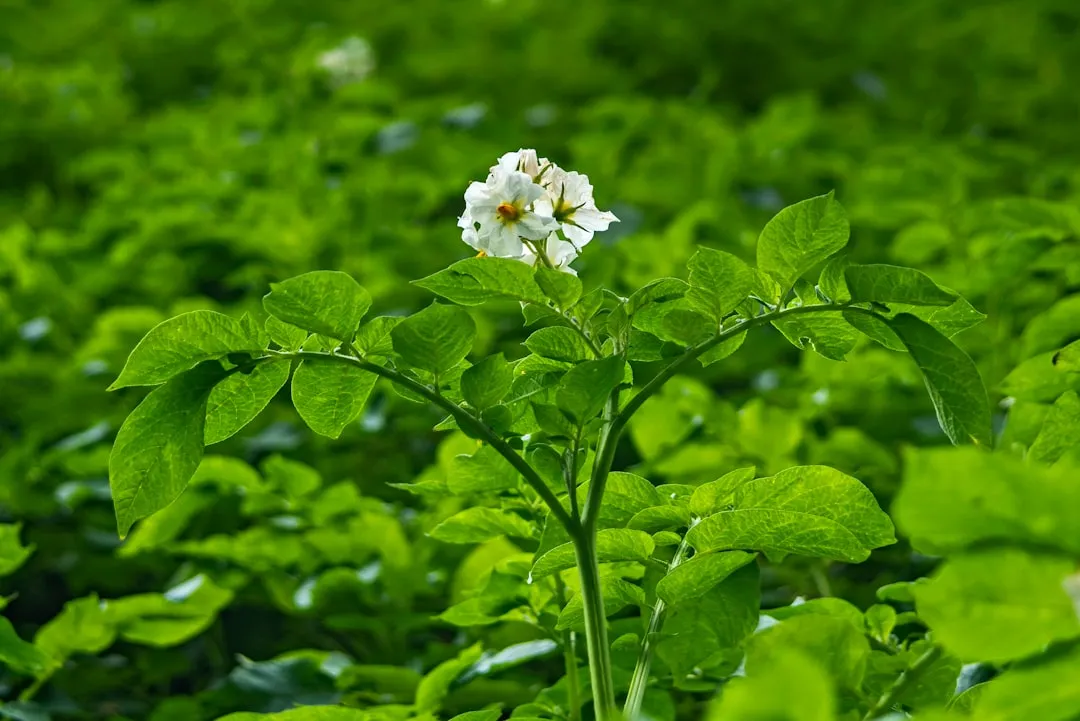
Weeds aren’t necessarily the ultimate enemies of gardening. A weed is simply a plant out of place, but weedy species do have a few things in common: they tend to spread prolifically by seed or underground runners, making them difficult to control. That resilience, once treated purely as a nuisance, is now recognized as a commercial asset.
Many of these plants, dismissed as invasive weeds, have been used for centuries in traditional medicine and cuisine. Beyond their health benefits, they are incredibly sustainable, requiring no cultivation, fertilizers, or extensive care. In an era when input costs for conventional crops continue to climb, that profile is genuinely attractive to producers.
Herbs and botanicals are always considered high-value crops, as they are very profitable at farmers markets. Even herbs bought at the supermarket tend to be on the pricier side. When a plant with those properties grows freely without any investment, the calculus changes quickly.
The Science Is Catching Up With the Folk Knowledge
For centuries, these plants occupied an interesting dual status: people in rural communities used them constantly, while the formal horticultural world largely ignored them. That gap is closing fast. Research institutions and nutraceutical companies are now funding botanical studies that validate what traditional herbalists already knew.
Stinging nettle is widely recognized as a natural remedy for joint pain, inflammation management, and urinary tract support. As consumers shift toward herbal treatments and chemical-free wellness products, manufacturers are expanding product portfolios, boosting market growth across nutraceutical, pharmaceutical, and wellness sectors.
The dandelion root supplement market has experienced significant growth in recent years, driven by increasing awareness of the benefits of natural remedies and the growing preference for herbal supplements. Dandelion root, often consumed as a tea, powder, or capsule, is known for its medicinal properties such as detoxifying the liver, improving digestion, and supporting overall immune function.
What This Means for Home Gardeners in 2026
The gap between “garden pest” and “commercially viable crop” is narrowing in ways that have practical implications for anyone with a backyard. Research projects funded through bodies like the Northeast Sustainable Agriculture Research and Education program are investigating the use and marketability of edible weeds as supplemental farm crops, with resource guides being developed for farmers on how and why to add edible weeds to their harvest lists.
Small-scale growers are already acting on this. There is significant market potential for botanicals like elderberry, globally and locally. Value-added elder products are manufactured at different scales across the supply chain, by on-farm producers, herbalists, specialty food entrepreneurs, and nutraceutical corporations.
The route to profit isn’t just selling raw plant material. Dried teas, tinctures, value-added culinary products, and direct-to-consumer wellness goods all command premium prices. A plant that costs nothing to grow and sells for more per pound than many cultivated vegetables is an unusual opportunity. Most gardeners are quite literally throwing it away.
How to Identify and Harvest Responsibly
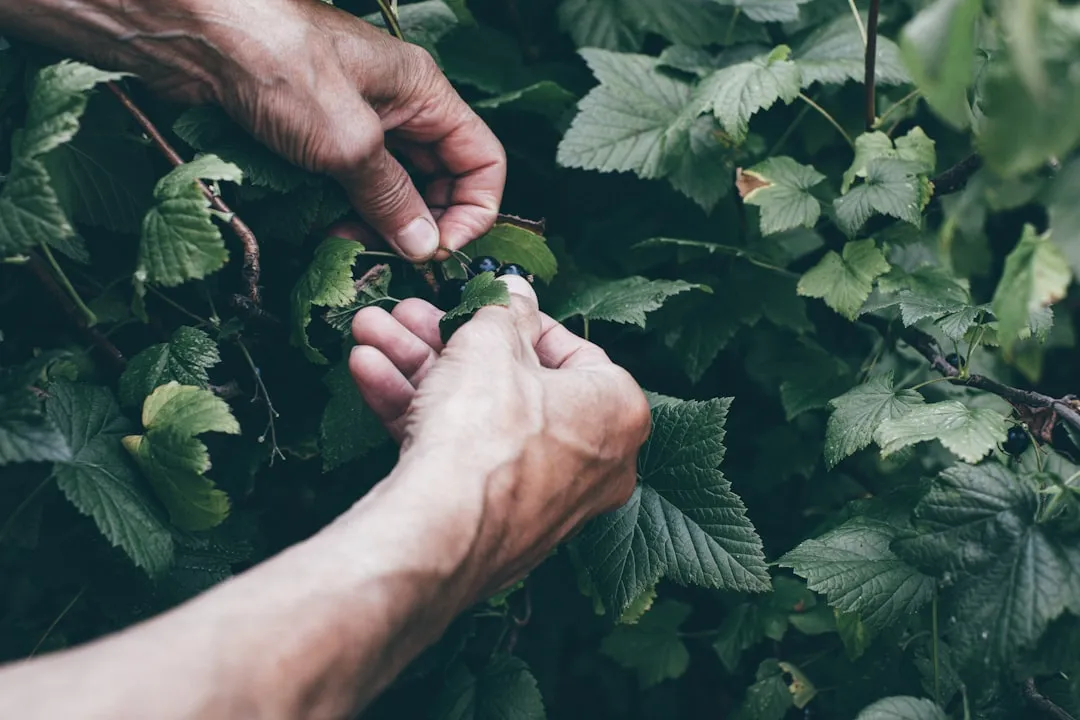
Before harvesting anything for food, medicine, or sale, accurate identification is non-negotiable. Some plants resemble edible species closely enough to create real risk. Local plant identification guides, foraging courses, and university extension resources are all useful starting points.
It is critical to only harvest from areas you are fully certain are pesticide and herbicide-free. Urban gardens, roadsides, and parks often receive chemical treatments that are invisible to the eye but remain in plant tissue.
Sustainable harvesting matters too. Taking a portion of a plant’s growth rather than clearing it entirely allows the plant to regenerate and maintain its presence. For gardeners interested in turning their “weed problem” into a small-scale income stream, patience and knowledge are the two most important inputs, both of which are free.
The Quiet Reassessment of What Belongs in a Garden
The story here isn’t that every weed is secretly precious. Most plants that crowd out your vegetables are genuinely just in the way. The more interesting point is that a small number of these uninvited guests have documented, measurable value that far exceeds their reputation, and that reputation is finally starting to shift.
In the modern garden, where harmony with nature and the ability to thrive under challenging conditions are key, weeds are finally getting their moment in the sun. That’s not just a poetic observation; it’s backed by a body of market data that continues to grow year on year.
The next time a dandelion pushes up through the patio stones or a nettle spreads into the border, it might be worth pausing before reaching for the trowel. What looks like failure in a garden might, from a different angle, look a lot like a crop.
AI Disclaimer: This article was created with the assistance of AI tools and reviewed by a human editor.