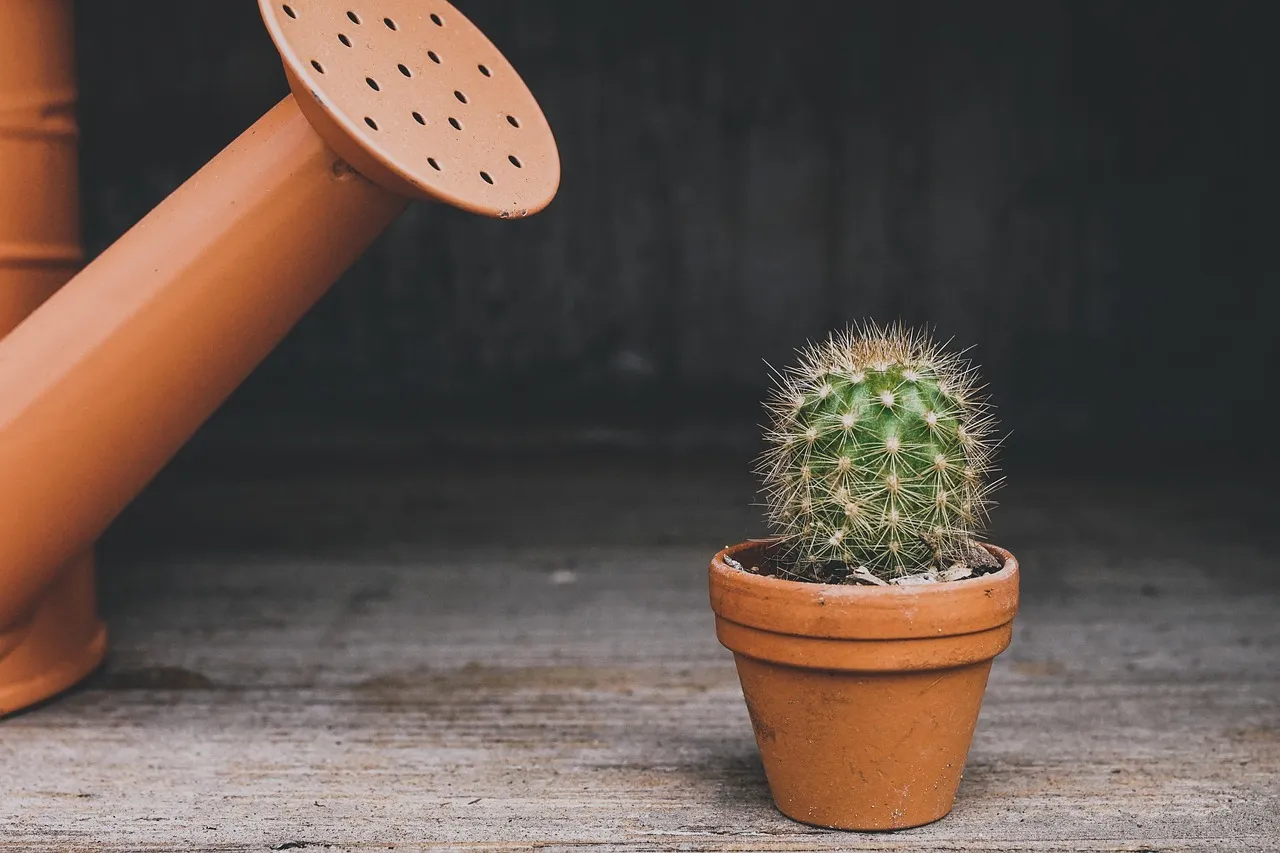

There’s a quiet irony at the heart of indoor gardening. Most houseplants don’t die from neglect. They die from too much love. More “care” kills more plants than neglect does, and understanding that single fact changes how you think about every plant in your home.
According to horticultural studies and gardening experts, over 80% of houseplant deaths are related to incorrect watering, with overwatering being the primary culprit. The six plants below have each evolved specific survival strategies that make them genuinely thrive when left alone. Water them on a rigid weekly schedule, fuss over them constantly, and many of them will quietly give up.
The Real Killer in Your Living Room
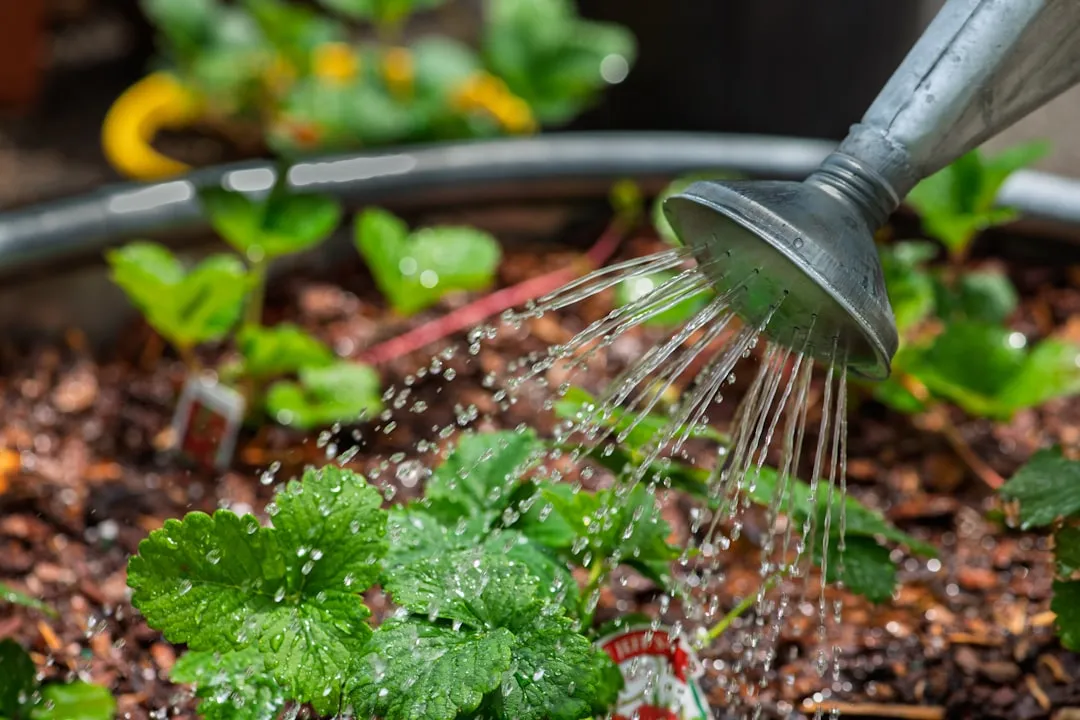
Before meeting the plants themselves, it’s worth understanding what actually goes wrong. Too much water forces oxygen out of the soil, literally smothering the roots and causing them to rot. Overwatered plants are limp, yellowing, and usually have soft, mushy stems.
Overwatering is the single largest cause of houseplant death, accounting for about 40% of cases according to plant diagnostic data. Insufficient light comes in at a distant second. The pattern is consistent: people who are new to plants tend to treat every species the same way, checking in daily and watering on a schedule regardless of what the soil is actually telling them.
Watering on a schedule, misting, fertilizing “because the plant looks tired” – these all hurt more often than they help. The six plants in this gallery have adapted to survive in conditions where water is scarce. Bringing that same environment indoors is not neglect. It’s respect.
1. Snake Plant (Dracaena trifasciata)
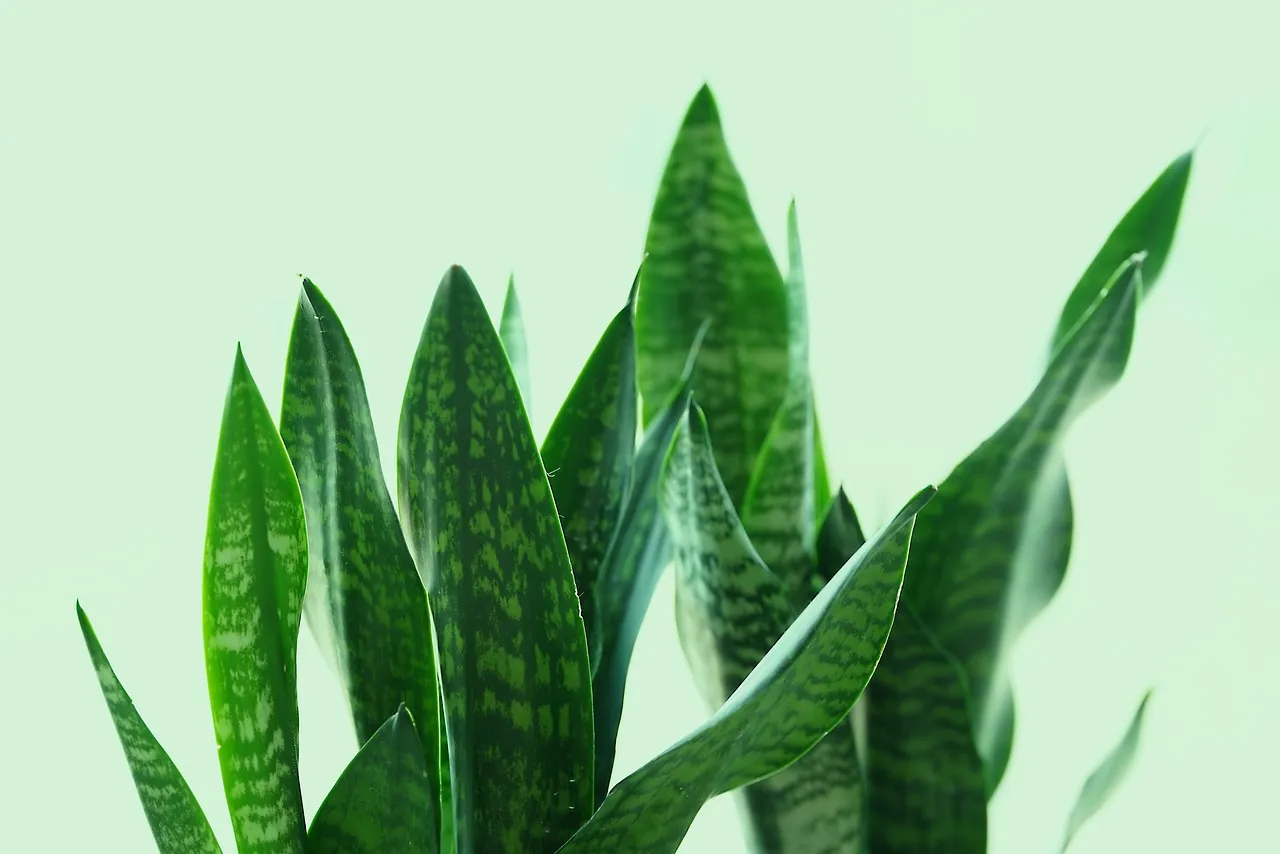
The snake plant (Dracaena trifasciata, formerly Sansevieria) is arguably one of the most forgiving houseplants you can get. Its sword-shaped, upright leaves are architectural and bold, which is why it keeps appearing in offices, hospitals, and hotel lobbies everywhere.
Snake plants store water in their thick, upright leaves, allowing them to go weeks without attention. Overwatering is the only real threat to this plant, so letting the soil dry out between waterings is essential.
Since NASA’s groundbreaking Clean Air Study in the 1980s, the Snake Plant has earned its reputation as one of the most effective air-purifying houseplants. It converts CO2 into oxygen at night while removing toxins like formaldehyde, benzene, and trichloroethylene from indoor air. Dry it out completely because you forget to water for a month, and it’ll carry on as if nothing happened. Leave it sitting in stagnant water or let the soil stay too wet for too long, and it’ll rot and die pretty quickly.
2. ZZ Plant (Zamioculcas zamiifolia)
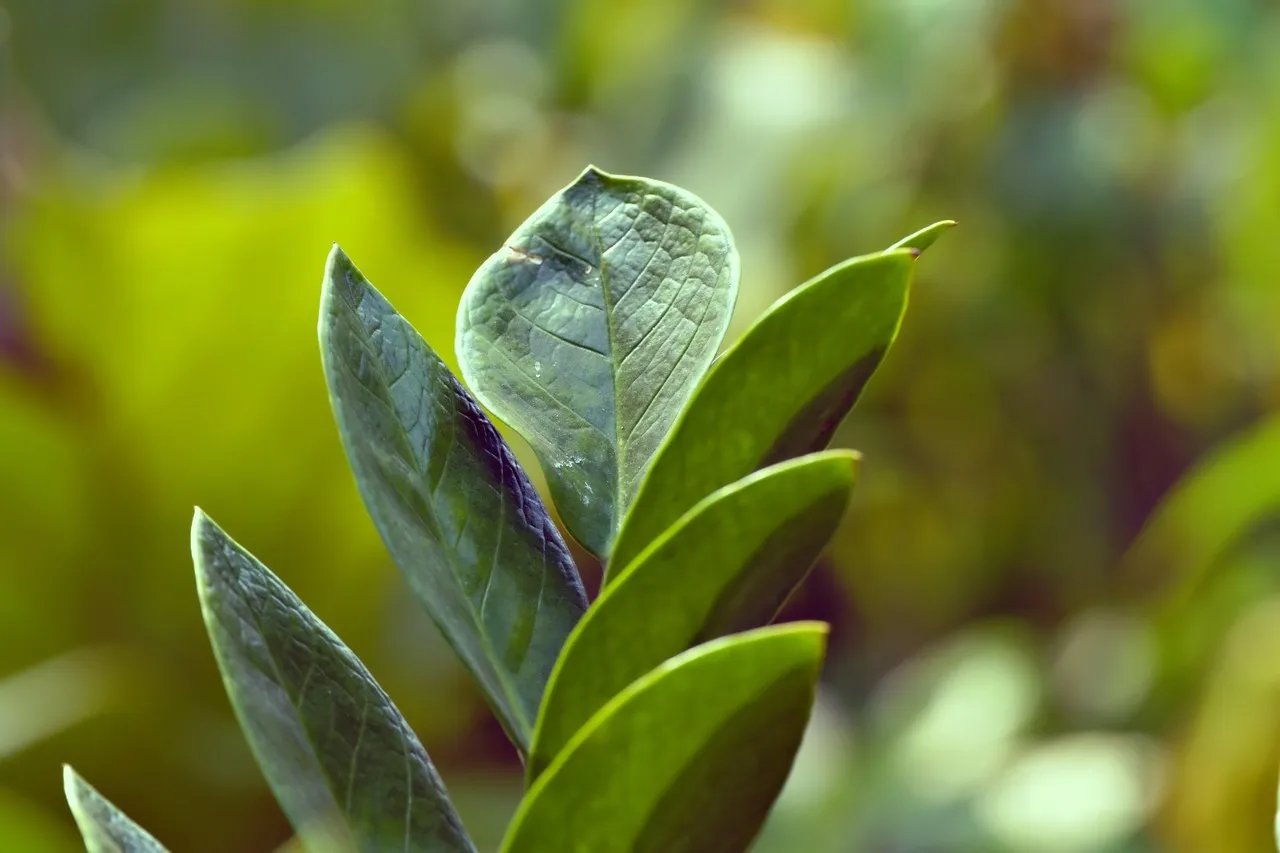
ZZ plants evolved in the dry grasslands and rocky forests of eastern Africa, where rainy seasons are followed by four to six month droughts. Their entire physiology is built for drought tolerance. That origin story explains almost everything about how to care for one.
Unlike most houseplants that rely on fibrous roots, ZZ plants store water and nutrients in thick, potato-like rhizomes that act as the plant’s personal reservoir system. This underground storage allows the plant to survive extended dry periods, making it incredibly drought-tolerant. The plant also employs a fascinating survival strategy called CAM (Crassulacean Acid Metabolism) photosynthesis, the same water-saving process used by cacti and succulents.
More ZZ plants die from overwatering than from any other cause. Iowa State University Extension describes overwatering as the primary problem, and the University of Connecticut Extension agrees, calling it “just about the only factor that leads to the demise of this tough houseplant.” Mature ZZ plants can go six to eight weeks in summer and ten to sixteen weeks in winter without water and survive.
3. Pothos (Epipremnum aureum)
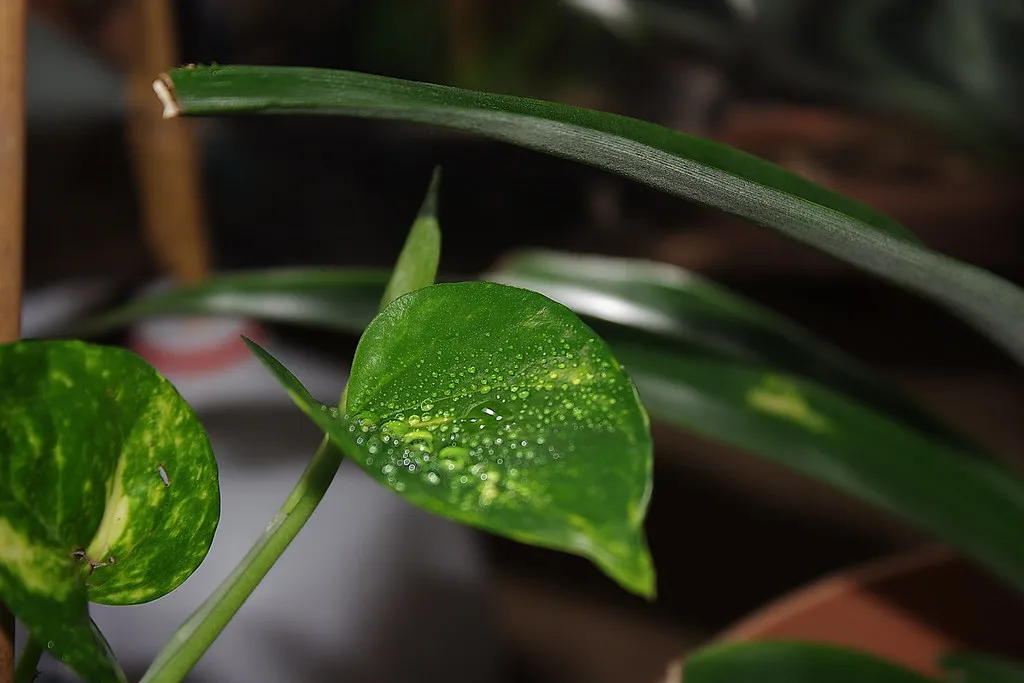
Pothos is another exceptionally hardy plant that prefers neglect over constant helicopter plant parenting. Fluctuating indoor temperatures, low light, and periods of drought don’t bother this tough, climbing plant. Its hardiness is what makes it such a popular first houseplant.
Pothos, specifically golden pothos, is called devil’s ivy because it is nearly impossible to kill. Its resilient leaves remain green even in very low light. That quality alone makes it one of the most practical trailing plants for darker apartments or north-facing rooms.
The golden pothos variety tested in the NASA study was shown to remove benzene, xylene, toluene, and formaldehyde from indoor air. This plant bounces back quickly if neglected, making it perfect for those who forget to water. The one caveat worth noting: it is also poisonous and will cause nausea if ingested by humans or pets.
4. Aloe Vera (Aloe barbadensis miller)
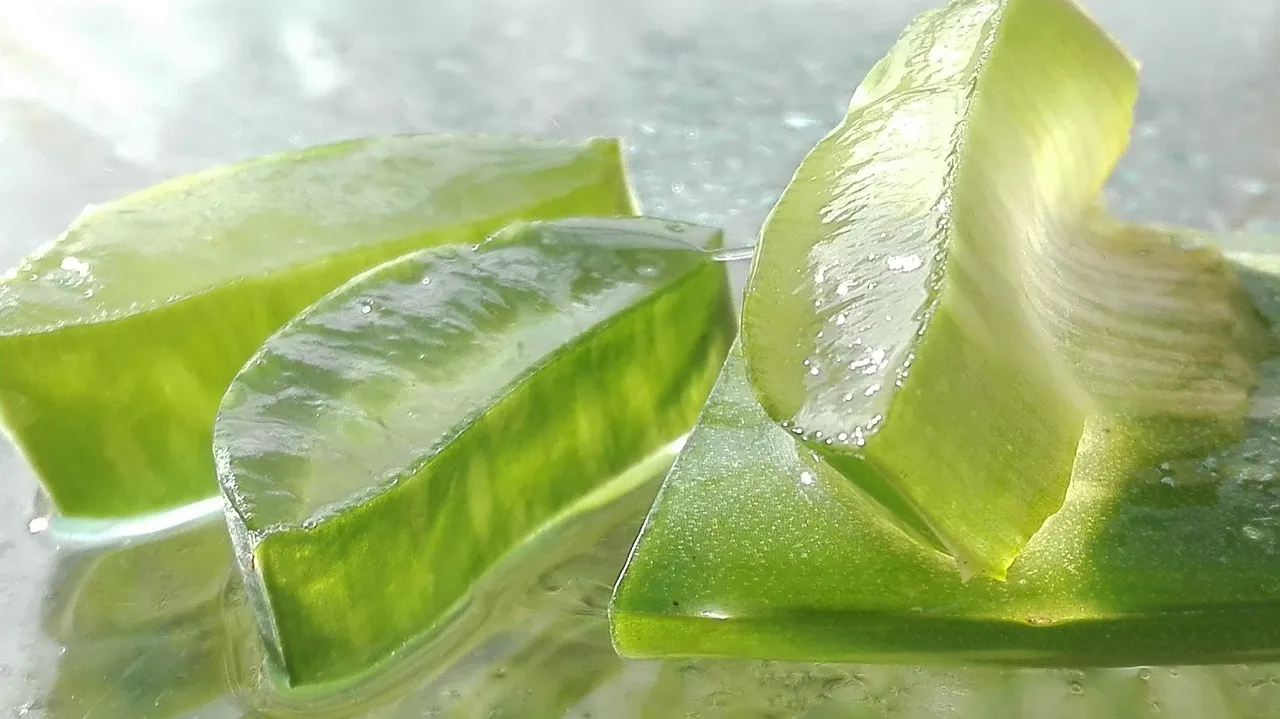
Aloe is easy to grow and care for if you don’t overwater or over-harvest it, and it reproduces easily. During the growing season, aloe only needs watering every two to three weeks. It’s a succulent, so it stores water in those wonderfully fat leaf spikes.
In winter, it needs watering only once every four to six weeks. Like other succulents, aloe should dry out between waterings. If it gets too wet, it’ll get crown or root rot that will kill the plant before you can save it.
Aloe vera absorbs formaldehyde and benzene from the air and is a great first-aid plant on your windowsill. It prefers bright, direct light and infrequent watering, perfect for sunny spots that are often overlooked. The gel inside its leaves has well-documented soothing properties for minor burns and skin irritation, making it one of the few houseplants with a genuinely practical secondary use.
5. Cast Iron Plant (Aspidistra elatior)
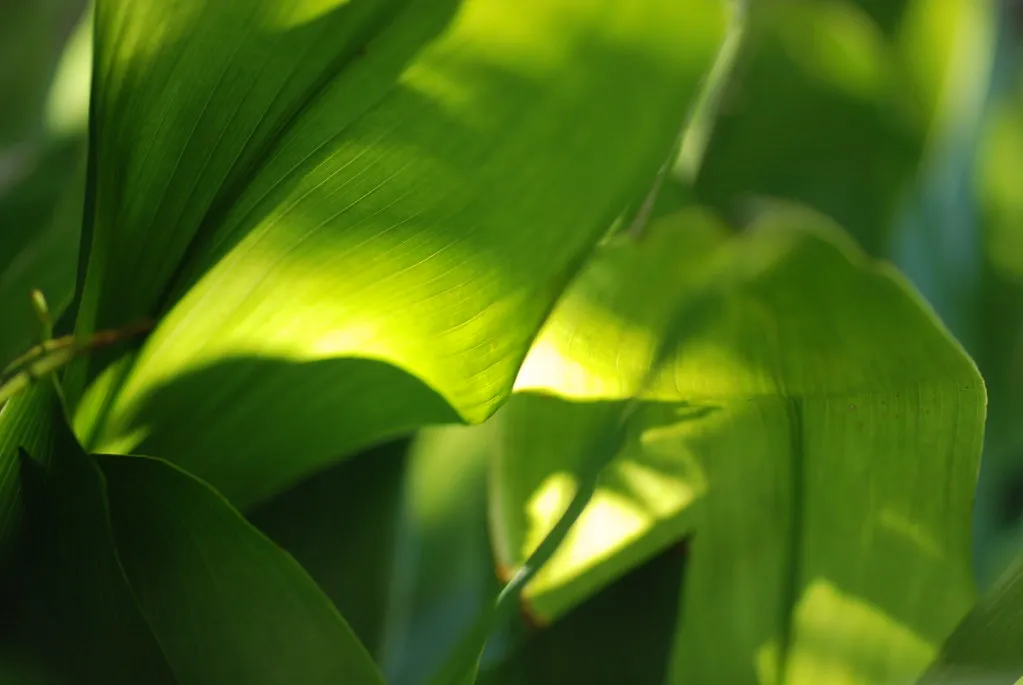
The cast iron plant earns its name by being virtually indestructible. It’s the plant that survives in Victorian parlours, dim hallways, and basically anywhere you stick it. That reputation has held for well over a century, which says something.
It has gorgeous dark green, glossy leaves that arch elegantly. It grows slowly, which means minimal maintenance, and it tolerates neglect better than almost any other houseplant. It’s the ultimate lazy gardener’s dream plant.
Cast iron plants need very little water. Let the soil dry out substantially between waterings. In summer, water every two to three weeks. In winter, once a month or even less. They genuinely thrive on neglect and hate being fussed over.
6. Rubber Plant (Ficus elastica)
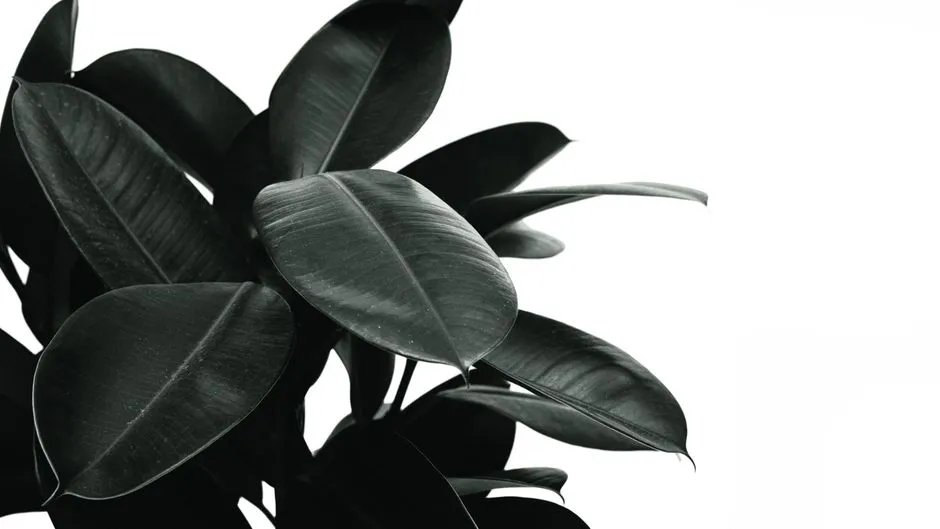
The rubber plant is a hardy houseplant with large, glossy leaves that make a bold statement. It thrives in medium to bright indirect light but can adapt to lower light settings. Watering is only necessary when the soil is dry, and it can tolerate occasional neglect.
It displays bold and glossy leaves while requiring less maintenance from homeowners. Rubber trees show greater resilience to different lighting environments and need less precise watering while rewarding occasional neglect with sustained healthy growth.
Although not a fan of cold drafts, rubber trees can tolerate dry indoor air much better than most humidity-loving houseplants, so it’s especially great for those living in drier climates. This plant helps purify the air while adding a lush, tropical touch to any room. Occasional pruning encourages bushier growth, but it remains attractive with minimal maintenance.
Why “Caring Too Much” Is a Real Problem
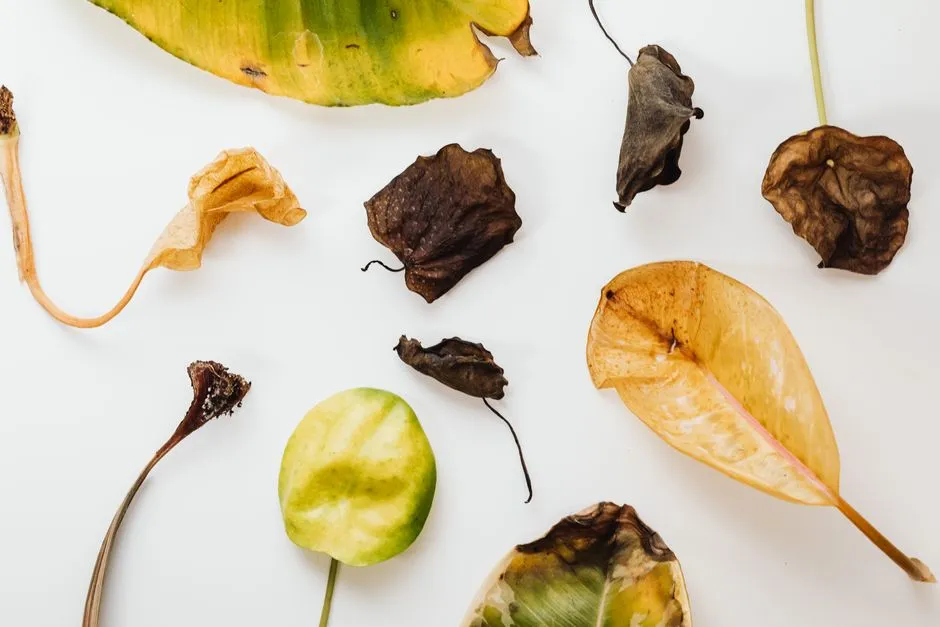
When plants struggle, it’s almost always because their caretakers give too much care and attention. They overfeed, overwater, and generally love their plants to death. Overwatering is usually the biggest killer.
Overwatering kills more plants than anything else. When in doubt, wait. Most plants prefer being slightly root-bound. Less is more when it comes to fertilizer. Most houseplants need little to no fertilizer.
The instinct to nurture is understandable, especially with a living thing you’ve spent money on. Still, these six plants are wired differently. They come from environments where water was a seasonal event, not a daily given. Giving them that same sparse rhythm indoors isn’t cruelty. It’s the closest thing to home they’ll ever have.
The One Rule That Changes Everything
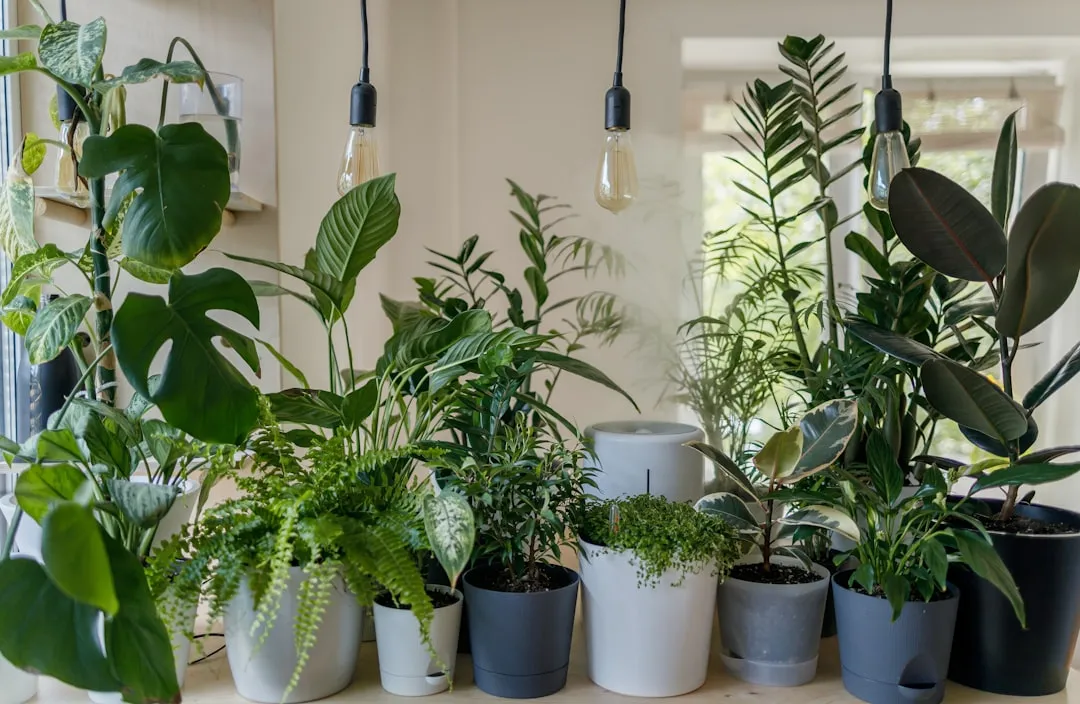
Resilience in houseplants usually comes down to their ability to store water and tolerate low light. Plants like the ZZ plant and snake plant have evolved in harsh environments, allowing them to thrive in indoor “deserts” where watering is inconsistent and natural sunlight is scarce.
The most common cause of plant failure is overwatering. Resilient plants are designed to handle drought, not soggy soil. If you notice yellowing leaves, let the soil dry out completely and ensure your pot has proper drainage holes to prevent root rot.
A single reliable test: push your finger about an inch into the soil before you reach for the watering can. If it still feels damp, walk away. Come back in a few days. The best low maintenance indoor plants are those that tolerate irregular watering, cope with typical home light levels, and bounce back from beginner mistakes. That is, quite simply, the whole philosophy.
Light: The Second Biggest Mistake
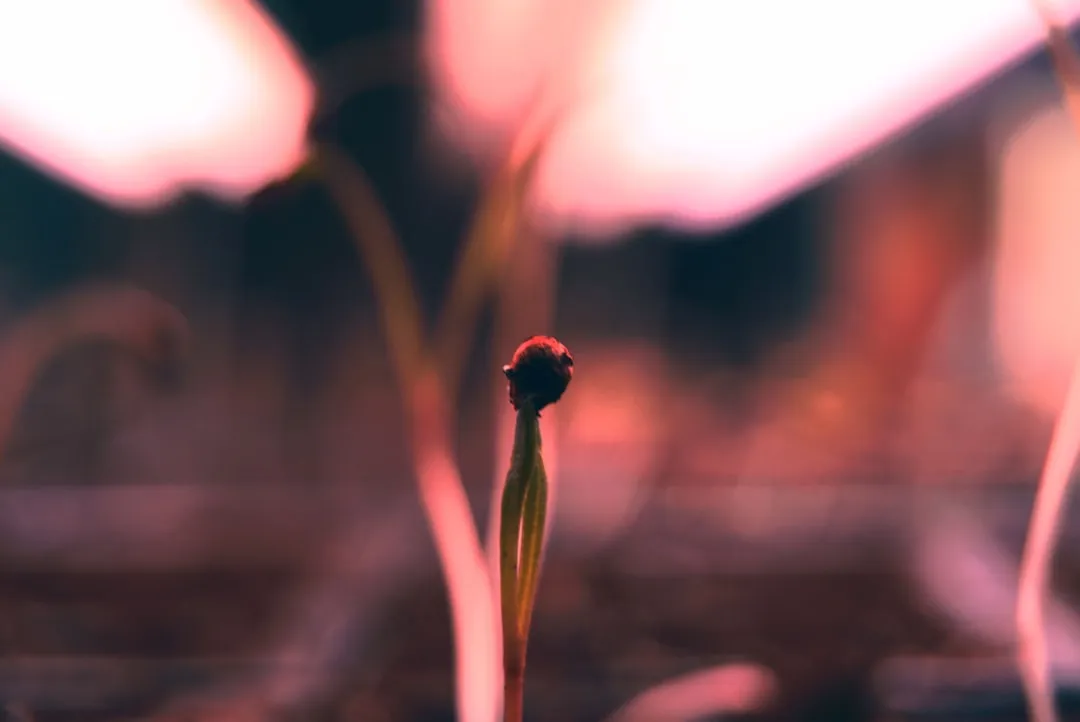
Overwatering and incorrect light levels are the two leading killers of houseplants. Most of the plants in this gallery are forgiving on the light front, but there are still limits worth knowing.
While no plant can grow in total darkness forever, “low-light” varieties like the snake plant can survive for long periods in dim conditions. To help them truly flourish in windowless spaces, using a grow light provides the specific light spectrum they need to photosynthesize without requiring a window.
Indirect light near a window remains the ideal setup for most of these plants. Direct midday sun, surprisingly, can scorch leaves on ZZ plants and pothos just as reliably as neglect might stress other species. The sweet spot is a bright room where sunlight never lands directly on the leaves for extended periods.
Pot Choice and Drainage Matter More Than You Think
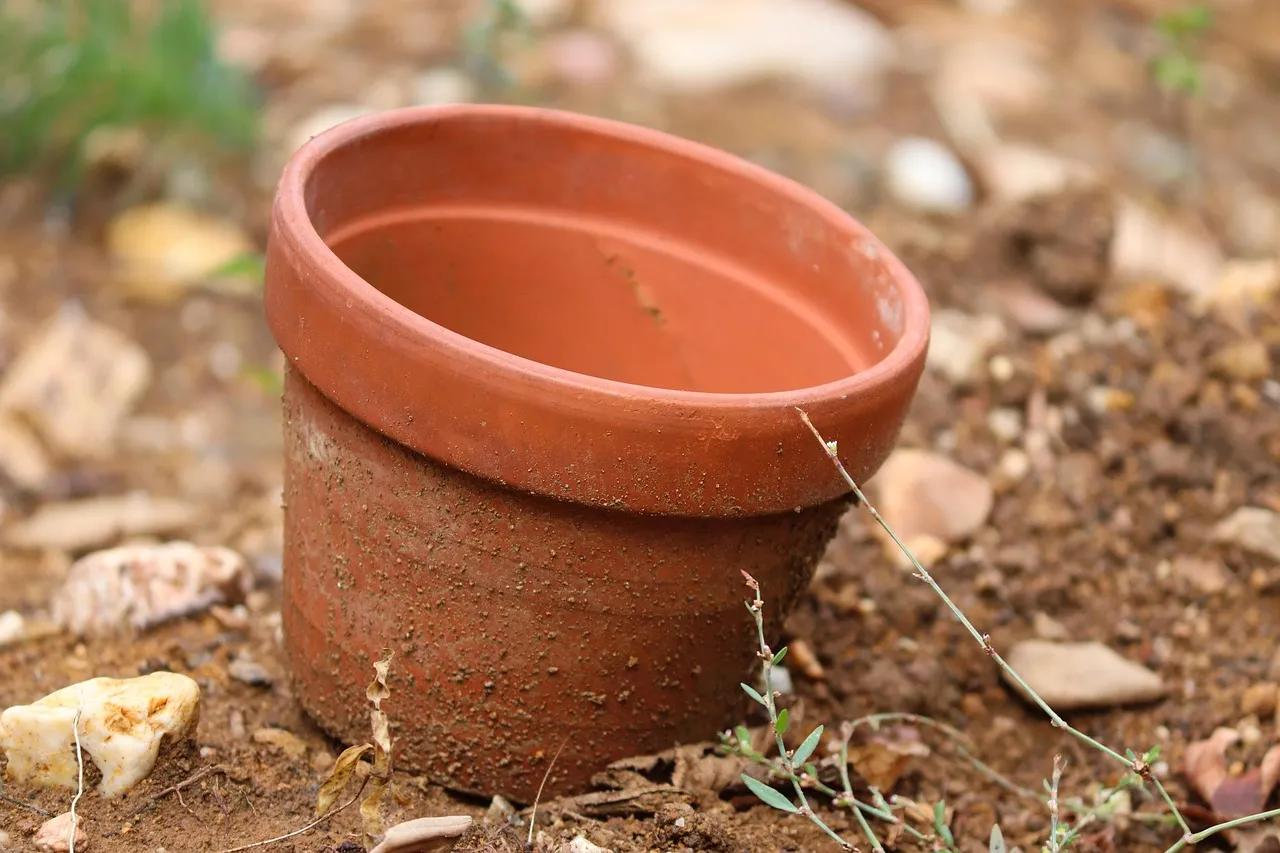
The golden rule is that neglect is often better than over-care. To keep resilient plants truly thriving, always avoid overwatering and use well-draining pots, keeping plants in a consistent environment to avoid stress.
Match light needs to your space by reading plant tags before placing them. Beyond light, the container itself matters. A pot without drainage holes is one of the most reliable ways to kill even the toughest plant on this list. Water pools at the bottom, roots sit in it, and rot follows.
Terracotta pots are a practical choice for drought-tolerant plants because they breathe, allowing moisture to evaporate through the walls. Plastic pots hold water longer, which can work in very dry, heated homes but becomes a liability if you’re an enthusiastic waterer. Matching pot material to your own habits is a small adjustment that pays off over months and years.
A Final Word on Letting Go
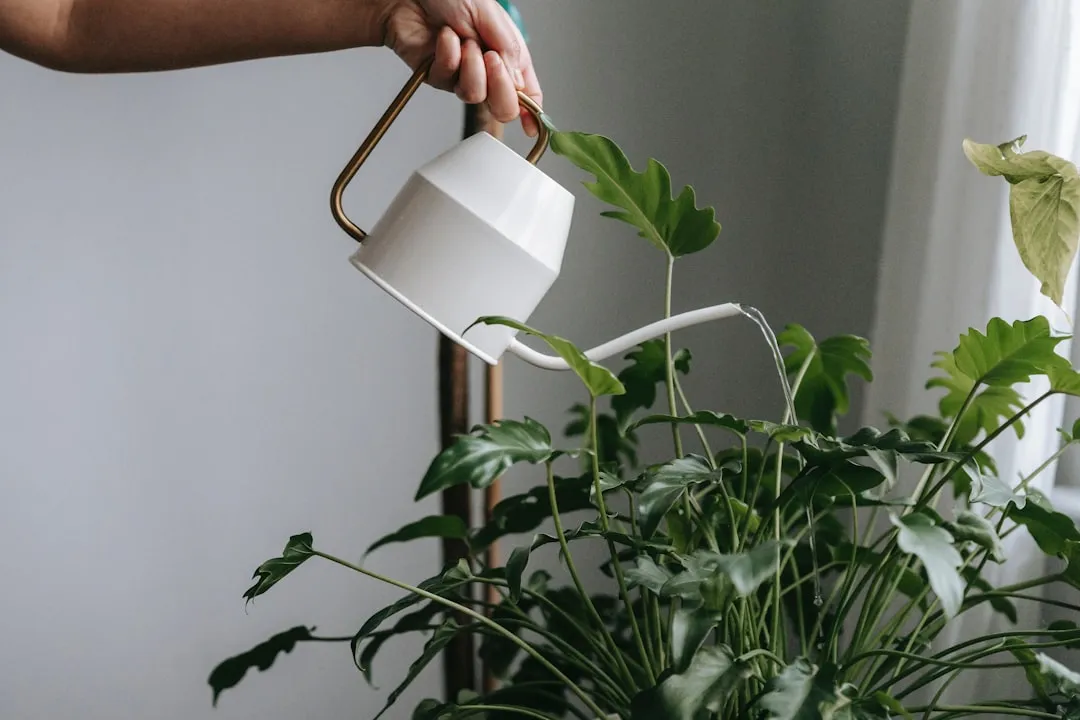
The single care mistake that kills most of these plants before they get a chance to thrive is overwatering. That’s not an opinion. It’s the conclusion reached by experienced gardeners, horticultural studies, and extension university programs alike.
Resilient plants do more than just survive; they provide consistent aesthetic value and improved air quality with minimal effort. Transitioning to hardier species is a smart way to build a sustainable indoor garden.
There’s something quietly reassuring about plants that ask so little. They don’t need daily check-ins or a precise feeding schedule. They need good soil, decent light, and the space to dry out between drinks. Give them that, and they’ll outlast every high-maintenance specimen you’ve ever struggled to keep alive. Sometimes the kindest thing you can do for a living thing is simply leave it alone.
AI Disclaimer: This article was created with the assistance of AI tools and reviewed by a human editor.