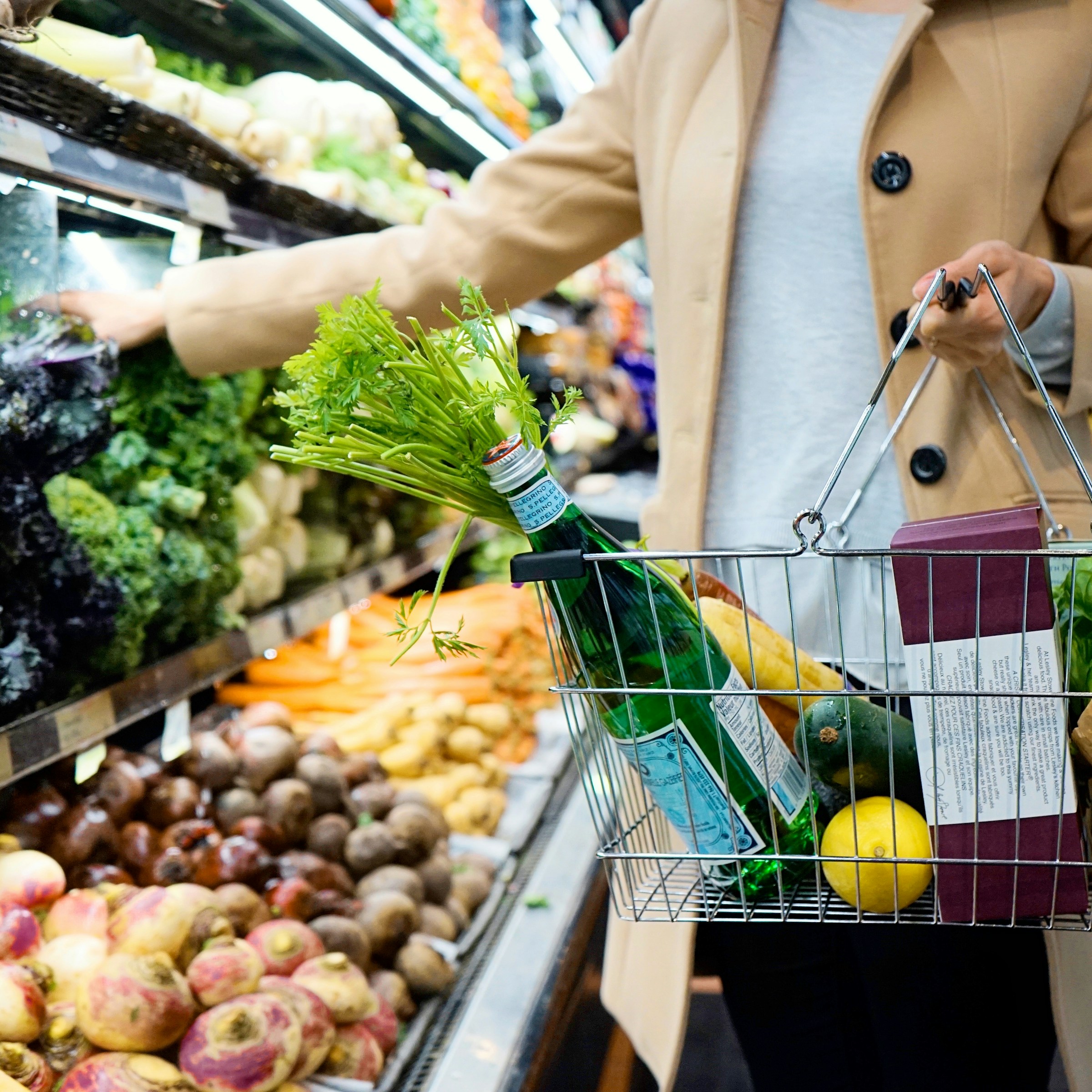

1. Flavored Low-Fat Yogurt

Low-fat yogurt occupies a strange spot in food culture. It sounds restrained, responsible, almost virtuous. The reality on the nutrition label is quite different. A single cup of low-fat yogurt can contain over 45 grams of sugar, roughly 11 teaspoons, which already exceeds the daily recommended limit for both men and women.
Research across multiple countries confirms how widespread the issue is. A study evaluating flavored milks and yogurts found that flavored yogurt varieties may contain high levels of free sugar. Flavored yogurt products in UK supermarkets averaged around 12 percent total sugar content, and these values exceeded the World Health Organization’s recommendation of no more than 10 percent of energy from sugar.
The “low-fat” label is particularly misleading. When fat is removed from yogurt, manufacturers typically compensate with added sugar to maintain taste. A blueberry-flavored yogurt from Yoplait, for example, contains 13 grams of added sugar per container, and despite having only 1.5 grams of fat, the sugar content brings the calorie count to 140 per six-ounce serving. Plain Greek yogurt remains the more reliable choice for anyone watching sugar intake.
2. Granola and Granola Bars
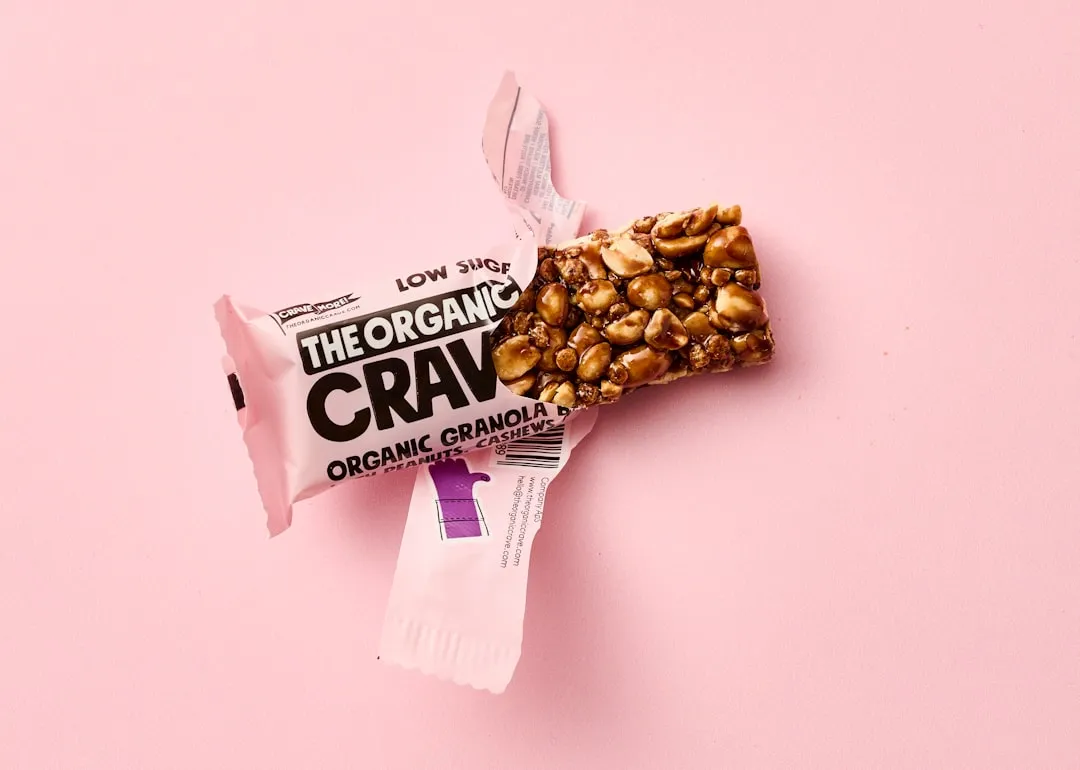
Granola has an earthy, wholesome image that very few foods can match. Oats, nuts, a little honey, maybe some dried fruit. It sounds like something a nutritionist would approve of. Granola is often marketed as a low-fat health food, despite being high in both calories and sugar.
The oats in granola are combined with nuts and honey or other added sweeteners, which significantly increases the amount of sugar and total calories. According to USDA data, commercial granola can contain between 22 and 28 grams of sugar per 100 grams, which is higher than most breakfast cereals. That’s before you factor in the portion sizes most people actually eat.
Granola bars carry the same problem in portable form. A nationwide survey by Action on Salt and Sugar at Queen Mary University of London exposed how misleading many so-called healthy snack bars really are, with more than a third being high in sugars even under the UK’s existing traffic-light labelling system. Among bars boasting a “high-fibre” claim, 31 percent were also high in sugars, illustrating how selective marketing can create a misleading health halo. A bar that touts its fiber content while packing in a comparable sugar load to a candy bar deserves scrutiny, not trust.
3. Bottled Smoothies
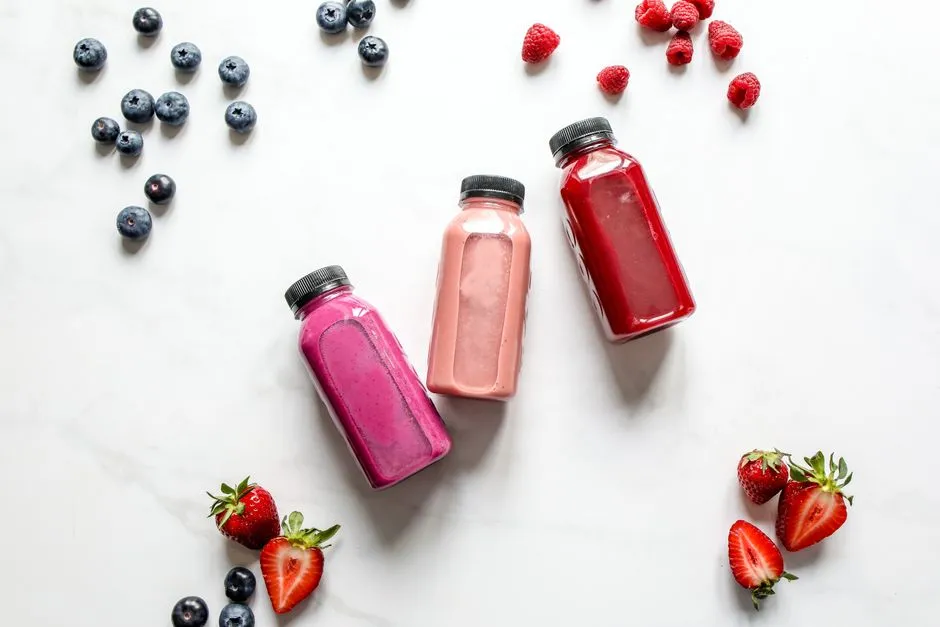
The bottled smoothie has become a shorthand for healthy living. Bright colors, fruit imagery, words like “superfood” and “cold-pressed” on the front. Bottled smoothies can contain two types of sugar: natural and added. Natural sugars come from whole fruits or juice concentrates, while added sugars are introduced during processing with ingredients like cane sugar, fructose, and brown sugar.
The problem with sugar in bottled smoothies, regardless of whether it’s natural or added, is that these beverages often lack fiber because they rely on juice concentrates or purees instead of whole fruits. Without fiber, you miss out on its benefits, including minimizing blood sugar spikes and promoting satiety. One bottle may also count as two servings, doubling sugars instantly, and fruit purees without fiber act similarly to juice in the body.
Some of the most popular brands carry startling totals. A 15-ounce bottle of Naked Blue Machine smoothie, for instance, contains 55 grams of sugar with minimal fiber. All fruit juices and smoothies contain a naturally occurring sugar called fructose, and while fructose from whole fruit doesn’t add to your intake of free sugar, in fruit juice or a smoothie it does. The convenience of a bottled smoothie comes with a real nutritional tradeoff.
4. Dried Fruit
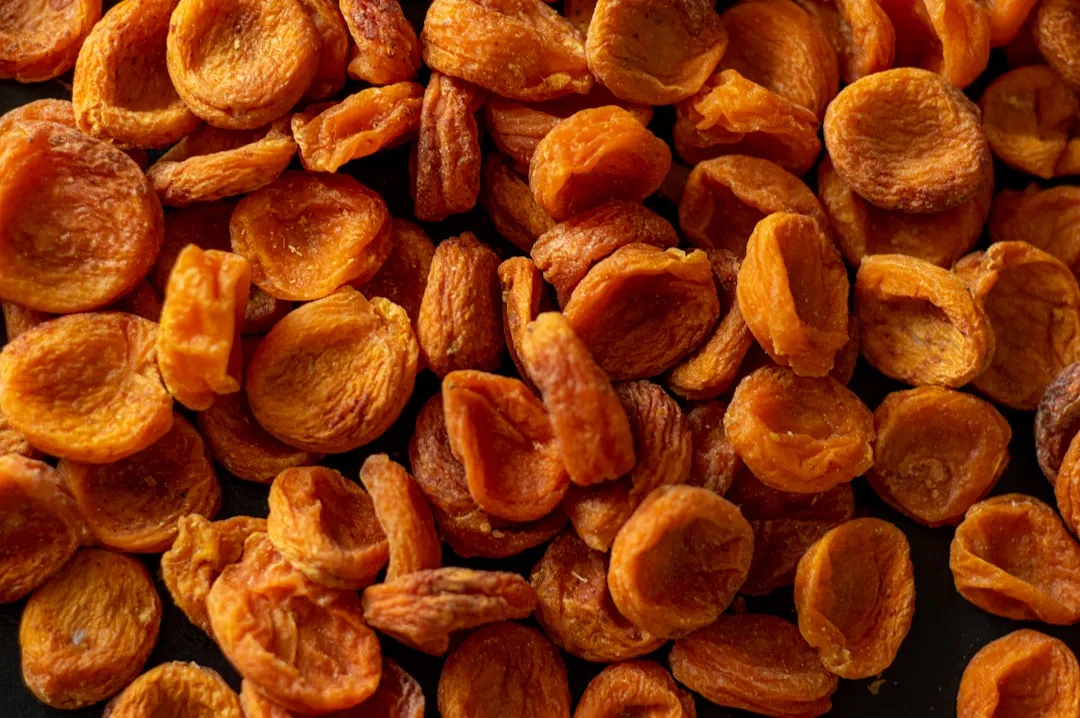
Dried fruit feels like the snack version of a nutritional gold star. It’s portable, plant-based, and made from fruit. That last part tends to quiet any concern people might have. Dried fruit is produced by removing water, which leaves sugars concentrated. A handful of raisins or mango can equal several servings of fresh fruit in sugar content, and sweetened varieties push totals even higher without you noticing.
Dried cranberries from Ocean Spray, a household staple, provide a staggering 26 grams of added sugar per serving. Whether incorporated into oatmeal or homemade trail mix, that excessive amount of added sugar can turn any otherwise healthy meal into a significant sugar load.
What makes this particularly tricky is portion size. The natural sweetness of dried fruit makes it easy to eat more than intended, and because the water has been removed, a small volume actually represents a much larger amount of fruit. Unsweetened varieties are a better option, though they still carry concentrated natural sugars. Fresh fruit, with its water and fiber content intact, will always deliver a more complete nutritional picture.
5. Flavored Non-Dairy Milk
Plant-based milks have grown enormously in popularity, carried by the perception that they’re inherently lighter and healthier than dairy. Almond, oat, coconut, soy. The unflavored versions are often reasonable choices. The flavored ones are a different story. Though unflavored alt-milks frequently contain only naturally occurring sugars, flavored varieties can be shockingly sugary.
Plant-based milk is among the most common sources of hidden added sugar, since front labels tend to highlight protein content and plant-based credentials rather than sugar totals. Chocolate and vanilla oat or almond milks are particular offenders, with some containing more sugar per serving than a scoop of ice cream. The marketing rarely draws attention to this.
The fix is simple but requires a habit shift: check the back label, not the front. Unsweetened versions of most plant-based milks contain very little added sugar and still offer whatever nutritional benefits the base ingredient provides. For a genuinely healthier choice, look for no-sugar-added plant-based milks. Most major grocery stores stock them right alongside the sweetened versions.
6. Sorbet

Sorbet tends to be the dessert people reach for when they want something cold and sweet but are trying to be somewhat sensible about it. No cream. No saturated fat. Just fruit, essentially. The reasoning makes sense on the surface. The sugar content does not. Fruit may be the first ingredient on the label, and sorbet may be lower in saturated fat than ice cream, but it’s often packed with significantly more sugar.
A two-thirds cup serving of Talenti raspberry sorbet contains 30 grams of added sugars, while a similar amount of Häagen-Dazs Sweet Lemon Coconut sorbet reaches 41 grams. That’s in a portion most people would consider modest. A generous bowl could easily double those figures.
The reason sorbet ends up so sweet is straightforward: without fat to carry flavor and create a satisfying texture, manufacturers lean heavily on sugar. The result is a dessert that skips the saturated fat but compensates with sugar totals that can outpace regular ice cream. Checking the “Added Sugars” line on the nutrition label is the only reliable way to know what you’re actually consuming. A small scoop of full-fat ice cream, believe it or not, sometimes contains less sugar than a larger serving of the “lighter” sorbet sitting next to it.
How to Actually Read a Label

The front of a food package is marketing. The back is data. Getting into the habit of flipping the product over and scanning the nutrition facts panel changes everything. Even products marketed as sugar-free, no-sugar-added, or healthy can contain significant amounts of sweeteners in various forms. The language on the front of packaging is carefully chosen and rarely tells the complete story.
Compare the sugar content to protein and fiber content when evaluating a food. A product with meaningful sugar but also substantial protein or fiber slows the resulting glucose spike considerably, whereas a food with sugar and little of either offers no such buffer. This is a useful frame for quickly judging whether a product is genuinely balanced or just dressed up as healthy.
According to the Centers for Disease Control and Prevention, reading labels carefully and watching for hidden sugars is an essential step in managing daily intake. Sugar appears under many different names on ingredient lists, including glucose, fructose, sucrose, dextrose, corn syrup, and fruit juice concentrate. These sweeteners are often added to enhance flavor, improve texture, or prolong shelf life, none of which is disclosed on the front of the package.
The Health Halo Problem

There’s a well-documented concept in food psychology called the “health halo.” When a product carries cues that signal healthiness, such as words like organic, natural, plant-based, or high-fiber, consumers tend to underestimate its calorie and sugar content. Granola bars, flavored yogurt, protein snacks, and salad dressings routinely carry the vocabulary of virtue: natural, organic, low-fat, no high-fructose corn syrup. Few of those claims say anything about added sugar, and that gap is precisely where food manufacturers operate.
Healthy-looking foods can be deceptive. Sugar often hides behind feel-good labels, fruit flavors, and gym-friendly packaging. The health halo makes it harder to be skeptical because the instinct to question the product has already been partially disarmed by the label design and marketing language.
Awareness is the first and most practical tool. Once you know which categories tend to carry hidden sugar, the label-checking becomes faster and more automatic. It’s not about avoiding everything, but about knowing what’s actually in the product before it becomes a daily habit.
Smarter Swaps That Actually Work

Cutting back on hidden sugar doesn’t require a dramatic dietary overhaul. Small, direct substitutions tend to work better than wholesale changes. Replacing flavored yogurt with plain Greek yogurt and fresh berries, for example, can eliminate a significant amount of added sugar while keeping the meal genuinely satisfying. According to USDA-backed data, switching from flavored yogurt to that plain Greek yogurt option can save roughly 18 grams of sugar per serving.
The difference in sugar content between plain yogurt and flavored varieties is large enough that you can actually add a small amount of sweetener to plain yogurt yourself and still end up with a healthier overall result. The same logic applies to granola: plain rolled oats with cinnamon and a handful of nuts offer fiber and substance without the sugar load of commercial granola.
For smoothies, making them at home with whole fruit, greens, and a protein source gives you full control over what goes in. Whole fruit keeps the fiber intact, which fundamentally changes how the body processes the natural sugars. Fiber supports a healthy gut microbiome, minimizes blood sugar spikes, and promotes satiety, which are exactly the benefits that bottled, fiber-poor smoothies tend to underdeliver on.
What to Look for on Ingredient Lists

Ingredient lists are ordered by weight from highest to lowest. If any form of sugar appears in the first three ingredients, the product is built around it regardless of what the front label says. Sugars in food products can come in various forms, such as sucrose, fructose, glucose, and high-fructose corn syrup, and manufacturers sometimes use multiple types in a single product, which keeps each one lower on the ingredient list individually while keeping total sugar high.
Natural-sounding alternatives like honey, agave, brown rice syrup, cane juice, and fruit juice concentrate are all still sugar. Granola clusters, for example, are often formed using honey, brown rice syrup, and fruit juice concentrates, which bind the oats together while adding a significant sugar load. The ingredient sounds wholesome. The effect on blood sugar is largely the same.
Learning a handful of the most common alternative names for sugar is probably the single most practical food literacy skill available. Taking time to read the label and check for hidden sugars before a product becomes a regular in your shopping cart is a habit that pays off every week.
The Bigger Picture

None of the six items covered here are inherently off-limits. Context, frequency, and portion size matter enormously. A fruit-flavored yogurt as an occasional treat is not the same as eating one every morning under the assumption it’s a low-sugar breakfast. The problem is mostly about miscategorization, treating these products as nutritionally neutral when the sugar content is anything but.
Hidden sugars can contribute to weight gain, increased cravings, and various health issues, and many seemingly healthy snacks can contain significant amounts that undermine dietary goals. The issue isn’t dramatic or unusual. It’s just a gap between perception and reality that’s easy to close once you know where to look.
Sugar itself isn’t the villain. Its presence in certain amounts, in certain contexts, is entirely manageable. What matters is knowing when you’re eating it, which requires ignoring the front of the package and getting familiar with the back. That single shift in habit turns grocery shopping from guesswork into something a little more deliberate.
AI Disclaimer: This article was created with the assistance of AI tools and reviewed by a human editor.