
Most gardeners are good at spotting trouble. A yellowed leaf, a wilted stem, chewed edges on a tomato plant – these visual cues feel obvious once you know what to look for. Sound, though, is a different story. The garden is full of noise, and it’s surprisingly easy to dismiss what you’re hearing as background nature.
The problem is that some of those sounds are genuine red flags. Learning to hear your garden differently, not just see it, can save you a season’s worth of work.
1. An Unexplained High-Pitched Buzzing Near Woody Stems
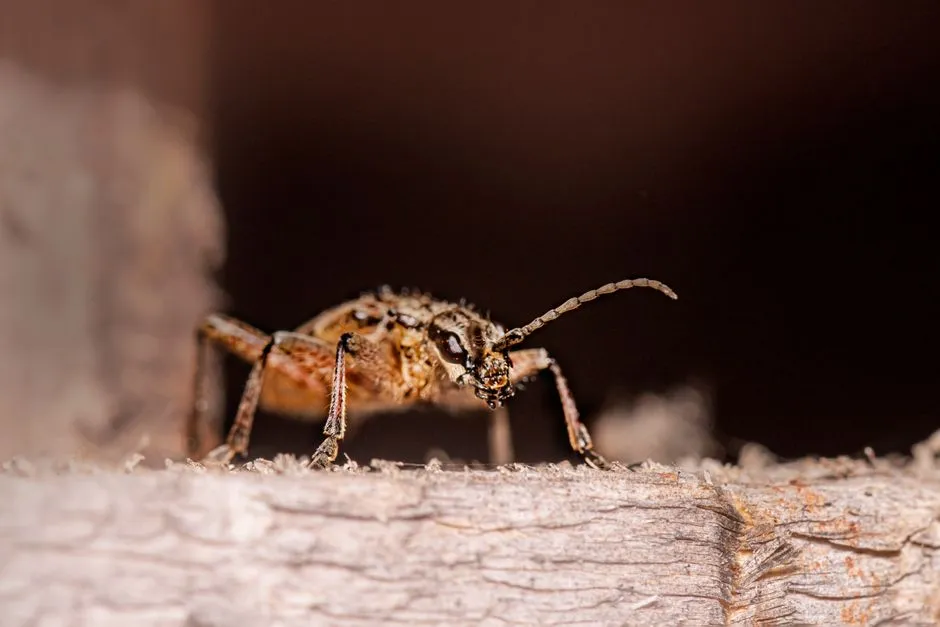
A thin, persistent buzz coming from inside a plant stem or trunk is one of the more unsettling sounds a gardener can encounter. Faint but persistent buzzing or chewing noises are often a tell-tale sign of active wood-borers. These are larvae tunneling through plant tissue from the inside, which means by the time you hear anything, damage is already underway.
Borers are either grubs that become beetles, or caterpillars that are larvae of moths, and they feed inside stems. The caterpillars enter the stems of vegetables and eat out the inside, while the outer leaves can remain green – which is precisely what makes them so tricky. The plant looks fine until it suddenly doesn’t.
Insect pests can cause cosmetic challenges, disease concerns, and edibility issues in fruits and vegetables, which leads to product loss. If you press your ear close to an ailing stem and hear faint movement or chewing, don’t wait. Act fast, because borer damage tends to be irreversible once the larva has progressed deep into the plant’s core.
2. A Loud, Aggressive Buzzing From a Nest You Can’t Locate
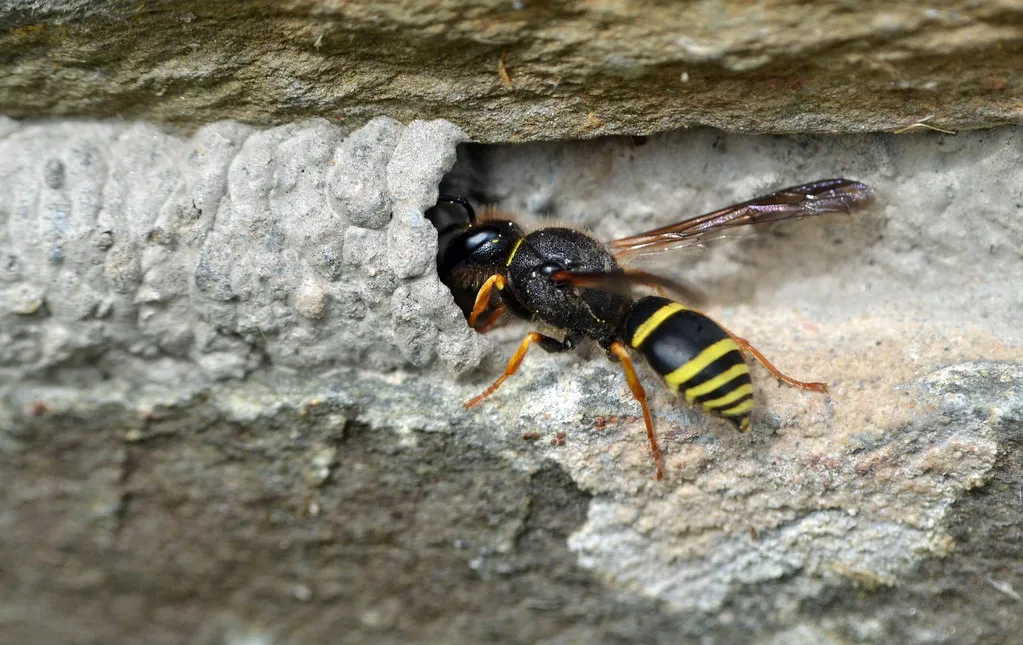
A buzzing sound that seems to come from a hidden space, whether that’s under a porch, inside a garden wall, or beneath thick mulch, almost always points to a colony that’s been quietly establishing itself. Wasps and hornets produce sounds primarily through the movement of their wings, creating the buzzing or humming noises commonly heard in flight.
As the weather warms up, yellowjacket and wasp colonies grow rapidly in size, and what started as a tiny nest in spring can quickly turn into a bustling hub of hundreds of insects that become protective and aggressive. A nest that goes undetected through early summer can become a serious hazard by midsummer.
The sounds made by wasps and hornets can often alert you to their presence before you see them. That’s actually useful information. If you’re hearing that consistent drone and can’t find the source, walk the perimeter of your beds and fencing carefully before reaching into any confined space. Identifying warning signs early keeps your family safe and protects your outdoor spaces.
3. Clicking or Tapping Sounds Near Garden Structures and Wood
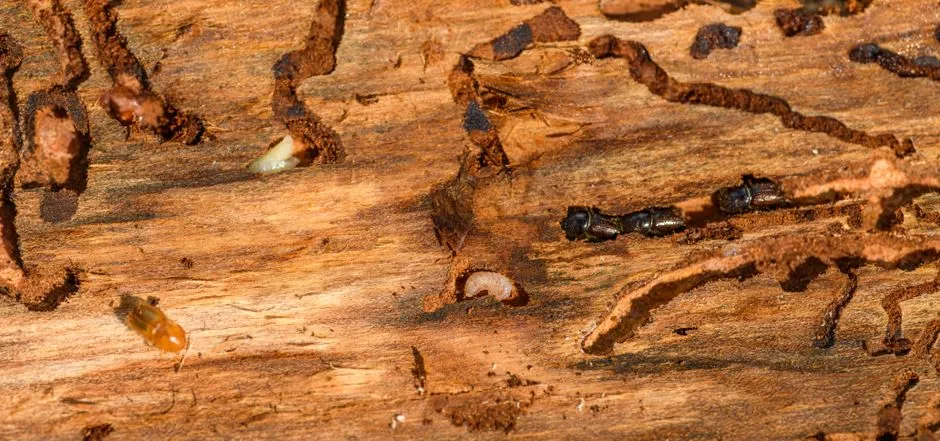
Clicking sounds, especially from within wooden structures, are frequently associated with wood-destroying pests like termites, which can cause severe structural harm. This applies not just to your house, but to raised garden beds made of timber, wooden trellises, and tool sheds that sit close to planted areas.
Wasps may also create tapping or clicking sounds while building nests or communicating within the colony. Hornets can produce clicking sounds by snapping their mandibles, which is believed to be a defensive behavior. So that dry tap-tap-tapping near the corner of a shed could be either nest-building or active aggression, neither of which you want to ignore.
While all unusual sounds warrant attention, some indicate a higher potential for significant damage, making early intervention critical, and persistent clicking and buzzing are among the most damaging sounds to watch for. If the clicking is rhythmic and coming from wood, it’s worth a closer inspection before the season gets further along.
4. A Sustained Droning Buzz Near Soil Level
Buzzing at ground level, rather than up in the air, tells a different story than a nest in the eaves. The ground digger wasp, also known as the cicada killer wasp, is a large, buzzing, hovering insect with no problem invading your personal space. These wasps burrow into soil, and their activity can point to lawn stress or soil conditions that are making the ground attractive to burrowing insects.
Giant ground hornets can do some damage to your lawn, and the loose soil kicked up around their burrows is unsightly. While cicada killers themselves are generally not aggressive toward humans, their presence in numbers can signal compacted or dry soil that other, more damaging pests could also exploit.
The key distinction is volume and frequency. An occasional buzzing wasp skimming the ground is unremarkable. A steady, recurring drone near one particular patch of soil, especially one you’re not planting in, suggests burrowing activity that warrants attention. Cicada killers’ burrows do aerate the soil to a small degree, but a large colony can still undermine root zones in beds nearby.
5. An Unusual Rustling or Scratching Sound Under Mulch or Dead Leaves

Rustling under mulch or in garden debris isn’t always wind or a curious bird. Insect pests may be found in dead leaves in and around the garden, and pests such as squash vine borer, Mexican bean beetle, squash bug, diamondback moth, tomato hornworm, cabbage looper, and imported cabbageworm are a few examples of insects able to overwinter in the garden.
A way to manage and reduce insect pests in the garden for next year is to remove weeds and diseased plant debris in fall. That same logic applies mid-season. If you hear consistent scratching or soft movement beneath leaf litter or a thick layer of mulch in late summer, something is very likely living in it.
Insect pest populations that are not managed properly can cause issues in the following growing season, which highlights the importance of an optimal pest management plan. Hearing that subtle rustling is often your earliest window to intervene before the pest population cycles into the next generation. Lift the mulch, inspect the soil surface, and assess what you find before assuming the sound is harmless.
6. The Quiet the Garden Makes When Something Has Gone Wrong With Its Plants

This last one is counterintuitive, but it’s grounded in science. When a plant is stressed, it doesn’t keep quiet about it. You won’t hear the plant’s cry because it’s in the ultrasonic range, too high-pitched for human ears, but for decades scientists have been using special devices to listen in.
Biologists at Tel Aviv University recorded ultrasonic sounds emitted by tomato and tobacco plants inside an acoustic chamber and in a greenhouse, and developed machine learning models that succeeded in identifying the condition of the plants, including dehydration level and injury, based solely on the emitted sounds. Remarkably, stressed plants emitted roughly 30 to 50 pops per hour, much more frequently than unstressed plants, and water-stressed plants started emitting more rapid noises before visible signs of dehydration, such as the browning of leaves, began appearing.
More recently, research published in July 2025 confirmed that insects can actually interpret these signals. For the first time, a team of researchers in Israel documented that insects can hear and interpret plants’ acoustic distress signals. The Egyptian cotton leafworm moth prefers to lay eggs on quiet plants over ones emitting ultrasonic distress sounds – meaning stressed plants actively attract more pests, creating a compounding problem. This sequence produces vibrations generating click-like sounds in the frequency range of about 20 to 100 kilohertz, estimated to be audible to insects at distances up to roughly 16 feet.
Why a Garden That Sounds “Off” Deserves Your Attention
Most gardeners trust their eyes first. That’s understandable, since visible damage tends to be the most obvious trigger for action. You can identify pest damage in one of two ways: you see the insect, or you see the damage it causes. Sound, though, often comes earlier in that sequence. It arrives before the damage becomes visible.
Spotting warning signs early can help you treat the problem before your plants suffer severe damage. The same principle applies to sound. A strange buzz, an unexpected click, or unusual rustling under your beds is the garden giving you a head start. Developing a pest management strategy for garden and farm systems is important to combat pest concerns and consider all treatment options.
There’s no need to become paranoid every time a cricket chirps. The difference lies in sounds that are unfamiliar, localized, persistent, or coming from somewhere they shouldn’t. Those are the ones worth investigating promptly, before the evidence moves from something you hear to something you can see everywhere.
What to Do When You Hear Something Suspicious

Your first step is to try and identify the source, then determine whether what you’re dealing with is harmful or beneficial. Resist the impulse to immediately spray or dig. Listening carefully and locating the precise source of the sound will give you far more useful information than a reactive response. If you still can’t figure out what the issue is, watch the plant over the next few days, and if there’s truly a problem, you will start seeing evidence on your plant.
Contact your local extension service or a professional if you believe a pest or disease problem warrants control. Start with a diagnosis, determine if control measures are needed and feasible, and decide what course of action should be followed. University extension programs and certified master gardeners are often free resources, and they’re worth using before you reach for a chemical solution.
Biological, cultural, mechanical, and chemical controls are different integrated pest management strategies that can help prevent and treat infestations in the garden or on the farm. Starting with the least disruptive option, physical removal, barriers, or beneficial insects, is almost always the right call before escalating further.
The Role of Beneficial Sound in a Healthy Garden

Not every garden sound signals trouble, and it helps to know the difference. The steady hum of bumblebees working a patch of flowering herbs is one of the best sounds a garden can offer. In any backyard or garden, the buzz of bees is a familiar summer sound, whether it’s the buzzing of a bumblebee or the intense droning of a beehive. That particular drone is a sign your pollination is happening and your ecosystem is functioning.
Gardens are full of life, and many of the creatures within them make noise, especially at night. Some of those sounds are pleasant, while others disturb your peace and quiet. Developing an ear for what’s normal in your specific garden, your usual ambient soundtrack on a calm summer evening, makes it far easier to notice when something new and unfamiliar breaks through.
Crickets chirping at dusk, a light rustle from a foraging robin, the gentle hum of pollinators at work – these are baseline sounds worth memorizing. Anything that deviates sharply from that baseline, especially sounds coming from inside stems, soil, or wooden structures, deserves a second listen.
Keeping a Sound-Aware Garden Throughout the Season

One practical habit that experienced gardeners develop over time is simply slowing down during garden walks. Rather than moving quickly through beds to check visual progress, pause occasionally and just listen. A sudden increase in insect activity in your yard could be a warning sign of garden pest problems. That increase often comes with a corresponding increase in noise before any visual evidence appears.
Early morning and dusk are the best times to listen, since background noise from wind and street traffic tends to drop. Insects that are active in plant stems or soil are often more audible in cooler, quieter conditions. A simple practice of crouching near problem plants and listening for 30 seconds costs nothing and can catch issues that a visual sweep would miss entirely.
The informative sounds emitted by stressed plants may be detectable by other organisms, and this work opens avenues for understanding plants and their interactions with the environment, with significant potential impact on agriculture. Science is still catching up to what the garden has been communicating all along. Until detection technology becomes accessible to home gardeners, your own ears, used attentively and regularly, remain one of the most underrated diagnostic tools you have.
Final Thought
The garden is not a silent place, and it was never meant to be. Most of its sounds are healthy, seasonal, and reassuring. A few of them are not. The buzzing inside a stem, the hollow knock of nesting activity in wooden frames, the muffled movement beneath last season’s leaves – these are the garden’s way of flagging something that needs your attention.
The science backs this up more than ever. Stressed plants make sounds. Insects respond to those sounds. And gardeners who pay attention to the full sensory picture, not just what they can see, catch problems earlier and respond more effectively. It doesn’t require special equipment. It just requires a few quiet minutes in the garden and the willingness to actually listen.
AI Disclaimer: This article was created with the assistance of AI tools and reviewed by a human editor.