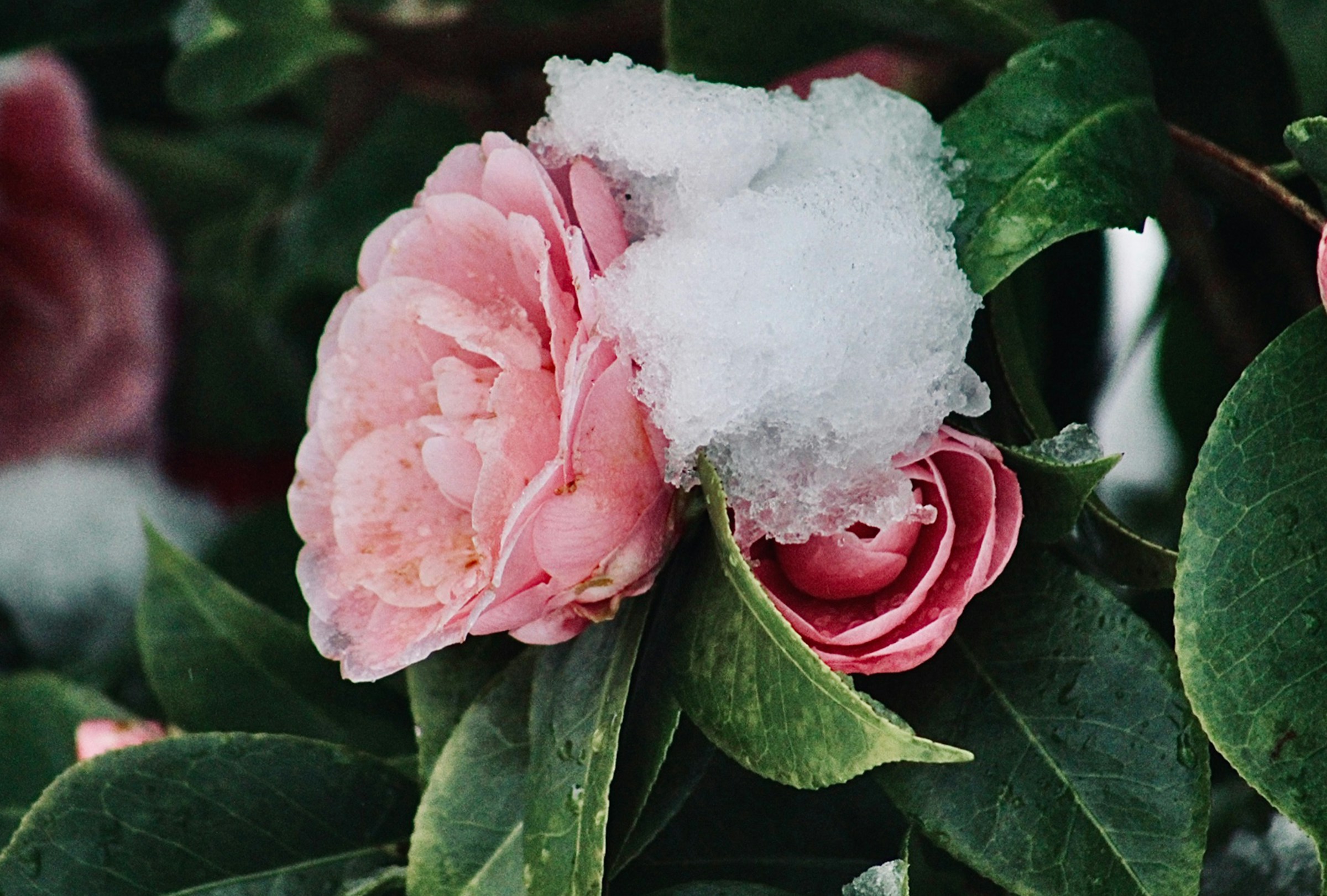

1. Hellebore (Helleborus spp.): The Plant That Blooms in Snow
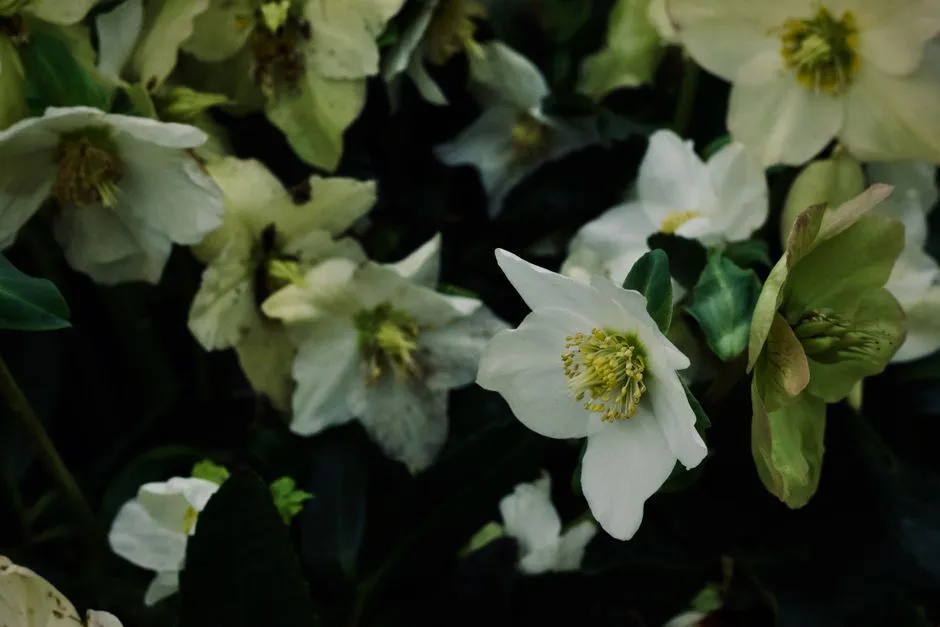
These winter-blooming plants, also called Lenten Roses, bring color and joy to shady spots when nothing else dares to bloom. That alone makes them remarkable. Most flowering perennials are long dormant by the time hellebores hit their stride.
Hellebores are known for providing pops of color in winter and spring. There are around 20 different species, and most varieties are frost hardy perennials that can handle temperatures down to -20°F once established.
Hellebores are evergreen perennials that need little to no care during the winter. Most are hardy to Zone 4. The leaves may become tattered over the winter, but the plant’s roots will survive in the frozen soil.
2. Sedum (Stonecrop): The Toughest Succulent in the Border
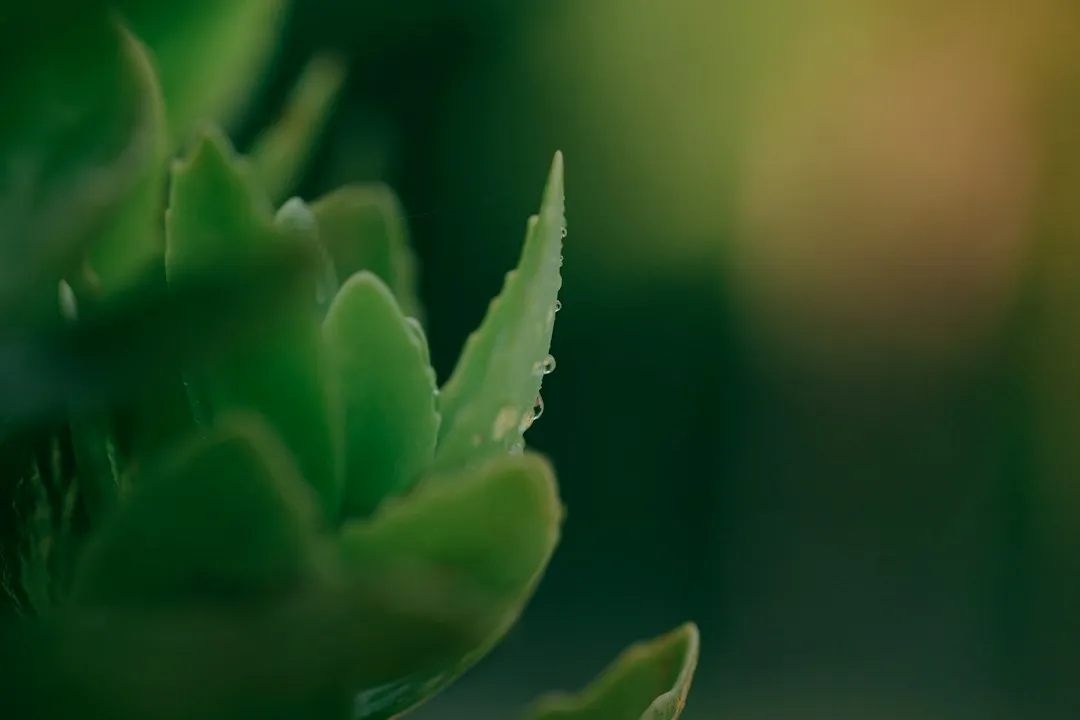
Sedums, like Autumn Joy, have thick, fleshy stems that hold up well throughout winter. Their dried flower heads provide structure and visual interest to your garden during the colder months.
These succulent-like plants store water in their fleshy leaves, making them exceptionally drought-tolerant. Upright varieties such as ‘Autumn Joy’ produce rosy flower heads that deepen into rich crimson in the fall, according to NC State Extension. Growing one to two feet tall and wide, sedum is best suited to Zones 3-9.
Sedums add winter interest and can tolerate cold weather without protection. They are about as low-effort as a garden plant gets, thriving on neglect and asking very little in return.
3. Coneflower (Echinacea): A Prairie Native Built for the Cold
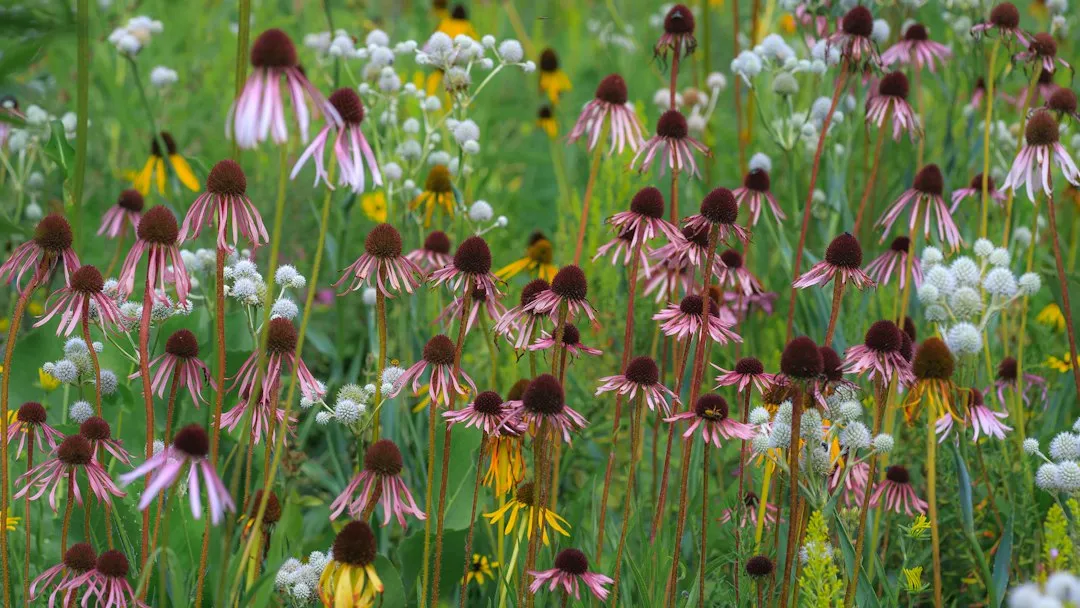
Also known as echinacea, the coneflower is a hardy American perennial that tolerates both drought and cold weather alike. Its deep root system is what keeps it anchored through even bitter winters, and that’s a trait earned through centuries of open-prairie adaptation.
Coneflowers are American native plants that now come in a variety of forms and colors thanks to modern breeding techniques. Such cross-breeding can impact hardiness, so if you live in a colder climate, pick a coneflower variety that is frost hardy. Most types are suitable, but modern hybrid cultivars may struggle in colder winters.
Waiting and cutting back coneflowers in spring has two real benefits. One is that the dried seed heads provide food for birds during winter. The second is that the stems protect the plant’s crown against the winter cold.
4. Yarrow (Achillea millefolium): Hardy, Cheerful, and Practically Indestructible
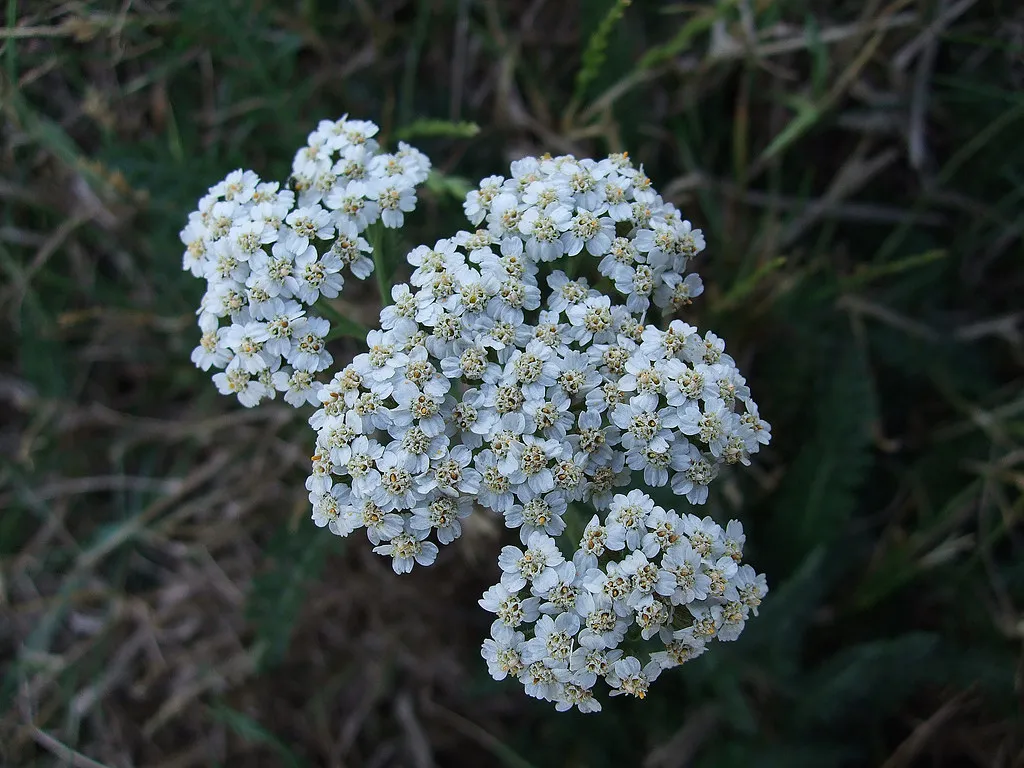
Yarrow, also known as achillea, is a low-maintenance frost hardy perennial and a great plant for pollinators. Perfect for an attractive wildlife garden, yarrow has fern-like foliage and flat flower clusters in shades of white, yellow, or pink atop its tall stems.
Yarrow is a sun-loving perennial that truly thrives on neglect. It grows happily in sandy, loamy, or even clay soil and doesn’t require supplemental fertilizer. That kind of flexibility is rare, and it makes yarrow especially useful for gardeners who are not working with ideal conditions.
Yarrow will grow in Zones 3 to 9, with some cultivars extending outside of that range. Even without deadheading, yarrow holds its own in tough conditions. It’s an excellent choice for water-wise gardening or meadow-style borders.
5. Peony (Paeonia spp.): Cold Winters Actually Make Them Better
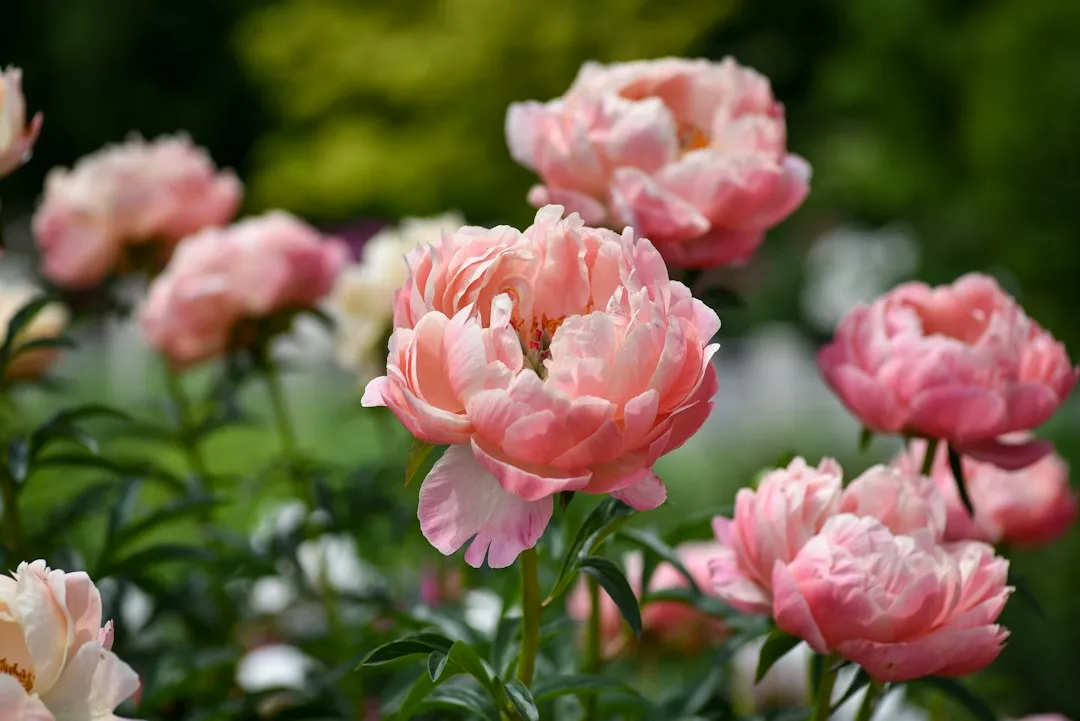
Peonies are beloved for their large, vibrant blooms that burst into life in the spring, but they are equally prized for their ability to withstand harsh winter conditions. These perennials are extremely cold-hardy, thriving in USDA Hardiness Zones 3-8, which includes areas that can get very cold.
Peonies enter a dormancy phase during winter, where the plant’s energy is stored in its robust root system, allowing it to survive even the coldest temperatures. When the weather warms in spring, they emerge with fresh growth, making peonies a low-maintenance yet visually striking choice for gardeners.
Durable perennials such as peony, daylily, and iris will survive winter without mulch. In fact, peonies actually require a cold period each winter to bloom successfully the following year, making their hardiness a feature rather than just a footnote.
6. Daylily (Hemerocallis): Dependable, Dormant, and Ready to Return
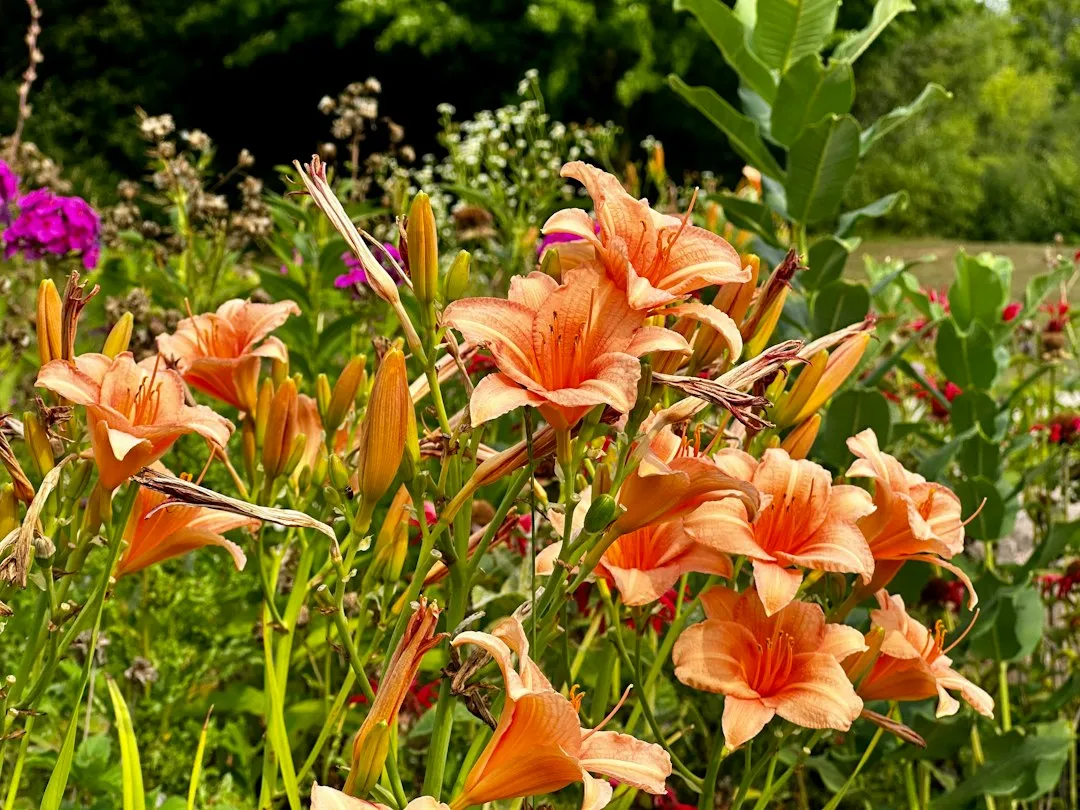
Daylilies are exceptionally resilient perennials, renowned for their ability to thrive in a variety of climates, including those with cold winters. These winter hardy plants are well-suited to USDA Hardiness Zones 3-9, meaning they can easily survive freezing temperatures. Although daylilies bloom during the warmer months, producing vibrant flowers in an array of colors, they can endure the cold by going dormant during winter.
Herbaceous perennials are nonwoody plants whose above-ground parts usually die to the ground each year. They survive winter weather by means of a vigorous root system, bulbs, corms, tubers, rhizomes, or other underground root or stem modifications. Daylilies are a textbook example of this strategy in action.
Once a daylily is established in your garden, it essentially looks after itself through winter. The top growth disappears, but what remains underground is genuinely tough. Come spring, the regrowth is fast and reliable.
Why These Plants Don’t Need Your Help in Winter
Herbaceous perennials can be subdivided into hardy and tender plants, based on the plant’s ability to survive the winter. Examples of hardy perennials include daylilies and peonies. The key difference is biology, not luck.
Winter hardiness isn’t just about tolerating a single cold night. Plants reach their maximum freezing tolerance in the middle of winter, after weeks of short days and cold temperatures have triggered a full suite of defenses. These six plants have all evolved those defenses naturally.
Frost hardy perennials are tough plants that can withstand the winter cold and return year after year with a fantastic display of flowers and foliage. Even if you live in a colder climate, such perennials will endure and come back strong each spring.
Understanding USDA Hardiness Zones
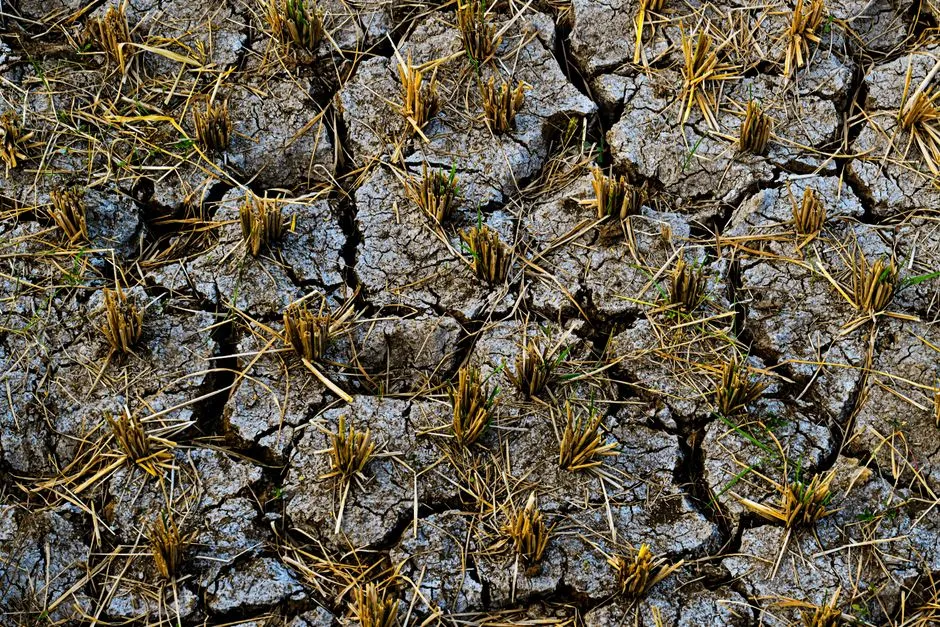
Winter hardiness describes a plant’s ability to survive cold temperatures, frozen soil, drying winds, and freeze-thaw cycles of winter. The term is always relative to a specific climate, which is why plant tags and catalogs pair it with a USDA Hardiness Zone number.
One commonly overlooked detail is that a plant’s roots are significantly less cold-tolerant than its above-ground stems and branches. Soil normally insulates roots from the worst of winter, but in containers, raised beds, or areas with thin snow cover, roots can be exposed to temperatures they weren’t built to handle.
All six plants in this article are rated for Zone 3 or lower in most of their common forms, covering the overwhelming majority of home gardeners in the northern United States, Canada, and much of northern Europe. Checking your specific zone before planting is always worth the thirty seconds it takes.
One Thing to Know About “No Help” in Practice
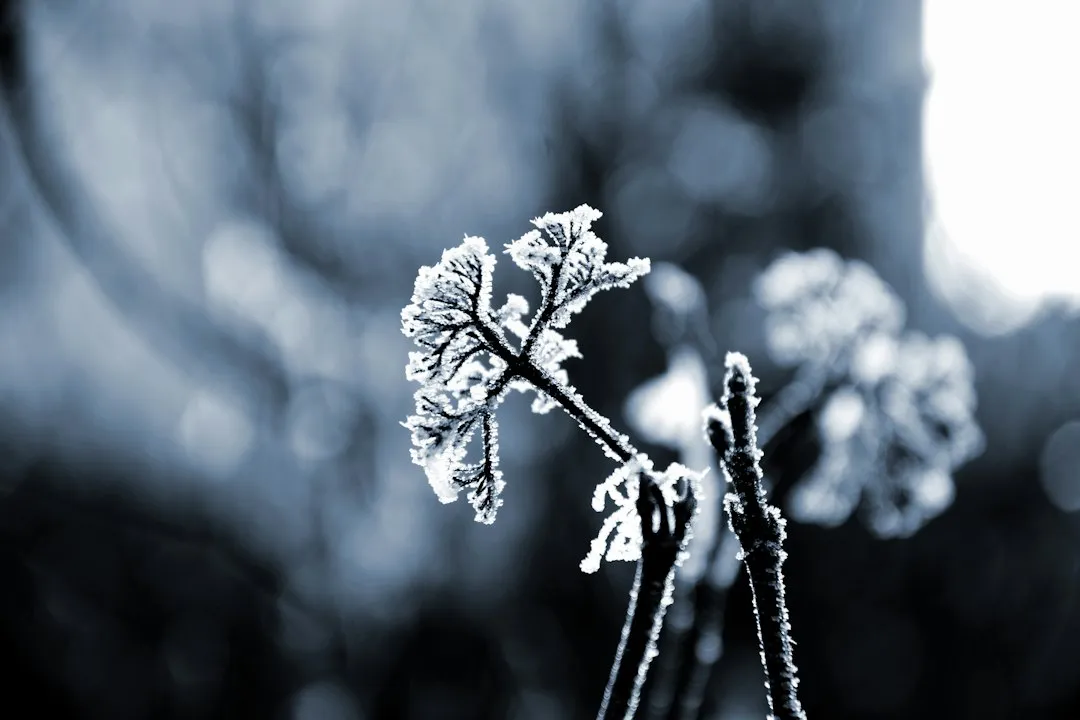
A plant that can handle minus 20°F in January may only tolerate 25°F in early October, before acclimation is complete. This matters most for newly planted specimens. Give a plant its first full season in the ground before expecting it to be at full cold-weather strength.
One important aspect of plant survival is proper site selection. Plants that have been placed in sites poorly suited to their needs are more susceptible to winter damage. Even the toughest perennial struggles if it’s planted in waterlogged soil or a frost pocket.
The phrase “no help needed” is accurate for established, correctly sited plants. Getting the location right from day one is the one act of care that pays dividends for years afterward.
How These Plants Look in Winter (and Why That Matters)
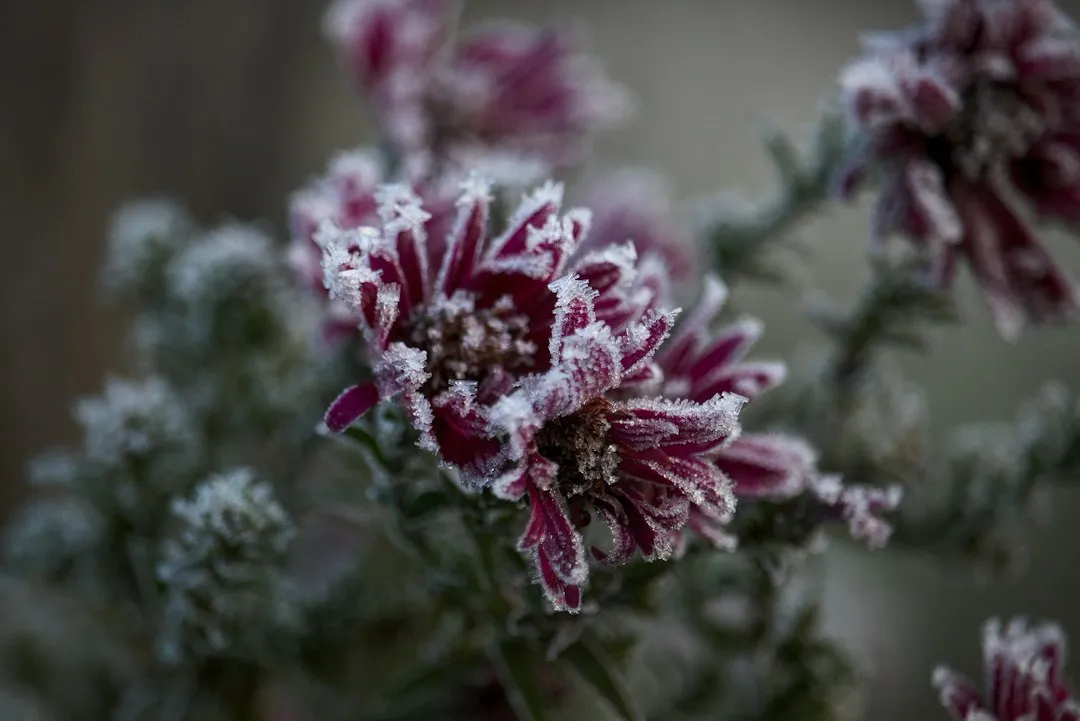
A garden that simply disappears in winter feels incomplete. Part of the appeal of these six plants is that several of them maintain genuine visual interest through the coldest months. Sedum holds its structure. Hellebore keeps its foliage and may even bloom. Coneflower’s seed heads stand upright in snow.
The dried seed heads of coneflowers provide food for birds during winter. That small ecological contribution adds another layer of value to plants that were already earning their place without any maintenance effort at all.
Cutting back too early can expose the plant to mildew and reduce winter habitat for insects and birds. Leaving these plants standing through winter is not laziness. It’s often the right approach for the garden and the wildlife that depends on it.
Planting Tips to Set Them Up for Success

Most of these plants share a few practical preferences. Good drainage is near-universal among them. Sedum, yarrow, and coneflower especially dislike sitting in wet soil over winter, where root rot becomes a real risk regardless of how cold-hardy the plant is above ground.
Hellebore approves of all types of soil, with a preference for rich, humus-rich, and well-drained conditions. Yarrow grows happily in sandy, loamy, or even clay soil and doesn’t require supplemental fertilizer. Between those two extremes, most garden soils are workable.
Planting in autumn gives roots time to establish before the first hard freeze, which means these plants hit the ground running the following spring. It’s the most reliable way to ensure a strong first winter, after which most of these perennials become genuinely self-sufficient.
Final Thoughts
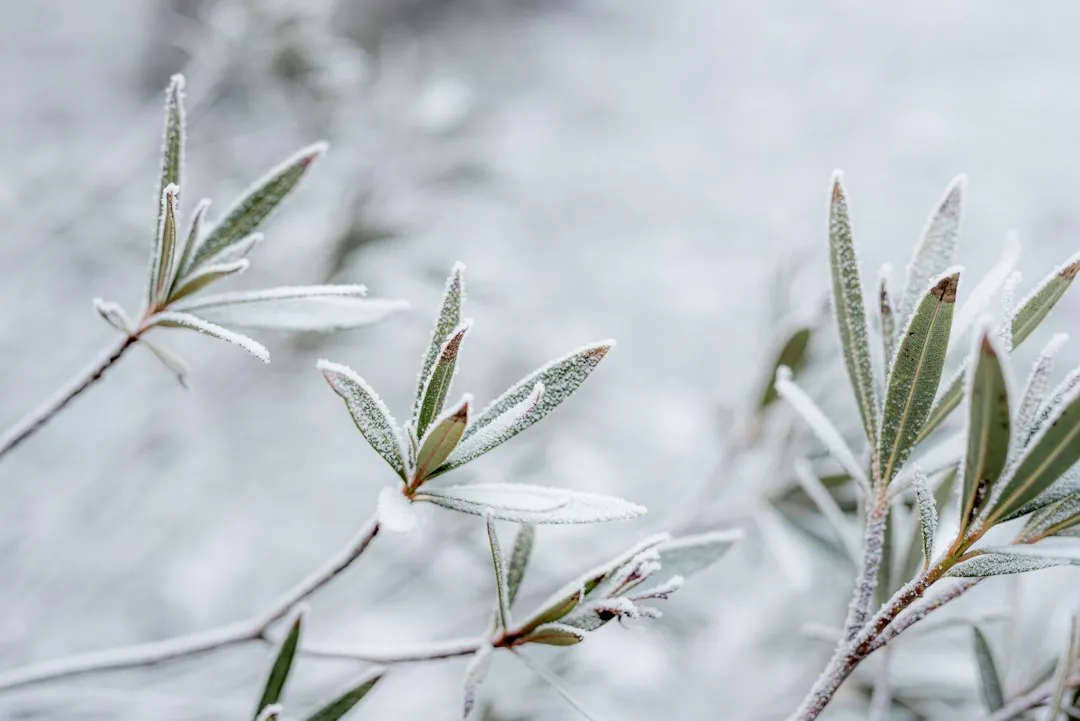
There’s a quiet satisfaction in knowing that part of your garden will take care of itself. These six plants, hellebore, sedum, coneflower, yarrow, peony, and daylily, represent some of the most field-tested, research-backed choices for low-effort winter survival. They’re not novelties. They’re the backbone of reliable, four-season gardens across cold climates.
The real value isn’t just in the plants themselves. It’s in what they free you from doing. No wrapping, no mulching, no anxious checks after a cold snap. Just a garden that keeps its word, season after season.
AI Disclaimer: This article was created with the assistance of AI tools and reviewed by a human editor.