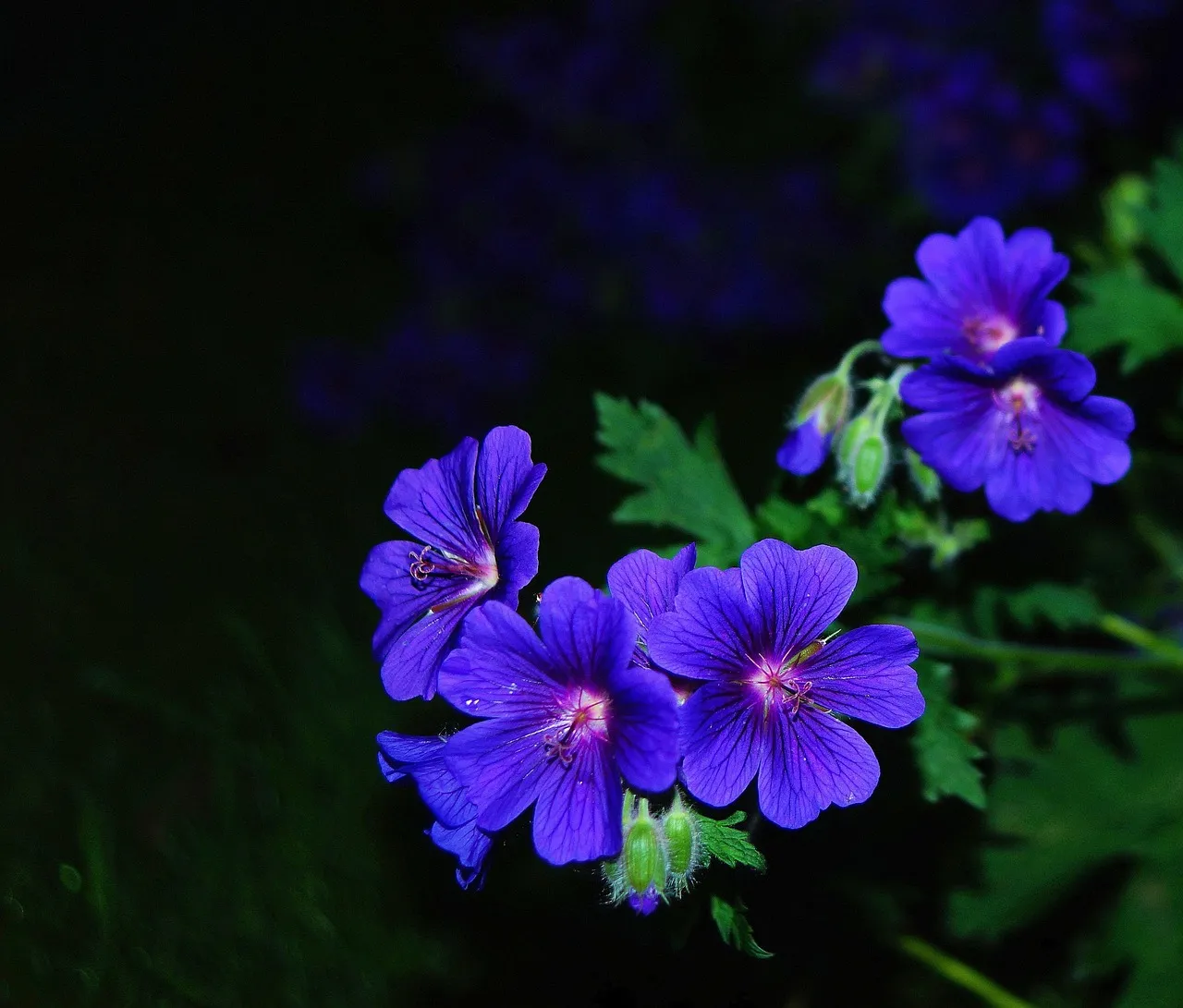

Most gardens do their best work at noon. By the time the day winds down and you actually have time to step outside, the flowers have peaked and the show feels largely over. Night-blooming plants quietly turn this logic on its head.
Night-scented flowers release fragrance specifically to attract moths as pollinators, meaning your evening garden can smell dramatically better than your daytime garden with strategic planting. The plants in this gallery were selected because they genuinely perform after dark, not just in theory. Each one brings something distinct to the table, whether that’s structure, scent reach, or ecological value for nocturnal pollinators.
1. Moonflower (Ipomoea alba): The Garden’s Living Timepiece
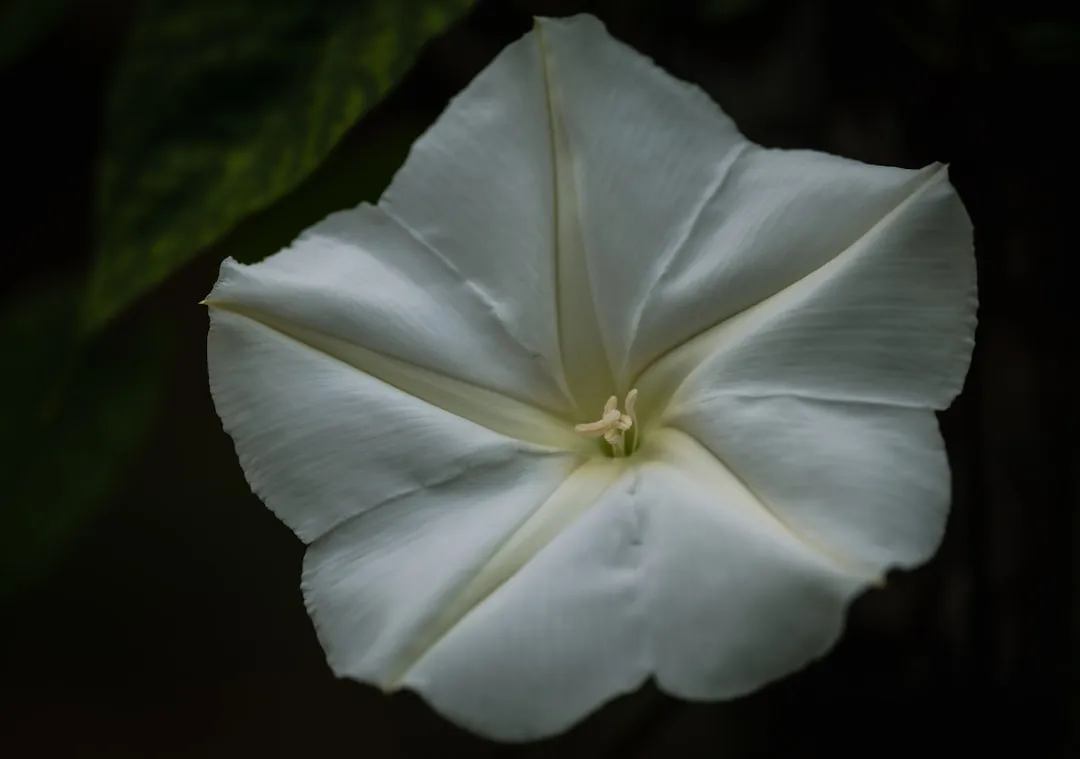
Few sights in the garden match the visual drama of a moonflower opening at dusk. Each 5-inch white bloom spirals out from a closed bud in roughly a minute, a process you can watch in real time, revealing pure white petals and releasing a sweet vanilla-like fragrance.
A single vine can produce over 100 blooms across a season, though each individual flower lasts only one night. The pure white blooms glow luminously in fading light, making Ipomoea alba as visually dramatic after sunset as it is fragrant.
The fragrance of moonflowers carries a sweet, almost tropical quality that intensifies as night deepens. By midnight, a well-established vine with dozens of blooms can perfume your entire yard. Soak moonflower seeds in warm water overnight before planting to soften the hard seed coat and improve germination rates, then train them on an arbor, trellis, or fence near your seating area for maximum evening impact.
2. Night-Blooming Jasmine (Cestrum nocturnum): The Neighborhood Perfumer
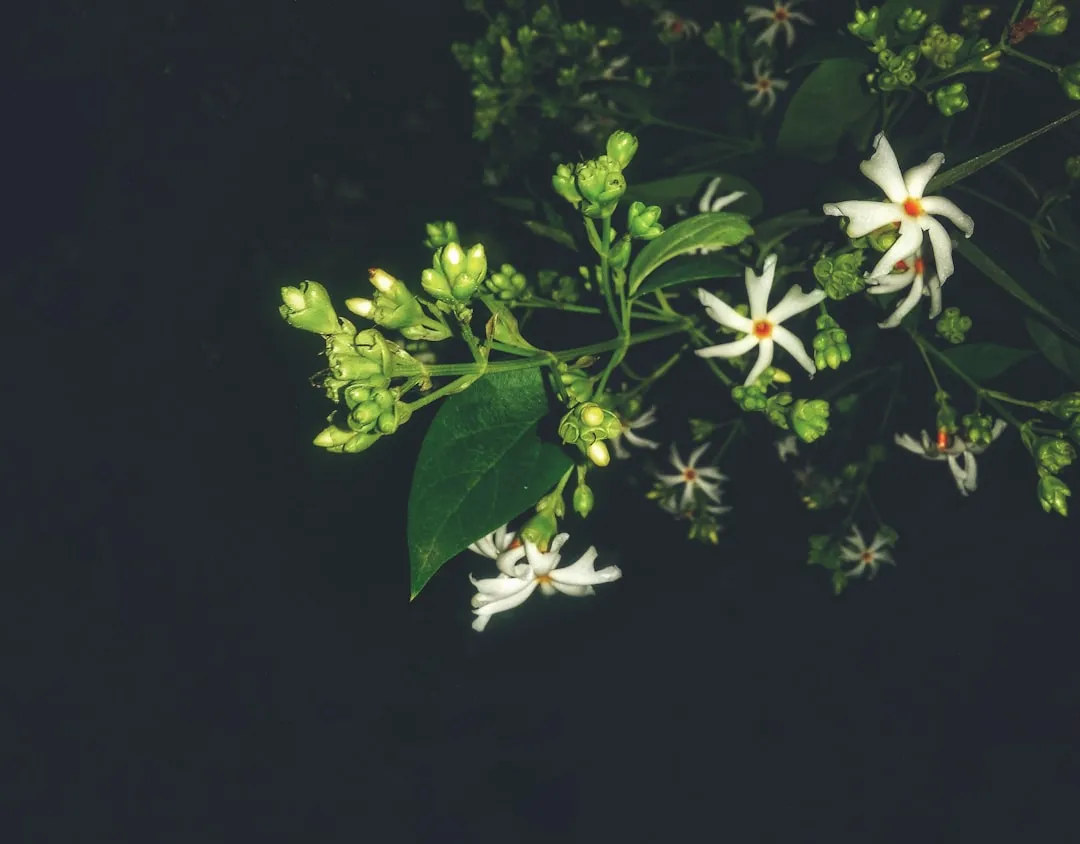
Night-blooming jasmine fills the evening air with an incredibly sweet, intoxicating fragrance that can travel hundreds of feet. The small, tubular greenish-white flowers might not look impressive, but their powerful scent more than makes up for their modest appearance.
Night jasmine is a little flower, but its scent is extremely powerful and reaches far into the air. When it blooms, the whole neighborhood gets filled with its aroma, which sometimes even reaches the surrounding houses with closed windows. It opens at night and remains open until the wee hours of the morning.
This tropical evergreen shrub grows 6 to 10 feet tall and thrives in warm climates across USDA zones 8 through 11. In colder regions, grow it in containers that can be moved indoors for winter. Place night-blooming jasmine near windows or outdoor seating areas where its evening perfume can be fully appreciated.
The plant’s fragrance is more than just a pleasant aroma. Studies and traditional practices alike recognize the sedative qualities of this plant’s scent, making it a natural ally against insomnia.
3. Angel’s Trumpet (Brugmansia): Drama on a Grand Scale
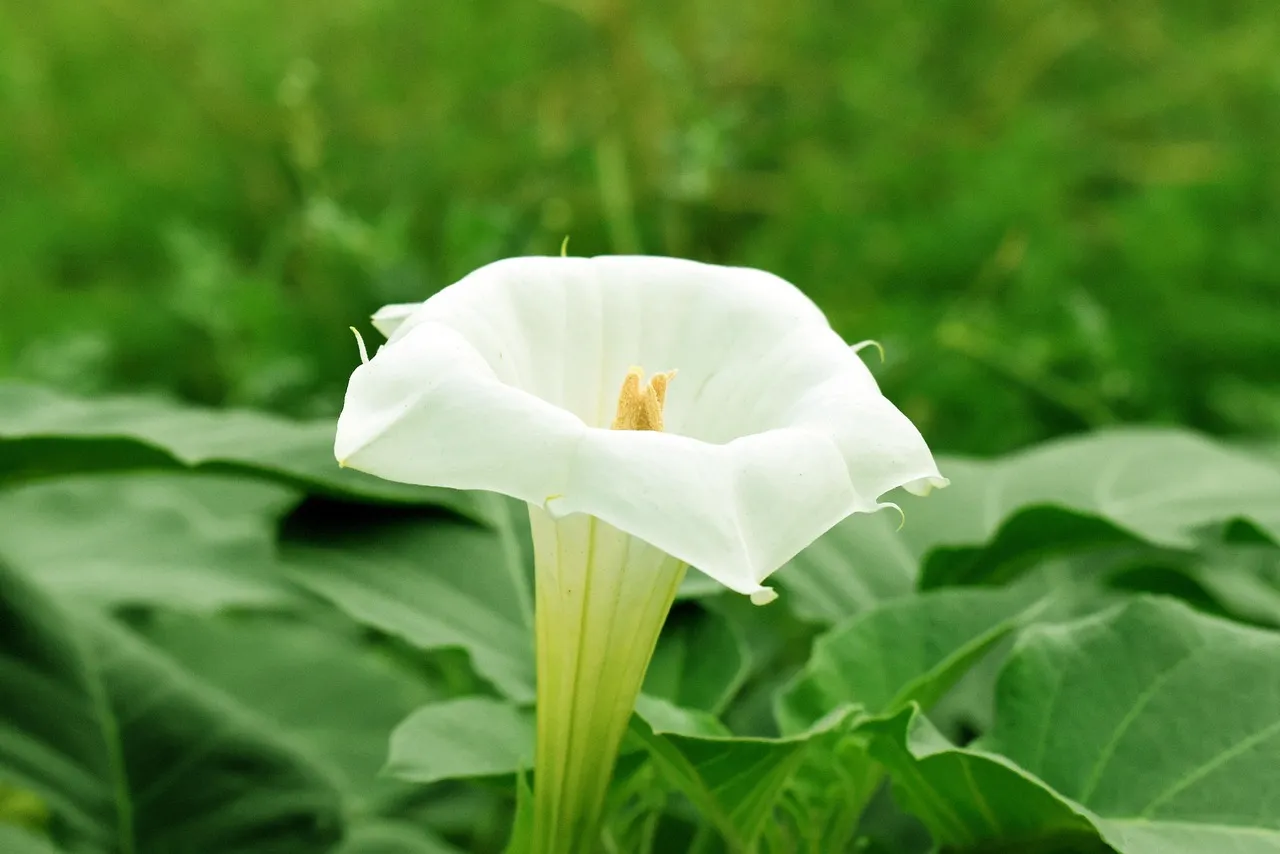
Angel’s trumpet produces enormous pendulous flowers, often 10 to 12 inches long, in white, yellow, peach, or pink. As evening approaches, they release a powerful, sweet fragrance that intensifies throughout the night.
By nightfall, the blooms release a sweet, intoxicating perfume that drifts through the garden. It’s perfect for patios, courtyards, or moon gardens where its dramatic blooms and bewitching scent can truly be appreciated.
A critical note: all parts of Brugmansia are toxic. Handle with gloves and keep away from children and pets. This is one of those plants where beauty and caution genuinely need to coexist in the same sentence.
4. Tuberose (Polianthes tuberosa): The Perfumer’s Muse
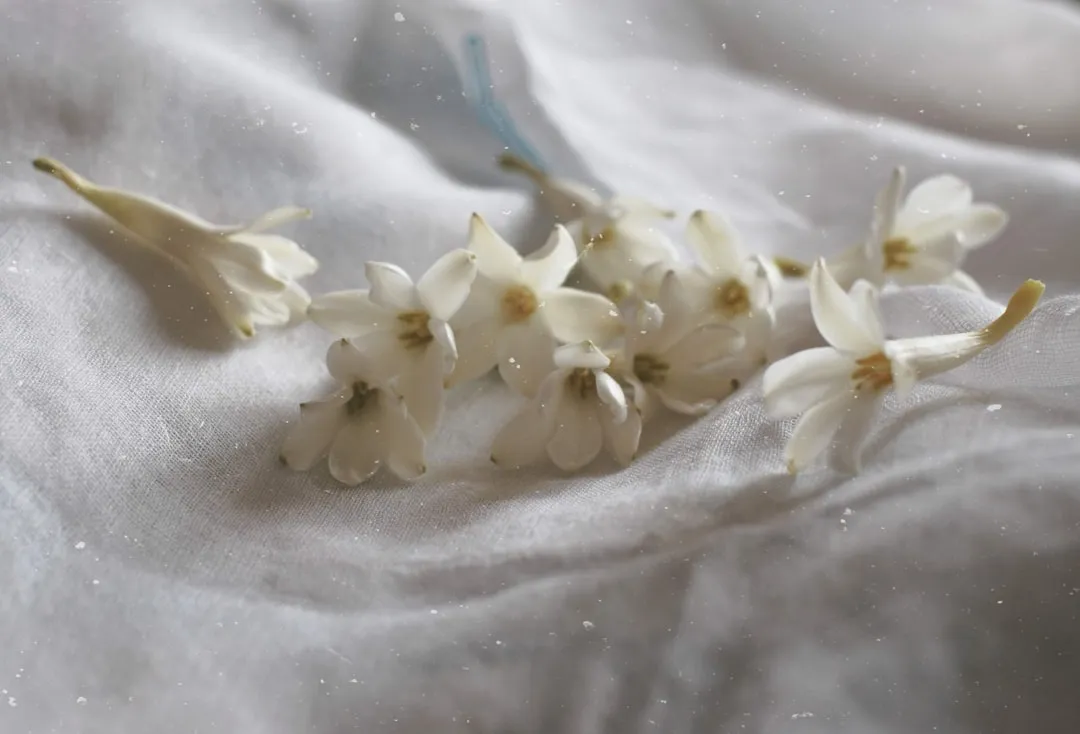
Tuberose blooms primarily in the evening and at night, releasing its strongest fragrance after sunset to attract nocturnal pollinators like moths. The flowers begin to open late in the day, reaching full bloom by nightfall.
Tuberose is the only plant in this list with a fragrance so valued that the perfume industry has built entire collections around it. Tuberose has been distilled for perfume since the 17th century when it arrived in Europe. It remains a prized floral note in perfumery, featured in Fracas by Robert Piguet.
Your tuberose plants will produce tall spikes reaching two to three feet, lined with white tubular flowers that open sequentially from bottom to top. While individual flowers remain open throughout the day, their fragrance intensifies dramatically after sunset, reaching peak potency around midnight. This timing perfectly targets the nocturnal moths that pollinate these plants in their native Mexican habitat.
Tuberose thrives in USDA Hardiness Zones 7 through 11. It is frost-sensitive and requires protection or lifting in cooler climates. In colder zones, tuberoses are grown as summer annuals.
5. Four O’Clocks (Mirabilis jalapa): The Punctual Performer
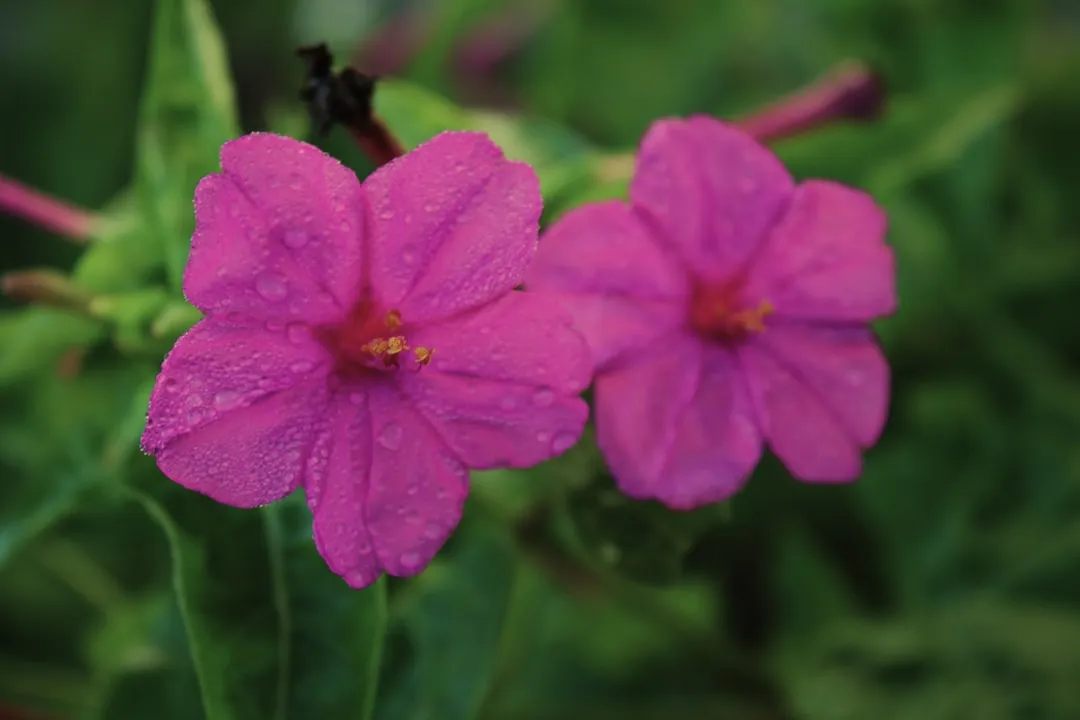
Four o’clock flowers begin opening around 4 PM, filling the evening garden with a sweet, tobacco-like fragrance. Flowers are produced in bright and pastel shades of white, yellow, pink, magenta, and red, and flowers of different colors can even be found on the same plant, sometimes simultaneously.
Mirabilis jalapa flowers open in response to a drop in temperature and light intensity that typically occurs between 4 and 8 PM. Once open, they stay that way for 16 to 20 hours, wilting the following morning as the air warms again. This timing is an evolutionary adaptation, not a coincidence.
The tubular, trumpet-shaped flowers and the sweet, tobacco-like evening fragrance evolved specifically to attract hawkmoths, nocturnal pollinators with the long tongues needed to reach nectar deep in the flower tube. Bees and butterflies can visit too, but the plant synced its entire bloom schedule to the hawkmoth’s activity window.
Four o’clocks have few pests and are not favored by deer. Tubers can be dug in the fall to store indoors and plant again in spring after the last frost.
6. Gardenia (Gardenia jasminoides): The Southern Classic With a Secret
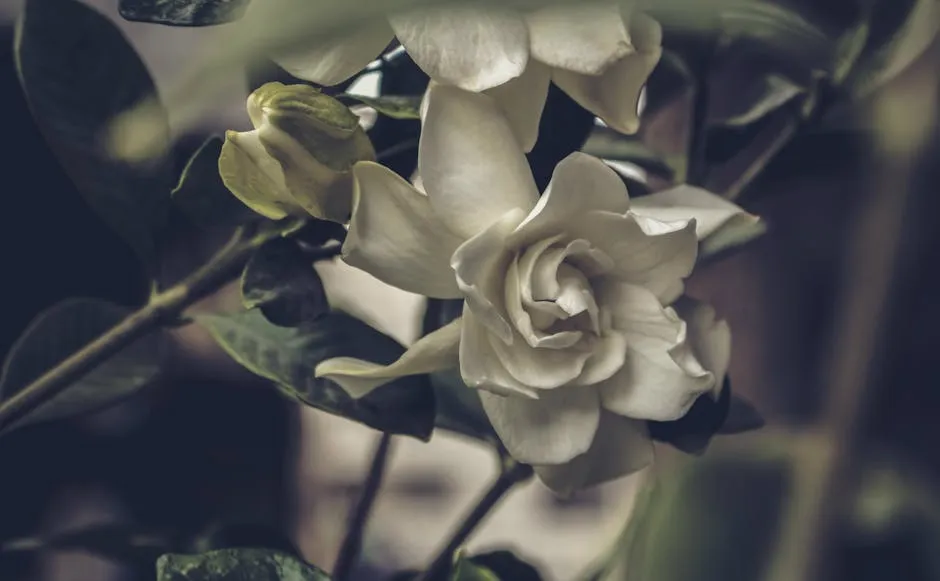
While often thought of as day-scented, gardenias actually intensify their famously rich, sweet fragrance at night to attract their moth pollinators. Most gardeners are surprised to learn this. The plant they’ve long admired by day is working hardest long after they’ve gone inside.
Gardenias are moth pollinated, which is why their fragrance grows stronger in the evening. They are considered one of the best southern evergreen shrubs, and the single-flowered ‘Kleim’s Hardy’ is an exceptional cultivar for the landscape that will reliably survive winters up to USDA Hardiness Zone 7.
Gardenia is one of the most cherished night-fragrant plants, famed for its creamy white blooms and rich, sultry perfume. Though it releases its scent during the day as well, it becomes especially noticeable and intoxicating in the cool of evening. Ideal for containers, garden borders, or patios, Gardenia adds a touch of Southern elegance and romance to any space.
Why Night-Blooming Plants Smell So Powerful After Dark
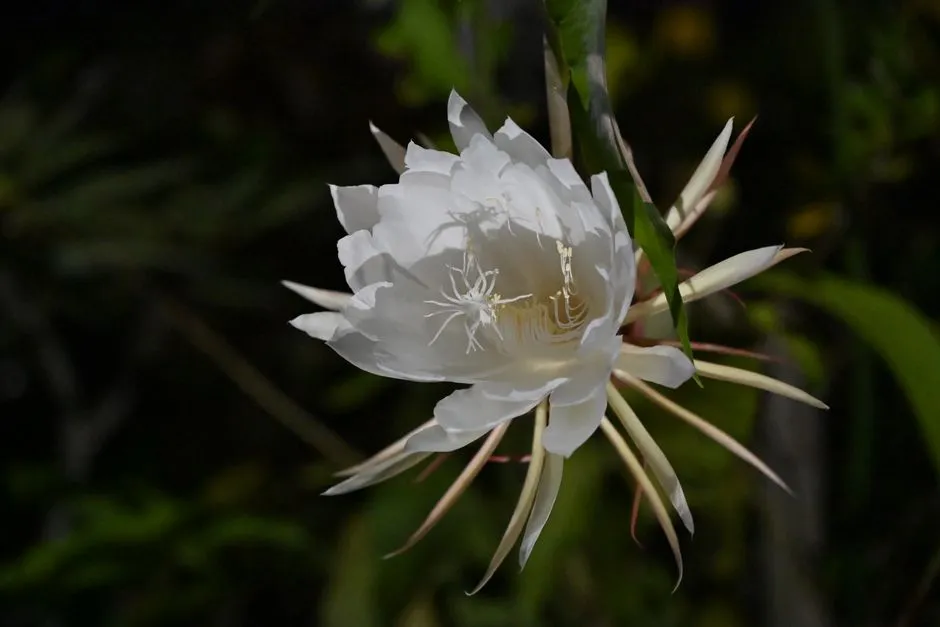
The answer is evolutionary: plants bloom and release scent according to their pollinators’ schedules. Daytime flowers evolved to attract bees, butterflies, and hoverflies, active in sunlight. Night-scented flowers evolved to attract moths, hawk-moths, and in warmer climates, bats and night-flying flies that become active after dark.
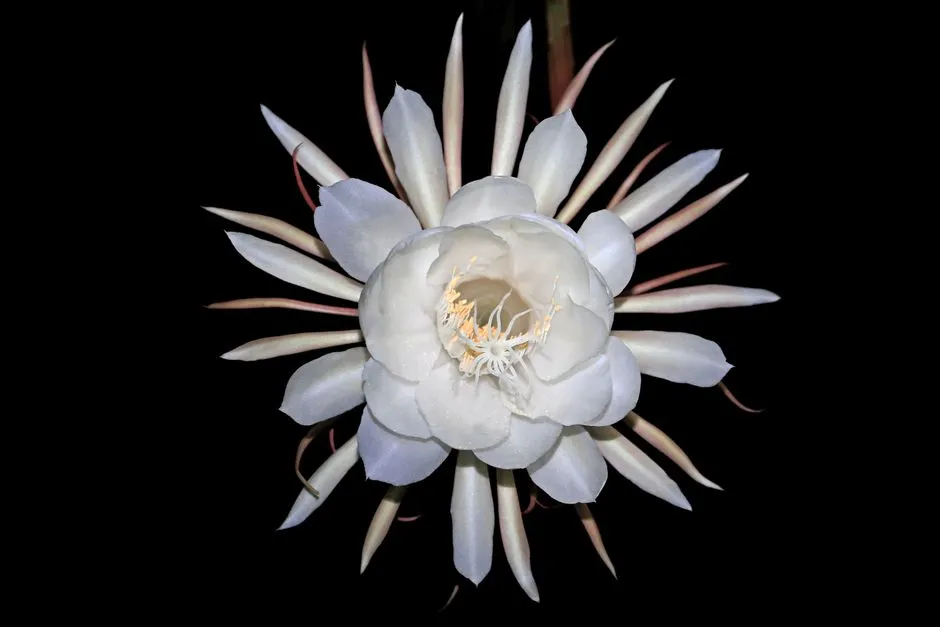
The pale and white coloring seen throughout night-blooming plants is no coincidence. Light-colored blooms remain visible in moonlight, making them easier for moths to locate even in near-darkness.
The relationship between these flowers and their pollinators is a delicate dance. The flowers provide a critical food source, and in return, the nocturnal creatures ensure the plants can reproduce and thrive, completing a cycle of life that is often hidden from our view.
How to Place Night-Blooming Plants for Maximum Scent
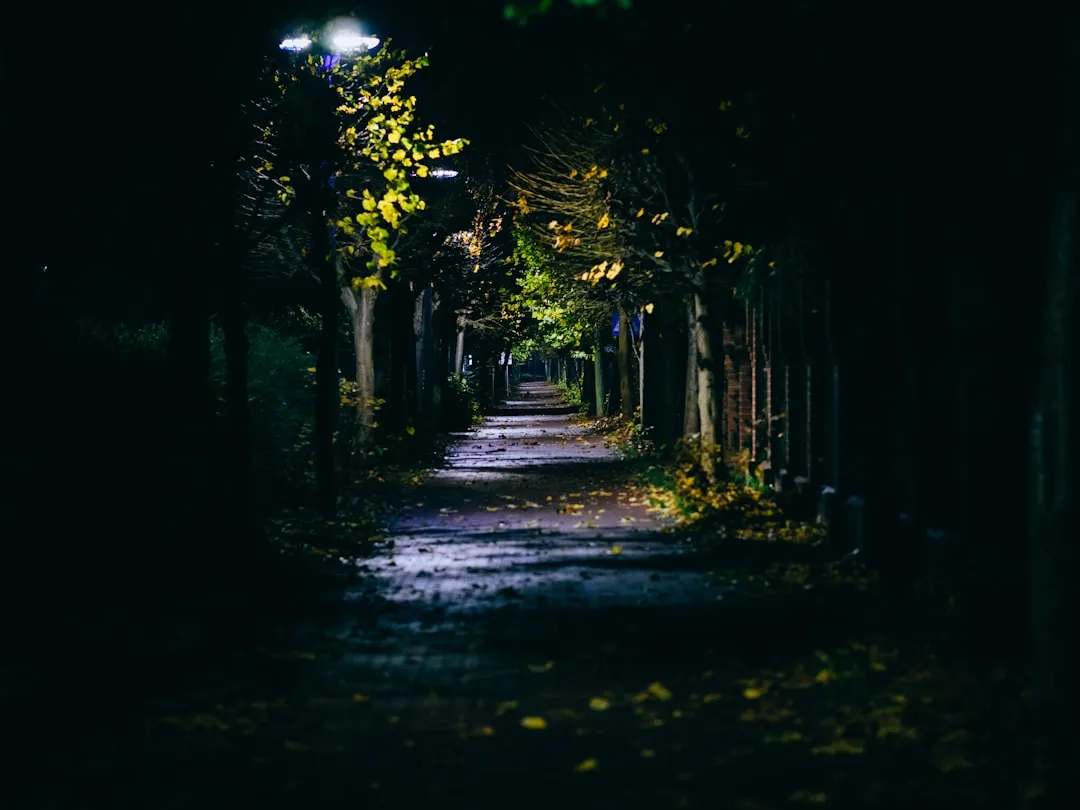
Even in still conditions, fragrant plants within 6 feet of a seating area will perfume the immediate atmosphere noticeably. A single specimen of Nicotiana sylvestris or star jasmine positioned just upwind of a seating area does more for the evening garden experience than a dozen plants placed without regard for airflow.
Position fragrant plants where you actually spend time in the evenings, beside a patio seating area, along an evening walkway, or beneath a window you open in summer. Within 6 to 8 feet, the fragrance is unmissable. Beyond that, it fades quickly.
Plan your layout by placing taller plants like jasmine at the back, with shorter plants in front. Soft, warm lighting can enhance the magical atmosphere without overpowering the natural moonlight. A comfortable seating area will allow you to enjoy your night garden to the fullest.
Container Growing: Bringing the Night Garden to Any Space
Potted night-blooming plants need larger containers than you might initially expect. Moonflowers, angel’s trumpets, and night-blooming jasmine all develop substantial root systems that require five-gallon minimum containers, with ten-gallon or larger pots supporting better growth and blooming. Small pots dry out too quickly and restrict root development, leading to disappointing performance.
Mobility represents one of the key advantages of growing night-blooming flowers in containers. You can position pots exactly where you want to enjoy evening fragrances, then rearrange as needed. This is especially useful for gardeners working with balconies, patios, or compact urban spaces.
Tuberose in particular is ideal for container gardening, as it can be moved indoors in colder climates to protect the bulbs from frost. The same principle applies to gardenia and night-blooming jasmine, making all three genuinely versatile options regardless of climate zone.
The Ecological Bonus: Supporting Nocturnal Pollinators
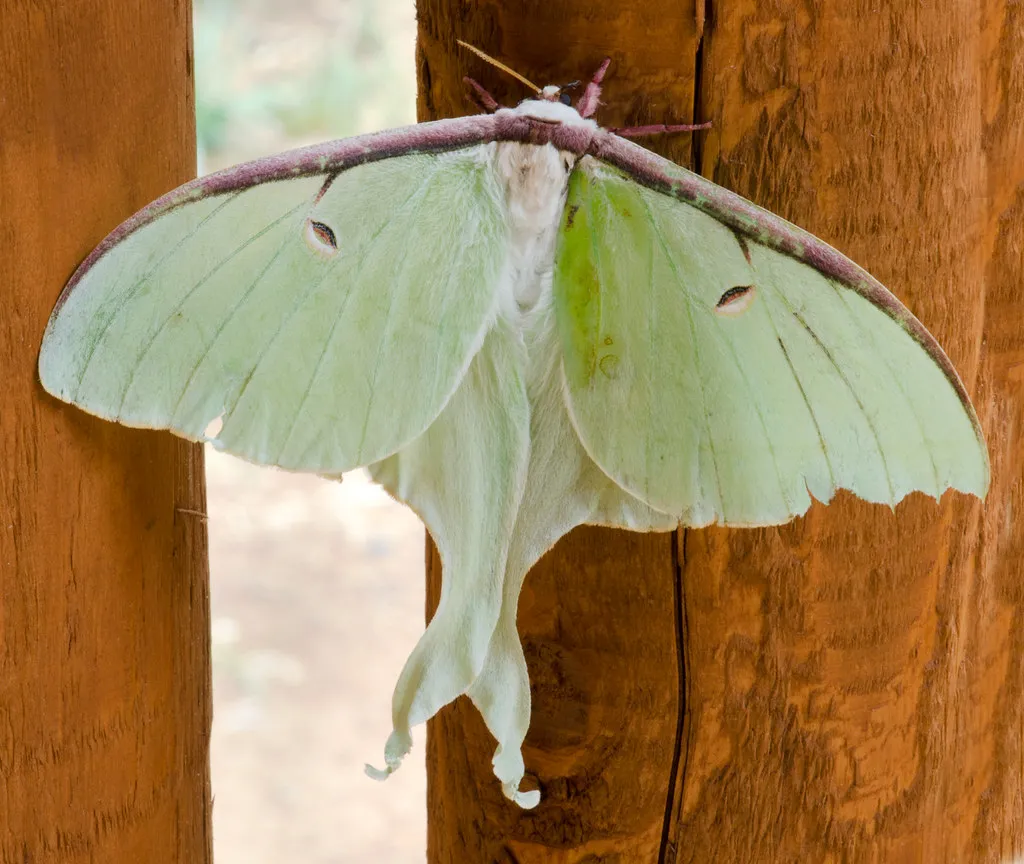
If you spend evenings relaxing on your porch or patio, consider planting a moon garden nearby. These fragrant late-day gardens glow in the evening light, attracting luminous moths such as luna moths and sphinx moths, which is why they are also considered moth gardens.
Moth-pollinated plants share several floral characteristics. Their blooms stay open and become fragrant late in the day and into the night. They are pale-colored, often white, to catch the last evening light and light of the moon. They are often trumpet-shaped and hold lots of nectar for the many long-tongued moths that pollinate them.
As well as growing flowers that bloom at night for pollinators, you can assist with evening pollination by reducing artificial light. Bright light can disorient insects and interfere with gathering food, finding mates, or evading predators. Simply pulling down the shades at night will help, so they can fully benefit from these delightful plants and flowers.
A Closing Thought on After-Dark Gardening
There’s something genuinely different about a garden that performs at the end of the day rather than the beginning. These six plants don’t ask you to rearrange your schedule around them. They meet you where you already are: winding down, stepping outside, glass in hand.
The best night gardens engage all the senses. The sweet fragrances, luminous blooms, and quiet beauty of these nocturnal plants transform ordinary evenings into extraordinary experiences.
Start with one or two plants placed near where you naturally sit in the evening. The science behind why they smell so good after dark is fascinating, but you don’t need to know any of it to appreciate the result. Some garden pleasures are best understood from a chair, in the dark, with your nose doing the work.
AI Disclaimer: This article was created with the assistance of AI tools and reviewed by a human editor.