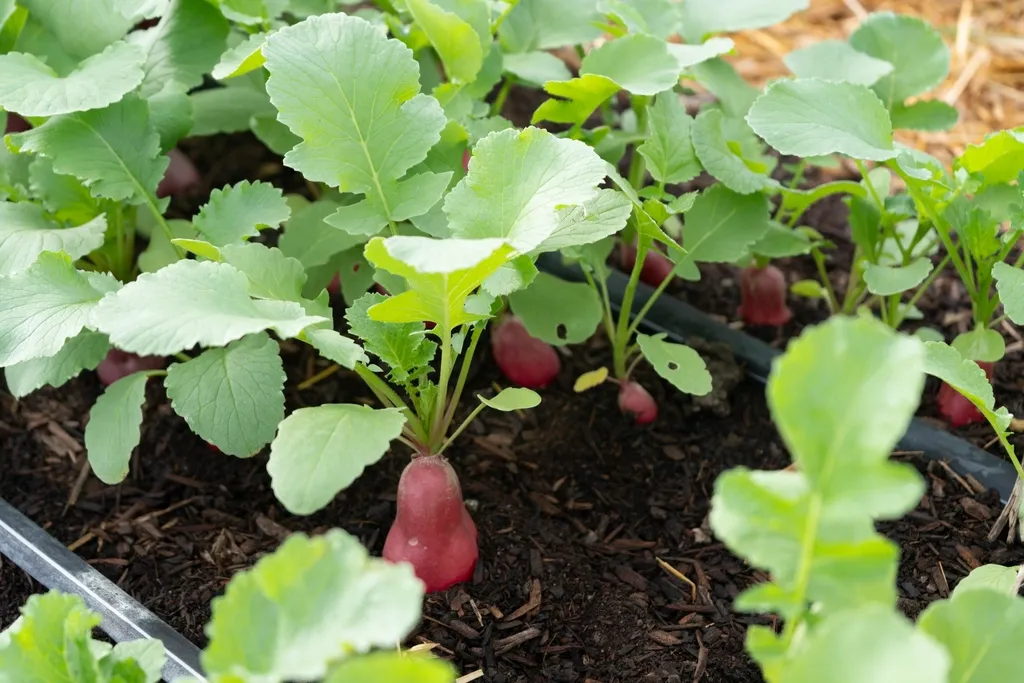

More people than ever are digging into their first vegetable garden. About 71% of Americans report they are planning on growing a food garden in 2025. That’s a remarkable number, and it tells you something real: there’s a shift happening in how people think about food, cost, and self-reliance.
Among 2025 gardeners, two in three are motivated to grow their own food to have high-quality produce, while another 54% are explicitly trying to lower their grocery bills. Still, the single most common mistake new gardeners make is choosing the wrong plants to start with. Pick something demanding in your first season and frustration sets in fast. The six vegetables below are chosen specifically because they forgive mistakes, produce quickly, and build the kind of confidence that keeps you coming back next year.
1. Lettuce: The Gateway Crop Every Beginner Needs
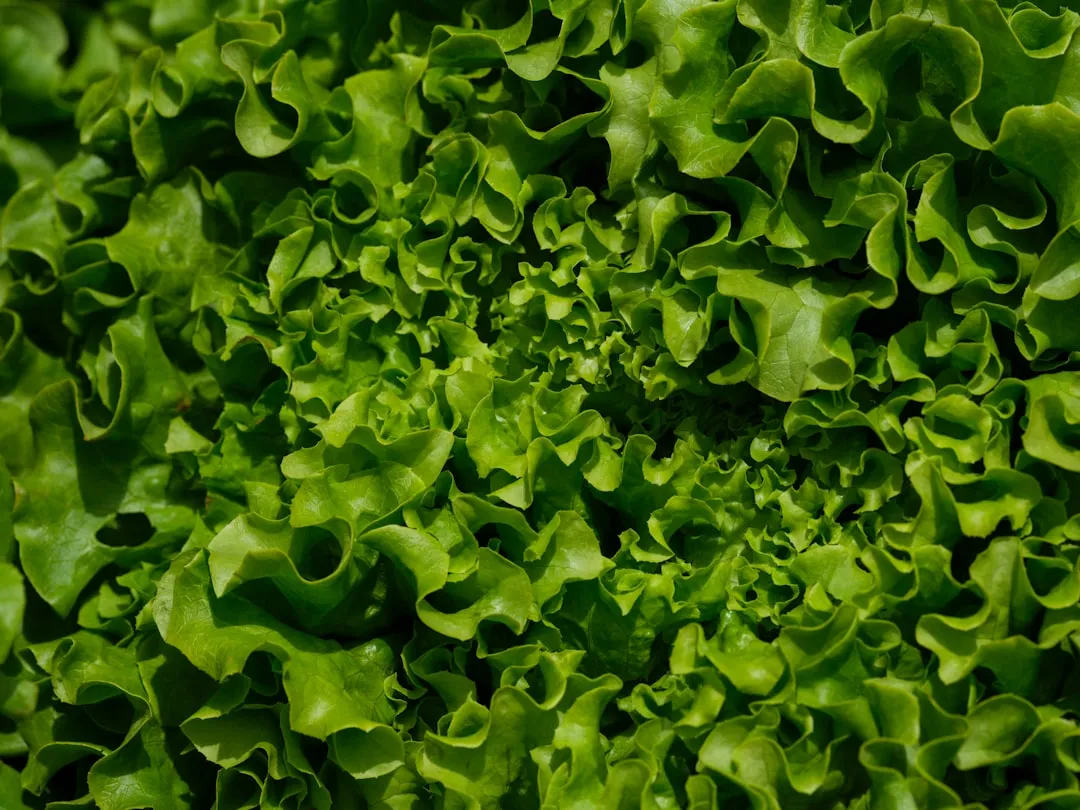
Lettuce is a cool-season crop that’s perfect for beginners, and it can be grown in any-sized garden or even an apartment windowsill. These crops are among the fastest of all vegetables, often germinating in a matter of days and being ready to harvest after just three short weeks.
The biggest advantage of lettuce, especially leaf varieties, is its “cut-and-come-again” nature. You can snip off the outer leaves for a salad, and the plant’s central crown will continue producing new growth. This means a single small planting can feed you for weeks.
Lettuce thrives in cooler weather, making it ideal for spring or fall planting. It needs full sun but can tolerate partial shade, especially in hotter climates. Lettuce has shallow roots and requires consistent moisture to produce tender, sweet leaves, so water regularly, especially during dry spells, to prevent stress.
2. Radishes: Fast Results That Build Real Confidence
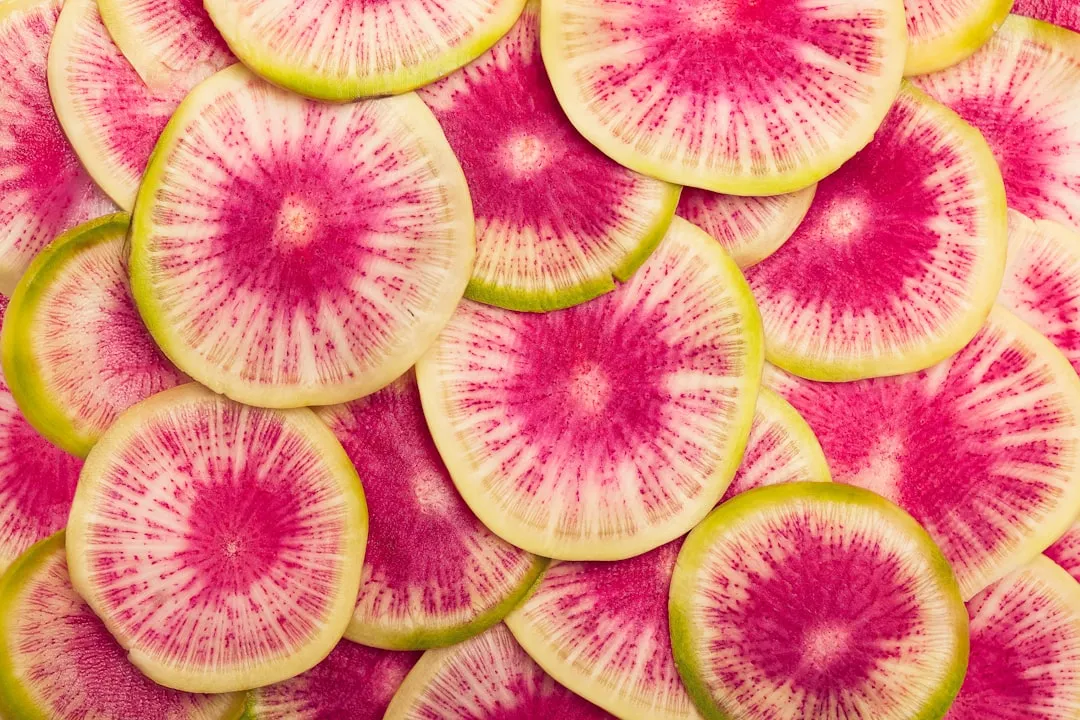
Radishes are ideal for impatient gardeners – they’re ready to harvest in as little as 25 days. They thrive in cooler weather and grow well in small garden beds or containers.
For gardeners eager to see quick results, radishes are a dream come true. These crisp, peppery root vegetables are among the fastest-growing crops you can plant, often ready for harvest in under a month. This rapid growth cycle provides an immediate sense of accomplishment.
Their speed and minimal space requirements make them incredibly versatile. School garden programs frequently use radishes to teach children about plant life cycles in a tangible way. Similarly, urban gardeners with limited balcony space can successfully grow a satisfying crop in small containers or window boxes. The only real pitfall: avoid planting them in peak summer heat, as high temperatures push them to bolt before the root has time to develop properly.
3. Green Beans: Low Maintenance, Surprisingly High Yields
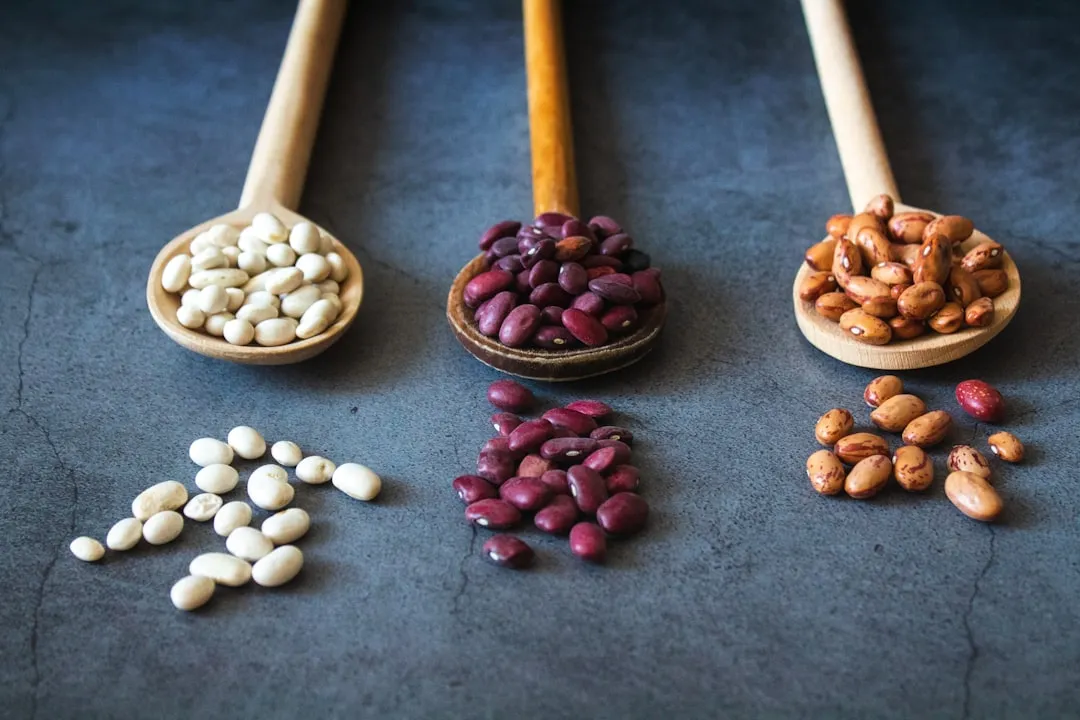
Bush beans are an absolute must-have in a beginner’s garden. These compact, productive plants yield an abundant harvest of crisp, tender beans without the need for complex trellises or supports required by their vining counterparts. This self-contained growth habit makes them one of the best vegetables to grow for beginners, especially those with limited space.
Beyond their ease of care, bush beans are soil superheroes. As legumes, they “fix” nitrogen, pulling it from the air and storing it in their roots, which enriches the soil for future crops. This unique benefit means they give back to your garden, improving its health while you reap their rewards.
Both bush and pole types are easy to grow because you can direct sow them in your garden. It’s important to note that you need to wait until the soil is warm enough, at minimum into the 60s Fahrenheit. Beans also don’t tend to have a lot of disease issues, which is why they rank among the best crops for beginners.
4. Zucchini: The Plant That Almost Grows Itself
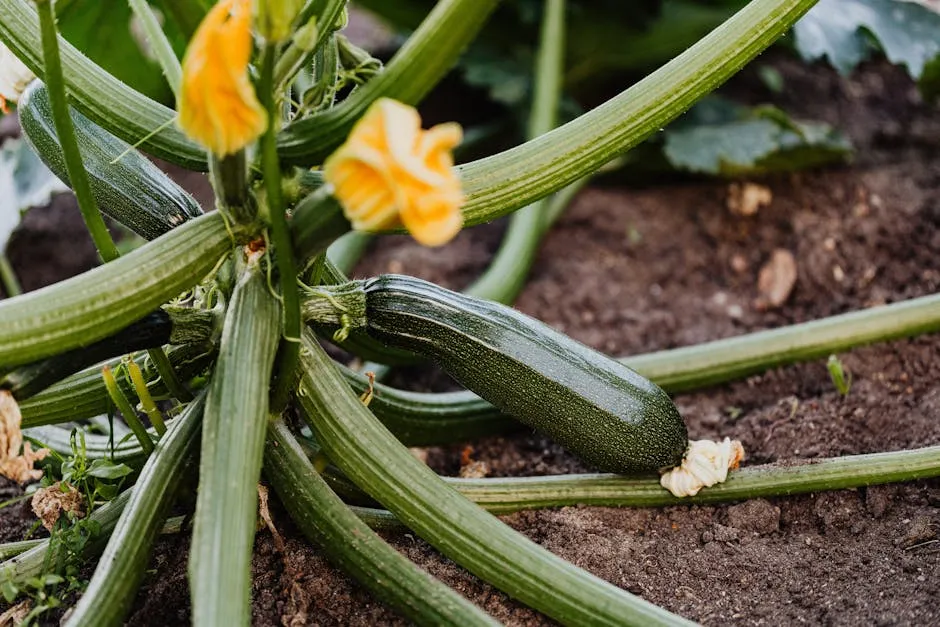
Zucchini is easy to start from seed, needs almost no upkeep, and will give you more produce than you’ll know what to do with. Don’t plant more than one or two plants unless you have a very large family, or enjoy giving zucchini to everyone you know. That’s not an exaggeration.
Summer squash and zucchini like well-composted soil and need plenty of space, planted three to six feet apart in warm soil and with lots of sun. Soon enough, you’ll have so many zucchini you’ll leave them on neighbors’ doorsteps. Always water at the soil level, not the leaves, to avoid powdery mildew.
Courgettes (zucchini) are probably the easiest beginner gardening vegetable to grow. These vegetables are super easy to grow from seed, and once outside in containers, you’ll end up with more than you know what to do with. They’re perfect for container gardening, meaning they work great for balcony gardening, small yards, or tiny gardens. Pick them regularly when they reach a manageable size; leaving them too long results in overgrown, watery marrows.
5. Cucumbers: A Summer Reward Worth the Minimal Effort
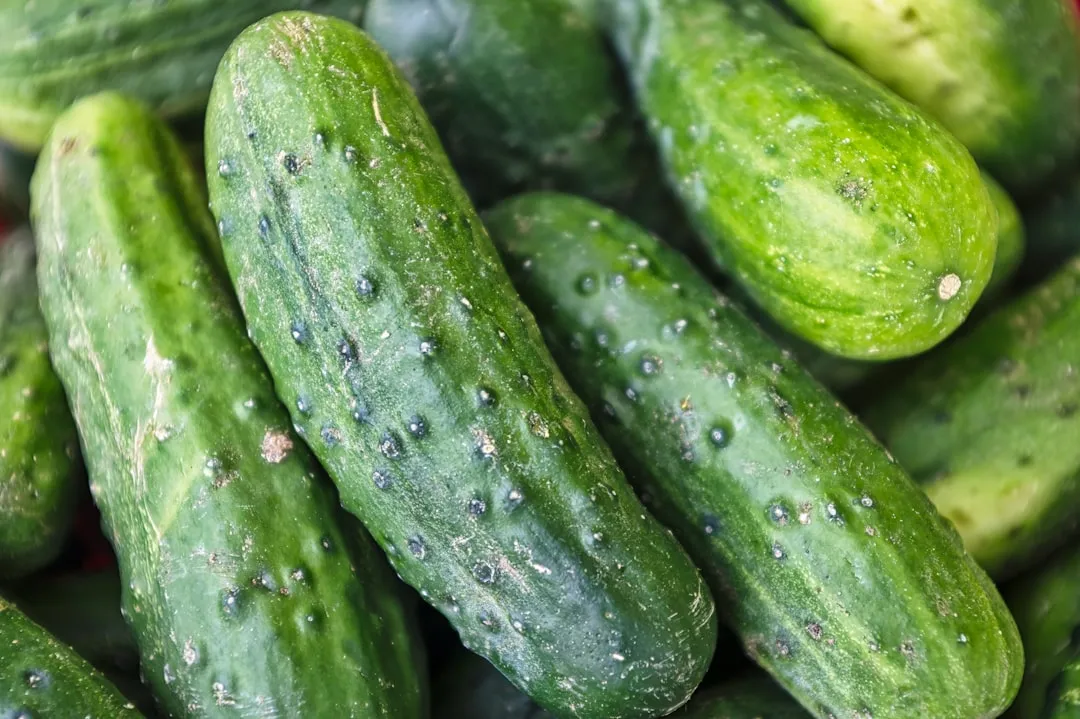
Cucumbers are a summer crop that loves warmer temperatures. It’s best to plant them after your beans when the soil has warmed up so you can direct sow your seeds. Cucumbers don’t like to be transplanted, so it’s best not to start them indoors. Just wait until the soil is warm enough and then direct sow them.
This crop is especially fast growing and you can do multiple plantings throughout your growing season. Keep in mind, cucumbers can have disease problems like powdery mildew. One way to combat this is by buying hybrid varieties that are specifically disease resistant.
In food gardening, the second most popular vegetables to grow are cucumbers, followed by sweet peppers. That popularity makes sense. Cucumbers reward consistent watering with a steady supply of fruit across the summer months, and their fast turnaround from seed to harvest keeps new gardeners genuinely engaged.
6. Tomatoes: The Gold Standard of the Home Garden
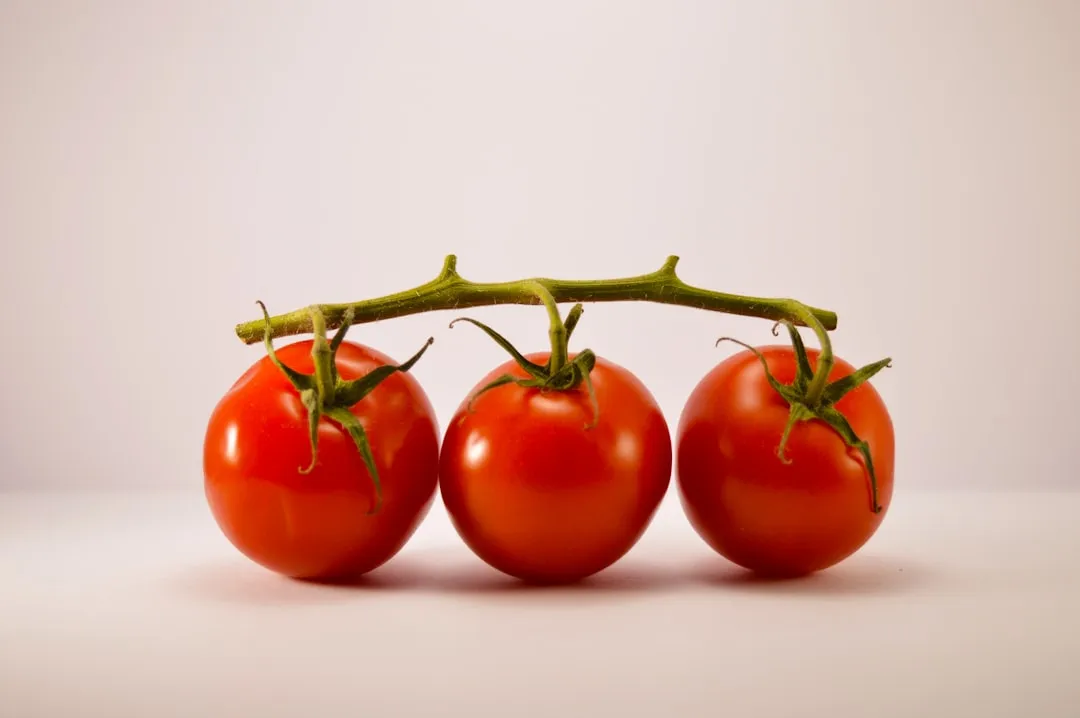
Tomatoes are the most commonly grown vegetable, with 86% of home gardeners cultivating them. There’s a reason they dominate home gardens year after year: they’re rewarding, versatile, and surprisingly manageable once you understand their basic needs.
Tomatoes are actually not the absolute easiest vegetable to plant, but no garden should be without them. Cherry tomato varieties are the easiest to grow, but you can have success with any tomato as long as you water it consistently and give it eight or more hours of sun a day.
Cool-season crops like lettuce and peas grow in early spring and fall, while warm-season crops like tomatoes, peppers, and cucumbers go in after the soil warms. Starting with a determinate or cherry tomato variety in your first season keeps things manageable and almost guarantees a harvest you’ll actually be proud of.
Why Starting Small Actually Works
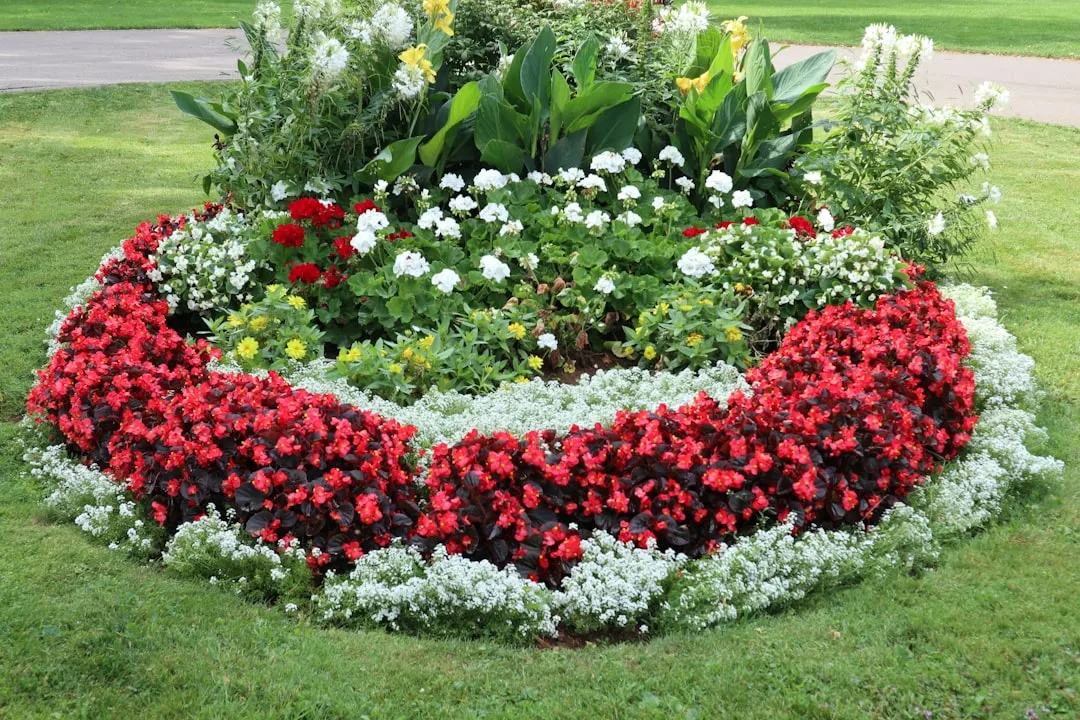
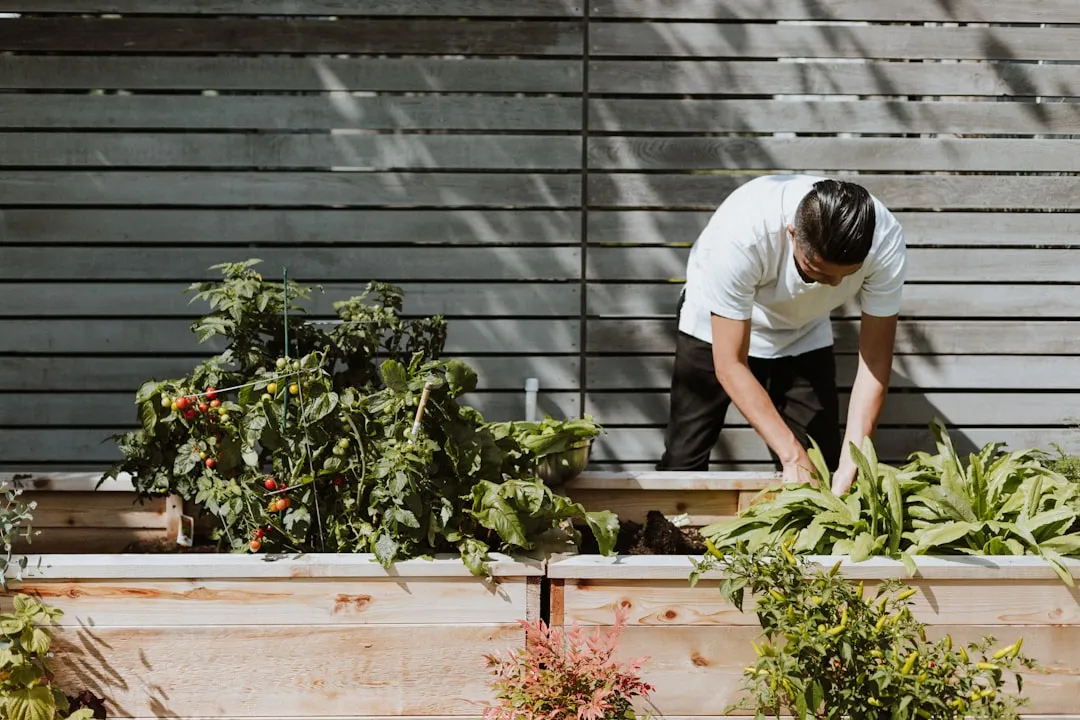
A 4×4 or 4×8 raised bed, or a 10×10 in-ground plot, works well for beginners. Experienced gardeners consistently say the same thing: a small, well-tended patch outperforms an ambitious plot that gets neglected. The logic is straightforward.
One of the most common beginner mistakes is planting too much too soon. Start small and you can always expand next year. Limiting yourself to two or three of the vegetables on this list your first season means you actually learn each crop rather than spreading your attention too thin.
Starting with easy crops gives you confidence, fast results, and a better chance at a rewarding harvest. Beginner-friendly vegetables are more forgiving of mistakes, require less maintenance, and grow quickly, which keeps you motivated as a new gardener.
Sun, Soil, and Water: The Three Things That Actually Matter
Most vegetables need six to eight hours of direct sunlight daily. Leafy greens can tolerate partial shade. Location is often the factor that separates a thriving first garden from a disappointing one, and it costs nothing to get right before you plant a single seed.
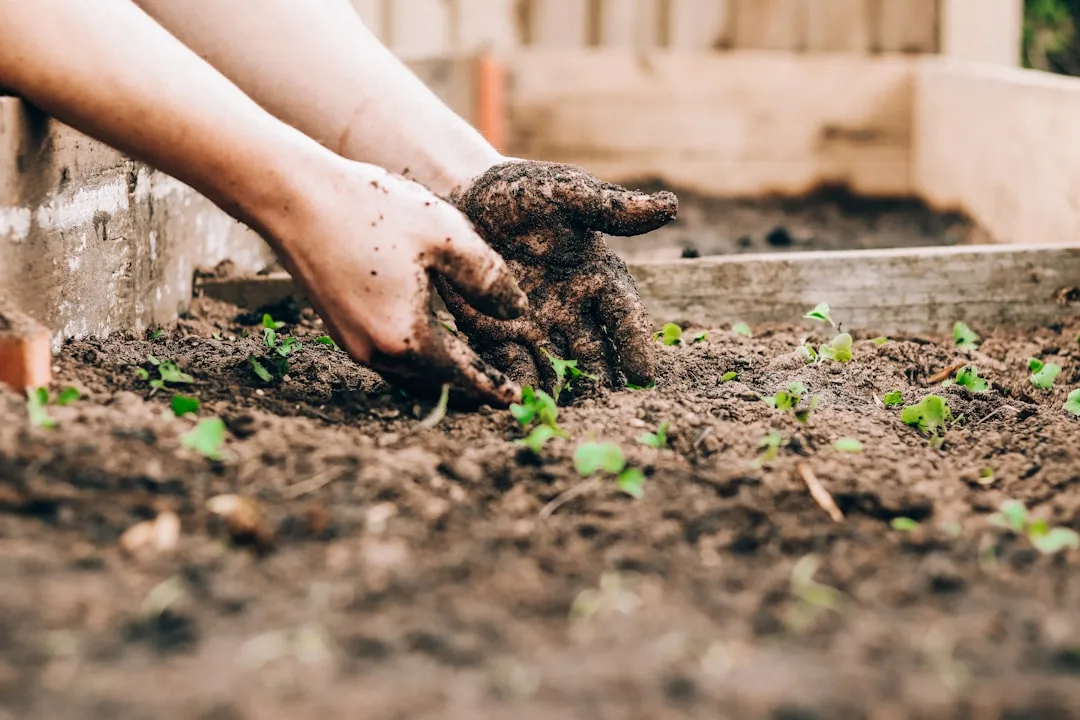
Before planting, consider taking a soil test to understand your soil’s nutrient levels and pH. You can also learn how to prepare your garden soil for planting and improve it naturally with soil amendments. Adding compost each season improves soil structure and fertility.
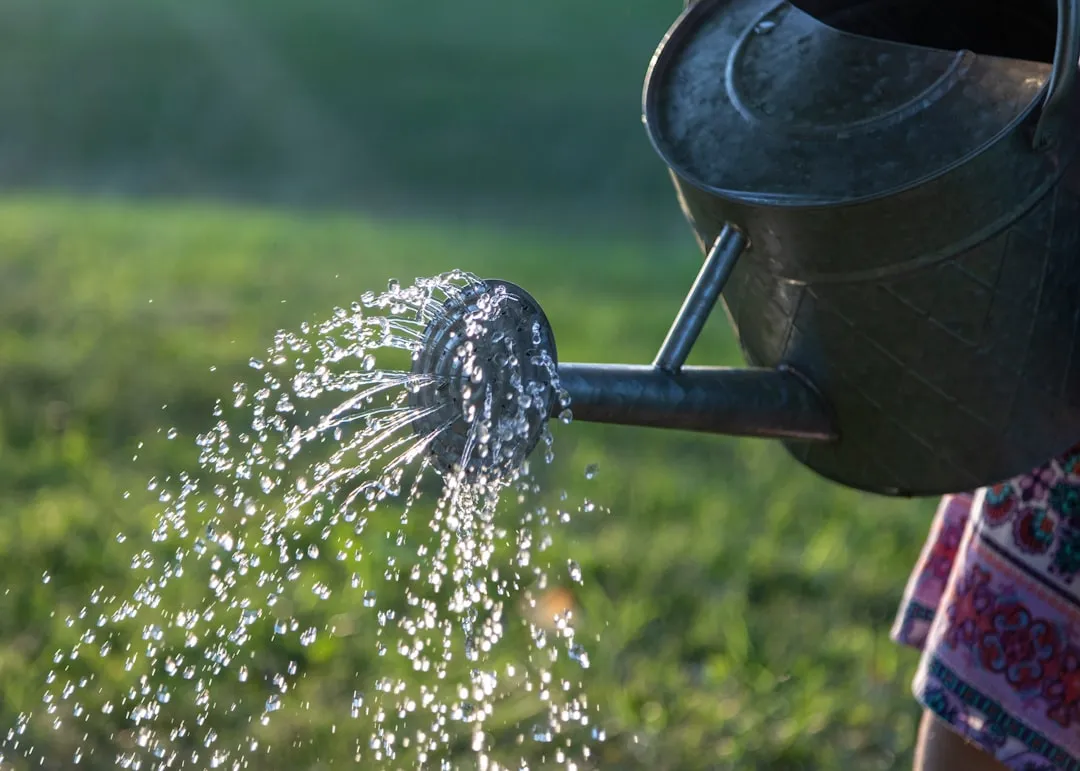
Consistent watering is vital for healthy vegetable growth. Most vegetables need about one inch of water per week. Water deeply and less often to encourage deep root growth, and early morning is the best time to water. These aren’t complicated rules, but sticking to them makes a measurable difference in yield.
The Real Financial Case for a First-Time Vegetable Garden
The average garden yields around $600 of produce in a year. That’s a meaningful return, particularly given that 61% of respondents in a 2025 survey said they grew a food garden in 2024 and estimated saving roughly $875 in the previous year.
On average, food gardeners are trying to cover nearly a quarter of their grocery bills by gardening. With grocery prices remaining high in 2026, that calculation matters more than ever to households at almost every income level.
Vegetable seeds are the most popular seeds purchased by Americans, with a massive share of the market. Tomatoes remain the most popular choice, accounting for an impressive portion of all homegrown vegetables in the United States. The startup cost for a first garden focused on the six crops in this guide is genuinely modest, especially when seeds are purchased in bulk or shared among neighbors.
Timing Your Plantings: The Detail Most Beginners Skip
Peas are a cool weather crop; they will grow better when it’s a bit cooler, not in the heat of summer. It’s best to plant them in the spring or fall. The same principle applies to lettuce and radishes, both of which bolt in sustained heat. Know your seasons before you plant.
Cool-season crops like lettuce and peas grow best in spring and fall. Warm-season plants such as tomatoes and peppers thrive in summer. Before planting, find your average last spring frost date, which determines when warm-season crops like tomatoes and peppers can safely go outdoors.
The “days to maturity” listed on seed packets helps you plan harvest timing. Stagger plantings every few weeks to extend your harvest. That one habit alone, a few small succession plantings of lettuce or beans, can stretch a modest garden into a continuous supply of fresh food rather than a single glut followed by nothing.
What a First Successful Season Actually Teaches You
The true value of starting with specific beginner vegetables lies in the lessons they teach. Radishes and spinach teach you about the speed of growth and succession planting. Bush beans and determinate tomatoes demonstrate the power of high-yield, compact plants.
The most important takeaway is that you are creating more than just food. You are cultivating a connection to your environment, developing a new skill, and building a more sustainable lifestyle. The satisfaction of walking out your door to harvest lettuce for a salad or a zucchini for dinner is a powerful experience that a trip to the grocery store simply cannot replicate.
The six vegetables in this guide are not a compromise for beginners. They’re the same crops experienced gardeners return to season after season, because reliability never goes out of style. Start with them, learn them well, and next year the garden can be as ambitious as you like.
AI Disclaimer: This article was created with the assistance of AI tools and reviewed by a human editor.