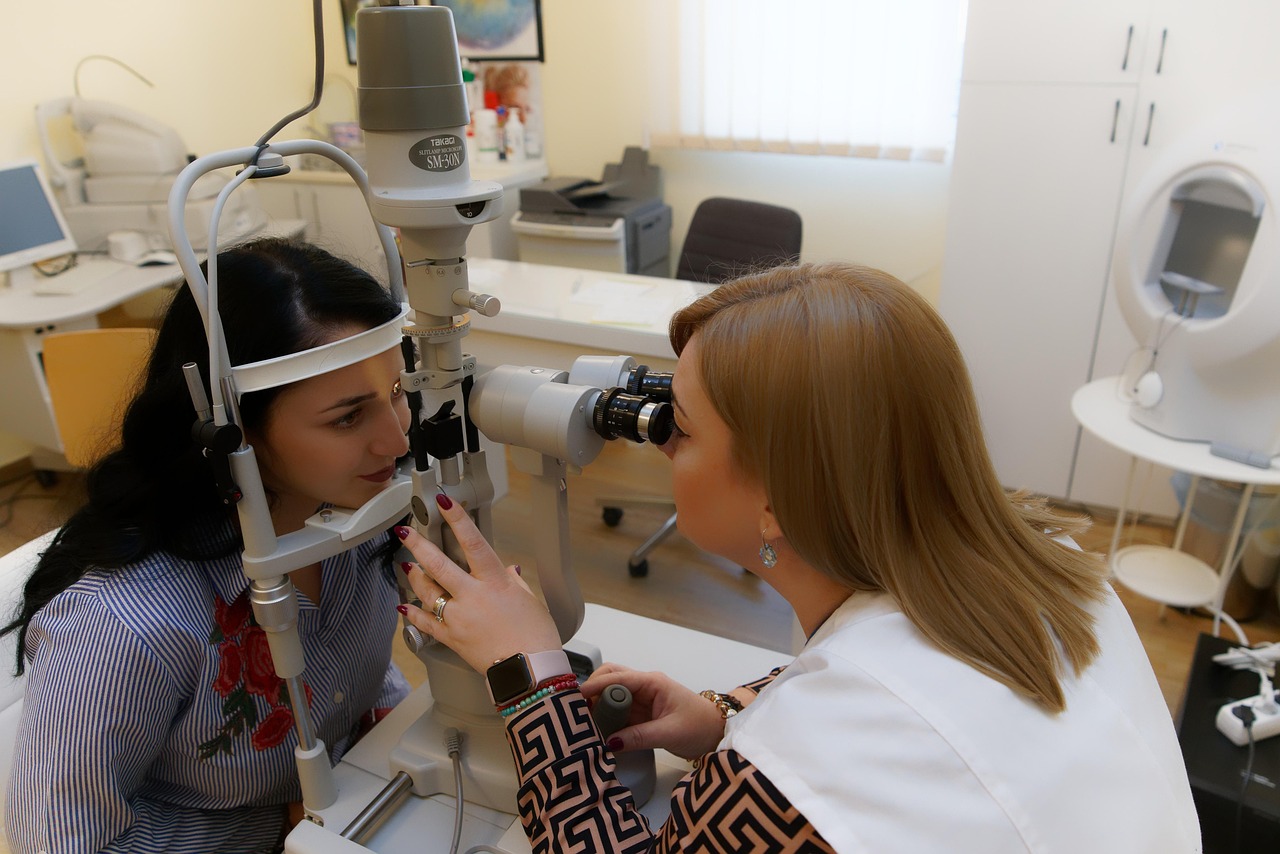

Most people know that vision tends to change with age, but fewer realize just how much diet plays a role in that process. The eyes are among the most metabolically demanding organs in the body, constantly requiring specific nutrients to manage oxidative stress, filter harmful light, and maintain the delicate tissues that make sight possible.
A diet rich in essential nutrients like vitamins C and E, zinc, lutein, zeaxanthin, and omega-3 fatty acids can lower the risk of developing age-related macular degeneration (AMD), cataracts, and other eye conditions. The research has grown considerably in recent years, and the picture is becoming clearer. These six foods consistently appear in the evidence, and each one has a distinct role to play.
1. Leafy Greens: The Lutein and Zeaxanthin Powerhouse
Kale, spinach, collard greens, and Swiss chard are among the most studied foods for eye health, and for good reason. Lutein and zeaxanthin constitute the main pigments found in the yellow spot of the human retina, where they protect the macula from damage by blue light, improve visual acuity, and scavenge harmful reactive oxygen species.
Research shows that diets high in lutein reduce cataract risk by roughly a quarter. A 2025 randomized, double-blind, placebo-controlled trial published in Frontiers in Nutrition found that lutein and zeaxanthin supplementation was associated with greater improvements in the Schirmer tear test, photo-stress recovery time, and tear film break-up time compared to a placebo group. That points to real, measurable ocular benefits, not just theoretical ones.
Lutein and zeaxanthin are key to protecting the macula, the area of the eye responsible for central vision, and kale and spinach have plenty of these nutrients. Cooking these greens lightly with a small amount of healthy fat, such as olive oil, helps the body absorb these fat-soluble carotenoids more effectively.
2. Fatty Fish: Omega-3s for Retinal Protection
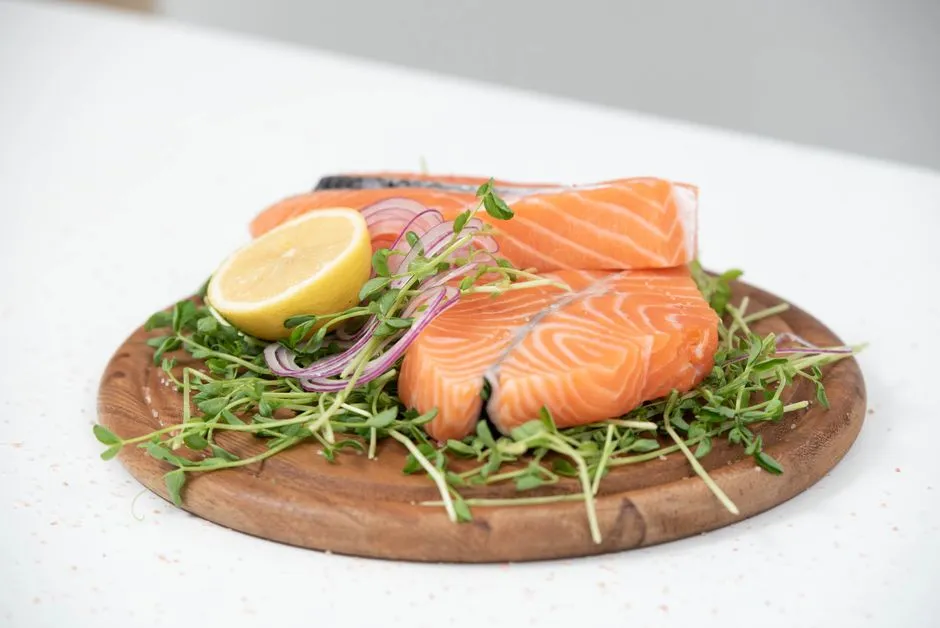
Salmon, sardines, mackerel, and tuna are among the richest dietary sources of the long-chain omega-3 fatty acids DHA and EPA. These fats are structural components of the retina and have been studied extensively for their role in protecting against AMD.
Increasing dietary intake of omega-3 long-chain polyunsaturated fatty acids, specifically DHA and EPA, or the simultaneous intake of DHA and EPA, is significantly associated with a reduced risk of overall AMD. A comprehensive meta-analysis published in Frontiers in Nutrition in 2024 confirmed this, finding that a high intake of omega-3 LCPUFAs significantly reduced the risk of overall AMD across the pooled studies it examined.
It is worth noting that the evidence is stronger for dietary fish consumption than for supplements in isolation. Higher intake of omega-3 fatty acids from food sources is associated with a reduced risk of age-related macular degeneration, but there are no established recommended parameters for omega-3 fatty acid supplementation alone. Eating fish two or more times per week is the pattern most consistently associated with benefit in the literature.
3. Eggs: A Surprisingly Bioavailable Source of Eye Nutrients

Eggs might not be the first food that comes to mind for eye health, but their nutritional profile makes them genuinely useful. Foods rich in zeaxanthin and lutein, like spinach and egg yolks, are particularly beneficial for the macula. What sets eggs apart from plant sources is that the lutein and zeaxanthin in egg yolks are packaged with fat, which dramatically improves how well the body absorbs them.
Lutein and zeaxanthin are carotenoid pigments that impart yellow or orange color to various common foods such as cantaloupe, pasta, corn, carrots, orange and yellow peppers, fish, salmon, and eggs. While the absolute amount of these carotenoids in a single egg is lower than in a cup of kale, bioavailability studies consistently show that eggs deliver more absorbable lutein per serving than most vegetables.
Eggs also provide zinc, which is another nutrient the retina depends on. Foods rich in vitamins C and E, zinc, lutein, and zeaxanthin are a great way to boost eye health overall. For older adults who may eat smaller meals, eggs are an efficient and accessible way to cover several of these bases at once.
4. Citrus Fruits and Bell Peppers: Vitamin C for the Lens
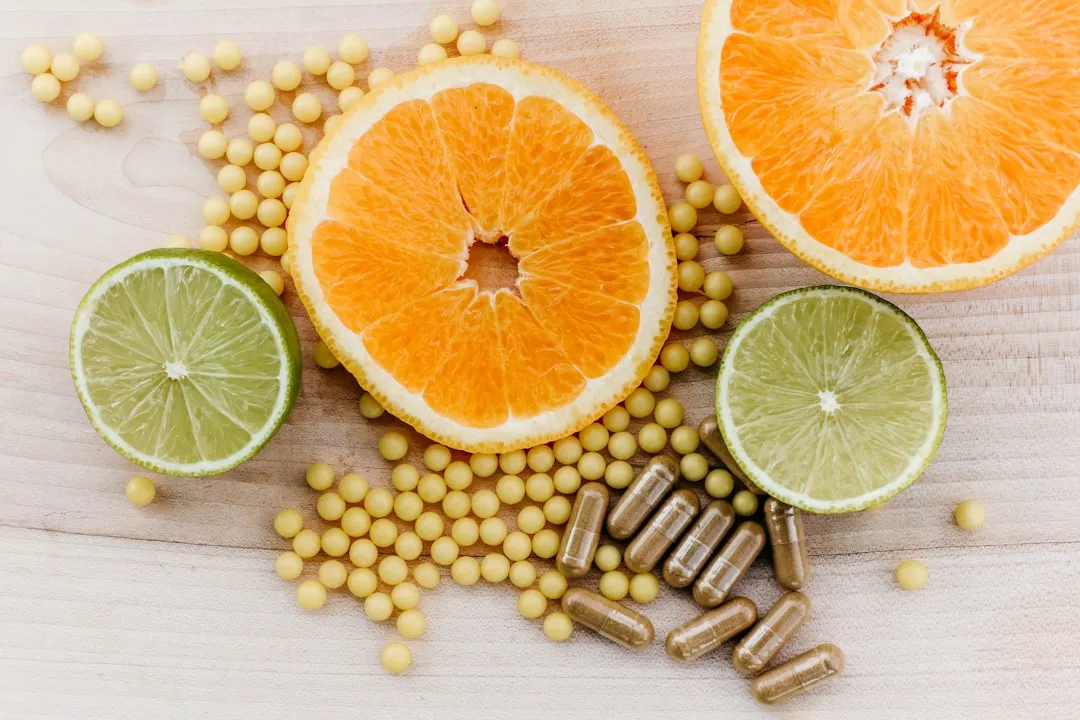
The lens of the eye has one of the highest concentrations of vitamin C of any tissue in the body. That’s not a coincidence. Vitamin C acts as a key antioxidant inside the lens, helping to protect it from the oxidative damage that contributes to cataract formation over time.
Good food sources with lots of vitamin C include oranges, grapefruit, kiwifruit, strawberries, tomatoes, red and green peppers, and broccoli. Red bell peppers in particular are extraordinarily rich in this vitamin. Research has associated higher vitamin C intake with a reduced risk of age-related cataract, as confirmed in a meta-analysis published in Acta Ophthalmologica.
Antioxidants can help prevent or delay age-related macular degeneration and cataracts, according to the Age-Related Eye Diseases Study. Vitamin C also supports the health of blood vessels that supply oxygen and nutrients to the retina, adding another layer of protective benefit beyond the lens alone.
5. Almonds and Sunflower Seeds: Vitamin E Against Free Radical Damage
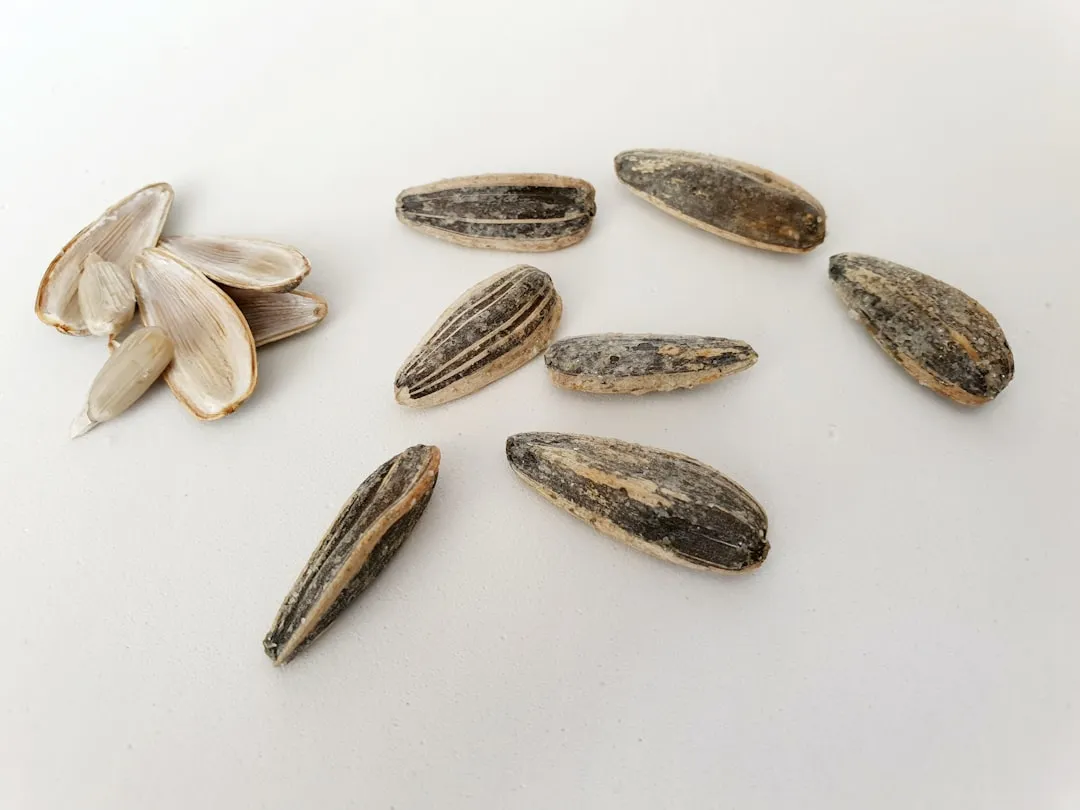
Vitamin E is a fat-soluble antioxidant that shields the cells of the eye from free radical damage, which accumulates steadily throughout life. The retina, being highly metabolically active and constantly exposed to light, is especially vulnerable to this kind of oxidative stress. Nuts and seeds are among the most concentrated dietary sources available.
Healthy sources of vitamin E include almonds, sunflower seeds, olive oil, and avocados. Another important antioxidant, vitamin E helps keep eye cells healthy and can be found in avocados, almonds, and sunflower seeds. A small handful of almonds daily can provide a meaningful portion of the recommended daily intake without adding excessive calories to a diet.
The AREDS and AREDS2 clinical trials, conducted by the National Eye Institute between 1992 and 2012, demonstrated that specific nutritional supplements including vitamin E reduce the risk of AMD progression by approximately 25 percent over five years. Getting vitamin E from whole food sources like almonds also brings fiber, magnesium, and healthy fats along with it, making this a particularly efficient dietary choice for aging adults.
6. Carrots and Sweet Potatoes: Beta-Carotene and Vitamin A
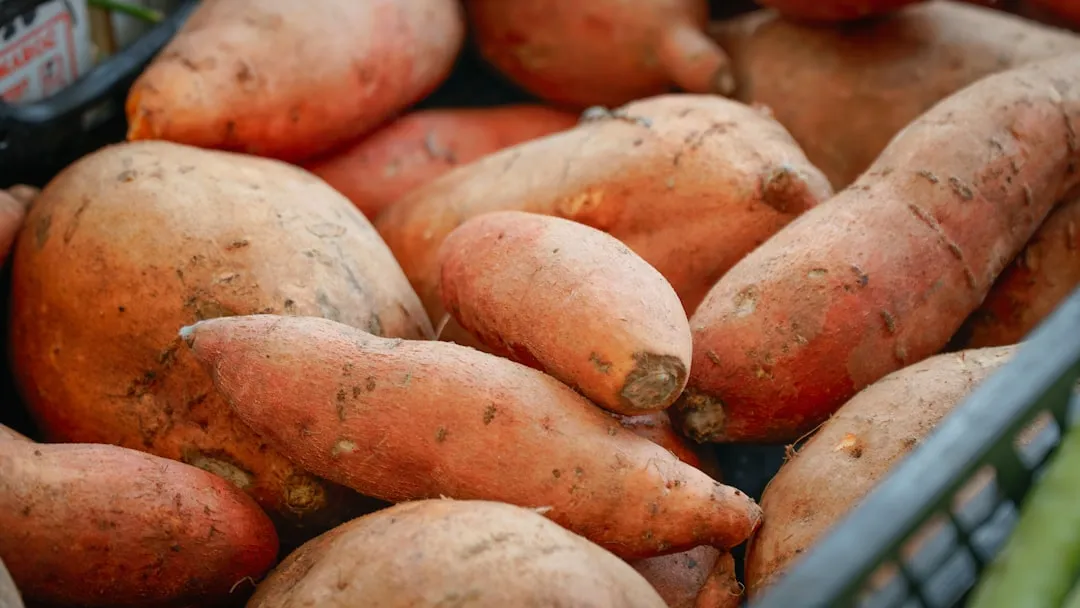
The old connection between carrots and good eyesight isn’t just folk wisdom. Carrots and sweet potatoes are rich in beta-carotene, a precursor that the body converts into vitamin A. Vitamin A is essential for the production of rhodopsin, a pigment in the rod cells of the retina that enables vision in low-light conditions.
Carrots aren’t the only food rich in beta-carotene. It can also be found in deep-orange foods such as sweet potatoes and apricots, as well as leafy greens including kale, collard greens, and spinach. A deficiency in vitamin A is a well-established cause of night blindness and, in severe cases, can contribute to more serious vision loss. For most people in developed countries, adequate intake from food is achievable without supplementation.
Maintaining a balanced and nutrient-full diet can help prolong healthy vision and provide protection against age-related eye disease, and good nutrition for the eyes starts with eating a variety of colorful, vitamin-rich foods. Roasting sweet potatoes, or simply adding shredded carrot to salads and soups, is one of the easier ways to consistently meet the body’s vitamin A needs as the years go on.
How Much of This Actually Matters Long-Term?
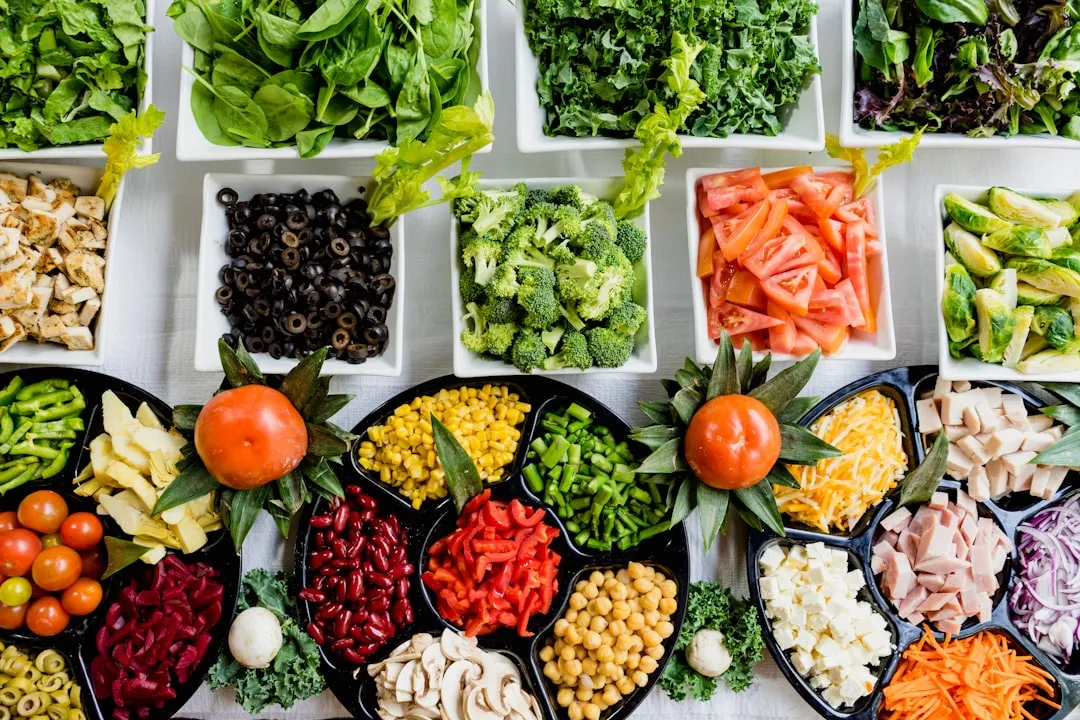
Current epidemiological data indicate that over 21 million Americans are affected by age-related eye diseases, with digital device usage now averaging 7.4 hours daily among adults, creating unprecedented oxidative stress on ocular tissues. The scale of the problem makes dietary strategy genuinely relevant, not as a cure, but as a meaningful form of ongoing prevention.
Research consistently shows that following a Mediterranean diet provides significant protection against age-related macular degeneration, the leading cause of vision loss in older adults. Several of the six foods covered here align naturally with that eating pattern, including fish, olive oil, leafy greens, and nuts. That convergence is encouraging because it suggests these foods work better together than in isolation.
Good nutrition is essential for maintaining healthy eyes and overall health. Vitamins and nutritional supplements cannot cure eye diseases or restore lost vision, but good nutrition is essential at every age, benefiting the whole body and playing a crucial role in maintaining healthy eyes. The evidence draws a clear line between diet and long-term visual function, even if it stops short of guaranteeing outcomes for any individual.
What the AREDS2 Research Tells Us
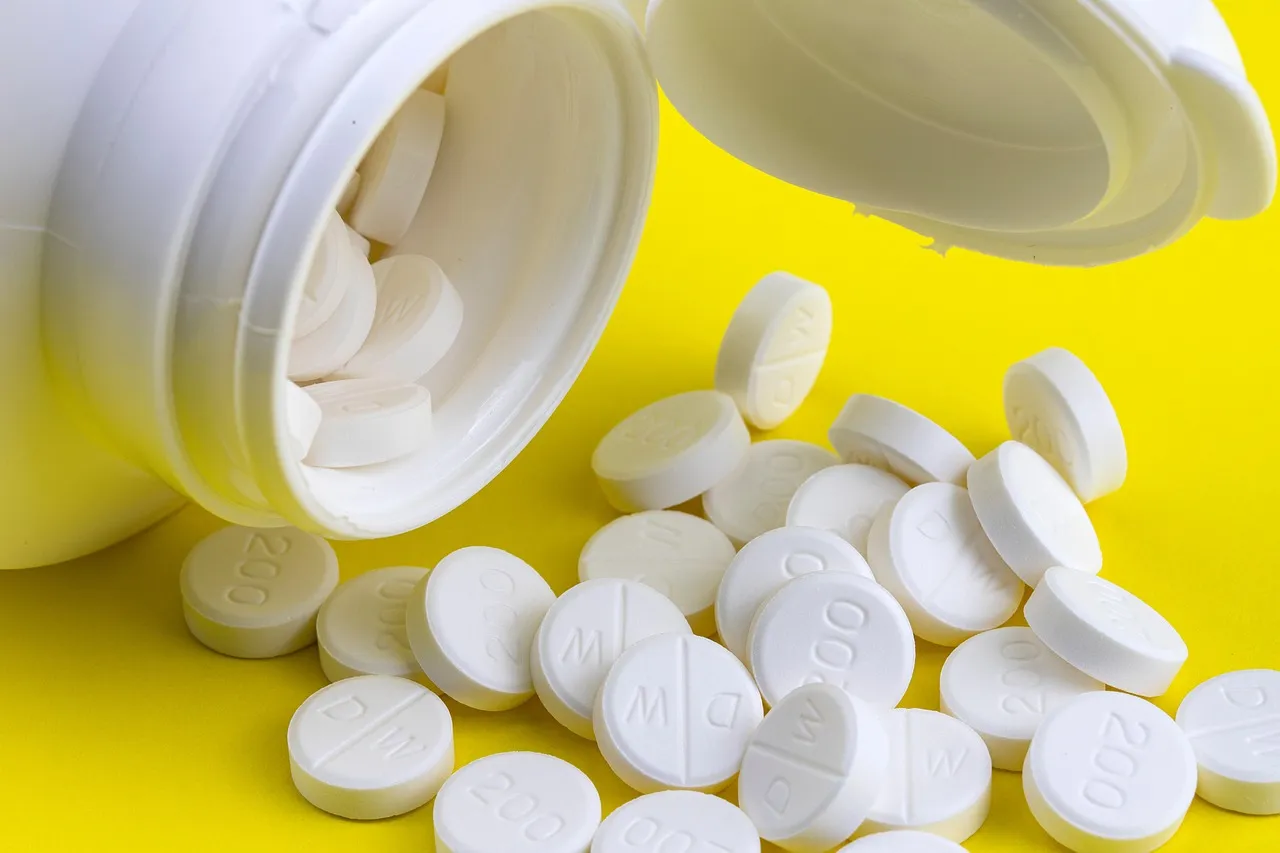
The Age-Related Eye Disease Studies, known as AREDS and AREDS2, remain among the most important long-term investigations into nutrition and eye health ever conducted. A 2024 analysis found that AREDS2 supplements can slow the progression of geographic atrophy, a form of advanced dry AMD, by more than half over three years. That is a substantial finding, and it reinforces the value of the specific nutrients those supplements contain.
The AREDS2 formula replaced beta-carotene with lutein and zeaxanthin after research showed beta-carotene nearly doubled lung cancer risk in current and former smokers. This is an important reminder that supplements and whole foods don’t always carry the same risk profile. Eating leafy greens delivers lutein without that concern. The food-first approach tends to be both safer and more sustainable.
A Note on Zinc and Whole-Diet Patterns

Zinc deserves a mention alongside the six featured foods because the retina contains one of the highest concentrations of zinc in the body, and it plays a direct role in vitamin A metabolism and overall retinal function. Zinc’s role in eye health, retinal biology, and disease was the subject of a 2025 review published in Progress in Retinal and Eye Research, underscoring ongoing scientific interest in this mineral.
Good dietary sources of zinc include oysters, red meat, poultry, beans, and pumpkin seeds, making it accessible across a range of eating patterns. Rather than focusing narrowly on one nutrient or one food, the broader takeaway from the research is that variety matters. Maintaining a balanced and nutrient-full diet can help prolong healthy vision and provide protection against age-related eye disease. No single food carries the full burden alone.
Practical Ways to Eat for Your Eyes

The gap between knowing which foods are beneficial and actually eating them consistently is where most people get stuck. A few practical shifts can make this easier. Tossing spinach into a morning smoothie, swapping a snack for a small handful of almonds, or adding a piece of salmon to a weekly meal rotation are all small moves with real cumulative impact.
Nutrition is key to preventing vision loss as you age, and choosing the right foods can lower your risk of vision loss meaningfully. Eating more of the foods in this article doesn’t require an expensive or complicated diet overhaul. The nutrients most supported by the evidence, including lutein, zeaxanthin, vitamin C, vitamin E, omega-3s, and beta-carotene, are available in affordable, widely accessible whole foods.
Pairing these foods with fat-containing ingredients also helps, since lutein, zeaxanthin, and vitamin E are all fat-soluble and absorb better when consumed alongside some dietary fat. A drizzle of olive oil over sautéed kale, or eggs cooked in a little avocado oil, is a practical example of how preparation method can affect what the body actually gets from a meal.
The Takeaway

Vision loss tends to be gradual, and that makes it easy to underestimate how much the choices made today shape what’s possible years from now. The evidence is not asking for perfection. It’s pointing, consistently and across multiple well-designed studies, toward a diet built around real, colorful, varied food as one of the most reliable tools available for protecting sight over a lifetime.
The six foods covered here, leafy greens, fatty fish, eggs, citrus, nuts and seeds, and orange-colored vegetables, don’t belong on a list of exotic superfoods. They’re ordinary ingredients that show up well in the research precisely because they’ve been part of human diets for a very long time. While research is still ongoing about the role of diet in certain eye conditions like glaucoma, it’s clear that good nutrition is crucial for maintaining healthy vision. That clarity, even where gaps remain, is reason enough to take what’s on your plate seriously.
AI Disclaimer: This article was created with the assistance of AI tools and reviewed by a human editor.