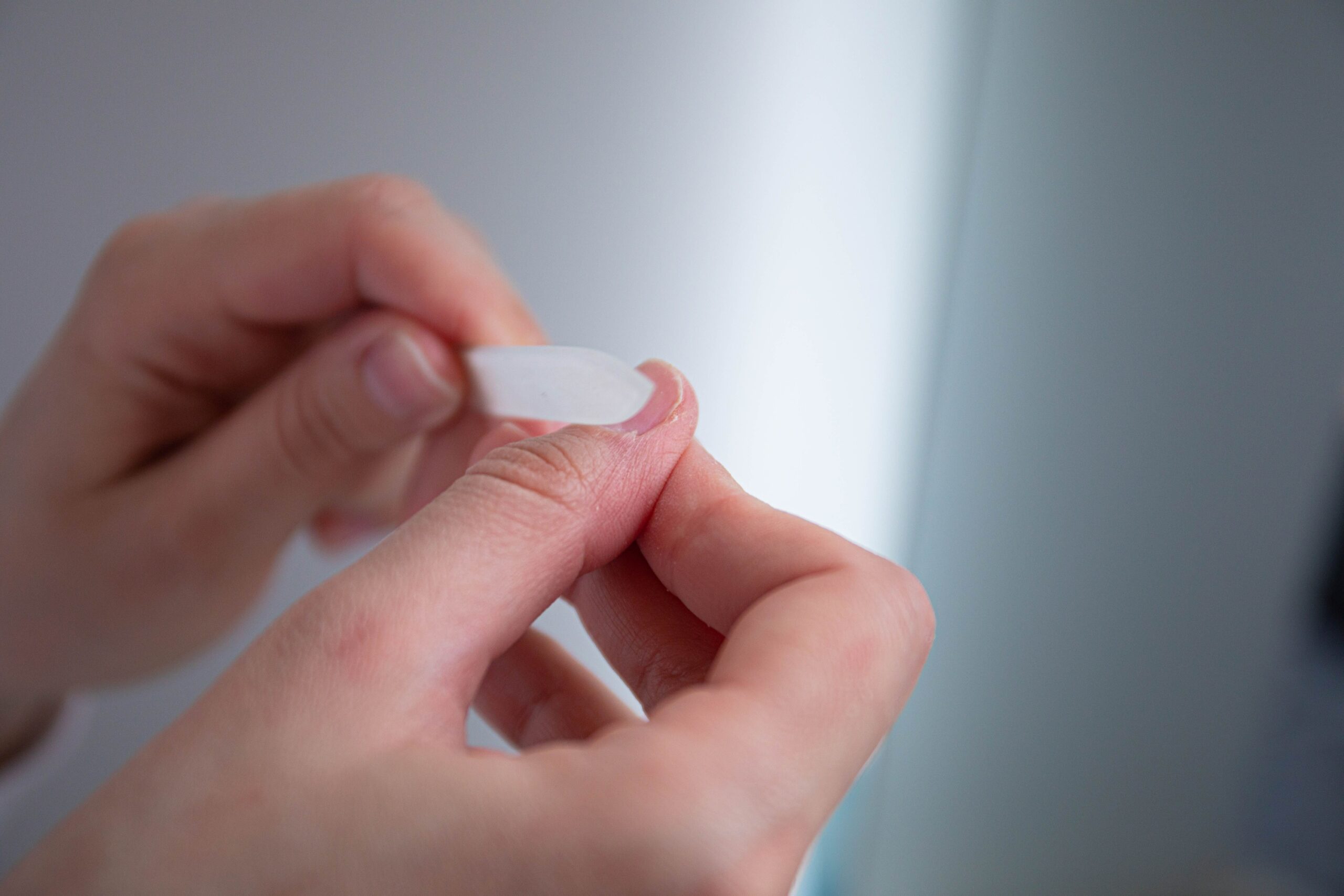

1. Eggs: A Dense Package of Nail-Building Nutrients
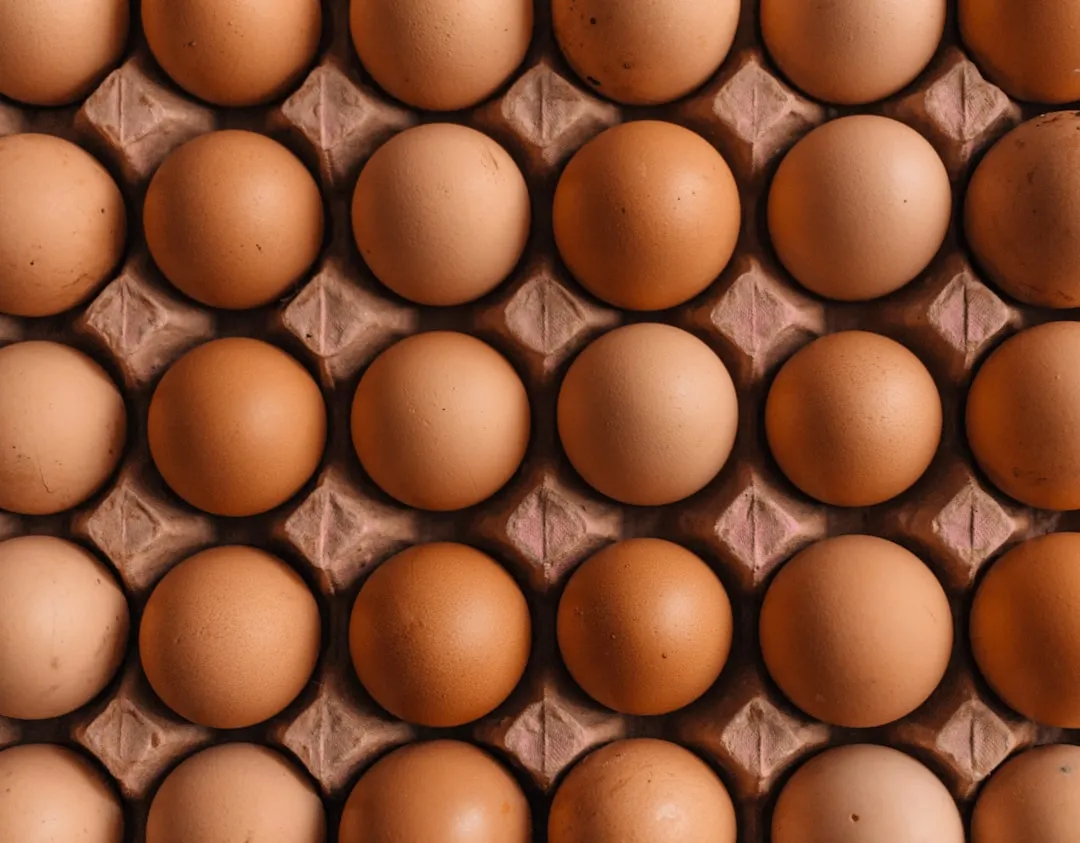
Eggs are a great source of protein, biotin, and choline, all of which are vital for strong nails and healthy skin. These aren’t trivial additions to your plate. Biotin, specifically, plays a central role in how your body builds keratin.
Biotin is the nutrient most consistently associated with nail strength, and it plays a direct role in producing keratin, the protein that forms the hard structure of your nails. When biotin levels dip, nails become thin, soft, and prone to splitting or peeling.
Besides protein, eggs are also a great source of vitamin D, iron, and biotin. These three essential nutrients are needed to maintain nail strength and keep them healthy. One or two eggs a day is a practical, no-fuss way to cover several nutritional bases at once.
2. Salmon: Omega-3s and Biotin in One Fish
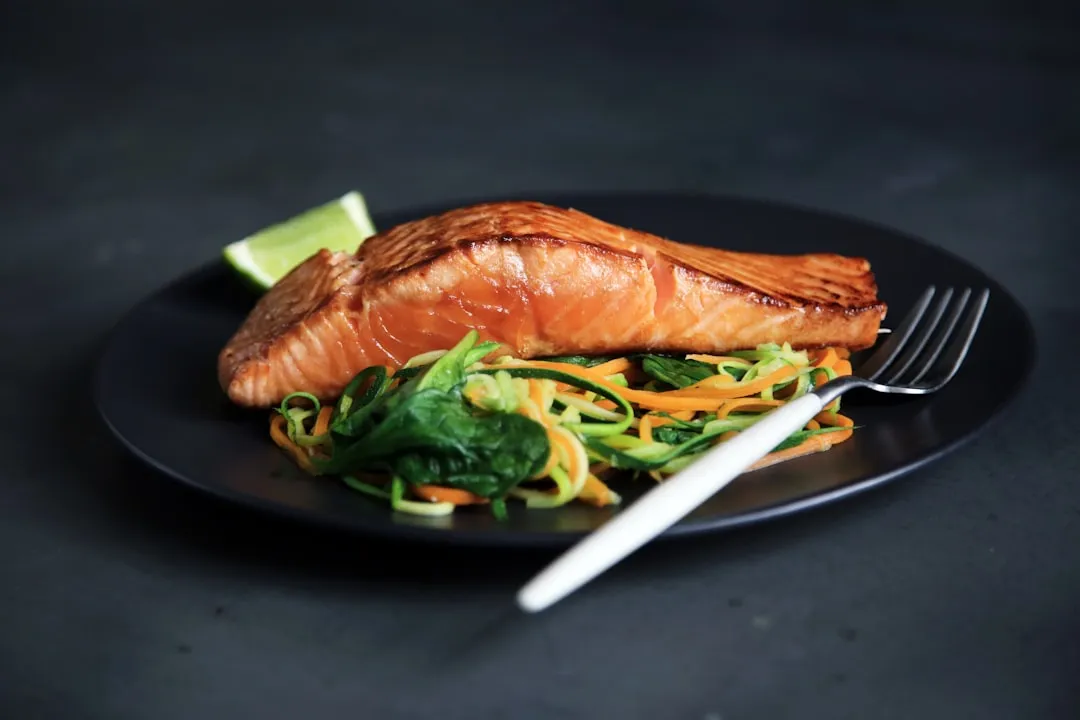
Omega-3 fatty acids promote nail moisture, making nails less likely to become brittle, and they’re found in fatty fish like salmon, as well as walnuts, flaxseeds, and chia seeds. For nails specifically, moisture matters just as much as structural protein.
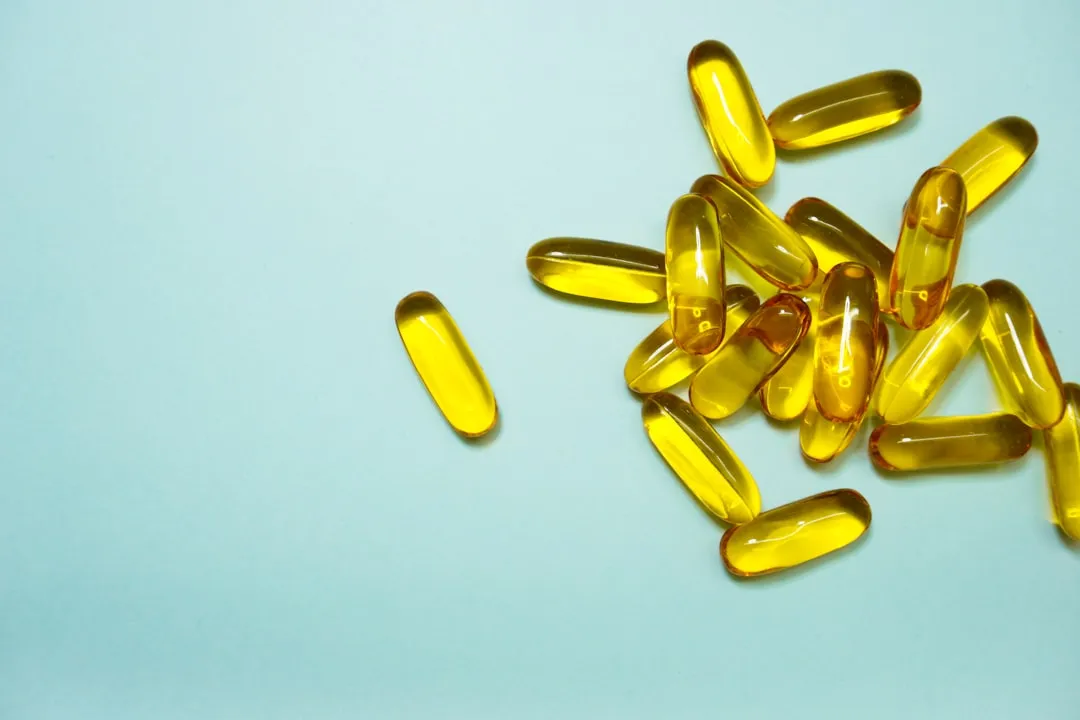
Omega-3 fatty acids keep nails hydrated and prevent them from becoming dry and brittle, and fish oil supplements can provide the omega-3s your nails need to stay strong and flexible. Eating actual salmon, though, gives you the added benefit of protein and biotin alongside those fats.
Biotin is found in salmon, along with egg yolks, dairy, yeast, avocado, sweet potato, nuts, seeds, and cauliflower. Salmon is genuinely one of the more complete nail-supporting foods available, offering several nutrients in a single serving rather than just one isolated compound.
3. Spinach: Iron and Antioxidants for Structure and Defense
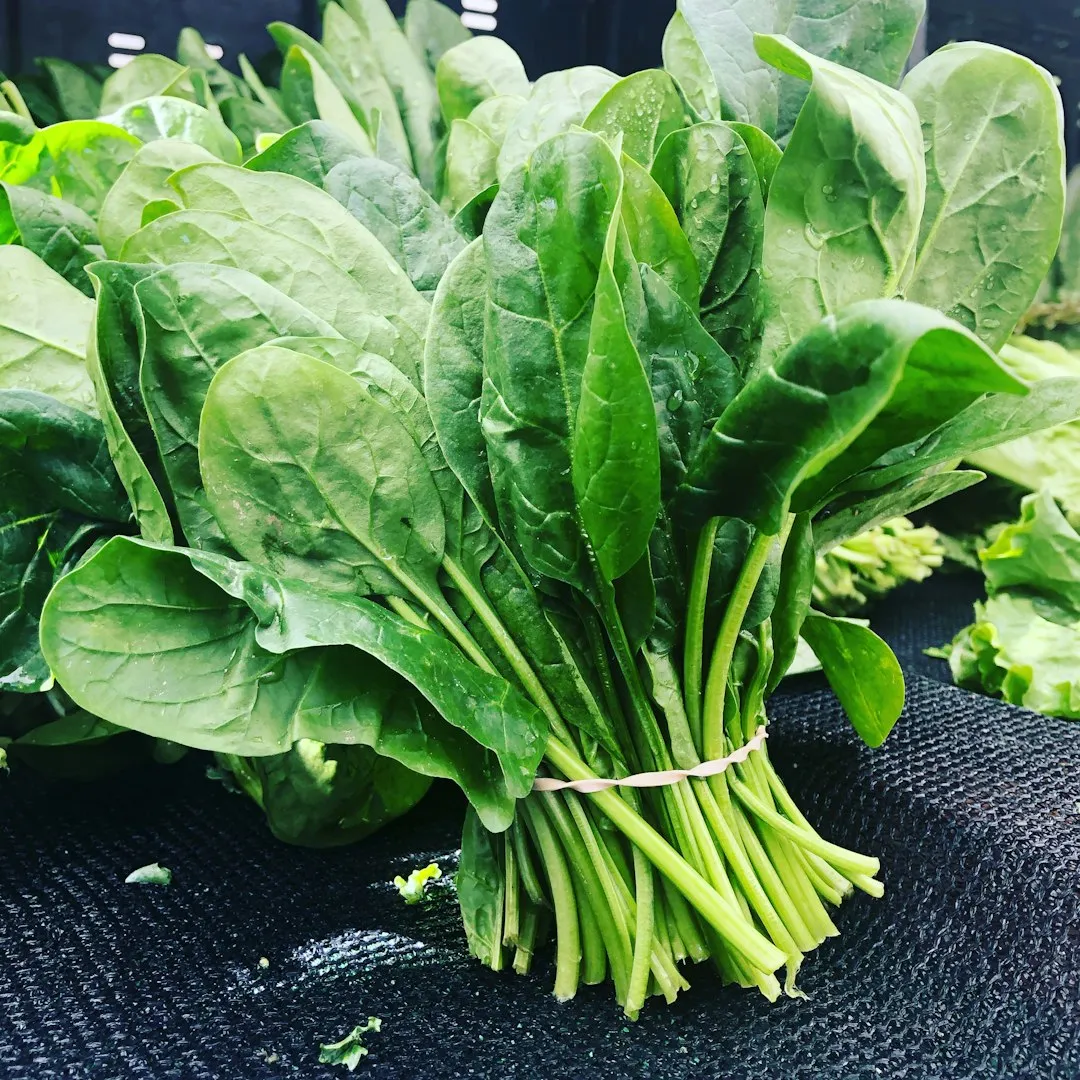
Iron deficiency is one of the more recognizable nutritional causes of nail changes. In mild cases, nails become dry, brittle, and crack easily. As the deficiency progresses, nails can develop a characteristic spoon shape, curving upward at the edges like a shallow bowl.
Leafy greens like spinach and kale are high in vitamins A, C, E, and K, as well as iron and antioxidants, supporting overall nail health and helping prevent deficiencies. That’s a wide spectrum of protection from one category of food.
Spinach, kale, and other leafy greens are high in calcium, iron, and antioxidants, and these nutrients support nail strength and help prevent brittleness. Pairing spinach with a vitamin C source, like a squeeze of lemon or some bell pepper, helps your body absorb its iron more efficiently.
4. Almonds: Biotin, Vitamin E, and Magnesium Together
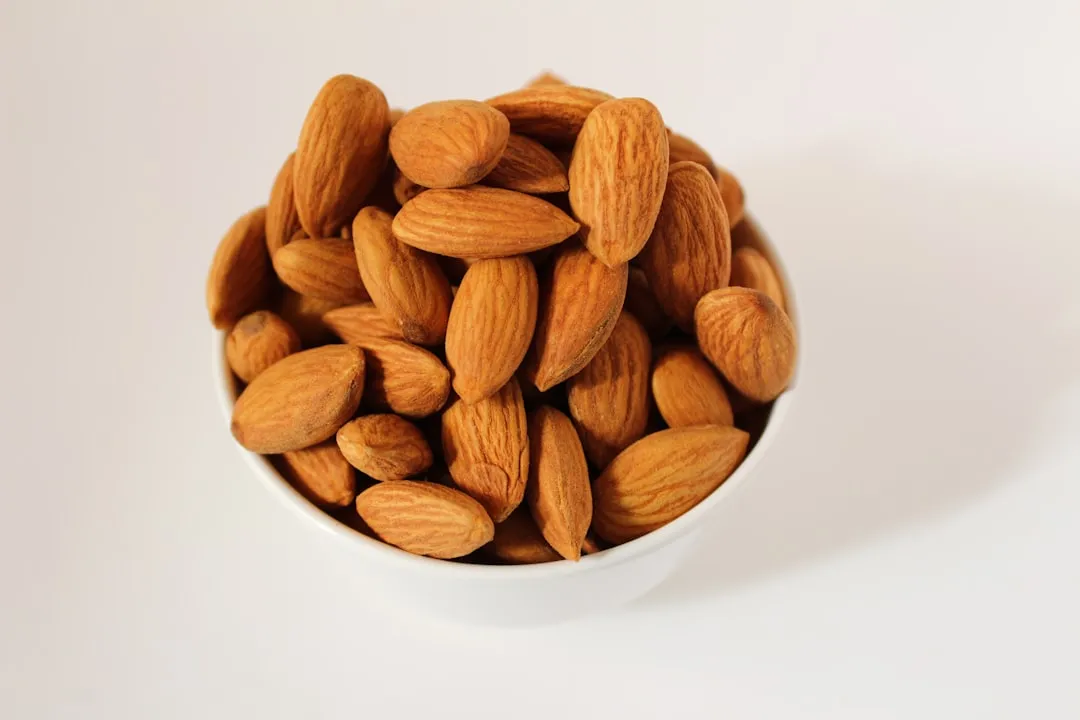
Almonds contain biotin, vitamin E, and magnesium, and these three nutrients are essential for nail hydration, antioxidant protection, and prevention of brittle nails. That combination is harder to find in a single snack than you might expect.
Almonds, chia seeds, and flaxseeds are great sources of biotin, omega-3 fatty acids, and zinc, and these nutrients are vital for strong nails and can be easily incorporated into daily meals. A small handful of almonds covers meaningful ground without much effort.
Almonds are energy-dense and rich in beneficial nutrients including B vitamins, vitamin E, monounsaturated and polyunsaturated fatty acids, protein, fiber, minerals, and polyphenols. The polyphenols and vitamin E in almonds provide protection in part through their ability to combat oxidative stress. For nails, that antioxidant shielding helps protect the nail matrix from everyday environmental wear.
5. Sweet Potatoes: Vitamin A and Collagen Support
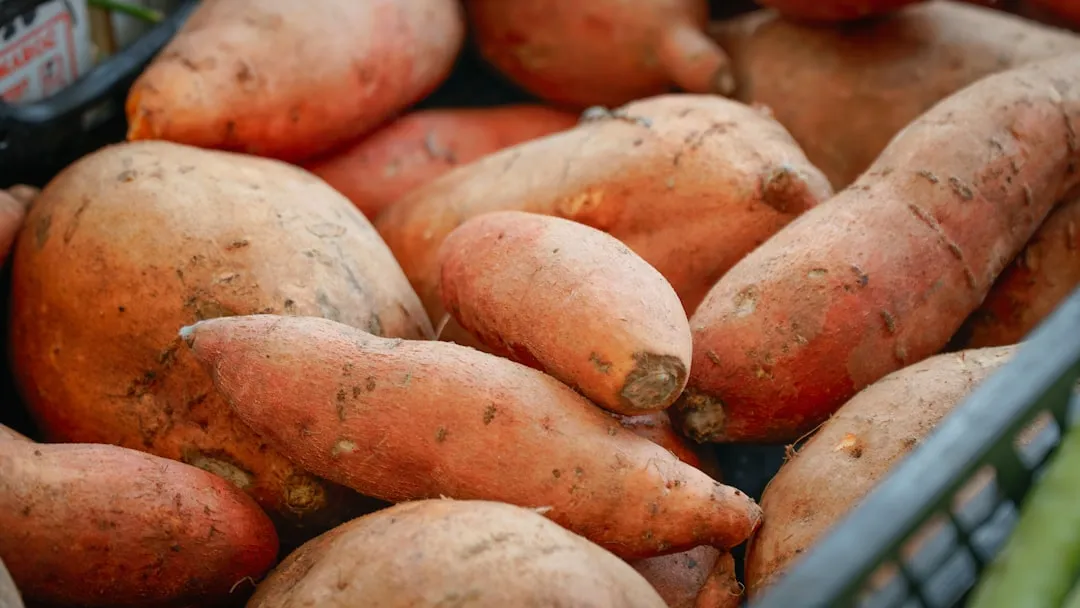
Sweet potatoes are a powerful antioxidant food containing vitamins A and C, which protect the nails from free radicals caused by environmental factors. They also boost collagen production for nail strength through their vitamin C content.
Vitamin C is important for collagen production, which is a key part of nail health. Citrus fruits, strawberries, bell peppers, and broccoli are also high in vitamin C. Sweet potatoes offer a gentler, less acidic way to get that collagen-supporting nutrient alongside beta-carotene.
Sweet potatoes also appear on the biotin-rich foods list from multiple nutrition sources. The adequate daily intake of biotin for adults is 30 mcg, and most people get enough through eggs, nuts, seeds, salmon, and sweet potatoes. Rotating sweet potatoes into regular meals is a straightforward way to support nail health without changing your routine drastically.
6. Lentils: Plant-Based Protein, Iron, Zinc, and Biotin
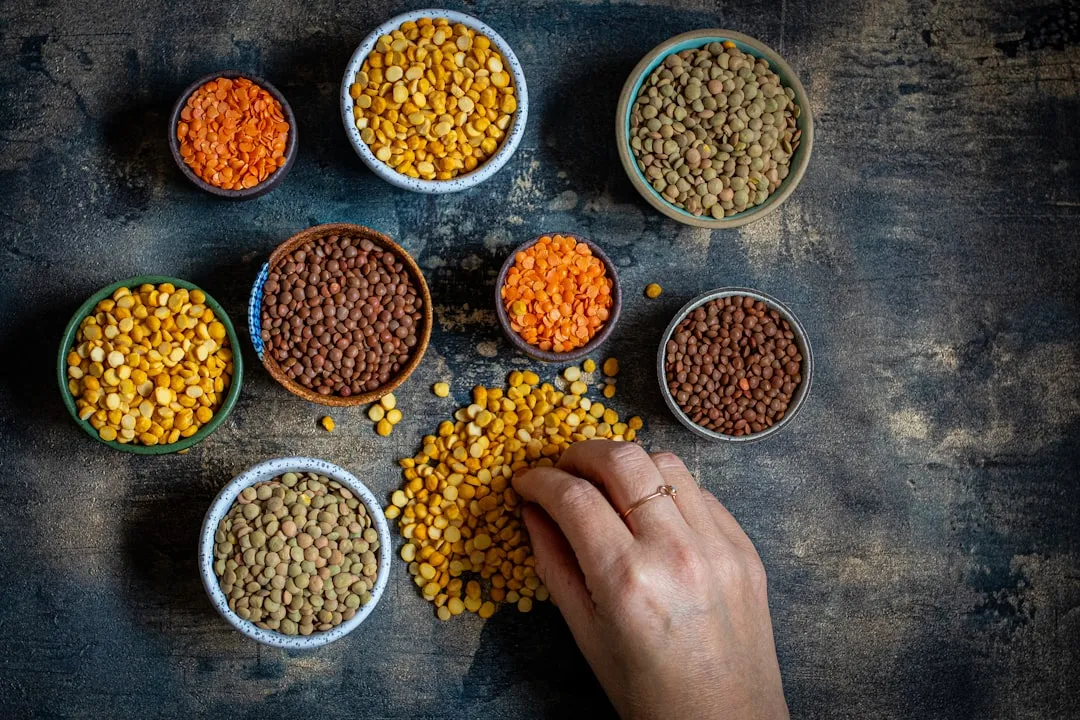
Legumes like lentils and chickpeas provide protein, iron, zinc, and biotin, all of which support nail growth and help prevent brittleness. For anyone eating a plant-forward diet, lentils are arguably the most efficient nail-supporting food in the produce aisle.
Zinc is vital for nail repair and growth, helping your body produce new nail cells so they grow strong and healthy. Foods like nuts, seeds, and whole grains are excellent sources of zinc, but lentils and legumes also provide meaningful amounts.
While biotin is the nutrient most famously linked to nail health, zinc, iron, and folate are equally important for growth and strength. Lentils deliver all of these in one bowl, which makes them a particularly smart choice for anyone trying to address brittle nails through food alone rather than through a shelf of supplements.
How Long Before You See Results?

One thing worth understanding before you overhaul your grocery list: nail changes from diet take time. Nails grow about 3mm per month, so it takes roughly six months for a full fingernail to be replaced by new growth. Changes from diet or supplements only show up in new growth, not the existing nail.
The honest takeaway is to prioritize food first, with targeted supplements only if you have a known deficiency or genuinely brittle nails. No food works overnight, but consistency over several months does accumulate into visible improvement.
What the Research Actually Says About Food and Nails

Clinical trials have shown an improvement in firmness, hardness, and thickness of brittle nails with oral biotin. One Swiss study specifically found that the thickness of nails in the treatment group increased significantly by 25% following biotin supplementation.
In a second key study, 2.5 mg of biotin daily for an average of 5.5 months in 45 patients with thin and brittle fingernails resulted in firmer and harder fingernails in 41 of the patients. That’s a notably high response rate, though researchers note the studies remain relatively small in scale.
That does not mean nutrients like zinc, iron, and vitamin C are useless. They matter when you are deficient, not as general boosters. The practical conclusion is that these foods work best as correction tools when your diet is genuinely missing something.
A Note on Deficiency vs. General Health
True biotin deficiency is rare in people eating a balanced diet, and most people get enough from foods like eggs, nuts, and legumes. So if your nails are already reasonably healthy, adding more biotin-rich foods is unlikely to transform them. The benefit shows up most clearly in people who have an actual gap.
Being low in certain nutrients, like protein, biotin, and zinc, can cause brittle nails. Ruling out a deficiency first, ideally with a simple blood panel, is a smarter starting point than blindly loading up on any single food or supplement.
Brittle nails may have different causes, from nutritional deficiencies to chemical exposure and chronic conditions like hypothyroidism. Addressing the root cause can be the most effective way to repair nails. Food is a powerful tool, but it works best when it’s solving an actual problem.
How to Build These Foods Into Your Daily Diet
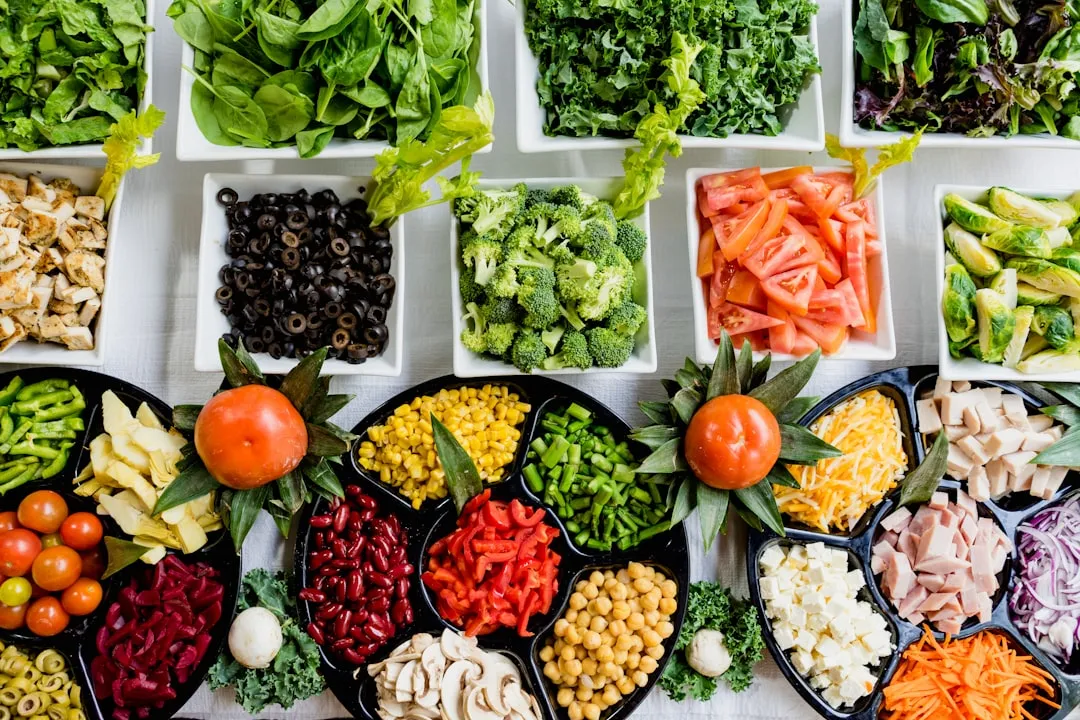
Practically speaking, you don’t need to eat all six foods every single day. Eggs, salmon, lentils, spinach, sweet potatoes, and almonds cover most of the key nutrients: protein, biotin, iron, zinc, omega-3s, and vitamin C. Rotating through them across the week gets you solid coverage without meal fatigue.
Snacking on almonds and eggs instead of processed snacks, and diversifying protein sources between plant-based options like beans and animal-based options like salmon and eggs, are practical habits that support nail health over time.
If you want strong, shiny nails, including a variety of fruits, vegetables, nuts, and seeds in your diet, along with adequate protein, covers most of your nutritional bases. No single food is a cure, but a consistent and varied diet built around real whole foods is the most reliable strategy available.
The Takeaway

Brittle nails are rarely just a cosmetic inconvenience. They often reflect something the body is missing, whether that’s iron, biotin, protein, or healthy fats. The good news is that the fix is less complicated than the supplement industry suggests.
Eggs, salmon, spinach, almonds, sweet potatoes, and lentils each address distinct nutritional gaps that are known to contribute to nail fragility. None of them are exotic, and most are already easy to fit into regular meals without much adjustment.
The key is patience and consistency. Nails renew slowly, and dietary improvements show up gradually in new growth. Building these six foods into your regular rotation over several months is a grounded, evidence-supported step toward nails that are genuinely stronger, not just better painted.
AI Disclaimer: This article was created with the assistance of AI tools and reviewed by a human editor.