

1. Dark Chocolate
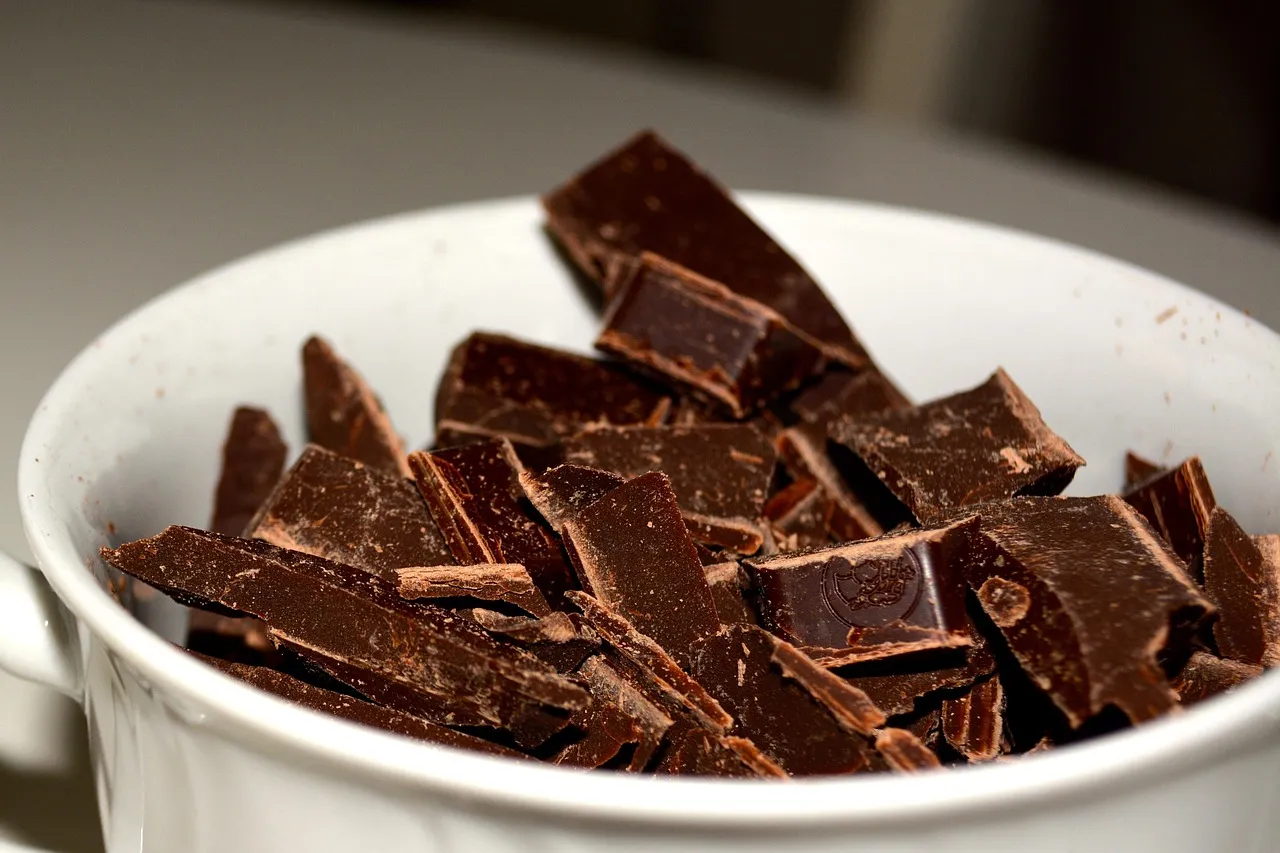
Dark chocolate might be the most pleasant item on this list, and the science behind it is more solid than you’d expect. In a controlled trial, participants who consumed 25 grams per day of high-polyphenol dark chocolate for four weeks showed significantly reduced total daily cortisol, morning cortisol, and the cortisol/cortisone ratio compared to those eating a control chocolate with negligible flavonoids.
The flavonoids in dark chocolate contribute to a reduction in cortisol and may also support an overall sense of calm and improve symptoms of anxiety, potentially making it easier to unwind and fall asleep. To get the most benefit, aim for dark chocolate containing at least 70% cocoa, which ensures a higher concentration of beneficial compounds without excess sugar.
Magnesium, another compound found in dark chocolate, plays a role in regulating the body’s internal clock and helping to reduce cortisol, and it may also promote relaxation and calmness, which can benefit people who struggle with sleep. Keep portions modest. One or two small squares in the early evening is enough.
2. Chamomile Tea

Chamomile contains apigenin, a compound that binds to brain receptors to reduce anxiety and promote sleep, and sipping a warm cup before bed can help lower cortisol naturally. The research behind this herbal drink has been growing steadily.
A 2025 clinical study published in a peer-reviewed journal found that chamomile significantly alleviated insomnia symptoms compared to passionflower, and also led to reductions in daytime dysfunction and salivary cortisol levels, indicating stress reduction. That’s a meaningful finding, linking chamomile directly to measurable cortisol changes rather than just subjective feelings of calm.
In vitro studies have shown that apigenin, a major flavonoid in chamomile, can bind to GABA receptors and enhance their activity, leading to increased neuronal inhibition and relaxation. A 2025 narrative review published in Nutrition Reviews also concluded that apigenin-containing chamomile subjectively and objectively improves several sleep-related parameters in young, older, and clinical cohorts.
3. Tart Cherries

Tart cherries contain active compounds such as melatonin and anthocyanins that may be effective in improving sleep quality. That combination is fairly rare in a whole food, which is part of what makes tart cherries genuinely interesting from a sleep research standpoint.
A 2025 systematic review found that three out of seven interventional studies reported significant improvements in sleep indicators such as sleep duration, efficiency, or onset time, three studies reported an increase in melatonin levels after tart cherry consumption, and two studies reported a decrease in inflammatory markers. These aren’t dramatic effects, but they’re consistent enough to be notable.
Tart cherries are also a natural source of melatonin that helps regulate sleep cycles, and they carry anti-inflammatory properties that may reduce stress markers. Juice or whole fruit, consumed about an hour before bed, appears to be the most common approach used in studies.
4. Greek Yogurt

Greek yogurt is a probiotic-rich food that supports the gut-brain axis, which directly affects cortisol regulation. The gut-brain connection has become one of the more active areas of stress and mood research over recent years, and fermented dairy keeps showing up in that conversation.
A 2024 review published in PubMed Central found low-certainty evidence that probiotics might reduce cortisol in some contexts, though results vary by strain, dose, and population. The evidence isn’t settled, but it’s heading in a consistent direction. Plain Greek yogurt also offers a solid combination of protein and tryptophan, both of which have their own calming effects in the evening.
A balanced snack containing protein, healthy fat, and complex carbs, like Greek yogurt with berries and walnuts, can blunt an acute cortisol spike within 60 to 90 minutes. That’s a practical and realistic benchmark for an evening snack.
5. Walnuts
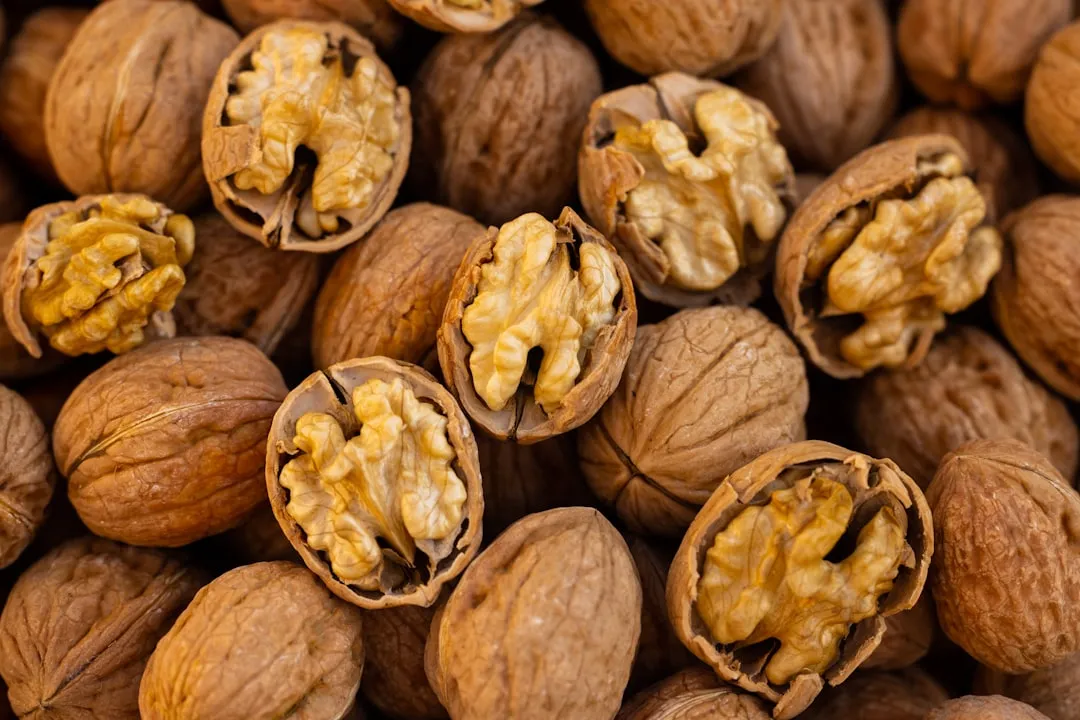
Walnuts are a powerhouse of omega-3 fatty acids, which have been shown to lower stress hormones. They’re also one of the most convenient evening snacks, requiring no preparation and pairing well with other cortisol-friendly foods like Greek yogurt or a piece of fruit.
Key nutrients that support an anti-inflammatory diet and cortisol balance include omega-3 fatty acids found in foods like walnuts and fish, alongside vitamin C, vitamin E, and selenium. Walnuts specifically offer one of the highest plant-based concentrations of omega-3s available in a common grocery store food.
Foods high in omega-3 fatty acids, like fish, chia seeds, flaxseeds, and walnuts, are recognized among the top dietary choices for supporting calmer cortisol levels. A small handful before bed covers both the nutrient need and any mild evening hunger without spiking blood sugar.
6. Bananas

Bananas are rich in magnesium and potassium, both of which support muscle relaxation and calming of the nervous system. They’re often overlooked in the sleep-nutrition conversation, probably because they feel too ordinary. The evidence, though, points in a useful direction.
The tryptophan in milk-based foods supports serotonin production, which then converts to melatonin, signaling the body to wind down. Bananas work similarly, offering tryptophan alongside magnesium in a single whole food. That combination helps ease the transition toward sleep rather than forcing it. Magnesium-rich foods such as bananas, dark chocolate, avocados, and spinach are among the most consistently cited dietary choices for supporting cortisol regulation.
Research suggests that magnesium intake of around 200 to 400 mg before bed can support sleep and help the HPA axis, the system that governs cortisol release, recover overnight in people who are running low on the mineral. A banana won’t hit those numbers alone, but it contributes meaningfully as part of an evening routine.
How Timing Affects Everything

Cortisol is closely tied to sleep and daily rhythm, so eating within a consistent window each morning and keeping caffeine earlier in the day while protecting a regular bedtime routine can make food-based strategies feel noticeably more effective. The foods matter, but when you eat them matters too.
A controlled trial found that caffeine increased cortisol secretion across waking hours, with responses reduced but not eliminated in daily users. Shifting caffeine intake earlier in the day and leaning on these six foods in the evening creates a more favorable hormonal environment as bedtime approaches.
What the Research Says About Consistency

While a balanced snack can blunt an acute cortisol spike within 60 to 90 minutes, sustained reduction in baseline cortisol typically takes two to four weeks of consistent dietary change. A single evening of good food choices helps, but it’s the pattern that drives the larger shift. That’s worth keeping in mind if results feel slow at first.
Nutrition researchers are increasingly uncovering how everyday foods can spike or soothe cortisol levels, offering a natural way to manage stress through smarter eating. The field is still developing, and many studies involve small sample sizes, so proportionate expectations matter here. These foods support cortisol reduction; they don’t replace good sleep habits, regular exercise, or stress management.
Nutrients to Prioritize in the Evening

The most evidence-based approach for dietary cortisol management is to prioritize nutrient-dense meals, especially those rich in omega-3 fatty acids, magnesium, vitamin C, and fiber, while limiting common cortisol-boosting foods and drinks. In practical terms, the six foods above collectively cover most of that checklist.
Nutrition experts note there is no single magic ingredient to improve sleep, but certain nutrients and foods can play meaningful supportive roles. The best evening approach tends to combine two or three of these foods rather than relying on just one. Pairing tart cherry juice with a handful of walnuts, or chamomile tea with a small square of dark chocolate, stacks the benefits without overcomplicating dinner.
Foods That Work Against You at Night

Caffeine raises cortisol, and a controlled trial in PubMed Central confirmed it increased cortisol secretion across waking hours, even in habitual users. Alcohol and high-sugar snacks have similar disruptive effects on the hormonal environment needed for restful sleep.
The six foods covered here work best in contrast to those disruptors. Swapping a late-night sugary dessert for a small piece of dark chocolate, or replacing a second cup of tea with chamomile, doesn’t require a complete dietary overhaul. It’s the quiet, consistent choices in the hour or two before bed that tend to matter most.
The Takeaway

Cortisol at night isn’t a mystery, it’s a physiology problem that food can genuinely help address. The six options here, dark chocolate, chamomile tea, tart cherries, Greek yogurt, walnuts, and bananas, each bring something distinct and verifiable to the table. None of them are expensive or hard to find.
The strongest case for all of them is consistency. Single foods help most when they fit into a consistent structure. Build the habit around one or two of these choices, make them a regular part of the evening, and give the body a few weeks to respond. Sleep is rarely one thing, but what you eat before bed is one part of the equation that’s entirely within reach.
AI Disclaimer: This article was created with the assistance of AI tools and reviewed by a human editor.