

Good is one of those things most people don’t think about until something goes wrong. Cold hands in mild weather, persistent fatigue, or muscles that ache longer than they should after exercise are all quiet signals that blood flow may not be running as smoothly as it could. The encouraging part is that what you eat genuinely matters here, and a growing body of research backs that up.
1. Beetroot: Nature’s Nitric Oxide Booster
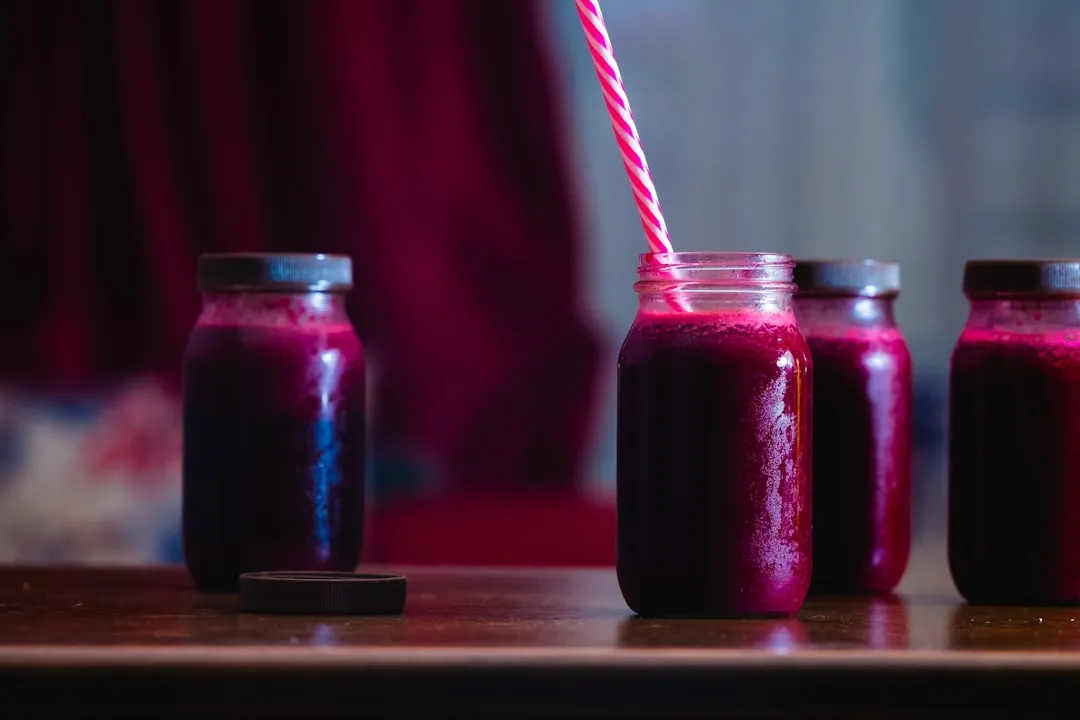
Beetroot-derived nitrate enhances blood flow by increasing nitric oxide (NO) levels, a vasodilator that widens blood vessels and improves perfusion both at rest and during exercise. A trial published in the journal Hypertension found that drinking 500 mL of beet juice daily lowered systolic blood pressure by a notable margin in hypertensive adults.
In human studies, nitrate supplementation produces significant hemodynamic benefits, including lower systolic and diastolic blood pressure, improved endothelial function, and reduced arterial stiffness, with evidence of enhanced oxygen delivery in muscle. Beetroot juice is the most researched form, with studies suggesting that about half to one cup daily provides enough dietary nitrates to meaningfully impact blood pressure and performance.
Research has also found that beetroot juice rich in nitrates can “de-stiffen” blood vessels under resting conditions, potentially easing the workload of the heart. That alone makes it worth keeping on the weekly menu.
2. Garlic: The Ancient Vascular Ally
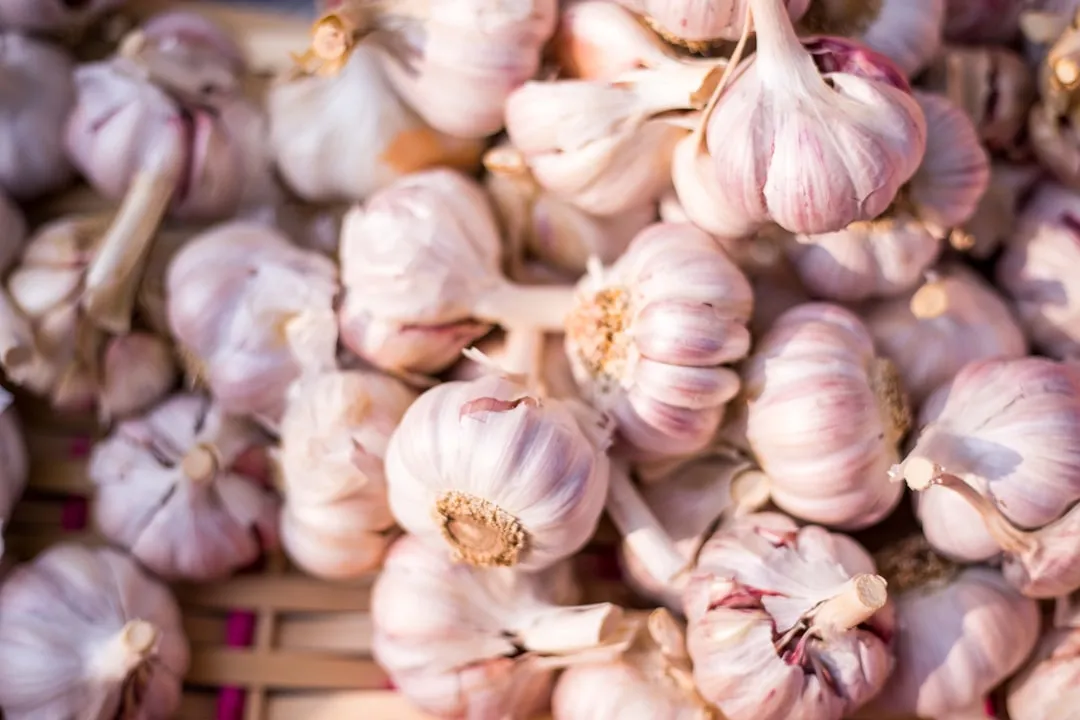
Garlic is rich in a compound called allicin, which helps blood vessels relax. People who eat ample amounts of garlic experience improved blood flow through the heart, and when blood flows through the heart more easily, this reduces the workload on the heart.
Studies have long suggested that garlic, particularly the sulfur compounds it contains like allicin, can lower blood pressure by relaxing blood vessels and increasing blood flow to the body’s tissues, and diets high in garlic are often linked with improved flow-mediated vasodilation.
Research suggests that concentrated garlic can help lower blood pressure, especially in those whose readings are already elevated. It’s worth noting that crushing or finely chopping garlic activates allicin most effectively, so how you prepare it does make a difference.
3. Fatty Fish: Omega-3s That Keep Blood Flowing
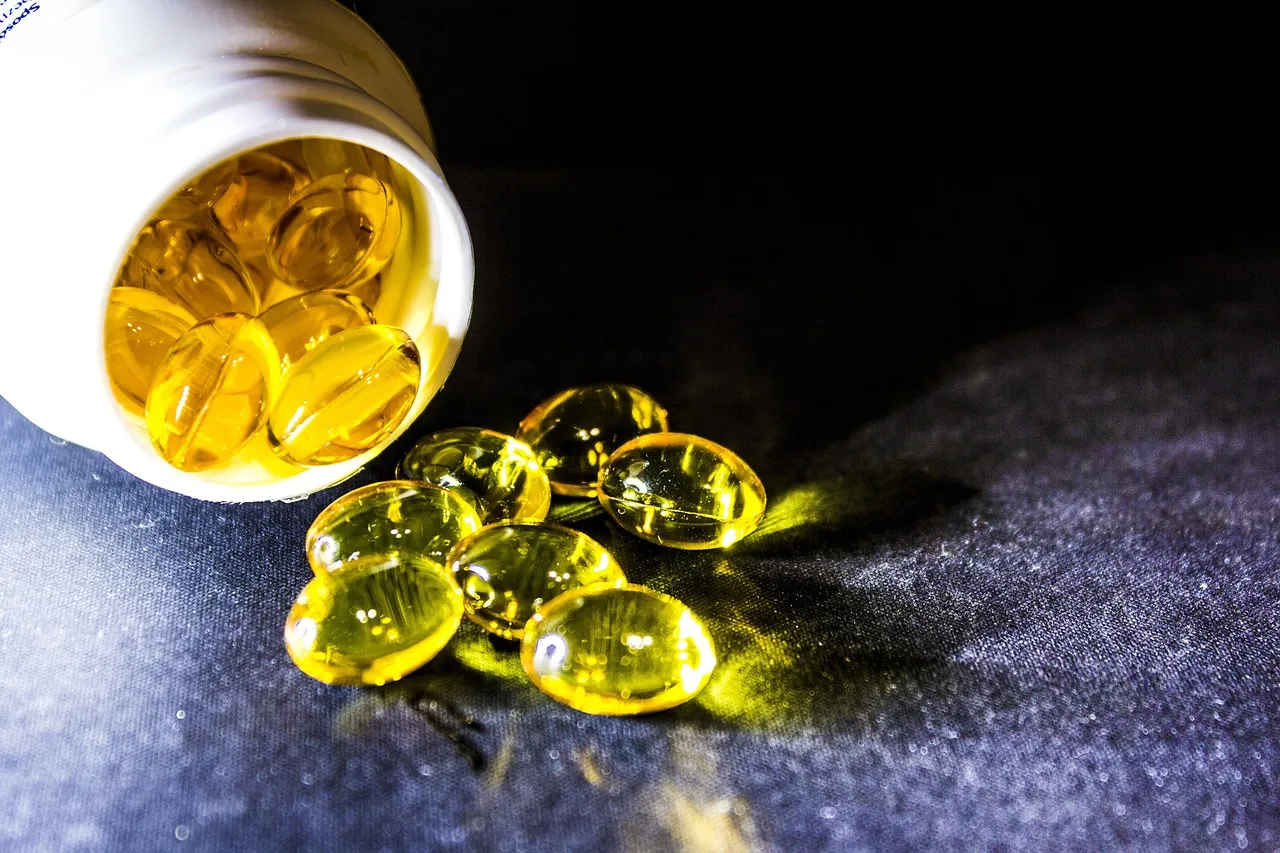
Fatty fish such as salmon, tuna, and mackerel are fantastic sources of omega-3 fatty acids. Omega-3 is particularly beneficial for circulation because it stimulates the release of nitric oxide, and research has found that healthy levels of omega-3 fatty acids can help prevent platelets in the blood from clumping, which can cause clots.
A 2022 study found that taking at least two to three grams per day of omega-3 fatty acids helps reduce both systolic and diastolic blood pressure, with higher doses potentially offering even greater benefit for people at elevated cardiovascular risk.
Fish oil has also been linked to reductions in high blood pressure and improved blood flow in muscles, both during and after exercise. In one study of healthy adult men, consuming high doses of fish oil at 4.2 grams daily for four weeks significantly improved blood flow to the legs following exercise. Swapping red meat for salmon or mackerel two or three times a week is a realistic and well-supported habit.
4. Berries: Small Fruits With Real Vascular Impact
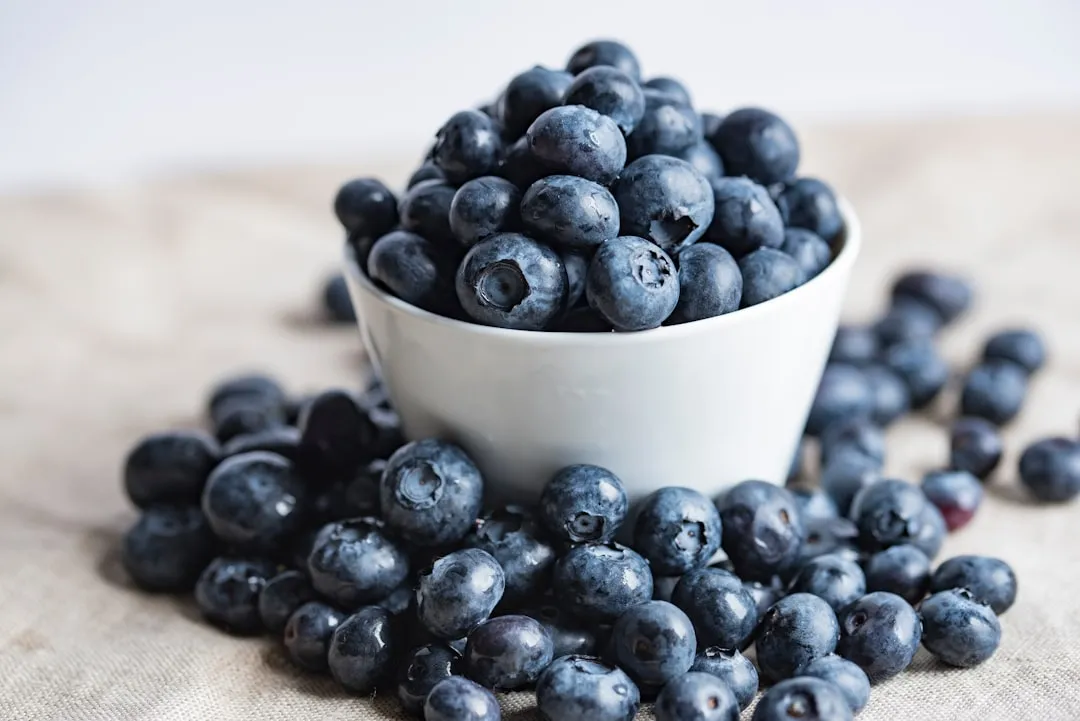
Research shows that eating berries can lower blood pressure, heart rate, platelet aggregation, and blood levels of inflammatory markers like interleukin-6 while also improving artery dilation. This potent antioxidant activity helps reduce inflammation and lower blood pressure, two key factors in maintaining cardiovascular health.
A prominent Harvard Nurses’ Health Study linked regular berry consumption to a significantly reduced risk of heart attack in women. British research has also demonstrated that consuming blueberries can lead to measurable improvements in flow-mediated dilation, a direct indicator of enhanced blood vessel function and flexibility.
Blueberries in particular may help to lower LDL cholesterol levels as well as blood pressure. Frozen berries retain most of their beneficial compounds, so a daily smoothie is an easy, no-fuss way to get these into your routine.
5. Turmeric: Curcumin’s Quiet Cardiovascular Work
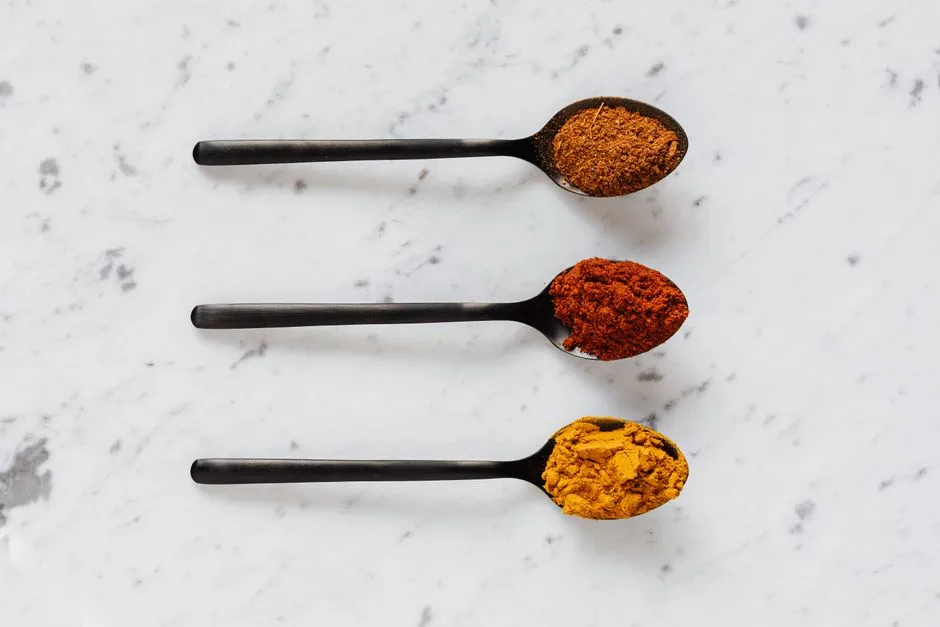
Turmeric contains curcumin, an anti-inflammatory compound that helps improve blood circulation and reduce blood clotting. Studies have shown that curcumin can boost nitric oxide production, which dilates blood vessels and makes blood flow easier to muscles and tissues.
Research suggests that turmeric can help maintain artery flexibility and prevent heart disease. Curcumin may increase levels of nitric oxide, which in turn widens blood vessels, making this spice relevant not just in the kitchen but in the broader context of daily vascular maintenance.
One practical note worth mentioning: curcumin’s bioavailability is limited on its own. Combining turmeric with black pepper, which contains piperine, is consistently shown to significantly improve absorption. Ginger, turmeric, and cinnamon together are recognized for their blood circulation-supporting properties in the emerging nutraceutical literature as well.
6. Ginger: A Proven Pressure-Reducer
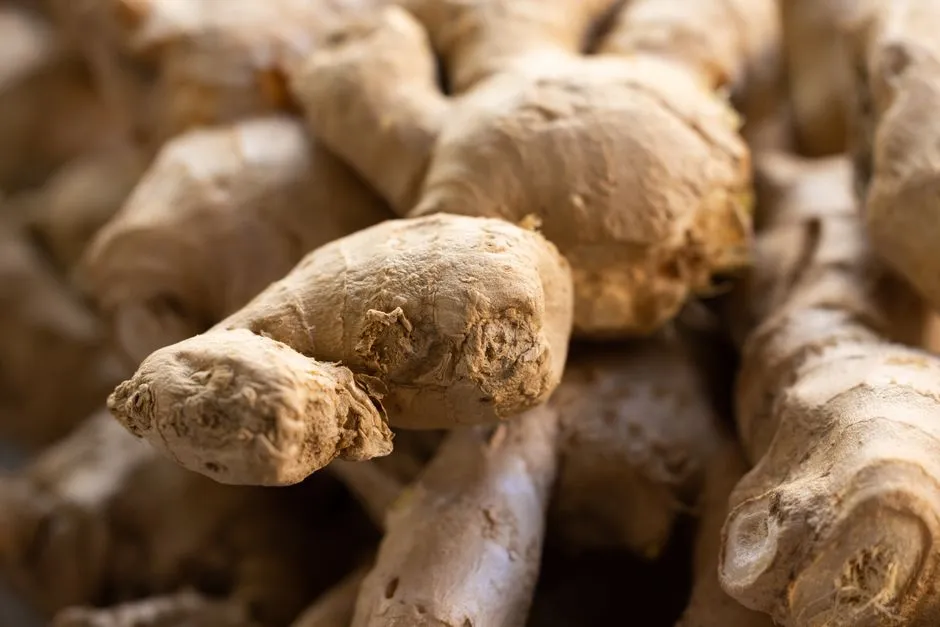
Ginger has been a staple in traditional medicine in India and China for thousands of years. In both human and animal studies, ginger has been shown to reduce high blood pressure, which negatively impacts blood flow. In a 2017 study of 4,628 people, those who consumed the most ginger, between two and four grams per day, had the lowest risk of developing high blood pressure.
Studies have also shown ginger can reduce blood pressure and prevent blood clot formation. Cardiovascular diseases continue to pose a significant global public health challenge, and ginger has attracted increasing research attention as a potential supportive treatment.
It’s a versatile ingredient that works in teas, stir-fries, soups, and smoothies alike. The consistency of use appears to be the more important variable here, since the studies pointing to vascular benefits involve regular daily consumption rather than occasional large doses.
Why Circulation Matters More Than People Realize
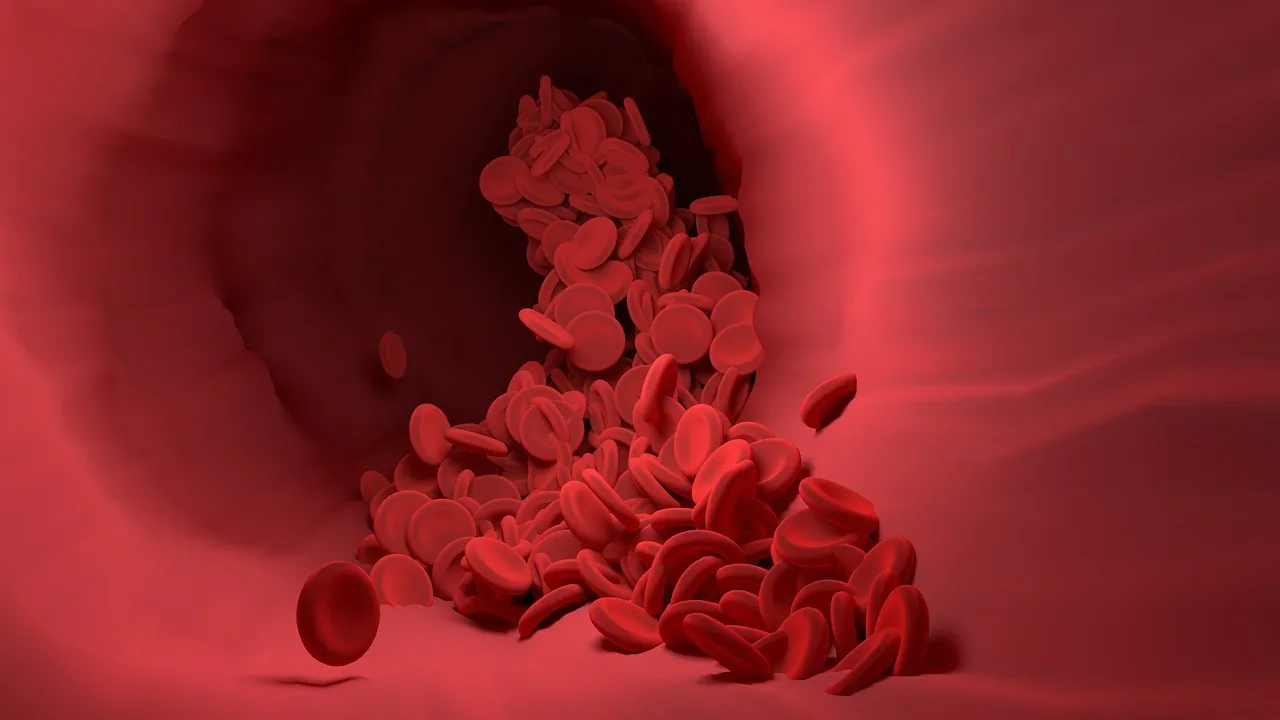
Proper blood circulation is vital to overall health, ensuring oxygen and nutrients reach the right places. Certain foods can make the heart’s job a little easier, and a diet rich in these foods may even reduce the risk of severe conditions like deep vein thrombosis, heart attack, and high blood pressure.
When circulation improves, oxygen and nutrients reach working muscles more efficiently, and metabolic byproducts are cleared more effectively. These byproducts include compounds like carbon dioxide, hydrogen ions, and lactate that cells produce when generating energy. When they build up in muscle tissue, it can increase fatigue, reduce muscle function, and hinder recovery.
What the American Heart Association Says About Diet and Vascular Health

Poor diet quality is strongly associated with elevated cardiovascular disease morbidity and mortality risk. Key features of a heart-healthy dietary pattern include eating plenty of vegetables and fruits in wide variety, choosing whole grains over refined grains, and choosing healthy sources of protein and unsaturated fats.
Blood circulation is crucial for overall health and can be improved with nutrition. Foods rich in nitrates, antioxidants, omega-3 fatty acids, and natural vasodilators can help enhance blood flow and lower blood pressure. The American Heart Association’s updated 2026 dietary guidance reinforces that these food-based strategies work best as part of a consistently healthy overall eating pattern.
How to Actually Build These Foods Into Your Day
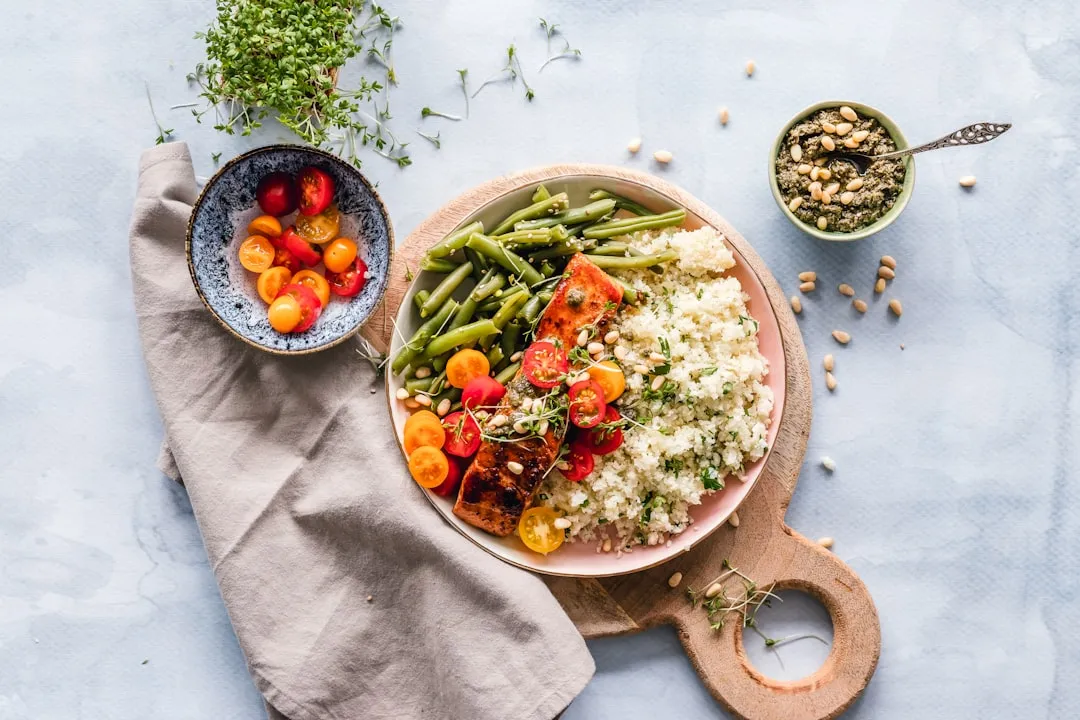
Incorporating circulation-boosting foods doesn’t require a complete dietary overhaul. Starting by adding one or two to your meals each day is a practical approach. Consistency matters more than perfection. When you regularly consume these nutrient-dense foods, you’re providing your body with the tools it needs to maintain healthy blood flow naturally.
Combined with regular physical activity, adequate hydration, and stress management, these dietary choices create a strong foundation for cardiovascular wellness. While these foods can significantly support circulation, they’re not substitutes for medical treatment when serious vascular issues are present.
One Crucial Reminder on Lifestyle Context

While incorporating any of these foods into your diet may improve circulation, other lifestyle changes may have a larger impact. Quitting smoking is critical, as it is a major risk factor that negatively impacts circulation. Increasing physical activity stimulates blood flow and helps improve vasodilation, and regular exercise decreases the risk of heart disease.
Reaching or maintaining a moderate weight is also relevant, as being overweight negatively impacts blood flow and can lead to dangerous complications, such as plaque buildup in arteries. Food is a meaningful lever but it works best when it’s part of a broader set of daily habits.
The Takeaway

The six foods covered here, beets, garlic, fatty fish, berries, turmeric, and ginger, share one thing in common: each has a credible, research-backed mechanism that supports healthier vascular function. None of them are exotic or difficult to find. They’re ordinary grocery items with well-documented effects.
Circulation isn’t just a concern for athletes or older adults. It’s a daily physiological priority, and the cumulative effect of eating well over time tends to be more significant than any single dramatic intervention. Start with one or two of these foods and build from there. The evidence is solid, the barrier to entry is low, and the potential upside reaches well beyond just better blood flow.
AI Disclaimer: This article was created with the assistance of AI tools and reviewed by a human editor.