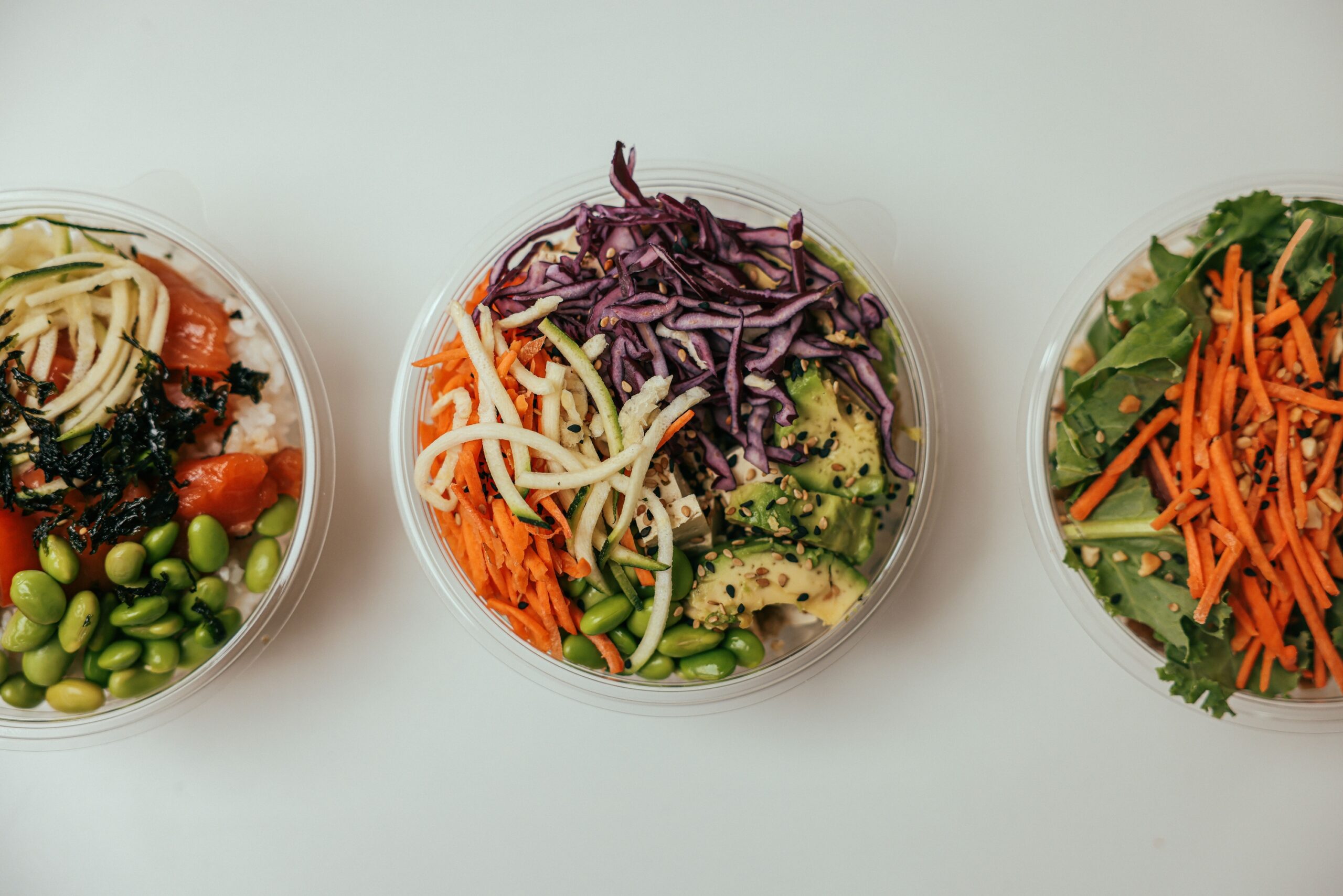

1. Fatty Fish: The Omega-3 Powerhouse
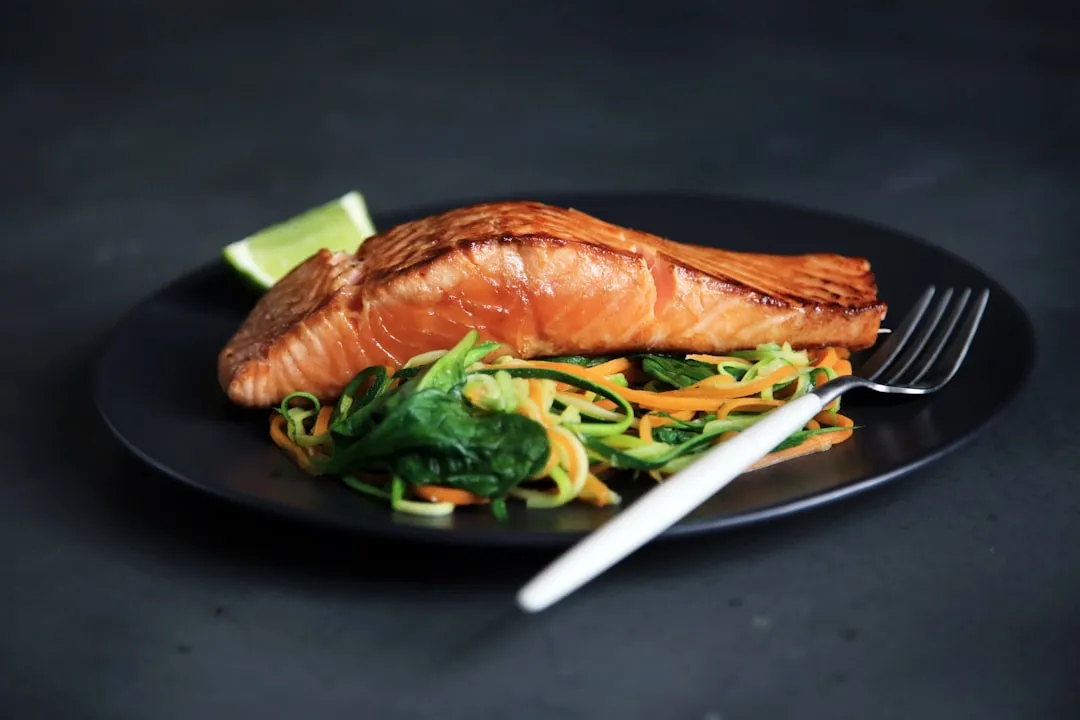
Fatty fish like salmon and albacore tuna are rich in two types of omega-3s, specifically DHA and EPA, that are linked to lower levels of depression in a 2022 research review. The science behind this connection has only grown stronger in recent years.
A systematic review covering studies published between May 2022 and May 2024 found that higher doses of EPA, above one gram per day, improved measures of depression, particularly in cases with elevated inflammation markers. That’s a meaningful finding for anyone prone to seasonal mood swings.
Improvements in depressive symptoms were associated with increases in omega-3 derived anti-inflammatory mediators, and as adjuvant treatments, omega-3s have shown potential benefits in mood, cognitive function, and the serotonin pathway. Fatty fish such as mackerel, salmon, herring, and anchovies are the best sources since they contain both EPA and DHA in forms that are easily absorbed by the body.
2. Dark Leafy Greens: Folate and the Mood Connection
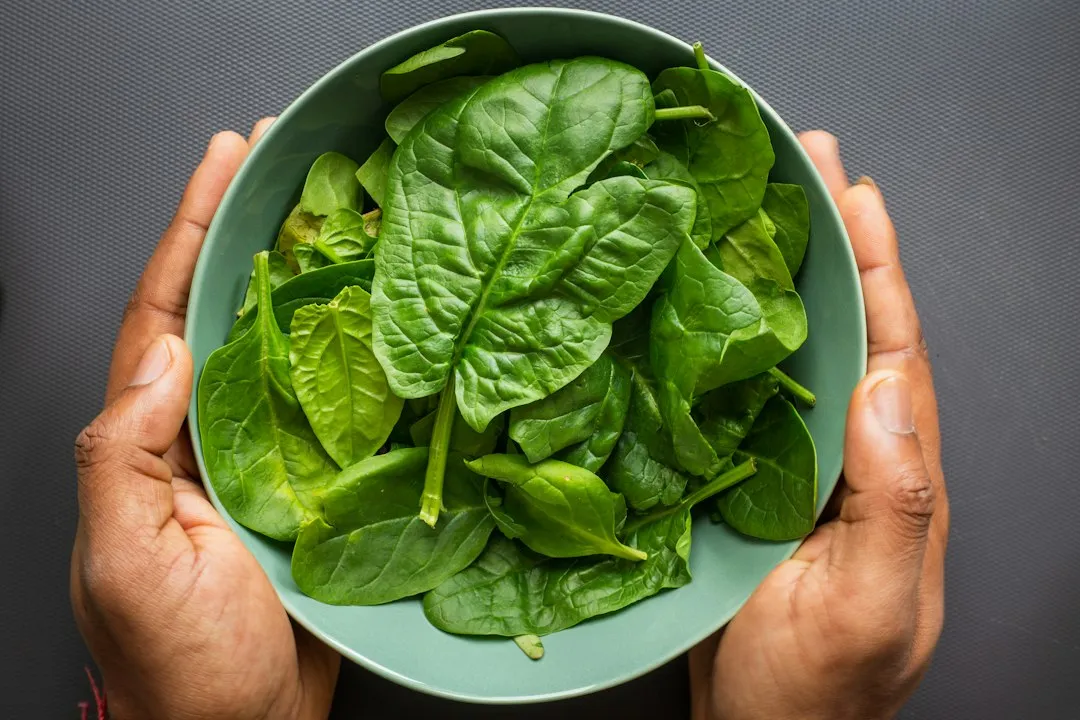
Dark leafy greens such as spinach, kale, bok choy, and Swiss chard are packed with many of the so-called antidepressant nutrients, including magnesium, iron, folate, potassium, and vitamins A and C, while also acting as antioxidants in the body that support brain health.
Folate has shown notably strong associations with mood protection, with research suggesting the highest folate intake groups can have considerably lower odds of depression compared to the lowest. Folate is essential for producing SAMe, a molecule required for the synthesis of serotonin and dopamine.
Observational studies and reviews consistently indicate a correlation between low folate levels and a higher risk of depression, as folate is crucial for synthesizing the neurotransmitters serotonin and dopamine, which regulate mood. Spinach in a morning omelette or kale in a lunchtime bowl is one of the quieter habits that can genuinely add up over a dark winter.
3. Berries: Antioxidants Against the Seasonal Slump
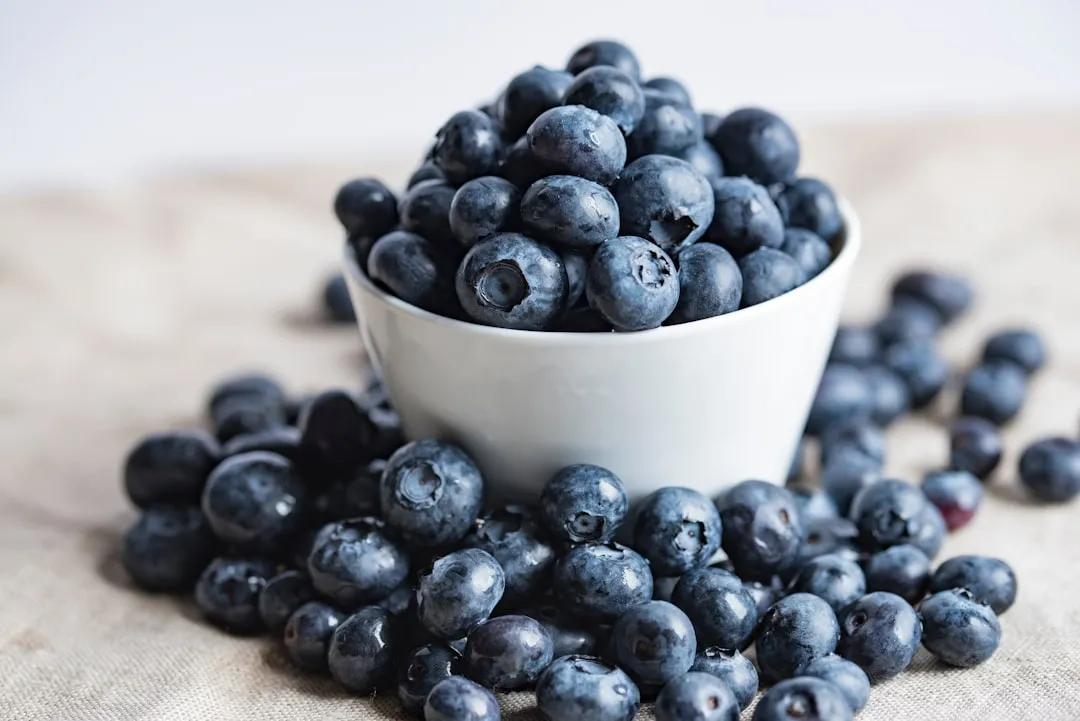
Berries pack a wide range of antioxidants and phenolic compounds that play a key role in combatting oxidative stress. They are particularly high in anthocyanins, the pigment behind their deep purple and blue colors. One 2023 study found that diets higher in anthocyanins were associated with improved depression symptom scores in adults both with and without major depressive disorder.
Blueberries, raspberries, and strawberries may help prevent the release of cortisol, a hormone produced by the adrenal gland. During stressful situations, cortisol heads toward the hippocampus, a major brain region involved in emotional responses and memory. Keeping berries on hand as a snack during the darker months is a surprisingly practical mood strategy.
Packed with antioxidants, especially anthocyanins, berries help protect the brain from oxidative stress and inflammation, both of which are linked to depression and age-related cognitive decline. Frozen varieties retain much of this benefit, so access is not limited to summer.
4. Dark Chocolate: More Than Just Comfort Food
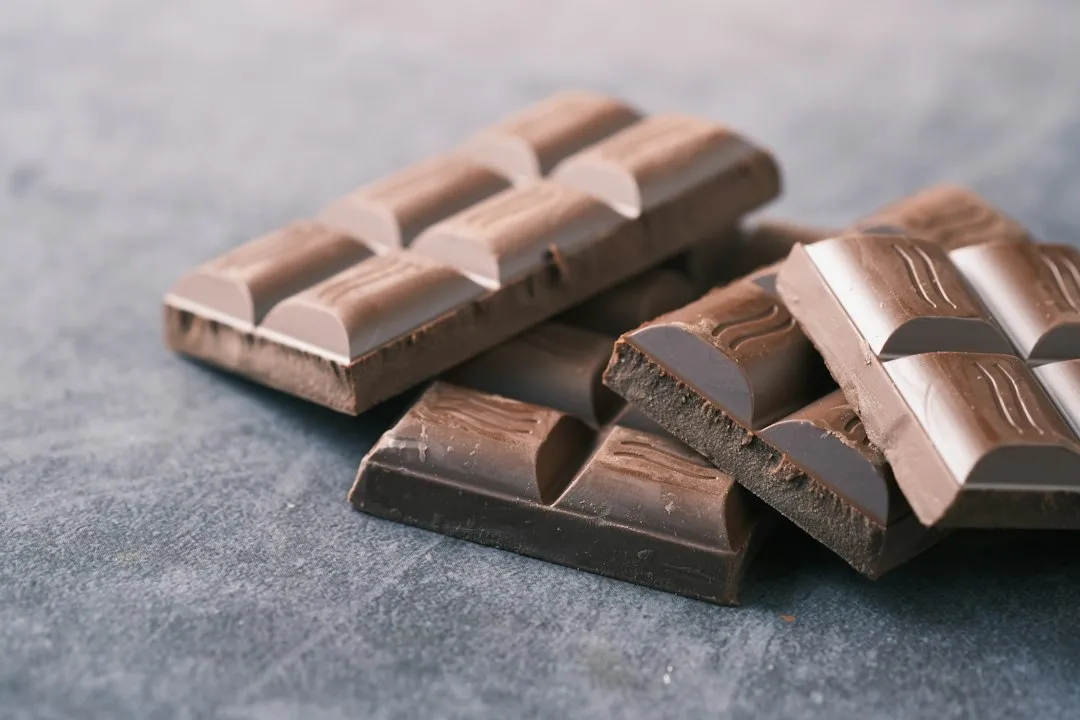
Chocolate contains phenylethylamine, which stimulates the release of endorphins, creating a sense of euphoria. The prebiotic effects of dark chocolate on gut microbiota may also ease negative emotional states through the gut-brain axis. Additionally, chocolate contains tryptophan, a precursor to serotonin, which is involved in mood regulation.
In one study, total daily cortisol, morning cortisol, and the cortisol to cortisone ratio were significantly reduced after ingestion of high-polyphenol dark chocolate. Lower cortisol levels matter because chronic stress is a major trigger for seasonal mood deterioration.
Evidence-based recommendations suggest choosing chocolate with at least 70% cocoa content, as studies indicate higher cocoa concentrations provide the most significant mood benefits. Most studies show benefits using modest amounts, around 30 grams per day. It’s genuinely one of the more enjoyable pieces of dietary guidance that research has produced in a while.
5. Walnuts and Seeds: Small but Reliably Effective
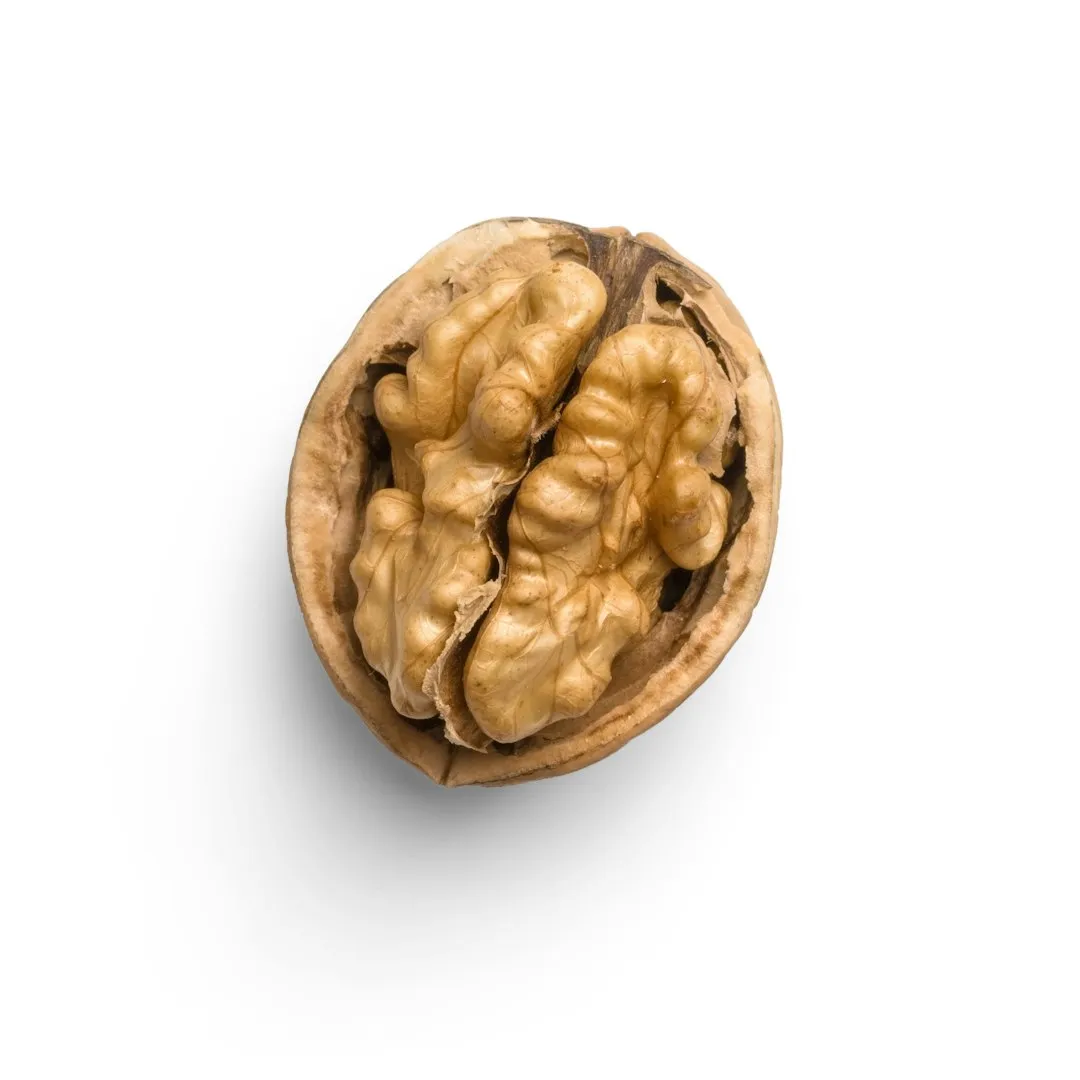
Much like fatty fish, nuts are bursting with omega-3 fatty acids and a helpful dose of magnesium. Walnuts in particular stand out here, because they’re one of the few plant-based foods that deliver a meaningful amount of the same brain-supportive fats found in salmon.
Research has associated higher magnesium intake with considerably lower odds of depression compared to low intake groups. Researchers noted that magnesium modulates NMDA receptors, which can become overactivated during chronic stress. That biological pathway is worth paying attention to, especially for people whose mood dips tend to worsen with the added pressure of the holiday season.
Pumpkin seeds are a particularly strong source of tryptophan, an amino acid that supports mood regulation by aiding in the production of serotonin, the neurotransmitter associated with feelings of wellbeing. A small handful over salad or porridge requires almost no effort but the nutritional payoff is real.
6. Bananas: Vitamin B6 and the Serotonin Pathway
Like turkey, bananas contain tryptophan. Beyond that, the carbohydrates from natural sugars and the potassium in bananas help fuel the brain, while magnesium, also found in bananas, may improve sleep and reduce anxiety, both of which are key symptoms of seasonal depression.
Bananas contain serotonin, an essential neurotransmitter that balances mood. Most antidepressants work to boost serotonin levels in the brain. That said, eating a banana doesn’t improve mood directly, since serotonin doesn’t cross the blood-brain barrier. However, bananas do contain vitamin B6, which helps the body create serotonin itself.
Vitamin B6, along with B12 and folate, is involved in the synthesis and metabolism of serotonin and dopamine through coenzyme pathways. Bananas are one of the most accessible and affordable foods in this entire list, which makes them easy to build into a daily routine during the harder months of the year.
A Word on What the Evidence Actually Says
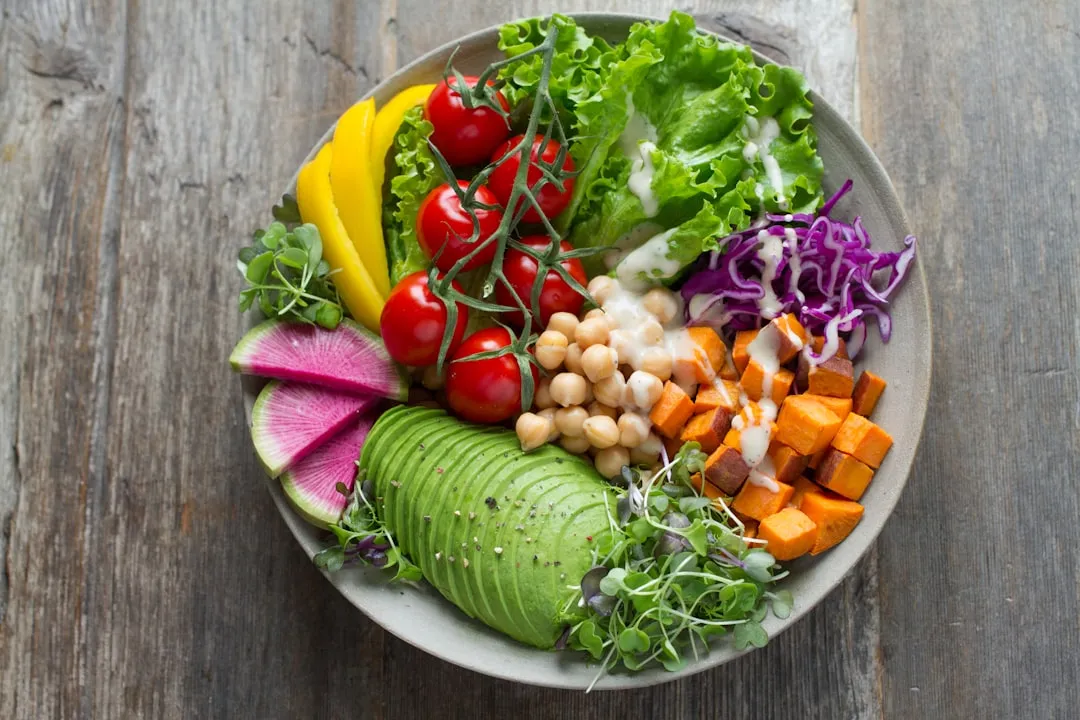
It’s worth being honest about the limits here. Dietary changes should never replace medication or therapy, but they can help supplement current treatments. Discussing these approaches with a doctor is always a good starting point.
Research on the relationship between nutrition and mental health is still emerging, but evidence suggests a real connection between diet and mood. The foods covered here are not cures, but they are well-supported, widely available, and worth incorporating consistently rather than occasionally.
The evidence suggests that increasing dietary intake of nutrients like fiber, folate, magnesium, and healthy fats may serve as a complementary strategy for reducing depression risk. As research in nutritional psychiatry expands, the role of whole foods in supporting mental health continues to gain scientific traction.
A Practical Note on Consistency

The National Institutes of Health estimates that millions of Americans experience seasonal depression each year, and it often begins in young adulthood. Since it can occur year after year, it makes sense to plan ahead and address dietary habits several months before symptoms typically begin.
None of these foods demand a dramatic diet overhaul. Fatty fish twice a week, a daily handful of walnuts, some spinach added to a soup, and a square of dark chocolate after dinner are all modest, sustainable changes. The research isn’t asking for perfection. It’s pointing toward a pattern.
Nutrition alone won’t eliminate seasonal mood dips for everyone, but the gap between what we know and what most people actually eat during winter is real and worth closing. Eating with intention during the darker months may not be glamorous advice, but it’s among the most grounded and well-supported steps a person can take.
AI Disclaimer: This article was created with the assistance of AI tools and reviewed by a human editor.