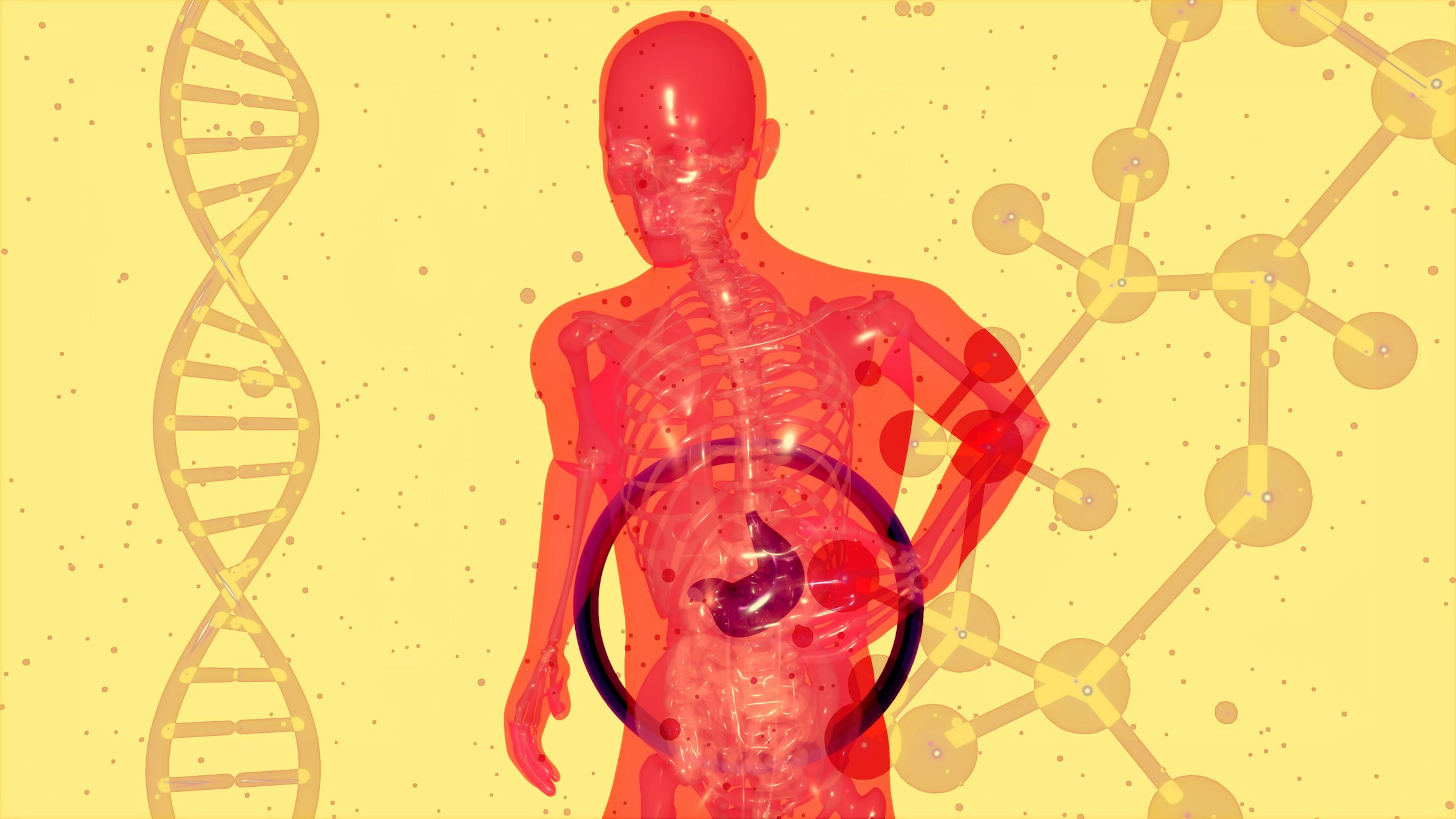

The liver quietly does an enormous amount of work. It filters your blood, metabolizes nutrients, regulates hormones, and neutralizes toxic compounds, all without you noticing. It stands out as nature’s marvel and is the only organ that knows how to regenerate itself and repair damaged cells. Still, modern habits can push it to its limits, and what you eat plays a direct role in either supporting or undermining that process.
While no single food can fully “detox” the liver, a nutrient-rich diet may help support normal liver function. The six foods below have been studied with growing interest, and the evidence behind them is worth understanding clearly and carefully.
1. Garlic: Small Clove, Serious Science
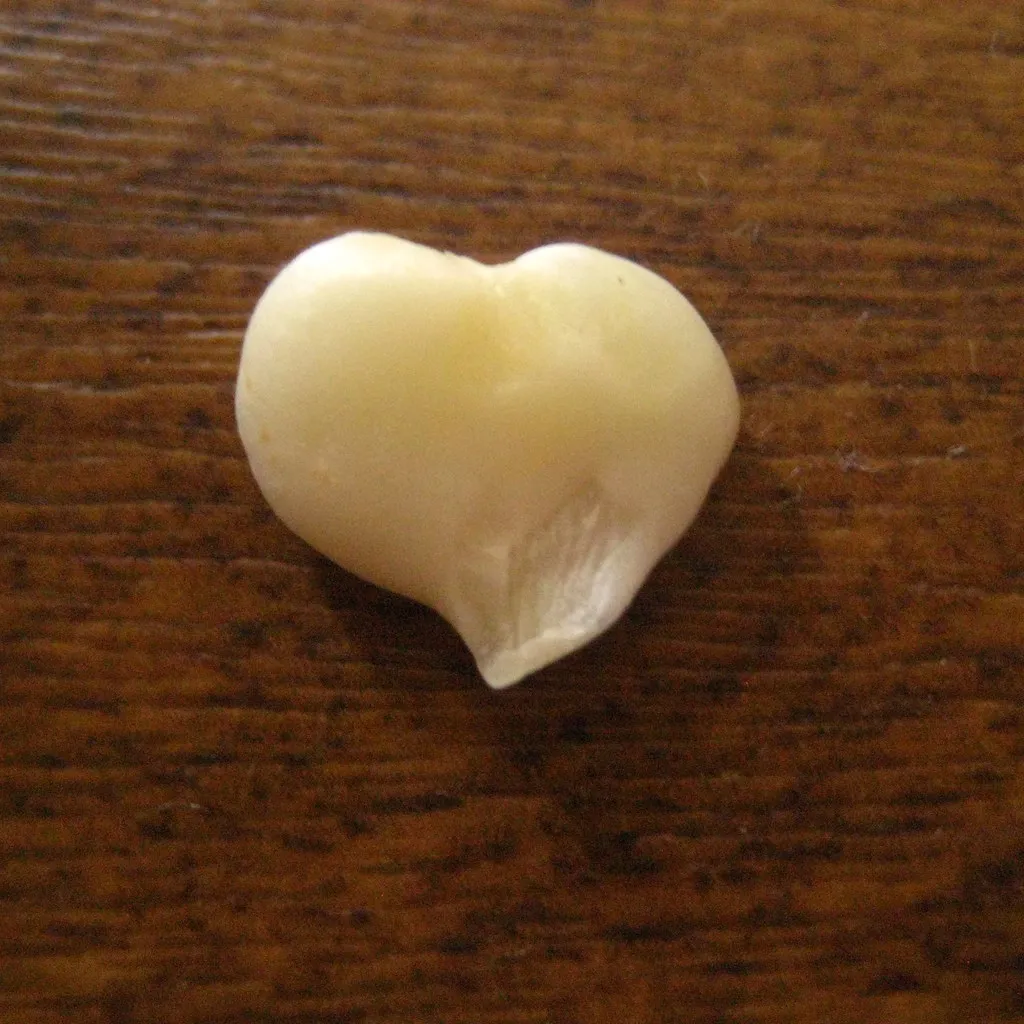
Garlic has been used medicinally for centuries, but its role in liver health has become a more serious subject of scientific inquiry in recent years. Garlic contains numerous bioactive compounds, with allicin being the most extensively studied. When raw garlic is crushed or chopped, the enzyme alliinase converts alliin into allicin, which subsequently breaks down into various organosulphur compounds. These compounds possess antioxidant, anti-inflammatory, and lipid-modulating properties that may benefit liver health.
Because the liver relies heavily on sulfur for its Phase II detoxification pathways, consuming sulfur-rich foods can help ensure the liver has the “fuel” it needs to process waste effectively. This is one reason garlic keeps appearing in liver health research.
Evidence from a comprehensive systematic review revealed that garlic could regulate the development of non-alcoholic fatty liver disease via several mechanisms, such as lowering body weight, modulating lipid and glucose metabolism, and reducing inflammation and oxidative stress. Overall, the beneficial effects of garlic in the treatment of NAFLD make it a potential therapeutic and efficient agent in managing this condition and its related risk factors. That said, there is an insufficient number of clinical trials addressing the effects of garlic in humans, and conducting more human research in the future is recommended.
2. Turmeric: The Golden Spice with Real Hepatic Evidence
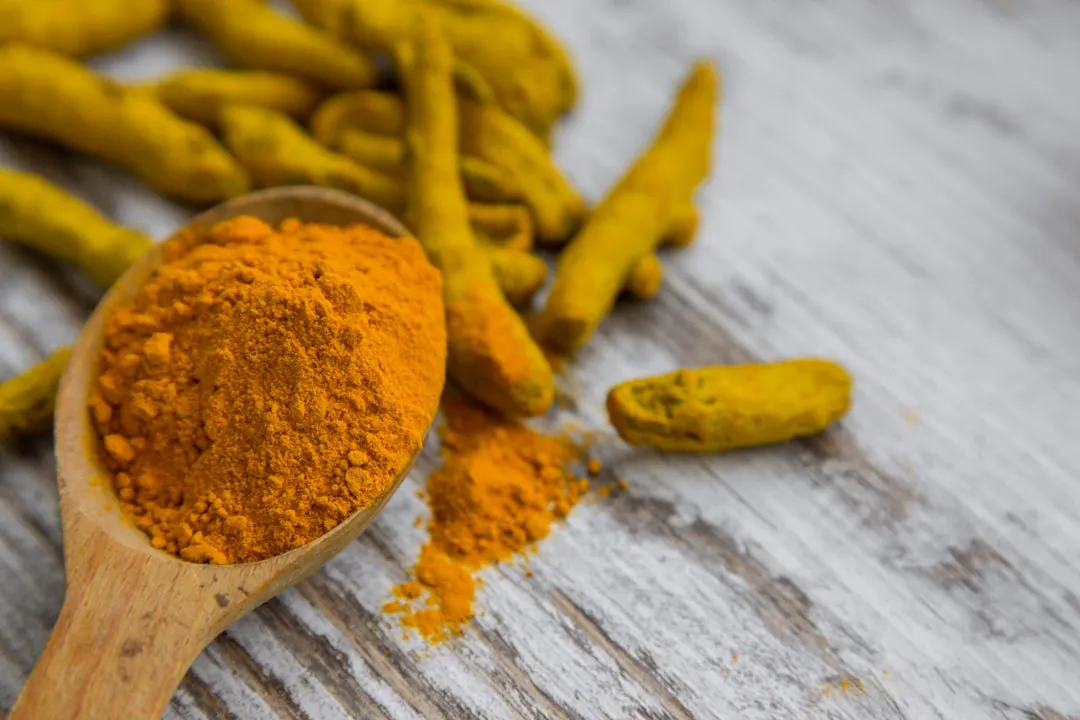
Turmeric is perhaps the most talked-about anti-inflammatory food in the wellness space, but there is genuine science behind its connection to liver health. Curcumin, the principal active compound in turmeric, has demonstrated substantial therapeutic potential in liver disease research.
A systematic review and meta-analysis found that turmeric and curcumin supplementation significantly reduced blood levels of ALT and AST, which are two liver enzymes that rise when the liver is under stress. Lower levels of these enzymes generally suggest reduced liver inflammation.
Curcumin demonstrates a significant improvement in key indicators across the stages of non-alcoholic fatty liver disease, liver fibrosis, and hepatocellular carcinoma in preclinical studies. Still, it’s worth noting a practical limitation: its clinical application is limited by poor pharmacokinetics, including low bioavailability and rapid metabolic degradation. This means eating turmeric as part of your food is beneficial, but very high-dose supplements carry their own risks that should not be ignored.
3. Grapefruit: Protective Antioxidants with a Caveat
![3. Grapefruit: Protective Antioxidants with a Caveat ([mag], Flickr, CC BY-SA 2.0)](https://nvmwebsites-budwg5g9avh3epea.z03.azurefd.net/thegardenmagazine/232d97d74dca5cef032ac44166ea2c3d.webp)
Grapefruit is one of the more underappreciated liver-supporting foods, mostly because people associate it only with medication interactions. In terms of nutritional chemistry, though, it carries two notable compounds. Grapefruit contains two antioxidants, naringenin and naringin, which naturally protect the liver. Studies have found that both help protect the liver from damage. Grapefruit’s protective effects occur in two ways: by reducing inflammation and protecting cells.
Research shows that these antioxidants can reduce the development of liver fibrosis, a harmful condition where excessive connective tissue builds up in the liver, often resulting from chronic inflammation.
One important note for anyone on prescription medications: while grapefruit can help improve a typical person’s liver health, patients who have received an organ transplant should not have grapefruit because it may interact with their medication. This interaction concern extends to certain other drug classes as well, so consulting a doctor is always wise.
4. Cruciferous Vegetables: Broccoli, Brussels Sprouts, and Beyond
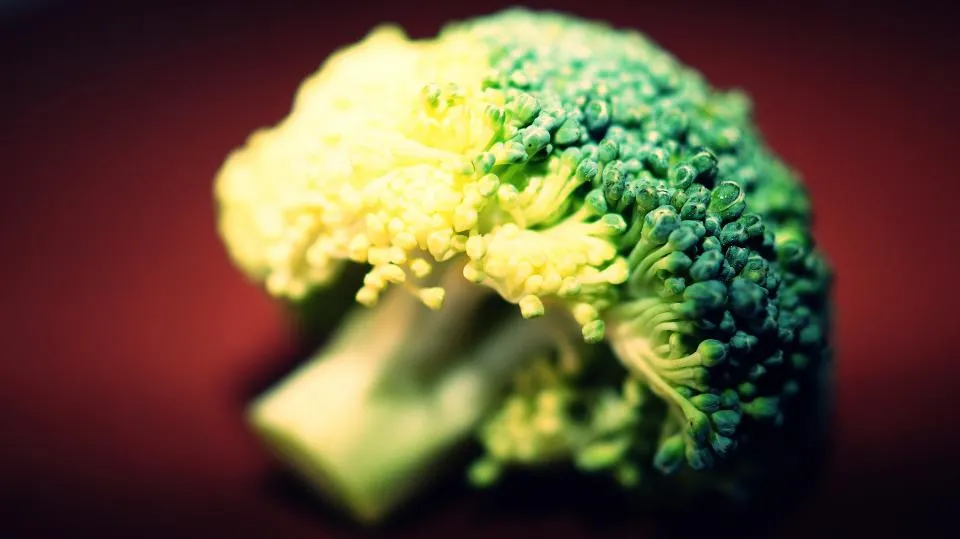
Cruciferous vegetables are among the most studied food groups in liver health research, and for good reason. Studies suggest that cruciferous vegetables contain certain compounds that alter the detoxification process and protect against harmful compounds.
Cruciferous vegetables like Brussels sprouts and broccoli sprouts contain a natural compound called indole, that was recently studied to control non-alcoholic fatty liver disease. These vegetables also contain sulforaphane, a sulfur-rich compound that boosts detoxification and protects the liver from damage.
Studies have shown that extracts from Brussels sprouts and broccoli sprouts increase levels of detoxification enzymes and protect the liver from damage. Adding a portion of these vegetables a few times a week is a practical, low-effort dietary shift that is well-supported by existing research.
5. Coffee: Perhaps the Most Studied Liver-Protective Food on This List
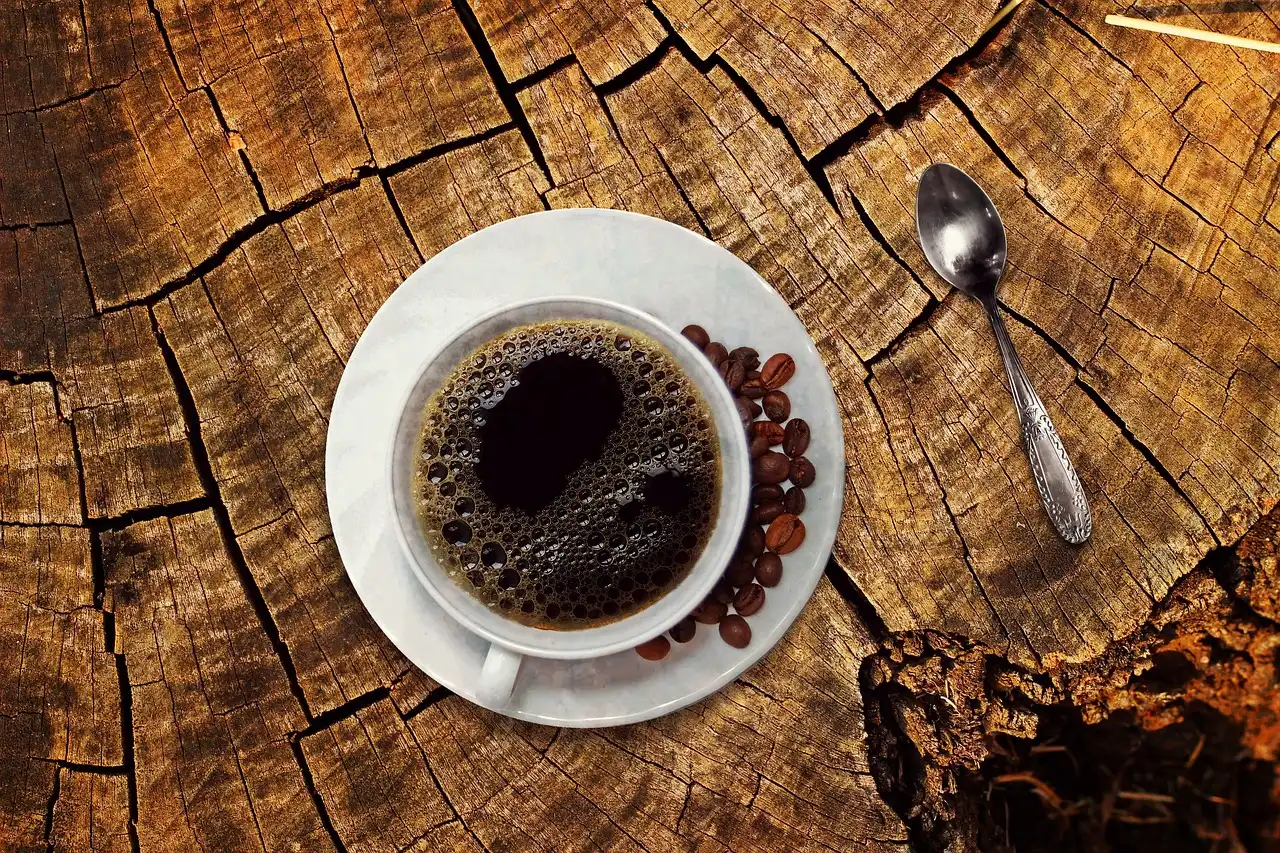
This one surprises a lot of people. Coffee’s relationship with liver health is not just anecdotal. Coffee is one of the most studied liver-protective foods. A Johns Hopkins study found that people who drank roughly two or more cups of coffee daily had a 75% lower risk of liver fibrosis compared to low-caffeine consumers. That protective effect held up even after the researchers controlled for age, sex, body weight, alcohol intake, and existing liver disease.
Experimental evidence has shown that the moderate consumption of coffee, around three to four cups per day, is safe and beneficial to human health, with protective effects against non-alcoholic steatohepatitis, viral hepatitis, liver cirrhosis, and hepatocellular carcinoma.
Most recently, a Cedars-Sinai study of more than 355,000 adults found that drinking coffee was associated with lower risks of cirrhosis, liver cancer, and liver-related death. This major long-term study also linked coffee consumption with lower risks of cirrhosis, liver cancer, and death from liver disease. Coffee drinkers showed healthier liver scans and blood protein patterns, with less fat, inflammation, and scarring.
6. Beets: Nitrates, Betalains, and Liver Enzyme Support
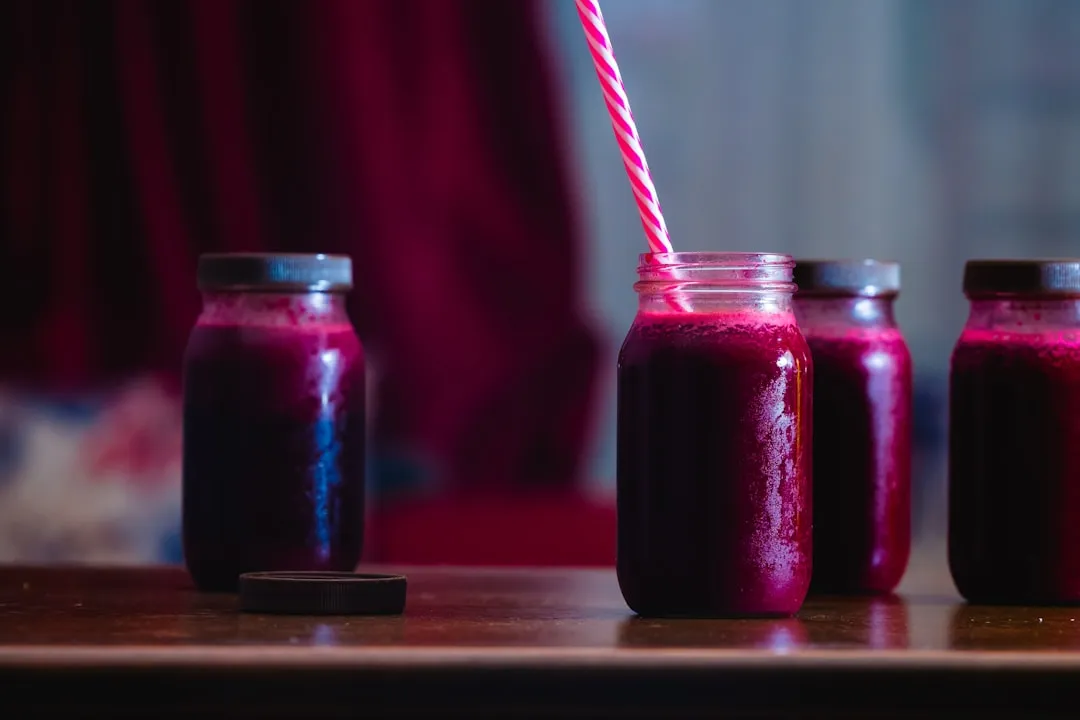
Beetroot may not be the first food that comes to mind for liver support, but it has a growing body of research behind it. Beetroot juice is a rich source of nitrates and antioxidants called betalains. Several studies have shown that beetroot juice reduces oxidative damage and inflammation in the liver while increasing natural detoxifying enzymes.
A randomized controlled trial compared the effects of beetroot juice and the Mediterranean diet on liver enzymes and sonographic appearance in patients with non-alcoholic fatty liver disease, suggesting meaningful enough interest from clinical researchers to warrant formal study.
For practical intake, if you want to add beetroot juice to your routine, roughly one cup daily is a reasonable amount based on the quantities used in research. More research is still needed to fully confirm the liver health benefits of beetroot juice in humans, but the early evidence points in a genuinely promising direction.
How These Foods Work Together
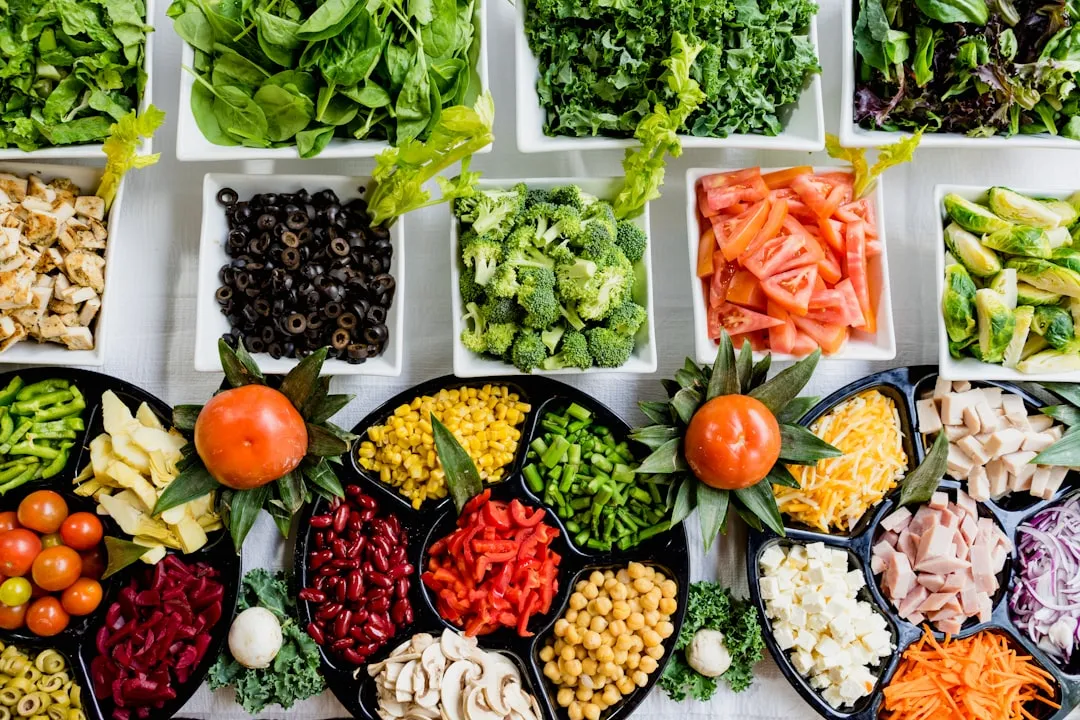
It’s worth stepping back and looking at the bigger picture. No single food functions as a liver reset button. The 2025 global consensus guidelines for metabolic liver disease recommend the Mediterranean dietary pattern as the gold standard for liver health. The specific recommendations emphasize fruits, vegetables, legumes, nuts, olive oil, unprocessed poultry, and fish. This isn’t a single magic food but a pattern where multiple liver-supportive nutrients work together.
Recent research published in Cell Metabolism revealed that soluble fiber feeds specific gut bacteria that break apart bile acid compounds, activating a signaling pathway that improves the liver’s ability to detoxify ammonia and protect against oxidative stress. This gut-liver connection means that fiber doesn’t just help mechanically. It reshapes your gut environment in ways that directly improve liver chemistry.
What About Nuts and Leafy Greens?
While the six foods above are the focus here, two other food groups deserve an honorable mention because the research on them is also solid. A six-month observational study involving 106 people with non-alcoholic fatty liver disease found that eating nuts was associated with improved liver enzyme levels. Furthermore, other studies showed that men who ate smaller amounts of nuts had a higher risk of developing NAFLD compared to those who ate larger amounts.
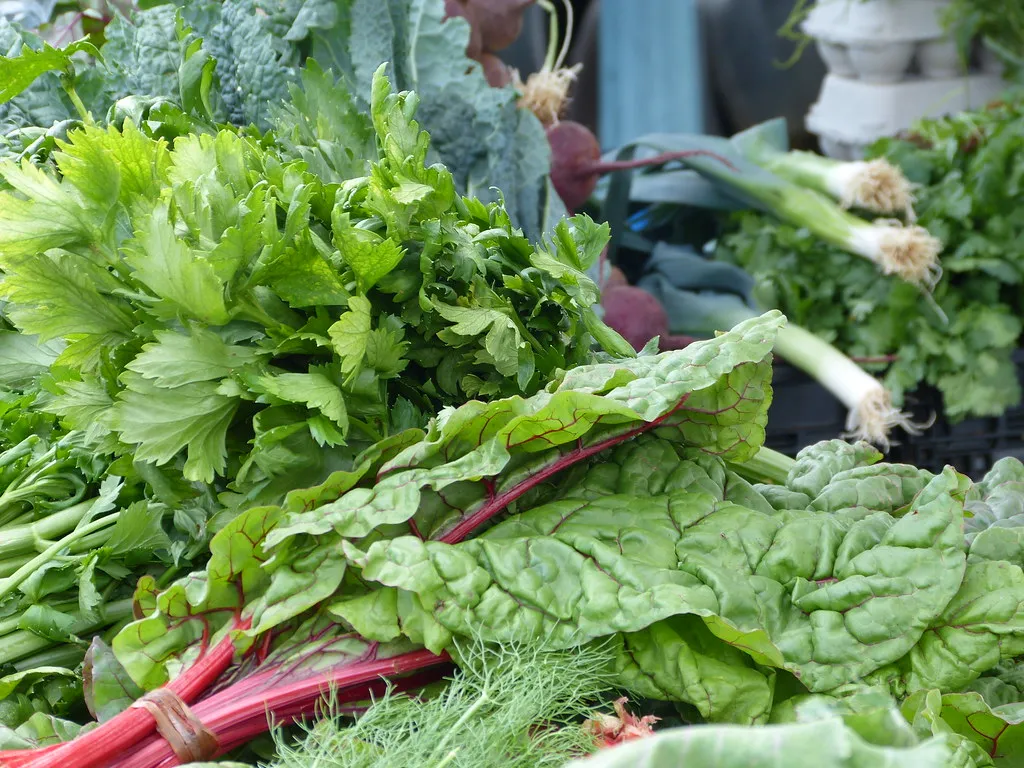
Leafy greens are a great source of chlorophyll, which cleanses and detoxifies the blood flowing through your body, helping eliminate toxins that would otherwise pass through your liver. Together with the core six foods, these form a powerful dietary foundation.
What the Research Still Doesn’t Fully Resolve
It would be dishonest to present this information without acknowledging its limits. Much of the research on individual liver-supportive foods is still preliminary, conducted in animals, or based on observational data in humans. Though human studies show mixed results, early animal and in vitro studies are promising.
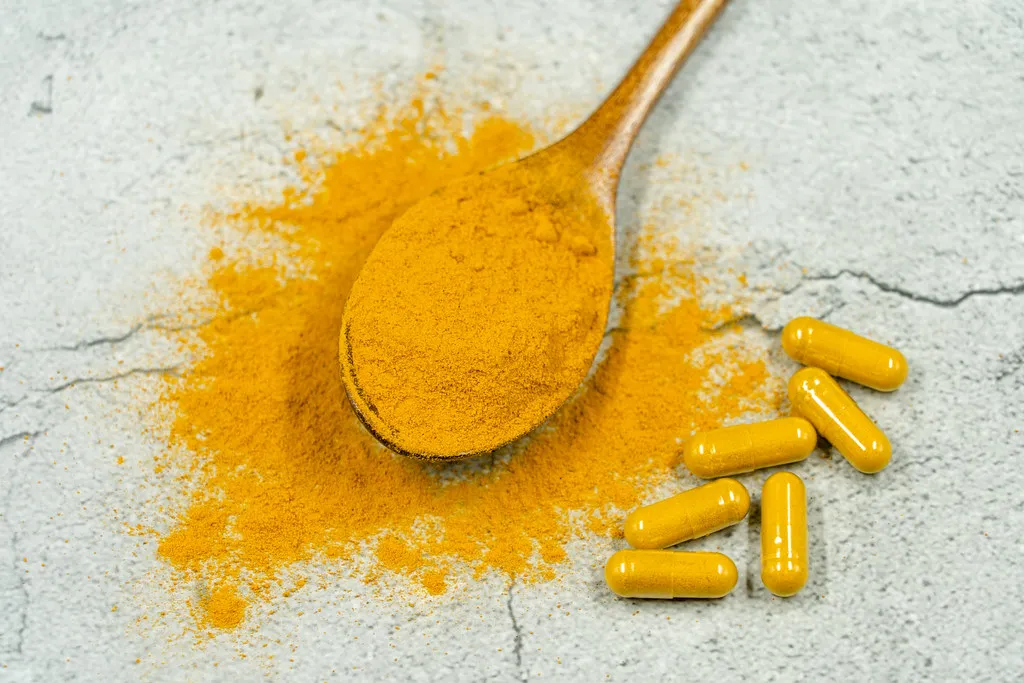
There’s also the question of dose and context. Turmeric, for example, is beneficial in culinary amounts but can cause problems in very high supplement doses. Turmeric is potent enough to cause severe and even fatal liver damage when consumed in excessive doses, which is a reminder that more is not always better, even with natural foods.
The science continues to develop, and most nutritional researchers agree that the most reliable approach is consistent, balanced eating over time rather than any short-term cleanse.
How to Add These Foods to Your Diet Practically
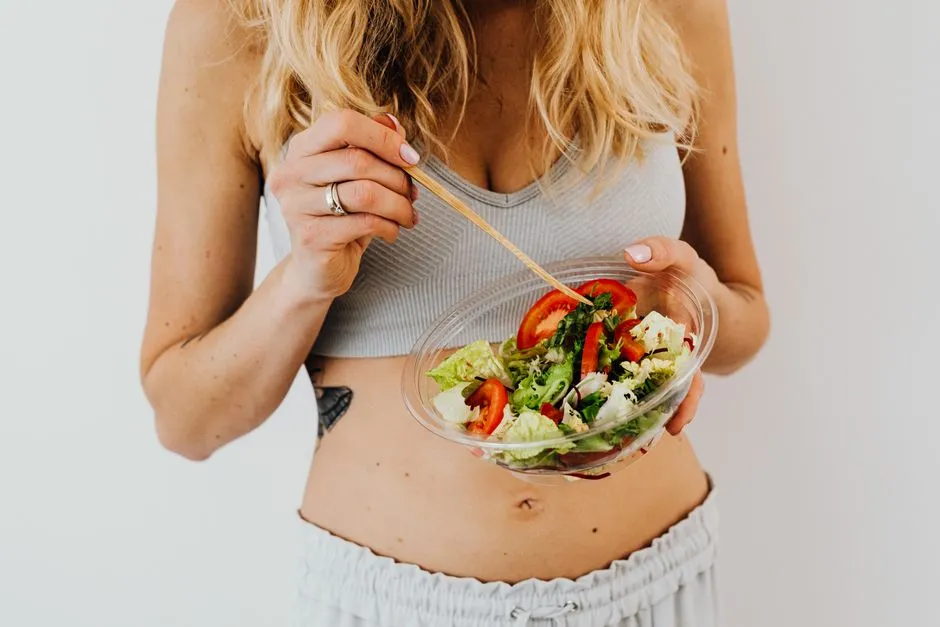
None of these foods require elaborate preparation or expensive shopping. Garlic can be added raw to salad dressings. Turmeric pairs well with eggs, soups, or warm drinks. Grapefruit makes a simple breakfast addition. Broccoli and Brussels sprouts roast well in minutes. Beets work in salads, juices, or as a side dish.
You can keep your liver functioning at its best by eating a nutritious diet filled with fiber and anti-inflammatory foods. Choose lots of berries, vegetables, beans, nuts, and whole grains. The goal is variety and consistency, not perfection.
Coffee, for most healthy adults, is already part of a daily routine. Knowing it carries documented liver benefits is simply a welcome bonus supported by a growing body of solid evidence.
The Takeaway
Your liver works hard every single day without asking for much in return. Feeding it consistently with the right foods, garlic, turmeric, grapefruit, cruciferous vegetables, coffee, and beets, is one of the most direct and evidence-grounded ways to support its function over the long term.
The science here is real, though it is still evolving. Modern lifestyles, rich in processed foods, alcohol, and environmental toxins, can overburden this vital organ, leaving it vulnerable to damage. While your liver is naturally resilient, sometimes it needs a hand. These six foods are a good place to start offering exactly that.
AI Disclaimer: This article was created with the assistance of AI tools and reviewed by a human editor.