

are one of the most common dietary hurdles people face today. Nearly three in five Americans aged two and older regularly exceed the recommended daily limit for added sugars, a habit linked to rising rates of obesity, diabetes, and inflammation-related diseases. That’s a striking number, and it helps explain why so many people feel stuck in a cycle they can’t easily break.
aren’t just about willpower. They’re rooted in brain chemistry and blood sugar balance: consuming sugar triggers the release of dopamine, the brain’s pleasure chemical, and this temporary high leads us to associate sugar with comfort, driving habitual consumption. The good news is that specific foods can interrupt that cycle in a real and measurable way. Here are six that science actually backs up.
1. Berries: Sweet by Nature, Stabilizing by Design
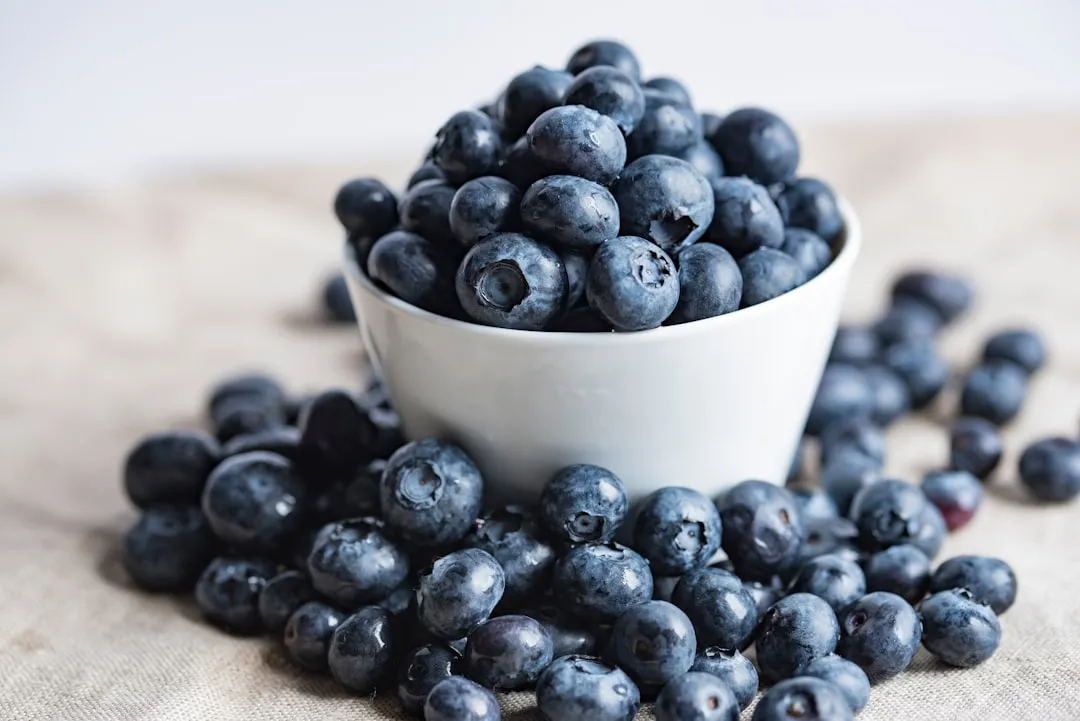
Swapping out junk food for fruit when you’re craving sugar may give you the sweet hit you need and stop your craving in its tracks. Fruit is naturally sweet but also contains beneficial plant compounds like fiber. Berries in particular make for a practical and satisfying option because they deliver sweetness without the blood sugar spike that comes with processed treats.
Berries also have strong antioxidant and anti-inflammatory properties that could help reduce risk factors for chronic diseases like heart disease, cognitive decline, and diabetes. This makes them a great choice if your sugar cravings are linked to habit rather than hunger, for example, if you tend to reach for something sweet while watching TV.
By strategically using berries, you can satisfy your sweet cravings, stabilize your energy levels, and provide your body with essential nutrients all at once. Keeping a small bowl of fresh blueberries or raspberries within reach is one of the simplest habit swaps available.
2. Dark Chocolate: The Craving Fighter You Didn’t Expect

Studies suggest that a small amount of dark chocolate in the mornings or evenings may help stabilize your blood sugar levels by limiting your sweet cravings. It sounds counterintuitive, but the science is reasonably consistent on this point. Not all chocolate is created equal, though.
Dark chocolate, with its higher cocoa content and lower sugar levels, is packed with antioxidants, flavonoids, and essential minerals like magnesium and iron. Its high fiber and protein content can help you feel fuller for longer, reducing your overall calorie intake, and the flavonoids in dark chocolate help regulate blood sugar levels, alleviating sugar cravings.
Research carried out at the University of Copenhagen found that dark chocolate is more filling than milk chocolate and also helps reduce cravings for sweet, fatty, and salty foods. Aim for chocolate that is at least 70% cocoa, as this contains more natural fiber, minerals, vitamins, and antioxidants, and fewer ingredients like refined sugar and additives.
3. Greek Yogurt: Protein That Keeps Cravings Quiet

Making plain Greek yogurt a staple in your kitchen provides a powerful tool to manage hunger, stabilize energy, and conquer sugar cravings. Its high protein content is the main reason it works so well. Protein takes longer to digest than simple carbohydrates, which means your blood sugar stays steadier after eating it.
A 2025 randomized clinical trial revealed that Greek yogurt induced a statistically significant increase in satiety 30 minutes after consumption and markedly elevated postprandial insulin levels. That translated directly into fewer urges to snack on something sweet later in the day. The protein in Greek yogurt is a complete protein and is known for keeping people satiated for long periods of time, therefore preventing sugar binges, particularly at night.
Fermented foods like Greek yogurt, kefir, and kombucha not only support digestion but also enhance mental well-being. Choose plain varieties over flavored ones, since the flavored versions often carry a significant amount of added sugar that defeats the purpose entirely.
4. Avocado: Healthy Fats That Silence the Sweet Tooth
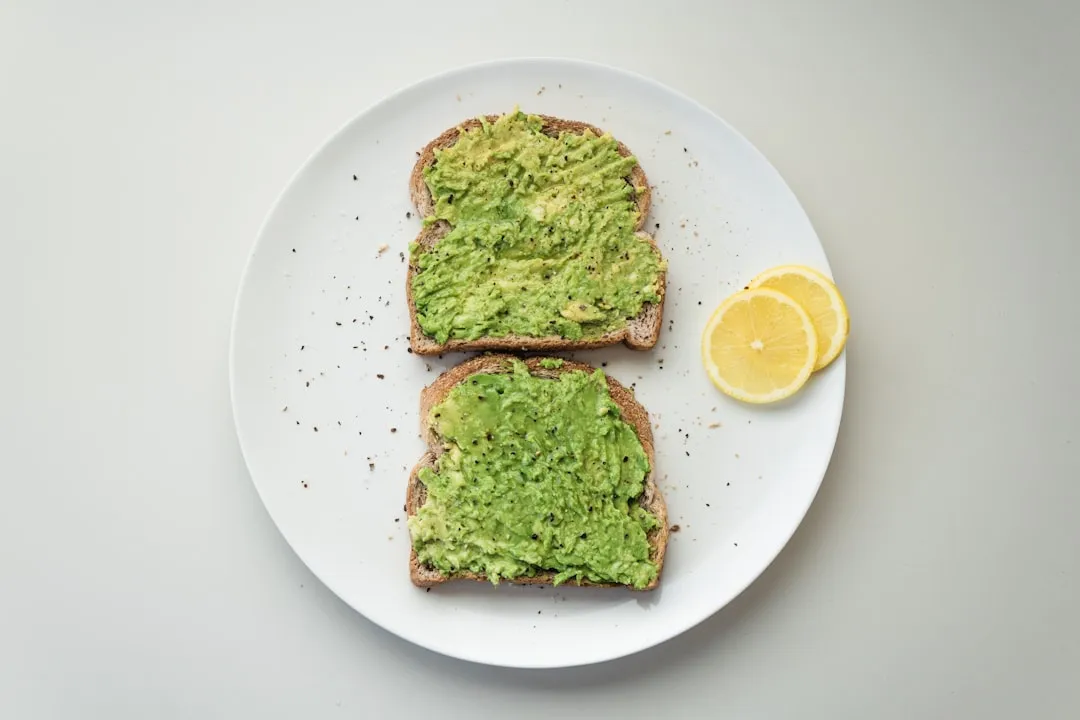
Avocado is packed with healthy monounsaturated fats and fiber, a powerful combination that promotes satiety and slows down digestion. This gradual digestive process prevents the rapid blood sugar spikes and subsequent crashes that leave you reaching for a sugary fix. Most people don’t think of avocado as a craving-control food, but the evidence is fairly compelling.
In a clinical trial, avocados were substituted for carbohydrate-dense, low-fat breakfast ingredients. The trial found that satiety hormones in the brain were more prevalent after consuming the avocado versus the high-carb meal, which can prevent sugar cravings by reducing the overall feelings of hunger.
Half an avocado on whole-grain toast or blended into a smoothie makes for a filling start to the day that tends to push sweet cravings further back into the afternoon, or eliminates them entirely. It’s a small dietary shift that quietly adds up over time.
5. Nuts and Seeds: A Crunchy Craving Buffer
The balanced macronutrient profile of nuts and seeds makes them one of the best foods that cut sugar cravings. This combination provides sustained energy, preventing the energy dips that typically send people reaching for sugary snacks. The satisfying texture plays a role too. Something to actually chew and crunch on can mentally redirect the urge to snack.
For decades, it has been known that nut consumption can help improve health, including lowering cardiometabolic markers and BMI. Pistachios, for example, can displace the need for sweets and promote an overall healthy dietary pattern, as they’re packed with protein, which is an important factor when addressing sugar cravings.
Chia seeds, meanwhile, are full of essential fatty acids that fuel the body and are also a complete plant protein containing all nine essential amino acids. Their lipid profile has been proven to prevent blood glucose spikes and improve blood lipid profiles. A small handful of mixed nuts or a tablespoon of chia seeds stirred into yogurt can be enough to take the edge off a midday sugar urge.
6. Cinnamon: The Spice That Works on Blood Sugar Directly
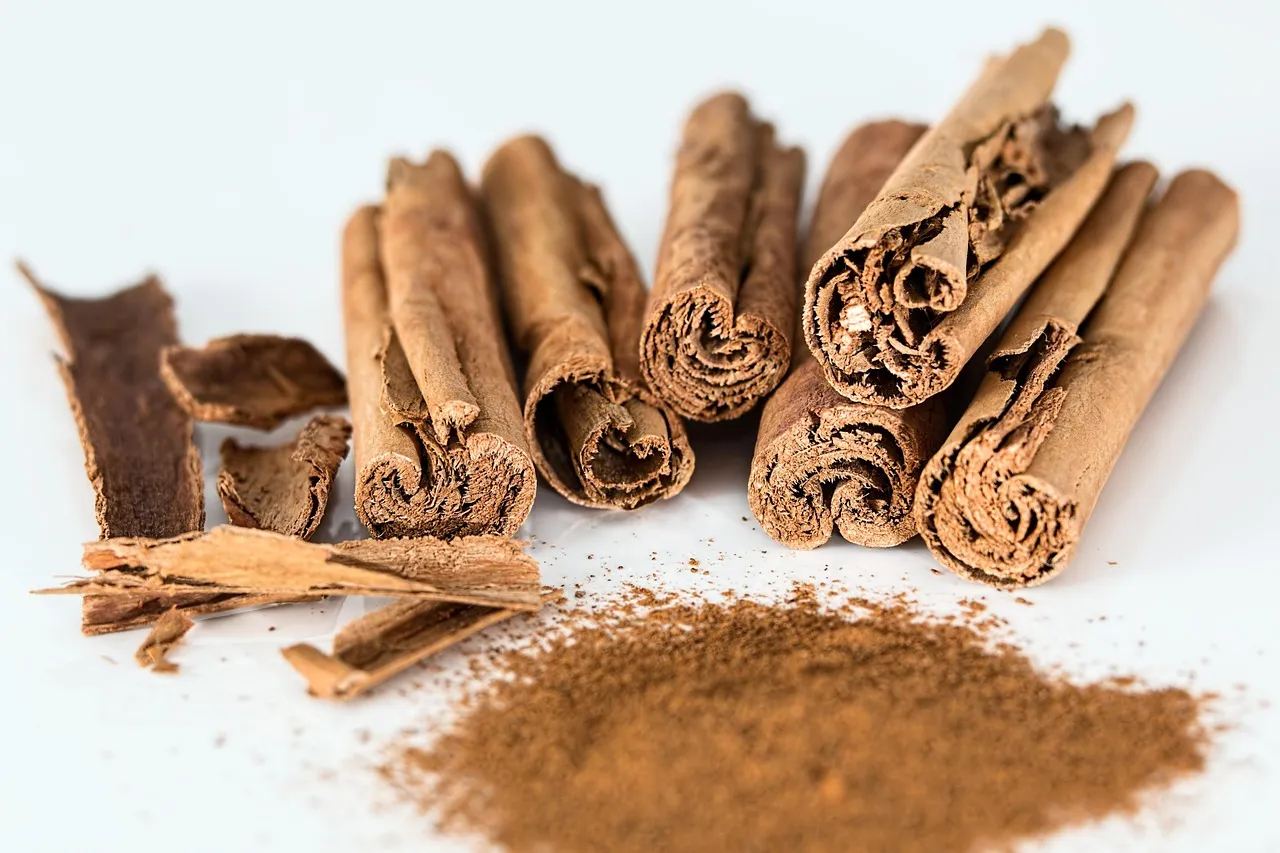
Cinnamon contains compounds like cinnamaldehyde that have been shown to exhibit antioxidant properties. This antioxidant activity can lead to improved glucose metabolism, potentially reducing fasting blood glucose levels. Because unstable blood sugar is one of the primary triggers for sweet cravings, anything that keeps glucose steady is indirectly keeping cravings in check.
Clinical studies and meta-analyses have supported the notion that consuming cinnamon spice long term can have beneficial effects in individuals with normal glucose homeostasis and varying degrees of glucose intolerance including type 2 diabetes. One study found that a single dose of 6 grams of cinnamon added to oatmeal resulted in a significant reduction of postprandial insulin response in overweight and obese participants.
Opt for Ceylon cinnamon over Cassia cinnamon for daily use, as Ceylon contains significantly lower levels of coumarin, a compound that can be harmful in large doses. Adding half a teaspoon to morning oatmeal, coffee, or plain yogurt is an easy and low-effort way to make this spice part of a regular routine.
The Bigger Picture: Why Blood Sugar Balance Matters
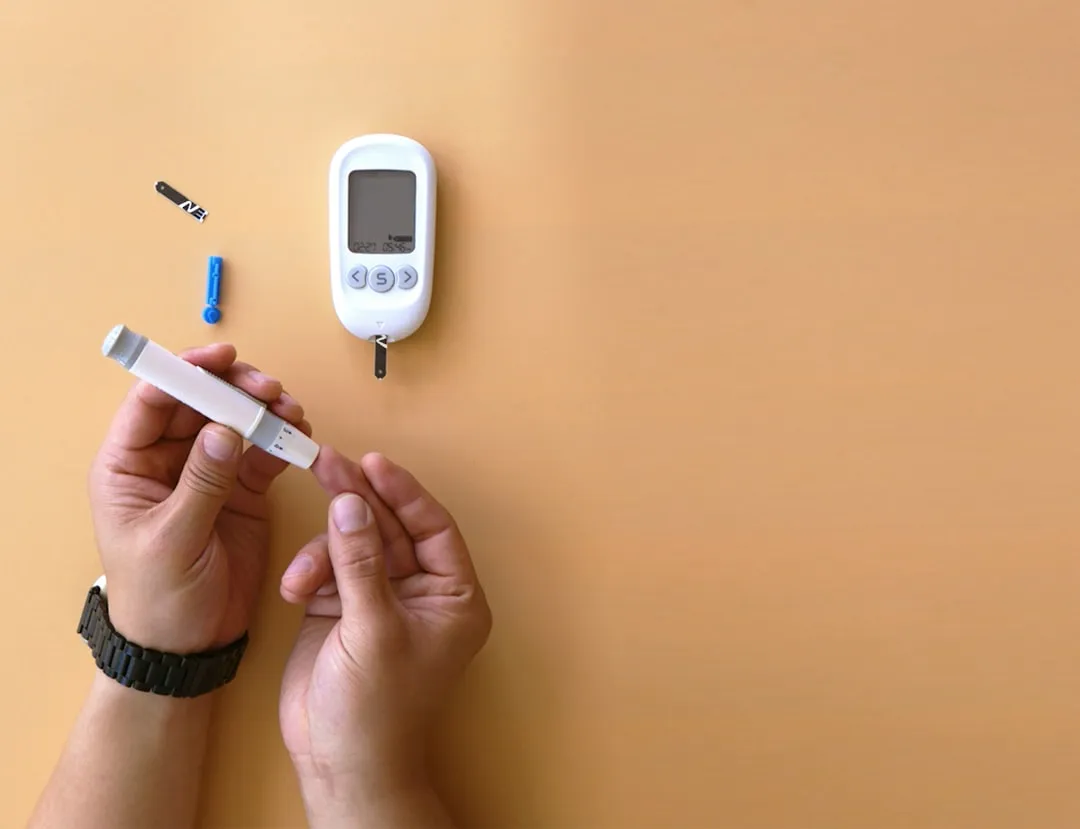
When blood sugar suddenly rises, the blood actually gets thicker, and over time this can lead to serious health issues and increase the risk of chronic diseases such as type 2 diabetes, heart disease, stroke, and obesity. Addressing sugar cravings with food rather than willpower alone means working with that biology rather than fighting it.
Foods that contain whole grains, fiber, and protein may keep you feeling fuller longer, and that sense of sustained fullness is ultimately what makes cravings easier to resist. The key is combining carbohydrates with protein or healthy fats to prevent rapid glucose fluctuations and the rebound effect that fuels further cravings.
Americans average roughly 17 teaspoons of added sugars per day, according to the American Heart Association, which recommends limiting added sugars to about 6 teaspoons per day for women and 9 for men. That’s a significant gap, but it doesn’t require a dramatic overhaul to start closing it.
How to Use These Foods Together

None of these six foods work as a standalone fix. They’re most effective when combined thoughtfully throughout the day. A breakfast built around Greek yogurt with berries and a sprinkle of cinnamon, for example, covers three of these categories at once. Add some chia seeds and you’ve covered a fourth.
The most effective approach combines protein such as Greek yogurt, eggs, or legumes to increase satiety, fiber from fruit, seeds, and whole grains to slow sugar absorption, and healthy fats like nuts and avocado to stabilize energy, all while keeping the glycemic index low to avoid blood sugar spikes.
Snacking on nuts or a small square of dark chocolate in the afternoon, rather than reaching for something processed, gradually retrains the brain’s expectations around sweetness. It’s less about deprivation and more about substitution with intention.
What the Research Still Can’t Fully Explain
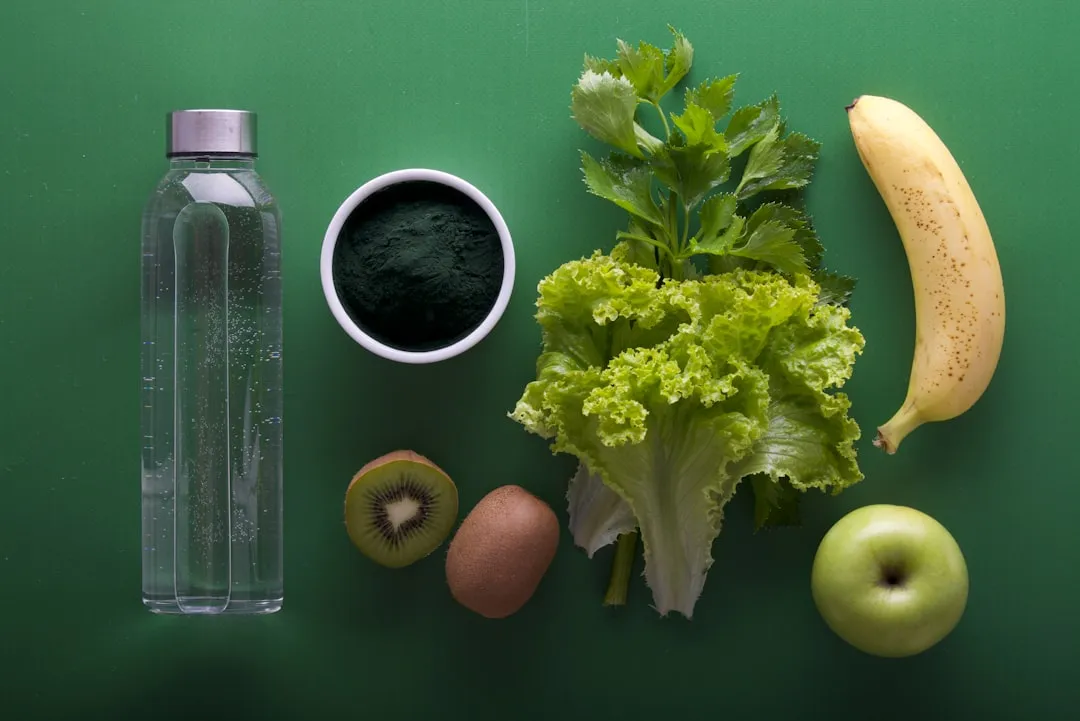
It’s worth being honest: the science on food and cravings is genuinely complex. A 2026 study found that cutting back on sweet-tasting foods over several months showed no significant differences in participants’ preference for sweet foods, which suggests that reducing intake alone may not reliably reset the sweet tooth. Food choices that stabilize blood sugar, however, address the problem at a different level.
Some of the existing studies on dark chocolate’s effect on appetite involved specific groups of people, such as women who have gone through menopause, and more research is needed to see whether findings apply broadly to others. The overall evidence for these foods is encouraging but, as with most nutrition science, rarely conclusive across all populations.
Being aware of these limitations doesn’t make these foods less worth eating. It simply means approaching them as useful tools within a broader healthy diet rather than magic solutions on their own.
Final Thoughts
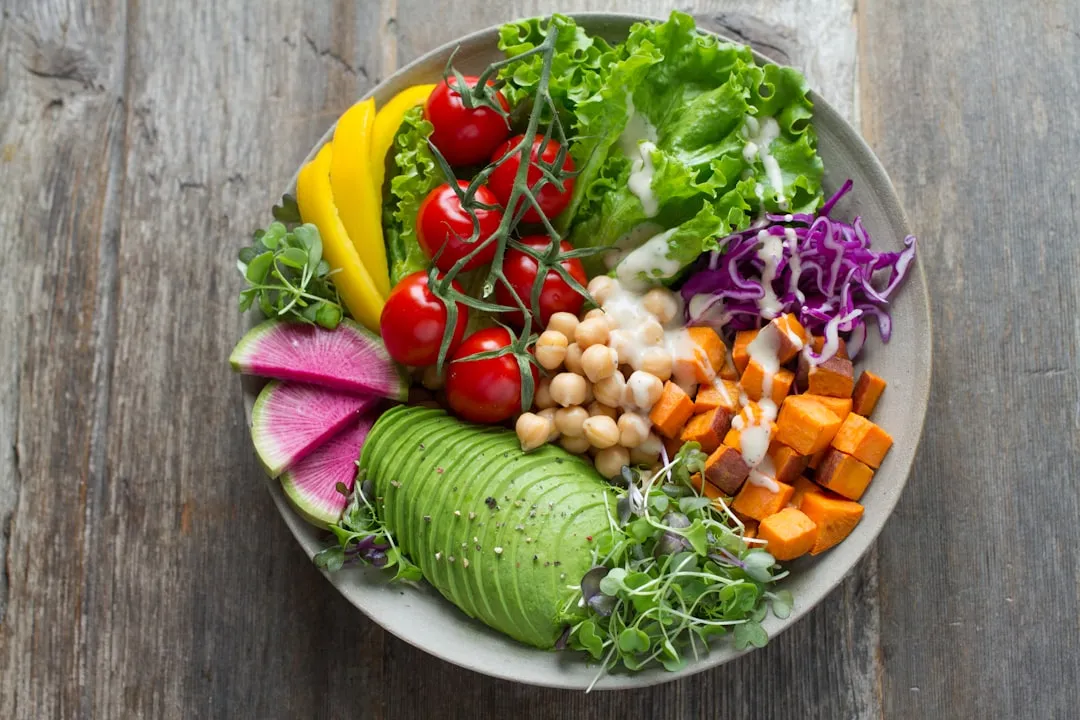
Managing sugar cravings doesn’t require strict restriction or a complete diet overhaul. It often starts with understanding what drives those cravings biologically and choosing foods that work with your body’s mechanisms rather than against them.
Berries, dark chocolate, Greek yogurt, avocado, nuts and seeds, and cinnamon each offer something specific: fiber, protein, healthy fats, or compounds that directly influence blood sugar and satiety hormones. Together, they form a practical and evidence-informed toolkit.
The shift is gradual. Cravings don’t vanish overnight, but consistently reaching for these foods over processed alternatives tends to quiet the urgency over time. Small choices, repeated consistently, matter more than any single dramatic dietary change.
AI Disclaimer: This article was created with the assistance of AI tools and reviewed by a human editor.