

Most people know the usual sleep advice: cut screen time, keep the room cool, stick to a schedule. What gets far less attention is what’s on your plate. Research suggests that certain nutrients, including tryptophan, magnesium, and melatonin, are involved in regulating the body’s sleep-wake cycle. The connection between food and sleep is more grounded in science than many people realize, and the evidence from recent years has grown considerably.
Both diet and sleep are complex, which means there’s no silver bullet or single food guaranteed to help with sleep. However, there are some foods and drinks that may make it easier to get a great night’s rest. Here are six of the most well-studied options you can actually try tonight.
1. Tart Cherries: Nature’s Melatonin Source
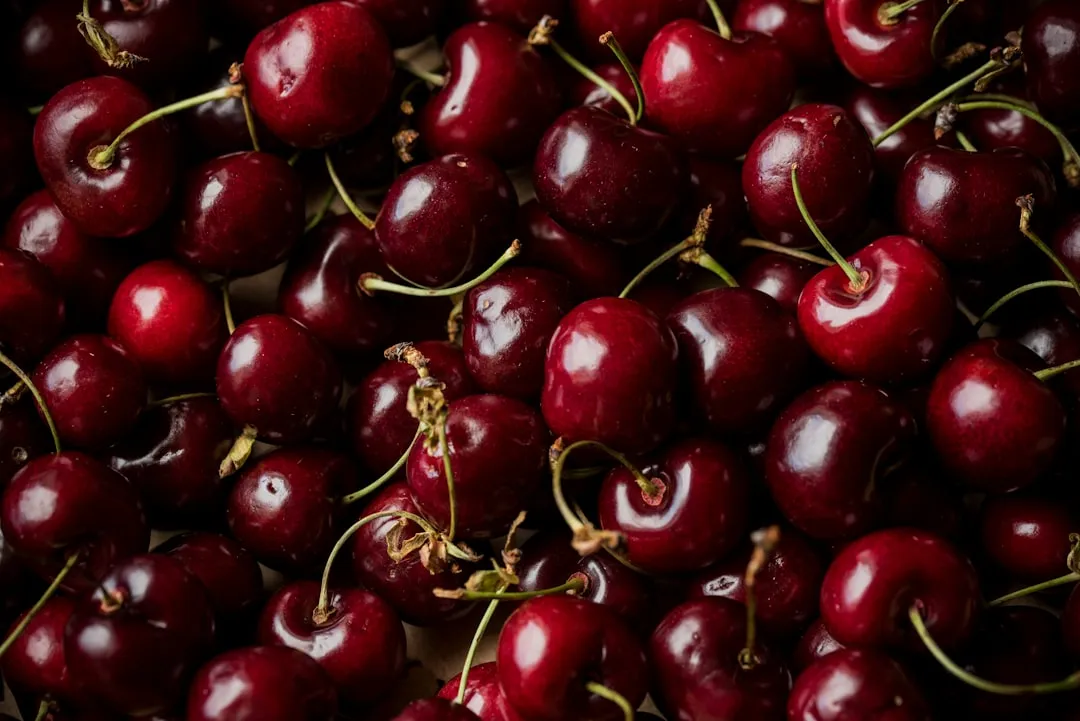
Of all the foods linked to better sleep, tart cherries have probably attracted the most research attention in recent years. Tart cherries are a promising natural source of sleep-promoting compounds such as melatonin. Evidence from pilot studies and randomized controlled trials suggests that tart cherry juice and supplements may improve sleep quality, duration, and efficiency in individuals with insomnia. The primary mechanism of action is believed to be related to the high melatonin content of tart cherries, which helps regulate the sleep-wake cycle.
A 2025 systematic review included seven interventional studies, three of which reported significant improvements in sleep indicators such as sleep duration, sleep efficiency, or sleep onset time. Three studies also reported an increase in melatonin levels after tart cherry consumption.
A 2024 trial of a Montmorency tart cherry formulation in 43 adults with insomnia showed improvements in sleep quality, daytime alertness, and anxiety. Tart cherry juice contains far less melatonin than supplement pills, but its anti-inflammatory compounds appear to help the body produce its own melatonin. You can drink it as juice, eat them dried, or use them frozen. Starting with a small glass before bed is a reasonable place to begin.
2. Kiwi Fruit: The Serotonin Connection
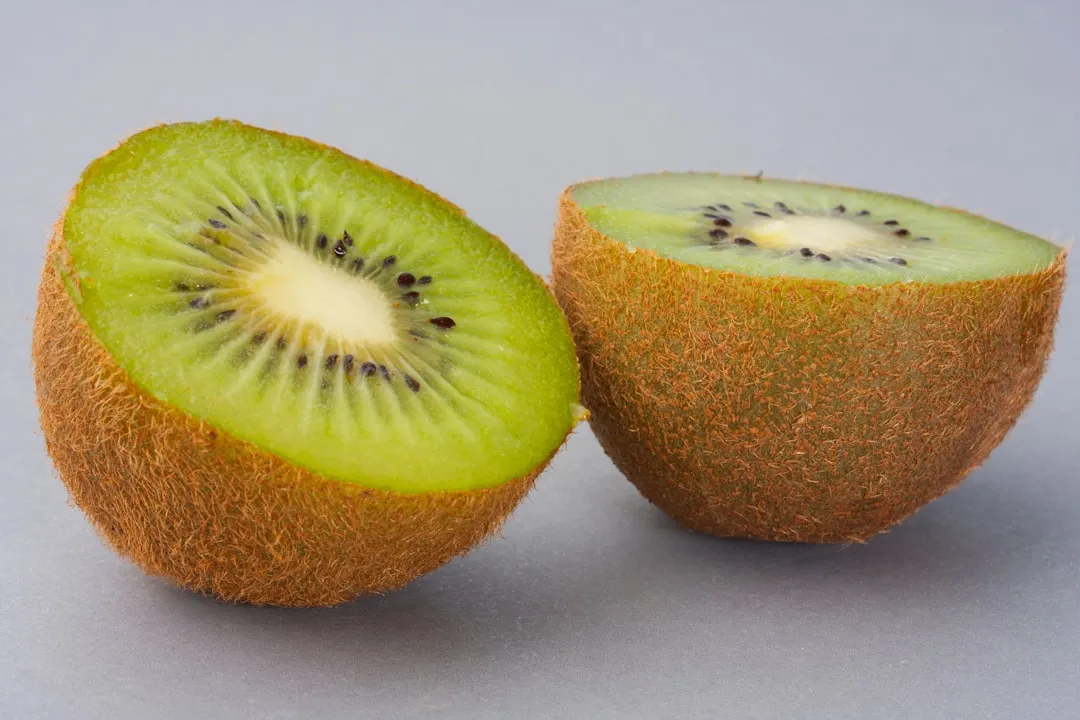
Kiwi has quietly built one of the stronger evidence bases among sleep-promoting foods. Kiwi fruit is rich in phenylalanine, tyrosine, tryptophan, glutamic acid, and serotonin that are further metabolized to produce dopaminergic, serotoninergic, and GABAergic neurochemicals. These neurotransmitters are vital in the regulation of sleep-wake cycles.
Kiwifruit also contains melatonin, which is important for regulating circadian rhythms and sleep cycles. In practice, the cumulative effect of these multiple compounds may be what gives kiwi its edge over many other fruits.
In one study, participants who ate fresh kiwi with their evening meal slept better than the control group, and they also had a better mood in the morning upon waking. Their urine showed higher levels of serotonin and melatonin metabolite concentrations. Most studies point to eating two kiwis roughly an hour before bedtime as an effective pattern worth trying consistently.
3. Walnuts: A Nightly Handful With Real Impact
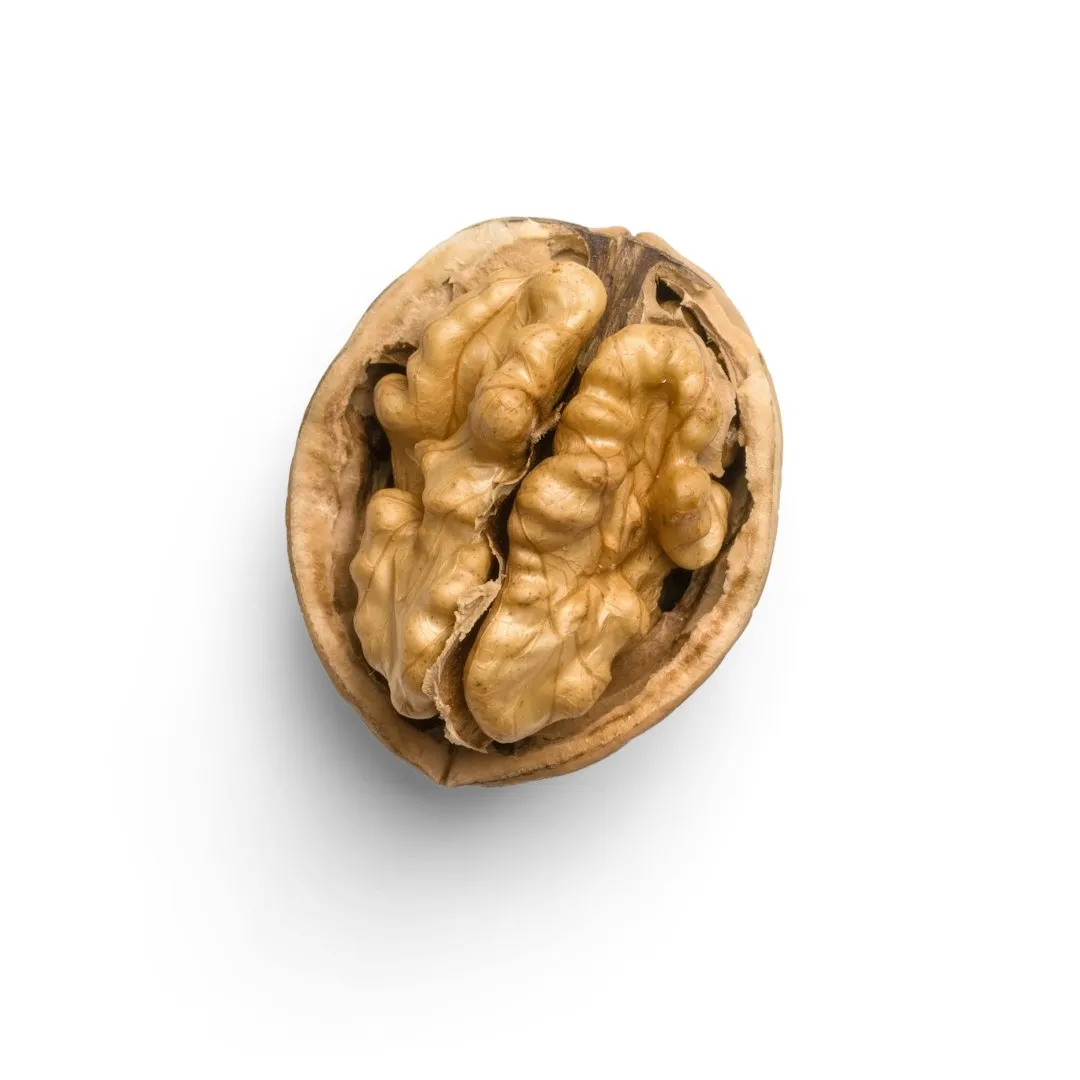
Walnuts are not just a heart-healthy snack. They’ve recently been studied specifically for their effects on sleep timing and quality. An eight-week walnut intervention significantly increased evening urinary melatonin concentrations and improved sleep latency, while also resulting in increased global sleep quality and lower daytime sleepiness.
A study published in 2025 in the journal Food and Function found that a daily serving of 40 grams of walnuts eaten at dinner over four weeks increased melatonin and improved sleep quality and reduced daytime sleepiness. The randomized crossover trial involved 76 healthy young adults aged 20 to 28 years.
The tryptophan-to-competing amino acid ratio in walnuts is particularly favorable for allowing tryptophan to cross the blood-brain barrier and be converted into melatonin, making walnuts a particularly promising food for supporting sleep. A small handful in the evening is both practical and consistent with what the studies actually used.
4. Almonds: Magnesium in a Crunchy Package
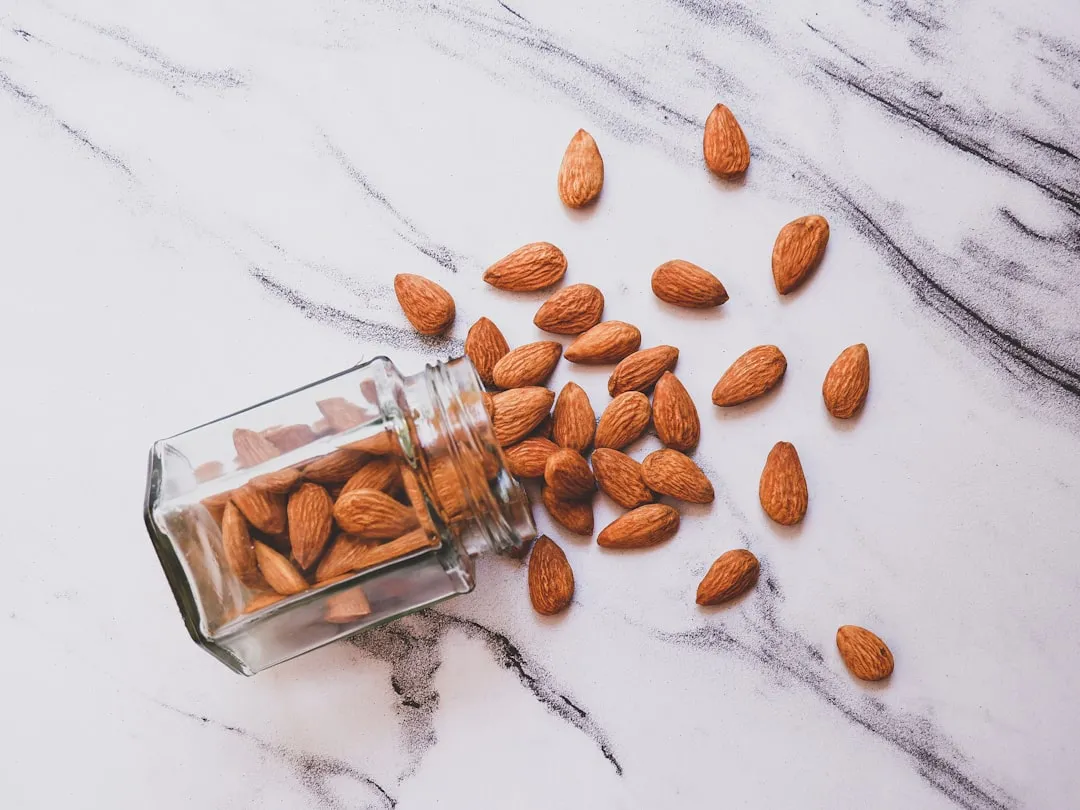
Almonds have earned their place on this list through a combination of several sleep-relevant nutrients working together. Almonds are rich in bioactive phytochemicals, magnesium, zinc, and melatonin, all of which are known to promote sleep. Few snack foods pack that many sleep-related nutrients into a single small serving.
Higher levels of magnesium are associated with better and longer sleep and falling asleep faster. Getting enough calcium is associated with ease of falling asleep and more restorative sleep. Almonds happen to deliver both.
In a randomized trial, researchers assessed 64 adults in India with indicators of poor sleep quality to find out how daily almond consumption for 20 weeks impacts sleep efficiency and other sleep measures. In addition to the sleep-promoting compounds magnesium and melatonin, almonds also contain numerous B vitamins such as riboflavin, niacin, and thiamine, which have also been studied for their role in sleep health. Portion control matters here, as a large handful eaten too close to bedtime can feel heavy.
5. Turkey and Other Tryptophan-Rich Proteins

Turkey’s reputation as a sleep-inducer is famous, though the science is a bit more nuanced than the Thanksgiving-nap story suggests. Tryptophan is an essential amino acid, meaning our bodies cannot produce it, so we must obtain it through diet. It plays an important role in protein synthesis and is a precursor to important molecules like serotonin and melatonin.
For tryptophan to be converted into serotonin and melatonin, it must first cross the blood-brain barrier. This process is tricky because tryptophan competes with other amino acids to enter the brain. Carbohydrate consumption can help with this, as insulin released in response to carbs helps clear other amino acids from the bloodstream, making it easier for tryptophan to cross into the brain.
Despite what is often heard around Thanksgiving, chicken actually contains more sleep-promoting tryptophan than turkey. Tryptophan is an amino acid, a building block of protein, which the brain uses to make serotonin and melatonin. Pairing either protein with a modest serving of complex carbohydrates at dinner is a practical way to help the process along.
6. Bananas: The Overlooked Bedtime Snack
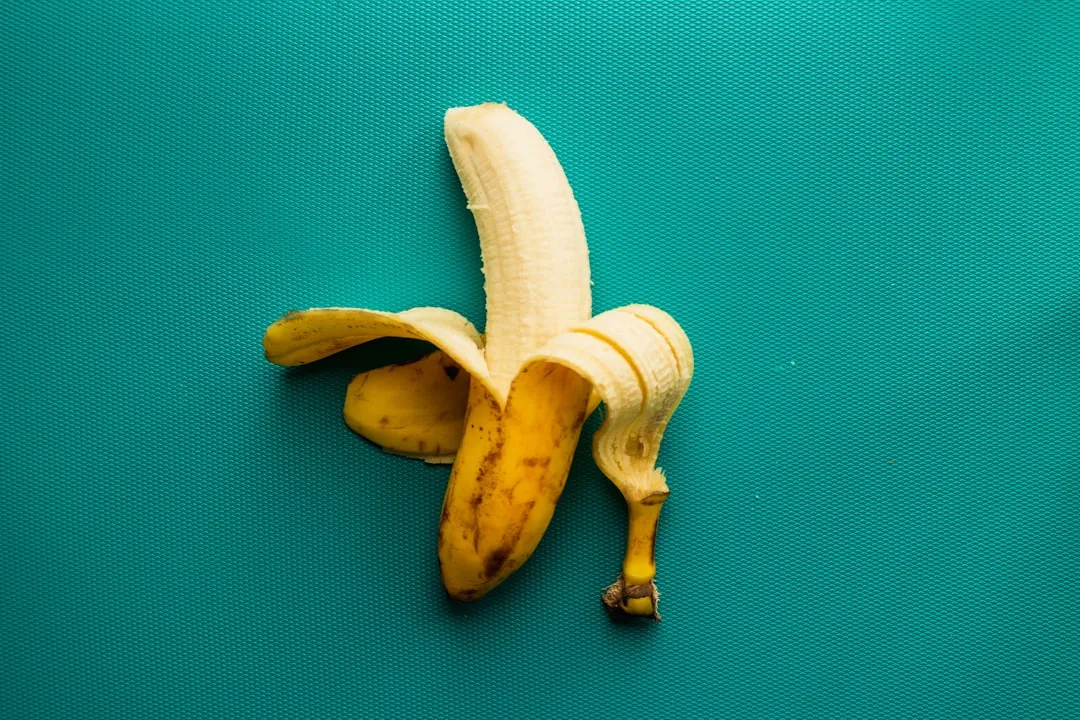
Bananas are easy to overlook because they seem so ordinary, but the nutrient combination they carry makes them genuinely useful before bed. Bananas are high in a variety of nutrients, especially magnesium, tryptophan, and fiber, all of which are known to promote better sleep.
Bananas are packed with potassium and magnesium, which relax muscles and nerves. They also contain small amounts of tryptophan, making them a practical bedtime snack.
Bananas also contain carbohydrates, which may impact sleep. Some research suggests that consuming carbohydrates helps the brain metabolize tryptophan, which is then converted into serotonin and melatonin. However, the type of carbohydrate is key, as foods high in refined carbohydrates and processed sugar are known to disrupt sleep. The natural sugars and fiber in a banana offer a gentler, more sleep-compatible option than reaching for something processed late at night.
How Diet and Sleep Interact Overall
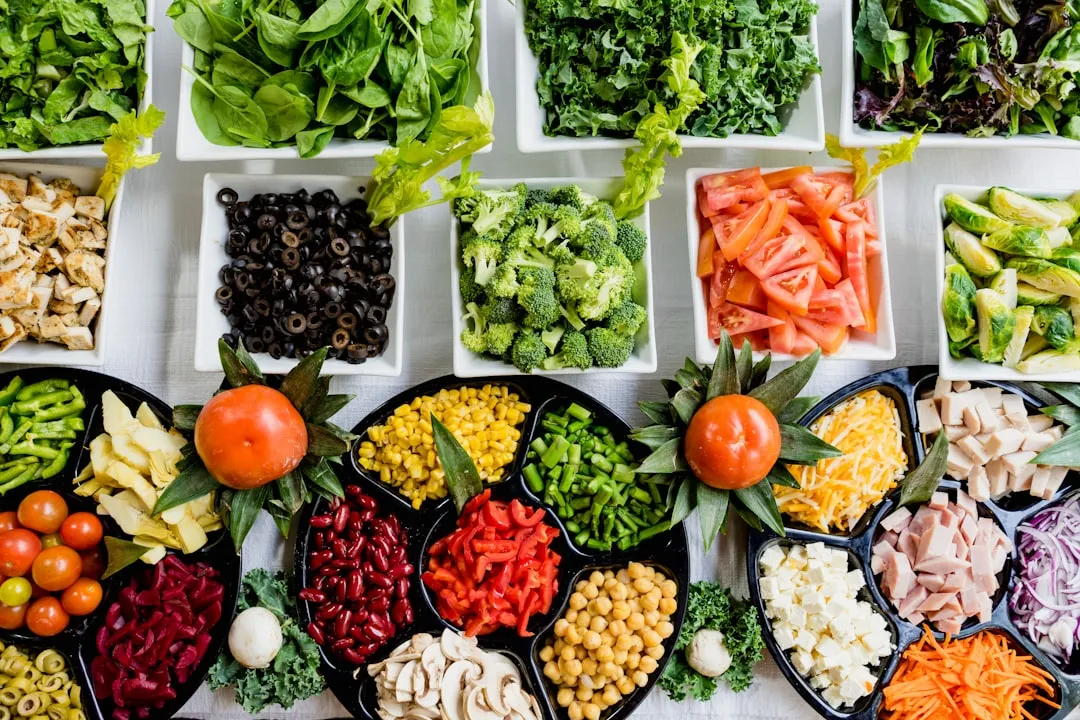
A 2025 study published in Sleep Health found that higher daytime intake of fruits and vegetables predicts less disrupted nighttime sleep in younger adults. This suggests the benefits of eating well for sleep are not just about one targeted late-night snack but about consistent dietary habits throughout the day.
Research has also shown that diets following a Mediterranean pattern, rich in plant foods, olive oil, and seafood and low in red meat and added sugar, are associated with better sleep quality and fewer insomnia symptoms. This type of diet emphasizes anti-inflammatory foods and includes many of the nutrients that support melatonin production.
Certain foods contain nutrients and compounds that influence sleep-related hormones and brain activity. From regulating melatonin production to stabilizing blood sugar levels overnight, the nutritional components of what you eat can play a surprising role in how well you rest. Thinking about sleep as something shaped by a whole day of eating, rather than one magic food before bed, brings the evidence into clearer focus.
What the Evidence Actually Says
It’s worth being honest about the limits of the current science. Studies in this field are limited by variability in population, timing of consumption, melatonin dosage, intervention duration, and sleep assessment tools. Many trials are small, and results vary between individuals.
Experts emphasize that overall dietary patterns matter more than any single food when it comes to sleep outcomes. No single item on this list is a guaranteed fix, and none should replace medical evaluation if sleep problems are serious or persistent.
Still, the foods listed here are safe, accessible, and backed by a growing body of published research. For most people, adding one or two of them to an evening routine is a low-risk step toward better rest. The science is careful, not conclusive, but the direction it points is clear enough to act on.
Final Thoughts

Sleep science has come a long way from simply blaming the Thanksgiving turkey. The evidence now points to a handful of specific foods, including tart cherries, kiwi, walnuts, almonds, tryptophan-rich proteins, and bananas, as genuinely useful additions to an evening routine.
None of them are miracle cures, and that’s actually reassuring. Real improvements in sleep tend to come from consistent habits, not dramatic interventions. The foods in this list work best as part of a broader pattern of eating well, going to bed at a regular time, and managing stress.
If you’re already doing most things right but still lying awake longer than you’d like, your dinner plate might be a reasonable next place to look. Small changes made consistently are usually where the real results live.
AI Disclaimer: This article was created with the assistance of AI tools and reviewed by a human editor.