

Waking up at 2 a.m. with a sudden, vice-like pain in your calf is one of those experiences that’s hard to forget. Nocturnal leg cramps are painful, involuntary contractions of muscles occurring at rest, mostly at night, and researchers reporting in JAMA Internal Medicine note that up to roughly six in ten adults experience them. That’s a surprisingly large number of people lying awake, waiting for the pain to pass.
Experts don’t fully know the exact cause of , but they may happen because your nerves send the wrong signals to your muscles. Electrolyte imbalances, dehydration, neuromuscular abnormalities, and certain medications are all thought to be common contributors. Diet plays a clear supporting role in keeping electrolytes balanced, and some specific foods have genuine research backing their potential to help.
1. Bananas: A Classic Source of Potassium

Potassium is a key factor here because low levels can make it hard for muscles to relax, and that inability to relax is what causes a cramp. Eating potassium-rich foods like bananas and black beans might help. It’s a connection most people already know intuitively, which is why bananas became the default advice for cramp sufferers everywhere.
Bananas are rich in potassium, an important electrolyte for muscle function. However, there’s no strong evidence that eating a single banana before bed will reliably prevent cramps, and one study found that a single banana didn’t have much measurable impact on potassium levels in the blood. So the key isn’t one banana on one night. It’s consistent, daily potassium intake across meals. Bananas are still one of the most accessible ways to build that habit.
2. Avocados: Two Electrolytes in One Fruit
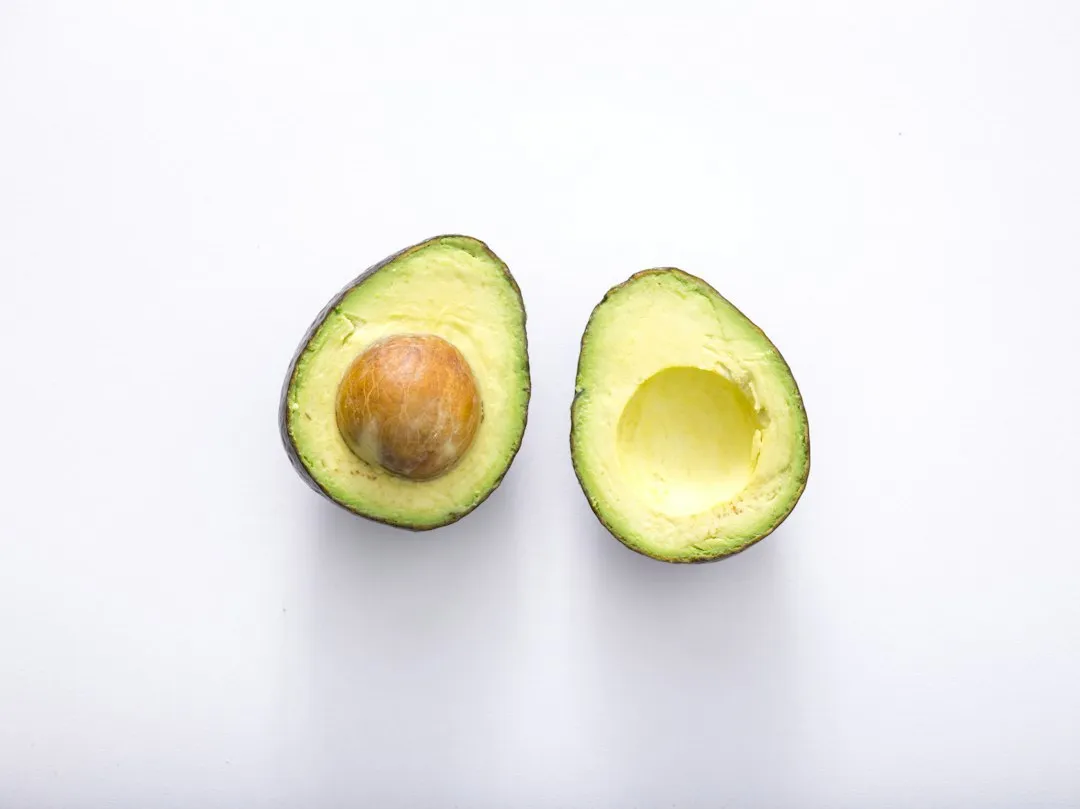
Research suggests that replacing certain nutrients like potassium, sodium, and magnesium through foods such as avocados may help reduce muscle cramps. What makes avocados particularly useful is that they deliver two important electrolytes at once rather than just one.
An avocado contains roughly 975 milligrams of potassium, which is twice as much as a sweet potato or banana. Potassium is important because it helps your muscles work and keeps your heart healthy. Avocados are also packed with magnesium, making them a genuinely well-rounded option for people managing cramp frequency. Adding half an avocado to your lunch or dinner a few times a week is one of the simpler dietary shifts you can make.
3. Leafy Greens: Magnesium Where It Actually Counts
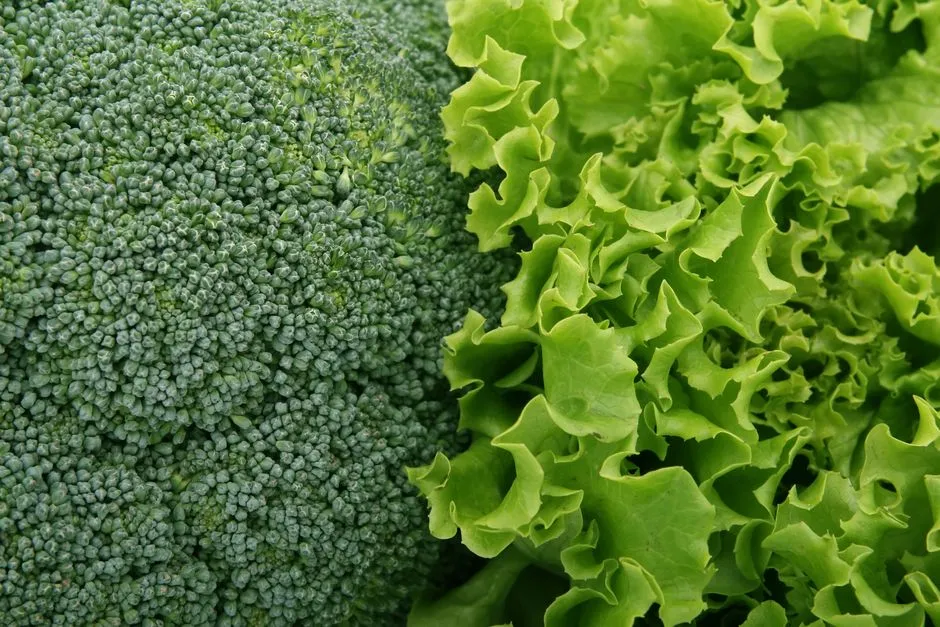
Magnesium is found in a variety of foods, including leafy greens, fish, nuts, and whole grains. Spinach, Swiss chard, and beet greens are among the densest sources, and they tend to be underrated compared to the supplement aisle versions of the same mineral.
Beet greens in particular offer a natural mix of key electrolytes such as potassium, along with nitrate-driven blood flow benefits and anti-inflammatory compounds that may help maintain muscle function, reduce fatigue, and potentially prevent cramps. Including them in your diet, especially around active periods, might help keep your muscles working more smoothly and reduce cramp frequency.
Magnesium works as a natural counterbalance to calcium inside muscle cells. When calcium floods in, muscles contract. Magnesium helps lower that intracellular calcium, allowing the muscle to relax. That mechanism is why magnesium-rich greens, eaten consistently, make nutritional sense for anyone dealing with recurring nighttime leg cramps.
4. Salmon: Anti-Inflammatory Support for Muscle Function

Salmon is a rich source of protein, anti-inflammatory healthy fats, and other essential nutrients that can aid in preventing muscle cramps, including vitamin B, potassium, magnesium, and phosphorus. It is also abundant in iron, a vital mineral required for the production of healthy blood cells, oxygenation of muscle tissues, and blood circulation, all of which are crucial for preventing muscle cramps.
The anti-inflammatory angle matters more than it’s often given credit for. Chronic low-grade muscle inflammation can increase the likelihood and intensity of cramping episodes. Eating fatty fish like salmon two to three times a week covers multiple nutritional bases simultaneously, rather than relying on any single nutrient in isolation.
5. Fermented Foods: The Pickle Juice Effect

Fermented foods such as pickles and kimchi are typically high in sodium and other nutrients that may help reduce muscle cramps. Along with sauerkraut, they are rich in electrolytes like sodium and may be a good choice for those who experience frequent muscle cramps.
Pickle juice is often consumed by athletes to prevent or relieve muscle cramps, and its use spans sports such as gridiron football, soccer, tennis, and ice hockey. Research suggests the effect works within seconds, which is much faster than any mineral could be absorbed through digestion. Keeping a small jar of pickle juice in the fridge is a practical backup for people who get cramps at night. Mustard, which contains a similar type of acid in the form of vinegar, is sometimes used the same way, though the evidence is strongest for pickle juice specifically. The leading theory is that it triggers a nerve reflex rather than simply restoring electrolytes.
6. Vitamin K2-Rich Foods: The Newest and Most Compelling Evidence

Painful leg cramps that interfere with restful sleep were reduced among people who received vitamin K2 compared with a placebo in a clinical trial. The trial included men and women aged 65 years and older who experienced two or more episodes of nocturnal leg cramps during a two-week screening period, and 199 people were randomized to receive vitamin K2 daily for eight weeks.
Among those who received vitamin K2, leg cramps were reduced from an average of 2.6 to 0.96 per week, while cramps actually increased in the placebo group. Participants who received vitamin K2 also had a greater reduction in leg cramp severity and duration of cramping compared with the placebo group. This was published in JAMA Internal Medicine in December 2024, making it one of the most significant and recent pieces of clinical evidence in this area.
Foods naturally rich in vitamin K2 include natto (a fermented soybean product), aged hard cheeses like Gouda and Edam, egg yolks, and chicken liver. New research has shown that vitamin K can help with reducing painful nighttime leg cramps, and this trial gives that claim substantially more weight than it had before. The trial used a supplement form, but building dietary K2 intake through food is a reasonable parallel strategy worth discussing with a healthcare provider.
How Electrolyte Balance Ties It All Together

Muscle cramps may be caused by dehydration or electrolyte imbalance, so hydrating, potassium-rich foods are among those most commonly recommended. Potassium and magnesium are critical electrolytes, and both are important for conducting electrical charges in the body, which enable your muscles to contract and relax normally.
What actually matters most is whether you’re deficient in one or both minerals, because that changes the picture entirely. Someone eating a balanced diet full of leafy greens, legumes, and whole foods is in a very different position from someone eating mostly processed foods low in these nutrients. Diet quality, not just individual foods, drives the most meaningful change.
What the Research Actually Says About Magnesium

A systematic review and meta-analysis found that magnesium supplementation has the most consistent evidence for reducing muscle cramps, with clear benefit in pregnancy but mixed findings in nocturnal and chronic leg cramps. This nuance is worth understanding before loading up on supplements.
Neither magnesium nor potassium is a clear winner for leg cramps, and clinical evidence for both is weaker than supplement marketing suggests. Magnesium has been studied more directly for cramps, but rigorous trials show it doesn’t significantly reduce cramp frequency in most people. Studies from the NIH estimate nearly half of Americans consume less than the estimated average requirement for magnesium, which means getting it through real food first is always a sensible starting point before turning to supplements.
Foods That Combine Multiple Cramp-Fighting Nutrients

Legumes like beans and lentils are packed with magnesium. One cup of cooked lentils has about 71 milligrams of magnesium, and a cup of cooked black beans has nearly double that amount. These foods also deliver potassium and protein, making them genuinely practical additions to an anti-cramp diet rather than niche choices.
A spinach salad with black beans, avocado, and pumpkin seeds can deliver over 200 milligrams of magnesium along with substantial potassium in a single meal. That kind of overlap is what makes strategic meal planning far more effective than chasing one mineral at a time. Small, consistent choices over days and weeks build the kind of nutritional foundation that can genuinely reduce cramp frequency.
Who Is Most at Risk for Nocturnal Leg Cramps?

Clinical trials on nocturnal leg cramps have focused primarily on men and women aged 65 and older, who appear to experience higher rates of these episodes. Pregnant women are also more likely to experience leg cramps at night. These two groups tend to have higher nutritional demands or specific deficiencies that dietary adjustments can meaningfully address.
People with type 2 diabetes are also highly prone to muscle cramps, particularly in their legs. Leg cramps may be due to a variety of nutritional deficiencies or an underlying health condition, and a deficiency in magnesium is one possible cause. For anyone in a higher-risk group, a conversation with a doctor about dietary gaps and underlying causes is a reasonable first step.
The Takeaway

The science here is genuinely mixed in places, and it would be misleading to promise that any single food will eliminate nighttime leg cramps. What the research does support is that consistent electrolyte intake through real food, particularly potassium-rich and magnesium-rich options, creates the kind of nutritional environment where cramps are less likely to occur. The 2024 JAMA trial on vitamin K2 is the most striking recent development and opens a new, evidence-based direction worth watching.
Diet isn’t always a substitute for medical attention, especially when cramps are frequent, severe, or linked to an underlying condition. Leg cramps can sometimes be a warning sign of deep vein thrombosis, in which dangerous blood clots form in your leg, so persistent cases always warrant a check-in with a healthcare provider. Still, for most people, the kitchen is a genuinely good place to start.
AI Disclaimer: This article was created with the assistance of AI tools and reviewed by a human editor.