

Bloating is one of those physical discomforts that can catch you off guard at almost any time. After a meal, after a stressful morning, or for seemingly no reason at all, that familiar tight and heavy feeling sets in. Bloating is essentially a buildup of gas that creates a feeling of fullness, and in most straightforward cases, it fades on its own after a few hours.
Many foods have been shown to help with bloating by promoting regularity, preventing fluid retention, and enhancing gut health. The six foods covered here work through distinct mechanisms, from enzyme activity to potassium balance to probiotic support, and each one has a real body of evidence behind it. It’s worth knowing which to reach for, and why.
1. Ginger: The Fast-Acting Root
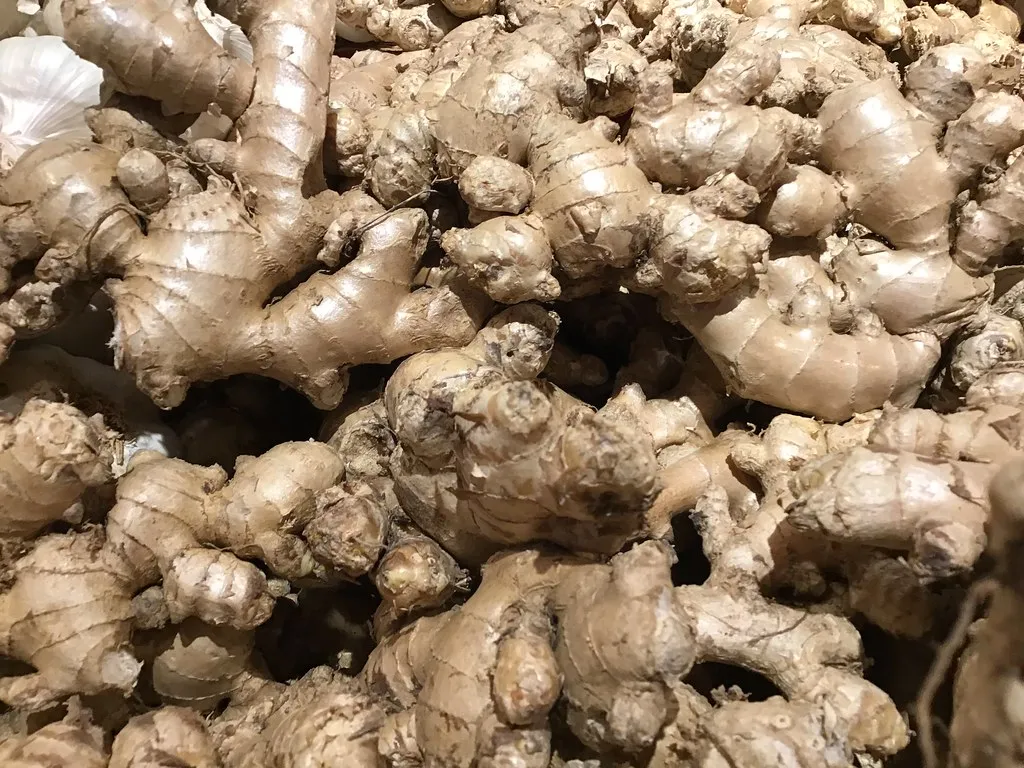
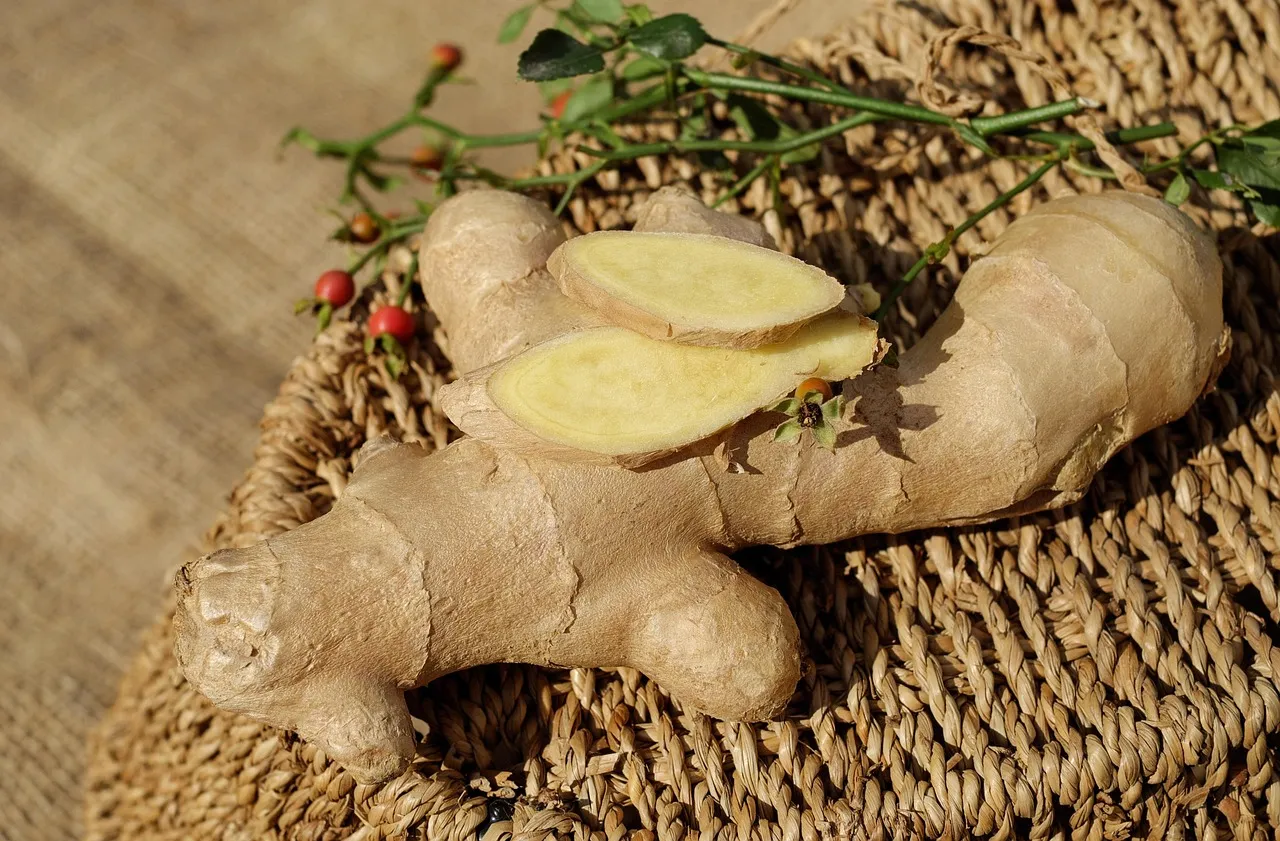
Ginger has earned its reputation as a digestive powerhouse, and the science backs it up. Research published in the World Journal of Gastroenterology found that ginger accelerates gastric emptying by up to 25%, meaning food moves through your stomach faster, reducing fermentation and gas buildup. That acceleration alone makes a real difference when you’re feeling uncomfortably full after eating.
Ginger contains natural compounds called gingerols and shogaols that have anti-inflammatory properties. These compounds relax the intestinal muscles, allowing trapped gas to pass more easily. A systematic review published in Food Science and Nutrition reviewed 109 clinical studies and concluded that ginger has documented carminative effects, reduces intestinal cramping, decreases lower esophageal sphincter pressure, and prevents dyspepsia, flatulence, and bloating.
Key findings from clinical research showed that ginger significantly reduced overall IBS symptoms and improved quality of life compared to a placebo. It also improved specific IBS symptoms, including bloating, abdominal pain, and gas. Ginger is generally safe for most adults at culinary and supplement doses of one to two grams per day, but it can interact with blood thinners and should be used with caution during pregnancy.
2. Yogurt: Probiotics That Work Over Time

Yogurt is packed with probiotics, beneficial bacteria that play a key role in gut health. Probiotics have been shown to reduce bloating and abdominal distension caused by IBS, a common condition that affects the large intestine. The key here is choosing the right kind of yogurt, not just any container off the shelf.
Strains like L. acidophilus, Bifidobacterium, L. rhamnosus, and L. casei are the ones that show up most in studies on bloating and digestion. A 2025 review of dozens of studies found that products with multiple types of bacteria reduced bloating. The starter cultures alone, the ones legally required to be in all yogurt, don’t have much research behind them for this purpose.
The research supports eating yogurt with multiple live cultures every day for at least two to three weeks. It can help with mild, occasional bloating. For people with lactose sensitivity or IBS, however, yogurt can sometimes make bloating worse. If you’re unsure, start with small amounts and observe how your body responds.
3. Cucumber: Hydration as a Bloating Remedy

Cucumbers are composed of about 95% water. That high water content is not just refreshing; it plays a genuine role in reducing the kind of bloating linked to dehydration and water retention. Cucumbers are great for relieving bloating and helping you stay hydrated. Eating foods with a high water content can help ensure you meet your daily fluid needs, which prevents water retention and alleviates bloating caused by dehydration.
Some research suggests that cucumbers may also help relieve symptoms of irritable bowel syndrome, such as bloating, abdominal pain, and diarrhea. Incorporating cucumbers into the daily diet can help balance sodium levels, promote the elimination of excess fluids, and facilitate the release of trapped gas in the digestive system.
Cucumber is one of the most practical options on this list because it requires no preparation, no cooking, and no timing around meals. It works quietly, and it works consistently for the specific type of bloating driven by fluid imbalance.
4. Banana: Potassium Against Water Retention
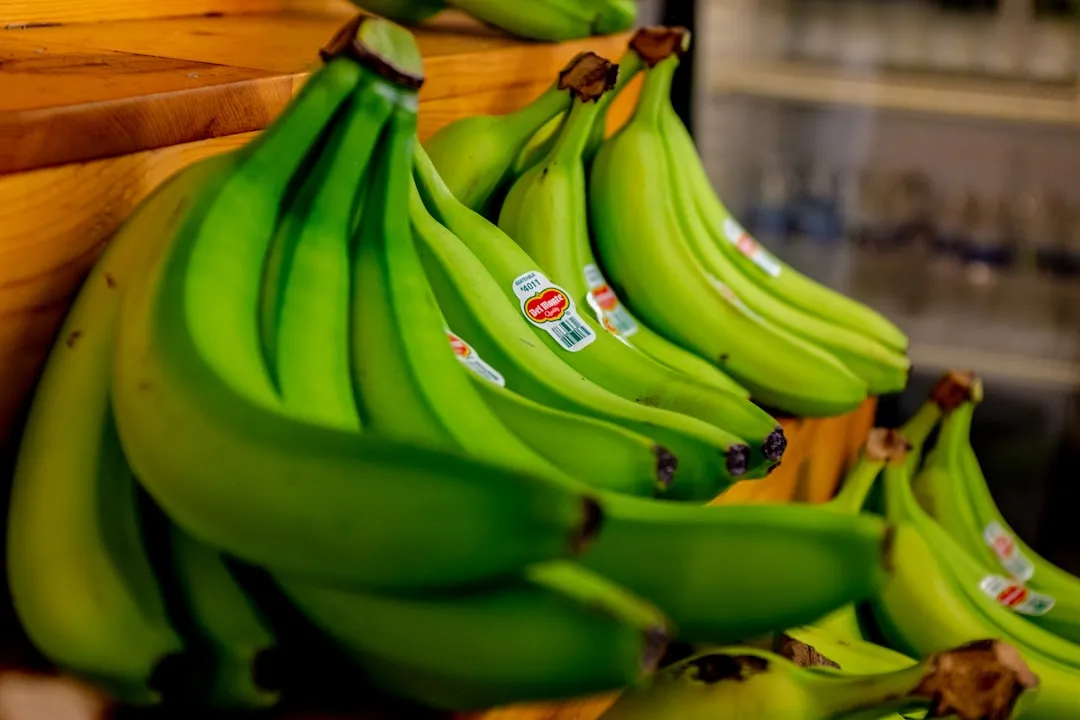
Bananas are rich in potassium, a nutrient that supports a healthy fluid balance, and in turn, this may prevent bloating and water retention. This mechanism is especially relevant when bloating follows a salty meal. Potassium essentially counteracts sodium’s tendency to hold water in the body’s tissues.
One medium banana packs 422 mg of potassium, which helps balance sodium and cut water retention. Bananas are also high in fiber, which moves slowly through your digestive tract to support regularity and help prevent constipation and bloating. Fiber and potassium together make this a well-rounded option.
Consuming slightly green bananas is particularly recommended for reducing bloating, as they contain more resistant starch and less fermentable sugar, making them effective in relieving bloating and preventing constipation. Fully ripe bananas still offer potassium benefits, but the greener variety tends to be gentler on gas production.
5. Fennel: The Antispasmodic Seed
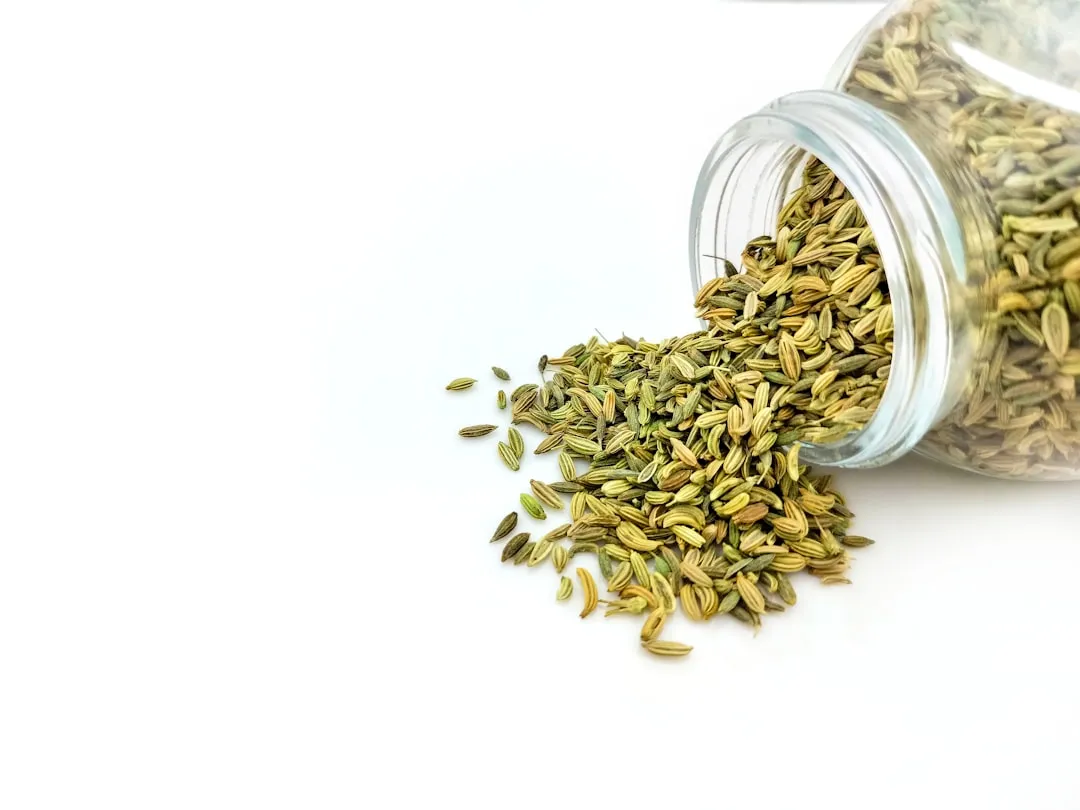
The compounds anethole, fenchone, and estragole in fennel seeds possess antispasmodic and anti-inflammatory properties, which assist in relaxing the intestinal muscles and reducing bloating. These aren’t vague wellness claims; these compounds have been identified and studied for their specific effects on smooth muscle in the gut.
Fennel also has natural diuretic effects, aiding in the elimination of gas from the digestive tract. Fennel is included among the scientifically recognized options for reducing a bloated stomach. You can consume it as seeds chewed directly after a meal, steeped as a tea, or eaten as the raw vegetable.
Fennel is particularly useful for the cramping and pressure type of bloating, rather than the water-retention kind. Its muscle-relaxing properties can bring noticeable relief within a relatively short window after eating. The seeds are inexpensive and easy to keep on hand for moments when you need something quick.
6. Papaya: The Digestive Enzyme Fruit
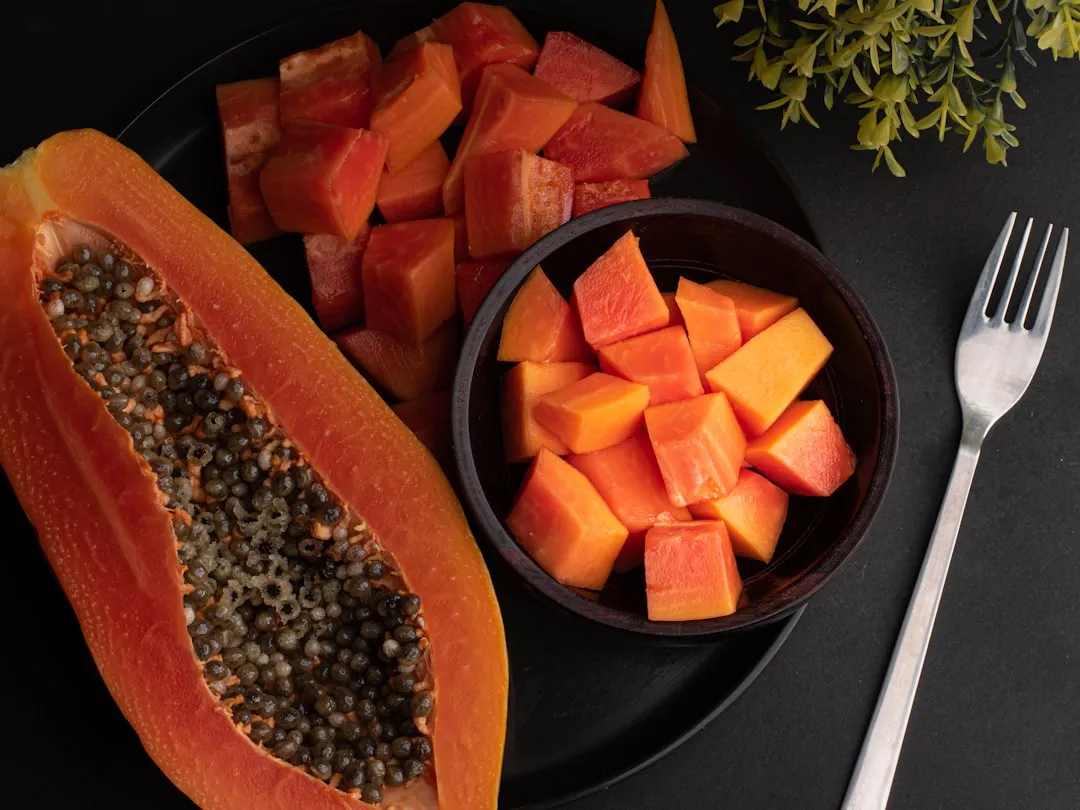
Papain is a proteolytic enzyme extracted from the raw fruit of the papaya plant. Proteolytic enzymes help break proteins down into smaller protein fragments called peptides and amino acids. This breakdown process is central to why papaya is considered a digestive aid: incomplete protein digestion is a common source of fermentation and bloating in the gut.
Papaya contains papain, fiber, and water, which together support protein digestion and bowel regularity. People with IBS reported significant improvements in constipation and bloating after taking concentrated papaya enzymes daily for 40 days. It’s worth noting that this particular study used a supplement form rather than whole fruit, so results with fresh papaya may vary.
Scientific evidence now supports what traditional cultures have known for centuries: papaya is a powerful ally in digestive health. Whether consumed as a fresh fruit or in concentrated form, its enzymes, vitamins, and alkalizing properties make it an excellent natural option for bloating, heartburn, constipation, and indigestion. Papaya is a supportive tool rather than a cure, and red flags requiring a doctor include severe pain, persistent bloating beyond two weeks, unexplained weight loss, or blood in stool.
Understanding What Kind of Bloating You Have

Bloating is the sensation that there is pressure built up in the gut, and abdominal tenderness, distension, and pain can come with it. It is mainly caused by an excess of intestinal gas. However, not every case of bloating has the same root cause, and that matters when choosing which food to try first.
Some debloating foods work within a few hours by calming gas or flushing water. Others, like fiber and fermented foods, work over several days by improving how your gut moves food. Ginger and peppermint lean toward immediate relief, while yogurt and fiber-rich foods work better as consistent daily choices.
Avoiding known triggers like lactose, sugar alcohols, and foods high in FODMAPs can make bloating less likely to happen in the first place. Combining trigger avoidance with strategic additions from this list tends to give better results than either approach alone.
How to Combine These Foods for Better Results

These foods have strong scientific evidence and work through different mechanisms, including digestive enzymes, probiotics, natural diuretics, and muscle relaxants. That variety means combining two or three of them in a meal or over the course of a day can address bloating from multiple angles simultaneously.
A simple example: a banana with plain probiotic yogurt and sliced cucumber targets water retention, gut bacteria balance, and hydration in one sitting. Adding fresh ginger tea afterward addresses motility and gas. The best debloating foods are water-rich produce like cucumber and watermelon, potassium-rich foods like banana, avocado, and sweet potato, fermented foods like yogurt, kefir, and kimchi, and soothing herbs like ginger, peppermint, and fennel.
None of these need to be consumed in therapeutic doses to offer benefit. Small, regular servings tend to work better than large, occasional ones, particularly with probiotics and fiber-containing foods where consistency matters most.
What the Research Actually Shows (Honestly)
Most research on foods for bloating has focused on probiotics, and even that evidence is not entirely conclusive. Probiotics containing bifidobacteria may be useful for bloating, and there is also some evidence that kiwi fruit extract may be helpful. Ginger arguably has the strongest short-term evidence among whole foods.
In general, while the evidence is not entirely consistent, a growing body of research suggests that ginger may have a positive effect on gastric emptying in various populations, including those with dyspepsia, diabetes-related gastroparesis, and chemotherapy-induced nausea. For papaya, including papaya in your diet may aid digestion and reduce GERD symptoms, but scientific evidence for papain’s direct effect on digestion in humans is still considered limited.
The honest picture is that most of these foods are well-tolerated, low risk, and supported by meaningful if not always definitive evidence. They are worth trying, and they are far safer starting points than reaching for over-the-counter supplements with less transparent ingredient lists.
When to See a Doctor About Bloating

If your bloating sticks around after a day or two or starts to get worse, see a healthcare professional. They can make sure nothing more serious is going on. Dietary changes can do a lot, but they are not substitutes for medical evaluation when symptoms are persistent or escalating.
Red flags requiring a doctor include severe pain, persistent bloating beyond two weeks, unexplained weight loss, or blood in stool. Various factors contribute to bloating, including overeating or eating too quickly, food intolerances like lactose or gluten, low digestive enzyme levels, high-sodium diets that promote water retention, and stress and anxiety that impact digestion.
A registered dietitian can help identify specific food intolerances or dietary patterns driving your symptoms, especially if bloating is recurring and no obvious trigger is clear. The foods covered here are excellent starting points, but chronic or severe bloating deserves a proper clinical look.
The Takeaway

Bloating is rarely a mystery once you understand the mechanisms behind it. Gas buildup, water retention, slow gastric emptying, and gut bacteria imbalance each respond to different foods, and that’s what makes the six options here so practical. They’re not miracle cures, but they are genuinely supported by evidence and easy to add to any regular diet.
Ginger for speed, yogurt for the long game, cucumber and banana for fluid balance, fennel for cramping, and papaya for enzyme support. Each one brings something distinct to the table. The real value comes from knowing which type of bloating you’re dealing with and choosing accordingly, rather than guessing or simply suffering through it.
AI Disclaimer: This article was created with the assistance of AI tools and reviewed by a human editor.