
Cholesterol management does not always begin at the pharmacy. For many people, the first meaningful changes happen in the kitchen. A growing body of clinical research confirms that certain everyday foods can move the needle on LDL, the so-called “bad” cholesterol, in measurable and sometimes surprising ways.
The science here is not about miracle cures or extreme diets. It is about consistent, practical eating habits that work with your body’s own biology. Dietary changes are first-line treatment for elevated LDL according to the American Heart Association and American College of Cardiology guidelines, and they can produce results that genuinely surprise people. Here are six foods with solid, research-backed evidence behind them.
1. Oats: The Gut-Changing Grain
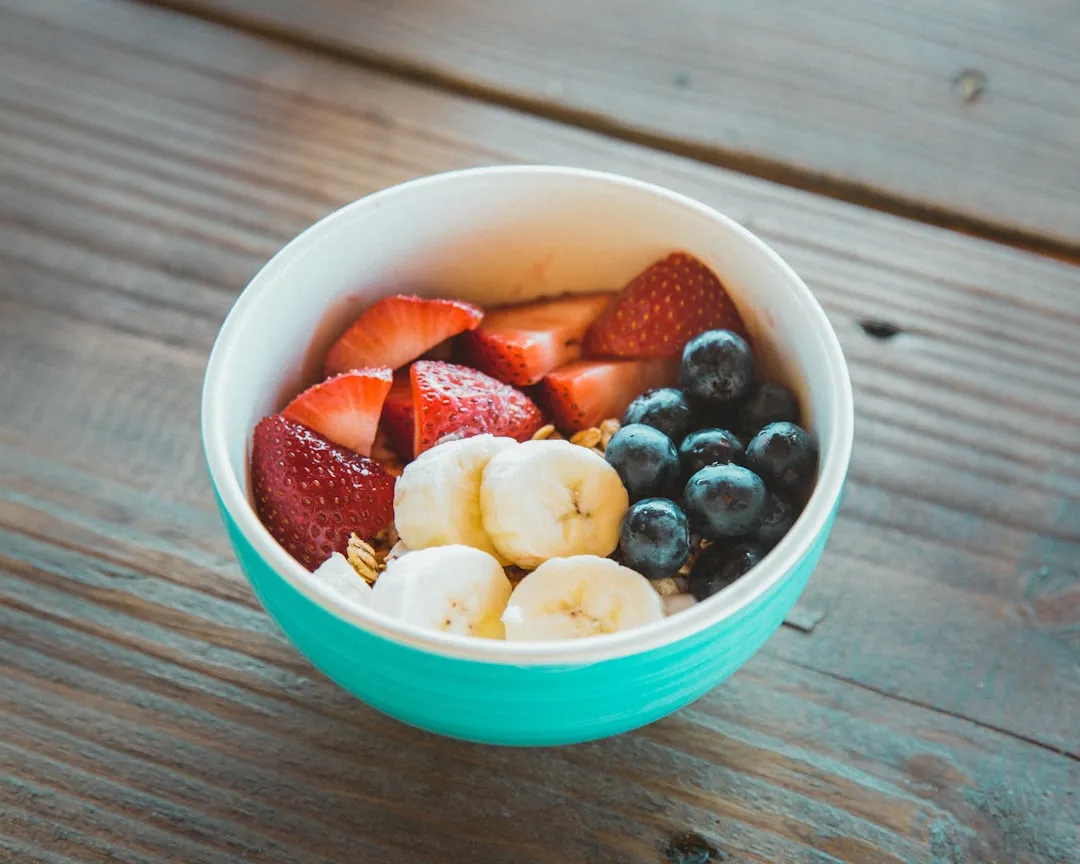
Oats have earned their reputation as a heart-friendly staple, and the science behind that reputation has recently become a lot more specific. A two-day oatmeal diet reduced LDL cholesterol levels by roughly ten percent in a landmark 2026 study by the University of Bonn, with heart health benefits persisting for six weeks. That is a meaningful drop from just 48 hours of eating one food.
The findings indicated that gut bacteria break down oats into two compounds, ferulic acid and dihydroferulic acid, which then act as chemical messengers that instruct the liver to process cholesterol more efficiently. This discovery reframes how researchers think about oats. It is not just the fiber acting mechanically in the gut; there is a genuine biochemical conversation happening with the microbiome.
The trial by the University of Bonn has been published in Nature Communications. A 2024 meta-analysis of 17 eligible trials with over 1,700 subjects also showed that oat-based products may result in a meaningful reduction in LDL-cholesterol with moderate certainty of evidence. The consistency across multiple studies makes oats one of the most credible dietary tools available for cholesterol management.
2. Avocados: Monounsaturated Fat Done Right
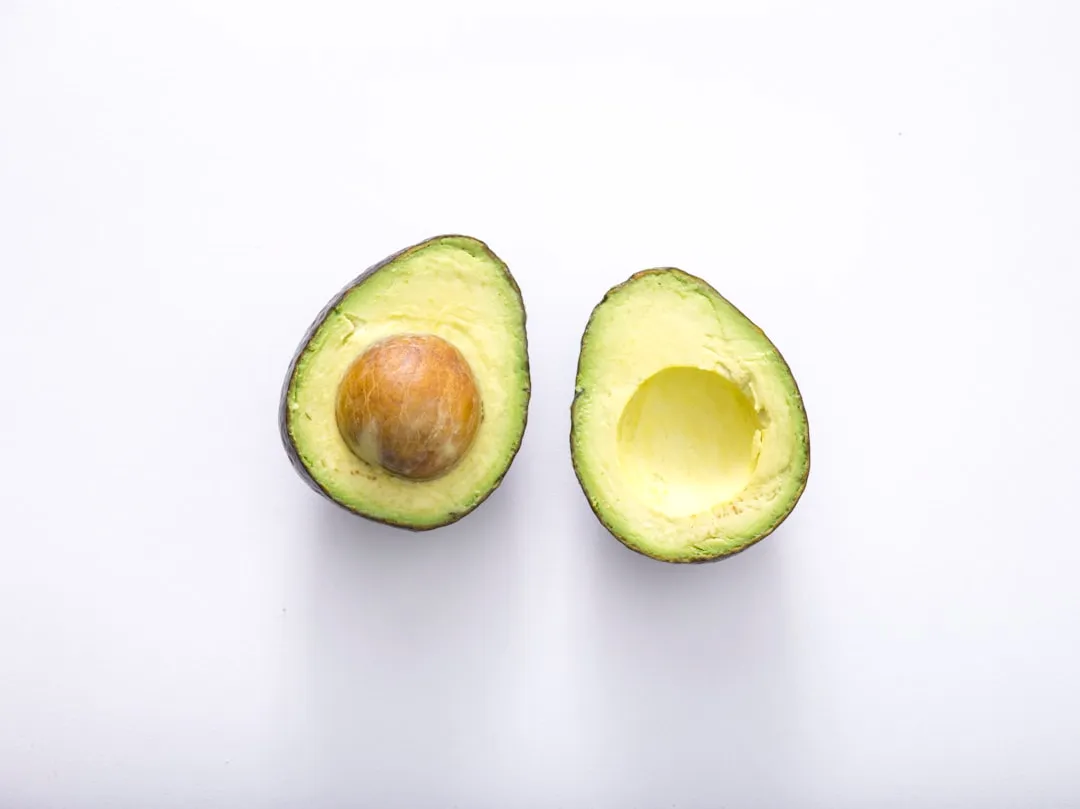
Avocados are one of the few foods where the evidence spans both short-term trials and longer observational research. Avocado is rich in monounsaturated fats, fiber, and phytochemicals and has been linked to favorable lipid and cardiometabolic outcomes. That combination of nutrients is part of what makes it effective on multiple fronts simultaneously.
Eating one avocado each day may modestly reduce heart disease risk in adults with obesity, according to research led by scientists in the Penn State Department of Nutritional Sciences, published in the Journal of Clinical Lipidology, which found that daily avocado consumption was linked to a lower concentration of LDL particles in the blood. Among participants assigned to eat one avocado per day, LDL particle concentrations fell by 49 nanomoles per liter, a change that corresponds to an estimated four percent reduction in heart disease risk.
A single avocado also brings roughly nine grams of fiber, around a third of the daily target for most adults, along with phytosterols that slow the gut’s absorption of cholesterol and prompt the liver to pull more LDL particles out of circulation. That fiber-plus-phytosterol combination is one of the reasons avocados stand apart from other high-fat foods.
3. Fatty Fish: Triglycerides and Beyond
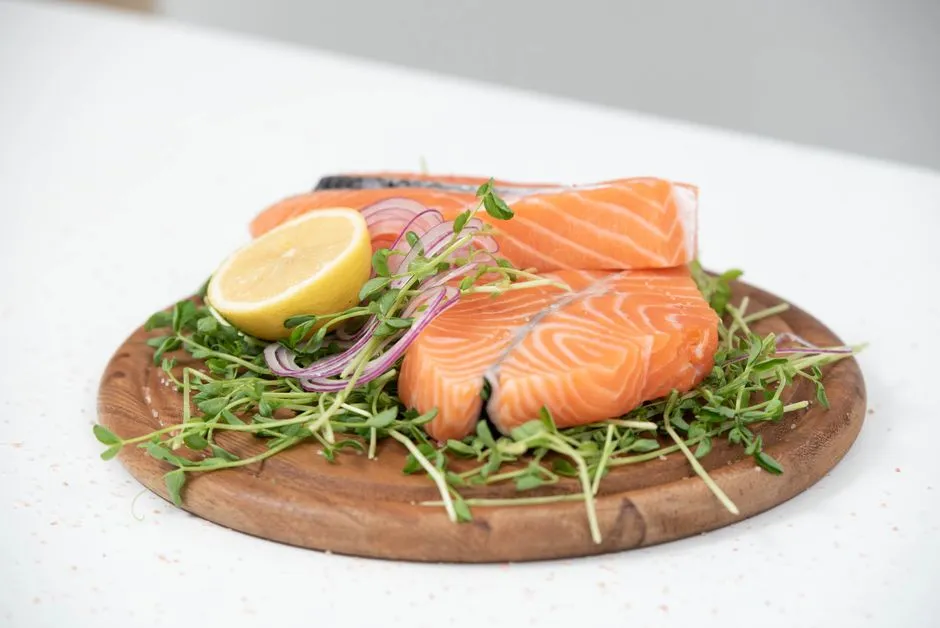
Fatty fish occupies a slightly different lane in the cholesterol conversation. Its primary strength is not necessarily lowering LDL directly, but rather addressing another important piece of the cardiovascular picture. Fish intake may help prevent metabolic syndrome, supported by an observed association between fish intake and reduction in plasma triglycerides and an increase in high-density lipoprotein cholesterol levels.
Omega-3 fatty acids in the form of EPA and DHA primarily lower triglycerides in a dose-dependent manner, with high doses reducing triglycerides by approximately twenty to thirty percent according to meta-analyses from 2023 to 2025. Elevated triglycerides are an independent cardiovascular risk factor, so targeting them matters even when LDL looks relatively stable.
Eating two servings of fatty fish per week is the general recommendation from the American Heart Association. It is worth noting, as Medical News Today reported in August 2025, that fish oil supplements behave differently from whole fish, and the picture for supplements is more complicated. Whole food sources like salmon, mackerel, and sardines remain the better-studied and more broadly recommended option.
4. Nuts: A Small Handful, a Real Difference

The research on nuts and cholesterol is substantial and has only grown more nuanced in recent years. A comprehensive review identified a consistent beneficial effect of most nuts, including walnuts, almonds, cashews, peanuts, and pistachios, across meta-analyses in decreasing total cholesterol and LDL-cholesterol. The effect is not limited to one variety. Most tree nuts pull in the same direction.
A large study analyzed the findings of 76 randomized trials to determine the effects of six types of nuts on specific blood lipid parameters, and every type of nut analyzed had a significant positive impact on some parameters. An updated 2024 systematic review also found that almond and walnut interventions showed the greatest LDL-cholesterol reductions among specific nut types.
After reviewing 26 studies, researchers concluded that a person may lower LDL cholesterol levels by eating walnuts, though the effect was more pronounced when walnuts contributed between ten and twenty-five percent of a person’s daily energy intake. A reasonable daily handful, rather than a small token serving, appears to be where the benefit really kicks in.
5. Legumes: The Underrated Workhorse
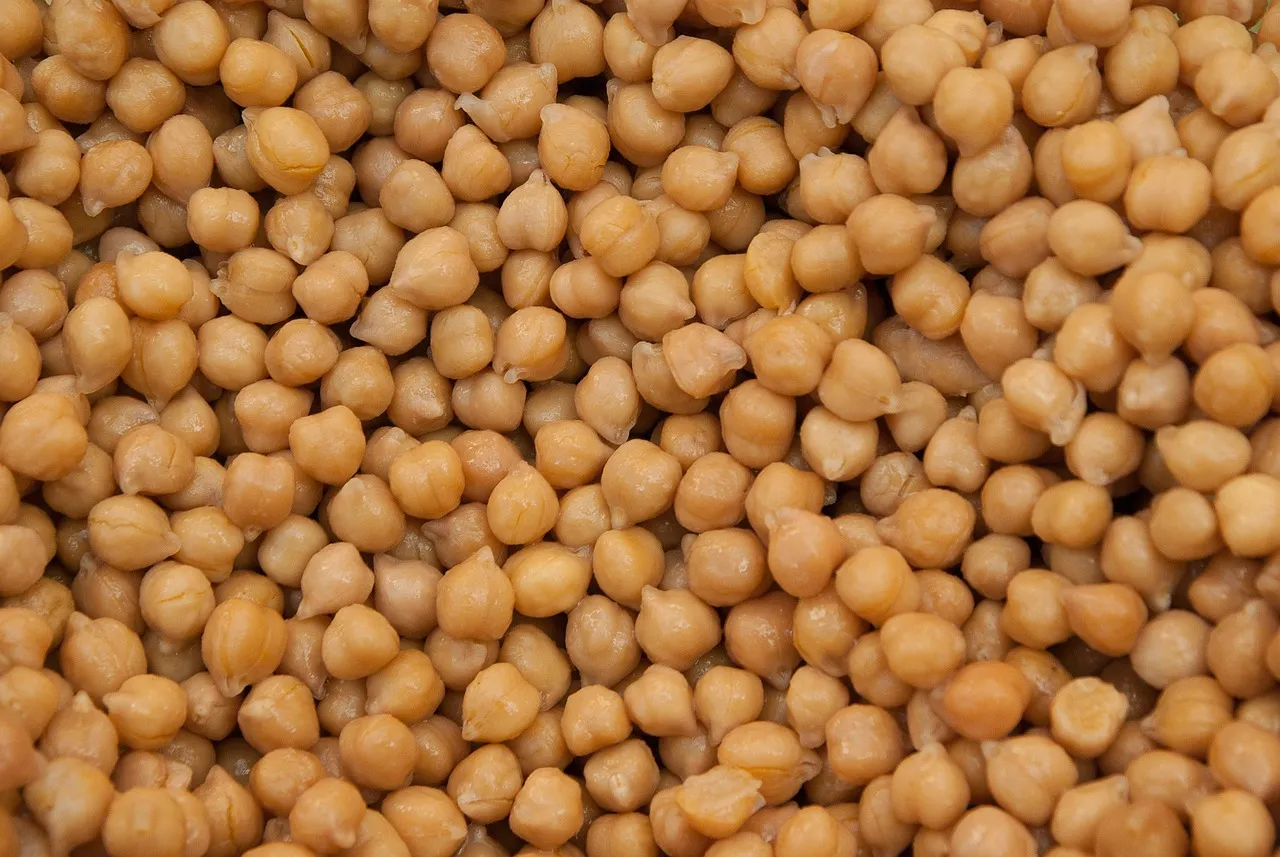
Beans, lentils, and chickpeas rarely get the dramatic headlines that other foods attract, but they are arguably among the most consistent performers in the cholesterol research. Legumes and pulses, including baked beans, kidney beans, chickpeas, lentils, and split peas, can help lower cholesterol levels. They do this primarily through their high soluble fiber content, which binds to cholesterol in the digestive tract before it can be absorbed.
Diets including pulses are associated with better cardiovascular profiles, including improved lipid levels, glycemia, and hemodynamics. A 2024 randomized controlled trial examined the effects of beans or peas individually, relative to rice, on LDL-cholesterol levels in adults with mild hypercholesterolemia. A separate study compared the effects of eating beans or white rice on LDL levels. After 29 days, the group who consumed one cup of beans each day had significantly lower LDL levels than on day one.
The fiber content of legumes also helps with blood sugar, which is a double benefit for anyone with metabolic concerns. Replacing refined grains or processed meats with legumes a few times a week is one of the more practical dietary shifts a person can make without overhauling everything at once.
6. Olive Oil: Polyphenols and Lipid Protection

Olive oil has long been associated with the heart-healthy Mediterranean diet, and the evidence continues to refine exactly how it works. Moderate to high-certainty evidence shows that virgin olive oil is beneficial in reducing serum total cholesterol and LDL concentrations. The polyphenols it contains appear to add a layer of protection that goes beyond simple fat substitution.
The intake of olive oil may be associated with reduced risk of cardiovascular disease, type 2 diabetes, and total mortality, based on prospective cohort studies reviewed for the Nordic Nutrition Recommendations 2023. That breadth of association across multiple health outcomes is part of what keeps olive oil near the top of dietary recommendations globally.
Healthy fats such as those in olive oil, avocados, nuts, and seeds can help lower LDL cholesterol, while it also helps to cut back on unhealthy fats found in fatty meats, butter, and full-fat dairy products. The substitution effect matters here. Olive oil works partly because of what you stop eating when you use it in place of saturated fats, not just because of what it adds on its own.
How These Foods Work Together
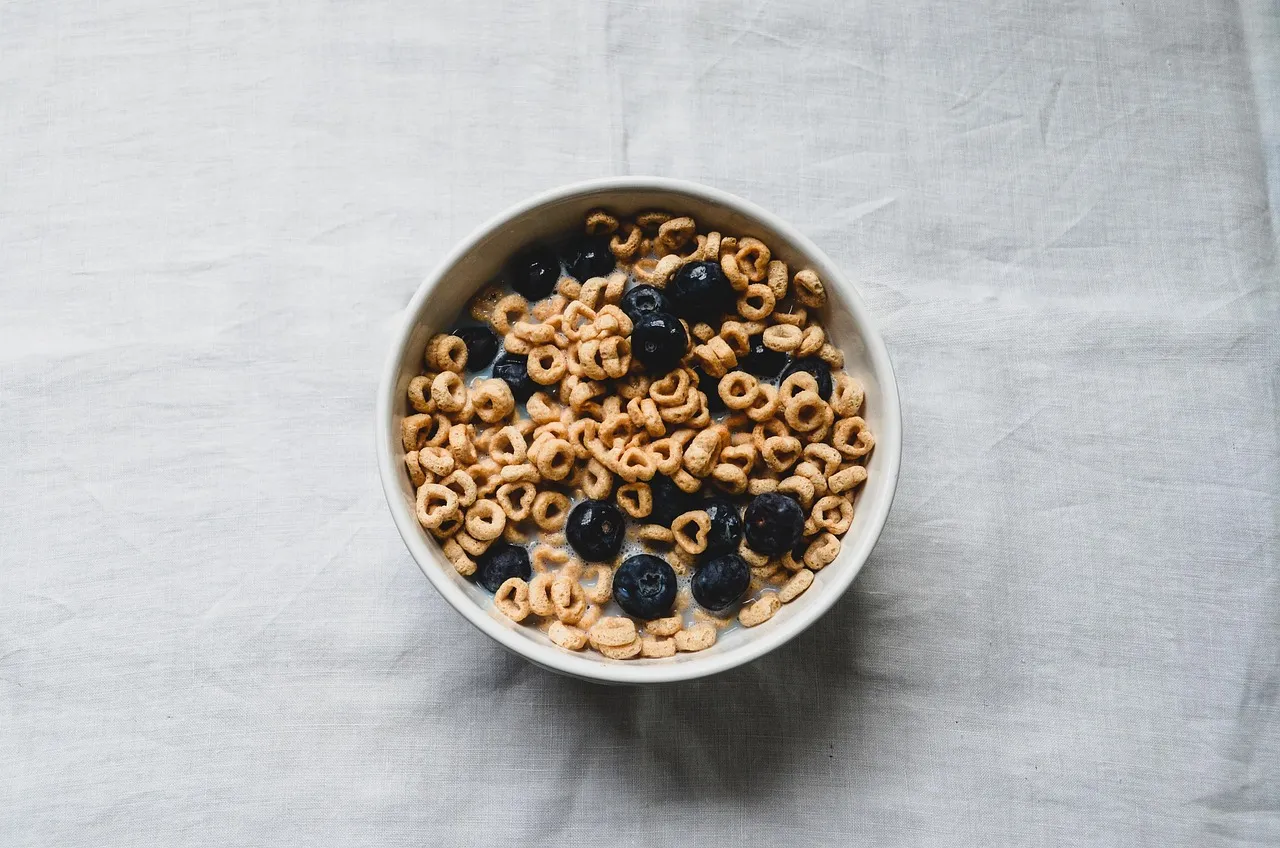
No single food is a standalone solution. The real power of dietary change comes from combining multiple cholesterol-friendly foods into a consistent pattern of eating. Soluble fiber from oats, beans, barley, and psyllium binds to cholesterol in the gut and removes it before absorption, while replacing saturated fat with unsaturated fat from olive oil, nuts, and avocado directly reduces LDL production.
The mechanisms are varied and complementary. Oats work through the microbiome. Avocados and olive oil shift the fat profile of the diet. Nuts add unsaturated fatty acids and phytosterols. Legumes deliver soluble fiber in bulk. Fatty fish targets triglycerides and inflammation. When several of these are in regular rotation, the combined effect can be genuinely meaningful.
The American Heart Association funded approximately 1,800 active research awards totaling nearly 500 million dollars in 2024 alone, much of it directed at understanding exactly how diet shapes cardiovascular risk. That level of investment reflects how seriously the scientific community takes diet as a primary prevention tool, not a second-tier option.
Important Considerations Before You Start
Food-based cholesterol management works best as part of a broader lifestyle picture. Sleep quality, physical activity, smoking status, and stress levels all interact with lipid metabolism. Diet is powerful, but it is one part of the system.
It is also worth being honest about expectations. Most dietary interventions produce gradual, incremental improvements over weeks to months. There is no one-size-fits-all recipe for perfect health. Individuals should pursue diets and lifestyle changes they can maintain consistently over a long period rather than short-term restrictive approaches.
Anyone with significantly elevated cholesterol, a family history of heart disease, or existing cardiovascular conditions should work with a healthcare professional before relying on dietary changes alone. Individuals seeking to lower their cholesterol should consult with a healthcare professional to discuss dietary and lifestyle changes, or to explore the possibility of using medication. Food and medicine are not always in competition. Sometimes they work best in tandem.
The Takeaway
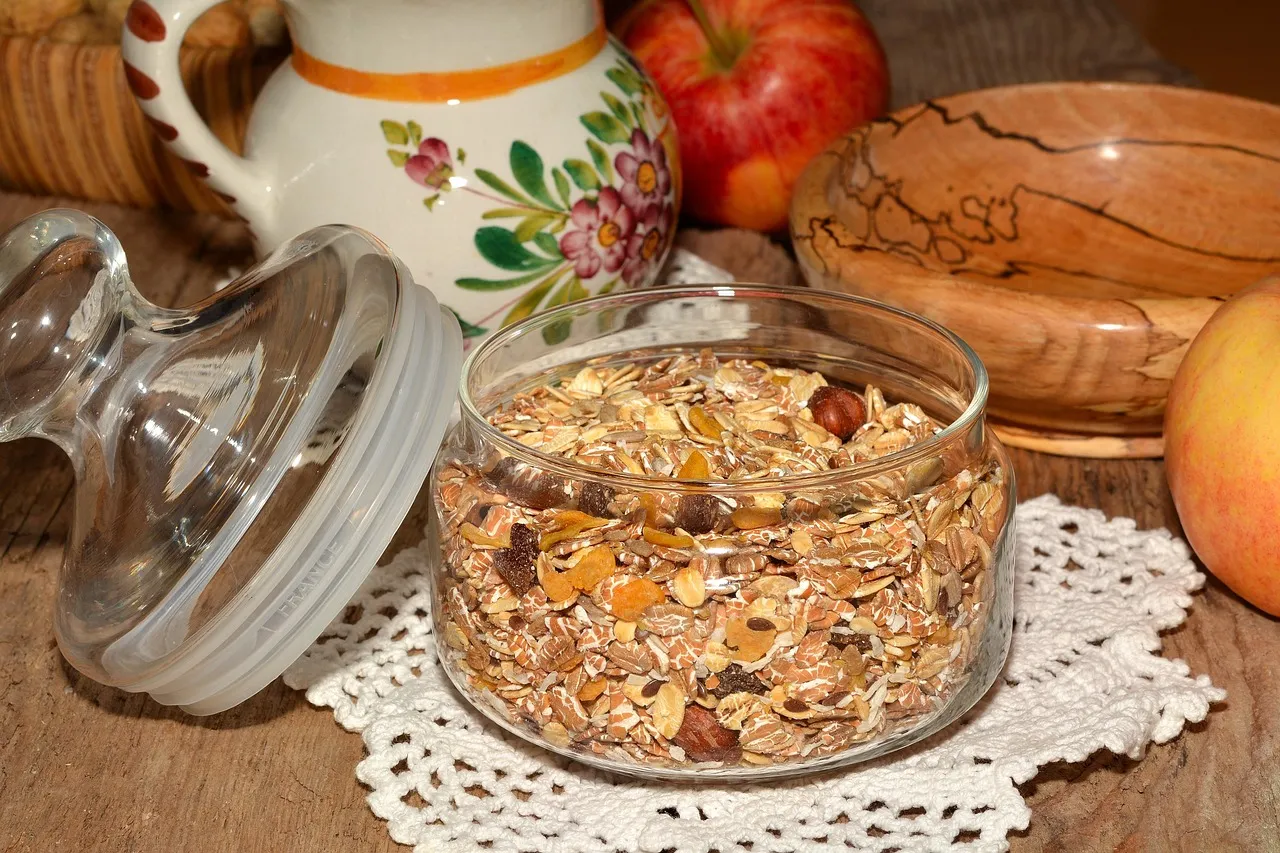
The evidence for these six foods is not theoretical. It comes from randomized controlled trials, systematic reviews, and long-term cohort studies published in peer-reviewed journals. Oats, avocados, fatty fish, nuts, legumes, and olive oil each have a distinct mechanism and a credible body of research behind them.
None of them require dramatic sacrifices or expensive supplements. They are ordinary foods that have been eaten for centuries in cultures with historically low rates of cardiovascular disease. That context matters as much as any individual study.
Consistency is what makes the difference. Eating a handful of walnuts once or adding avocado to a salad occasionally will not move your numbers. Weaving these foods into your regular weekly routine, steadily and without pressure, is where real change tends to happen.
AI Disclaimer: This article was created with the assistance of AI tools and reviewed by a human editor.