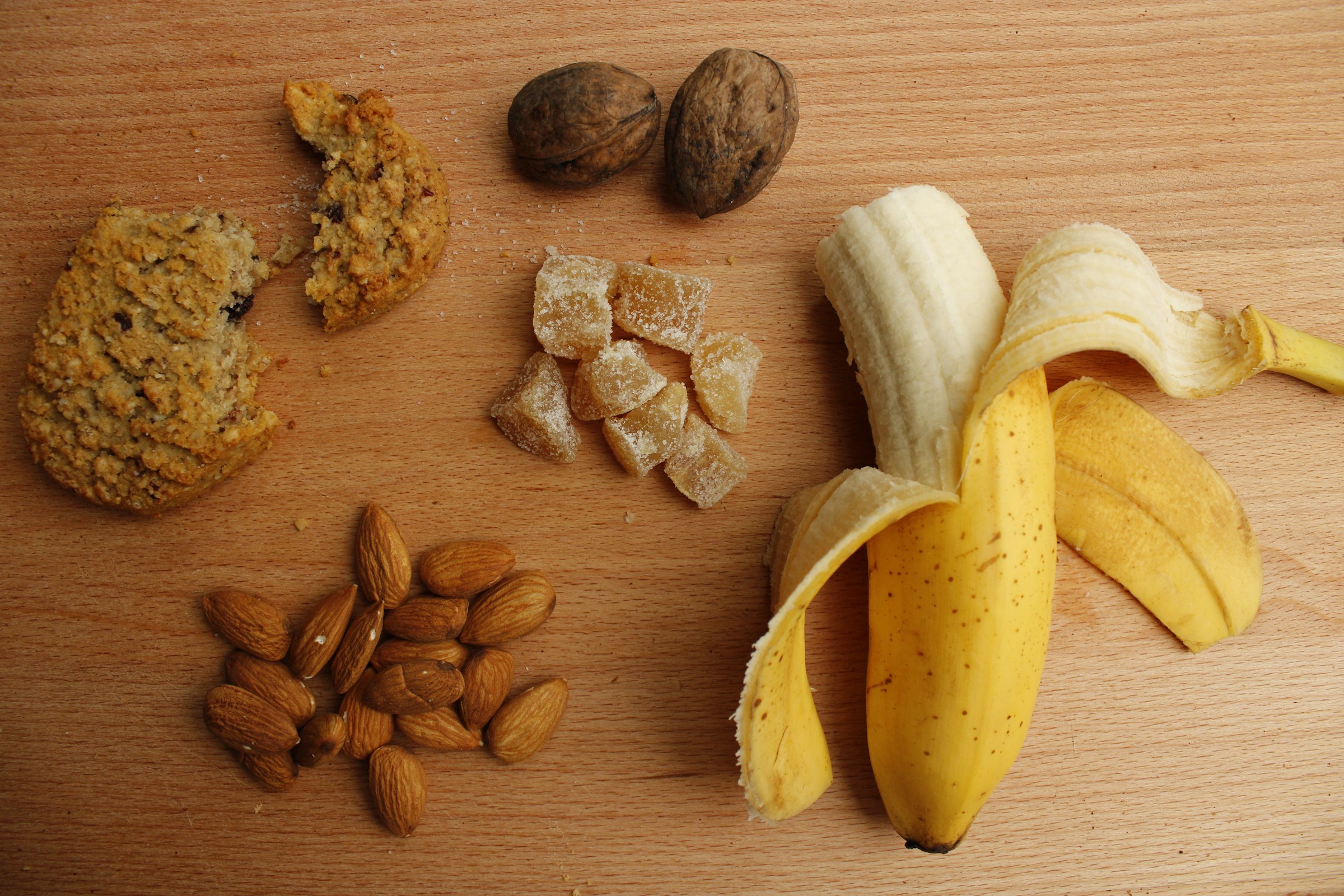

Most people eat more sodium than they realize. Processed foods, restaurant meals, and packaged snacks have pushed average intake well above what health authorities recommend, and the effects quietly add up over time. Too much sodium over time can lead to serious health concerns, including an increased risk of heart disease and high blood pressure. The good news is that certain everyday foods can actively help your body manage and excrete that excess.
Foods that support sodium excretion are typically rich in potassium, an electrolyte that counters the effects of sodium in the body. Potassium helps reduce sodium levels in two main ways: it increases sodium excretion in the urine and helps relax the walls of blood vessels, lowering blood pressure. Below are six foods worth adding to your regular diet, backed by solid nutritional science.
1. Bananas
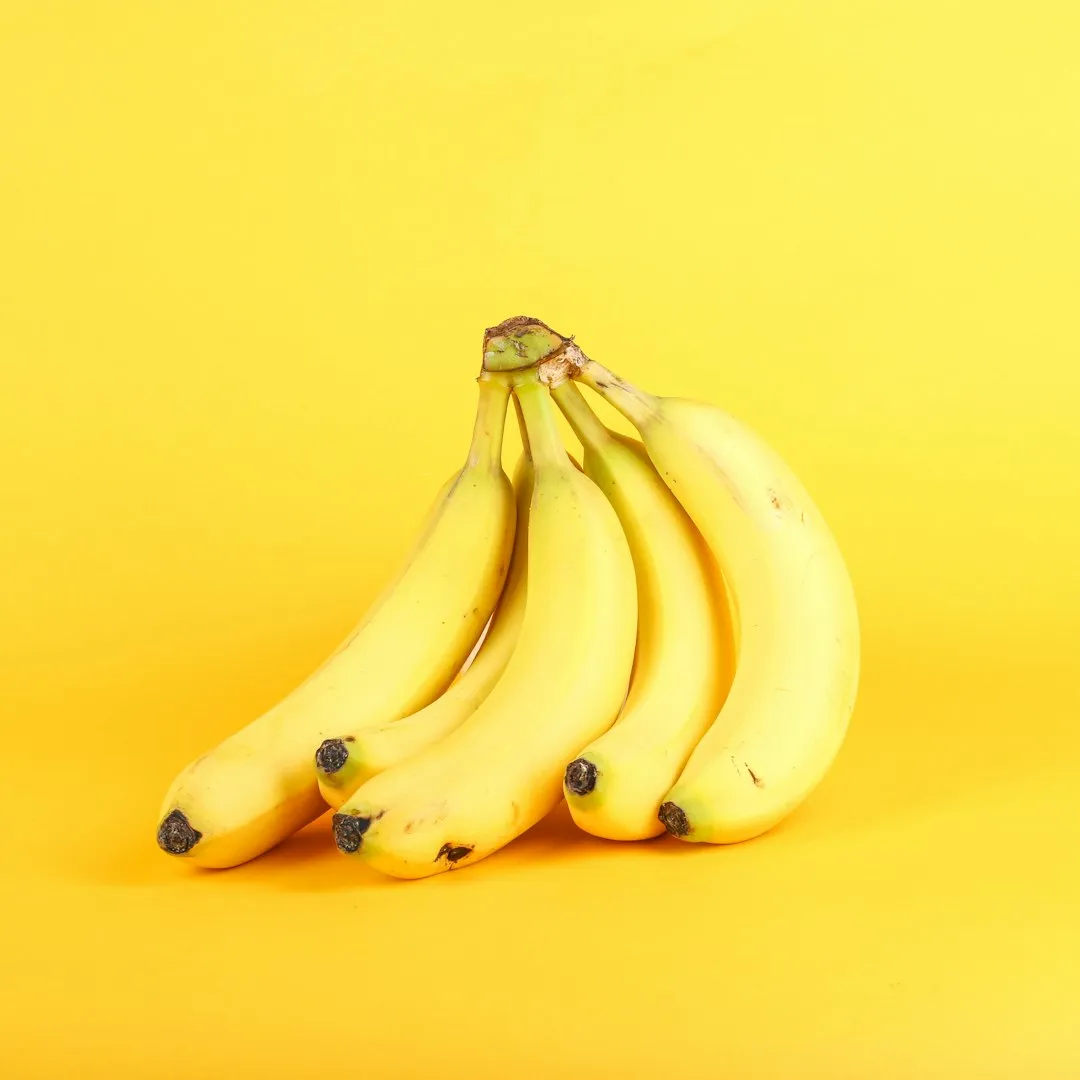
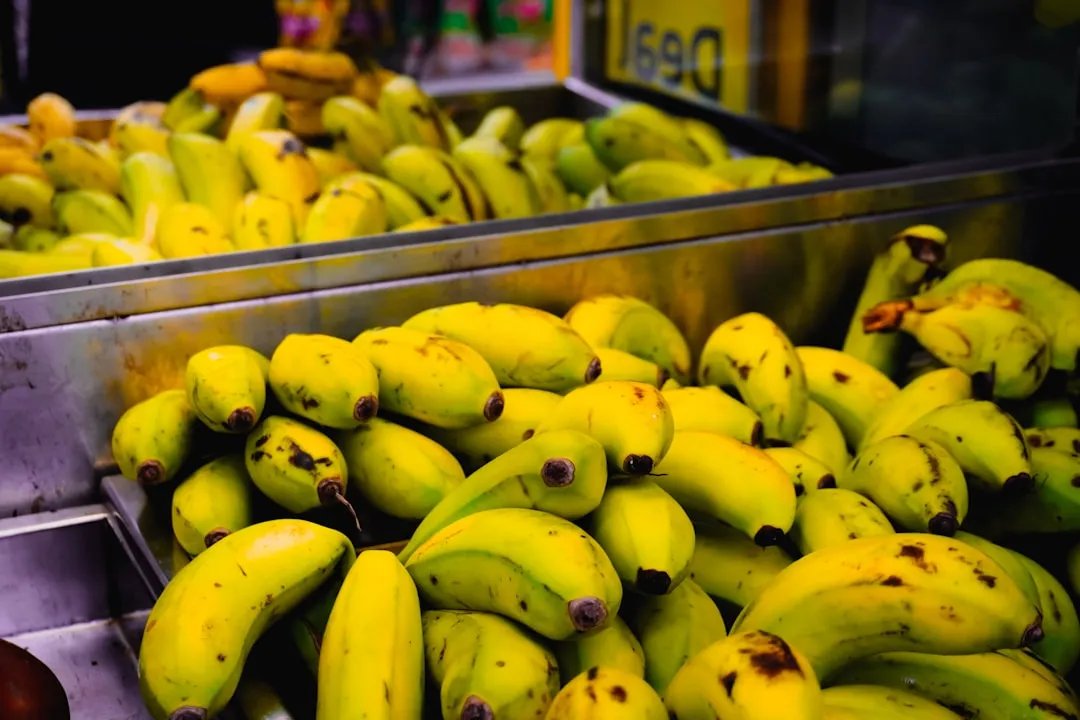
Bananas are one of the most accessible potassium-rich foods you can find. Rich in potassium, bananas help maintain the body’s electrolyte balance, providing your body with the tools needed to manage sodium levels efficiently. One medium banana provides about 422 milligrams of potassium.
Foods with potassium can help control blood pressure by blunting the effects of sodium. The more potassium you eat, the more sodium you process out of the body. It also helps relax blood vessel walls, which helps lower blood pressure. Bananas are an easy grab-and-go option that requires no preparation, making them one of the most practical foods for everyday sodium management.
2. Avocados
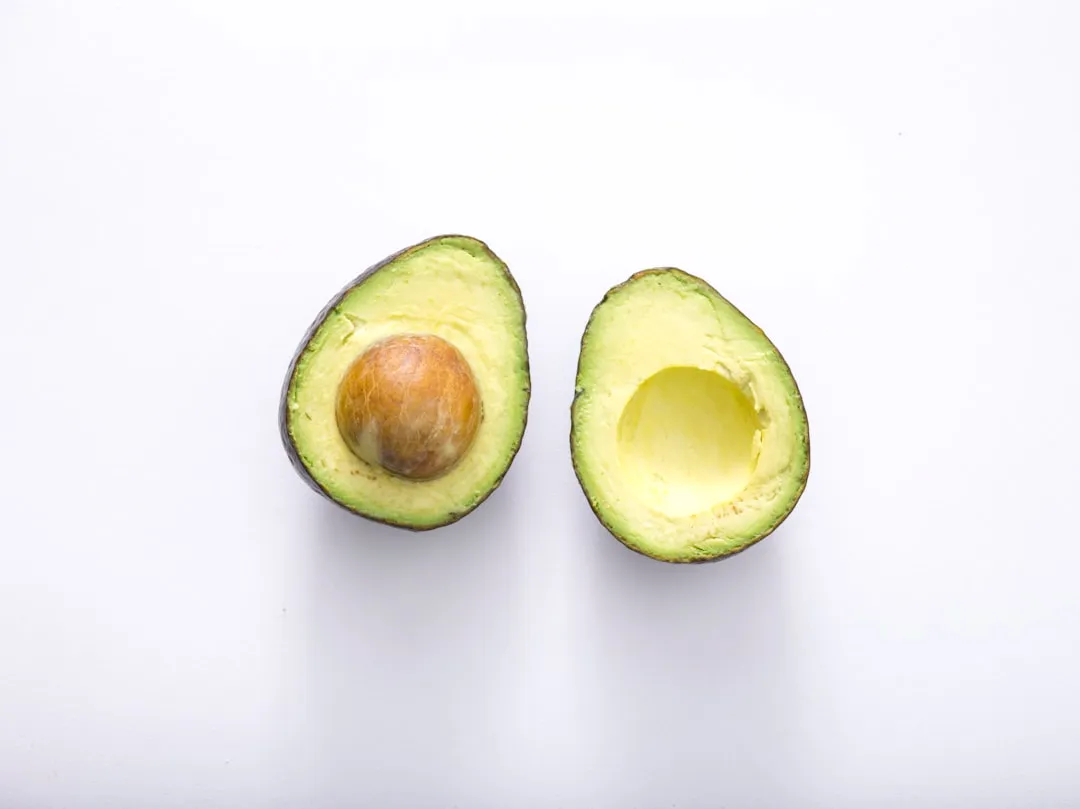
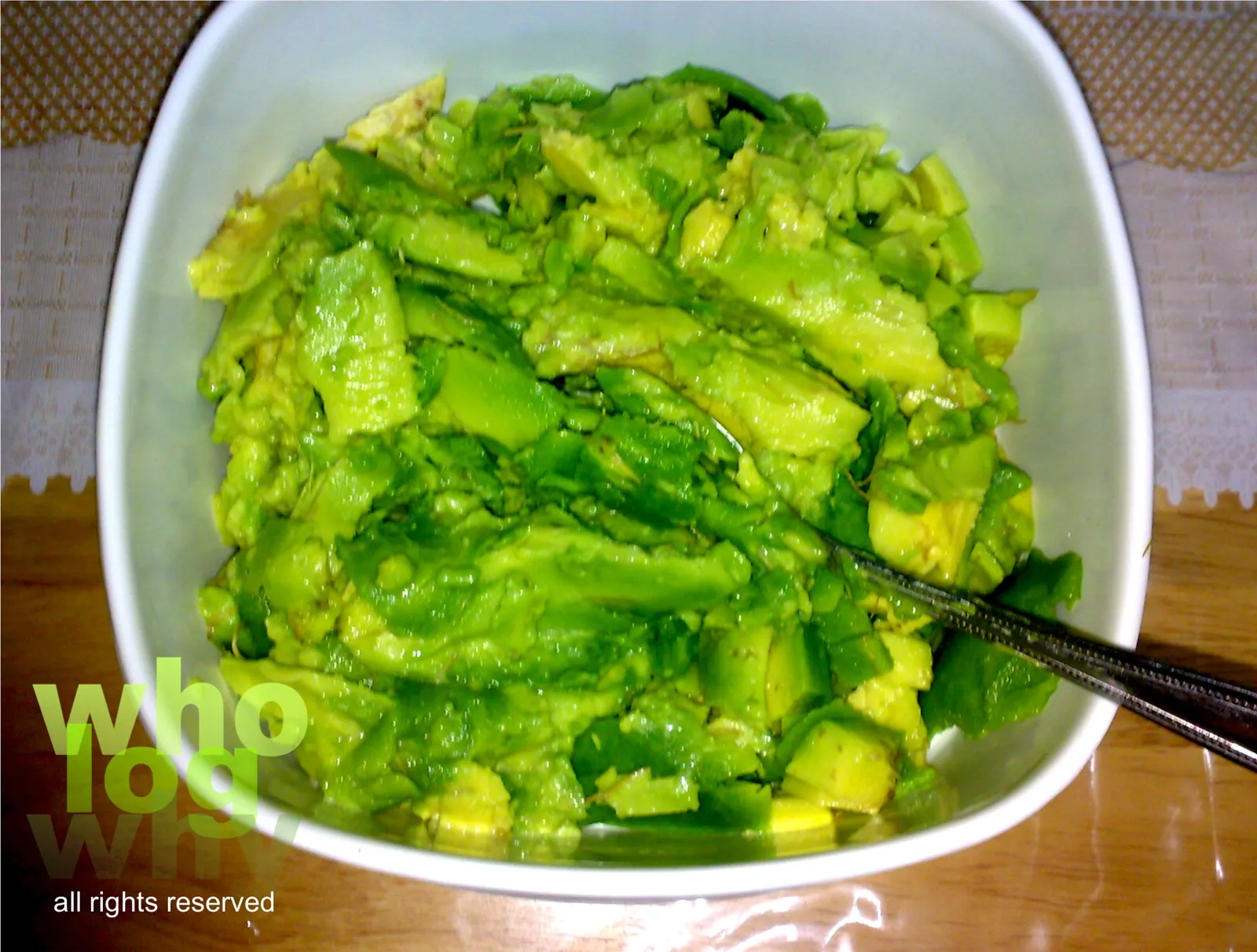
One medium avocado contains around 708 milligrams of potassium, making it one of the more potassium-dense whole foods available. Avocados may help you manage high blood pressure, especially if you need to increase your potassium intake and reduce your sodium intake. Like most other fruits, avocados are low in sodium.
Potassium has an opposite effect in the body compared to sodium – it can help relax blood vessels and increase sodium excretion while decreasing blood pressure. Avocados also bring healthy monounsaturated fats and folate to the table, so the benefit goes beyond just the potassium content. They work well sliced over salads, blended into smoothies, or simply eaten with a pinch of lemon juice.
3. Spinach
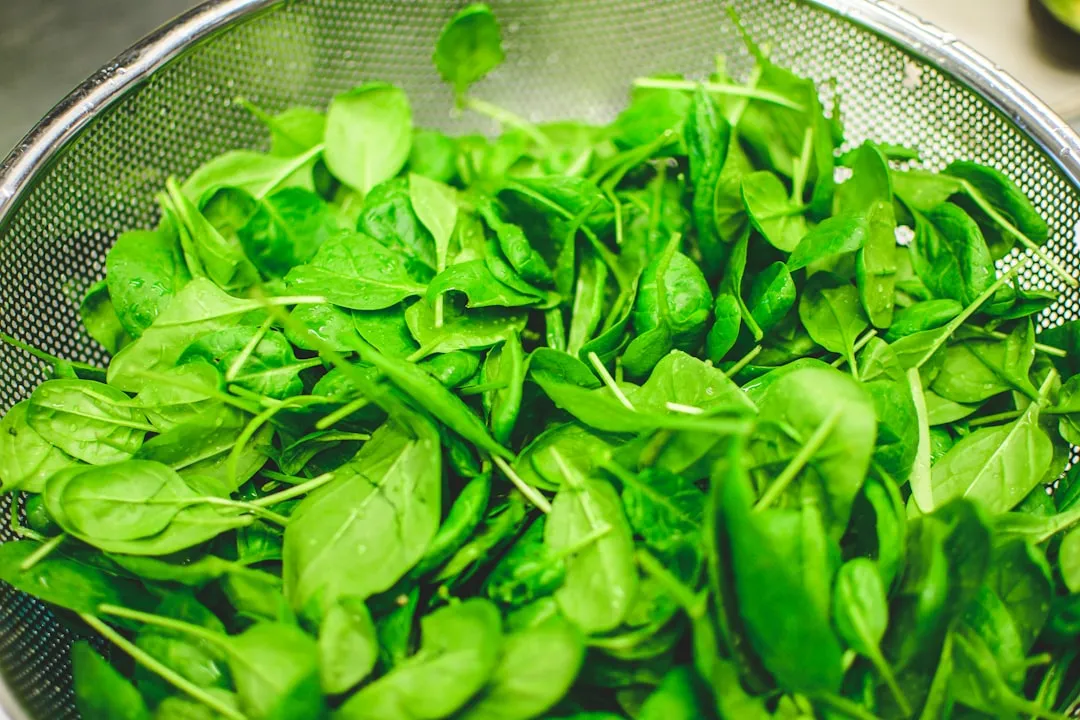
One cup of cooked spinach offers approximately 840 milligrams of potassium, which puts it among the highest-potassium vegetables you can eat. Potassium can help relax blood vessels and increase sodium excretion while decreasing blood pressure, and rich sources include leafy greens like spinach.
Leafy green vegetables are low in sodium and high in potassium, which can help balance out your sodium levels and keep your blood pressure under control. Cooking spinach concentrates its nutrients significantly, so a single serving carries considerably more potassium than the same amount eaten raw. It’s a quiet workhorse of a vegetable that earns its place on this list.
4. Sweet Potatoes
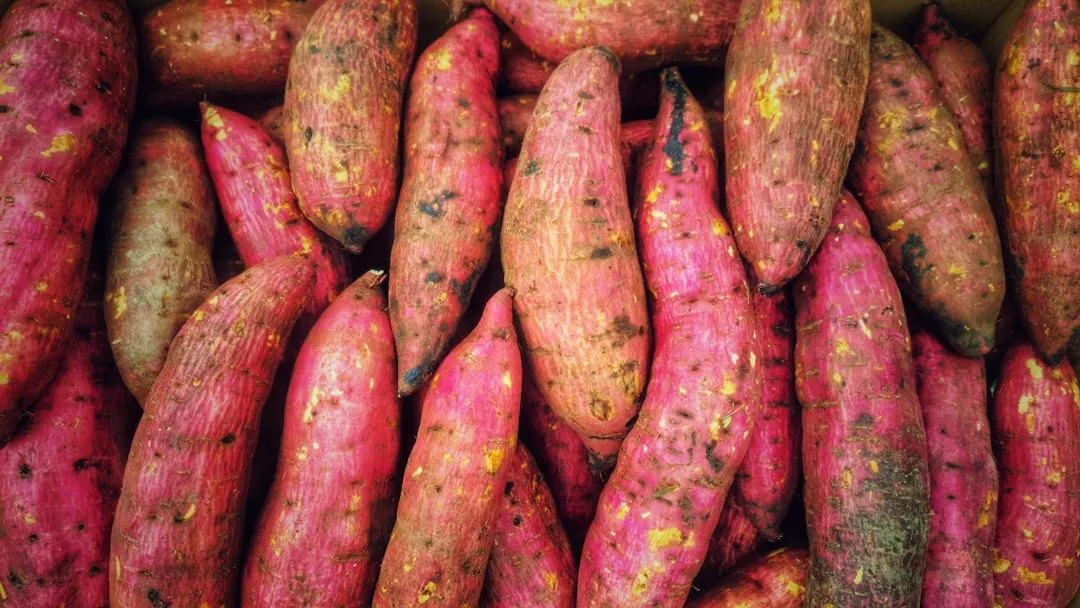
One medium sweet potato contains about 542 milligrams of potassium. That’s a meaningful contribution toward the daily intake that health authorities suggest, especially considering most people fall short. The DASH (Dietary Approaches to Stop Hypertension) diet study found that a diet rich in fruits and vegetables, including starchy vegetables, reduced blood pressure compared to a typical American diet.
The more potassium you eat, the more sodium you lose through urine. Potassium also helps ease tension in your blood vessel walls, which further helps lower blood pressure. Sweet potatoes also contain fiber and magnesium, both of which support overall cardiovascular health. Roasted, boiled, or mashed without added salt, they’re a satisfying and genuinely functional food choice.
5. Watermelon
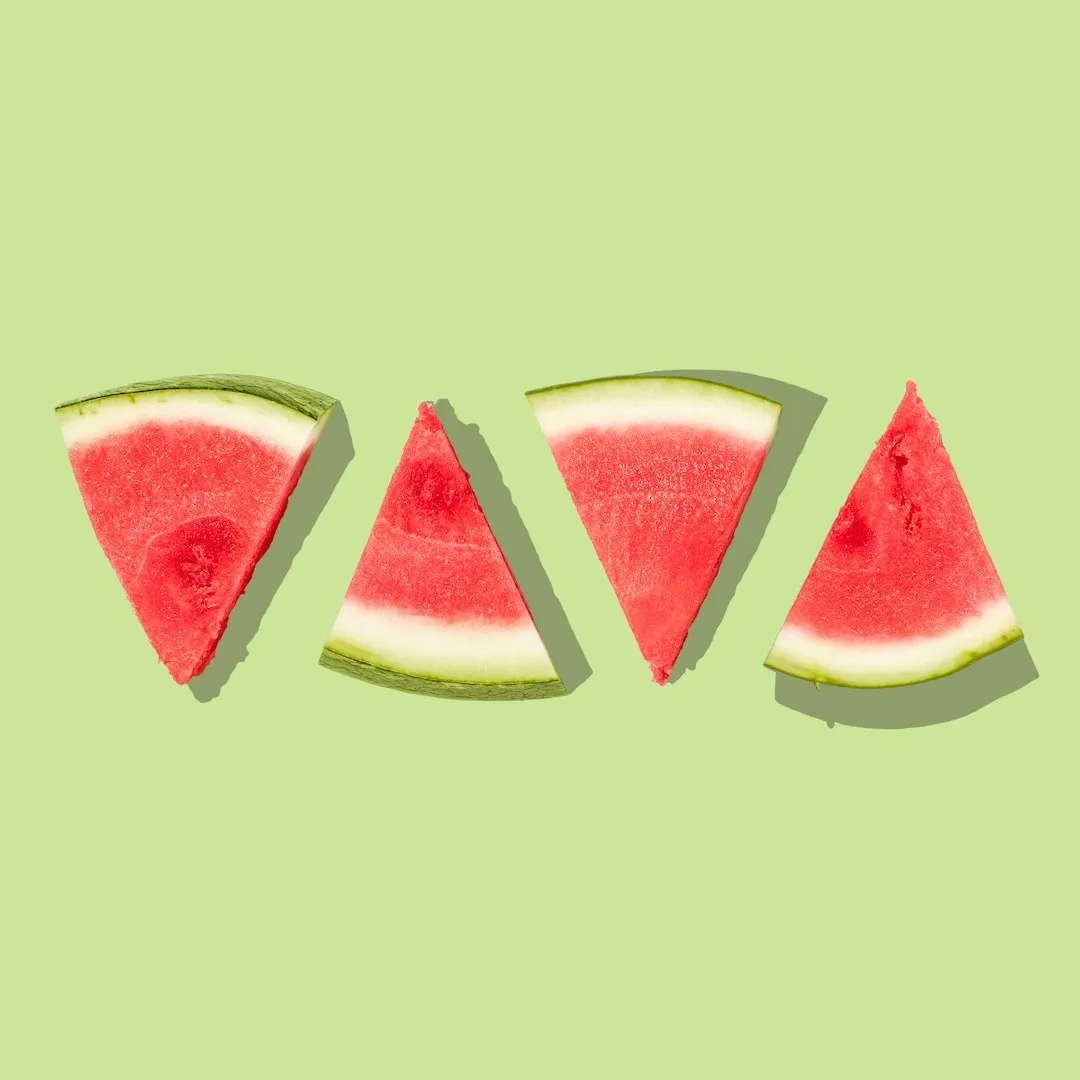
Watermelon is hydrating due to its high water content of approximately 92%, and it also contains potassium, which helps counteract sodium levels. By encouraging kidney function, watermelon aids in flushing sodium from the body. Just two wedges, roughly one eighth of a melon, provide just under 14% of the daily value for potassium.
Foods with high water content, like watermelon, help dilute sodium in your system and promote urination, allowing your body to eliminate the excess salt more effectively. The high fluid content essentially does double duty – hydrating you and supporting your kidneys at the same time. It’s worth noting, however, that people with kidney disease should check with a doctor before significantly increasing intake of any high-potassium food.
6. Cucumbers
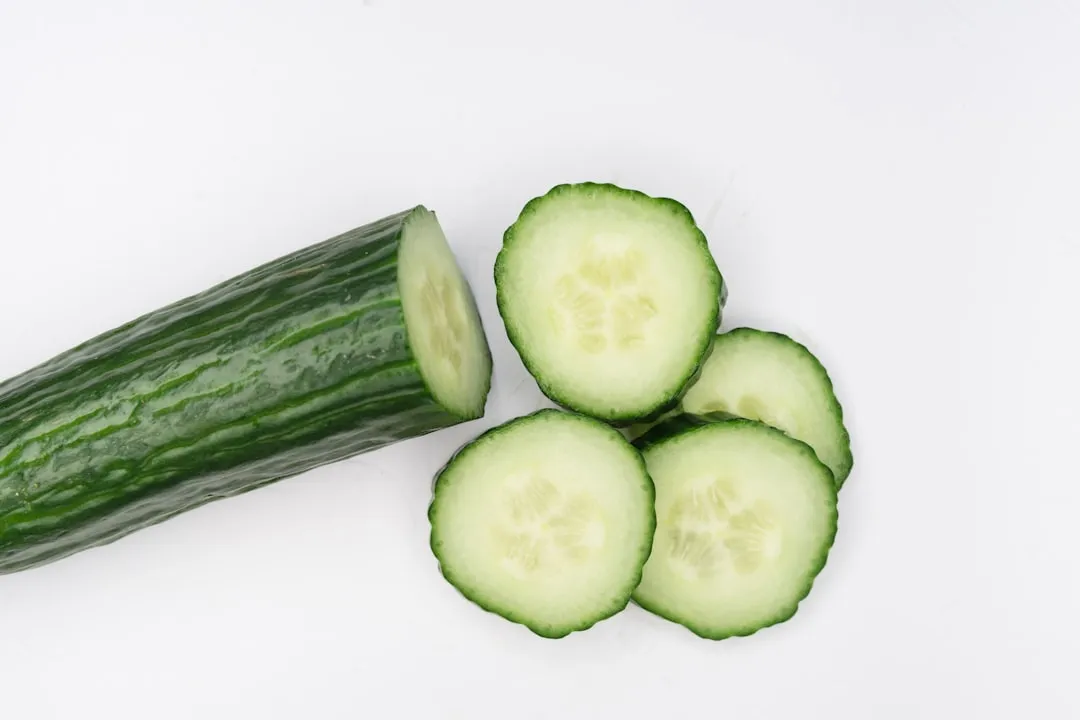
Cucumbers are low in calories and high in water content, making them an excellent choice for hydration. The skin of cucumbers contains magnesium, another mineral that can help regulate sodium levels effectively. Their water content supports kidney function by helping the body produce more urine, which is one of the primary routes through which excess sodium exits the body.
Eating vegetables and fruits with a lot of water content helps reduce salt levels, and cucumbers fall squarely into that category. They’re also one of the easiest additions to any diet – sliced into water, tossed in salads, or eaten on their own. Simple, low-cost, and consistently available year-round, cucumbers are an underrated option for everyday sodium management.
Why the Sodium-Potassium Balance Matters So Much
What may be most important for health is the relationship of sodium to potassium in the diet. People with the highest ratio of sodium to potassium in their diets had double the risk of dying from a heart attack compared to those with the lowest ratio. That’s a striking difference, and it makes the case for prioritizing potassium-rich whole foods rather than just counting milligrams of sodium.
For every 1,000 mg per day increase in potassium excretion, the risk of cardiovascular disease was 18% lower. In addition, a higher sodium to potassium ratio was significantly associated with increased cardiovascular risk. These findings, published by researchers at Harvard T.H. Chan School of Public Health, reinforce the value of a dietary approach that emphasizes fresh fruits and vegetables.
What the Research Community Is Saying in 2025
Potassium, found in many fruits and vegetables, is known to lower blood pressure and help the body get rid of excess sodium, and recent research continues to build on this understanding. In a controlled study, participants rotated between diets of varying sodium and potassium levels, and researchers measured markers of blood vessel function and inflammation after each period. The evidence linking higher potassium intake to improved vascular outcomes has grown consistently stronger.
In 2013, the World Health Organization set a global target of reducing population salt intake by 30% by 2025 to mitigate health issues such as high blood pressure and cardiovascular disease. Progress has been slow on a population level, which means individual dietary choices carry more weight than ever. Reaching for whole, potassium-rich foods remains one of the most practical things a person can do.
How Much Potassium Do You Actually Need?
Most women should get 2,600 milligrams of potassium a day and men should get 3,400 milligrams a day, but most people fall short. On average, men eat about 3,000 mg per day, and women eat about 2,300 mg per day. The gap is notable, and it partly explains why high sodium intake causes more harm for some people than others.
Health authorities advise limiting sodium intake to no more than 2,300 mg daily. Pairing that ceiling with a consistent effort to increase potassium through real food – not supplements – is the approach most consistently supported by nutritional evidence. The foods in this article make that goal far more achievable than it might seem.
A Word of Caution for Those With Kidney Disease
While the foods covered here are beneficial for most healthy adults, they are not appropriate for everyone without qualification. Eating too much potassium can be harmful in people with kidney problems. Too much potassium can build up when the kidneys are less able to remove it from the blood. Too much potassium can also be harmful in people who take certain medications or have certain medical conditions that affect potassium.
It’s important to check with a healthcare professional before taking an over-the-counter potassium supplement or trying salt substitutes. The same caution applies to dramatically increasing your intake of any high-potassium food if you have an existing health condition. For people with healthy kidneys, though, the evidence strongly favors eating more of these foods regularly.
The Takeaway
Managing sodium doesn’t have to mean obsessing over labels or overhauling your entire diet overnight. The six foods covered here – bananas, avocados, spinach, sweet potatoes, watermelon, and cucumbers – are widely available, affordable, and supported by consistent research. Eating more fresh vegetables and fruits, which are naturally high in potassium and low in sodium, and eating less bread, cheese, and processed meat is one of the key dietary changes people can make to lower their risk.
The body is genuinely capable of restoring balance when given the right tools. Over time, a steady pattern of eating potassium-rich whole foods does more for sodium management than any short-term fix. Small, repeated choices add up in ways that periodic cleanses or quick interventions simply cannot match.
AI Disclaimer: This article was created with the assistance of AI tools and reviewed by a human editor.