
1. Chili: The Classic Case for Patience
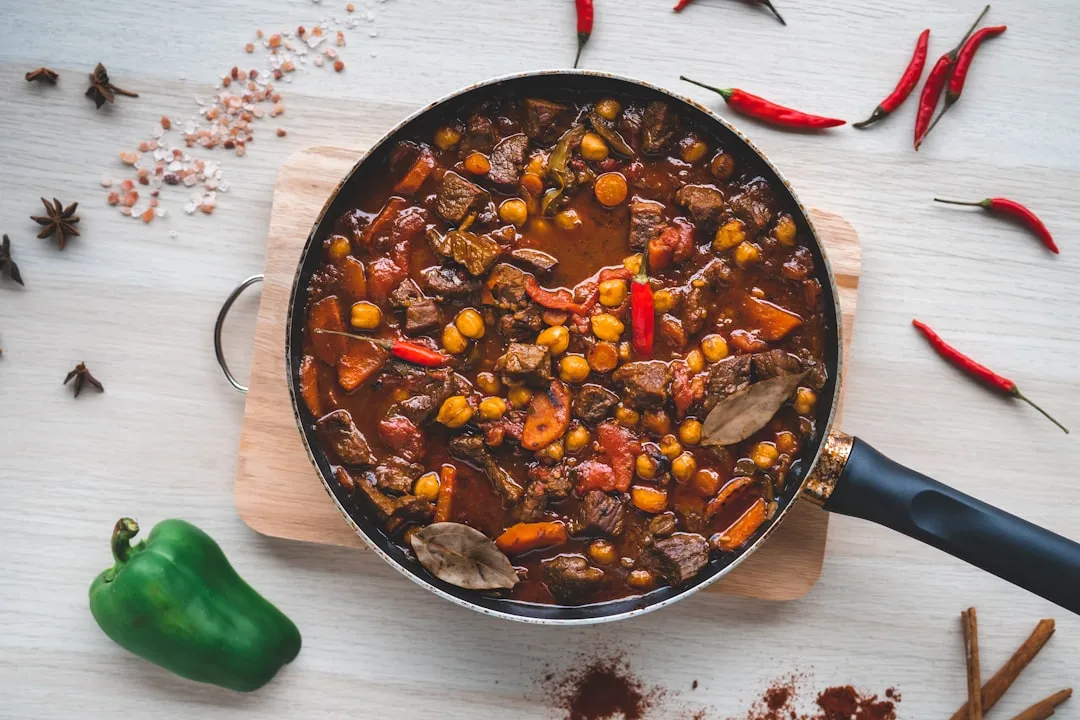
Few dishes benefit from rest as visibly as a pot of chili. As a soup, stew, or chili rests overnight, spices soften, aromas mingle, and flavors become more harmonious. What tasted like a collection of strong individual notes on the first evening tends to settle into something more unified and rounded by the next afternoon.
Cook’s Illustrated conducted an experiment to try and understand why some food flavors notably improved overnight, serving tomato soup, beef chili, and French onion soup to several testers, and every taster held that the two-day-old soups and stews were “sweeter,” “more robust-tasting,” and “well rounded.” That’s not a small sensory shift. It’s a consistent, measurable outcome driven by chemistry.
Chili and other spicy, acidic dishes are a notable exception in one way: with time, their flavor can become muted, losing brightness. So while the richness of a beef chili may deepen, the initial punch of heat and acid can soften. A small splash of hot sauce on reheating solves that easily enough.
2. Curry: Where Fat Does the Heavy Lifting
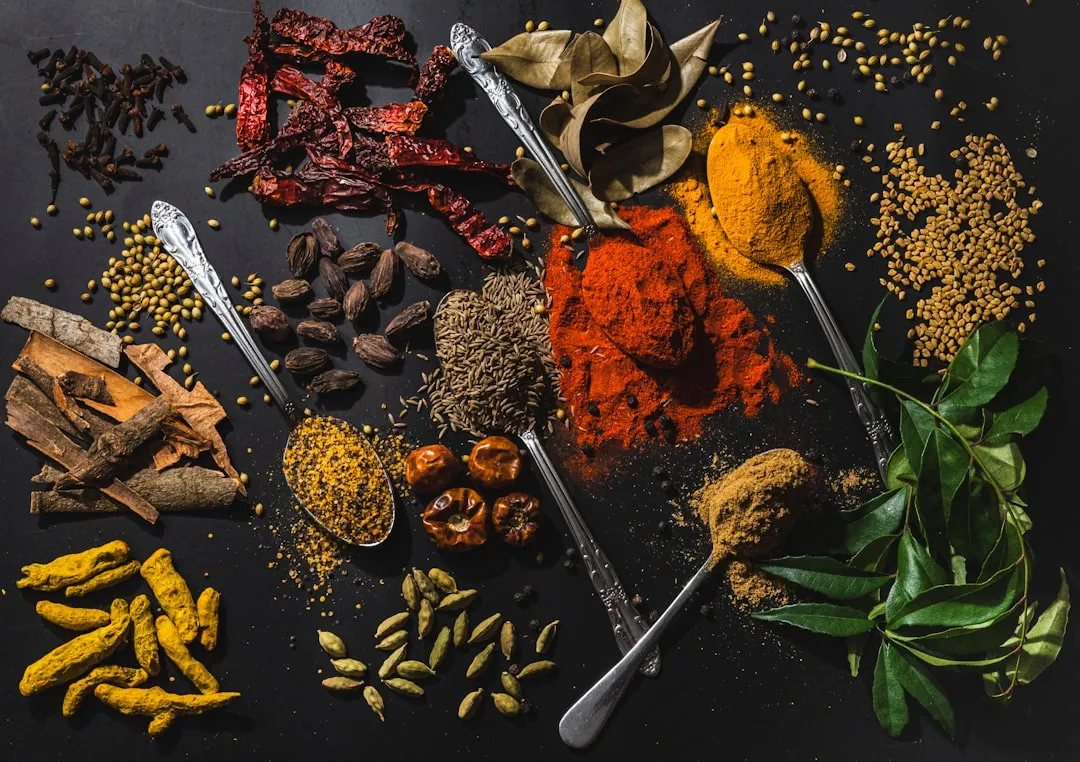
A chicken curry tastes sharper on day one but on day two has a rounder, more savory profile as spices penetrate the meat and fats redistribute. This isn’t just perception. The fat in a curry acts as an aromatic vehicle, pulling flavor compounds through the dish in ways that take time.
Many spice flavor molecules are fat-soluble, meaning they gradually move into oils, creams, or other fatty elements in the dish, making the aromas and tastes more pronounced. That’s why coconut-milk curries, cream-based sauces, and oil-heavy spice blends all respond so well to an overnight rest.
Ingredients like garlic, onions, ginger, black pepper, cumin, and paprika become more evenly distributed, making every bite more flavorful. This is why stews, curries, and soups often taste better after a day in the refrigerator. Freshly cooked curry can feel slightly uneven from bite to bite. The next day, that unevenness disappears.
3. Beef Stew: A Slow Chemical Negotiation
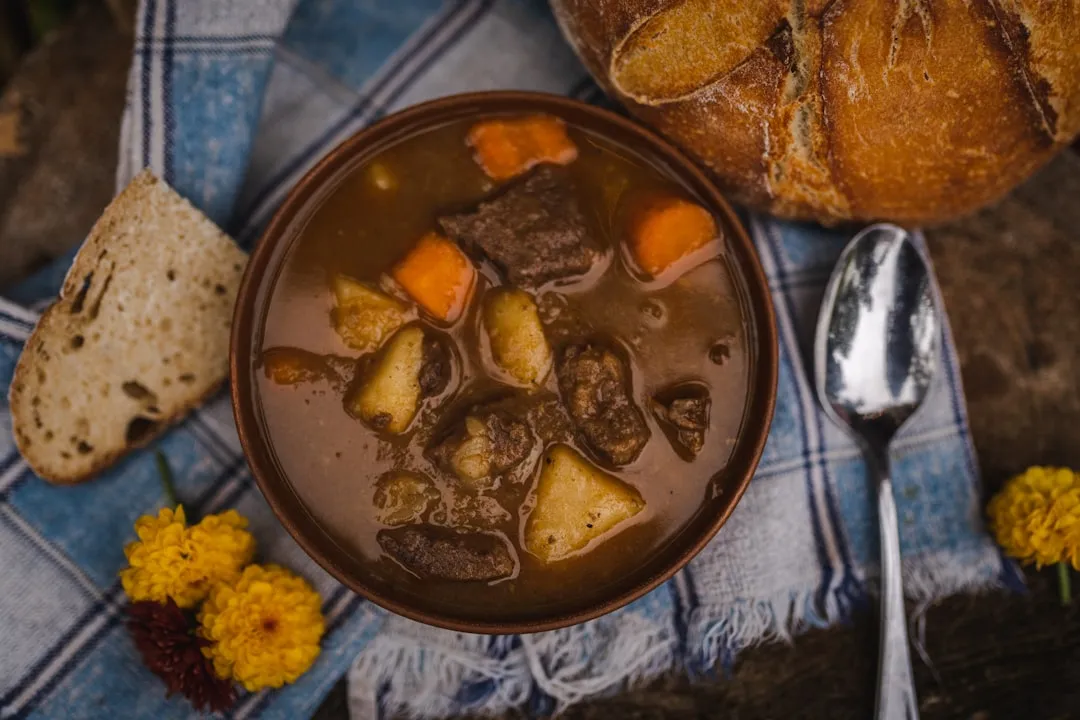
Onions and garlic break down into sulfur compounds; browned meat releases hundreds of Maillard products; herbs contribute terpenes, aldehydes, and phenols. While these molecules mingle in the pot, the liquid matrix is chaotic, and heat causes convection currents that constantly separate and redistribute flavor components. Cooling puts a stop to that chaos.
Once the stew cools, movement stops. Aromatic molecules begin binding to fats, starches, and proteins, creating stable complexes that weren’t possible during the simmering phase. These bonds allow flavors to linger on the palate longer and taste more cohesive.
The result of all these processes, including retrogradation, aromatic bonding, fat blooming, gelatin development, and continued enzymatic softening, is a stew that tastes more integrated, more satisfying, and more complex than it did when first cooked. That’s quite a lot happening in a covered bowl in the fridge overnight.
4. Bolognese and Pasta Sauces: Time Is the Secret Ingredient
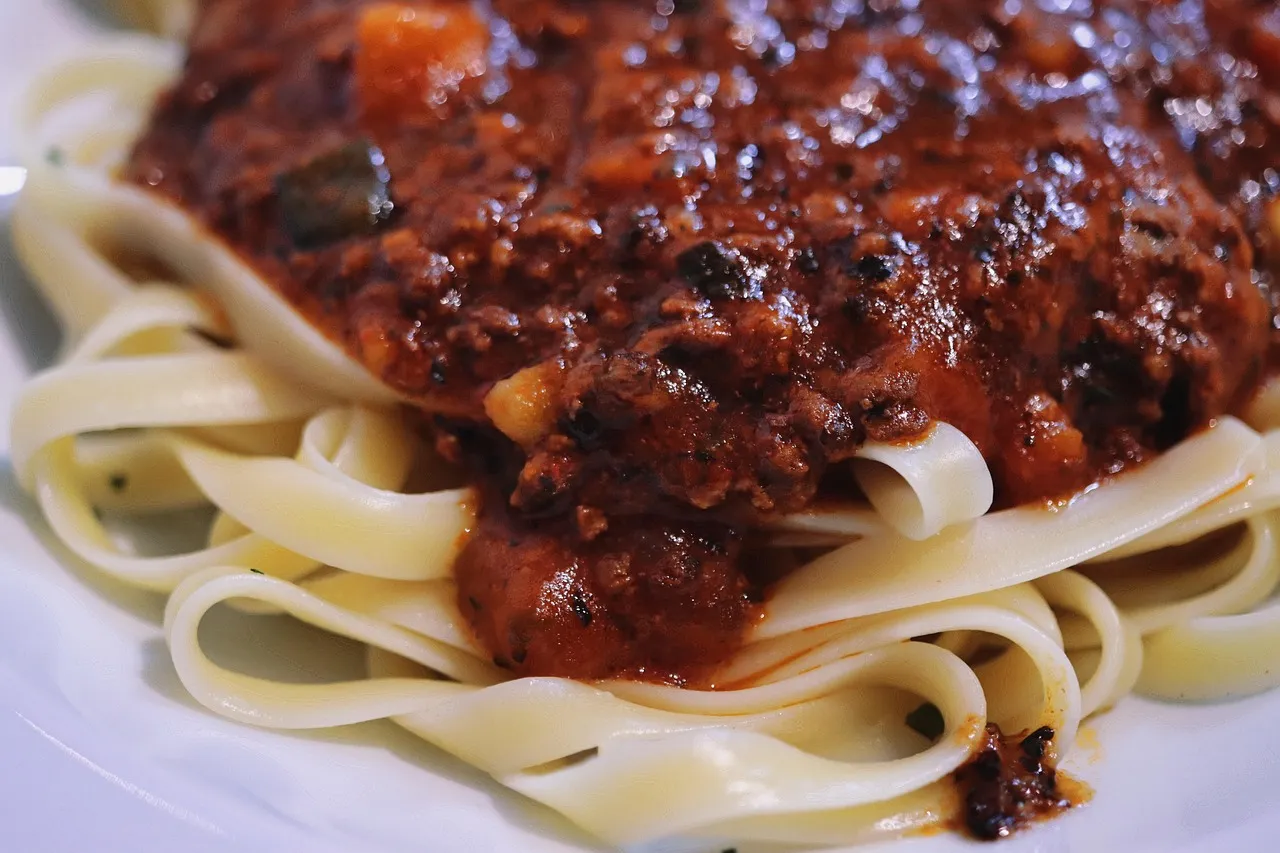
A meat-based sauce like a bolognese becomes richer and more deeply flavored as the ingredients meld overnight. This is so well understood among Italian cooks that making the sauce a day ahead is practically standard practice, not a shortcut.
The Institute of Food Technologists notes that protein breakdowns “enhance savory, meaty, umami taste,” while the amino acids themselves can react with residual sugars during reheating to generate entirely new flavor molecules through the Maillard reaction. In other words, reheating doesn’t just warm a sauce. It triggers another round of flavor-building chemistry.
Donald Mottram’s peer-reviewed work on flavor formation, published in Food Chemistry, established that the characteristic flavor of cooked meat derives from thermally induced reactions, principally the Maillard reaction and the degradation of lipid. Crucially, both processes do not stop when the heat does. Rather, they slow, and then resume with reheating, deepening the flavor architecture of the dish.
5. Lasagna: The Case for Resting Before You Slice
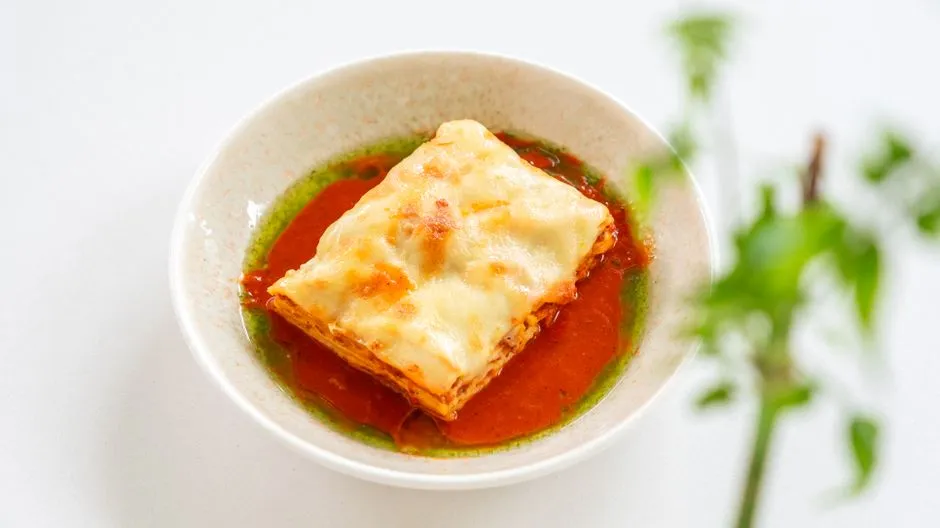
Certain meals, such as pasta dishes and baked goods, transform remarkably, becoming more cohesive and flavorful. Lasagna is perhaps the clearest example of this in all of baking. Fresh out of the oven, the layers are often loose, the sauce watery at the edges, the structure soft and sliding. The next day, it holds together completely differently.
A process called starch retrogradation occurs in dishes containing starches, such as pasta, rice, or potatoes. When these foods cool, the starch molecules re-associate, leading to a firmer texture. This can improve the mouthfeel of the dish and make it more satisfying to eat. This re-association can also help absorb sauces and seasonings better, making the dish taste more flavorful.
Because making lasagna from scratch is very time consuming, many Italian cooks recommend making the Bolognese sauce and the pasta dough the day before. It makes assembling the lasagna easier, and the ragu tastes even better the next day. The resting period isn’t just about convenience. It’s genuinely part of the recipe.
6. Banana Bread: The Quiet Overnight Transformation
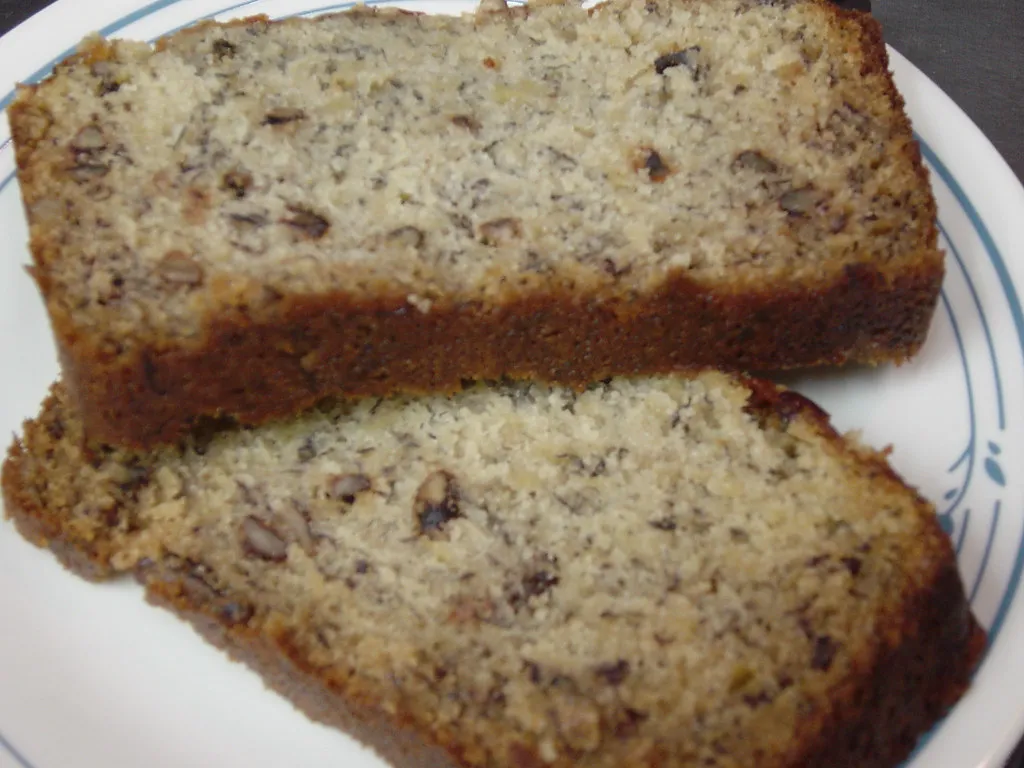
It’s a fact that banana bread tastes even better with age. The science behind it lies in moisture migration and starch retrogradation. When banana bread comes out of the oven, the starches are in a gelatinized state and the moisture is unevenly distributed. Over the next 24 hours, the starches return to their structure, which creates a tender crumb.
The natural sugars of the banana also develop and concentrate to make the bread sweeter. This is partly linked to the banana itself. The amount of fructose within the fruit continues to increase as it ages, which is why the ripeness of the banana affects the sweetness and flavor profile of the final dish.
In an airtight container, leftovers will keep at room temperature for up to two days, and the flavor and texture genuinely improve if left to stand overnight. That’s not marketing. It’s what the chemistry supports. Wrap it properly, wait until morning, and the difference is real.
The Science That Ties Them All Together
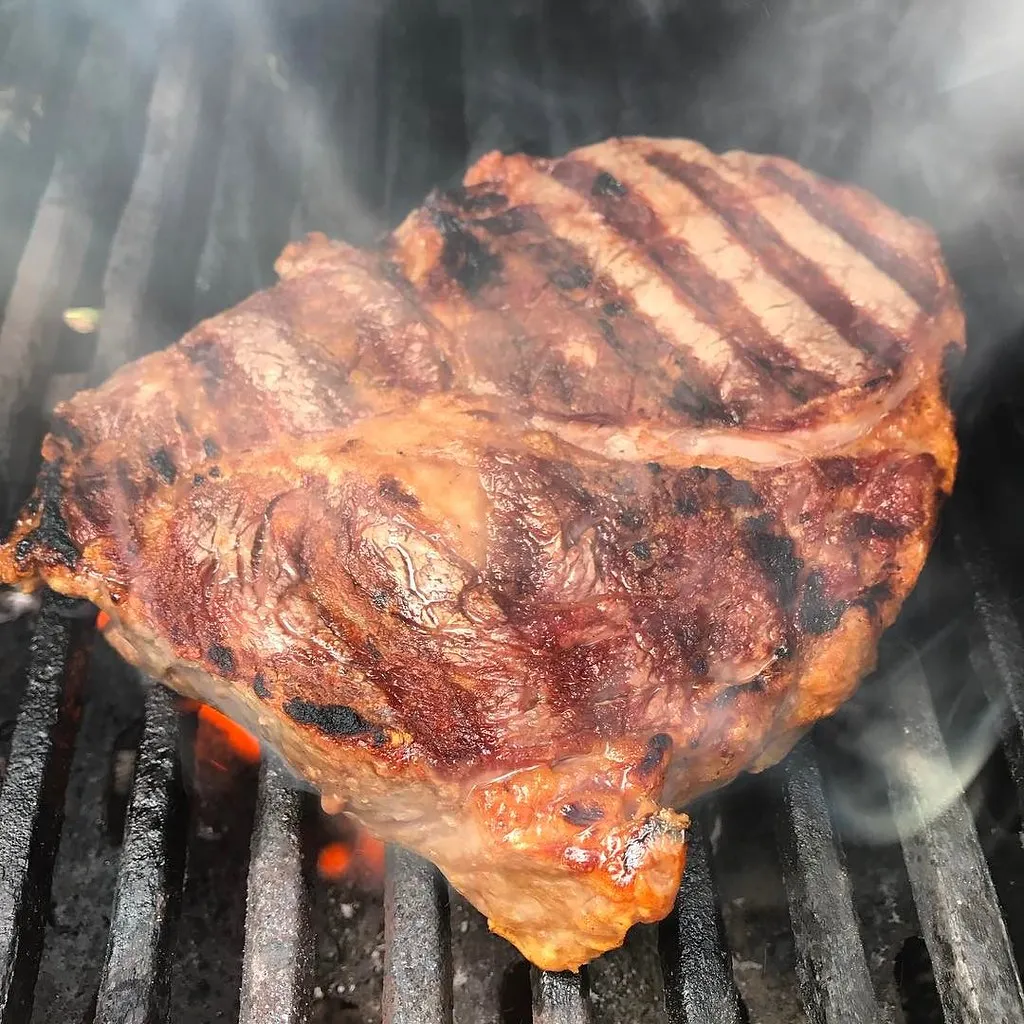
The Maillard reaction, a chemical reaction between amino acids and reducing sugars that gives browned food its distinctive flavor, doesn’t stop immediately after cooking. During cooling and storage, these reactions can continue at a slower rate, further developing and enhancing the dish’s flavors.
Sulfur-rich ingredients like garlic, onions, broccoli, and cabbage mellow over time, with oxidation softening their initially harsh flavors. Starchy vegetables such as potatoes and corn slowly break down into natural sugars, adding a touch of sweetness while softening the texture. Proteins in meats continue to release amino acids, boosting umami and enriching the overall taste.
Herbs and spices don’t always release their full flavor immediately. When food is stored overnight, spices slowly spread throughout the dish. After resting overnight, harsh aromas become less intense, allowing sweeter, savory, and earthy flavors to stand out more clearly. That mellowing is the difference between a dish that feels aggressive and one that feels balanced.
What Makes a Dish a Good Candidate for Overnight Rest
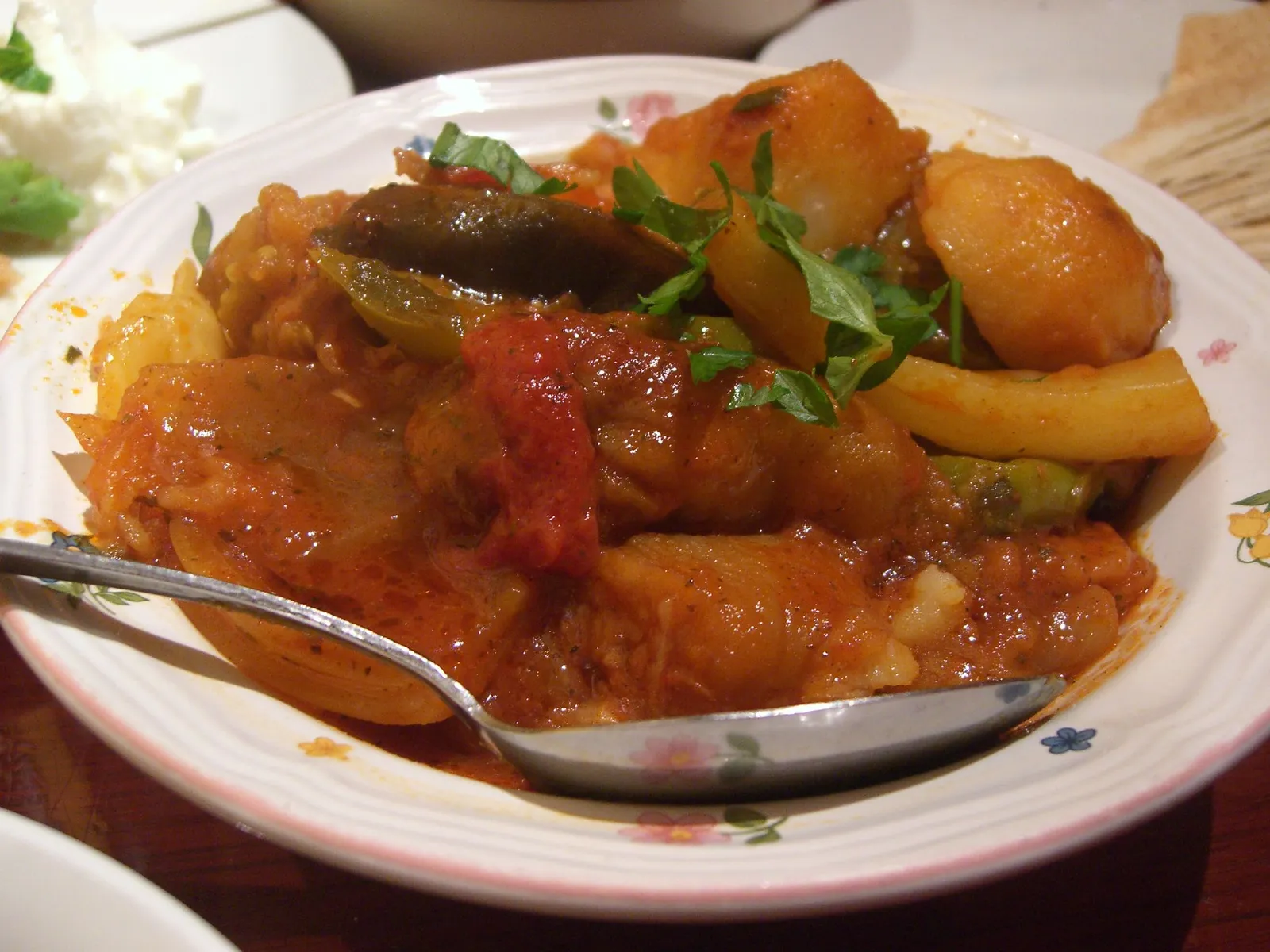
Foods that do improve have an important commonality. They include a multitude of ingredients each one with distinct aromatic properties, such as onion, garlic, peppers, and herbs. The more complex the ingredient list, the more opportunity there is for chemical interaction during rest.
Complex dishes with many ingredients create more opportunities for interaction. In stews, curries, and chili, spice and savory compounds distribute through meat, beans, and vegetables. Simpler dishes, by contrast, simply have fewer ingredients to integrate, so the overnight gains are smaller.
Salt does not always act instantly. Given time, seasoning becomes more evenly distributed throughout a dish. This often improves balance and consistency. Even something as straightforward as even seasoning takes time to fully travel through a dense stew or layered casserole.
The Foods That Don’t Improve (and Why That Matters)
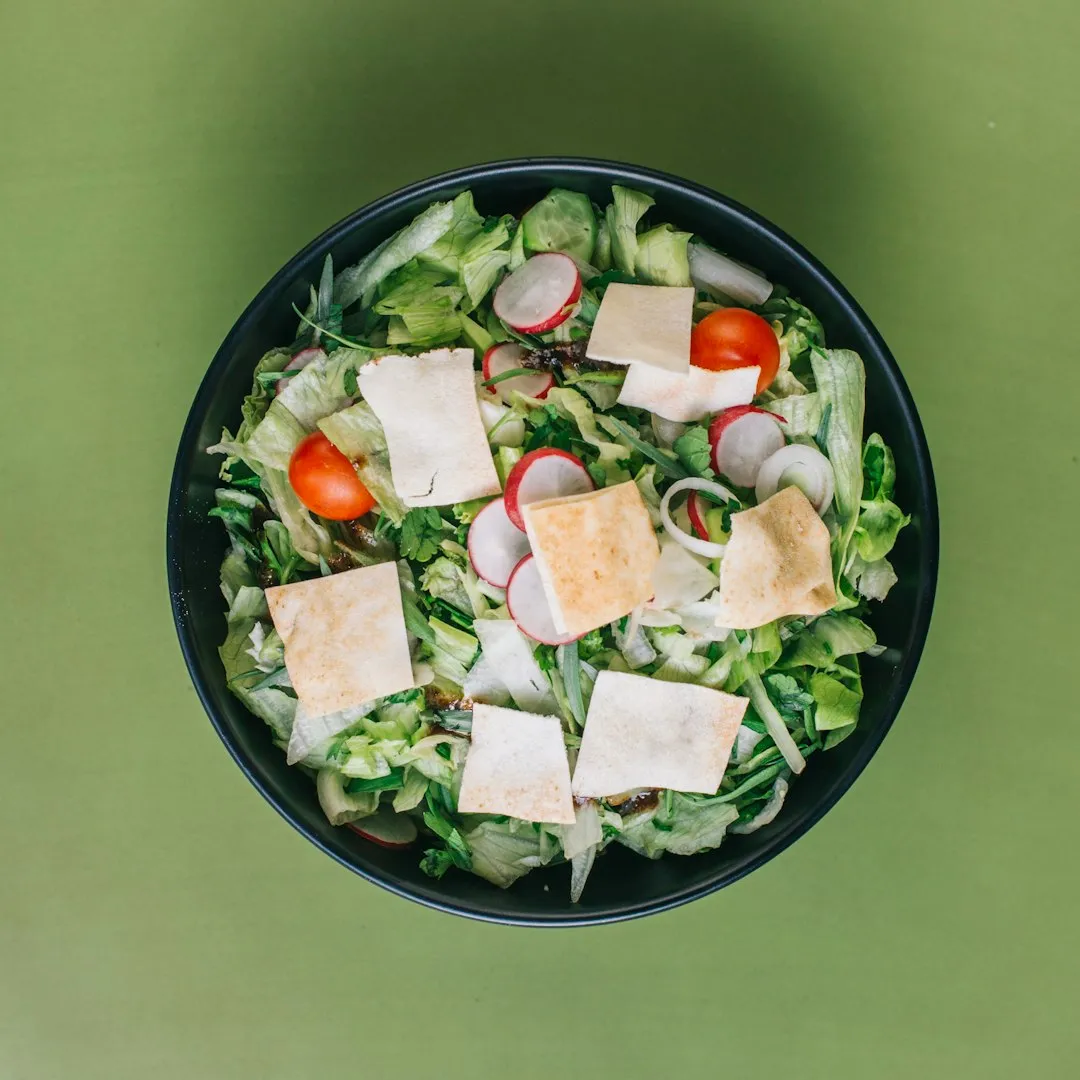
It’s worth being clear that not every dish benefits from waiting. Some foods lose quality after storage. French fries become soft. Fried chicken loses its crispiness. Fresh salads become watery. The distinction matters: these are foods where texture is the whole point, and texture suffers when moisture redistributes.
Light, delicate foods like soufflés and tempura tend to fall apart or lose their crispness after sitting in the fridge. Salads dressed with vinaigrette can wilt and turn soggy, while fried or crunchy items often go limp. Understanding this distinction actually makes you a better cook. Not every dish should wait.
During cooling, part of the starch in foods changes into resistant starch, which is digested more slowly than regular starch. This change may slightly reduce the food’s impact on blood sugar while also changing texture. For some dishes this is a benefit. For others, it tips into mushiness. Knowing the difference is half the battle.
Food Safety: The Part You Can’t Skip
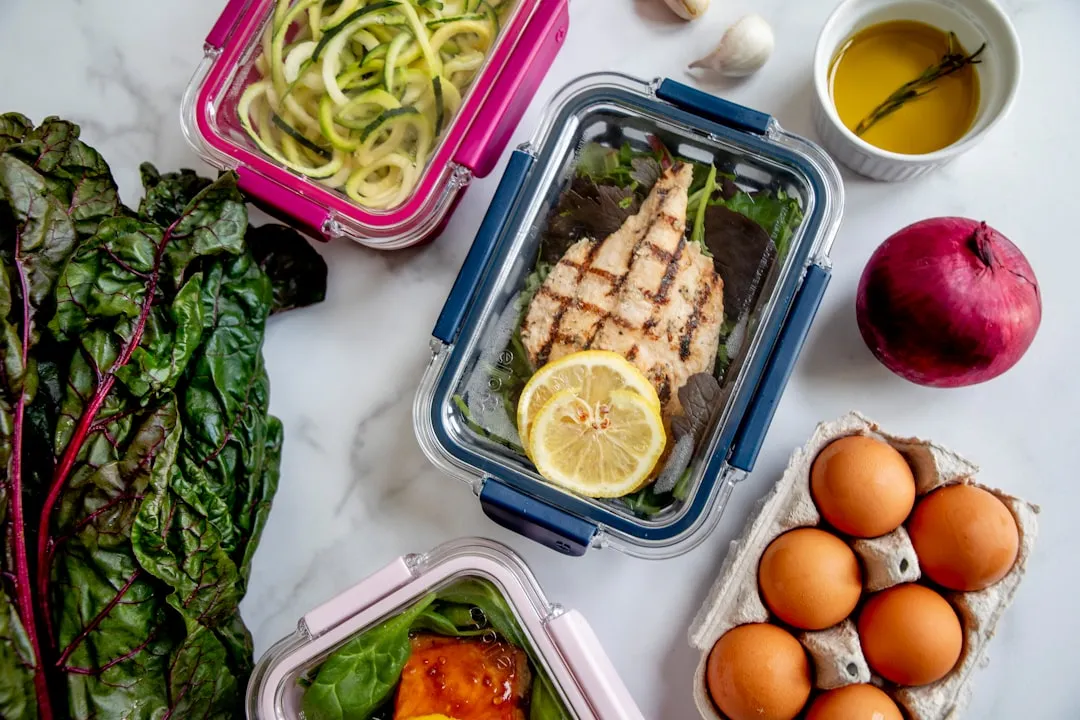
Better flavor should never come at the expense of food safety. To keep leftovers safe, refrigerate cooked food within two hours and store it in airtight containers. These aren’t overcautious rules. They’re the conditions that allow the chemistry to work properly without creating a health risk.
Proper storage also preserves the aromatic compounds that make next-day food taste better in the first place. As a stew cools, fats rise and then solidify on the surface, capturing lipid-soluble aromatics including aldehydes, terpenes, and Maillard-derived flavor agents. This temporary cap prevents aromatic compounds from evaporating overnight, which means more of the aroma stays in the dish rather than escaping into the air.
In slow-cooked dishes, proteins continue to relax as the food rests. This is one reason why braised meats and hearty stews often become softer and more enjoyable after being refrigerated and reheated correctly. Reheat gently, don’t rush it, and the dish rewards you fully.
The Takeaway
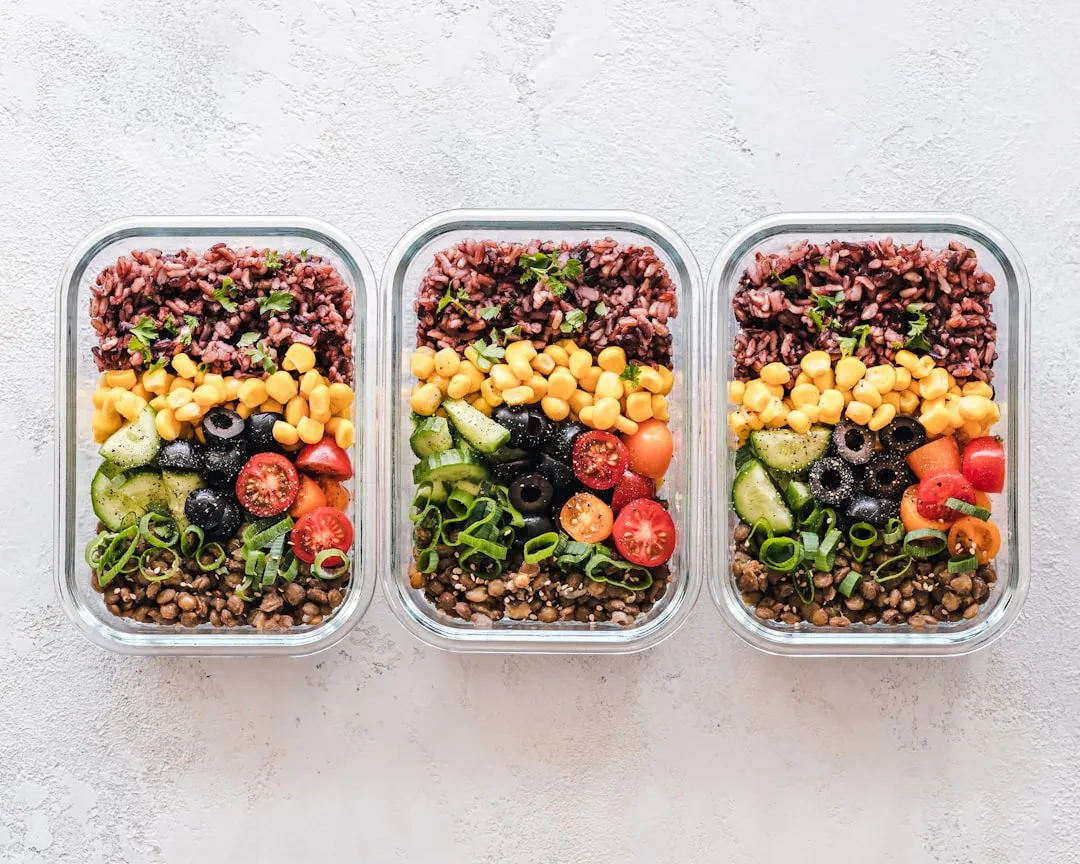
There’s something satisfying about a meal that improves without any additional effort on your part. You did the work the evening before, and the refrigerator quietly continued it while you slept. The science is real, consistently documented, and actually quite elegant: flavor compounds find each other, spices distribute evenly, proteins soften, and the whole dish becomes greater than the sum of its parts.
The dishes in this list aren’t better the next day by accident. They’re better because they were built from enough complex, aromatic, fat-rich ingredients to keep reacting long after the stove went cold. Cook them with intention, store them properly, and let time do the rest.
AI Disclaimer: This article was created with the assistance of AI tools and reviewed by a human editor.