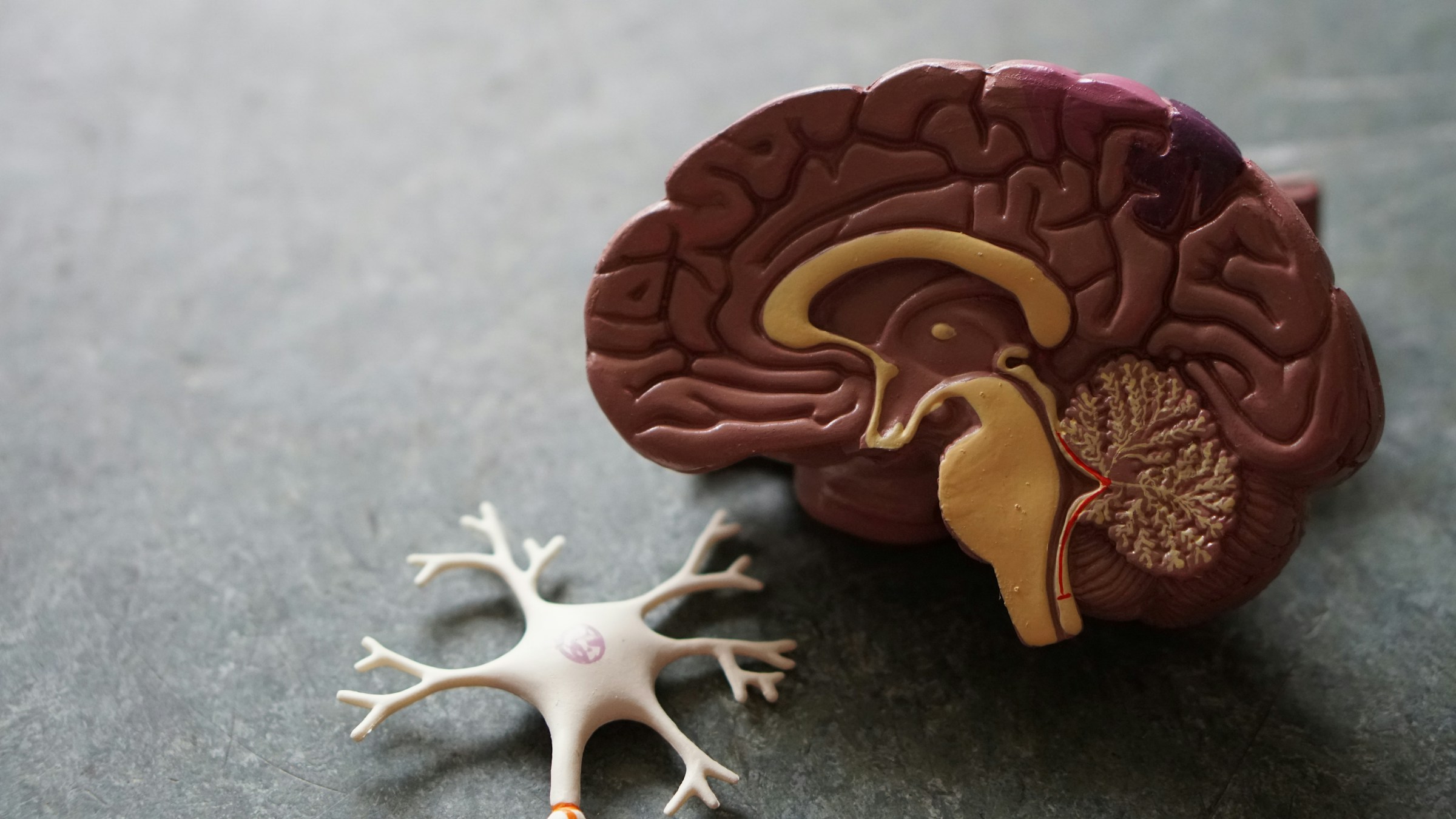

There’s a growing consensus among brain specialists that what ends up on your plate each day has real consequences for how well your mind functions, both now and decades from now. A 2024 scientific review published in Advances in Nutrition found that diet significantly impacts memory and cognition in healthy older adults. That’s not a minor footnote. It shifts the conversation from lifestyle preferences to something closer to preventive medicine.
Diets characterized by higher consumption of vegetables, fruits, legumes, nuts, fish, seafood, and unsaturated vegetable oils, alongside lower intake of red and processed meats and sugar-sweetened beverages, are consistently associated with a reduced risk of cognitive decline and dementia, according to a comprehensive systematic review published in 2025. The six foods below reflect that evidence, and they’re the ones neurologists actually reach for themselves.
1. Fatty Fish: The Brain’s Preferred Fuel

Few food categories have earned as consistent a reputation among neurologists as fatty fish. Fatty fish is high in omega-3 fatty acids, particularly docosahexaenoic acid, known as DHA, which is excellent for brain function. It’s not a trendy claim. The science behind it is decades old and keeps getting stronger.
An omega-3 fatty acid known as DHA is required to keep the brain functioning normally and efficiently. Long-term, consistent intake of adequate DHA is linked to improved memory and reduced rates of cognitive decline. Low levels of DHA have been associated with a greater risk of cognitive disease in later years.
The 2020–2025 Dietary Guidelines for Americans recommends adults consume at least 8 ounces of seafood per week. Oily fish such as salmon, tuna, Atlantic mackerel, herring, and trout are great options to fuel your brain with this important omega-3 fatty acid. A 2025 study also found that long-term supplementation with omega-3 fatty acids may help maintain or even improve cognitive function in older adults.
Omega-3 fatty acids, which are good unsaturated fats, are prevalent in fatty fish and have been associated with a decrease in blood levels of beta-amyloid, the protein that causes Alzheimer’s disease patients’ brains to form harmful clumps. That connection alone makes a strong case for getting more fish on the plate each week.
2. Blueberries: Small Berries, Serious Brain Benefits

Blueberries occupy a rare spot in nutritional neuroscience. Blueberries are the only fruit to be singled out as part of the MIND diet, a diet that research has linked to lower dementia risk. That kind of distinction doesn’t come easily in a field full of competing claims.
A 2024 Frontiers in Pharmacology report found that metabolites in blueberries have the potential to protect the brain. In addition to anthocyanins, the authors called out flavonoids, carotenoids, and vitamins C and E as potentially protective. Some evidence suggests they can change processes in the body that are implicated in age-related cognitive decline, amnesia, and neurodegenerative diseases such as Alzheimer’s and Parkinson’s diseases.
Chronic blueberry intake may improve episodic memory in elderly individuals with mild cognitive impairment and subjective cognitive decline, and also language in those with mild cognitive impairment, according to a 2025 systematic review and meta-analysis published on PubMed. The research picture is still developing, but the direction is clear.
One observational study of 16,010 women suggested that high blueberry intake may be associated with less cognitive decline over four years. That kind of scale is hard to dismiss, even if larger controlled trials are still needed to confirm the full picture.
3. Walnuts: The Nut That Looks Like a Brain for Good Reason

There’s something almost too convenient about the walnut’s shape, but the evidence behind it turns out to be genuinely compelling. Walnuts warrant a special mention among nuts. They’re particularly high in a type of omega-3 fat called alpha-linolenic acid, plus other compounds linked to lower levels of oxidative stress and chronic inflammation.
A double-blind, crossover pilot study tested 32 healthy young adults aged 18 to 30, comparing the effects of a breakfast containing 50 grams of walnuts with a calorie-matched control containing no nuts. Cognition, mood, blood, and EEG measures were recorded at baseline and at two, four, and six hours after eating.
Walnuts elicited faster reaction times throughout the day on executive function tasks. Overall, these findings provide evidence for reaction time benefits throughout the day following a walnut-rich breakfast, while memory findings were mixed with benefits only observed later in the day. A separate 2025 clinical trial also explored whether walnuts could mitigate subjective cognitive impairment, the earliest detectable sign of cognitive decline.
4. Leafy Greens: The Quiet Cognitive Protectors

Spinach, kale, collards, and similar greens tend to get overshadowed by more glamorous superfoods, but neurologists keep returning to them. Vitamin K, lutein, folate, and beta carotene are among the brain-healthy nutrients found in leafy greens like kale, spinach, collards, and broccoli. These aren’t exotic compounds. They’re accessible nutrients found in ordinary grocery store produce.
One study showed that over the course of five years, older adults who ate leafy greens had better thinking and memory skills than those who rarely ate them. The difference equated to having a brain that functioned like it was about 11 years younger. An eleven-year difference in brain age from diet alone is a striking finding, and one that holds up in multiple analyses.
Both leafy greens and cruciferous vegetables are full of a variety of nutrients that help protect brain cells from harmful free radicals and may slow down cognitive decline. For a food group that requires so little preparation, the return on investment is hard to beat. A daily handful of spinach in a smoothie or eggs in the morning goes further than most people realize.
5. Eggs: Choline-Rich and Often Underrated

Eggs sometimes get caught up in debates about cholesterol that have largely moved on, while the more relevant conversation about their brain benefits gets missed. When it comes to the best memory-supporting breakfast, neurologists consistently put eggs at the top of the list. Besides containing omega-3 fatty acids, eggs also have protein and choline, a nutrient that has a protective effect on memory.
Eggs are high in vitamin E and omega-3 fatty acids, both of which help protect the brain. Eggs are also good sources of B vitamins and choline, which help with memory. Choline is a nutrient that many people don’t get enough of, and eggs are one of the most practical ways to address that gap.
Once you get away from processed junk foods and eat a healthy diet high in fiber and antioxidants, cognitive function can reach a higher level. Neurologists recommend eating eggs at least once or twice a week as a reliable, affordable source of brain-supportive nutrients. Given how easy eggs are to prepare, this is one recommendation that requires almost no effort to follow.
6. Dark Chocolate and Green Tea: The Focus-Friendly Pair

These two often appear together in neurological guidance for focus and mental clarity, and there’s a reasonable biological explanation for why. The combination of caffeine and L-theanine in green tea is thought to benefit memory, attention, and overall brain function, according to Cleveland Clinic neurologists. L-theanine is an amino acid that blunts the jitteriness of caffeine while preserving the alertness it produces.
The flavonoids in dark chocolate with at least 70% cocoa content might help improve certain thinking skills, like how quickly someone processes information and how easily they find words. That’s a specific and meaningful cognitive benefit, not just a general wellness claim.
Dark chocolate and green tea may help with concentration and memory, making them reasonable choices before demanding cognitive tasks. Caffeine in coffee can also help you feel more alert and focused by blocking adenosine, a chemical that makes you feel tired. Coffee also contains antioxidants like polyphenols that may protect your brain in the long term. Whether you prefer tea or a square of good dark chocolate, both appear to pull their weight when focus matters.
What the MIND Diet Tells Us About All Six Foods

It’s worth stepping back and noting that every one of these six foods appears as a recommended component of the MIND diet, which was specifically designed around brain health research. The Mediterranean-DASH Intervention for Neurodegenerative Delay diet, known as the MIND diet, blends the Mediterranean diet and the Dietary Approaches to Stop Hypertension elements, and aims to slow cognitive decline and reduce dementia risk.
Results reported in the journal Neurology on September 18, 2024, showed that closer adherence to the MIND diet was linked to lower cognitive impairment and slower rates of cognitive decline. Participants with greatest adherence to the MIND diet had a four percent reduced risk of cognitive impairment compared to those with lowest adherence.
A recent multiethnic study unveiled at NUTRITION 2025, the American Society for Nutrition’s flagship annual meeting, demonstrates that adhering to the MIND diet may help reduce an individual’s dementia and Alzheimer’s risk, even if they begin following the diet later in life. That’s a meaningful finding for anyone who feels they’ve started too late.
How Much Does Diet Actually Move the Needle?

A fair question, given how much noise surrounds the nutrition and brain health space. The brain consumes roughly 20 percent of our daily caloric intake. The foods we eat have a direct impact on brain health, the most vital and complex organ in our bodies. A brain-healthy diet can mean the difference between an increased or decreased risk of inflammation, oxidative stress, and neurological disease.
A 2024 analysis of 23 different scientific studies that took into account diet and memory of people in old age found that maintaining a whole foods diet, such as the Mediterranean diet or MIND diet, in old age can lead to significant effects on memory and may play a role in protecting against dementia.
That said, researchers are careful to note that diet is one piece of a larger picture. No one can control their memory completely through what they eat. Memory loss is complicated and doesn’t come down to one factor. That said, diet does play a significant role in brain health, including long-term memory.
Practical Ways to Add These Foods to Your Daily Routine
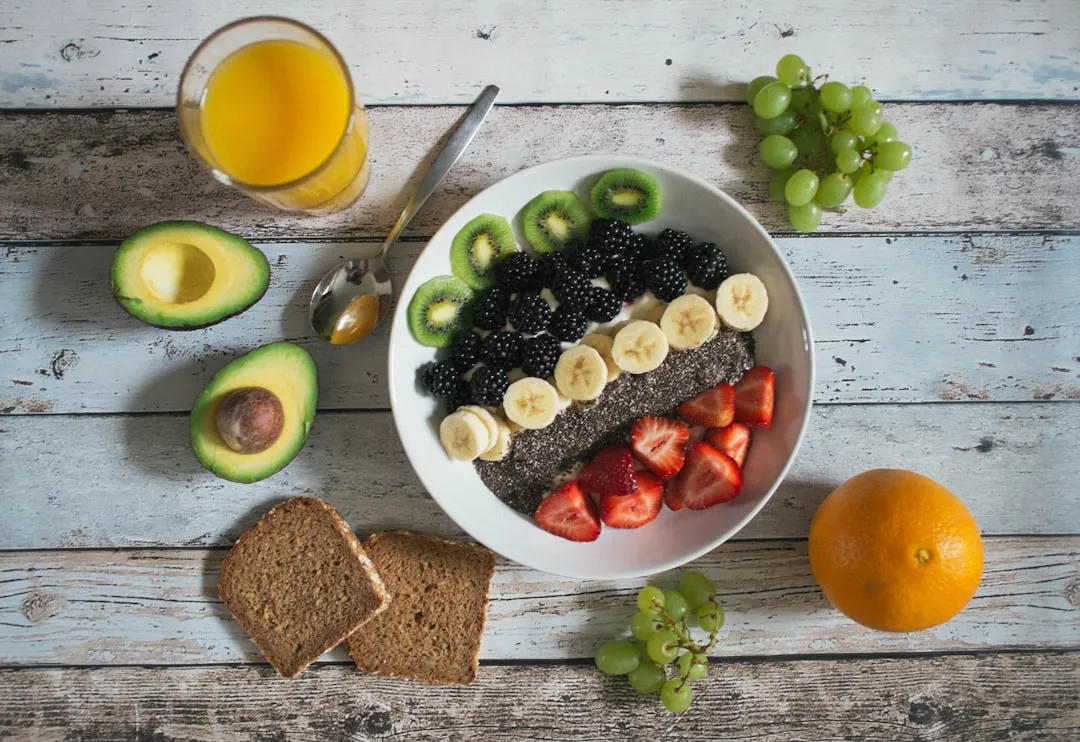
Knowing which foods matter is different from actually eating them consistently. The good news is that these six foods aren’t expensive, hard to find, or complicated to prepare. Fatty fish can be as simple as canned salmon over a salad. Blueberries fold into oatmeal or yogurt with almost no effort.
Neurologists recommend Greek yogurt as a memory-supporting breakfast food due to its protein and gut-supporting probiotics. To round out the meal, they suggest adding nuts or seeds on top for the omega-3s, protein, and fiber, along with berries as a good source of fiber and brain-protecting antioxidants. That’s essentially a complete brain-focused breakfast in one bowl.
Leafy greens go into any scrambled egg dish without changing the flavor in any meaningful way. A square of dark chocolate and a cup of green tea in the afternoon replaces less constructive snacking habits. Small substitutions, repeated consistently, tend to produce more durable results than dramatic dietary overhauls.
What Neurologists Avoid Just as Much as What They Eat

The picture isn’t only about addition. What gets removed from the plate matters almost as much as what goes onto it. Diets characterized by lower intake of red and processed meats and sugar-sweetened beverages are consistently associated with a reduced risk of cognitive decline and dementia.
Sugar-sweetened drinks, processed carbs, and salty meals may all have a deleterious influence on brain function. These aren’t just empty calories. Over time, diets heavy in ultra-processed foods promote inflammation and oxidative stress, two mechanisms that neurologists consistently flag as threats to long-term cognitive health.
The 2024 report from the Lancet Commission on dementia prevention identified elevated low-density lipoprotein cholesterol as a new modifiable risk factor for dementia, adding to a collection of 14 risk factors that explain over 45 percent of dementia cases. When compounded with existing risk factors of excessive alcohol consumption, hypertension, obesity, and diabetes, high LDL cholesterol reinforces the argument for behavioral interventions that include a dietary-based component to reduce dementia risk.
The Gut-Brain Connection: An Emerging Layer of the Story
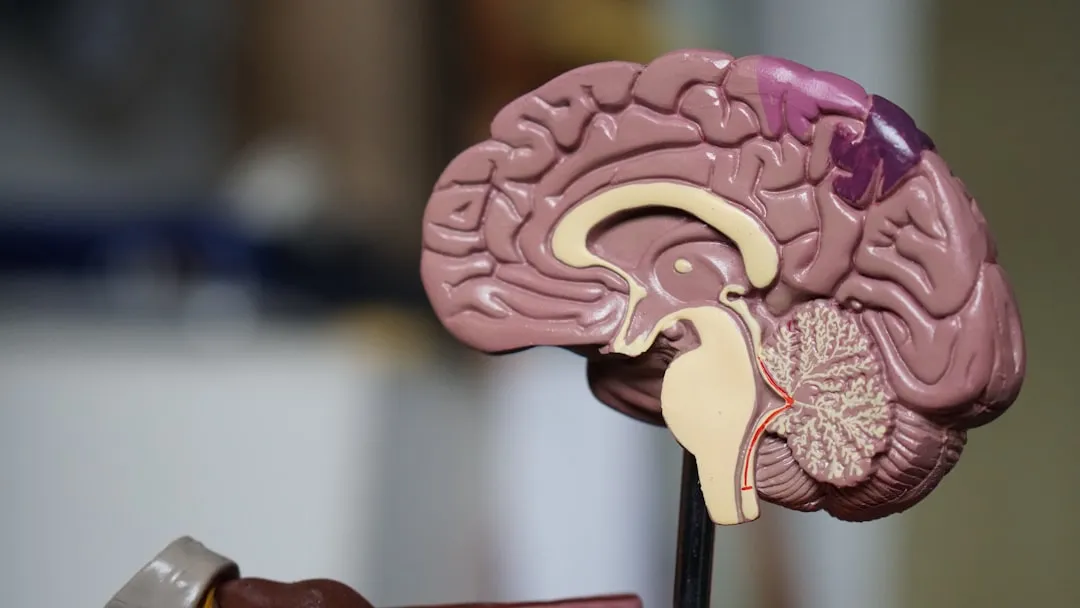
One area of brain-nutrition research that has gained real traction in recent years is the gut-brain axis. Neurologists now pay attention not just to what nourishes neurons directly, but to what supports the microbiome that communicates with the brain through multiple pathways. Neurologists recommend Greek yogurt as a memory-supporting food due to its protein and gut-supporting probiotics.
Fermented foods and fiber-rich plant foods feed beneficial gut bacteria, which in turn influence inflammation levels throughout the body, including in the brain. Several of the six foods above, particularly leafy greens, blueberries, and walnuts, have notable prebiotic and anti-inflammatory properties that serve this dual function.
The gut-brain connection is still being mapped, and the research is more preliminary in this area than it is for omega-3s or flavonoids. Still, the overall direction of the evidence supports eating the same foods for gut health that neurologists recommend for brain health. The overlap is not a coincidence.
Final Thoughts

The six foods covered here, fatty fish, blueberries, walnuts, leafy greens, eggs, and dark chocolate paired with green tea, aren’t a cure or a guarantee. Cognitive health is shaped by genetics, sleep, physical activity, stress, and many other variables that diet alone can’t override. What diet can do is meaningfully shift the odds over time.
The neurologists who study and treat brain disease professionally tend to make the same dietary choices they recommend to patients. That alignment between professional advice and personal practice is worth noting. It suggests these aren’t arbitrary guidelines, but choices grounded in the best available evidence.
Starting with one or two of these foods and building from there is far more sustainable than trying to overhaul everything at once. The brain is a long game, and the decisions made at the breakfast table today are quietly part of it.
AI Disclaimer: This article was created with the assistance of AI tools and reviewed by a human editor.