

1. ATM and Debit Card Receipts

These are among the most widely kept yet least necessary documents in anyone’s financial life. Once you’ve matched a receipt against your monthly bank statement and confirmed the transaction, the receipt itself serves no further purpose. It contains partial account information and enough identifying detail to be useful to a thief.
The Federal Trade Commission generally recommends keeping many routine monthly records for one year, but ATM receipts specifically are not monthly records. They are transactional slips with a lifespan measured in days, not months. Once reconciled, shred them immediately.
2. Monthly Bank Statements After Annual Reconciliation

Bank statements should generally be kept for three to seven years, as they support tax filings, audits, and financial reviews. The key phrase there is “support tax filings.” If a monthly statement has no connection to a deductible expense or reported income, its retention window is far shorter.
Bank and credit card statements with no tax relevance can typically be discarded after one year, though a seven-year retention is recommended if they are tax-related. For most people, that means a stack of routine monthly statements from three or four years ago is perfectly safe to shred today, provided the relevant tax year has closed and no disputes are pending.
The practical approach: keep the year-end summary and shred the individual monthly statements once you’ve confirmed accuracy. Your digital transaction history, stored securely in your bank’s online system, is usually accessible for years anyway.
3. Credit Card Statements Beyond the Retention Window

Credit card statements are usually retained for three to five years, but if any statements are tied to tax-deductible expenses, they may need to be kept longer. Statements that have no bearing on a tax filing, a warranty claim, or an ongoing dispute fall outside that protection window fairly quickly.
Credit card statements fall into the same realm as bank statements, and holding them for one year is generally a safe practice. Past that point, outdated statements become a liability sitting in your filing cabinet. Credit card fraud was the most commonly reported type of identity theft, with the FTC receiving nearly 450,000 reports in 2024 alone. Old statements with full account details are exactly what opportunistic thieves look for.
4. Utility and Phone Bills

Your gas, electric, water, and phone bills feel important in the moment. They rarely stay important for long. Unless you’re running a home-based business and claiming a portion of those bills as a deductible expense, there is almost no reason to hold on to them past a year.
Utility bills fall under the general one-year retention guidance for routine monthly records, according to the FTC. Once you’ve paid the bill, checked the amount, and confirmed nothing unusual appeared on your bank statement, the document has done its job. A year’s worth of statements in a folder is sufficient for any dispute with a provider. Anything older than that is clutter with personal data attached.
Home-business owners are the one exception. If you deduct a percentage of utilities, those bills connect to your tax return and should travel with your tax records under the standard IRS timeline.
5. Old Pay Stubs After Receiving Your W-2

Pay stubs serve one primary purpose: allowing you to verify that your employer is withholding the correct amounts. Once you receive your annual W-2 form and confirm it matches your records, the individual monthly or biweekly stubs become redundant. There’s no ongoing legal reason to keep them.
Payslips are recommended to be kept only until you receive your year-end summary and confirm its accuracy. That’s straightforward guidance that most financial professionals agree on. The W-2 is the document of record. The stubs that led to it are working papers, not archives. Check the W-2 carefully when it arrives each January, then clear the drawer.
6. Expired Credit Card Offers and Pre-Approved Notices

This is perhaps the most overlooked category. Pre-approved credit card offers and promotional loan mailers arrive constantly, and many people toss them directly into the recycling bin without a second thought. That’s a mistake. Credit card offers are documents people shouldn’t forget about, as they contain sensitive information and should be shredded when no longer needed.
These mailers typically include your name, mailing address, and sometimes partial financial data pulled from your credit file. In the wrong hands, a pre-approved offer can be redirected to a different address and used to open an account in your name. Shredding sensitive items such as old bills and financial notices is a practical and easy way to safeguard against identity theft and other fraud attempts. The few seconds it takes to run these through a cross-cut shredder is well worth it.
Why the Seven-Year Rule Matters for Everything Else

The seven-year rule on financial document shredding is recommended by experts based on the IRS’s usual audit timeframes. This rule governs the documents you should not shred: full tax returns, supporting documentation, records of major purchases, investment records, and anything tied to a deduction or income claim. Those stay. Everything else has a much shorter window.
The IRS requires you to keep records that support an item of income, a deduction, or a credit on a return as long as they remain material, which is generally until the three-year period of limitations expires. However, if the IRS identifies a substantial error, they can go back up to six years. Keeping anything tax-adjacent for seven years is therefore the conservative and widely recommended standard.
How to Shred Safely and Effectively

Not all shredding is equal. Strip-cut shredders create long ribbons that can, in theory, be reconstructed. A cross-cut or micro-cut shredder reduces documents to small confetti-like pieces that are far more secure. For highly sensitive materials, professional shredding services offer certified destruction with a certificate of destruction for your records.
After it is no longer necessary to retain financial statements or any documents with personal information, you should dispose of them by shredding, not by simply throwing them in the trash. That distinction matters more than most people realize. Electronic files should also be password-protected and stored in a secure cloud system, and when documents reach their retention period, they should be disposed of properly to protect sensitive information.
What You Should Never Shred
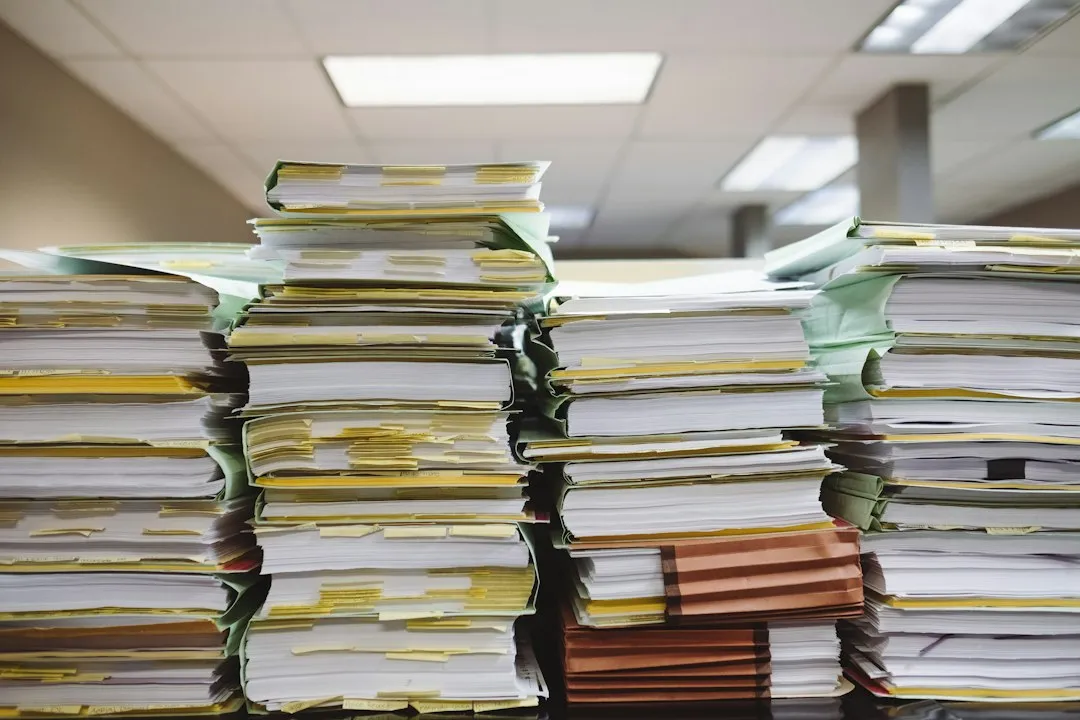
Knowing what to shred is only half the equation. The other half is recognizing what must stay. Documents to keep permanently include birth and death certificates, wills, powers of attorney, trust agreements, marriage and divorce documents, and Social Security cards. These are irreplaceable and often legally required at critical moments in life.
Investment records should be retained for the period of ownership plus seven years, as they are needed to calculate capital gains or losses when you sell, and home purchase and sale records serve the same function for calculating capital gains tax. Property and investment documents don’t follow the same one-year logic as a utility bill. They follow the asset itself.
Building a Simple Annual Shredding Habit
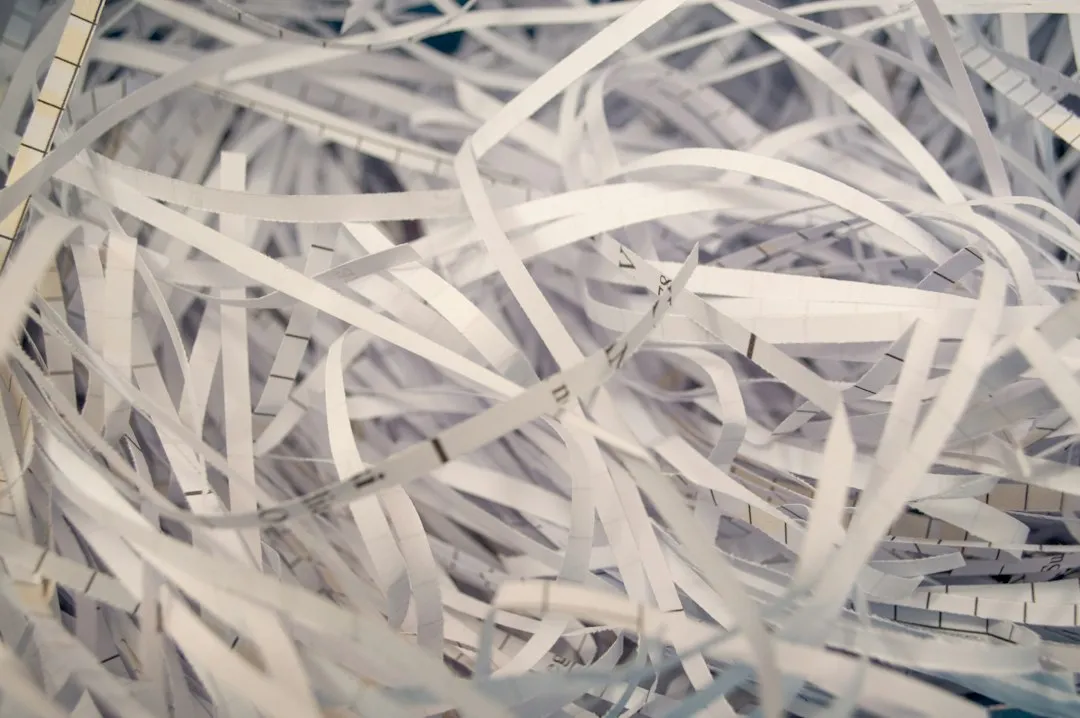
The cleanest approach is to schedule one document review per year, ideally after tax season wraps up in spring. At that point, you have a clear picture of which documents were relevant to your filing and which were not. Anything outside the tax-relevant category and past the one-year routine mark is a candidate for the shredder.
Regularly reviewing records and shredding outdated documents is important to protect yourself from potential data breaches. Think of it the same way you’d think of updating passwords or reviewing your credit report. It’s a maintenance habit, not a crisis response. Total financial losses associated with fraud increased over 24% in 2025, reaching nearly $16 billion. The environment is only getting more hostile, and a single annual shredding session costs almost nothing.
The Takeaway

There’s no prize for keeping every piece of paper that ever mentioned a dollar amount. The six document types covered here, ATM receipts, reconciled bank statements, dated credit card statements, utility bills, verified pay stubs, and unsolicited credit offers, are safe to shred once their short shelf life has passed. The risk of holding onto them unnecessarily is real and growing.
The underlying principle is straightforward: keep what the IRS or a legal dispute might one day require, and shred everything else before someone else gets to it first. A well-maintained filing system isn’t measured by its size. It’s measured by how much useful, protected information it actually contains.
AI Disclaimer: This article was created with the assistance of AI tools and reviewed by a human editor.