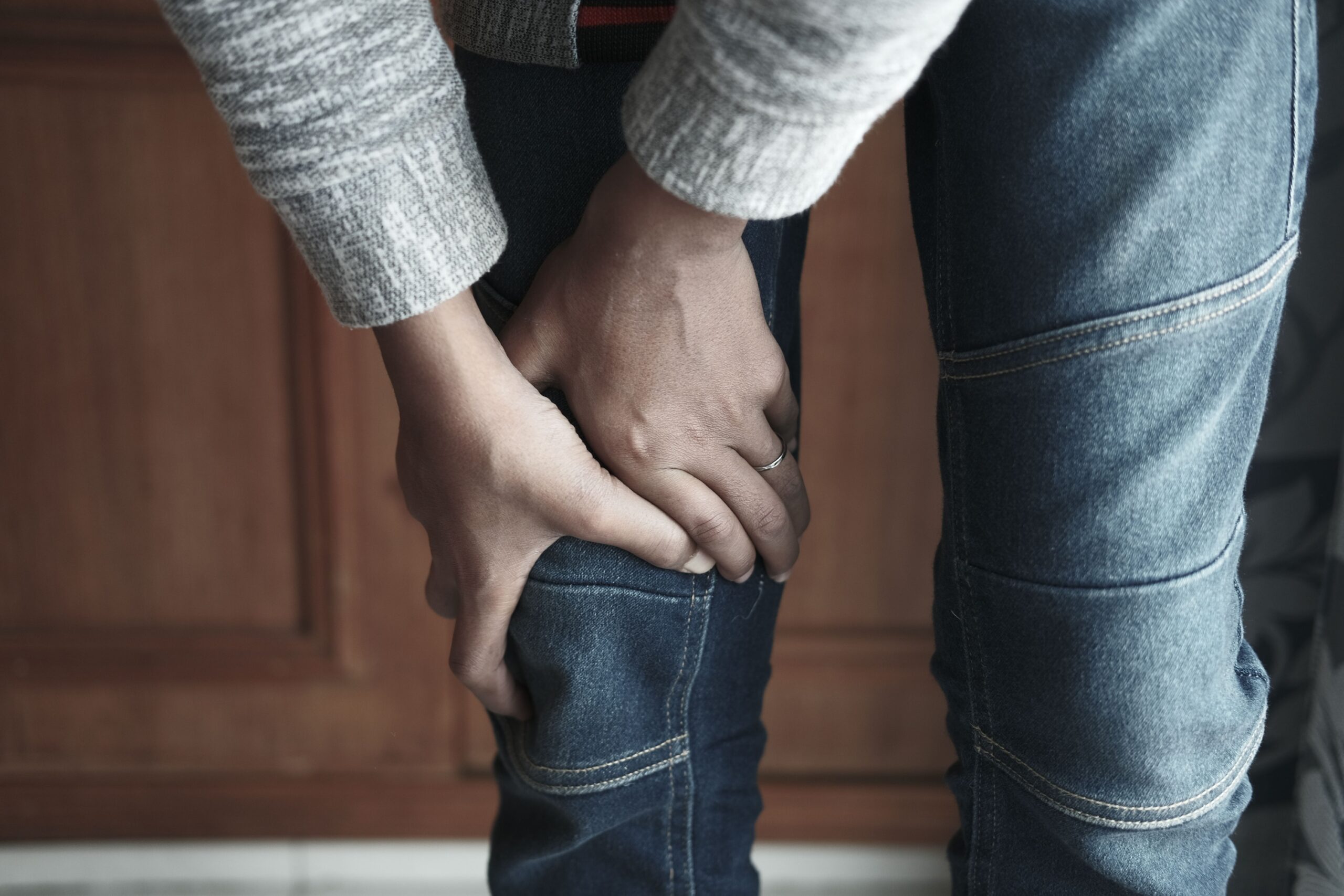

Knee pain isn’t just a problem for older adults or competitive athletes anymore. It is increasingly becoming common among younger adults and even people in their late twenties and thirties. For most people, the culprit isn’t a single dramatic injury. It’s something far more mundane.
Sitting, poor posture, obesity, lack of physical activity, and improper exercise routines are silently contributing to the growing burden of knee damage. Physical therapists who see the consequences of these patterns every day consistently point to the same small, repeatable habits as the real troublemakers. Here are the six they mention most often.
1. Sitting for Too Long, Too Often
According to board-certified orthopedic clinical specialists, leading a sedentary lifestyle is one of the worst things you can do for your knees. “Your knees are designed to move, and sitting for long hours can lead to stiffness and tightness in the knee joint.” It sounds almost too simple to be serious, but the evidence keeps piling up.
Research shows that people who sit for more than ten hours each day are roughly thirty percent more likely to experience knee pain than those who are on their feet more. Part of the problem is what happens inside the joint itself. Healthy knees rely on synovial fluid, which acts as a lubricant. Movement helps circulate this fluid, nourishing cartilage and reducing friction. When you sit for long periods, less synovial fluid circulates through the joint, contributing to stiffness when you finally stand up or start walking.
Being sedentary can lead to tight hamstring and hip flexor muscles, which affect knee joint alignment. Muscles that help absorb impact on your knees become weak, leading to instability and pain. Physical therapists generally recommend standing, stretching, or walking briefly every thirty to sixty minutes as a baseline habit.
2. Wearing the Wrong Shoes
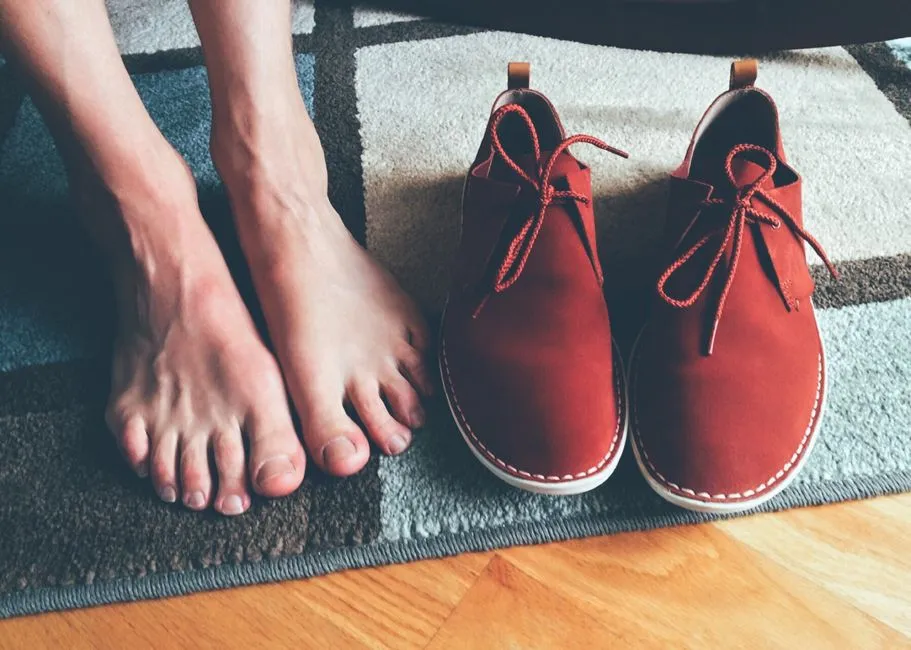
The wrong shoes can strain the knees without any immediate warning sign. Unsupportive footwear disrupts the natural heel-to-toe gait, forcing the knees to absorb extra shock with each step. Most people don’t think twice about their footwear until something already hurts.
Shoes lacking proper arch support fail to distribute weight evenly, placing uneven pressure on joints over time. High heels or overly flat soles tilt the body unnaturally, altering alignment and increasing knee stress. A 2025 study published in Medicine confirmed the mechanism behind this. High-heeled shoes delayed peak extension moment during the gait cycle while increasing certain knee flexion moments, indicating elevated kinetic loads on the patellofemoral joint from muscles and ligaments.
Wearing the wrong shoes or ones that are worn out can negatively impact your biomechanics, leading to joint discomfort. Choosing the right footwear is crucial for maintaining alignment and reducing stress on your joints during exercise. Even everyday walking shoes matter, not just gym footwear.
3. Skipping the Warm-Up
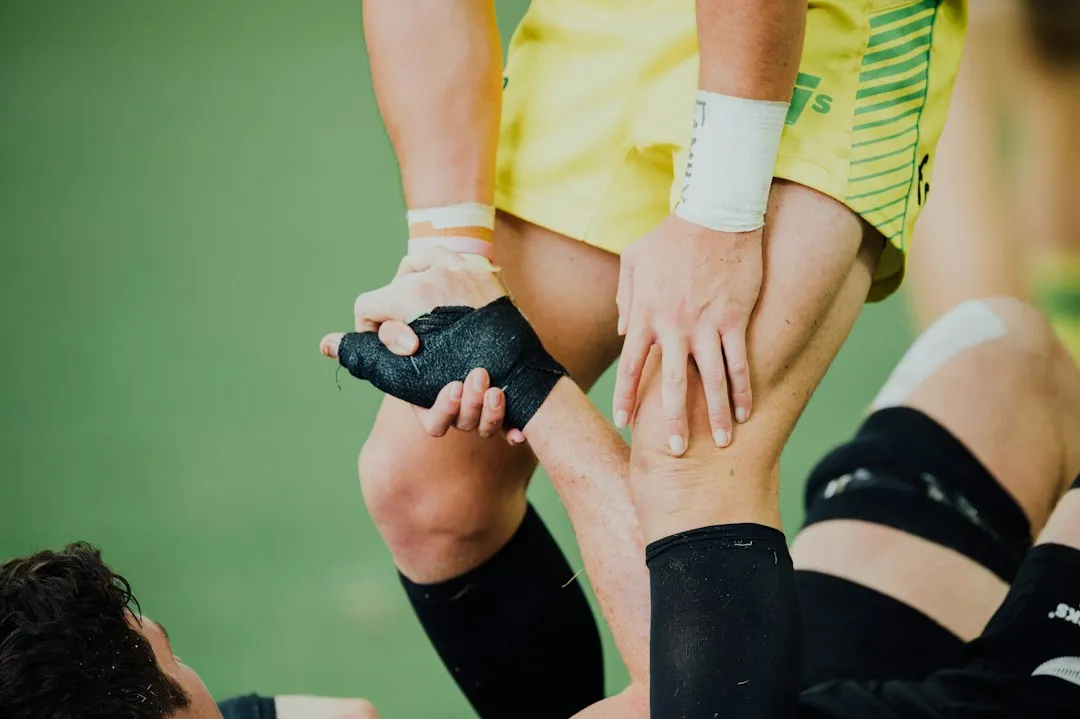
Skipping a proper warm-up can leave your muscles tight and less flexible, increasing your risk of injury. A good dynamic warm-up is essential to prepare your muscles and joints for activity. It’s one of those habits that feels fine until it suddenly isn’t.
Modern lifestyles often combine inactivity with sudden bursts of intense exercise. Many individuals remain sedentary during the week and engage in aggressive gym workouts or sports over the weekend without proper conditioning. This imbalance significantly increases the likelihood of knee injuries. Physical therapists call this the “weekend warrior” pattern, and they see its results frequently.
Cold, unprepared muscles place far more load on the joint structures that would normally share the burden during properly warmed-up movement. Excessive exercise of the wrong kind can damage your knees. Making repetitive motions such as lunging, jumping, and pivoting repeatedly for years can strain your knee joints beyond their capacity, especially without proper preparation beforehand.
4. Poor Walking Mechanics
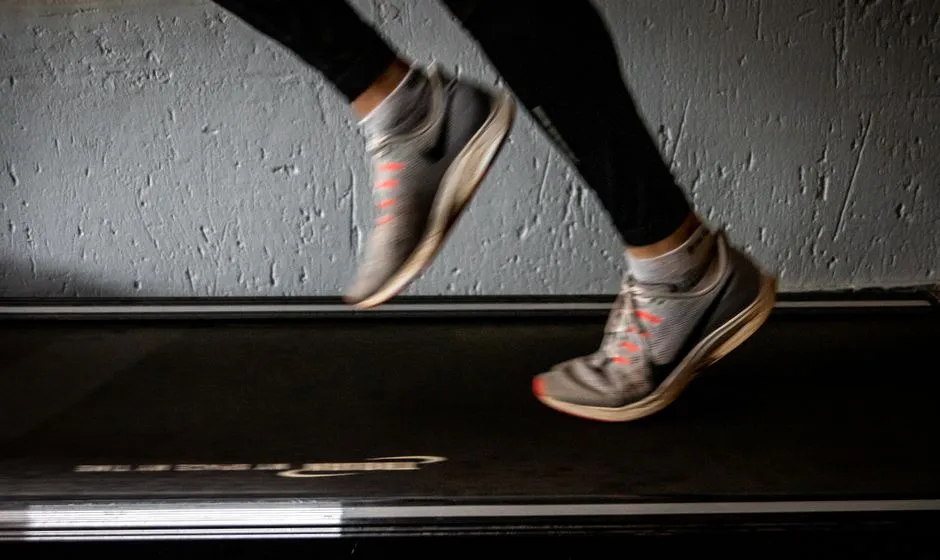
Poor walking mechanics are among the most common causes of knee pain. Overpronation, flat feet, and inward knee collapse alter the biomechanical load on the joint, straining cartilage and ligaments with every step. The tricky part is that most people have no idea their gait is off.
A gait analysis identifies the specific movement dysfunction driving the problem. Strengthening the gluteus medius corrects inward knee collapse, and supportive footwear reduces ground reaction forces on the joint. These are small, targeted fixes that physical therapists often recommend before anything more involved.
Consider that every mile of walking involves thousands of individual steps. Even a minor mechanical flaw, repeated that many times, accumulates real wear. Stair climbing alone generates patellofemoral stress of up to four times body weight. Weak quadriceps and poor knee tracking concentrate the load at a single cartilage point rather than distributing it evenly across the joint.
5. Carrying Extra Body Weight
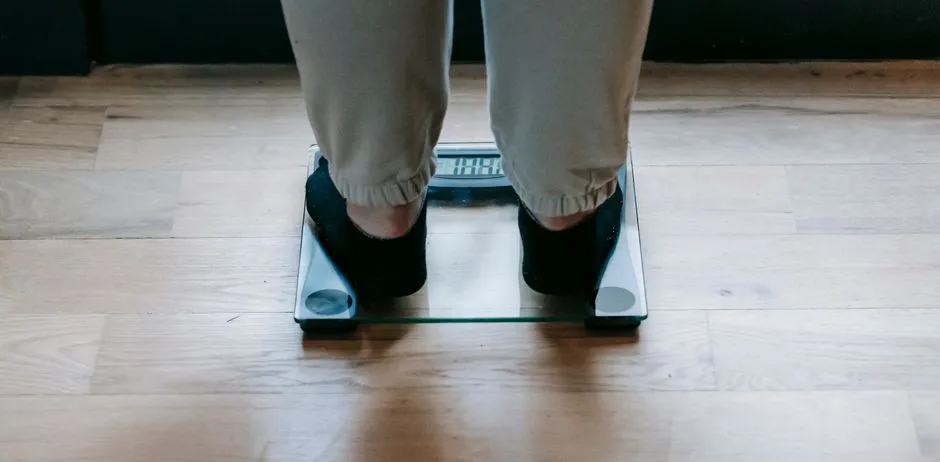
Maintaining a healthy weight lowers your risk of joint pain and mobility complications. Weight and joint health are inextricably connected, so extra weight puts more stress on your knees and hips, increasing the risk of joint pain and conditions like osteoarthritis. This one isn’t subtle, and the math is worth understanding.
Excess body weight increases pressure on the knees even while sitting. Each additional pound adds stress to the joint structures, contributing to pain and inflammation. When walking or climbing stairs, that multiplied load becomes considerably more significant because the knee bears several times your body weight per step.
The habits with the clearest evidence against them are carrying extra weight, letting the muscles that straighten the knee get weak, and brushing off knee injuries, because each is linked with a higher risk of knee osteoarthritis. Weight management remains one of the most actionable changes a person can make to protect knee health over the long term.
6. Ignoring Pain and Pushing Through
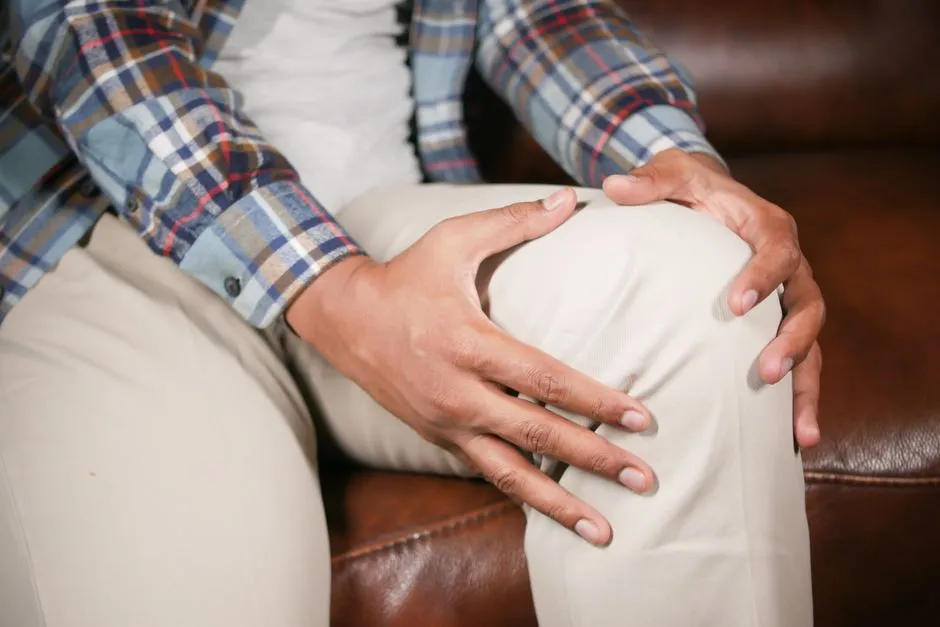
If you don’t take care of your knees, you can develop a range of knee problems, including arthritis, tendinitis, bursitis, and cartilage damage. Physical therapists frequently see patients who tried to “walk off” discomfort for months before seeking help, by which point the damage has progressed further than it needed to.
Ignoring pain or locking knees during movement can worsen damage, just as weak leg muscles shift stress onto vulnerable joints. Pain is not weakness or inconvenience. It’s the joint’s clearest way of communicating that something needs attention.
A professional assessment is worth seeking when knee pain persists for more than two weeks, returns after physical activity, is accompanied by visible swelling or warmth, or when you notice changes in how you walk. If you are avoiding stairs, shortening your stride, or shifting weight to the opposite leg without consciously choosing to, your body is already compensating. That compensation, left unaddressed, tends to create new problems upstream in the hip and lower back.
The Bigger Picture
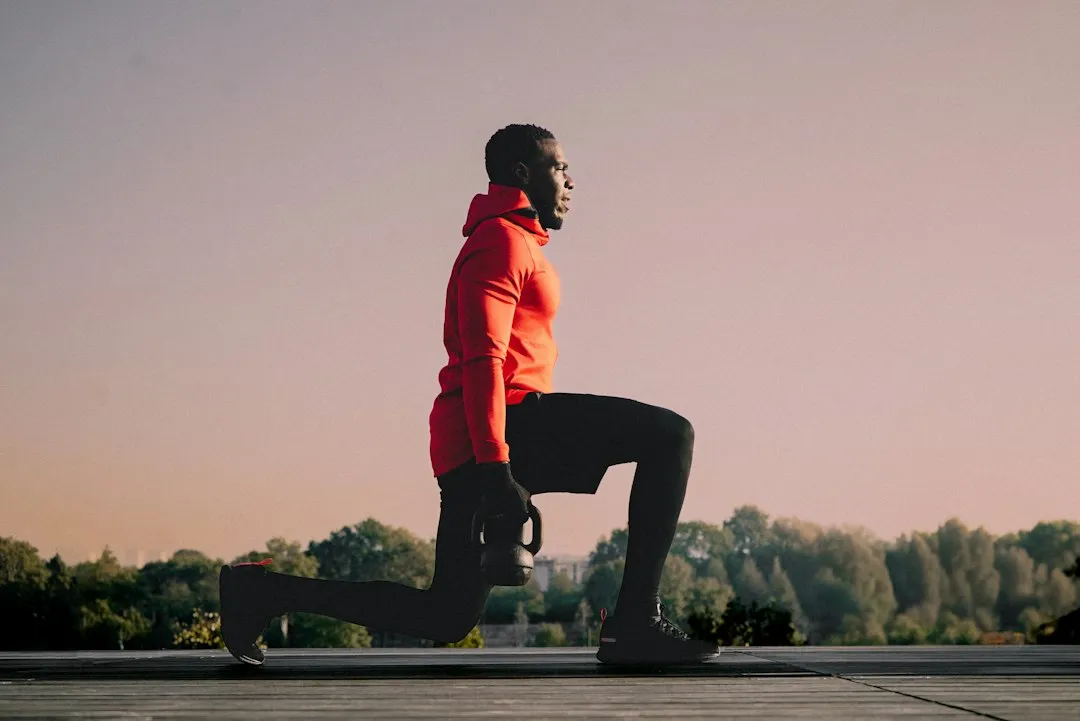
None of these habits are dramatic. That’s precisely what makes them so common and so underestimated. Many everyday habits slowly wear down knee health without people realizing it. Sitting too long stiffens joints, while unsupportive shoes fail to absorb impact. Skipping warm-ups leaves muscles unprepared.
There’s also an encouraging counterpoint worth keeping in mind. Systematic reviews demonstrate that exercise therapy does not seem to harm cartilage structure or quality. Moving well, consistently and with good form, is protective, not destructive. The goal isn’t to be careful and still. It’s to move smarter.
Knees are resilient joints, built for a lifetime of use. The habits listed here are correctable, most of them without medical intervention. The sooner they’re identified and adjusted, the less catching up the joint has to do later.
AI Disclaimer: This article was created with the assistance of AI tools and reviewed by a human editor.