
1. Scrolling on Your Phone After Dark
It’s one of the most widespread nighttime habits, and one of the most consistently studied. Research highlights that excessive screen time, particularly in the evening, harms sleep quality by interfering with melatonin production due to blue light exposure. Less melatonin means a delayed sense of sleepiness, which pushes your actual sleep onset later – making morning that much harder.
Evening screen use disrupts circadian rhythms, leading to difficulty falling asleep, shorter sleep duration, and fragmented sleep. Engaging with stimulating digital content further raises cognitive arousal, complicating relaxation before bedtime. So the problem isn’t just the light – it’s also the content. Social feeds and news streams are designed to keep you engaged.
Evening blue light exposure, especially after 9 PM, adversely affects sleep quality, motor performance, and cognitive function. The National Sleep Foundation recommends turning off screens at least one hour before bedtime, and the American Academy of Sleep Medicine also recommends turning off screens at least 30 minutes to an hour before bed.
2. Drinking Alcohol to Wind Down
It feels like a glass of wine before bed helps you relax. Physiologically, it does – for a while. While alcohol may shorten the time it takes to fall asleep, experimental and epidemiological evidence consistently demonstrates that any short-term sedative effects are outweighed by later-night sleep fragmentation and reduced sleep quality.
Researchers at the E.P. Bradley Hospital Sleep Research Laboratory, working with colleagues from Brown University, found that consuming an alcoholic beverage before bed causes a reduction in REM sleep. REM sleep is the stage most closely associated with mental restoration, memory consolidation, and mood – so losing it means waking up feeling unrefreshed even after a full night in bed.
Drinking on consecutive nights did not change the amount of REM sleep impacted, meaning the body does not adapt to overcome the effects of alcohol. The research team concludes that drinking even a small amount of alcohol before bed can adversely affect sleep quality. Late evening timing of alcohol intake amplifies sleep fragmentation and respiratory disturbances, whereas earlier consumption may attenuate, but not eliminate, some adverse effects.
3. Eating a Large Meal Right Before Bed

A heavy dinner late in the evening is a common culprit that often goes unexamined. Eating large meals before bed can negatively affect sleep quality. Digestion requires work from your body, and that metabolic activity can raise core body temperature and make settling into deep sleep harder.
Population-level evidence suggests that eating or drinking less than one hour prior to bedtime could have a negative impact on wakefulness after sleep onset. In plain terms, late meals are associated with waking up more during the night – which fragments sleep and makes the alarm feel like an assault by morning.
Earlier meal times have been found to help people shift their bedtimes and wake times earlier. In one study, participants successfully shifted their sleep schedule two hours earlier by eating breakfast shortly after waking up, eating lunch at the same time every day, and not eating after 7 PM. The timing of your meals sends real signals to your internal clock.
4. Keeping an Inconsistent Sleep Schedule
Staying up two hours later on Friday than on Monday might feel harmless, but your circadian system doesn’t agree. Research suggests that going to bed at very different times on weekends compared to weekdays can disrupt your internal clock and make good sleep harder to get – sometimes referred to as “social jet lag.”
Most people focus on sleep duration – the seven to nine hours of recommended nightly rest – but sleep scientists and a growing body of evidence suggest that keeping a consistent sleep schedule may matter even more than how long you sleep. Consistency trains your body to expect sleep and wakefulness at predictable times.
The brain thrives on consistency, as irregular sleep has been tied to cognitive decline and higher dementia risk. A 2025 study from the University of Tsukuba in Japan, which tracked 458 older adults using wearable devices, came to this conclusion. The stakes extend well beyond just feeling groggy – chronic irregularity carries real long-term consequences.
5. Consuming Caffeine Too Late in the Day

Caffeine is the world’s most widely used stimulant, and most people underestimate how long it stays active in the body. Consuming caffeine even six hours before sleeping can disrupt sleep, and similarly, consuming alcohol in the hours before bed has also been demonstrated to disrupt sleep.
Mental arousal from late-night arguments, work problems, or consuming upsetting news can also keep the brain alert and make it harder to fall asleep – and caffeine compounds all of this by keeping the central nervous system already primed for wakefulness. A 3 PM coffee can still be affecting your ability to fall asleep at 11 PM.
Disrupted sleep is associated with feeling unrefreshed in the morning and hitting the snooze button. For these reasons, it’s best to limit or avoid caffeine and alcohol, at least in the evenings, when you’re trying to make waking up an easier endeavor. A simple cut-off time, consistently applied, makes a real difference over weeks.
6. Bright Light Exposure Too Close to Bedtime
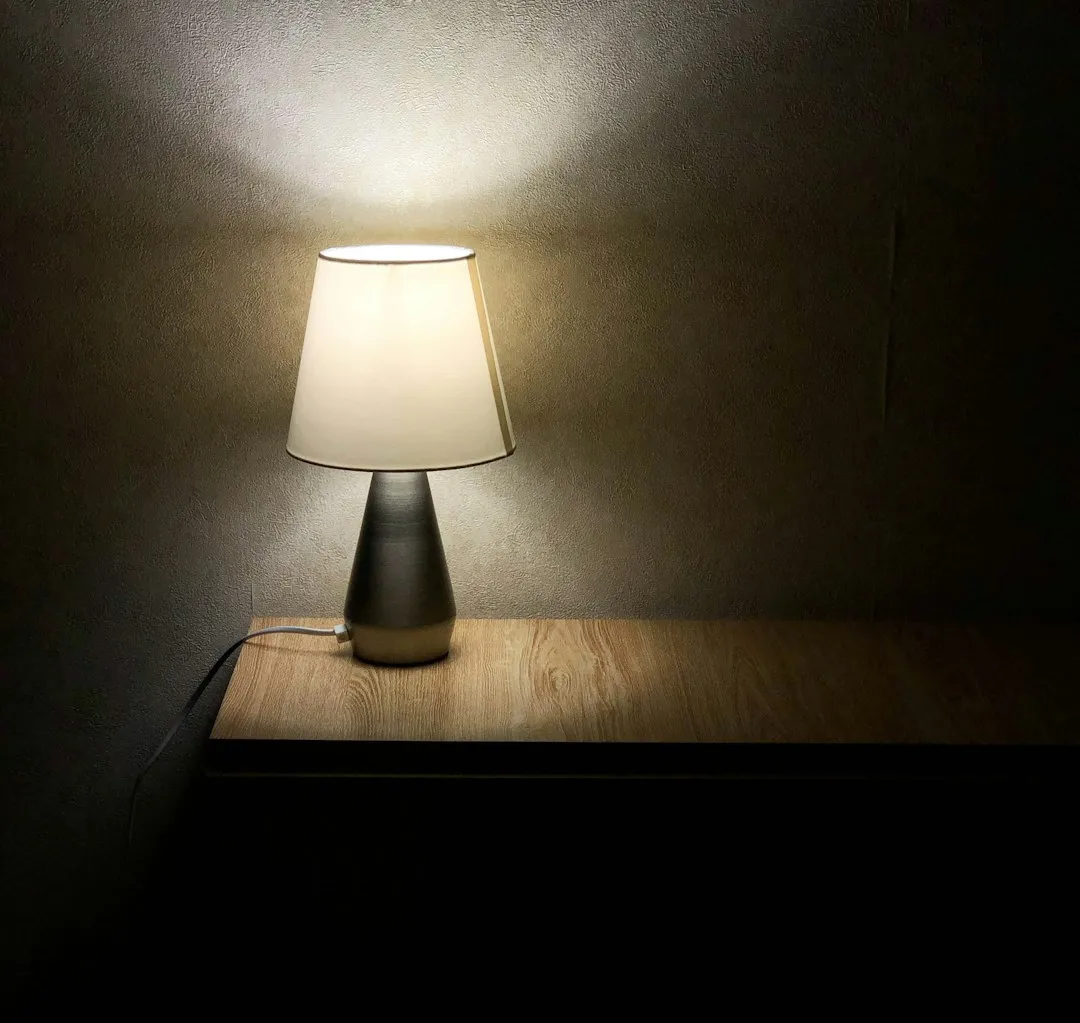
Most people know screens emit light, but the issue goes beyond phones. Overhead lighting, televisions left on, and even bright kitchens during late evening cooking all contribute. Evening light exposure can throw off your sleep schedule, because circadian rhythms can be disrupted by exposure to light during periods of time when it’s dark outside.
Bright lights at night can reduce melatonin levels, which is the hormone that helps you feel sleepy. The glow of cell phones, computers, and TVs also slows melatonin production. The result is a delayed sleep onset, meaning you fall asleep later even if you’re in bed at the right time.
Think of light like a natural alarm clock – it’s your body’s main timekeeper. Morning sunlight tells your body it’s time to wake up, while evening darkness signals it’s time to sleep. When you miss that early light or fail to dim things down at night, your body clock may drift out of sync, making evenings feel more restless and mornings harder than they need to be.
The Takeaway
Waking up well isn’t really a morning skill. It’s mostly an evening one. The habits covered here – late screens, alcohol, heavy meals, schedule inconsistency, caffeine timing, and excess light – are each supported by a growing body of research, and none of them require dramatic lifestyle overhauls to address.
People who met the National Sleep Foundation’s sleep duration recommendations were nearly half again as likely to be classified as “flourishing” – a measure that spans happiness, productivity, progress toward personal goals, and a fulfilling social life. Sleep really does touch everything.
Small adjustments, made consistently over time, tend to compound quietly in your favor. The evening doesn’t have to feel restrictive. It just has to be a little more deliberate.
AI Disclaimer: This article was created with the assistance of AI tools and reviewed by a human editor.