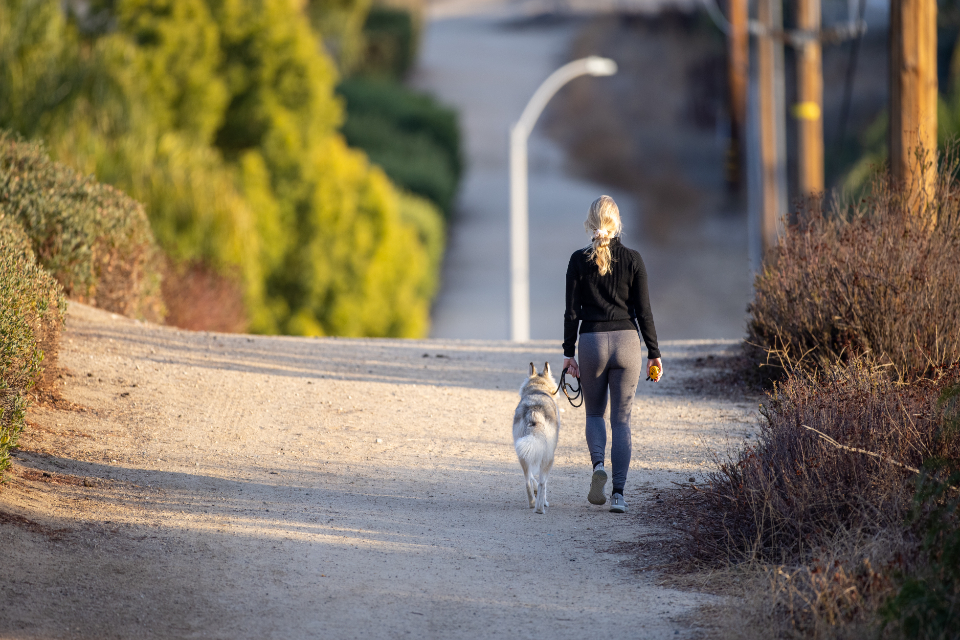

Most people picture a dog happily lounging in a sunny yard, maybe chasing a ball here and there. For some breeds, that gentle image is genuinely enough. For others, it’s closer to a polite suggestion they’ll cheerfully ignore before dismantling your garden furniture.
Certain dogs were built to work all day across open terrain. Their genes don’t disappear because they live in a suburb. If you’re considering one of the six breeds below, knowing what they actually require, not what you hope they’ll settle for, matters enormously for both you and the dog.
1. Border Collie: The Athlete That Never Clocks Out
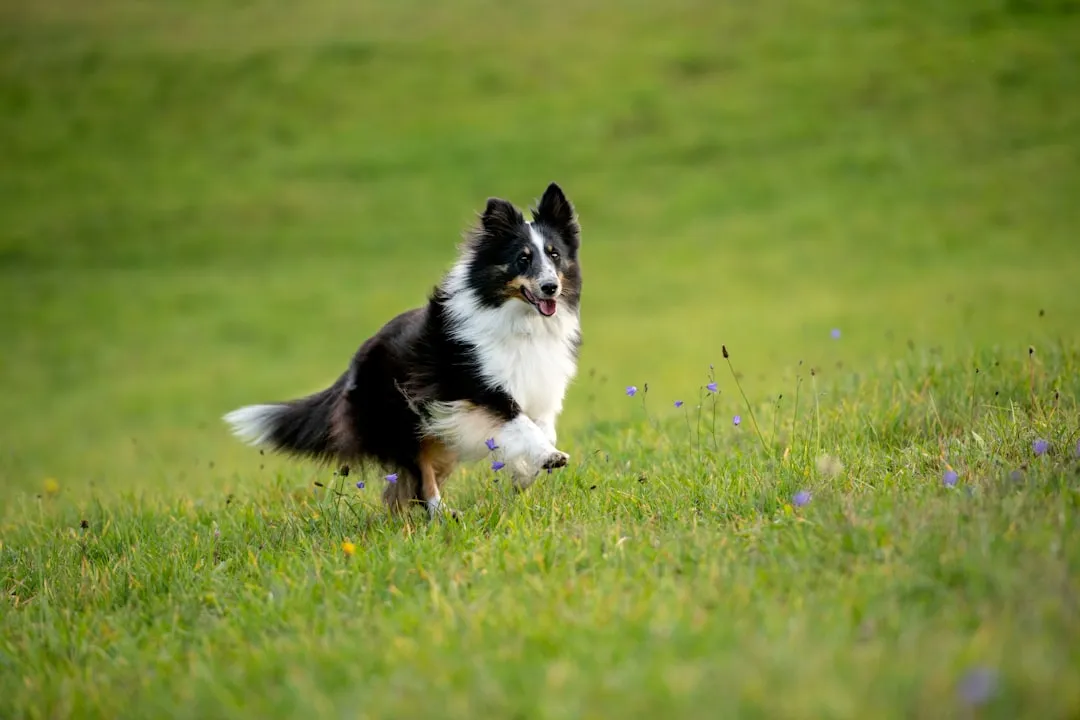
Border Collies are one of the most active dog breeds in existence, requiring at least two to three hours of vigorous exercise every day to fulfill their physical and mental energy requirements. That number is not an exaggeration written for dramatic effect. The Border Collie is best suited to a home with access to a securely fenced garden, as their very high energy requirements mean apartment living without regular outdoor access is generally not recommended.
Border Collies are highly intelligent and benefit considerably from mental stimulation alongside physical exercise, with training games, scent work, and puzzle feeders all helping to prevent boredom-related behaviors. They thrive on physical and mental stimulation, and without it, can become unhappy and destructive. A big backyard is not a luxury for this breed. It is genuinely part of what keeps them stable and content.
2. Australian Shepherd: The Herder Who Needs a Purpose

Australian Shepherds are high-energy dogs that thrive on physical and mental stimulation, making them best suited to active lifestyles, requiring more than two hours of exercise daily, which can include brisk walks, runs, or playtime in a secure area. Their high energy and need for space to run and play make them much happier in homes with secure yards, and if apartment living is the only option, owners must commit to multiple daily walks, dog park visits, and engaging activities to meet their substantial exercise requirements.
Aussies love to dig, but if they’re regularly ripping up the backyard, it might mean you need to increase their activity level. Whether it’s long hikes, daily training sessions, or competitive sports, these dogs love to stay busy and thrive when given a purpose. Without that purpose, they tend to invent one, usually at your expense.
3. Siberian Husky: Endurance Built Into the Bones
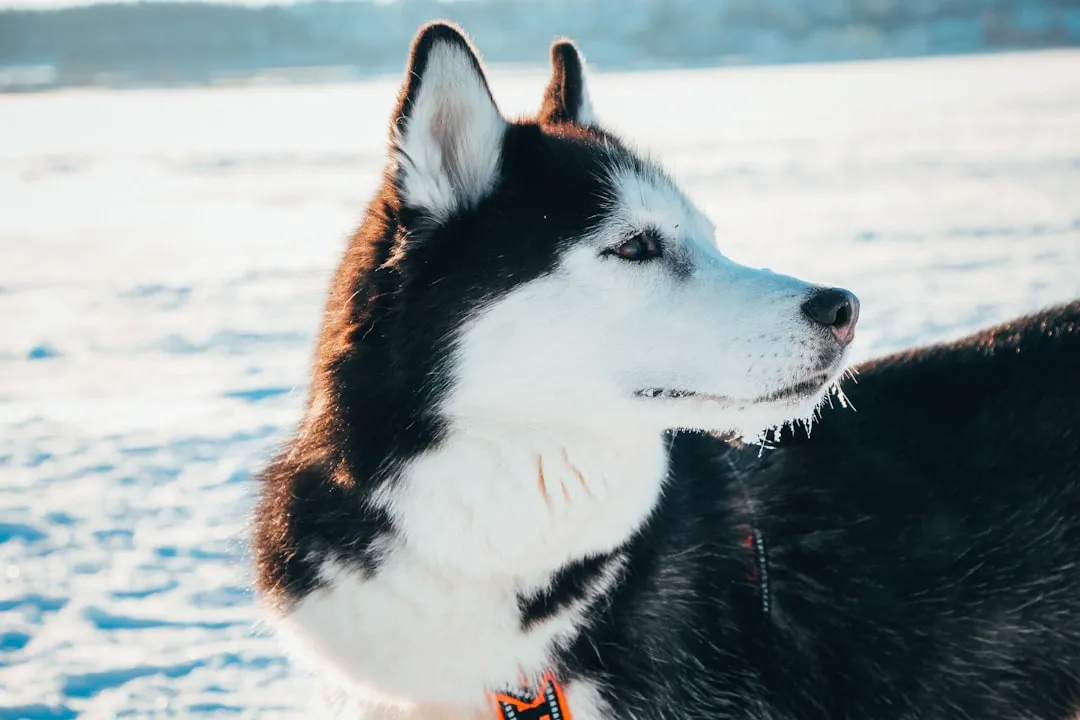
The Siberian Husky is a working breed that was originally bred to pull sleds and carts long distances in the harsh Russian climate. That heritage translates directly into their daily needs in a domestic setting. Siberian Huskies are high-energy dogs that require over two hours of exercise a day to tire them out, and to keep Siberians mentally stimulated, walking routes should be varied, with owners ideally allowing some time for them to play off-lead.
Originally bred to pull sleds over long distances, they need plenty of space to run and exercise, and cooping them up indoors can lead to boredom and destructive behavior. Huskies are also exceptional escape artists, meaning fencing must be high and secure at the base. A standard picket fence is not going to hold one for long, particularly if they’re bored.
4. German Shepherd: Working Intelligence That Demands an Outlet
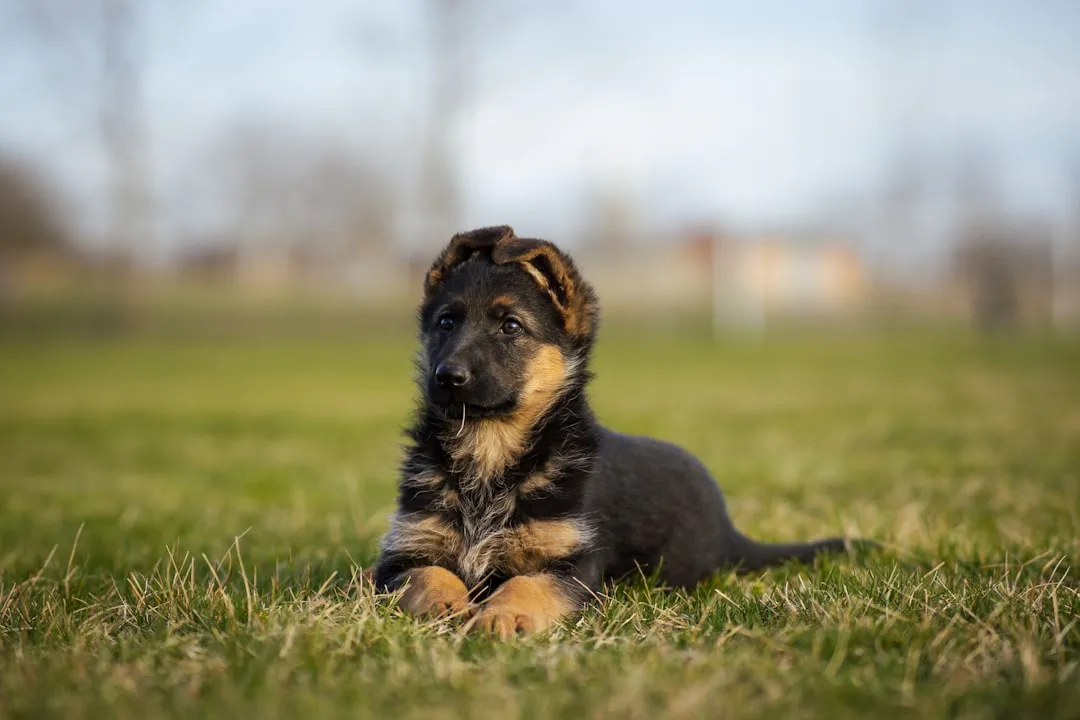
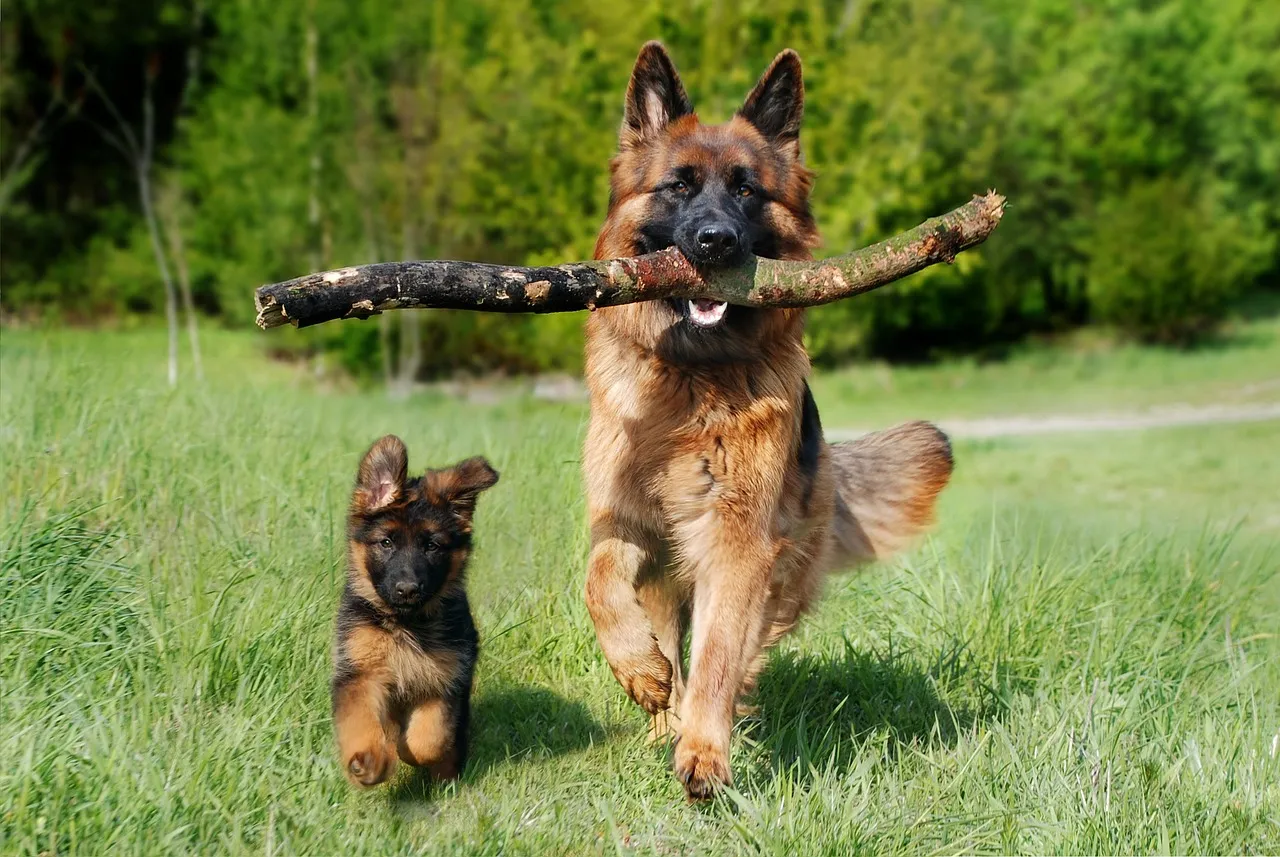
Obedient, intelligent, and strong, there’s a reason German Shepherds are commonly used in military and police forces, and they are not well suited to apartment life, needing to be out and about and kept occupied. Dogs like German Shepherds were bred to work all day, and these breeds often have high mental exercise needs in addition to physical ones. That combination of body and brain makes them genuinely demanding to own well.
German Shepherds are versatile working dogs that require both mental and physical exercise, and indoors, they can become anxious without tasks to engage them, thriving in environments where they can perform duties like search and rescue or participate in dog sports. These dogs often need the upper end of the exercise spectrum, around 90 to 120 minutes daily. A spacious yard where they can train, patrol, and play is not optional for this breed.
5. Siberian-Adjacent: The Weimaraner’s Relentless Drive

Weimaraners are loyal, affectionate, and fun-loving dogs who require a lot of exercise and entertainment, love chasing but need more than just a game of fetch at the park, and it is best if their owners are either very physically active or have acres of land for the dog to bound in to its heart’s content. Few breeds illustrate as clearly as the Weimaraner how a dog’s historical role, in this case hunting large game across long distances in Germany, shapes what they still need today.
Weimaraners are known for their speed and endurance, requiring ample space to run and play, and indoor confinement can lead to separation anxiety and undesirable behaviors, as they thrive in environments where they can engage in activities like fetching and running, with open fields and regular exercise ensuring their physical and mental well-being. Their attachment to their owners is also deep, which means they don’t just need space. They need space with you in it.
6. Labrador Retriever: The Friendly Force of Nature
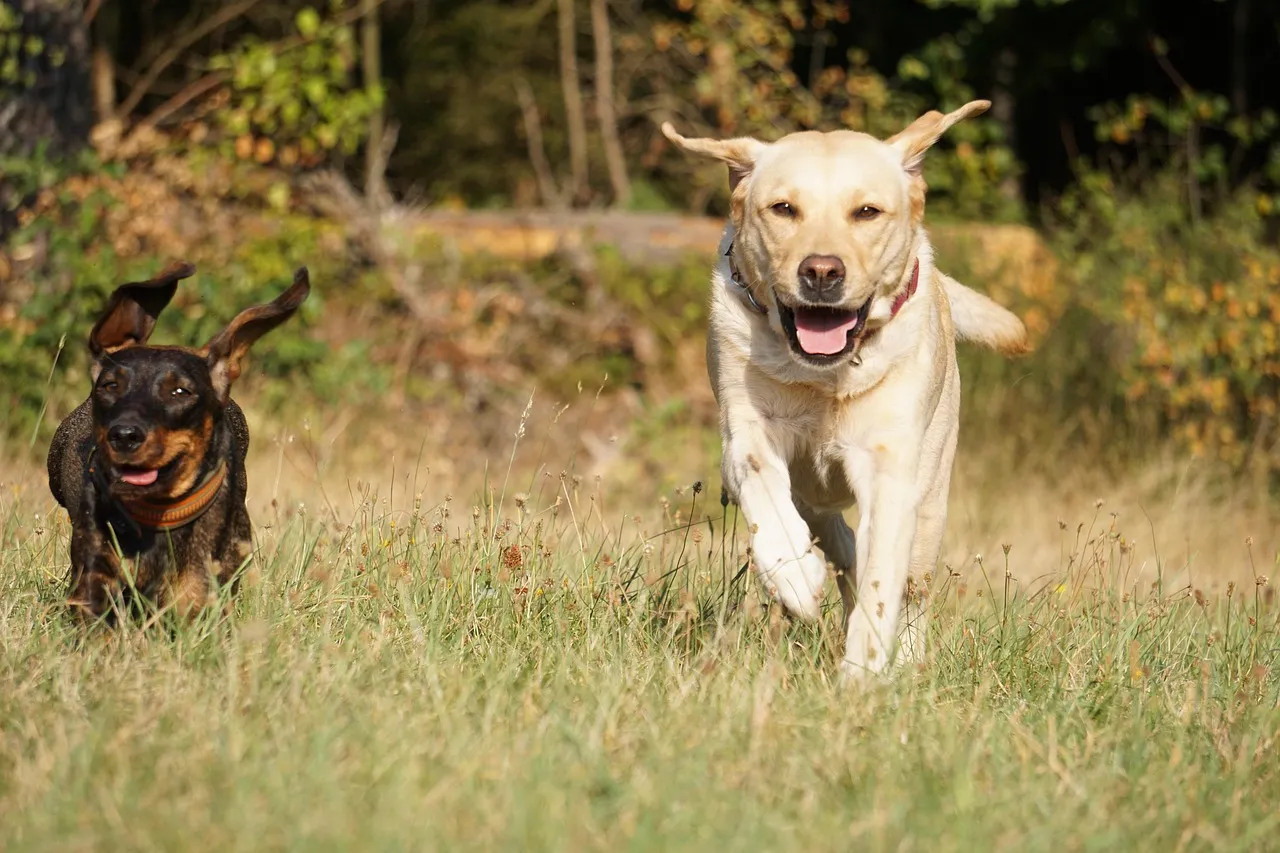
Labrador Retrievers are affable, energetic dogs who need an abundance of daily exercise, with somewhere between one and one-and-a-half hours of vigorous activity being about right for the breed. They have incredible stamina and often require vigorous activity to truly tire out, meaning a simple walk is rarely enough, and they need to run, swim, or engage in long games of fetch to stay lean and calm.
Food-loving Labradors are prone to canine obesity, which regular exercise and a healthful diet can combat, and challenging exercises also keep Labs mentally engaged, which is important for this intelligent breed. A fenced yard where a Lab can sprint, retrieve, and burn through its considerable energy is genuinely one of the best investments an owner can make. Labrador Retrievers and other larger breeds rarely exercise themselves adequately in a backyard alone, so owner involvement remains essential no matter how much space you provide.
Why a Big Yard Alone Is Never Enough
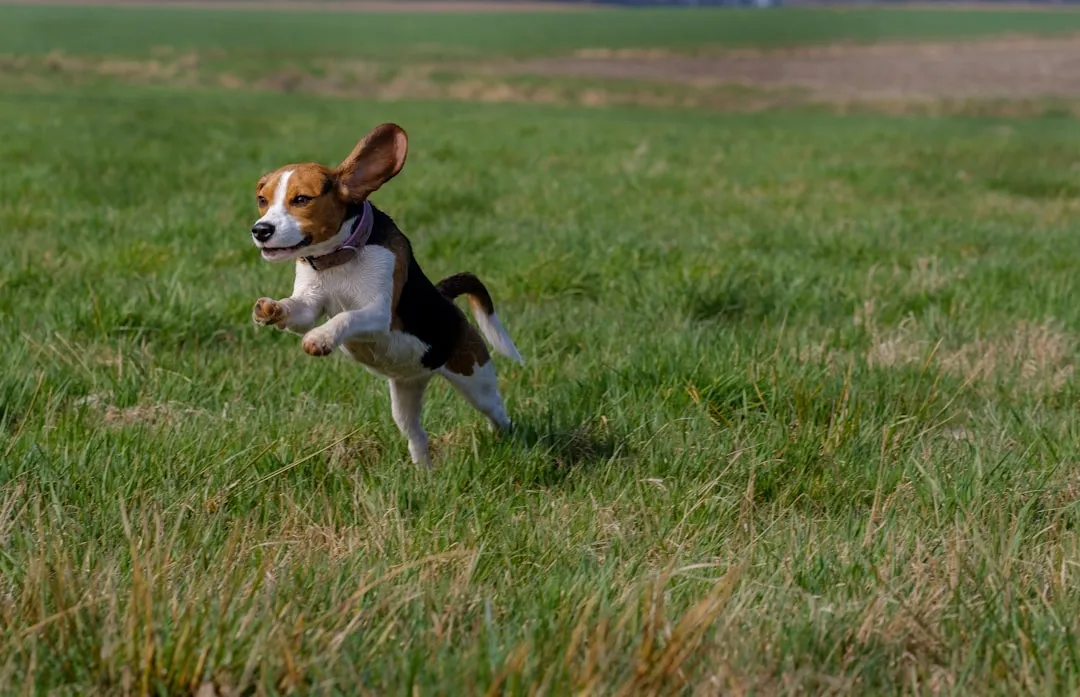
Most people mistakenly assume that having a large backyard for their large breed dog allows for adequate exercise, but this is a misconception that needs to be addressed. Outdoor space matters enormously for these breeds, but it functions more as an arena than a solution on its own. High-energy breeds need to feel productive, and if they don’t have an outlet, they’ll often get frustrated and unleash their energy in destructive ways.
Every dog needs daily exercise, but the amount and type of activity can vary wildly depending on breed, age, and overall health. The key pattern across all six breeds above is that physical space and active human participation go together. One without the other simply doesn’t work for these particular dogs.
What Happens When These Breeds Don’t Get Enough

Breeds with high energy levels need to feel productive, and without an outlet, they’ll often get frustrated and unleash their energy in destructive ways. For high-drive dogs like Border Collies and Huskies, that frustration can look like relentless barking, furniture destruction, fence-testing, or compulsive behaviors. Without sufficient exercise combined with mental stimulation, they can become bored, unhappy, and destructive at home.
A Border Collie stuck inside all day will likely develop behavioral problems. The same principle applies across all six breeds covered here. These are not personality flaws in individual dogs. They are entirely predictable outcomes of placing a working animal in an environment that cannot meet its baseline needs.
Mental Stimulation Is Just as Non-Negotiable

Working and herding breeds were bred to work all day, and these breeds often have high mental exercise needs in addition to physical ones. Running laps in a yard satisfies the body but leaves the mind untouched. Border Collies, for example, benefit considerably from mental stimulation alongside physical exercise, with training games, scent work, and puzzle feeders all helping prevent boredom-related behaviors.
For Australian Shepherds and German Shepherds particularly, structured training sessions count as genuine exercise. The mental load of learning a new command or working through an agility sequence tires these dogs in ways that a long walk cannot fully replicate. Combined programs of physical and cognitive activity consistently produce more settled, balanced behavior than raw mileage alone.
Fencing, Space, and Safety Considerations
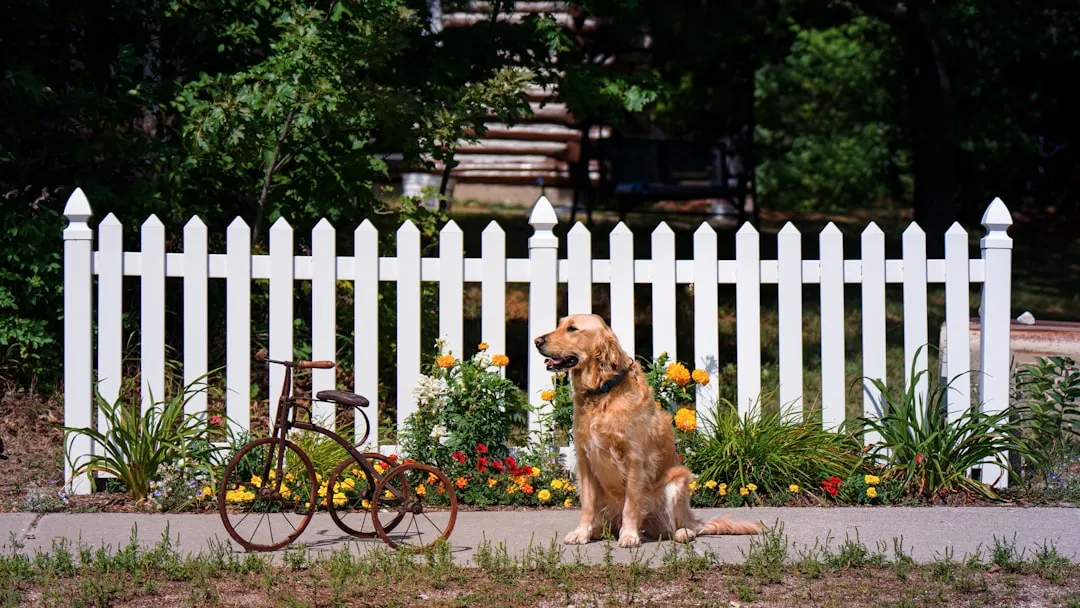
Access to a securely fenced garden is strongly recommended for breeds like the Border Collie, which does not thrive when confined without adequate outdoor access. The emphasis on security matters. Huskies in particular are exceptional escape artists, meaning fencing must be high and secure at the base. Australian Shepherds and Weimaraners are also known to test boundaries aggressively when understimulated.
Regular daily exercise for high-drive breeds is ideally divided into multiple sessions rather than a single walk, and access to safe enclosed areas where they can run freely supports healthy energy release and balanced behavior. If your yard has weak spots or low fencing, fix those before bringing any of these dogs home. A bored, athletic dog and an inadequate fence is a combination that rarely ends well.
Are You the Right Owner for One of These Breeds?
Every dog needs daily exercise, but the amount and type of activity can vary wildly depending on breed, age, and overall health, and understanding your dog’s unique exercise requirements is key to keeping them healthy, happy, and well-behaved. For the six breeds in this article, that means honest self-assessment before adopting. When selecting a breed, it is worth considering their physical activity requirements and your genuine ability to provide consistent exercise and mental stimulation.
Exercise recommendations for dogs range between 30 minutes and two hours of moderate to high-intensity activity daily, and the time and intensity vary so widely because different dog breeds have distinct exercise needs, with some breeds being natural athletes with an abundance of energy to burn throughout the day. If your lifestyle comfortably supports two-plus hours of active outdoor time daily, one of these six breeds may genuinely thrive with you. If that sounds like too much, that’s useful information too.
The Takeaway
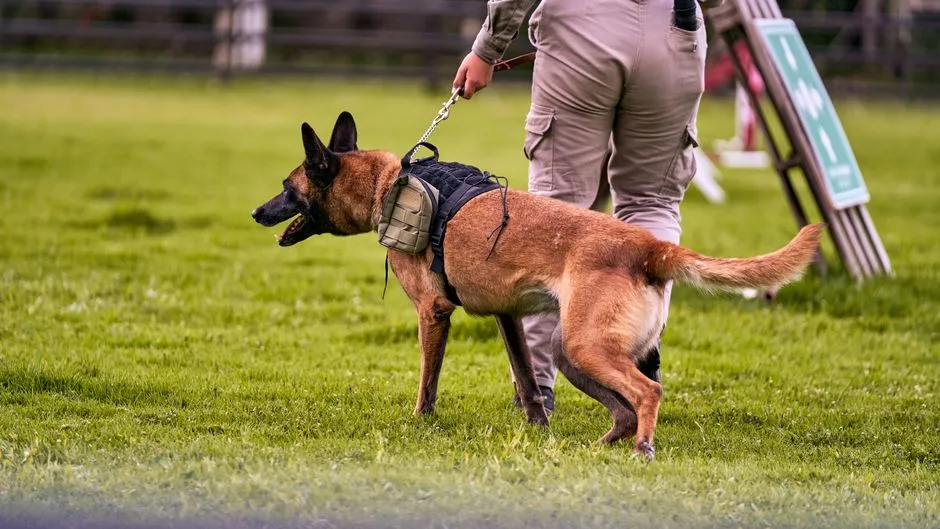
Border Collies, Australian Shepherds, Siberian Huskies, German Shepherds, Weimaraners, and Labrador Retrievers share one defining truth: they were shaped by centuries of hard, purposeful work, and that history doesn’t fade because they now live as family pets. A big yard helps. Consistent, engaged daily activity is what actually makes the difference.
Getting the right dog for your lifestyle matters far more than getting the most beautiful or popular breed. These six are genuinely wonderful animals in the right home. The question worth sitting with before you commit is simply this: is yours that home?
AI Disclaimer: This article was created with the assistance of AI tools and reviewed by a human editor.