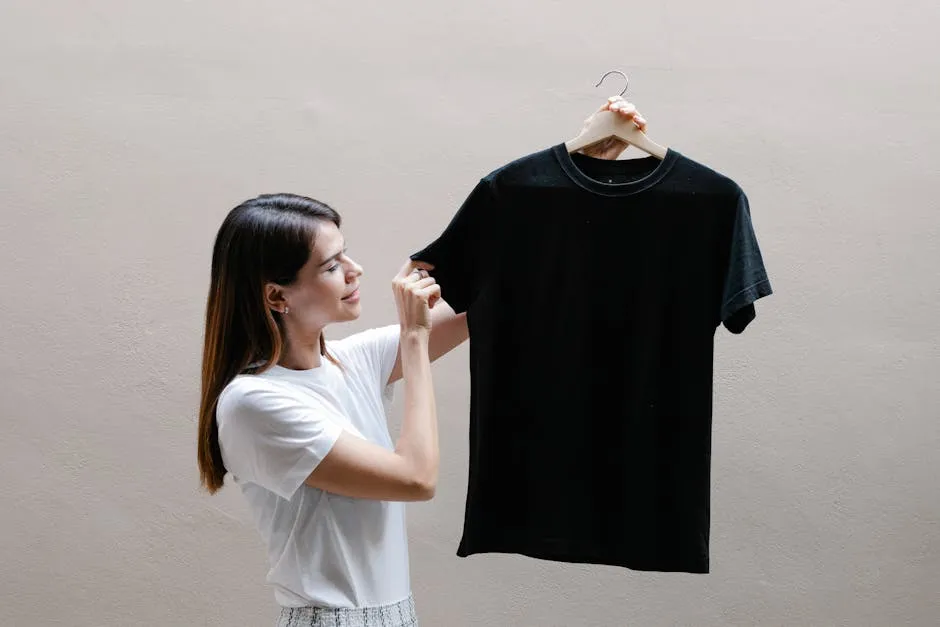

Most people treat an old t-shirt as a problem to solve. It’s faded, pilled, maybe a size too small, and it gets tossed in a bin without much thought. What happens next is more significant than most of us realize.
In the USA, just over 11 million tons of textile waste go to landfills every year. It takes about 2,700 liters of water to make one cotton t-shirt, which means every shirt you keep out of a landfill carries real environmental weight. The good news is that cotton is one of the most versatile materials in your home, and repurposing it requires almost zero skill and zero cost. Here are six genuinely useful ways to do it.
1. Reusable Cleaning Rags That Actually Work
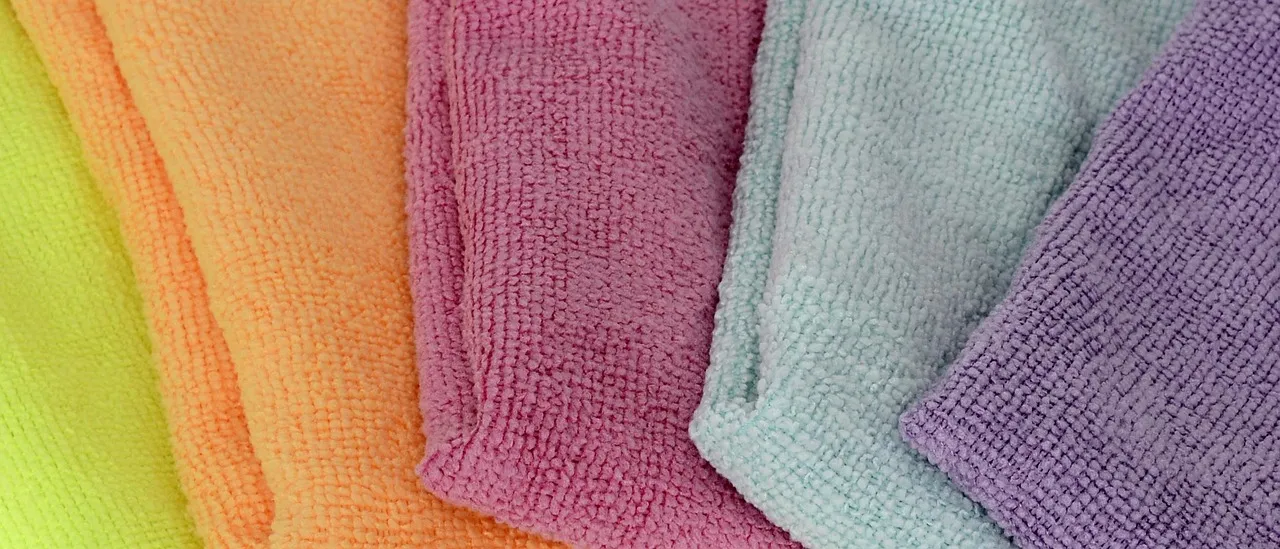
Old t-shirts make fantastic cleaning cloths that often work better than store-bought alternatives. The soft cotton fabric won’t scratch delicate surfaces like glass or electronics, while the material’s natural absorbency helps tackle spills and dust with ease.
A single cotton rag can endure hundreds of uses, while a paper towel disintegrates after one. That’s a meaningful difference, especially when you consider that according to the EPA, the use of tissue paper and paper towels added up to 3.8 million tons of municipal solid waste in 2018.
Simply cut your shirts into manageable squares and you’ll have a steady supply of lint-free cleaning cloths. To maintain hygiene, these rags should be washed regularly using natural, biodegradable detergents and air-dried to conserve energy.
2. No-Sew Tote Bags for Grocery Runs
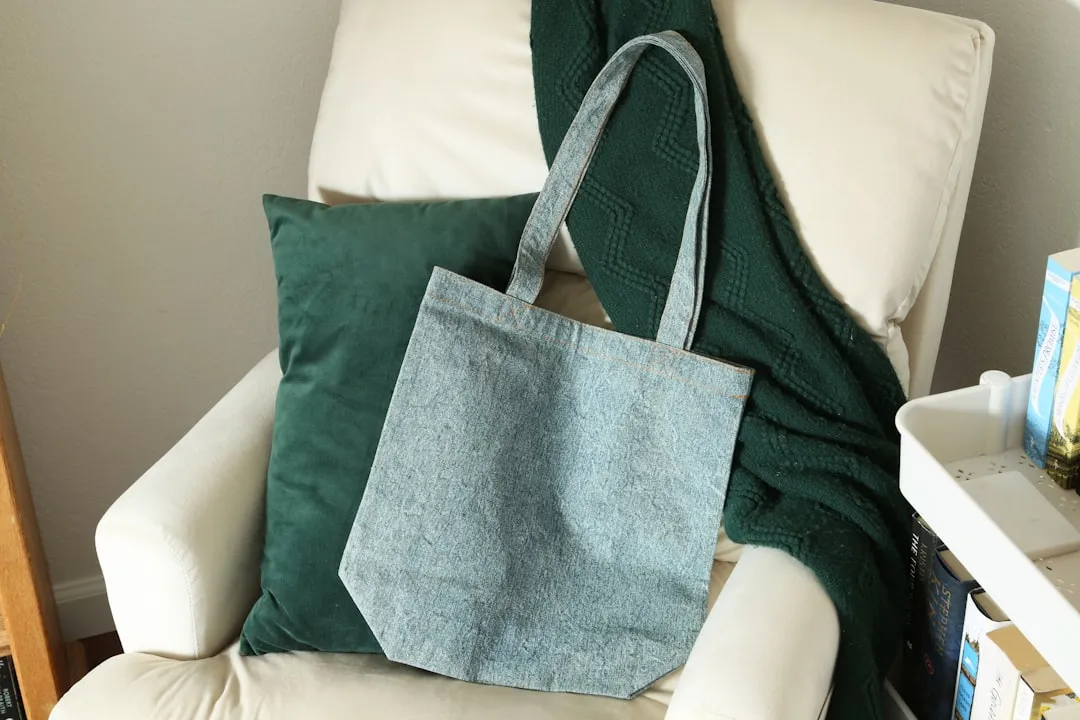
Thick cotton t-shirts convert easily into reusable shopping bags without requiring any sewing skills. Cutting off the sleeves and the neckline creates the basic handles and opening for your bag. Slicing the bottom hem into vertical strips gives you pieces to tie together. Knotting the front and back strips tightly seals the bottom of the bag securely.
These homemade totes replace single-use plastic bags at the grocery store or farmers’ market. The cotton material stretches to accommodate odd-shaped items like produce or large boxes.
You can fold several of these flat and keep them in your car trunk for impromptu shopping trips. Washing them regularly keeps them clean and ready for your next grocery run. It’s a genuinely practical hack that takes about ten minutes to make and costs nothing.
3. DIY Draft Stoppers for Doors and Windows
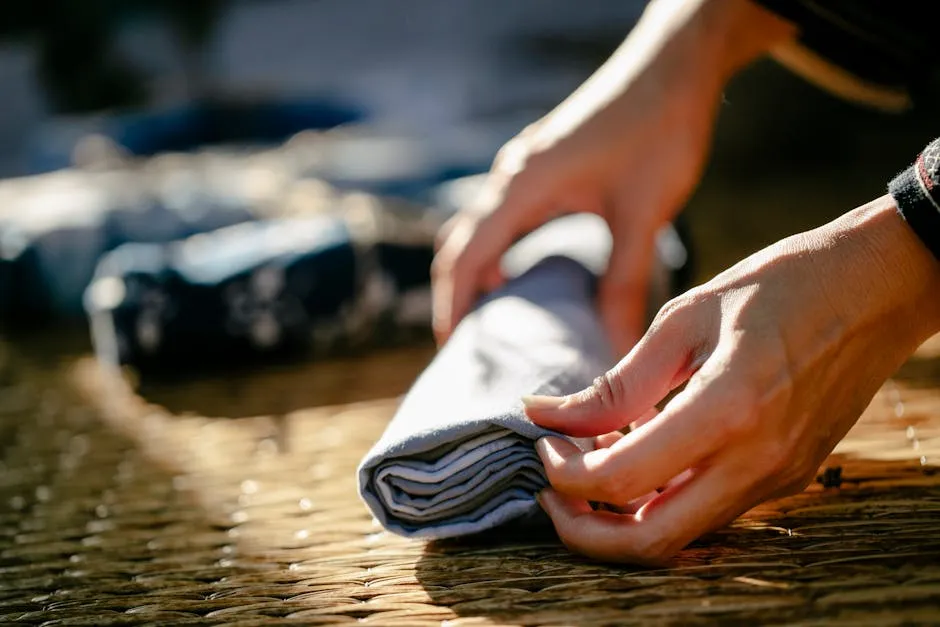
The cotton material works well because it’s dense enough to block air but flexible enough to conform to uneven gaps. A rolled-up t-shirt placed at the base of a drafty door is one of the simplest energy-saving moves you can make in a home.
Firmly stuffed items like draft dodgers or decorative doorstops benefit greatly from the heavyweight of fabric scraps. You eliminate waste by finding a purpose for the smallest remaining threads.
You can even sew a simple fabric cover around the rolled shirt to make it look more intentional and decorative. It keeps cold air out in winter and warm air out in summer, which is the kind of low-effort home improvement that actually pays off over time.
4. Pillow Stuffing and Pet Bed Filling

Turn multiple old shirts into filling for throw pillows or pet beds by cutting them into small pieces. This approach works particularly well for outdoor cushions where you don’t need the same level of comfort as indoor furniture. The cotton provides decent support while being completely washable, unlike some synthetic fillings that clump together after washing.
Creating your own stuffing saves you from purchasing expensive foam or poly-fill from the craft store. This technique utilizes the irregular hems, collars, and seams that cannot be used in other projects.
For pet beds in particular, the cotton is safe if your pet chews on it, and the familiar scent of your clothing can be comforting to animals. That’s a surprisingly thoughtful benefit that store-bought fillers can’t replicate.
5. Garden Plant Ties
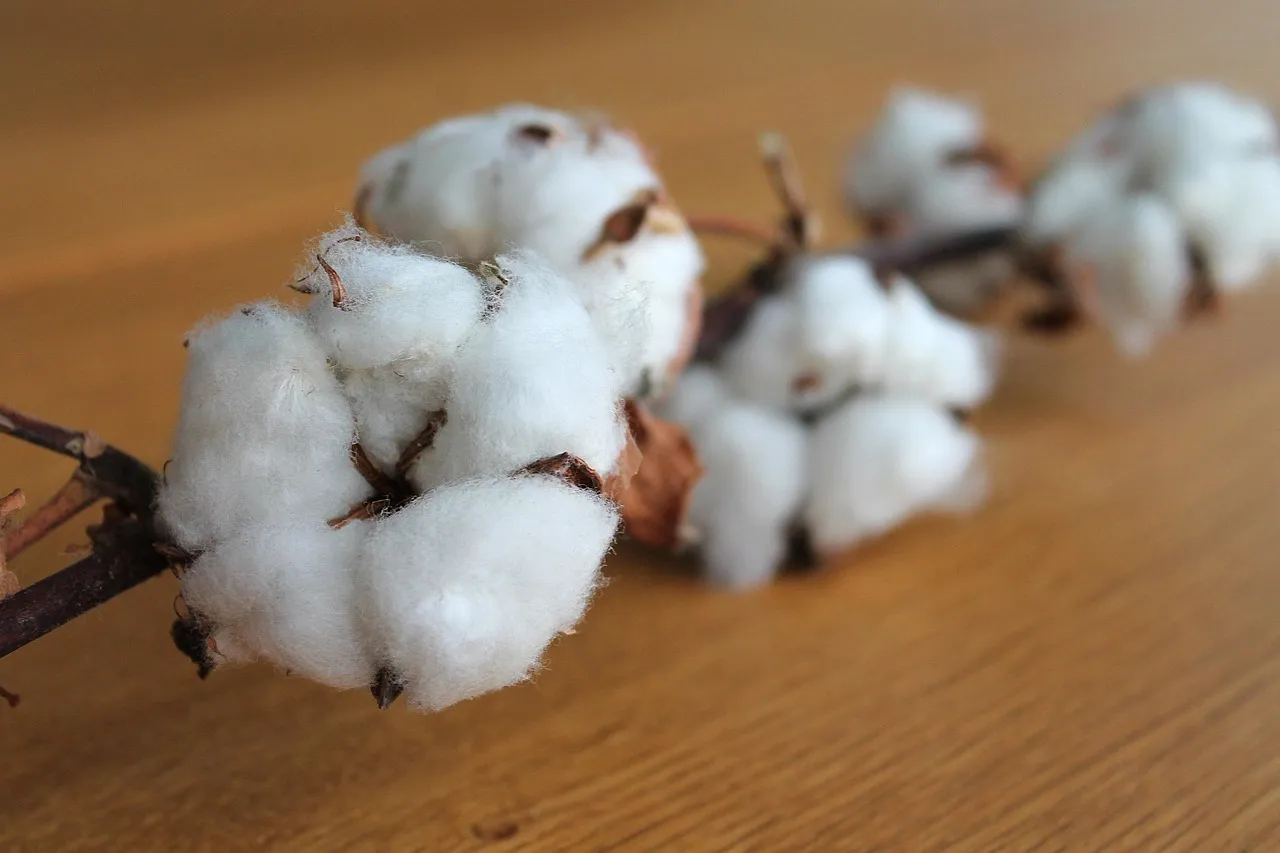
The soft fabric won’t cut into stems like wire or rough twine can, and cotton naturally breaks down over time if you accidentally leave pieces in the garden. Tomatoes, climbing beans, and young saplings all benefit from a gentle tie that moves a little with the plant rather than pinching it.
Cut old shirts into long, thin strips and you’ll have a nearly endless supply of plant ties. You can also wet an old t-shirt and lay it inside a coco liner to help retain more moisture for the plants, covering it up with potting soil as you would normally. The t-shirt helps retain more moisture for the plants and helps block some of the wind that would dry out the soil faster.
Cotton’s biodegradability is the key advantage here. Fabrics can decompose naturally, but this is largely true for natural fabrics only, such as cotton. Synthetic alternatives, by contrast, linger in the soil far longer.
6. Memory Quilts and Framed Textile Art
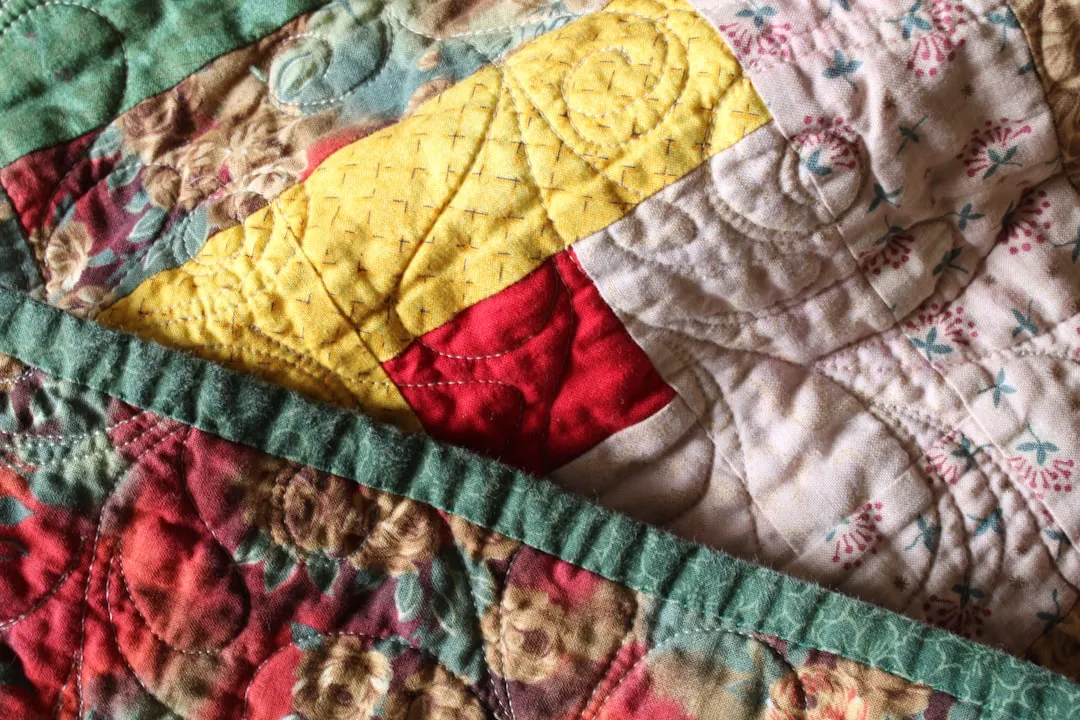
Baby clothes, concert tees, and old school uniforms hold precious memories that are hard to part with. Cutting these garments into uniform squares allows you to combine them into a single functional memory quilt. Arranging the pieces in a thoughtful layout highlights the most important graphics and patterns. Sewing them together with a soft backing material creates a warm blanket for cold nights.
Retiring a favorite t-shirt can be difficult, especially if it represents a fond memory like an amazing concert or a winning season for your favorite team. Displaying these items with decorative frames lets you incorporate creative artwork into your home while preserving these memories.
For those who don’t sew, there are businesses that will do the needlework for you. So even if you’re not handy with a needle and thread, the option is still very much on the table.
Why This Matters More Than It Seems
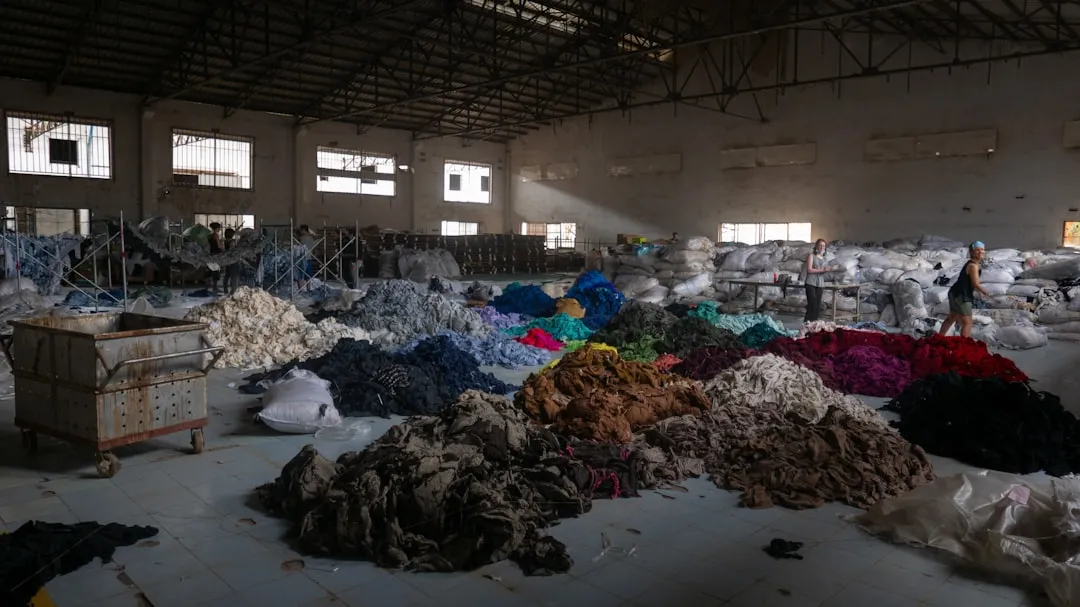
Global textile waste reached 120 million metric tons in 2024 and could exceed 150 million tons annually by 2030. Of this, 80% is landfilled or incinerated, 12% reused, and less than 1% recycled into new textiles. Those numbers make individual action feel small, but the habits we build at home are part of the larger picture.
Nowadays, clothing is worn only 7 to 10 times before being thrown away, a decline of more than 35% in just 15 years. Repurposing extends the useful life of fabric that already exists, which sidesteps the need to produce new material at all.
When consumers throw away clothing in the garbage, not only does it waste money and resources, but it can take 200 years or more for the materials to decompose in a landfill. During the decomposition process, textiles generate greenhouse methane gas and leach toxic chemicals and dyes into the groundwater and soil. Keeping even a few shirts out of that cycle is a genuinely meaningful choice.
A Few Practical Tips Before You Start

Not every shirt works equally well for every purpose. Thicker, heavier cotton is better for stuffing and tote bags, while lighter jersey fabric cuts more cleanly into strips for plant ties or rags. Before cutting, give each shirt a wash so you’re starting with clean material.
For color-coded rag systems, label storage spots clearly or color-code rags by intended use, such as blue for kitchen and green for bathroom cleaning, to streamline the grab-and-go process. It’s a small organizational step that makes the habit stick long-term.
Keep a pair of fabric scissors dedicated to this purpose. Cotton dulls regular scissors faster than you’d expect, and a clean cut makes the difference between a rag that frays into threads immediately and one that lasts through dozens of wash cycles.
Getting the Family Involved
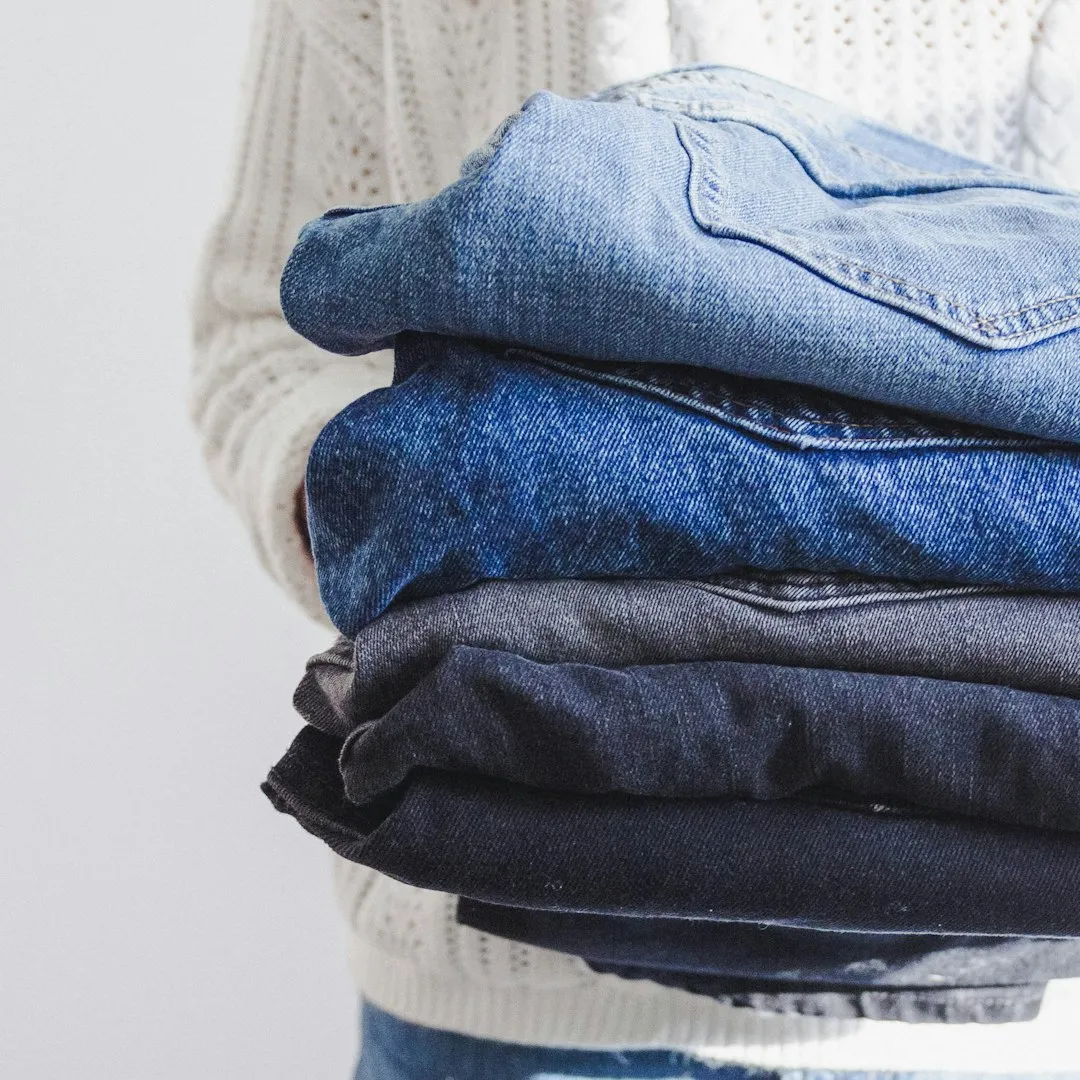
Repurposing old clothes is one of the few sustainable habits that genuinely appeals to kids. Cutting strips and tying knots to make a tote bag or pet toy is tactile and quick enough to hold their attention. Dogs and cats often prefer simple toys made from familiar materials over expensive store-bought alternatives. Braid strips of old t-shirts together to create rope toys for dogs, or stuff small pieces into a sock for a simple cat toy.
Memory quilts in particular can become a family project, especially when kids outgrow their favorite shirts at a pace that feels almost weekly. This is a great method for repurposing kids’ shirts from past theater productions, sports teams, and summer camps.
Making these projects a household ritual rather than a one-time effort is where the real environmental impact adds up. A basket of rags replacing a roll of paper towels, a tote bag replacing a pile of plastic bags, these small shifts compound quietly over years.
The Bigger Picture on Cotton Specifically
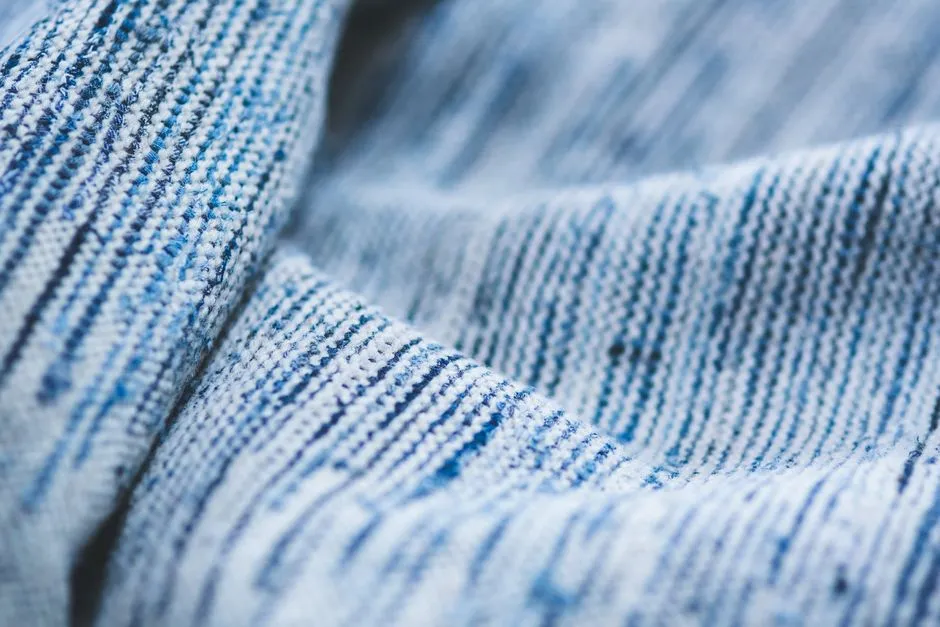
Cotton is worth treating differently from synthetic fabrics precisely because of how it behaves at the end of its life. Synthetic fabrics are derived from fossil fuel sources instead of natural fibers like cotton and linen. A synthetic-based t-shirt is responsible for more than twice the CO2-equivalent emissions as a cotton counterpart.
Synthetic fibers and blended fiber compositions are used in many textiles produced today because of their performance characteristics. According to a 2022 peer-reviewed article by NIST staff, demand for natural fibers such as cotton and wool has remained relatively constant. That relative scarcity makes natural cotton all the more worth preserving.
When a 100% cotton shirt finally reaches the end of even its repurposed life, it can be composted in theory. Synthetic blends cannot. Checking labels before committing a shirt to a household project is a worthwhile habit, especially if composting is part of your waste reduction strategy.
Where to Start If You Have a Pile Right Now
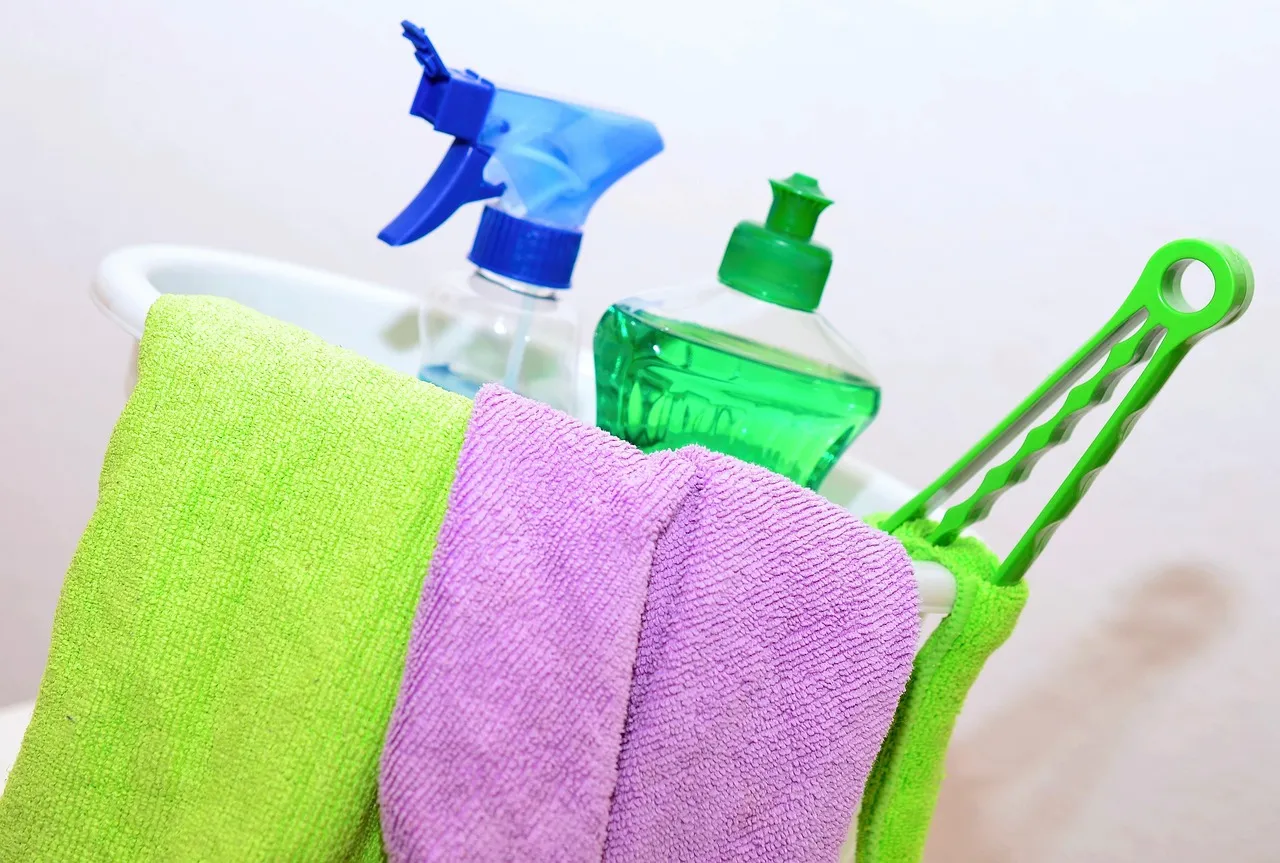
The easiest entry point is the cleaning rag. No sewing, no special tools, just scissors and an old shirt. When a t-shirt seems destined for the trash, consider cutting it into squares to be used for rags around the house. These reusable rags work for any household chore, from dusting to window washing. Plus, the more you have on hand, the fewer paper towels you need to use while cleaning.
From there, the tote bag is the obvious next step, followed by the draft stopper if you have drafty doors. Each project builds a little confidence and costs nothing beyond twenty minutes of your time.
The pile in your closet isn’t just clutter. It’s a small supply of useful material waiting for a better purpose than a landfill. The only thing between those shirts and their second life is a pair of scissors.
AI Disclaimer: This article was created with the assistance of AI tools and reviewed by a human editor.