
1. What Do You Actually Want for Your End-of-Life Care?

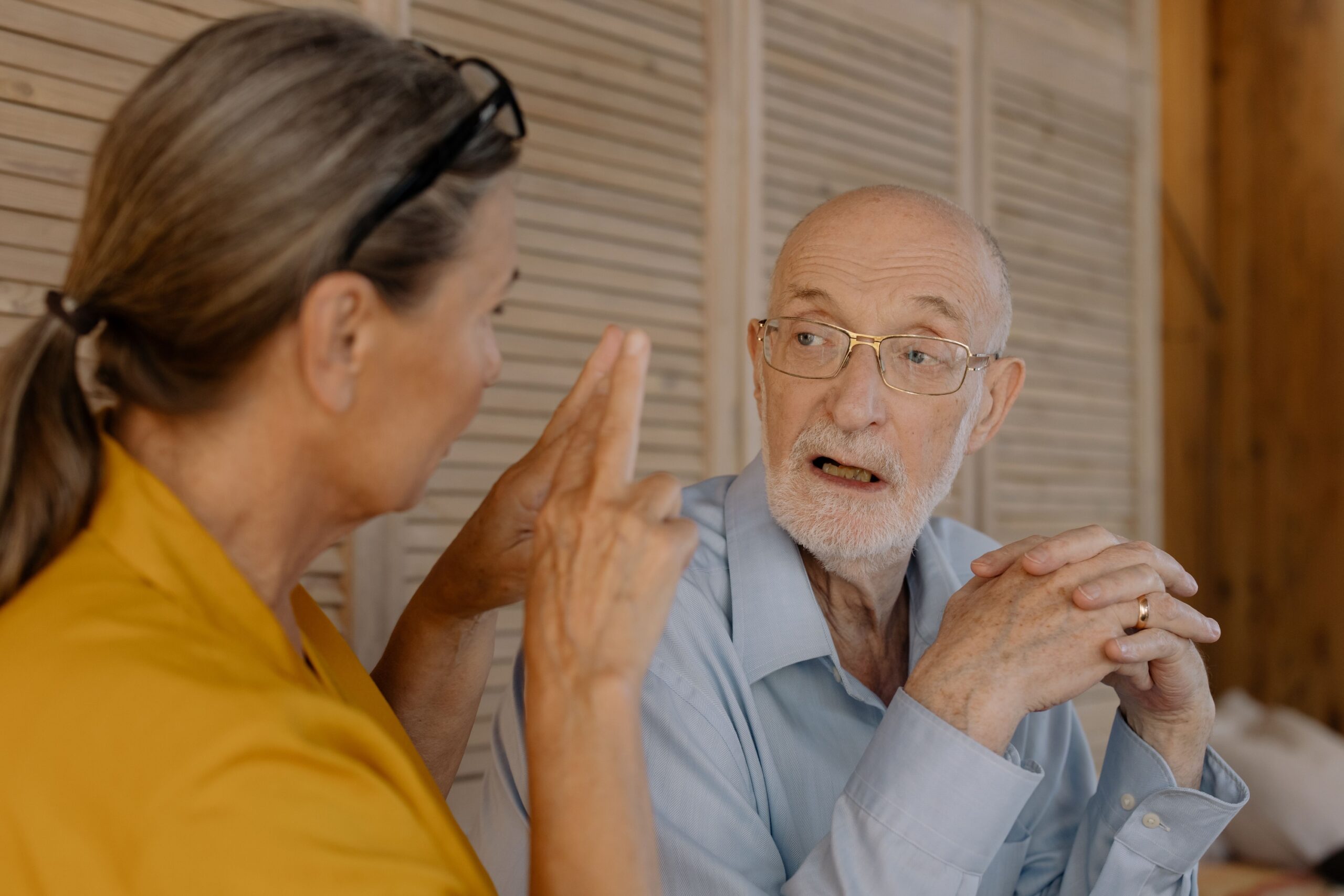
This is the conversation that families most consistently avoid, and yet the evidence for starting it early is overwhelming. While over six in ten older adults say they have had an end-of-life conversation with a loved one, far fewer have made end-of-life preparations like preparing a last will and testament or a living will. The talking happens; the follow-through often doesn’t.
Preliminary research findings show that both aging parents and adult children rarely discuss this issue in depth, and the major barriers include the perception that it’s “not yet time,” as well as a tendency to link death conversations to finances rather than personal wishes. That framing misses the point entirely.
Proactive end-of-life communication, a component of advance care planning, has been suggested as a means of providing high-quality care aligned with residents’ preferences – yet despite growing knowledge about the benefits of early communication, such conversations are still rare. Starting earlier gives everyone more choices, not fewer.
2. Where Do You Want to Live as You Get Older?

Most parents have strong feelings about where they want to spend their later years. The problem is that adult children often assume they know the answer, or delay asking until the decision is being made under pressure. Nine out of ten older Americans want to stay in their own home as they age, a number that surprises no one – yet the practical conversation about how that actually works rarely happens early enough.
A 2025 survey by the Pew Research Center found that many adult children are still framing conversations around assets and inheritance while parents are actively prioritizing in-home help, home modifications, and technology that allows them to age in place. Those are genuinely different conversations with different planning needs.
Families who talk through key questions in advance retain options and emotional steadiness. Families who delay find themselves making consequential decisions under pressure. Location and living arrangements sit right at the center of that dynamic.
3. What Does Your Financial Picture Actually Look Like?
Money conversations between parents and adult children can feel intrusive, even when they’re necessary. Yet the financial realities of aging are serious. A nursing home private room runs around $127,750 per year at the 2024 national median. Very few families have fully reckoned with what that means in practice.
Around 72 percent of Americans don’t even have an estate plan, which means the majority of families are operating without a clear financial framework for what aging will cost or who bears that responsibility. Many people underestimate how quickly costs accumulate when decisions are made under pressure, and Medicare’s home care coverage is commonly misunderstood – it does not cover ongoing custodial care.
The financial conversation isn’t about inheritance. It’s about ensuring your parent’s preferences are actually achievable given what’s available. The families who handle this best integrate care planning with financial and legal planning early, before there’s urgency.
4. Have You Thought About Legal Documents Like a Power of Attorney?

Legal preparedness is one of the least glamorous topics in aging conversations, and one of the most consequential when it’s absent. A durable power of attorney for healthcare, a living will, and basic estate documents are not just paperwork – they are the difference between a parent’s wishes being honored and a family scrambling through a legal system in the middle of a medical crisis.
Medical professionals typically approach advance care planning as an individual-level activity, yet family members also play an integral role in making decisions about older adults’ end-of-life care, including the use of advance directives like living wills and durable power of attorney appointments.
Research from the Wisconsin Longitudinal Study, using data from 1,883 older adults, found that parents with more problematic parent-child relationships were less likely to complete advance care planning, and marital satisfaction was positively associated with completing both advance directives and discussions. Family dynamics, in other words, shape whether these documents ever get done – which is one more reason to have the conversation while the relationship is in a good place.
5. Are You Still Safe Behind the Wheel?

Few conversations feel more loaded than this one. Driving represents independence in a very literal sense, and raising the topic can feel like an accusation. Still, the data makes a clear case for having it sooner rather than later. In 2024, there were 8,019 people aged 65 and older killed in traffic crashes in the United States, accounting for roughly one in five of all traffic fatalities.
Clinicians often face a gap in assessing driving safety in older adults with neurocognitive disorders, and this issue is compounded by a reluctance to address driving concerns, whether from clinicians, patients, or caregivers. If even medical professionals find it difficult to raise, it’s understandable why families avoid it entirely.
The goal isn’t to take away the car keys in a single conversation. It’s to establish an ongoing, honest dialogue about how driving safety will be evaluated over time, and what alternatives might look like if and when they become necessary. Improved patient education and counseling are necessary, and enhancing awareness and communication about driving fitness can help bridge this practice gap.
6. How Are You Really Doing, Emotionally?

This might be the most overlooked conversation of all. Adult children tend to focus on the practical: doctors’ appointments, medication, bills, transportation. The emotional wellbeing of an aging parent – loneliness, fear, grief, depression – often goes unasked and unanswered. An aging parent is likely carrying their own fear quietly and privately. They may be worried about losing their independence, being a burden on the family, or simply not knowing what happens next.
This matters not just for the parent but for the caregiver. The National Alliance for Caregiving reports that 63 million Americans now provide unpaid care to a family member or friend, a 45 percent increase since 2015, and many of those caregivers are struggling – with 90 percent of current family caregivers reporting symptoms associated with burnout.
Even when a parent was once reliable and loving, watching their physical or cognitive decline can bring deep sadness and grief. There’s also a quiet guilt that many caregivers don’t talk about: the guilt of resenting the time spent caring for a parent. Naming that emotional reality honestly, on both sides, changes the quality of care and the quality of the relationship.
The Timing Problem: Why Families Keep Waiting

Understanding why these conversations get delayed is just as important as knowing what to say. Parents aged 75 and older are more likely than those aged 65 to 74 to have discussed end-of-life preferences with their adult children, which suggests many families are waiting until very late in the aging process before opening up at all. The window for calm, clear planning narrows considerably by then.
About a quarter of U.S. adults are now part of the so-called “sandwich generation,” according to Pew Research Center data – adults who have a parent aged 65 or older and are either raising at least one child younger than 18 or providing financial support to an adult child. That pull in multiple directions makes it easy to defer the difficult conversations.
The average family caregiver spends about 25 hours a week on caregiving activities, and a quarter of caregivers may devote over 40 hours per week, according to data from the Radiological Society of North America. When caregiving has already reached that intensity, the window for proactive conversation has largely passed. The time to talk is before the crisis, not during it.
How to Actually Start These Conversations

The barrier is rarely that families don’t care – it’s that they don’t know how to begin. Starting small and without agenda tends to work better than scheduling a formal family meeting that signals something ominous. A simple question tied to something current, a news story about aging, a friend’s recent experience, a doctor’s appointment, can open a door without forcing it.
Resistance to difficult conversations often isn’t about the topic itself – adult children frequently assume their parents will refuse to engage, so they never bring it up, and their parents never get the chance to say yes. That assumption costs everyone time and options they didn’t know they had.
Most older adults say they are willing to discuss end-of-life topics, although substantially fewer say it is very likely they will make related preparations. That gap between willingness and action is where an adult child’s gentle persistence makes a real difference.
When Siblings Are Involved

These conversations rarely happen in isolation. When siblings are in the picture, the dynamics become more complex and the stakes for coordination go up significantly. A greater proportion of caregivers of adults are now caring for multiple people, with nearly one in four caring for two or more recipients, up from 18 percent in 2015, according to the National Alliance for Caregiving.
Sibling dynamics, unspoken expectations, and geographic distance all shape who ends up carrying the weight. The families that manage this best tend to have established shared understanding early, before caregiving becomes an emergency. Once a parent’s health has shifted significantly, the sibling conversation about roles and responsibilities becomes much harder to navigate fairly.
Parents aged 75 and older are more likely to have discussed end-of-life preferences with adult children, and there are also differences by gender, with mothers more likely than fathers to have had these conversations. Knowing which conversations may have already happened with one sibling but not another is its own important piece of the puzzle.
The Role of Technology and Health Monitoring

One conversation that often gets skipped entirely involves technology – specifically, whether assistive tools, health monitors, or safety devices might help a parent maintain independence at home. In a 2025 survey, 57 percent of older Americans said using assistive or health-related technology has enhanced their quality of life.
Technology is an area where adult children frequently get it backwards. The resistance isn’t usually about the technology itself – it’s about not being asked. Adult children assume their parents will refuse, so they never bring it up, and parents never get the chance to say yes. That’s a conversation that costs nothing to start and can genuinely change someone’s daily life.
From medication reminders to wearable fall detectors to video-based check-ins, these tools have become more practical and more accessible in recent years. Introducing them as options, not mandates, gives parents a sense of agency that makes the transition to assisted living or in-home care feel less like a loss of control and more like a choice.
Looking Forward: The Takeaway

None of these conversations are comfortable. That’s precisely why they keep getting put off, and why so many adult children look back wishing they’d started sooner. The relief that follows an honest conversation about care preferences or financial realities tends to surprise people. The weight doesn’t disappear, but it becomes shared.
Research on proactive end-of-life conversations found that residents and family members experienced outcomes including enabling open communication, creating space for knowledge exchange, and contributing to feelings of confidence and relationship building – with proactive conversations generating several beneficial outcomes, including for those with cognitive decline, and demonstrating the potential to strengthen person-centered care and family support.
The best time to have these conversations was probably a few years ago. The second-best time is now, while the options are still open, while the relationship is intact, and while a parent can speak clearly about what they actually want. That’s a gift worth giving, even if it’s uncomfortable to offer.
AI Disclaimer: This article was created with the assistance of AI tools and reviewed by a human editor.