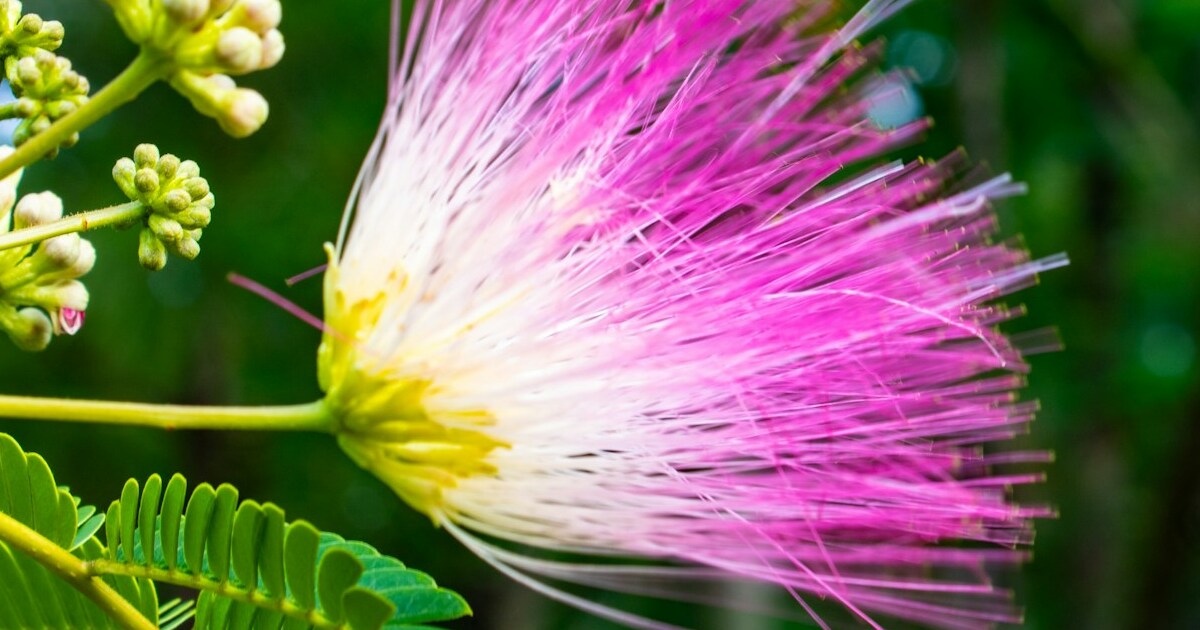

I’ve always been fascinated by plants that defy expectations and make you stop and take a closer look. Whether it’s a plant that moves when you touch it or one that blooms in a truly dramatic fashion, these bizarre beauties not only add a touch of intrigue to your garden but also support a rich ecosystem by attracting pollinators, providing shelter, and even offering nesting spots for small invertebrates. I know how frustrating it can be when a garden feels predictable or dull, so I’m excited to share seven extraordinary plants that will undoubtedly make you look at them twice!
I’m thrilled to introduce you to a selection of bizarre plants, each with its own unique native background and surprising behaviors. From the sensitive plant that reacts to touch to the colossal, stinking spectacle of the corpse flower, these species offer an incredible blend of visual drama and ecological function. They not only enrich your garden’s aesthetic but also create vibrant microhabitats that benefit local pollinators and other wildlife.
Sensitive Plant (Mimosa pudica)
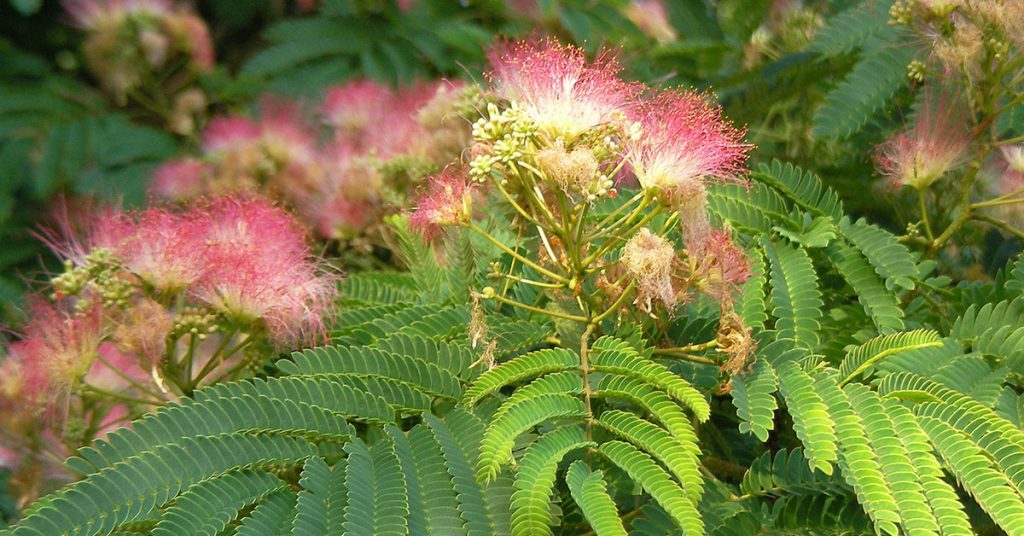
Native to Central and South America, the Sensitive Plant (Mimosa pudica) is famous for its rapid leaf-folding response when touched. I’ve always been intrigued by its almost shy behavior—every time I gently stroke its delicate, fern-like leaves, they curl up in a fascinating display that seems to say, “Please don’t disturb me!” This peculiar trait not only makes it a fun conversation starter but also highlights its role in protecting itself from herbivores. Despite its quirky behavior, Mimosa pudica is non-invasive when cultivated properly and thrives in well-drained soil with plenty of sunlight.
Beyond its interactive nature, the Sensitive Plant creates a microhabitat that attracts a variety of beneficial insects, including pollinators like bees and butterflies. Its rapid movements can also provide a sort of temporary shelter for small invertebrates that find safety in the plant’s folded leaves. This dynamic behavior and ecological contribution make Mimosa pudica a true gem in any garden where a bit of playful unpredictability is welcome. It’s a living reminder that nature is full of surprises and that even the smallest plant can have a big personality!
Corpse Flower (Amorphophallus titanium)

The Corpse Flower, native to the rainforests of Sumatra, Indonesia, is perhaps one of the most bizarre and captivating plants you’ll ever encounter. Known for its colossal inflorescence and infamous odor reminiscent of rotting flesh, this plant never fails to attract attention and spark conversation. I remember the first time I saw a photograph of a blooming corpse flower—it was as if nature had thrown a wild party that you simply had to witness! Although it’s not invasive in controlled environments, the rarity and dramatic blooming behavior of the corpse flower make it a must-see spectacle in botanical gardens.
Beyond its shock value, the Corpse Flower plays an essential ecological role in its native habitat by attracting specialized pollinators like carrion flies and beetles. These insects, drawn in by the pungent aroma, inadvertently assist with its pollination and seed dispersal. While the plant’s giant bloom may seem off-putting at first glance, its intricate structure and evolutionary strategy are a testament to nature’s ingenuity. For any gardener fascinated by the extremes of plant behavior, the Corpse Flower is a living (or rather, blooming) marvel that challenges your expectations and ignites curiosity!
Bat Flower (Tacca chantrieri)

Hailing from the tropical regions of Southeast Asia, the Bat Flower (Tacca chantrieri) is an extraordinary and enigmatic bloom that truly makes you look twice. Its dark, almost otherworldly petals and long, whisker-like filaments resemble a bat in mid-flight, lending it a mysterious, gothic beauty that is both intriguing and captivating. I’ve always been fascinated by how this plant seems to defy the norm—its striking, unusual appearance stands out boldly in any garden, evoking a sense of both awe and curiosity! Although the Bat Flower is not considered invasive when grown in proper conditions, it does require a shady, humid environment to truly flourish.
In addition to its dramatic looks, the Bat Flower attracts specialized pollinators that are drawn to its unique structure and subtle scent. The flower’s design creates natural perches and landing spots for these insects, which play a crucial role in its reproduction. Its ability to thrive in low-light, high-humidity environments makes it a perfect choice for shaded garden areas where traditional blooms might struggle. The Bat Flower’s unconventional charm and ecological role make it a standout addition for gardeners looking to add a touch of mystery and drama to their outdoor space!
Dragon’s Blood Tree (Dracaena cinnabar)
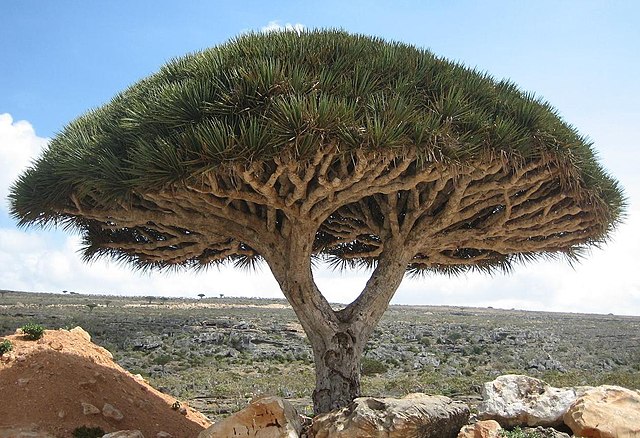
The Dragon’s Blood Tree, native to the isolated Socotra archipelago off the coast of Yemen, is a true icon of the plant kingdom with its umbrella-like canopy and crimson resin. This bizarre tree has a unique, almost alien appearance that instantly makes you pause and marvel at its form. I’ve always been drawn to its striking silhouette against a sun-drenched sky—its distinct, branching structure gives the impression of a living sculpture from another world! Although not invasive, the Dragon’s Blood Tree is rare and thrives only in specific arid environments, making it a prized addition to any collection of unusual plants.
Beyond its captivating aesthetics, the Dragon’s Blood Tree plays a significant ecological role in its native habitat. Its resin, known as “dragon’s blood,” has been used for centuries in traditional medicine and art, while its sprawling branches provide shade and nesting spots for local birds and small insects. The tree’s resilience in harsh, dry conditions is a testament to its evolutionary ingenuity, and it creates a microhabitat that supports a unique assemblage of desert-adapted organisms. It’s a natural marvel that not only beautifies its surroundings but also tells a fascinating story of survival and adaptation!
Lithops (Living Stones)
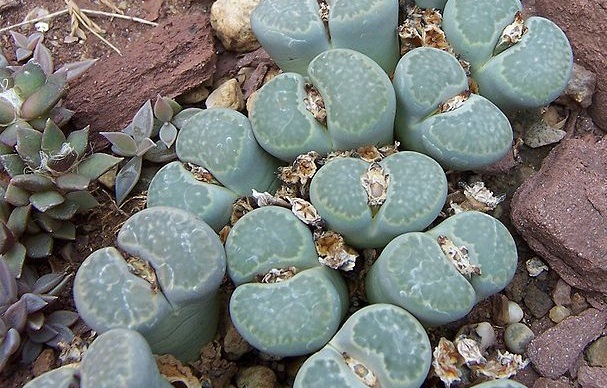
Lithops, commonly known as Living Stones, are a group of succulents native to the arid regions of southern Africa that are as deceptive as they are delightful. These tiny plants mimic the appearance of ordinary stones to avoid being eaten by herbivores, making you do a double-take when you realize they’re not inanimate at all! I love how Lithops challenge your perception of beauty—their subtle hues and intricate patterns create a natural mosaic that transforms your garden into a playful, artistic landscape. They’re non-invasive and require minimal water, making them a sustainable choice for rock gardens and container plantings.
In addition to their visual intrigue, Lithops play a fascinating ecological role by blending seamlessly with their environment and providing a cryptic habitat for small insects. Their stone-like appearance helps reduce water loss and reflect sunlight, which in turn creates a unique microhabitat that supports beneficial soil microbes. These living stones are a testament to nature’s clever adaptations, and their presence adds an unexpected twist to any garden. They’re a perfect example of how nature’s subtle details can captivate the mind and spark endless curiosity!
Dancing Plant (Desmodium gyrans)
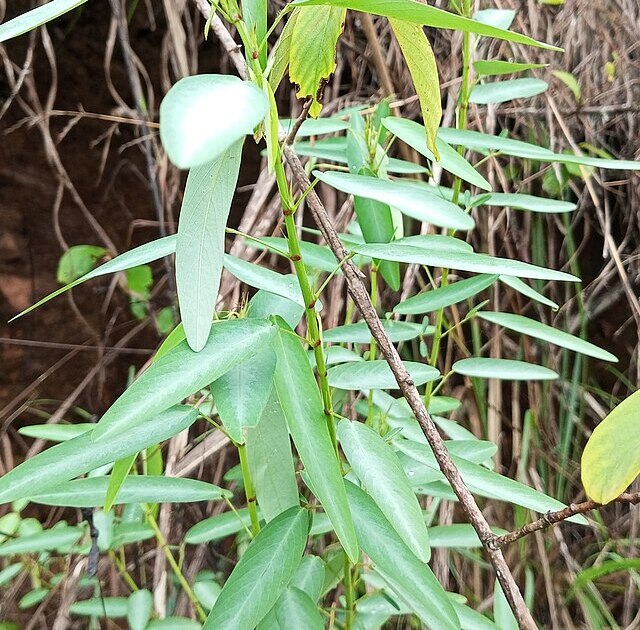
The Dancing Plant, scientifically known as Desmodium gyrans, is one of nature’s most peculiar wonders, native to parts of South Asia. What sets this plant apart is its remarkable leaf movement—its small lateral leaflets exhibit rhythmic, periodic motions that appear as if they’re dancing in the breeze. I’m always captivated by the gentle, hypnotic swaying of the Dancing Plant; it’s as if the plant has its own little performance, offering a mesmerizing spectacle for anyone who passes by! Although it’s not widely considered invasive, its unique movements and striking appearance make it an absolute conversation piece in any garden.
In addition to its fascinating kinetic behavior, the Dancing Plant attracts beneficial pollinators and creates a dynamic microhabitat that supports natural pest control. The movement of its leaflets not only deters herbivores but also provides a safe haven for tiny insects seeking shelter. Native to regions with warm, humid climates, this plant thrives in bright, sun-drenched conditions and adds an element of interactive wonder to your landscape. It’s a living demonstration of nature’s creativity and a delightful addition for anyone who loves a garden that’s as lively as it is beautiful!