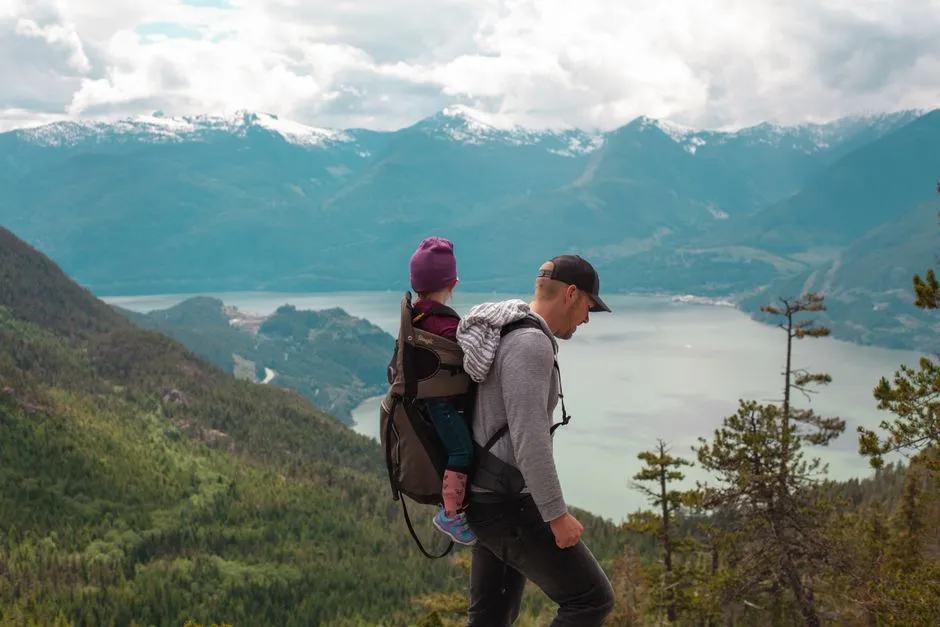

More families are lacing up their boots than ever before. Outdoor recreation participation in the United States reached a record 183.2 million Americans in 2025, with roughly 59% of Americans ages 6 and older heading outside, according to the Outdoor Industry Association. That momentum is especially strong in households with children. Families with young children increased outdoor participation rates between 2024 and 2025, and approximately two-thirds of households with children now participate in outdoor recreation activities, compared to just over half of households without children.
The right trail makes all the difference. A summit that genuinely wows a seven-year-old, without destroying everyone’s knees on the descent, is harder to find than it sounds. These six trails do exactly that – manageable distances, well-marked paths, and views that earn their place in the family photo album.
Why Family Summit Hikes Are Having a Moment
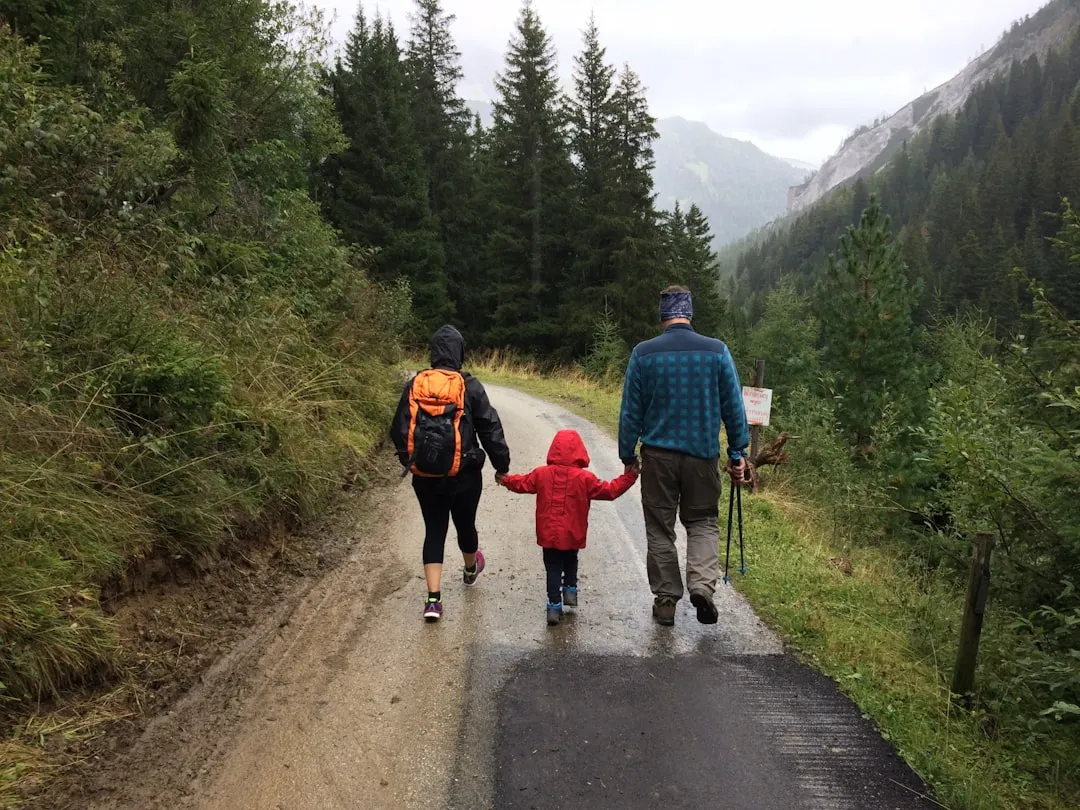
The numbers behind the trail-hiking boom are hard to ignore. Hiking remains the most popular outdoor activity, with 63 million participants recorded in 2024, largely due to its accessibility. What’s more interesting is who is driving that growth. Children ages 6 to 12 emerged as a key growth category, reaching 22.6 million outdoor participants in 2025.
Youth who participate in outdoor activities when they are young, especially with their families, are more likely to participate throughout their lifetimes. That’s a compelling reason to start early and start somewhere achievable. Summit trails in particular offer invigorating hikes to mountain tops, with panoramic views as a reward for the effort put in.
Trail 1: Diamond Head Summit Trail, Oahu, Hawaii

Lēʻahi, known worldwide as Diamond Head, rises 760 feet above Honolulu’s coastline as Oahu’s most recognizable volcanic landmark. The ancient crater trail climbs 0.8 miles through military tunnels and steep staircases to deliver panoramic views spanning from Koko Head to the Waianae Range. It’s a compact hike, but the payoff at the top is genuinely spectacular.
The path built in 1908 for coastal defense now welcomes hikers through geological formations created 300,000 years ago, offering an experience that combines natural wonder, military history, and cultural significance in under two hours. Kids tend to love the tunnel section especially. The ascent continues up steep stairs and through a lighted 225-foot tunnel.
The summit panorama encompasses Waikiki’s urban coastline, Honolulu’s sprawling metropolitan area, the Pacific Ocean stretching to neighboring islands, and during winter months, potential humpback whale sightings offshore. Plan ahead – non-residents pay $5 per person entry plus $10 per vehicle for parking, and advance reservations are required at Hawaii DLNR.
Trail 2: Kuwohi (Clingmans Dome) Observation Trail, Great Smoky Mountains, Tennessee/North Carolina
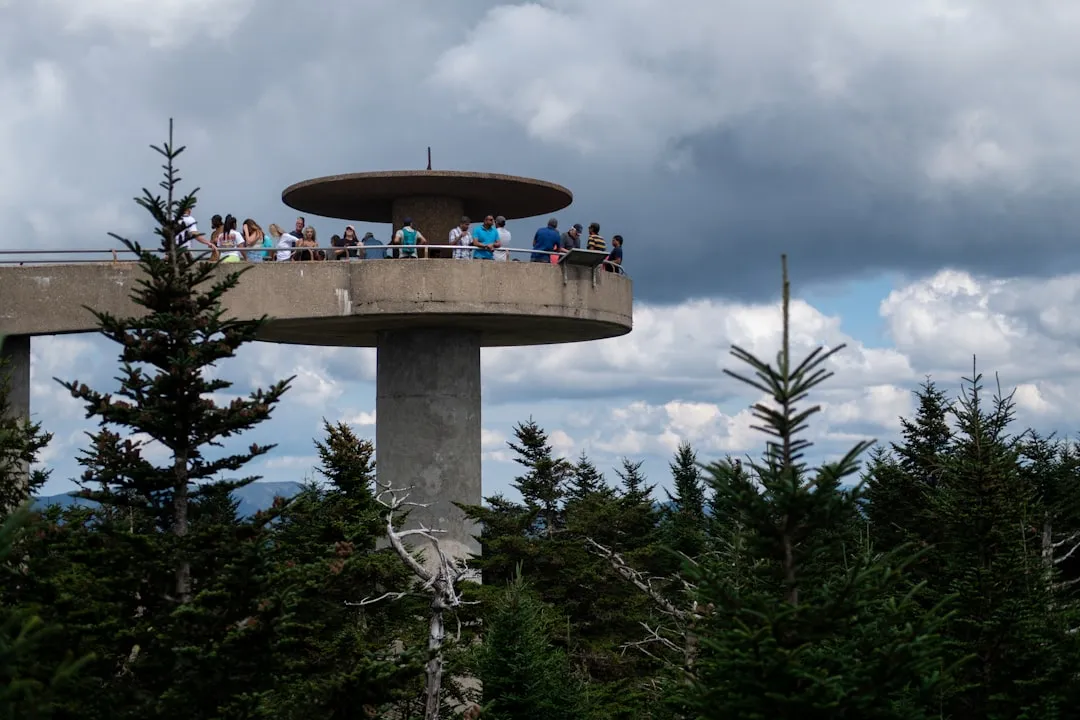
Kuwohi, formerly known as Clingmans Dome, is one of the most visited spots in Great Smoky Mountains National Park with more than 650,000 visitors per year. At 6,643 feet tall, it is the tallest point in Tennessee and the third-highest summit east of the Mississippi River. Reaching it is far easier than those numbers might suggest.
The peak is accessible after driving Kuwohi Road from Newfound Gap, and then walking a steep half-mile Kuwohi Trail. A paved trail leads to a 54-foot observation tower. The view can expand over 100 miles in every direction and into seven states. That’s a pretty extraordinary reward for a half-mile effort.
There’s cultural depth here too. In September 2024, the U.S. Board of Geographic Names voted in favor of the request by the Eastern Band of Cherokee Indians to restore the traditional name of the summit to Kuwohi. The name translates in Cherokee to “mulberry place,” and it is a sacred site representing the highest point within the traditional Cherokee homeland. One practical note: the observation tower is open year-round, but Kuwohi Road is closed to vehicles from December 1 through March 31 each year due to winter conditions.
Trail 3: Beech Mountain Trail, Acadia National Park, Maine
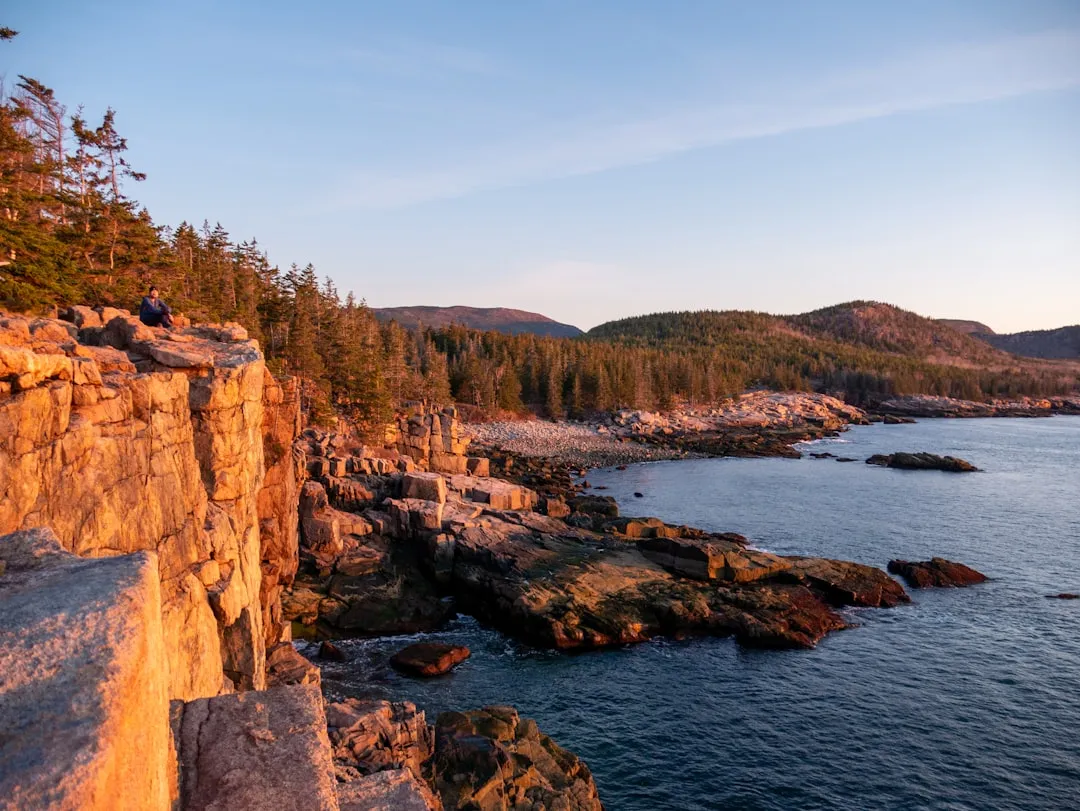
At only 1.2 miles round trip with relatively solid footing underneath, this trail is doable by kids as young as 3 or 4, who will be thrilled at summiting their first mountain. For very young hikers, that feeling of reaching a genuine summit shouldn’t be underestimated. The views from this hike are really lovely, especially for the relatively little effort expended.
Beech Mountain is unique among Acadia’s mountains because it has a working fire tower on the summit. If you’re not too tired from climbing, you can ascend to the first platform of the fire tower for an even more panoramic view of nearby scenery, including Echo Lake. The extra climb to the tower platform gives older kids something to aim for while the youngest members rest below.
Acadia itself consistently ranks among the most-visited national parks in the country, drawing families to its uniquely accessible combination of coastal scenery and genuine mountain terrain. The well-marked trails and park infrastructure make it an ideal destination for first-time hiking families who want solid support around them. Pack layers – coastal Maine weather shifts quickly.
Trail 4: Stony Man Trail, Shenandoah National Park, Virginia
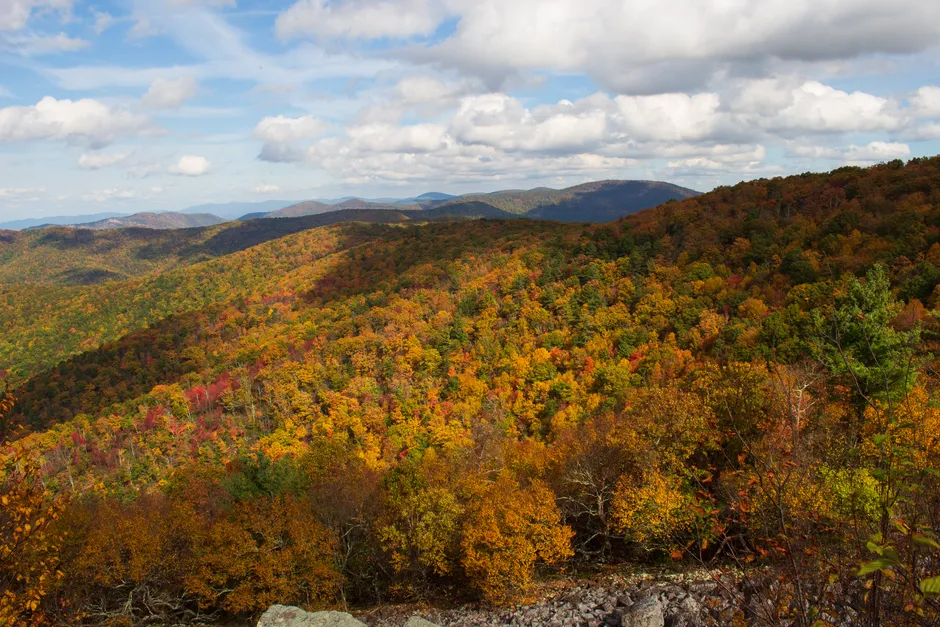
Gazing over the Blue Ridge Mountains with a sense of achievement after completing the Stony Man Trail is a genuinely rewarding experience. This 1.6-mile round trip offers graded pathways leading to a stunning summit view, rewarding hikers with a panorama of natural beauty. The trail is clearly blazed and well-traveled, ensuring a straightforward yet fulfilling hike.
The short yet rewarding journey to the peak is perfect for those looking to capture the essence of Shenandoah without strenuous effort. The summit sits at just over 4,000 feet, which provides a genuine sense of altitude without a brutal climb to get there. The Blue Ridge views stretch wide and clear on good weather days.
Shenandoah is roughly 75 miles from Washington D.C., making it a legitimate day-trip destination for a large portion of the East Coast population. Shorter trails ranging from one to three miles are ideal for beginners or families with young children, while longer trails offer more challenging adventures for older kids and adults. Stony Man sits comfortably in that sweet spot.
Trail 5: Nisqually Vista Trail, Mount Rainier National Park, Washington

Experience the grandeur of Mount Rainier from the Nisqually Vista Trail, a 1.2-mile loop with spectacular glacier and valley views. The trail’s lollipop shape and paved surface make it accessible for families and casual hikers alike. Standing near an active glaciated volcano, even at a safe and accessible vantage point, makes a lasting impression on children and adults in equal measure.
During late summer, wildflowers adorn the landscape, adding a burst of color to the journey. The timing matters here – visiting between July and September gives families the best combination of accessible roads, mild temperatures, and the park’s famous wildflower meadows in full bloom. Snow can cover the upper trails well into June.
Mount Rainier is a UNESCO World Heritage Site and one of the most ecologically rich national parks in the Pacific Northwest. The Nisqually Vista Trail was deliberately designed to be achievable for visitors of all fitness levels, which is a rare thing when a massive stratovolcano is involved. Bring binoculars if you have them; the glacier views from the overlook reward a closer look.
Trail 6: Lily Pad Lake Trail, Breckenridge, Colorado

The Lily Pad Lake Trail is a moderately challenging out-and-back hike through lodgepole pine and aspen forests, with scenic views of Dillon Reservoir and Buffalo Mountain. Accessible year-round and great for families, this roughly one-hour-and-twenty-minute route starts at a well-marked trailhead off Ryan Gulch Road and welcomes leashed dogs.
Colorado’s high-country elevation adds a quiet drama to even modest hikes. The aspens along this trail turn a vivid gold in autumn, typically peaking in late September, which makes fall visits particularly memorable for families. The trail surfaces are generally firm and well-maintained, giving younger hikers a confident footing throughout.
Perfect for new hikers craving a Breckenridge mountain escape without the effort of a serious alpine climb. One thing worth noting for families: elevation in Breckenridge hovers around 9,600 feet above sea level. Give everyone a day to acclimatize before attempting even a beginner trail, and hydration matters more up here than at sea level. The reward for doing it right is a genuine Colorado mountain experience without the technical demands.
What Makes a Trail Genuinely Family-Friendly

When choosing a trail, it’s important to consider the difficulty level carefully, especially if hiking with young children or inexperienced hikers. Look for trails with gentle slopes, well-defined paths, and minimal obstacles. A summit reward matters, but so does the trail getting there. If the route becomes a slog, even the best view won’t save the experience.
Choose a trail length suitable for your family’s fitness level and endurance. Shorter trails ranging from one to three miles are ideal for beginners or families with young children. Also look for trails with family-friendly amenities such as picnic areas, restrooms, and interpretive signs, as these can enhance the hiking experience and provide opportunities for rest and relaxation along the way.
Essential Gear Every Family Should Pack

Proper footwear is essential – wear sturdy, comfortable hiking shoes or boots with good traction to prevent slips and falls. This applies to every member of the family. It’s the single item most overlooked by first-time hiking families, and the one that causes the most problems on the trail. Dress in layers appropriate for the weather, including moisture-wicking fabrics, waterproof jackets, and hats for sun protection.
Plan ahead by researching the trail, checking the weather forecast, and informing someone of your hiking plans, including your intended route and expected return time. Bring an adequate supply of water and encourage frequent hydration breaks, especially on hot days. Water is the most underestimated supply on short beginner trails. Summits tend to be sunnier and more exposed than the approach, which means dehydration can catch families off guard.
Tips for Keeping Kids Motivated on the Way Up
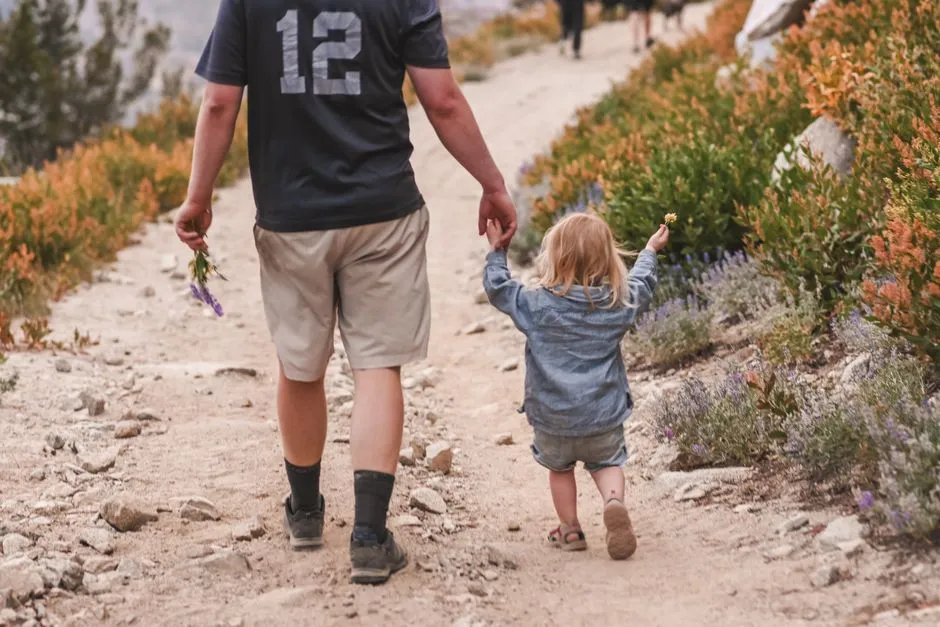
The middle section of any hike is where enthusiasm can quietly evaporate. Having a small snack ready at a natural rest point, turning rock identification into a game, or setting mini-goals (“let’s get to that big tree and then see the view”) keeps energy levels from sagging. Take breaks as needed, listen to your body, and avoid overexertion, especially when hiking with young children or elderly family members.
There are a slew of great peaks in the U.S. that young kids and hikers of all ages can climb up, relishing the long views, the special atmosphere of high country, and the sense of accomplishment. That sense of accomplishment is real, and children carry it with them long after the trail ends. Letting kids set the pace on the ascent, rather than pushing them to keep up with adults, makes a measurable difference in whether they want to come back.
The Bigger Picture: Building a Lifetime Habit

More than half of today’s outdoor participants have less than 10 years of outdoor experience, reflecting continued expansion among emerging consumers entering the outdoor market. Many of those new participants started exactly where these trails begin – on a short, accessible hike with a view that made everything click. Research shows that 85% of hikers go on to participate in other outdoor activities, suggesting that a first summit trail is often just the beginning of a much broader outdoor life.
The trails in this list aren’t just nice day trips. They’re genuinely good starting points – manageable enough for a hesitant seven-year-old, rewarding enough that the adults aren’t secretly wishing they’d stayed home. Youth who participate in outdoor activities when they are young, especially with their families, are more likely to participate throughout their lifetimes. That’s a quiet but powerful argument for getting out this weekend.
The summit views will be there whenever you’re ready. The question is simply which trail goes first.
AI Disclaimer: This article was created with the assistance of AI tools and reviewed by a human editor.