
1. French Bulldog: The Urban Dog That Practically Designed Itself for City Life
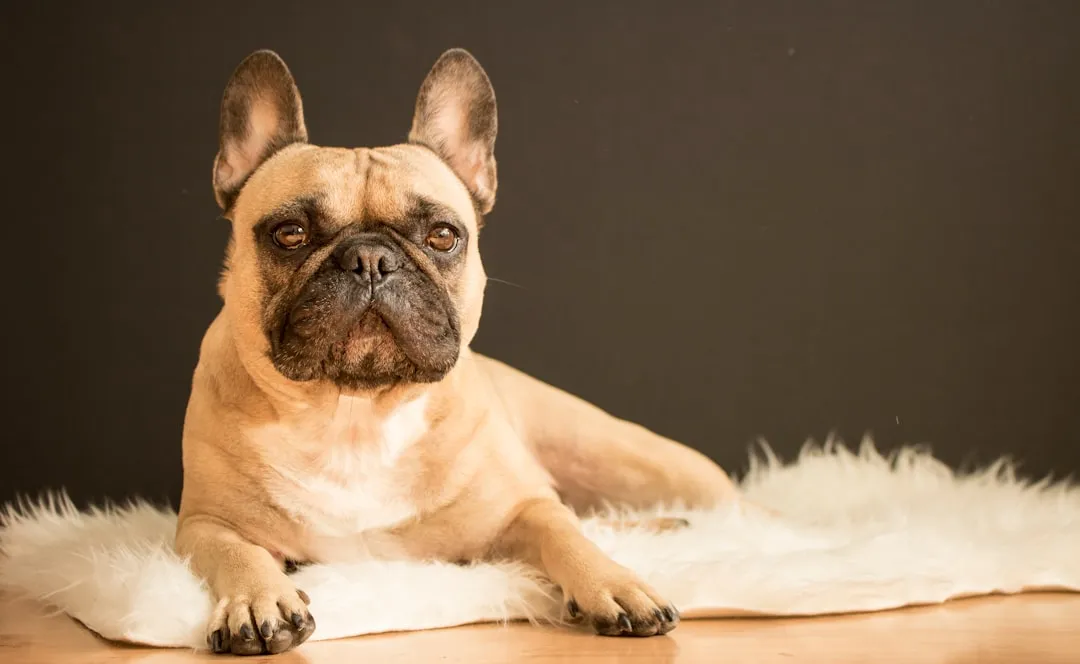
French Bulldogs have become the top-ranked breed for three consecutive years, with more people choosing them specifically for their small size and suitability for apartment living, according to the American Kennel Club. That’s not a coincidence. They offer low energy, minimal barking, and a perfectly compact size, and are content with short walks and indoor play.
The French Bulldog doesn’t bark often, and all it takes is a brisk walk once a day to keep this breed healthy and happy. One thing to keep in mind: be careful when taking them out on a warm day, as they tend to overheat easily, and while they can run, they aren’t built for heavy physical activity.
They are usually very quiet but can react by barking at sudden noises, which means they require slightly more effort in training and benefit from mental stimulation. A puzzle toy or a short training session goes a long way with this breed.
2. Cavalier King Charles Spaniel: The Lap Dog That Actually Lives Up to the Name

Perhaps the ultimate lap dog, the Cavalier King Charles Spaniel is smaller in size and requires little exercise, making it a great apartment dog that genuinely loves human companionship. It wasn’t bred for the field or the hunt. It was bred specifically to be a lap dog, earning the title “king of lap dogs,” and if you are looking for a pet with a strong connection to each family member who will constantly follow you around, this is it.
The Cavalier is very adaptable and easy to train, which is perfect for living in small spaces. It descends from sporting dogs and becomes adventurous outdoors, but is equally happy spending time lying on the couch next to its owner.
It adapts to any activity level, rarely barks, and is genuinely happy in a one-bedroom apartment. Its calm indoor demeanor and moderate exercise needs fit apartment routines perfectly. For those who work from home, this breed will shadow you happily from room to room.
3. Bichon Frise: Small, Cheerful, and Easy on Allergies
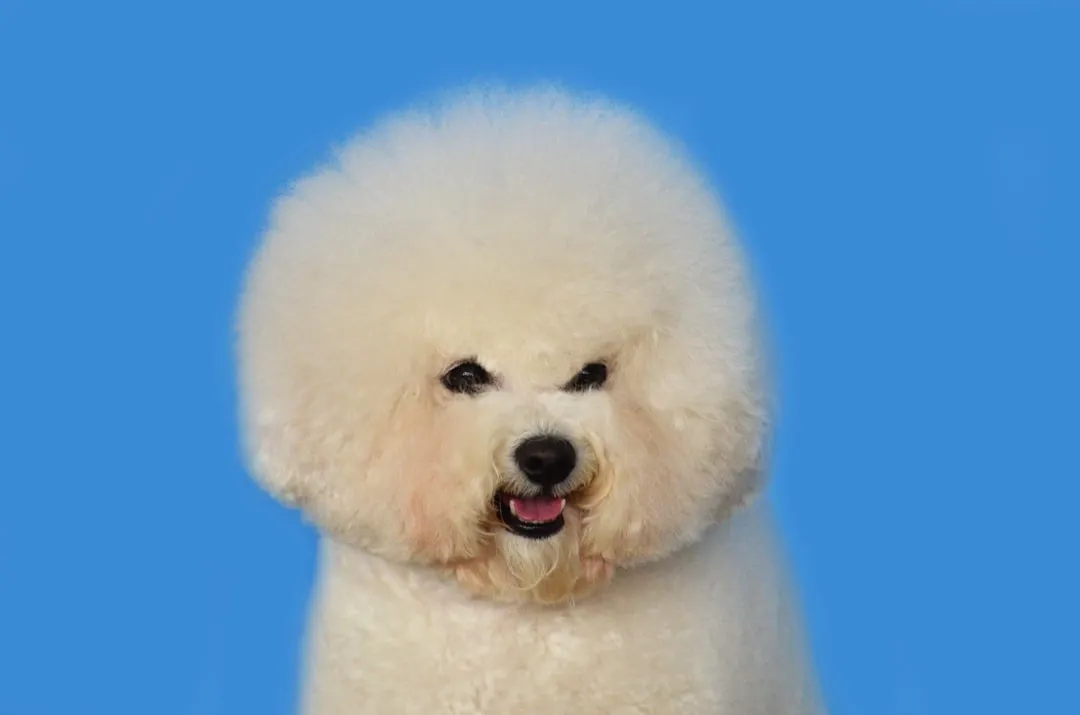
Bichon Frisés are among the best dogs for apartments due to their size, low shedding, and positive disposition, and they get along well with other pets, kids, and roommates. For anyone sharing a building with close neighbors, that easy temperament is a genuine asset.
Bichon Frisés are small and fluffy with a cheerful disposition. Their hypoallergenic coat is ideal for those with allergies, and they are lively and sociable, enjoying playtime indoors and out. They are also highly trainable and adapt well to apartment life.
Bichons love to play and are always ready for a game of fetch or a romp around the living room, yet they don’t require excessive exercise and are content with daily indoor activities. Their coats do need regular grooming, but the low-shedding nature makes them a practical choice for smaller spaces where vacuuming daily isn’t always realistic.
4. Shih Tzu: A Centuries-Old Companion That Fits Right Into Modern Apartment Life

Shih Tzus were originally bred as companions for royalty in Tibet, though they won’t mind if you don’t live in a castle. These affectionate, outgoing dogs are perfectly content on your lap. That temperament has stayed remarkably consistent through the centuries.
Cute, charming, and affectionate with a desire to please, the Shih Tzu makes a fabulous apartment dog. They love their family, especially children, and are happy among other dogs. They make ideal companions with a size appropriate for the smallest space and an easygoing “indoorsy” nature.
Bred for centuries as palace companion dogs, they are quiet, low-energy, and small enough to get adequate exercise from indoor play alone on days you can’t go outside. The Shih Tzu has a very low shedding level, though you’ll need to take time to brush out that coat regularly.
5. Pug: Maximum Personality in Minimum Square Footage

The Pug’s great reason for living is to be near its owner and to please them. The breed is comfortable in a small apartment or a country home alike, easily adaptable to all situations. That flexibility is worth a lot when you’re living in a studio or a one-bedroom.
Pugs are the perfect blend of charm and vitality. Their small size and easy-going nature make them excellent apartment dogs, and they are known for their loving and humorous personalities. Living with a Pug tends to mean daily laughter, which is its own kind of value.
Pugs are compact, quiet, and perfectly content spending the day on the couch beside you, needing minimal exercise and thriving in climate-controlled spaces. That said, be careful not to overwork a Pug, as this breed tends to overheat easily.
6. Havanese: The Quiet, Sociable Breed You Might Be Overlooking
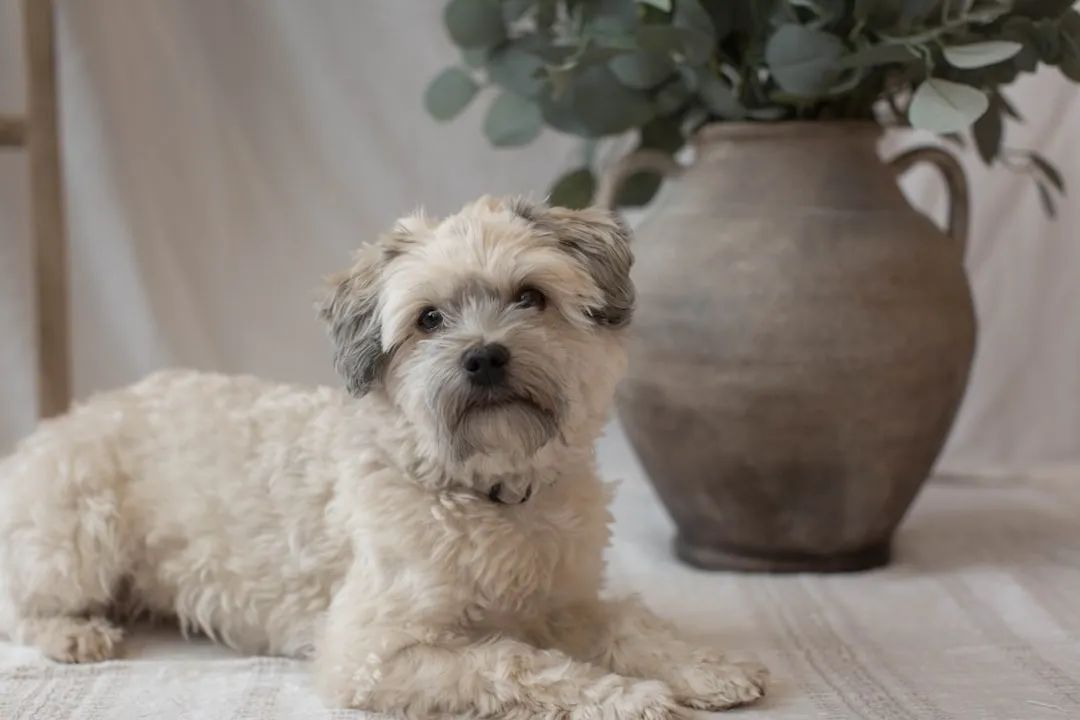
The Havanese is a moderately active small dog breed that stands 9 to 12 inches and weighs 8 to 14 pounds. These playful and affectionate dogs are quick to learn new things and adapt to living in confined areas quickly, loving to cuddle up with their owners in small spaces.
The Havanese makes an excellent companion dog for those looking for a playful dog who barks very infrequently. They only shed a few strands of hair, though their coat requires daily grooming. For neighbors who share thin walls, that quiet nature is a serious point in the breed’s favor.
If you’re looking for a dog that doesn’t shed much, the cheerful Havanese is worth serious consideration. This breed is happy in a small apartment or a huge house, and while they do need to be walked daily, they’re perfectly content indoors on the couch the rest of the time. For work-from-home residents especially, that steady, calm companionship becomes something you genuinely look forward to each day.
What All Six Breeds Have in Common
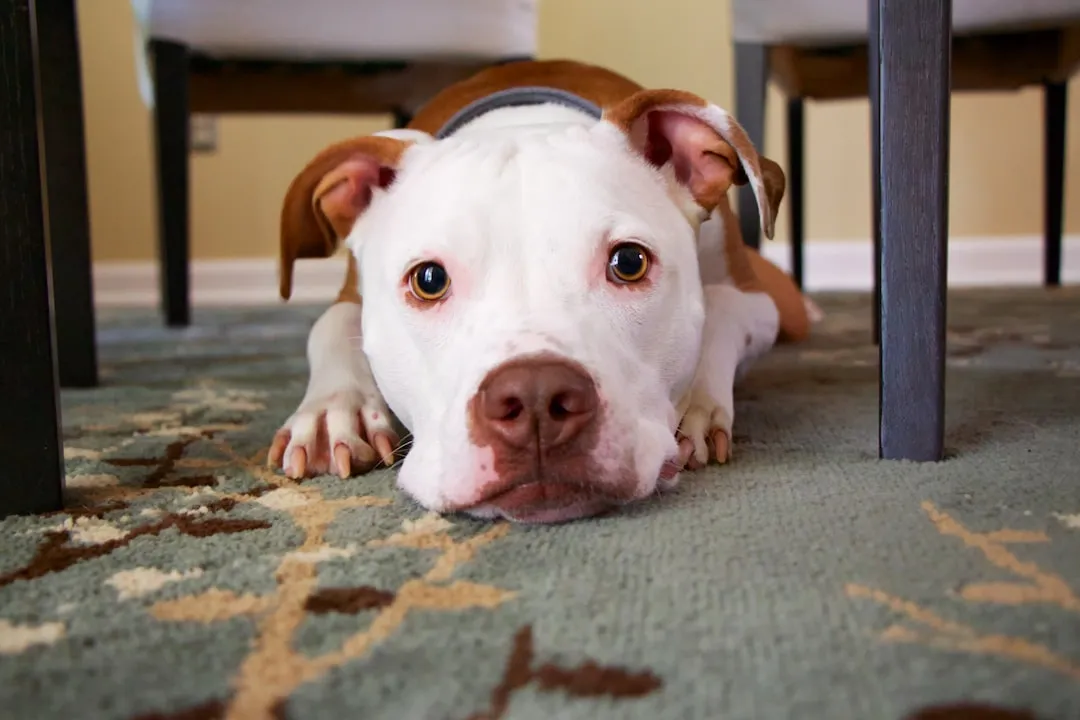
The best dogs for apartment living are breeds that adapt well to smaller spaces, have moderate energy needs, and don’t bark excessively. Every breed on this list checks all three boxes. That’s not a coincidence. It’s a pattern worth paying attention to when you’re making your decision.
Factors such as size, energy level, and temperament are all crucial in ensuring a harmonious living situation for both the dog and the owner. Noise and exercise requirements matter most to your neighbors and your daily schedule, respectively. The bottom line is that size is much less important than temperament and energy levels.
Most apartment-friendly breeds need roughly 20 to 45 minutes of walking per day, split across two to three short trips. That’s a manageable commitment for most working adults, and for many of these breeds, it’s genuinely enough to keep them healthy and content.
A Few Practical Things to Consider Before You Commit
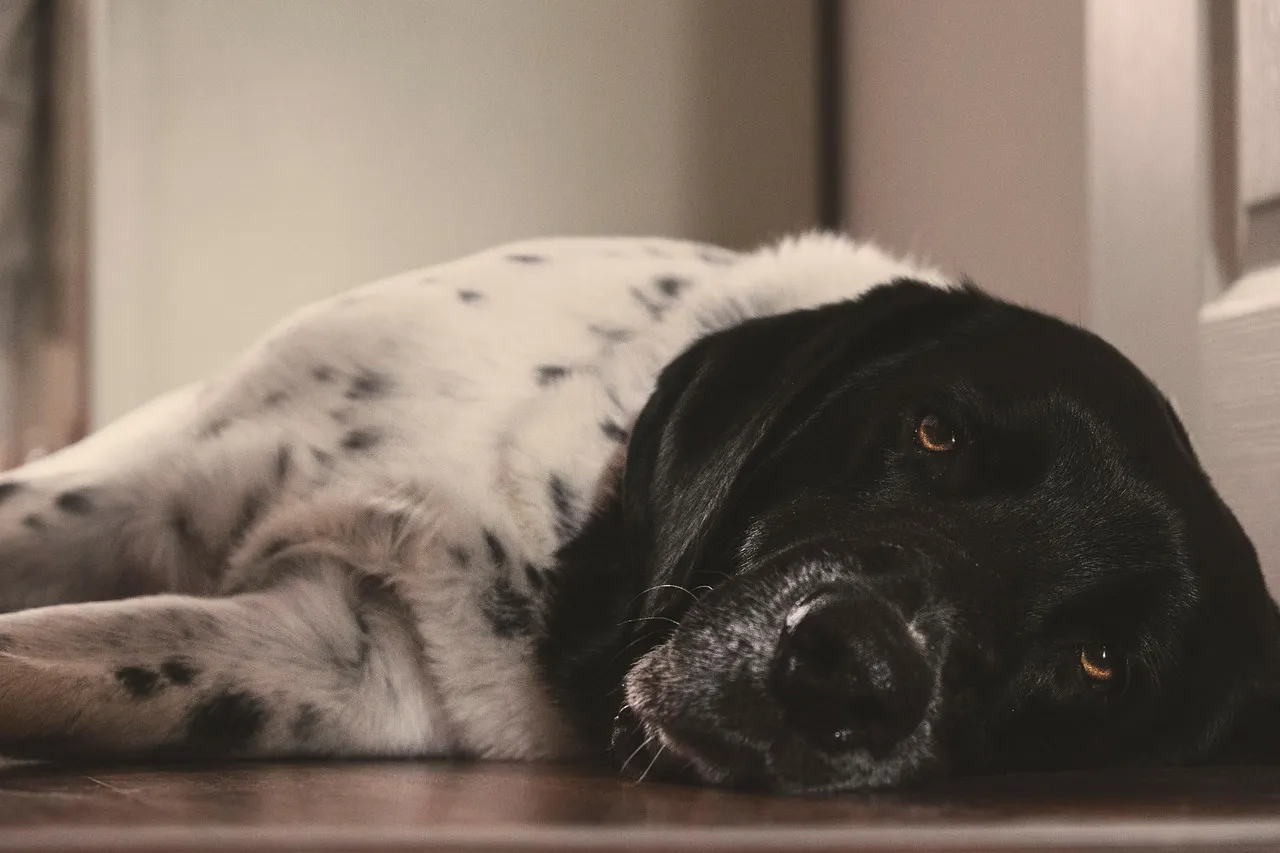
Many landlords maintain lists of “banned breeds,” or dogs that tenants cannot own. There’s variation among lists, but some dogs like mastiffs and German shepherds come up frequently. The six breeds in this article are rarely, if ever, found on such restriction lists, which adds a layer of practicality to their appeal.
When looking for a dog for apartment living, consider factors like size, temperament, energy levels, and grooming needs to ensure both you and your new pet are comfortable. It’s also worth thinking about your own daily routine honestly. A breed that needs two hours of outdoor time won’t thrive if your schedule doesn’t accommodate it.
Whether you’re in a cozy studio or a compact urban apartment, the right dog can bring joy, companionship, and energy to your home without compromising your living space or your neighbors’ comfort. The key is being honest with yourself about what you can realistically offer the animal every single day.
The Takeaway
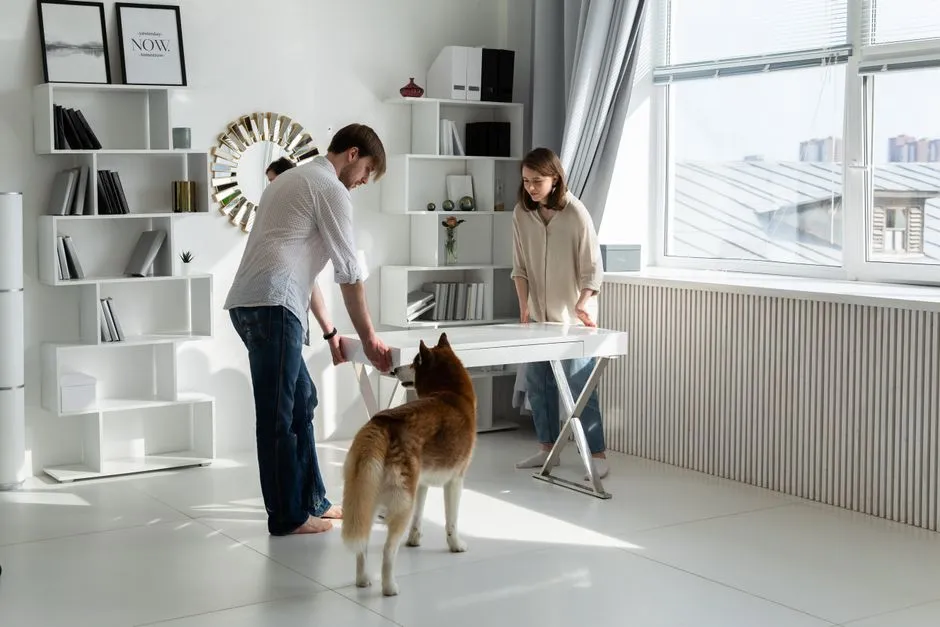
Apartment life and dog ownership are more compatible than most people assume. The six breeds covered here, each backed by consistent expert and veterinary guidance, represent some of the most reliable choices available for urban renters in 2026.
The right dog won’t just tolerate your apartment. It will genuinely thrive in it. And chances are, you’ll feel the difference in your mornings, your evenings, and the quieter moments in between.
AI Disclaimer: This article was created with the assistance of AI tools and reviewed by a human editor.