
Most people searching for the secret to looking and feeling younger walk straight past it in the grocery store. There’s a growing body of evidence suggesting that certain everyday foods can influence how the body ages at a cellular level, and scientists are getting increasingly precise about why. This isn’t wellness marketing. It’s molecular biology meeting your dinner plate.
Scientific studies reveal that certain foods may promote cellular health, reduce inflammation, and support the body’s natural defenses against aging. The research has accelerated notably since 2024, with scientists now examining how diet influences epigenetic aging, the biological clock that runs independently of how many birthdays you’ve had.
1. Blueberries: Small Fruit, Serious Science
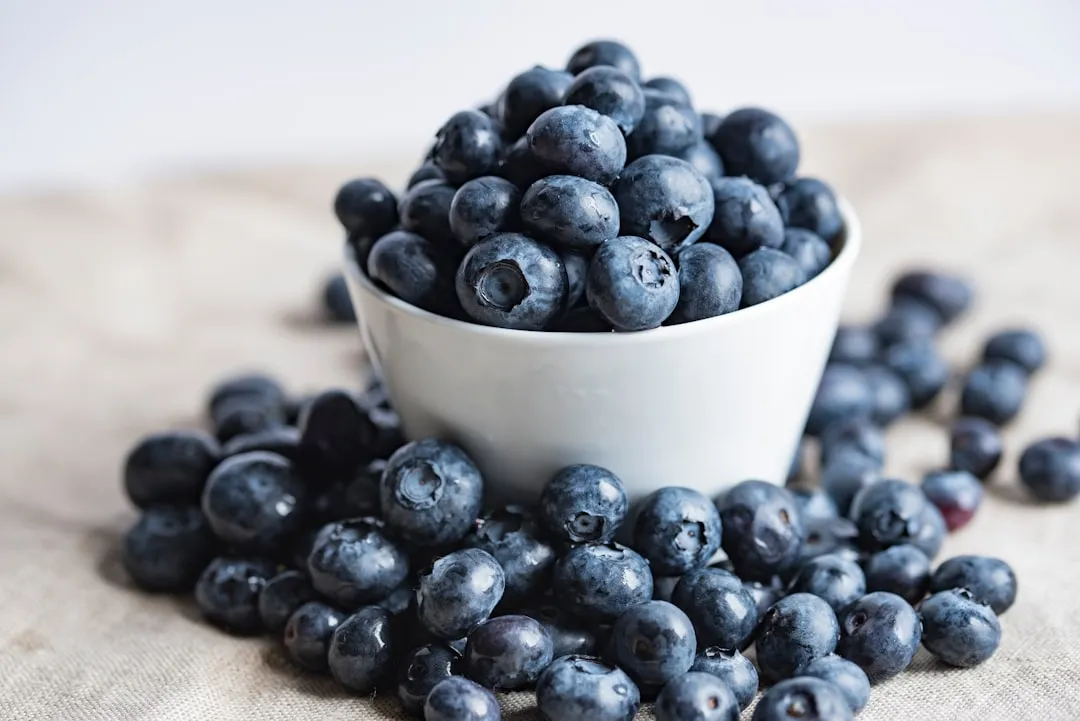
Blueberries have one of the highest antioxidant levels of all common fruits and vegetables. That distinction matters because antioxidants protect your body from free radicals, which are unstable molecules that can damage your cells and contribute to aging and diseases, such as cancer.
Recent research demonstrates that blueberries contain powerful antioxidants called anthocyanins that cross the blood-brain barrier and directly influence memory and executive function centers. These polyphenolic compounds have been shown to slow cognitive decline in aging adults, with some studies suggesting that regular blueberry consumption may delay cognitive aging by as much as 2.5 years.
Epidemiological studies associate regular, moderate intake of blueberries and anthocyanins with reduced risk of cardiovascular disease, death, and type 2 diabetes, and with improved weight maintenance and neuroprotection. A 2023 study found that consuming blueberry powder, equivalent to about one cup of fresh blueberries each day, could help maintain brain function and improve memory in older adults.
2. Green Tea: The Epigenetic Edge
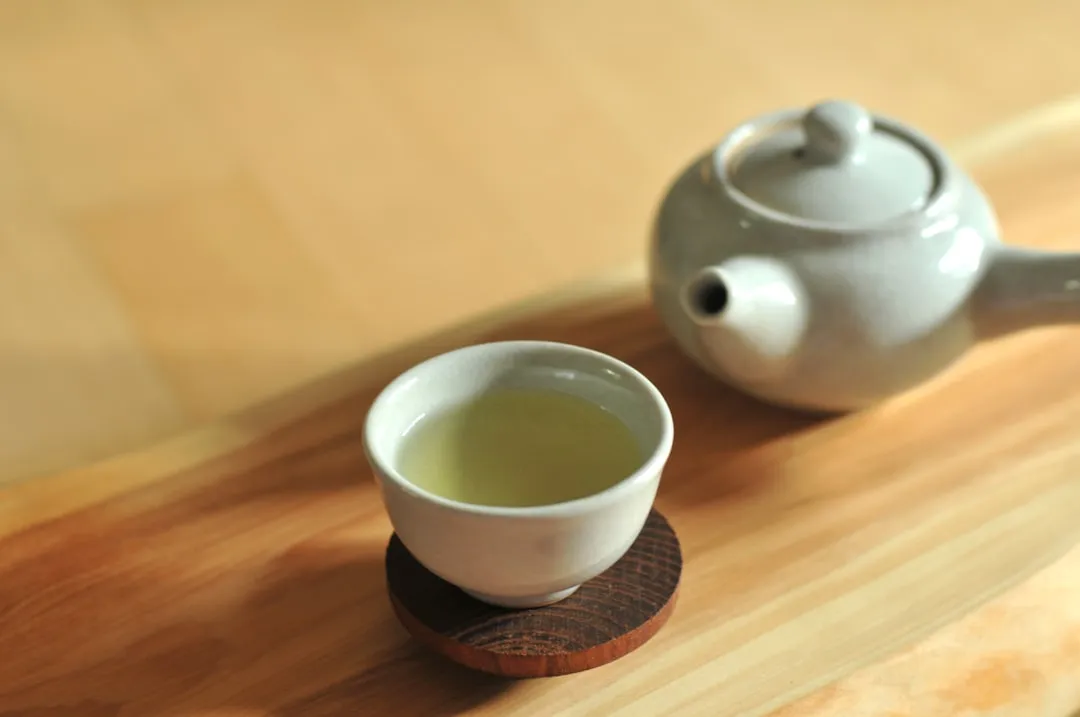
A study found that those who ate higher amounts of methyl adaptogen foods, including turmeric, rosemary, garlic, berries, green tea, and oolong tea, experienced greater reductions in epigenetic age. Green tea is among the most studied of these compounds, with research going well beyond its reputation as a calming ritual.
Tea is known to have antioxidant and anti-inflammatory properties. Scientists have investigated the antioxidant and anti-aging effects of green tea and its polyphenols, especially EGCG, epigallocatechin-3-gallate, on human skin. EGCG is particularly notable for its ability to protect skin cells from UV-induced damage, one of the primary drivers of visible aging.
Korean data has specifically linked green tea consumption with telomere protection, which is significant because telomere length is one of the most closely watched markers of biological aging. Scientists publishing in the journal Aging found that these specific foods, known as “methyl adaptogens,” were strongly associated with reductions in biological age.
3. Turmeric: The Golden Spice with Cellular Impact
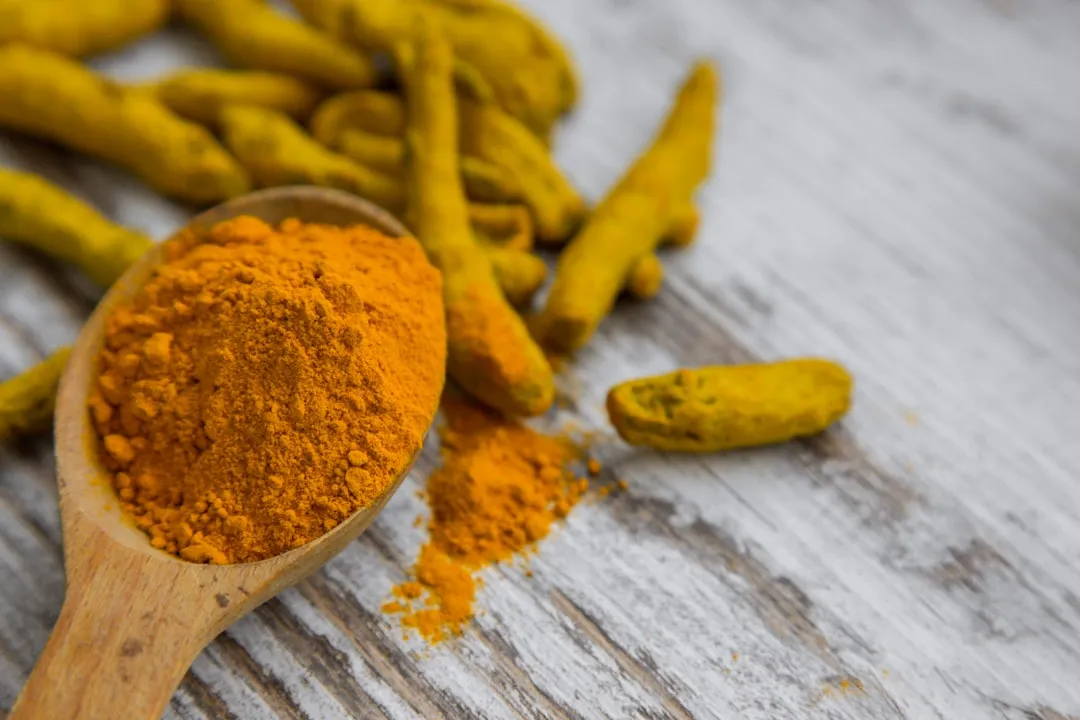
Turmeric contains curcumin, a compound known for its strong anti-inflammatory properties that may protect against age-related diseases. A 2024 study found that curcumin had a positive impact on slowing down the aging process, postponing age-related changes.
According to extensive research, including studies published in Immunity and Ageing, the curcumin in turmeric may help against aging of the joints, brain, and other neurodegenerative conditions. Curcumin’s antioxidant and anti-inflammatory properties play a pivotal role in addressing age-related disorders, and its efficacy extends to neurodegenerative diseases, cardiometabolic disorders, and rheumatoid arthritis, owing to its ability to modulate various cellular pathways.
Consuming foods like green tea, turmeric, berries, and garlic, called “methyl adaptogens,” was linked to a reduction in biological age by more than two years in just eight weeks. The study found that these age-fighting benefits came from the foods themselves, not from weight loss, suggesting their compounds directly affect the aging process at the cellular level.
4. Extra Virgin Olive Oil: The Mediterranean Longevity Staple
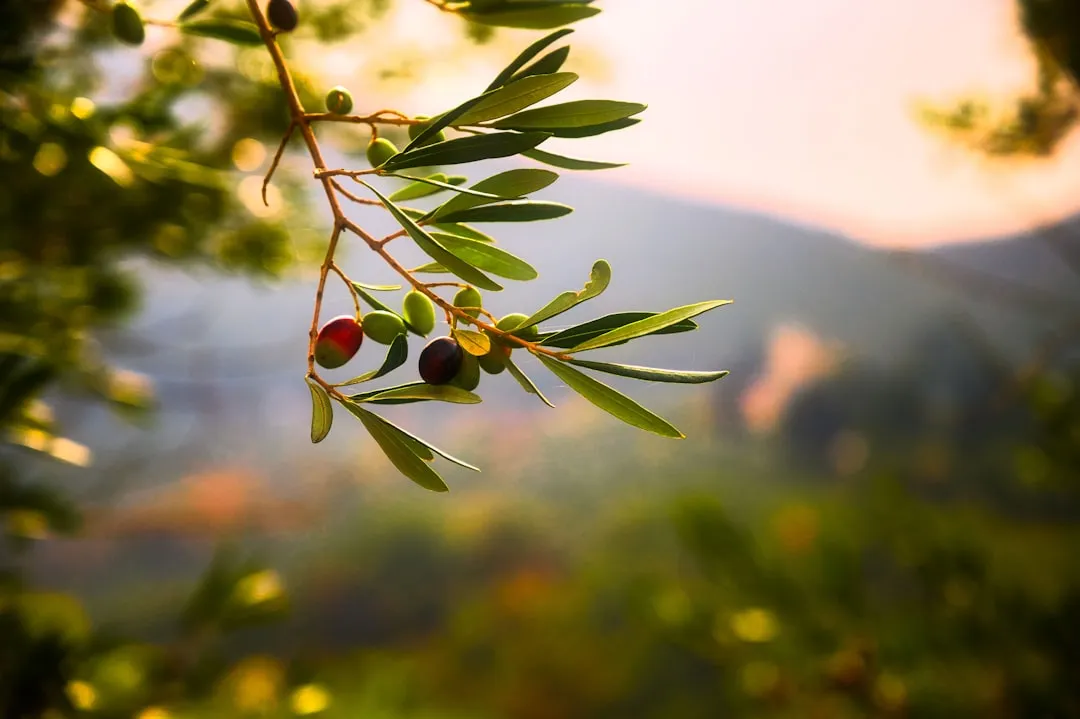
Both olives and olive oil are loaded with the antioxidant compounds hydroxytyrosol, oleocanthal, and oleuropein, which fight oxidative stress and inflammation. These aren’t minor compounds. Oleocanthal, in particular, has been compared structurally to ibuprofen for its anti-inflammatory action.
Research reveals that olive oil high in polyphenols enhances longevity through multiple pathways including inflammation reduction, cardiovascular protection, cognitive preservation, and metabolic regulation. These natural compounds activate cellular mechanisms associated with stress resistance and healthy aging.
In one study of Greek adults, people over 70 who exclusively used olive oil had better markers on the Successful Aging Index than those who never or rarely used olive oil. In a large study in U.S. adults, daily olive oil intake was associated with an increased likelihood of living a longer, healthier life.
5. Walnuts: The Brain-Shaped Nut That Supports the Brain
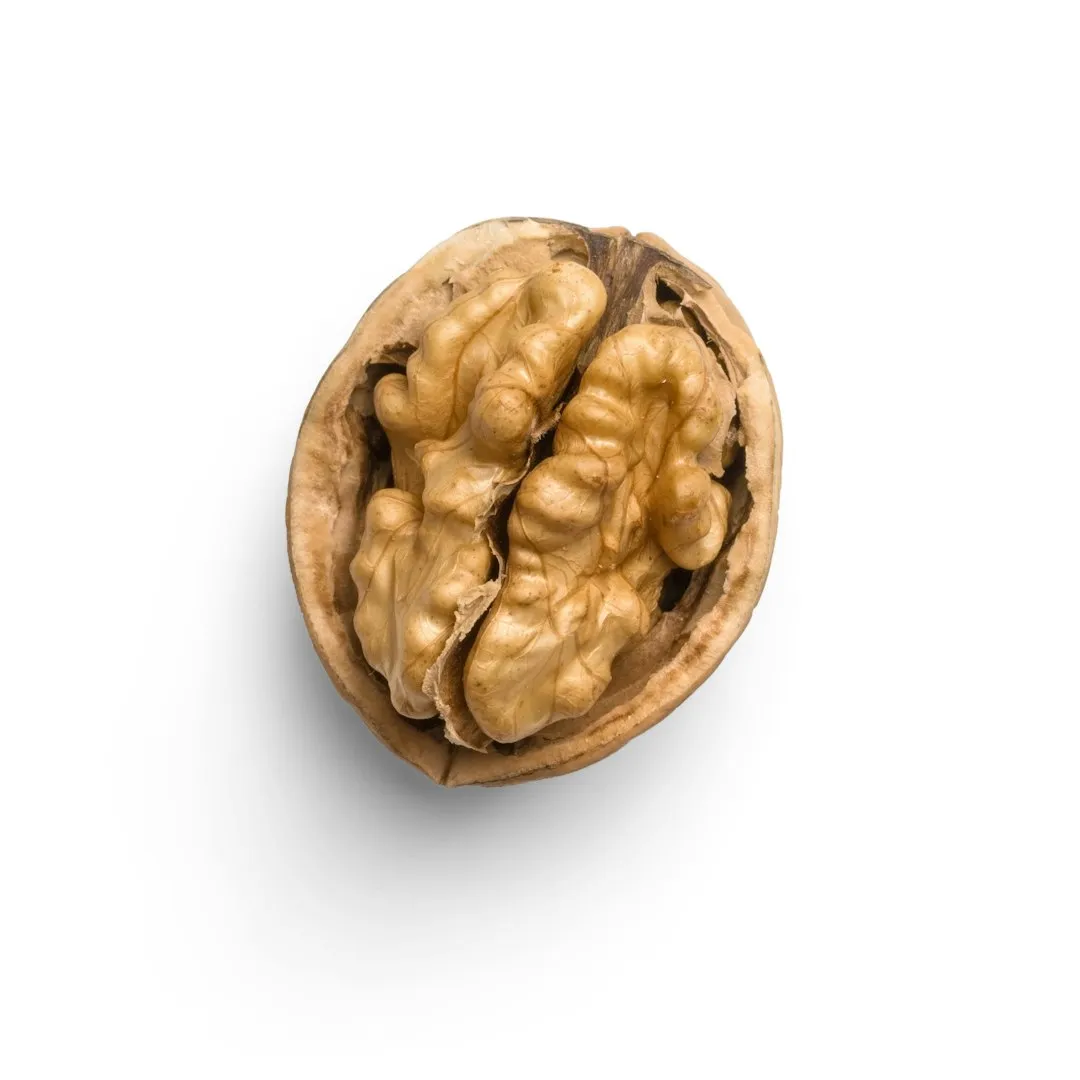
The Walnuts and Healthy Aging study, a two-center, randomized, two-year clinical trial in cognitively healthy elderly men and women, was designed specifically because extensive evidence supports walnuts’ cardio-protective and vascular health effects, linked to bioactive components such as n-3 fatty acids and polyphenols.
Research links walnuts to slowed cognitive decline and better brain function in aging adults. A small daily handful is all that Mediterranean populations typically eat, but the consistency of that habit across decades appears to be what drives the benefit.
A 20-year-long study of over 120,000 women showed that those who ate the most walnuts had a roughly fourteen percent reduction in mortality rates compared to women eating the fewest walnuts. Walnuts are also noted for their plant-based omega-3 content, which supports vascular health and helps reduce systemic inflammation, both of which are closely tied to how quickly the body ages.
6. Garlic: Centuries of Use, Decades of Research
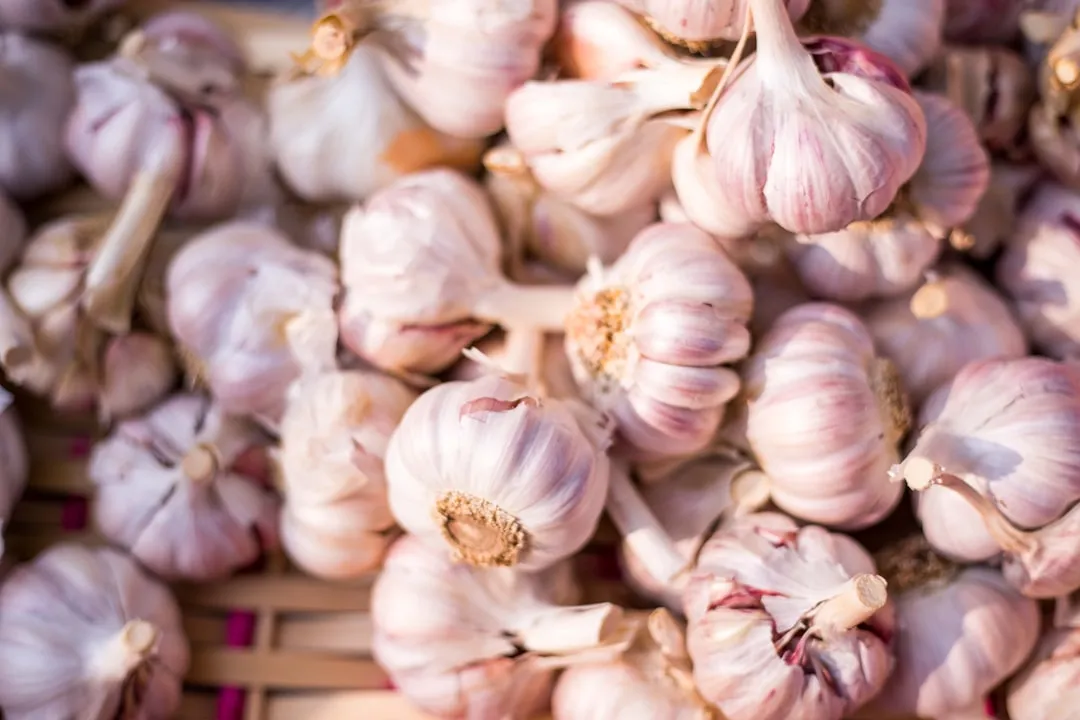
Garlic is rich in compounds like allicin that have potent antioxidant properties and may enhance immune function. Garlic has been used for its medicinal properties for thousands of years, and modern science is backing up many of these traditional uses.
Garlic in particular has been studied extensively for its cardiovascular benefits, including its ability to lower blood pressure and modulate cholesterol. A study found that garlic extract reduced arterial stiffness and improved vascular health in adults. Arterial stiffness is one of the clearest signs of cardiovascular aging, so this is not a trivial finding.
The study tracking methyl adaptogen foods found that those who ate higher amounts of garlic, along with turmeric, berries, and green tea, experienced greater reductions in epigenetic age. Just one serving daily of these widely available foods could potentially help slow down biological aging, offering an accessible alternative to expensive anti-aging treatments.
What the Science Actually Tells Us

The free radical theory of aging, proposed by Denham Harman in the 1950s, identified the accumulation of oxidative damage over time as a cause of aging. Since then, the relationship between oxidative stress and aging processes has become the subject of ample research. The six foods covered here address that oxidative burden from different angles, which is likely why dietary variety consistently outperforms single-food approaches in aging research.
Incorporating foods rich in anti-inflammatory properties, antioxidants, and vitamins such as A, C, E, and K are essential for maintaining a healthy, youthful appearance. That covers nearly all six of the foods above, which reinforces why they appear so consistently across different research frameworks, from Mediterranean diet studies to epigenetic aging trials.
The honest caveat is that no single food reverses aging on its own. What the evidence supports is a pattern, eaten regularly, over years. The study titled “Dietary associations with reduced epigenetic age: a secondary data analysis of the methylation diet and lifestyle study” was published in the journal Aging in April 2025, and it represents some of the most promising recent evidence that ordinary foods can measurably move the biological aging needle. That’s a quiet but meaningful shift in how scientists understand the relationship between what we eat and how we age.
How to Build These Foods Into a Daily Routine
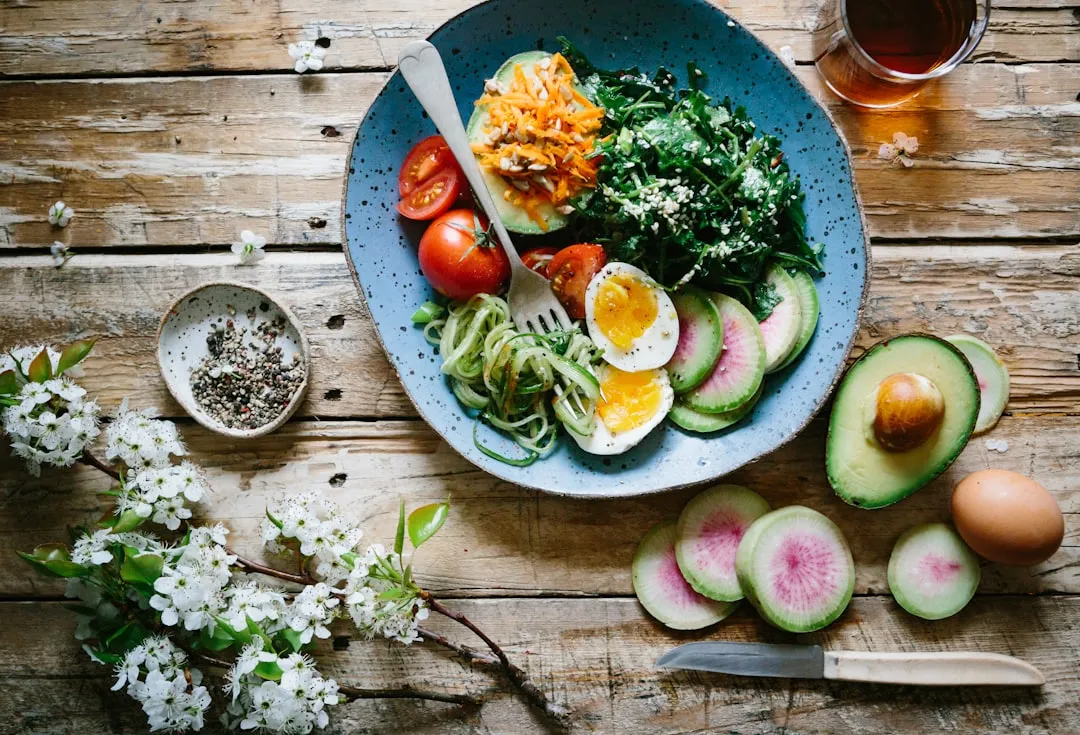
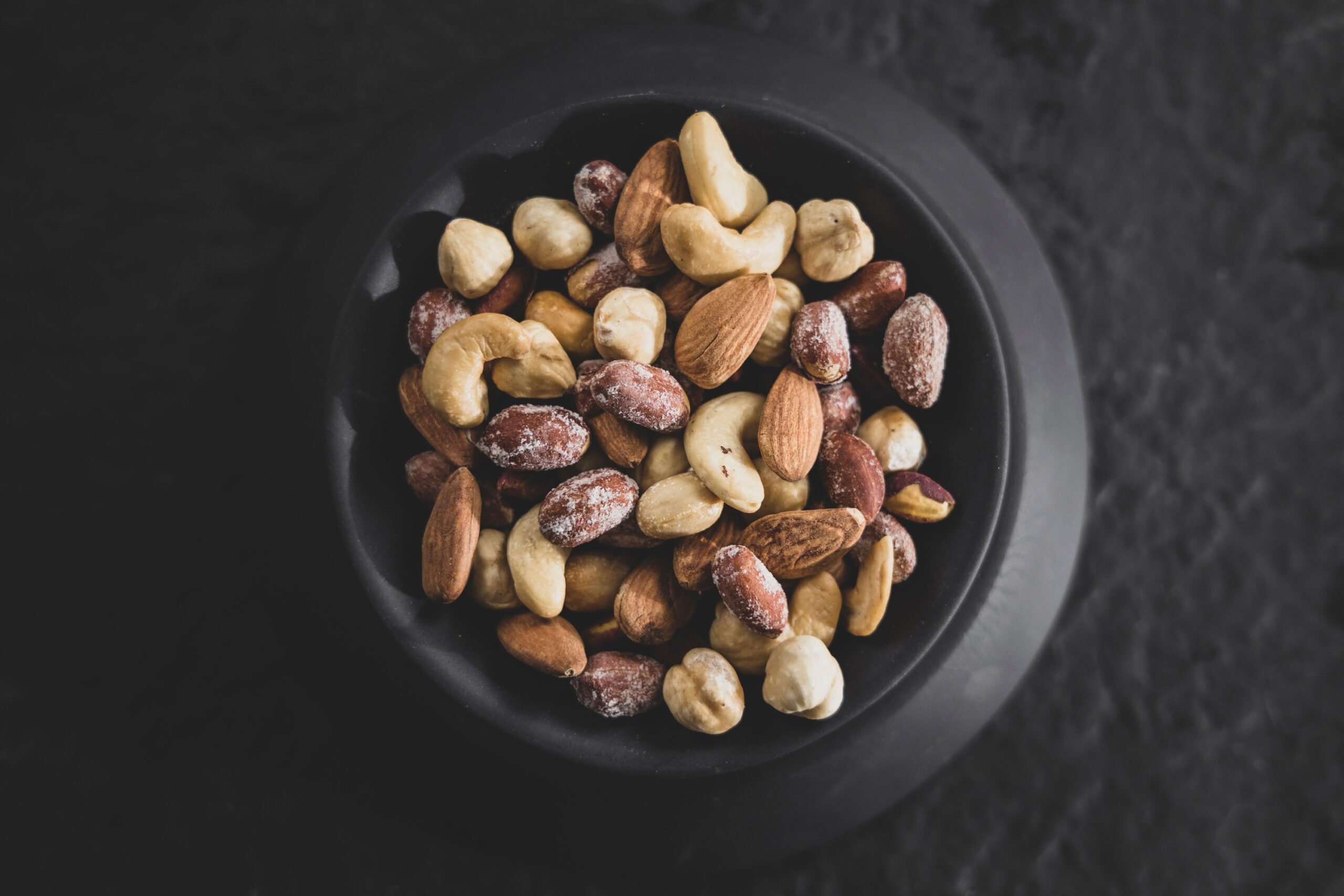
None of these six foods requires a drastic dietary overhaul. Blueberries work in oatmeal or a smoothie. Green tea replaces a coffee. Turmeric goes into soups, scrambled eggs, or warm milk. Olive oil swaps in for other cooking fats almost invisibly. Walnuts fit in a pocket.
We’re not talking about rare superfoods from boutique health stores. These age-fighting ingredients are ordinary items available in most grocery stores: green tea, oolong tea, turmeric, rosemary, garlic, and various berries. Garlic requires almost no adjustment for anyone who cooks regularly at home.
The goal isn’t perfection. It’s consistency. Optimal wellness combines good nutrition with hydration, light exercise, quality sleep, stress management, and social activity. Food is one part of that picture, but it’s a part that researchers are finding increasingly powerful, and refreshingly affordable.
The Biology Behind Aging and Why Food Matters

As we age, the body undergoes several physiological changes that accelerate cellular aging and reduce overall health. Metabolism slows down, immune function weakens, and both bone density and muscle mass gradually decline. When free radicals exceed the body’s ability to neutralize them, they accumulate and trigger oxidative stress, damaging cells and accelerating aging.
Methyl adaptogens are rich in polyphenols, which have been shown in lab studies to modulate DNA methylation, the chemical tags that help regulate how genes are expressed as we age. This is why researchers are now measuring biological age using epigenetic clocks rather than relying solely on chronological age. The two numbers don’t always match, and diet appears to be one of the factors that determines which direction the gap goes.
These nutrients help combat oxidative stress and chronic inflammation at the cellular level, protecting DNA, proteins, and cell membranes from age-related damage. When you look at the mechanism, the logic of eating these foods daily stops feeling like lifestyle advice and starts feeling more like basic maintenance.
Frequently Overlooked Context: Bioavailability and Dosage
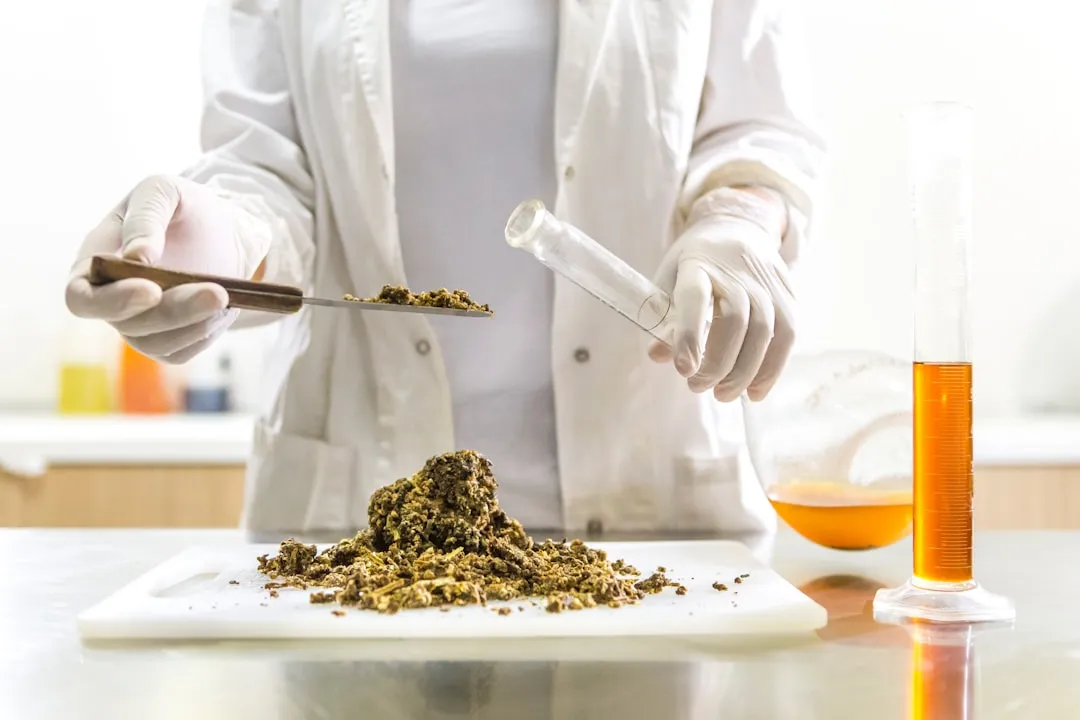
One thing nutrition headlines tend to skip is that the benefit of any food depends on how much of its active compounds actually reach target tissues. Curcumin in turmeric, for example, has low natural bioavailability, meaning the body doesn’t absorb it efficiently on its own. Combining turmeric with black pepper, which contains piperine, significantly increases absorption. That’s a small but important practical detail.
Direct antioxidant action of polyphenolic compounds in situ appears unlikely due to their poor bioavailability. Nonetheless, research performed during the past two decades has revealed a multitude of ways in which blueberries are bioactive and beneficial to health. The mechanism isn’t always what it first appears to be, and that complexity is part of what makes this field genuinely interesting.
The broader lesson is to treat the evidence proportionately. These foods are well-supported by research, but the studies cited here range from observational to randomized controlled. Not all evidence carries the same weight, and science in this area continues to develop. Eating these foods regularly is a reasonable and low-risk choice. Expecting dramatic results from any single ingredient is not.
The Bigger Picture on Longevity Diets

The global demographic landscape is undergoing a profound transformation as the population ages at an unprecedented rate. With advancements in healthcare and technology, life expectancy has seen a notable rise, with the world average reaching 72.6 years as of 2019. However, this longevity comes with its own set of challenges, particularly concerning the quality of life in older age.
Living longer is only part of the equation. Living well while doing so is the harder and more interesting problem. New wave aging has become one of the primary consumer priorities in recent years, according to health and wellness research reports, with growing interest in the idea that the aging process itself can be actively influenced rather than simply endured.
The six foods in this article don’t promise immortality, and no credible researcher claims they do. What the evidence does suggest, fairly consistently, is that eating them regularly gives your cells a better environment to operate in. Over decades, that likely adds up to something real.
A Measured Takeaway
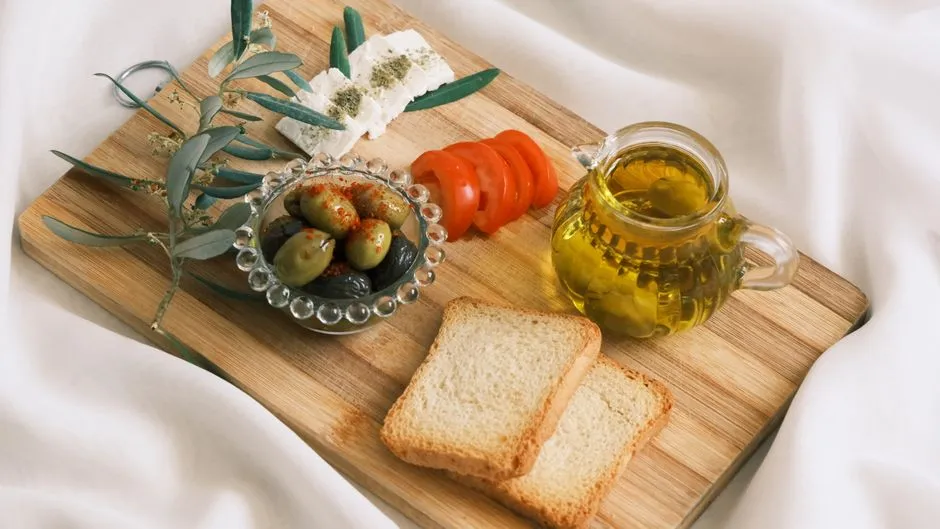
What’s striking about the most recent research is how ordinary these foods are. Not rare adaptogens or expensive extracts, just blueberries, green tea, turmeric, olive oil, walnuts, and garlic. Foods that have appeared in traditional diets across the world for generations, often before anyone had a word for epigenetics.
Just one serving daily of these widely available foods could potentially help slow down biological aging, offering an accessible alternative to expensive anti-aging treatments. That’s a straightforward proposition: eat real food, consistently, and let the accumulation of small daily choices do the work over time.
The science won’t stay still. New studies will refine or complicate what we know. For now, though, the evidence points clearly enough in one direction that acting on it costs very little and may well be worth a great deal.
AI Disclaimer: This article was created with the assistance of AI tools and reviewed by a human editor.