

There’s a quiet shift happening in workshops across the country. People are putting down their routers, stepping away from the CNC machines, and picking up chisels. It isn’t nostalgia for its own sake. It’s something more grounded than that, a recognition that some older methods produce results that modern shortcuts simply can’t match.
On one hand, global mass production and the loss of traditional skills threaten many long-established craft techniques. On the other, there is a growing interest in sustainable production, handcrafted quality, and the revival of traditional craftsmanship. That tension is exactly why are finding a new audience in 2025 and 2026. The five methods explored here are not museum pieces. They’re practical, teachable, and more relevant than ever.
1. Hand-Cut Dovetail Joinery: The Signature of a Skilled Maker
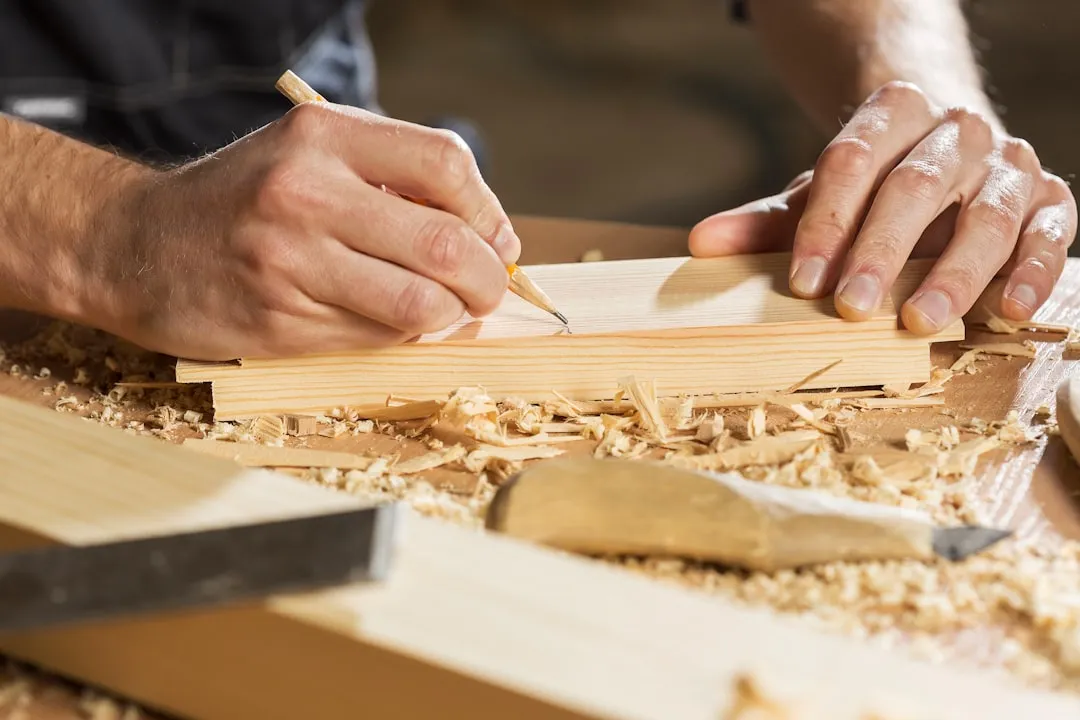
The dovetail joint is as beautiful as it is strong. Instantly recognizable by its series of interlocking pins and tails, it’s a hallmark of high-quality craftsmanship, often seen in drawer construction and cabinetry. The flared shape of the tails makes the joint impossible to pull apart from one direction, creating a mechanical lock that only gets tighter under tension.
Dovetails offer superior shear strength, and their aesthetics speak clearly of handmade craftsmanship. Cutting a dovetail by hand requires precision and a steady hand. There’s no hiding mistakes. When done right, it’s a joint that speaks to the skill of the maker.
Traditional joints like the dovetail have stood the test of time, lasting centuries because they’re inherently strong. Studies show that furniture crafted with these old-school techniques can last up to 50% longer than modern, glued-only pieces. For anyone serious about furniture that actually endures, this technique is worth every hour of practice it demands.
2. Mortise and Tenon: The King of Frame Construction

The concept is straightforward: a tenon on the end of one piece of timber fits snugly into a mortise in another. This joint is prized for its incredible strength, especially against forces that try to pull it apart. The connection is typically secured with wooden pegs, which lock the joint tight and allow the wood to naturally expand and contract with the seasons without weakening. It’s a simple, rugged, and profoundly effective technique that has been used for centuries to build things that last.
This building practice, used globally until around 1900, was revived in the United States during the 1970s by craftsmen who recognized its structural integrity and timeless aesthetic. Unlike modern construction that relies on metal brackets and fasteners prone to rust and failure, traditional joinery harnesses wood’s natural properties to create connections that actually grow stronger over time.
The mortise and tenon joint is generally the strongest for frame construction, and the dovetail joint is the strongest for corner connections that resist pulling forces. The revival of this technique emphasized using timbers joined using traditional mortise and tenon methods and secured with dry oak tapered pegs. Green timbers naturally tighten as they dry, actually strengthening the joints over time. Few modern alternatives can claim that.
3. Hand Planing: Flattening and Finishing Without Power
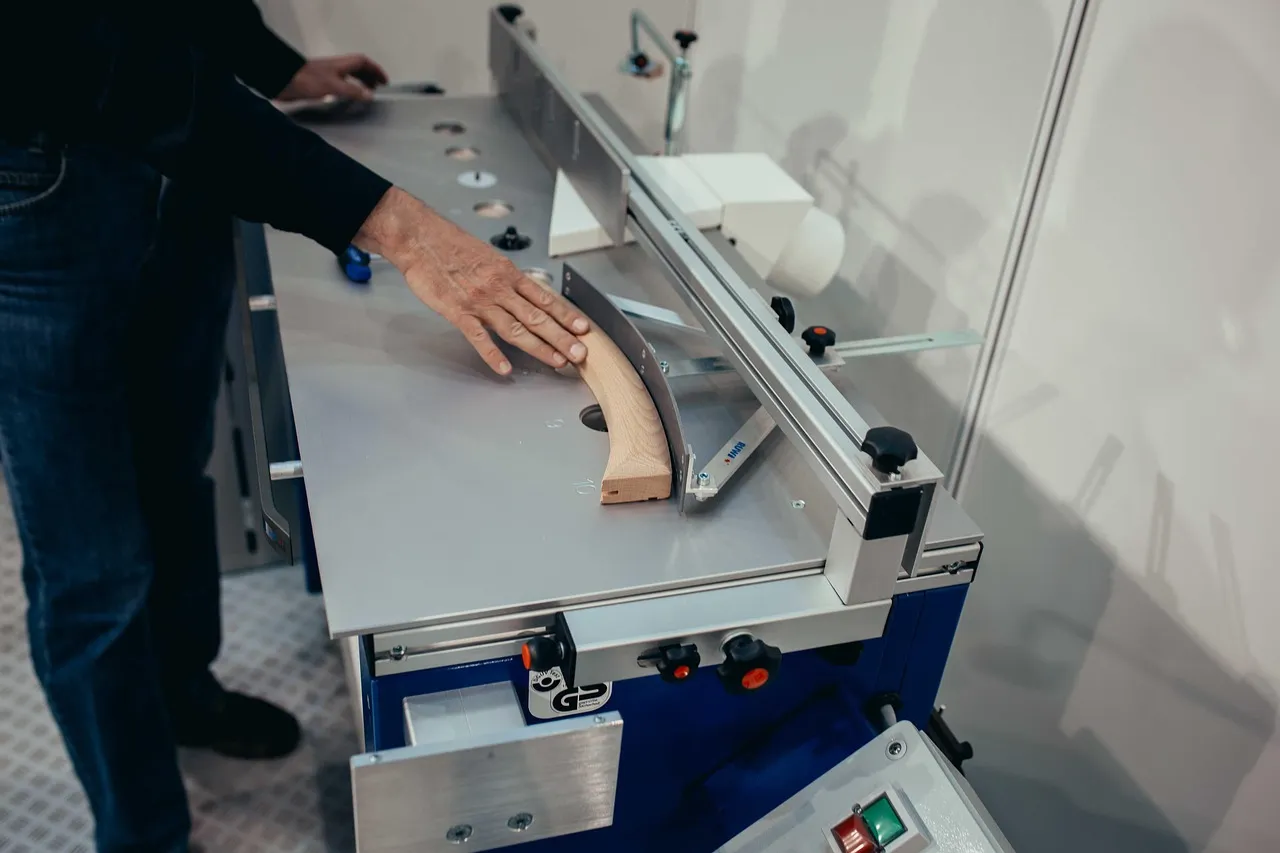
Many old woodworking tools were meticulously crafted to exacting standards, resulting in superior precision and accuracy compared to mass-produced modern tools. Whether it’s a hand plane that can produce paper-thin shavings or a finely-tuned saw that cuts with surgical precision, antique tools allow you to achieve levels of detail and accuracy that are simply unmatched by their modern counterparts.
Both hand planes and spokeshaves are traditional hand tools used to shape timber. Although they are used for different applications, planes to flatten and smooth and spokeshaves to curve and shape, there are fundamental principles common to both. Learning to use a hand plane well forces you to understand grain direction, wood behavior, and the relationship between tool angle and result. That kind of knowledge doesn’t transfer from a sander.
Using traditional tools teaches you to rely on your instincts and honed techniques rather than solely on the tool itself. This results in a deeper understanding of the woodworking process and a heightened level of skill that can only come from hands-on experience. That trade-off is exactly what makes hand planing worth relearning.
4. Spokeshave Work: Mastering Curves by Feel
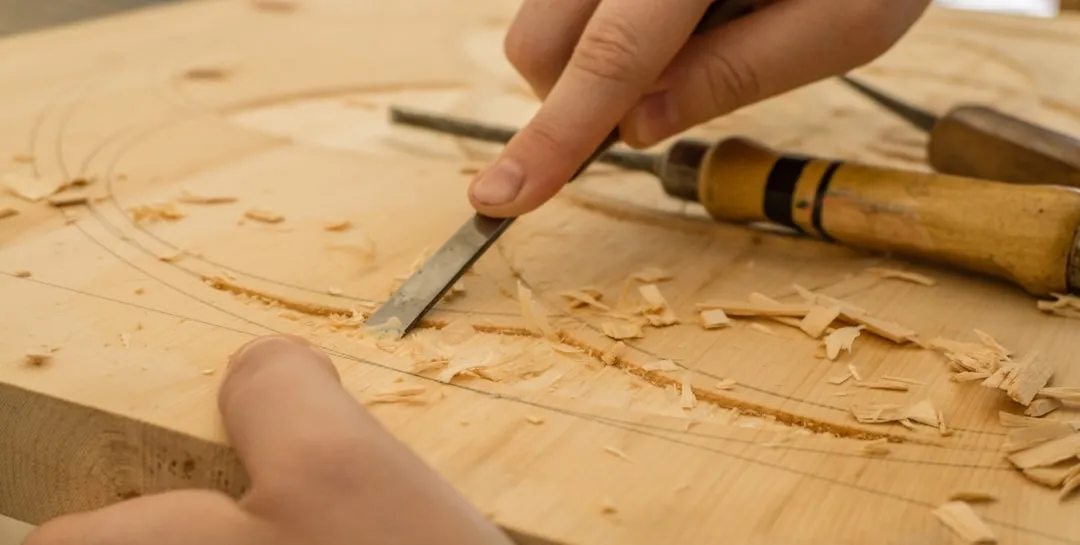
A spokeshave is a hand tool used to shape and smooth wood in jobs such as making cart wheel spokes, chair legs, paddles, bows, and arrows. The tool consists of a blade fixed into the body, which has a handle for each hand. Spokeshaves were originally used for making spokes on horse carriages, but are now a very common and useful tool in chair making, cabinetmaking, or anywhere else where curves are involved.
Even if you have an impressive stable of power tools at your disposal, sometimes it is easier and quicker to shape wood the old-fashioned way. Used for generations because they are efficient, the spokeshave, rasp, bench chisel, and scraper are still the best and often the safest tools for a wide variety of shaping jobs.
When it comes to curved work, a properly set up spokeshave will perform a variety of tasks ranging from simple smoothing of arched edges to shaping of spindles, cabriole legs, and other curved forms unsuited to hand planing. When planing or spokeshaving you need to know and understand timber, its grain direction and individual characteristics. This, in combination with really studying the piece of timber you are going to work on, will enable you to get the best results and eliminate potential tear-out and chatter marks.
5. Steam Bending: Shaping Wood with Heat and Moisture

Steam bending is a traditional technique that was once widely used in the production of weapons, tools, and vessels. It is now still used in the manufacture of furniture, crafting of musical instruments such as violins, and in boatbuilding. It is an effective way to shape timber to add beautiful twists, bends, and turns to your designs and projects.
The method is to expose the timber to steam to make it pliable. The heat and moisture from the steam gradually soften the timber’s fibres enough for it to be bent when still warm and retain the shape once it has cooled. Curved furniture pieces often utilize innovative woodworking techniques, such as steam bending or laminating. The results are forms that no power tool can easily replicate.
Wood fibers in green or steamed timber are more fibrous and flexible, allowing for bending and shaping that seasoned wood resists. Working with this material means adapting to changing characteristics and planning your project to accommodate shrinkage and movement over time. It’s a demanding technique that rewards patience, but the organic shapes it produces are genuinely difficult to achieve any other way.
Why the Market Is Responding to Traditional Skills
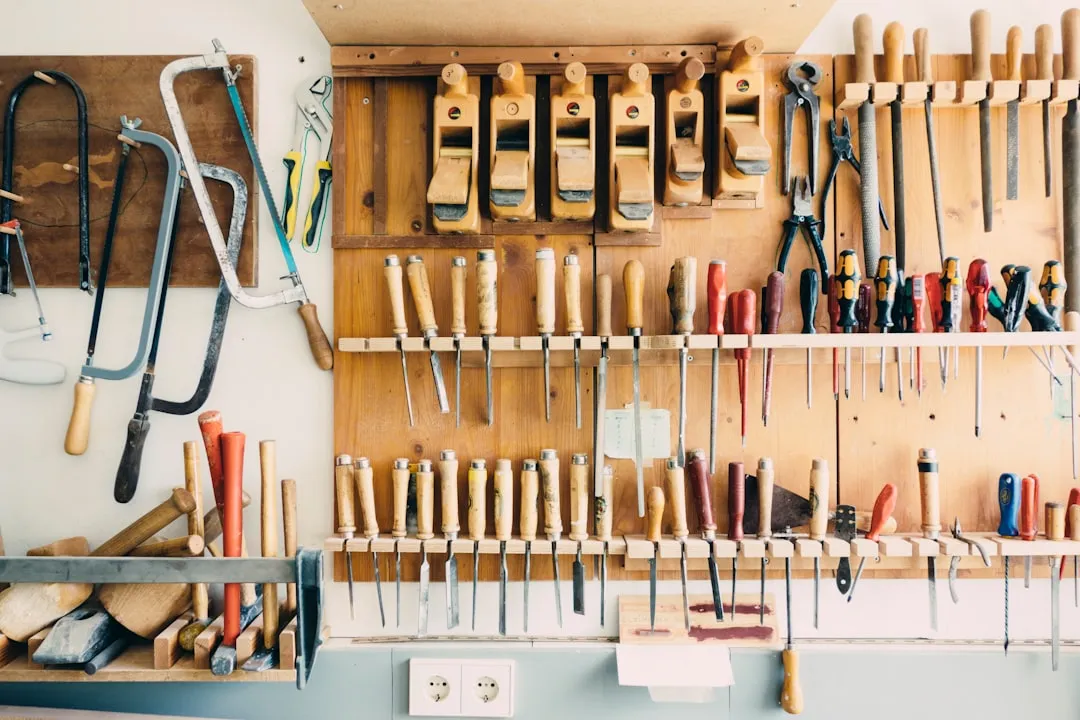
The global hand tools and woodworking tools market size reached nearly 9.57 billion USD in 2024 and is projected to hit around 14.21 billion USD by 2034, with a compound annual growth rate of roughly four percent. That growth isn’t driven solely by professional tradespeople. There has been a significant increase in hobbyists turning to traditional woodworking methods. This trend highlights a rising appreciation for craftsmanship and manual skills, with many enthusiasts favoring hand tools over power tools. This shift underscores a preference for precision, artistry, and a more personal engagement with the woodworking process.
Products like chisels, mallets, and hand saws are popular for fine woodworking and intricate detailing. Hand tools contribute to about 30% of total woodworking tool sales, with rising demand from DIY enthusiasts and hobbyists driving growth in this segment.
From pottery to artisanal furniture and woodwork, handmade items have undergone an image transformation in recent years. No longer the preserve of pensioners and farmers markets, hand-built items are finding their place with a new and younger audience. Fueled by a rebellion against the disposable nature of fast fashion, flat-pack furniture, and the immediacy of the digital world, a return to craft is seemingly the antidote to modern consumption.
The Sustainability Case for Going Old School
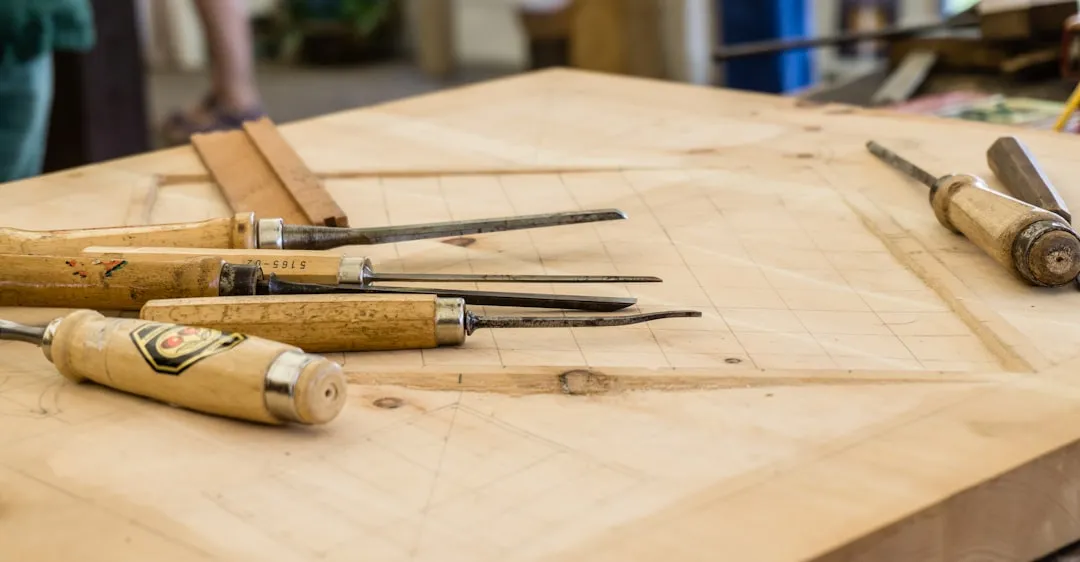
The revival of traditional woodworking techniques offers opportunities for more sustainable production. Handcrafted wooden objects often have a longer lifespan than industrially manufactured products and can be repaired and restored, reducing resource consumption. Moreover, many contemporary woodworkers promote awareness of the origin and quality of the materials used, contributing to a more responsible use of wood resources.
By repurposing and reusing vintage woodworking tools, you’re reducing the demand for new manufacturing and minimising your environmental footprint. Antique carpentry tools were built to last, and with proper care and maintenance, they can continue to be used for generations.
Wood expands and shrinks with changes in temperature and humidity. Old-school techniques accommodate this movement, which helps joints last longer. These joints are also straightforward to fix. If a piece breaks, it can be carefully repaired without replacing the entire section. That repairability is something flat-pack furniture will never offer.
Keeping Traditional Skills From Disappearing
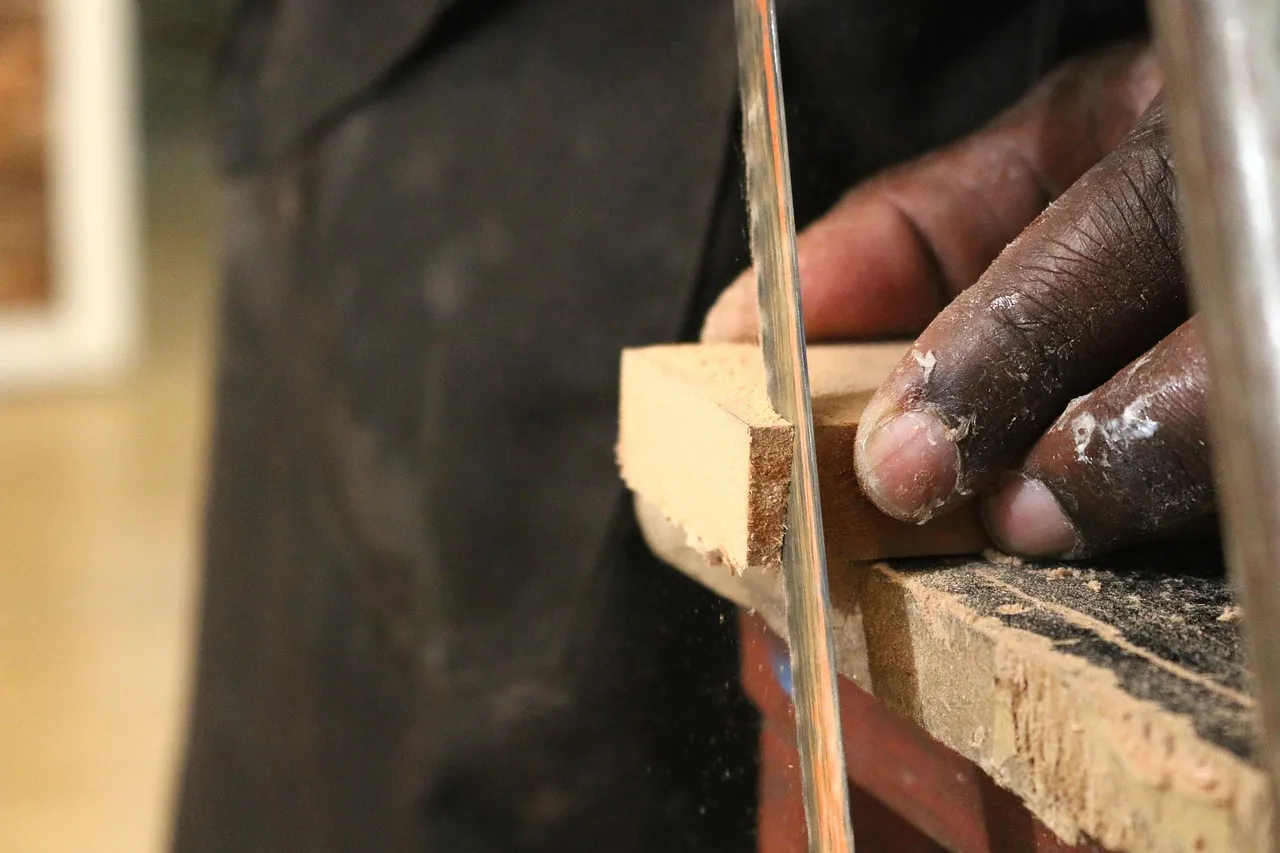
The lack of skilled labor in woodworking and craftsmanship poses a challenge, as fewer individuals are trained to use these tools effectively, impacting overall market growth. That gap is real and widening. Apprenticeship programs, craft schools, and online communities have all begun responding to it, but the responsibility also falls on individual woodworkers to pass knowledge along.
Educational programming has contributed significantly to the popularization and preservation of woodworking as a craft and hobby. Such resources provided accessible instruction to a broad audience, fostering skills and knowledge transfer across generations. Today, that role is increasingly filled by YouTube channels, community workshops, and publications like Fine Woodworking, which continues to publish detailed guides on hand-cut joinery and traditional finishing.
Reviving traditional crafts requires skill, stamina, and patience. From woodwork to textiles and pottery, each revived craft adds a distinct vision to the movement, bringing together artisans united by a commitment to quality and redefining what it means to create by hand in the 21st century.
How to Start Relearning These Techniques Today
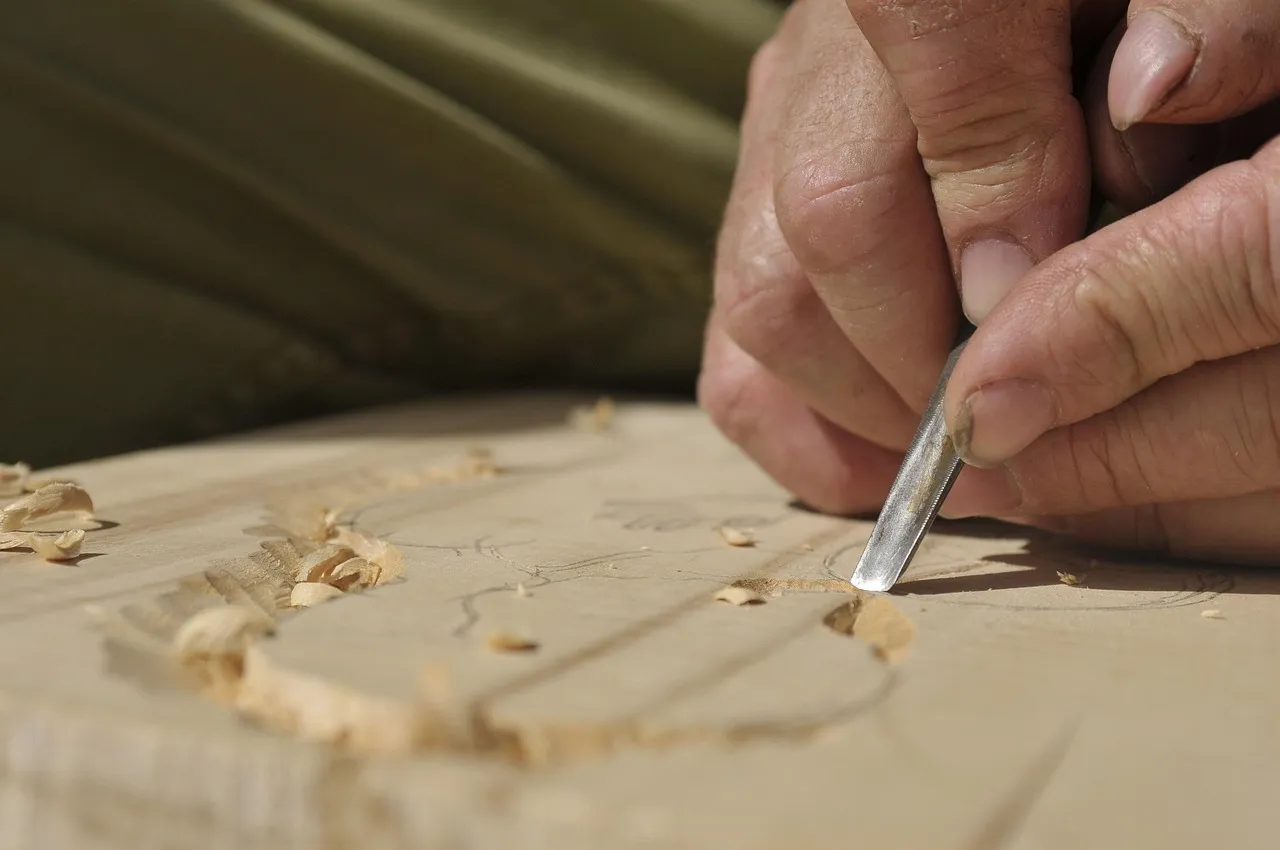
The entry barrier to traditional woodworking is lower than most people assume. A sharp chisel, a quality hand plane, and a decent workbench are genuinely enough to begin practicing mortise and tenon or basic dovetail work. Unlike modern tools, which often come with instruction manuals and tutorials, antique woodworking tools require a bit more trial and error to master. With patience and perseverance, you’ll soon find yourself becoming more comfortable and confident with your antique tools.
A basic butt joint held only by glue will fail over time, especially with seasonal changes. Quality joinery, like a dovetail or a mortise and tenon, uses the wood’s own strength to resist pulling, racking, and twisting forces. This is the difference between a project that lasts a few years and a true heirloom.
A return to traditional woodworking techniques, such as joinery and hand-finishing, adds character and a sense of history to each piece. Starting small matters. Practice a single joint on scrap wood, then move to a real project. The learning curve is genuine, but so is the reward when a joint fits perfectly without a fastener in sight.
The Bigger Picture: Craft as Cultural Memory
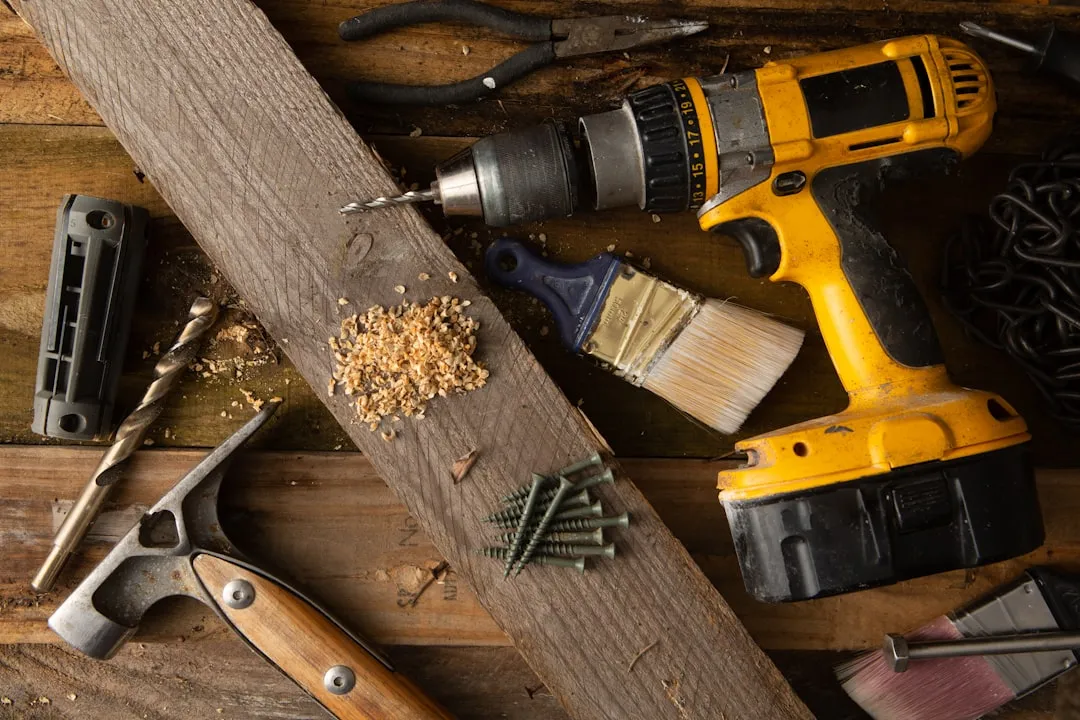
The cultural significance of woodworking can hardly be overstated. In many societies worldwide, woodworking plays a central role in shaping daily life, religious practices, and artistic expressions. Wooden objects are often more than just functional items; they are carriers of cultural identity, spiritual meaning, and historical memory.
Woodworking craftsmanship stands at the intersection of tradition and innovation, between cultural heritage and ecological responsibility. That isn’t an abstract idea. It shows up in every chair leg shaped with a spokeshave, every drawer front fitted with hand-cut dovetails, and every timber frame held together by nothing more than a well-cut tenon and a wooden peg.
In today’s era where almost everyone is obsessed with the latest and greatest, there’s something deeply comforting about turning to the tools of our forefathers. Vintage woodworking tools offer more than just functionality. They’re portals to a bygone era, where craftsmanship reigned supreme.
Closing Thoughts
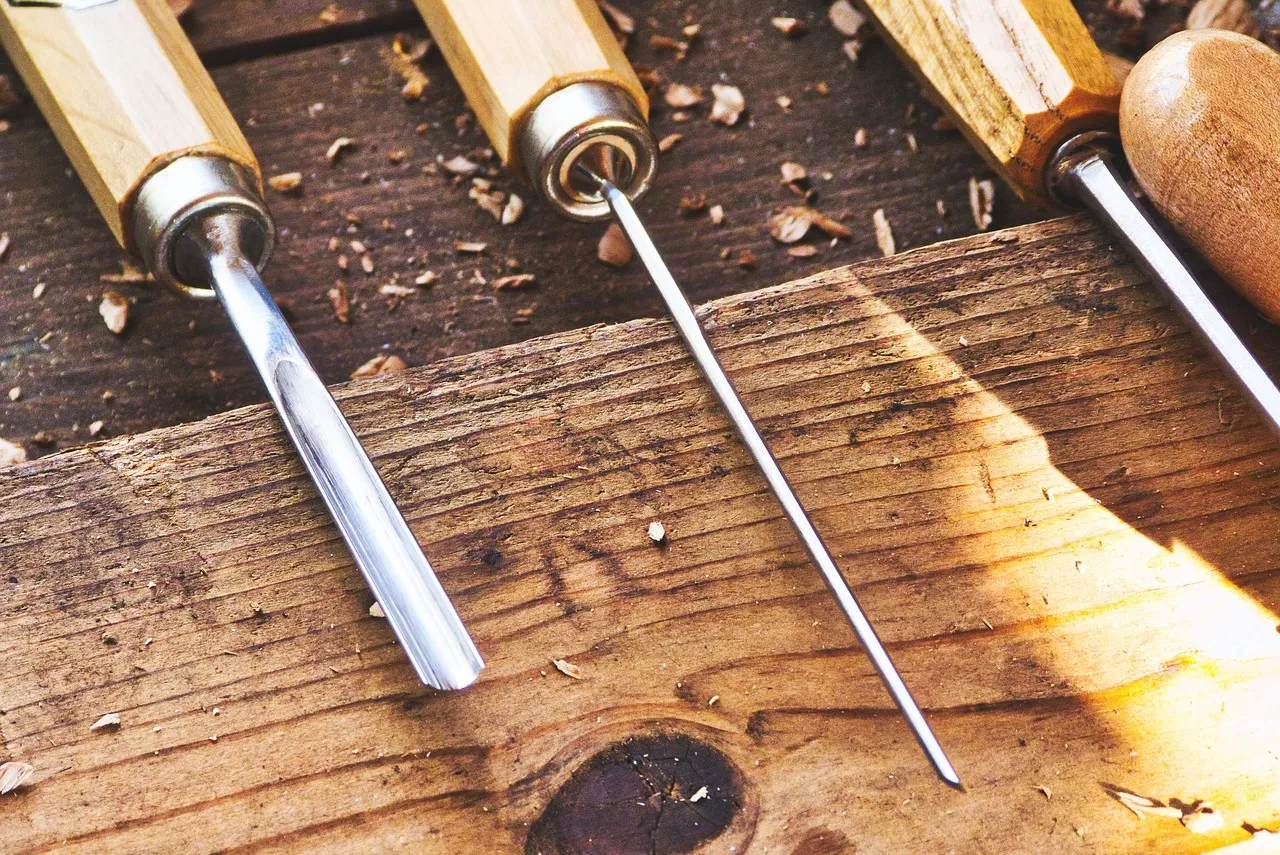
None of these five techniques are difficult to access in 2026. Books, courses, and online communities have made traditional woodworking more available than at any point since these methods fell out of mainstream use. The hand tools still exist, often affordable on the secondhand market. The knowledge hasn’t vanished.
What’s really being asked of anyone who wants to relearn these skills is time and attention. That’s a fair trade. Hand-crafted items embody durability, individuality, and timelessness, and that combination is increasingly rare in a world full of things designed to be replaced rather than repaired. The craft doesn’t ask you to abandon modern life. It just asks you to slow down for a few hours and make something worth keeping.
AI Disclaimer: This article was created with the assistance of AI tools and reviewed by a human editor.