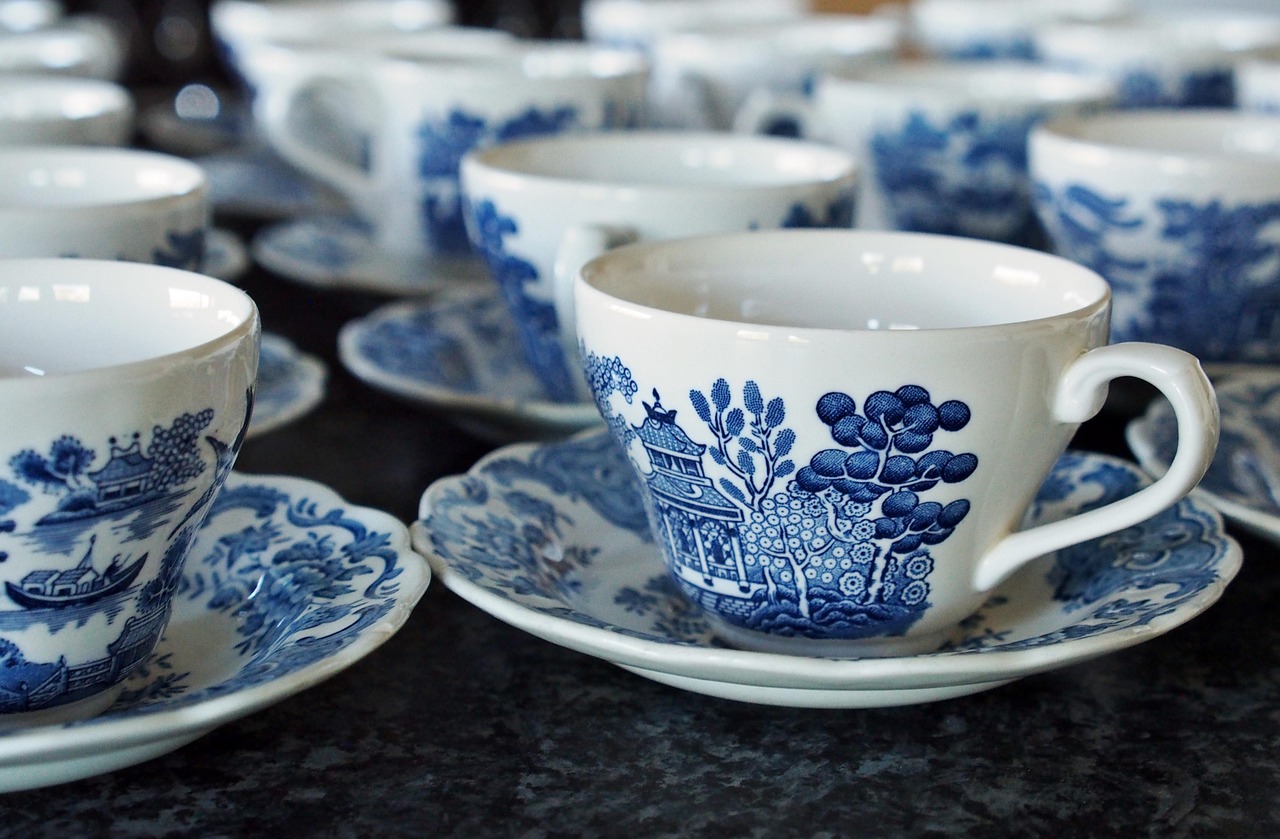

Most people don’t think twice before donating an old pan or a stack of colorful mixing bowls to the thrift store. That old mixing bowl or hand-cranked coffee grinder sitting in your kitchen might be worth more than you think, because collectors are paying surprising prices for vintage kitchenware, and many everyday items that were once considered ordinary are now highly sought after.
The growing interest in antiques, vintage décor, and nostalgic home goods has fueled demand for older kitchen pieces, and online marketplaces have made it much easier for buyers and sellers to connect, giving forgotten household items a second life. What follows is a closer look at five items that have quietly become far more valuable than their original price tags ever suggested.
1. Vintage Griswold Cast Iron Skillets
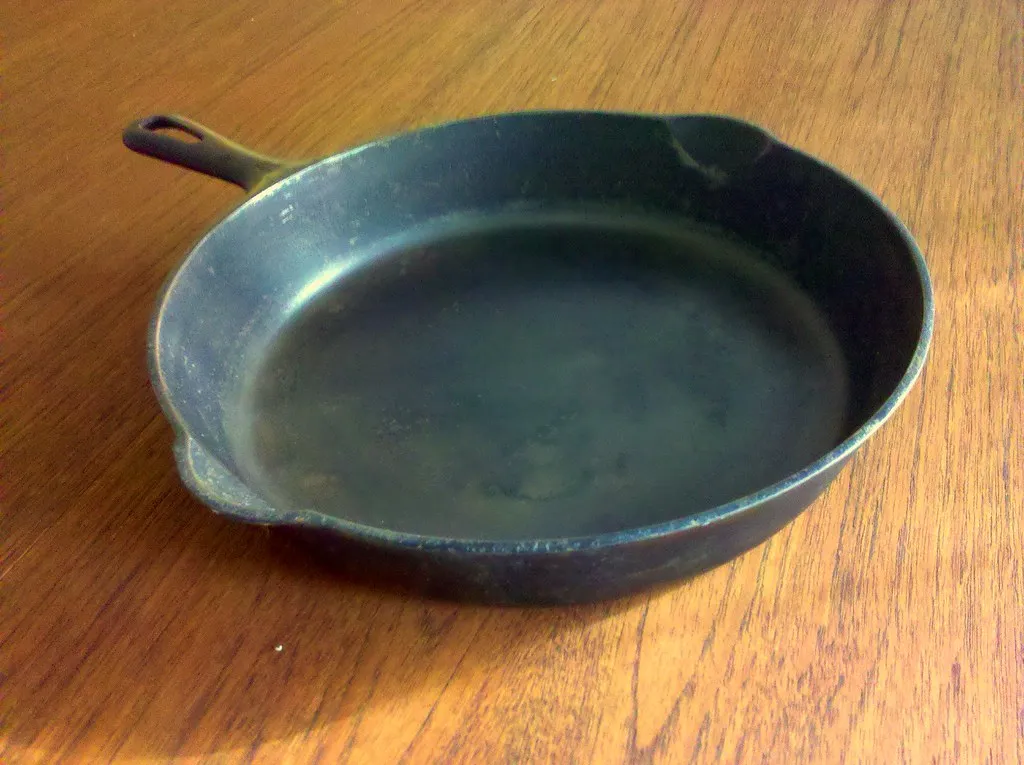
There are cast iron skillets, and then there are Griswold skillets. The gap between those two things, in terms of dollar value, can be staggering. Griswold is king in the vintage skillet world and was as dominant a force in the industry during its time, operating from 1865 to 1957, as Lodge is today.
In December 2024, a vintage Griswold #14 skillet with a front-pour spot sold for $3,249, and a #13 with a slant logo sold for $2,799.99. That’s for a pan that, when new, would have cost a few dollars at a hardware store.
In August 2024, one Griswold spider skillet, also stamped with an all-caps “ERIE” for where the company was founded, sold for $10,000 at auction. Even smaller or more unusual sizes carry serious weight. A small #80 Griswold double skillet sold for $399 in January 2025, and a massive 20-inch Griswold hotel-sized skillet sold for $1,799.
The global cast iron cookware market reached $5.08 billion in 2023 and is projected to grow at 8.9% annually through 2030, with skillets representing over two fifths of all cast iron cookware sales. Within that booming market, vintage pieces from Griswold and Wagner command a premium that modern reproductions simply cannot match.
2. Pyrex Patterned Casserole Dishes and Mixing Bowls
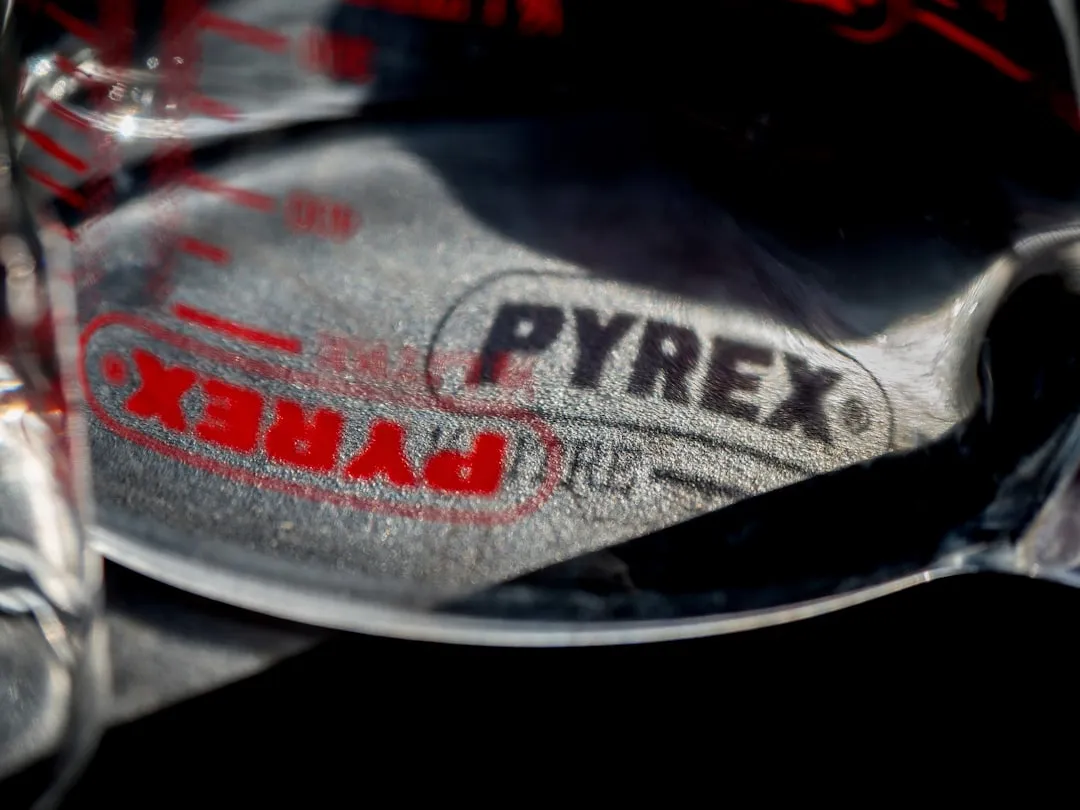
Few vintage kitchen items have generated as much collector enthusiasm in recent years as Pyrex. Vintage Pyrex has made a major comeback in recent years, especially among millennials and Gen Z collectors on TikTok, thanks to its cheery colors, whimsical patterns, and durable designs.
A rare orange “Barcode” casserole dish sold for $1,995 in November 2024, while a rare “Butterprint” dish featuring the Lady on the Left sold for $3,050. Those are not outliers. Complete sets regularly sell for upwards of $500.
Sets like the Golden Sunflower Daisy and Bluebelle Delphite bowls have sold for thousands of dollars on auction sites, while rare divided plates and Cinderella mixing bowls regularly bring in big money. Pattern matters enormously here. The Butterprint pattern was produced in turquoise and white as the most common color scheme, though it also came in orange on white and pink on white, with the orange version being fairly rare and highly sought after, with one Cinderella mixing bowl set carrying an asking price of $600.
3. Vintage Le Creuset Enamelware
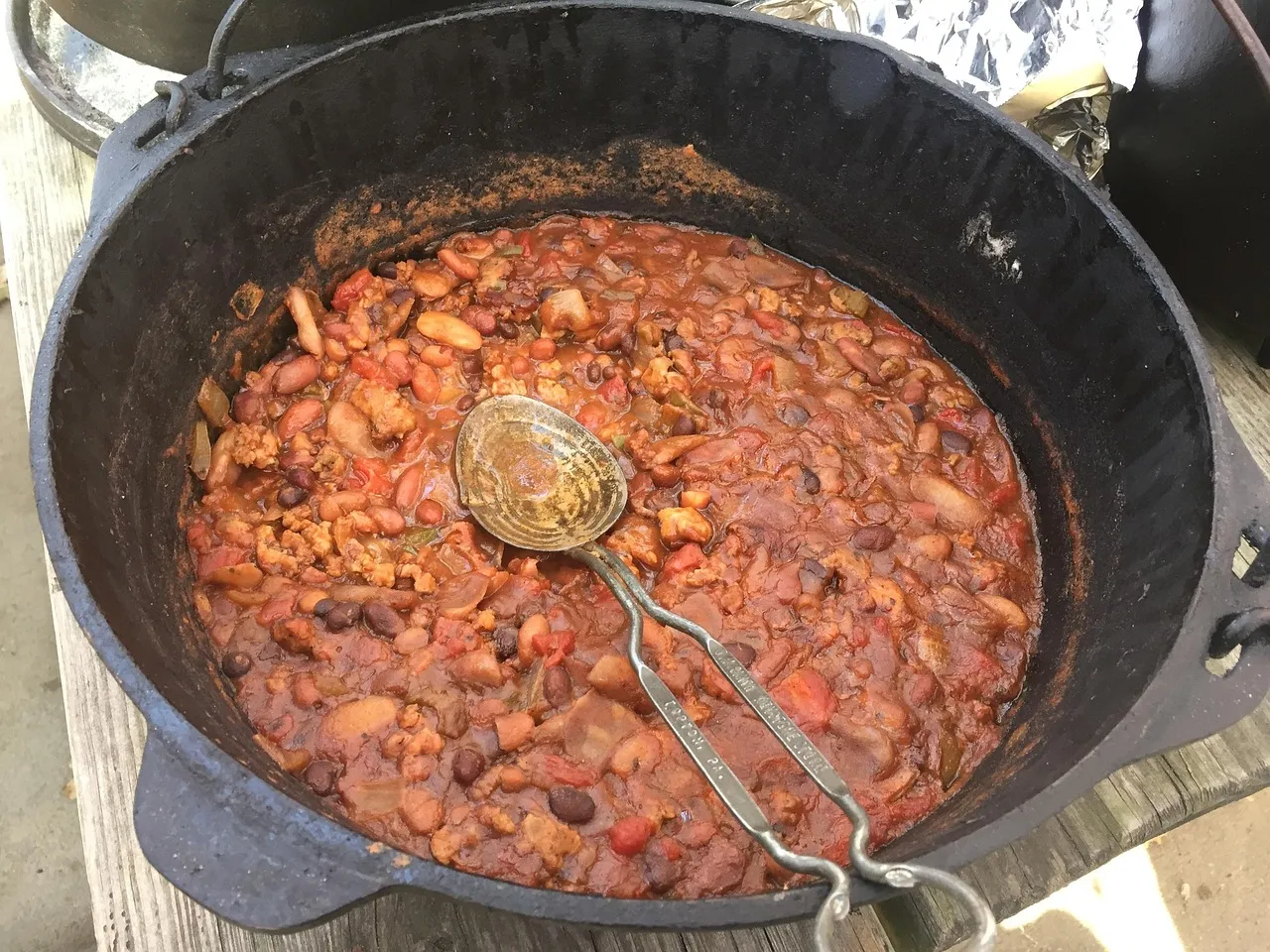
Le Creuset prides itself on its color and has been in the business of making enameled cast iron since 1925, when it launched the “Flame” color, a bright orange-red, that was initially the only shade it came in. Over the decades, discontinued colors and limited collaborations have created a robust secondary market.
A “Cool Mint” green cast-iron cassadou with a glass lid reportedly went for a stunning $13,999 at auction back in February 2024, which underscores just how coveted certain pieces really can be.
The most valuable pieces tend to be discontinued styles and designer collaborations, with the rare Bean Pot model selling for around $300 and a Dutch oven in the discontinued petite fruits pattern recently fetching $400. Collaborations with designers like Raymond Loewy and Enzo Mari are especially collectible, with one pink Loewy pot listed at $800 and a brown Enzo Mari “La Mama” on sale at $550.
A brand new Le Creuset Dutch oven runs between $200 and $900, and even vintage pieces hold value quite well, with rare antiques featuring discontinued styles or designer collaborations often in the $300 to $600 range. The chip-and-exterior condition are the main factors driving value at the higher end.
4. Antique Copper Cookware
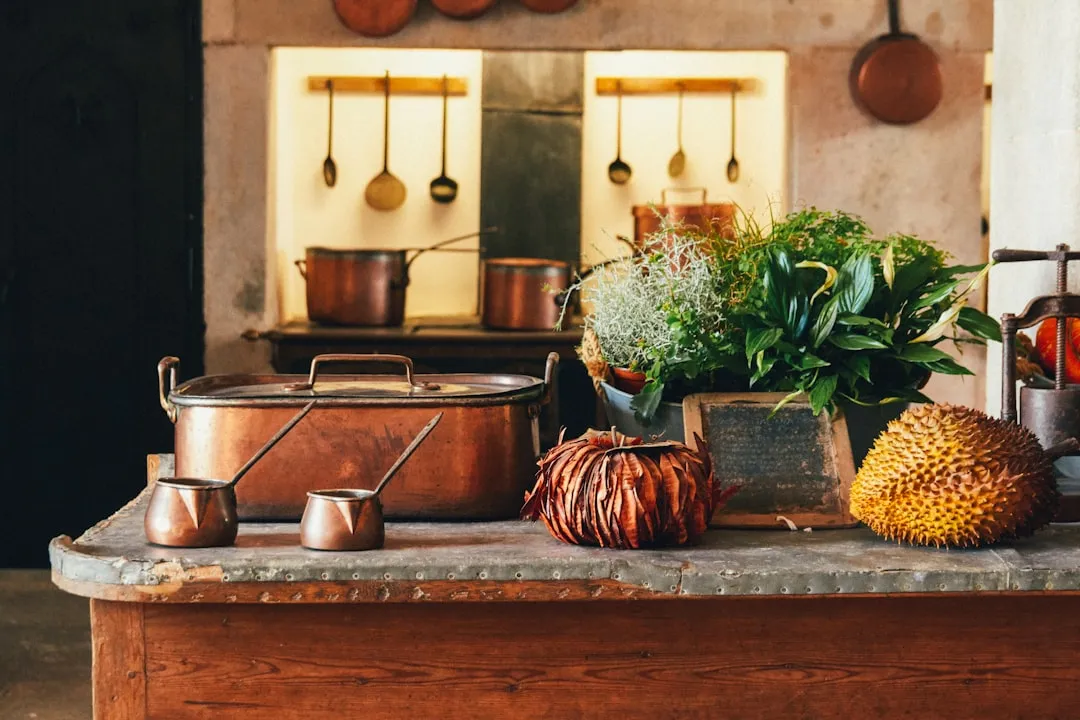
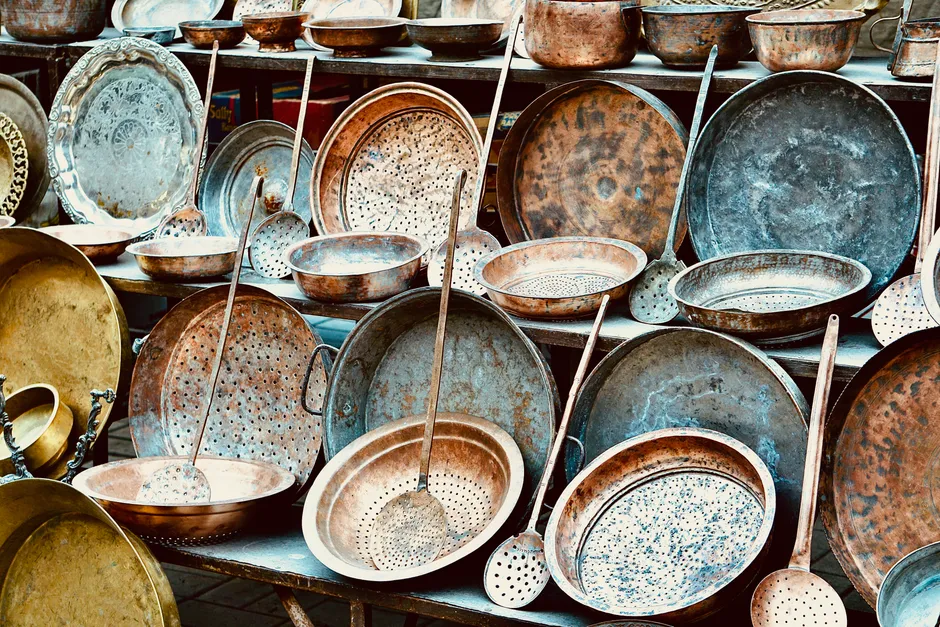
Beautiful and functional, copper mixing bowls, pots, and pans are back in vogue, with cooks and collectors displaying the glimmering cookware on racks in their kitchens for all to see. Age, copper thickness, and condition of the inner tin layer can determine the price.
One set of 13 matching copper pans and lids plus a roasting pan dating back to the 19th century can be listed for over $5,000, and stamped words and symbols can reveal the maker or details about when the piece was made. A singular French copper mixing bowl from the 1880s is listed at over $600, while a large copper pot is valued at close to $800.
The most valuable pieces are constructed from thick copper measuring three to five millimeters and are in good condition, as copper is also known to be a great heat conductor. It helps to seek specific French brands like Dehillerin or Mauviel in Normandy, which was producing elegant, heavy-gauge, high-performance copper cookware for grand Parisian restaurants almost 200 years ago.
5. Pre-1986 KitchenAid Stand Mixers
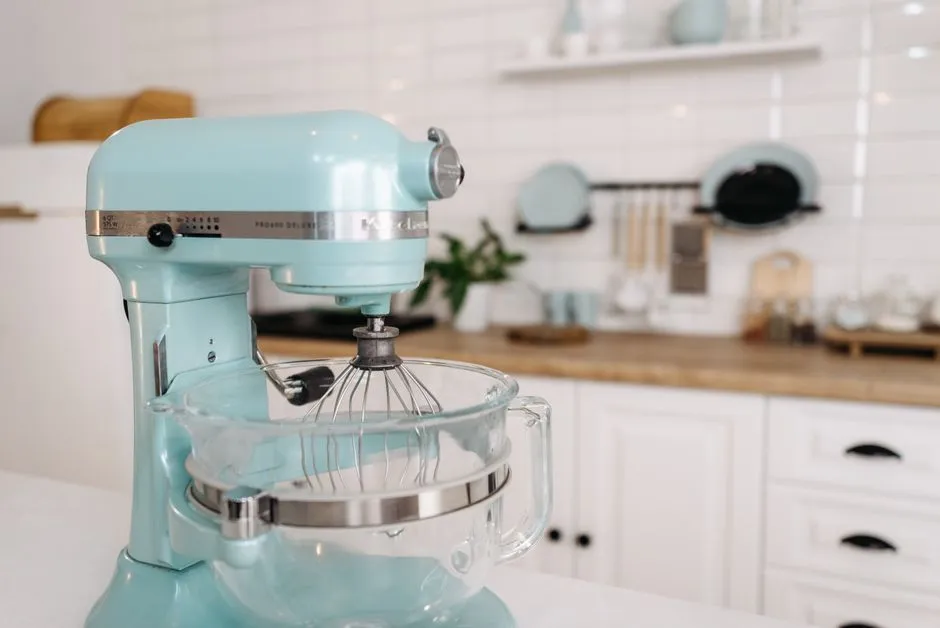
Not all valuable vintage kitchen items are small. The KitchenAid stand mixer is one of the most iconic appliances ever made, and the oldest models are trading at prices that would surprise most people. It’s remarkable, but a new KitchenAid stand mixer costs about the same as a 40-year-old model of the same brand. Mixers made prior to 1986 are considered “Hobarts” because they were made before the company was acquired by Whirlpool.
Some kitchen appliances become more valuable with age, and classic stand mixers are a perfect example. Older KitchenAid models, especially those from the 1950s and 1960s, remain highly desirable because they’re known for both durability and classic styling, with rare colors and limited editions often attracting collectors and selling between $200 and $600 or more.
Herbert Johnson of the Hobart Corporation developed an automatic mixer in 1914 to make baking bread more efficient, and his initial clientele was the United States Navy, but by 1920 it was being marketed to the public under the KitchenAid name. The rival product Sunbeam MixMaster was the favored choice among consumers until the late 1930s, when KitchenAid’s streamlined Model K put it over the competitive edge, and both the aesthetic and functional standards set by the Model K have changed little since. That lineage is exactly what collectors are paying for.
What Makes a Vintage Kitchen Item Truly Valuable
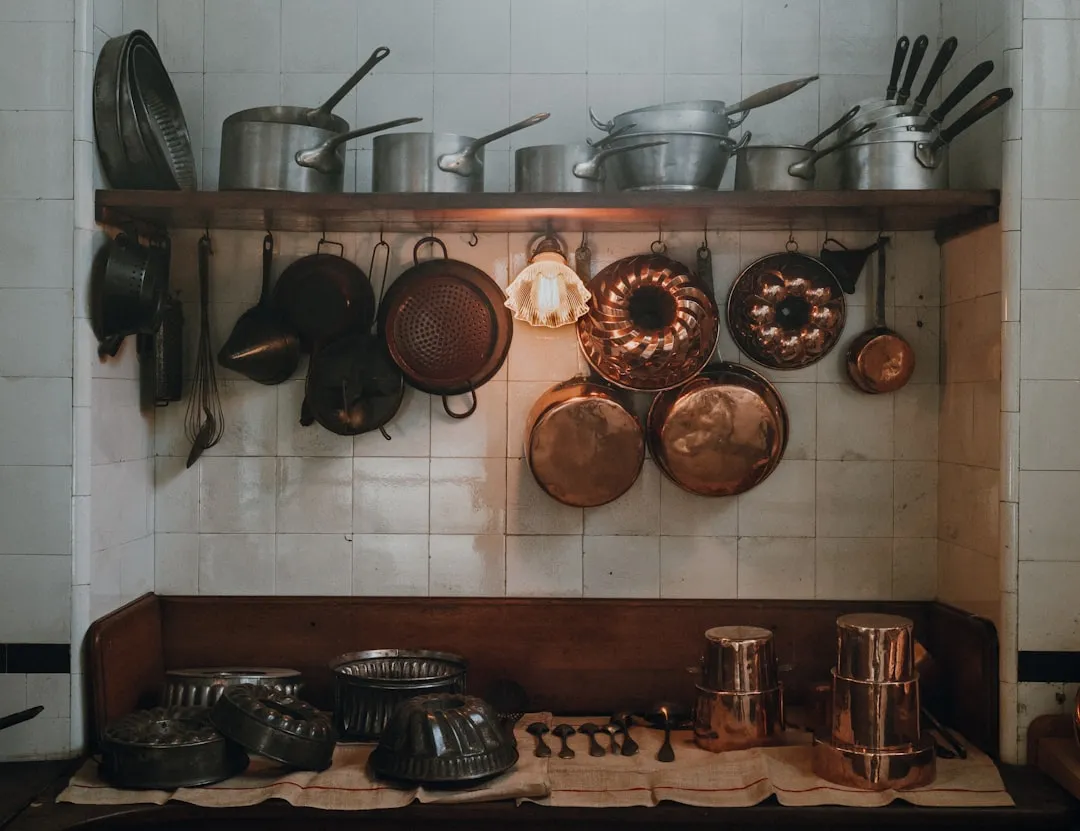
Many older kitchen tools were built to last for generations and have successfully done so. Before plastic Tupperware and nonstick pans were kitchen mainstays, cookware was crafted from durable, high-quality materials like iron, copper, and enamel.
Rarity, maker’s marks, condition, and completeness are the four factors that consistently drive value across all categories. Age, scarcity, the precise markings on a pan, current demand, timing, the reputation of the seller, and condition are all reflected in what a person will reasonably pay for a particular piece.
In 2025, what’s old is new again when it comes to the kitchen. Millennials and Gen Zers are revamping what’s considered “in,” seeking vintage dinnerware, old cookware, cookie jars, and vintage or retro refrigerators to design their kitchens of today. That demand is not slowing down, and it continues to push prices higher across all five categories covered here.
Where and How to Check Before You Sell
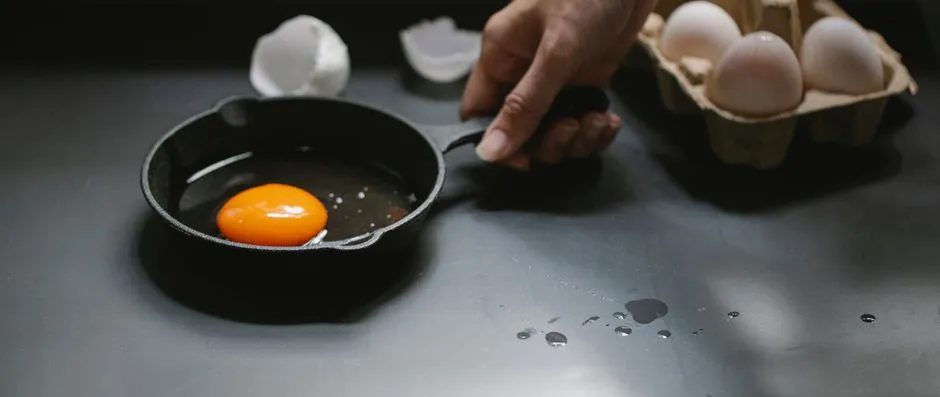
Before donating or tossing anything, a few straightforward steps can protect you from leaving real money on the table. For cast iron, try identifying second-hand cast iron you’ve scoured at thrift stores and estate sales by carefully flipping the heavy cookware over and looking for markings on the bottom of the pan that may help you identify the manufacturer, as well as the age and make of the skillet.
To know if a KitchenAid stand mixer is actually vintage, it’s possible to identify the year a mixer was made by locating the serial number at the base of the appliance and using an online tool to find out the year it was produced. For Pyrex, condition and pattern identification are equally important. The better the condition the Pyrex is in, the better the price sellers can get for it, and online marketplaces like Etsy and eBay feature searchable vintage Pyrex products, while fan sites feature forums dedicated to the hunt for particular pieces.
For more significant collections or pieces with potential high value, bringing a collection to an auction house that has experience in vintage and antique cast iron cookware, such as the Simmons Auction Company in Missouri or Dinky’s Auction House in Indiana, lets the market set the value.
The Takeaway
The vintage kitchenware market in 2026 is not a niche hobby. It’s a mature, well-documented secondary market where the right pan, bowl, or mixer can outperform what it originally cost by a factor of hundreds. The kitchenware collecting market is growing fast, and the prices being commanded in 2025 and 2026 are nothing short of jaw-dropping.
The items covered here, Griswold cast iron, patterned Pyrex, Le Creuset in discontinued colors, antique copper cookware, and pre-1986 KitchenAid mixers, share one thing in common. They were built exceptionally well, made in limited runs, and are no longer in production in the same form. That combination is what turns a kitchen tool into a collectible.
The lesson is straightforward. Check before you donate, look up the markings, and resist the urge to scrub away the character. What looks like a dusty old pan might be exactly what a collector across the country has been searching for.
AI Disclaimer: This article was created with the assistance of AI tools and reviewed by a human editor.