
There’s a quiet frustration familiar to many gardeners: you followed the calendar, prepared the soil, sowed your seeds at what felt like the right time, and then watched them just… sit there. Slow to germinate. Weak when they finally emerged. It’s easy to blame the weather or the seed batch, but some experienced growers point to something older and less obvious: the moon phase.
Lunar planting, sometimes called moon gardening, is one of the oldest agricultural traditions on earth. Throughout history, people planted according to the moon’s phases, from the Ancient Egyptians to the Romans, and Pliny the Elder, a Roman historian, wrote about the moon’s influence on agriculture. The practice has never fully gone away, and interest has actually been growing again among home gardeners and small-scale farmers. The premise is simple, but the details matter more than most people realize. Get the wrong crop into the ground at the wrong phase, and you’re working directly against conditions that support germination.
How Moon Phases Actually Affect Soil and Seeds
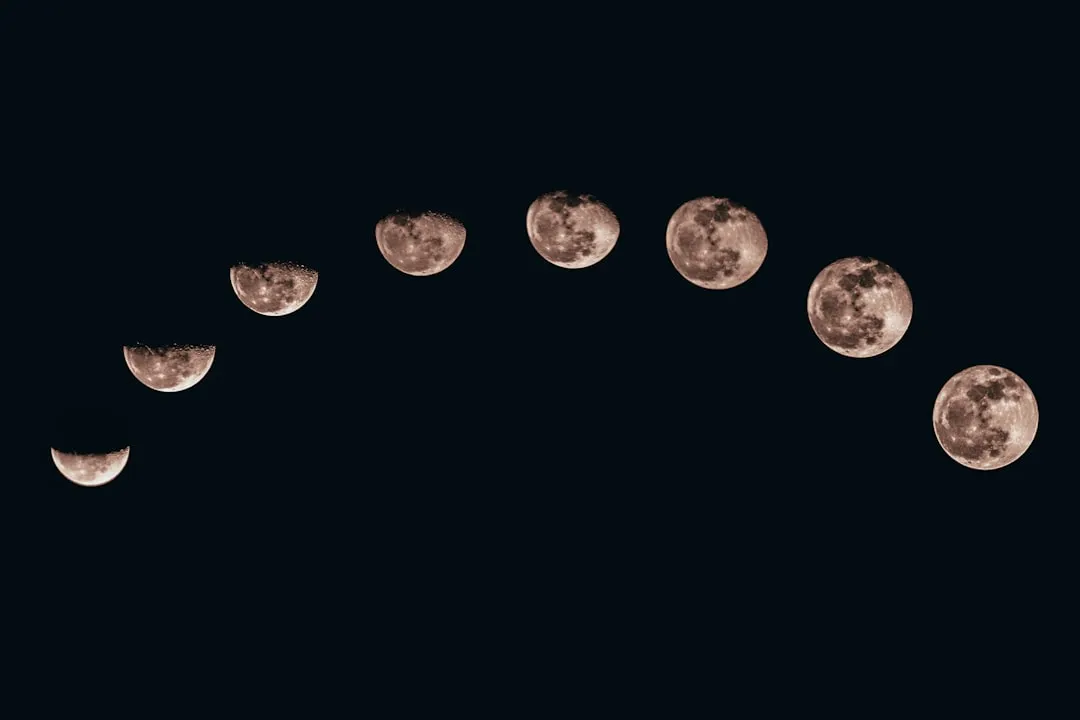
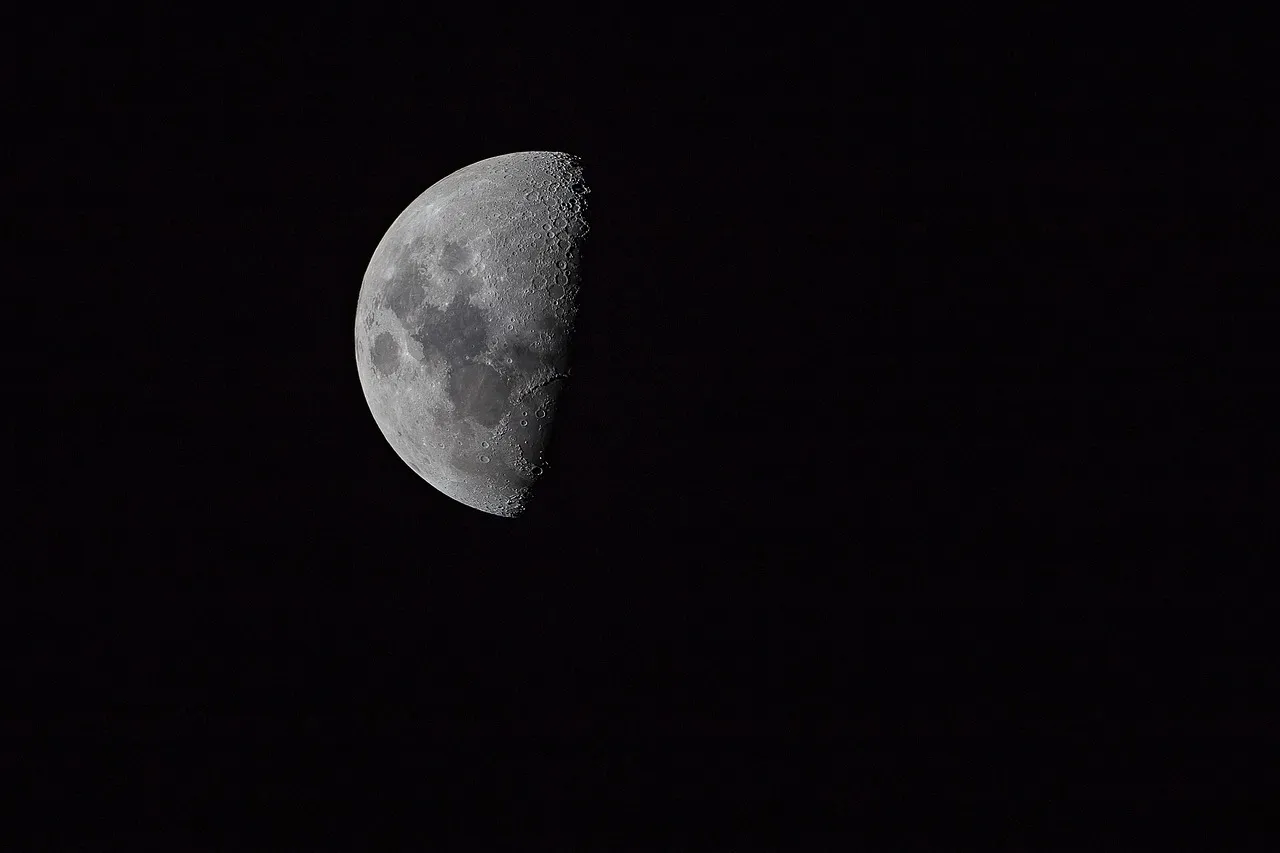
Before getting into specific vegetables, it helps to understand the basic mechanism at play. Moon phase gardening follows the cycles of the moon and how they affect plant growth. Just as the moon’s gravitational pull causes tides to rise and fall, it also affects moisture in the soil. Seeds absorb more water during the full moon and the new moon, when more moisture is pulled to the soil surface, causing seeds to swell and resulting in greater germination and better-established plants.
The waxing moon pulls water up both in the water table and in the vascular structures of living plants; as the water rises in the soil, seeds absorb more water and germinate more quickly. The waning moon, by contrast, sends water down deep into the water table and into plant roots.
From a scientific standpoint, evidence supporting lunar gardening is mixed. Some studies suggest slight correlations between moon phases and soil moisture or germination rates, particularly in coastal or high-water-table environments. However, controlled experiments often struggle to isolate lunar influence from other variables such as temperature, soil quality, and rainfall. As a result, mainstream science remains cautious, emphasizing that soil health, light, and nutrients play far more significant roles in plant growth.
Tomatoes: The Waning Moon Mistake
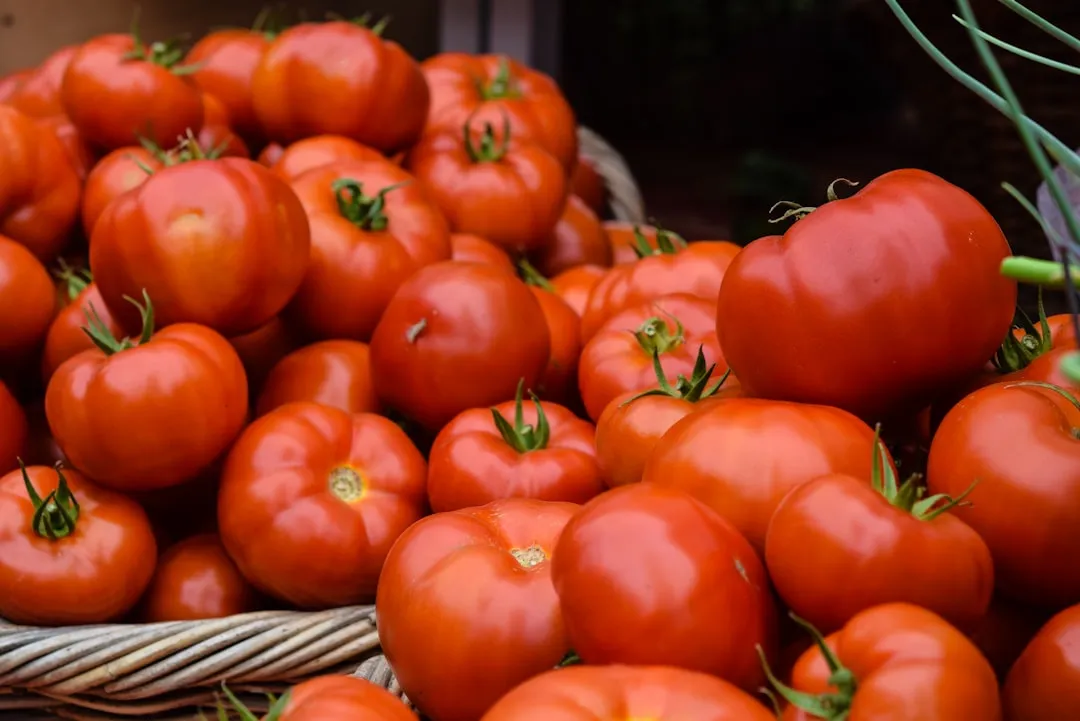
Tomatoes are probably the most commonly misplanted vegetable when it comes to lunar timing. Many gardeners sow tomato seeds whenever a warm weekend arrives, without considering where the moon sits in its cycle. Plants with seeds that grow on the inside of their fruit, like peppers, tomatoes, beans and squash, will thrive beautifully if planted during that sweet spot near the end of the waxing moon phase.
Tradition holds that you should plant annual fruit and vegetables that bear their harvest above ground, such as tomatoes, during the waxing of the moon, meaning from the day the moon is new to the day it is full. Planting tomatoes during the waning phase means seeds go into soil as moisture is retreating downward, not rising toward the surface.
The theory suggests that seeds absorb the most water during the new and full moon phases, when gravitational forces are strongest. Because water is essential for seed swelling, cracking, and sprouting, these phases are considered especially favorable for germination. Drop tomato seeds into soil that’s drying from the top down, and you’re simply starting them off at a disadvantage.
Carrots: Why the Waxing Phase Works Against You
Carrots are a root crop, and that single fact changes everything about when they should be planted. Many gardeners treat all vegetables the same way and sow carrots during the waxing phase simply because that’s when they’re in the garden anyway. That’s the error. The Old Farmer’s Almanac advises planting vegetables that bear crops below ground, such as carrots, during the waning of the moon, because as moonlight decreases, plants are encouraged to grow roots, tubers, and bulbs.
Once the moon passes its full stage and begins to wane, the focus shifts from the sky to the soil. This is the time to plant below-ground crops. Carrots, potatoes, beets, radishes, and onions are all perfect candidates. As the moon’s light diminishes, the theory goes that more energy is directed downward into the earth, encouraging strong, healthy root development.
There are so many other factors at play that it can be difficult to prove a clear association between moon phases and germination. For example, sowing carrots can be a total failure in soil that is too dry or subject to heavy rain and subsequent drying out. Still, the lunar timing principle for carrots is among the most consistent recommendations across traditional planting guides worldwide.
Spinach: Missing the First Quarter Window
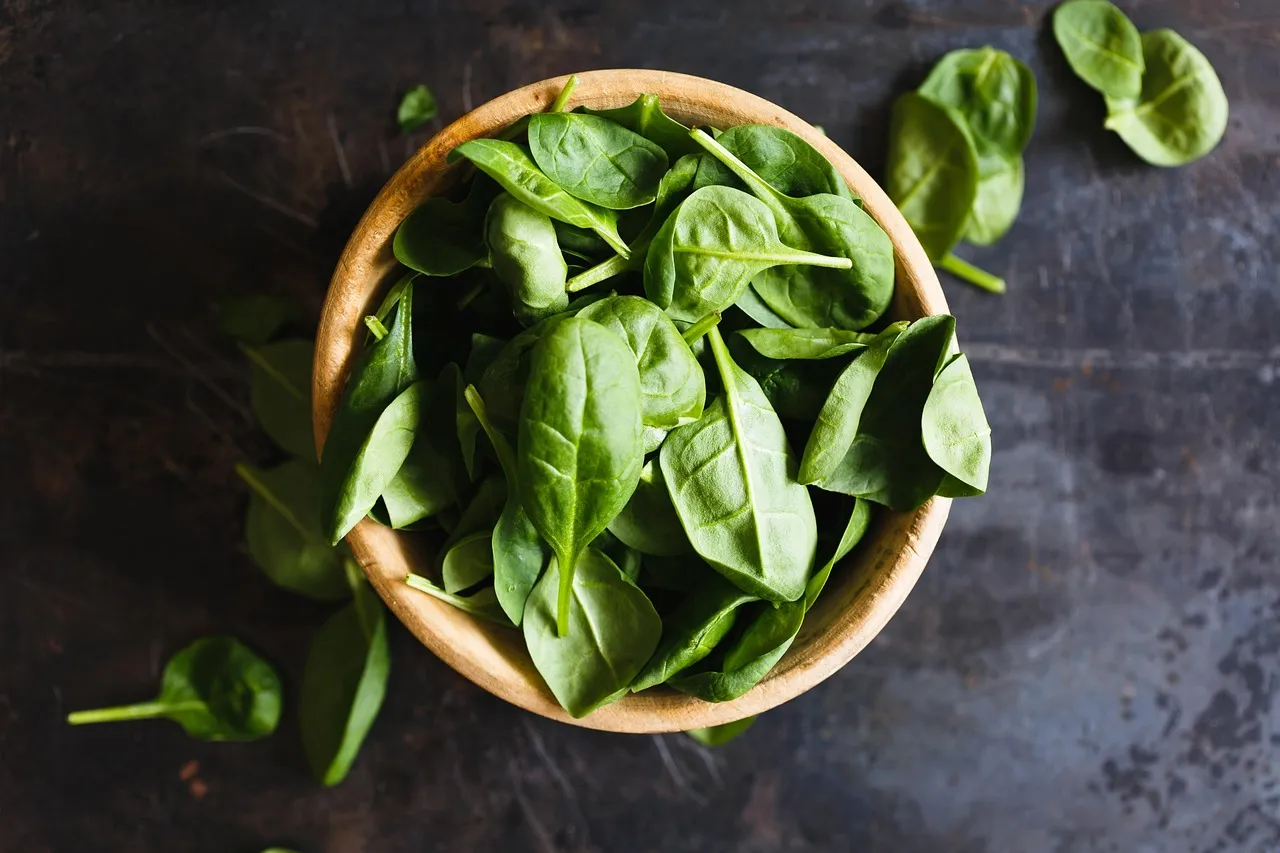
Spinach is a leafy green with seeds that form on the outside of its fruit structure, and that distinction puts it in a specific and narrow lunar window. Crops with seeds that appear on the outside of the fruit do best when planted during the first quarter, so leafy greens like lettuce, cabbage, or spinach thrive when the new moon is approaching. Most gardeners who plant spinach during the waning phase or the last quarter are simply planting at the wrong time.
The new moon phase, from new moon to first quarter, is most suited to sowing or transplanting leafy annuals where we value or eat the leaves or stem, plants like lettuce, spinach, cabbage, and celery. The logic is straightforward: rising moisture during this phase supports the quick surface germination that spinach needs.
The last quarter means less lunar gravity and less moonlight, so avoiding planting anything during this time is generally advised. Spinach sown in the last quarter goes into soil that is low in both surface moisture and light stimulation, two things this fast-germinating leafy crop depends on more than most.
Potatoes: The Above-Ground Phase Error
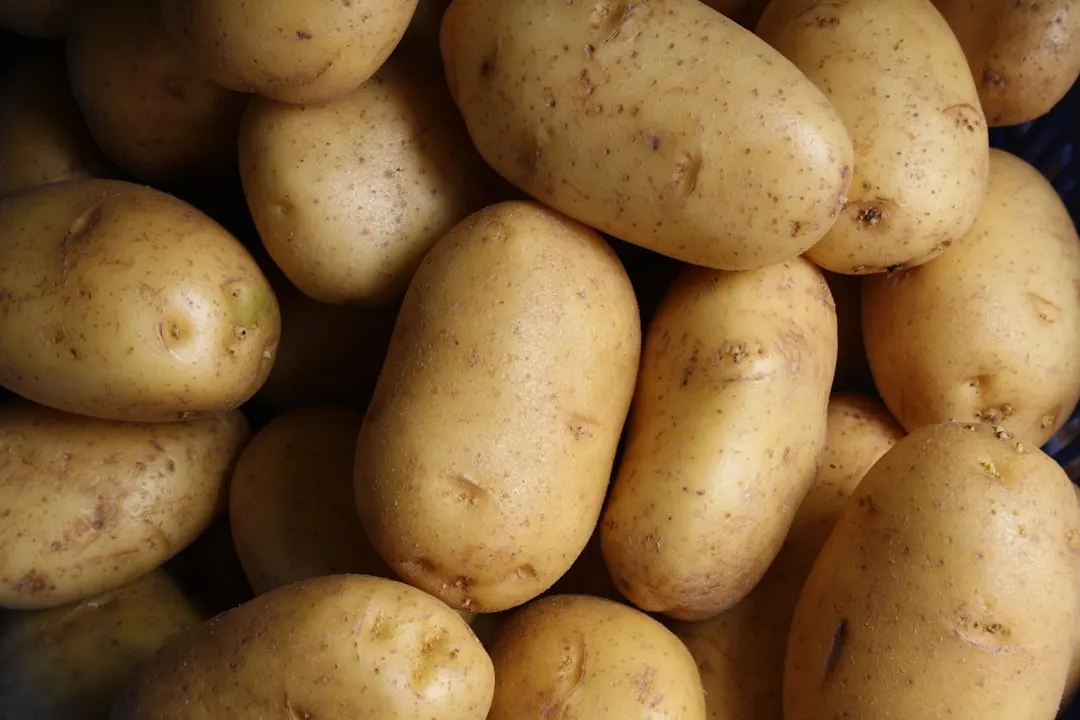
Potatoes confuse many gardeners for a simple reason: you plant them in spring, the same season you’re planting tomatoes, peppers, and beans, and the temptation is to do everything at once. As the moon wanes, the focus for gardeners should shift to planting root crops and other below-ground vegetation, such as carrots, potatoes, and onions. Planting potatoes during the waxing phase places them in high-moisture, high-moonlight conditions designed to push energy upward, not into root and tuber formation.
Seeds of multiple crop plants sown two days before the full moon displayed better germination and post-germination growth. However, for some crops like shallots, the highest yield was obtained when sowing during the waning moon, while the lowest yield came from sowing during the full moon. This early research from reviewed studies in a 2025 ScienceDirect publication suggests that crop type matters enormously.
The waning moon phase is considered perfect for planting root crops like carrots, potatoes, and beets. The decreasing moonlight encourages root development, and the gravitational pull is thought to be ideal for drawing energy down into the roots. For potatoes specifically, where everything valuable forms underground, the waning phase provides conditions more naturally aligned with root development.
Beans: The Fourth Quarter Trap
Beans are one of the most popular vegetables for home gardeners, and they’re also one of the most frequently planted at the wrong phase. The fourth quarter, the final stretch before the new moon, is consistently described across planting traditions as a rest period. In this final moon phase, gravitational pull is low, resulting in low water levels. Moonlight is also low, so the garden is essentially resting, and it’s a poor time to plant seeds. The focus instead should be on other gardening tasks like transplanting, fertilizing, and pruning.
The waxing phase, from new moon to full moon, is the optimal time to plant crops that produce above-ground yields like leafy greens, tomatoes, and beans. With each passing day, the moon appears to grow larger, increasing its pull on soil moisture. This phase is ideal for planting seeds of plants that will bear fruits above the soil, and for best results, gardeners are advised to plant three to four days before the full moon.
Beans planted in the fourth quarter miss both the moisture peak and the light stimulus that help them crack open and push upward. It’s not that they’ll fail entirely, but you’re essentially asking them to do extra work from the start.
The Role of Moonlight in Germination
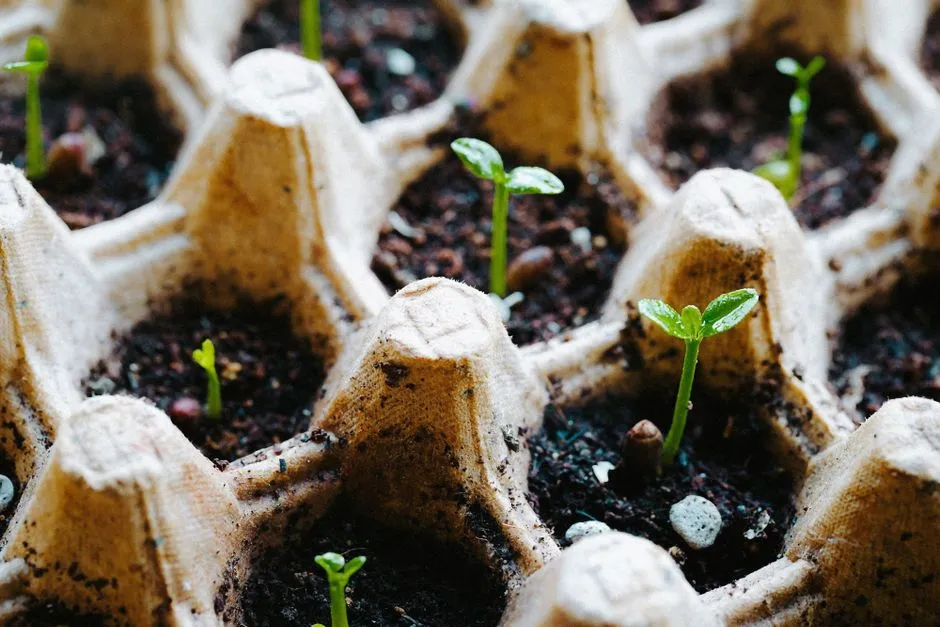
Gravitational pull on soil moisture gets most of the attention in lunar planting discussions, but moonlight itself plays a separate and meaningful role. Some seeds, such as lettuce, germinate better when exposed to light, so planting during the full moon could, in theory, enhance germination. This means the light variable is just as worth tracking as the moisture variable.
Every month, plants may be exposed to eighty to one hundred percent of full moonlight for five to nine hours each night during eight consecutive nights. Many scientific studies have demonstrated that the lunar phase during sowing significantly influenced various aspects of plant growth and development, including seed germination, vegetative growth, and reproduction. This was highlighted in a 2025 review published in ScienceDirect.
The amount of moonlight cast down onto gardens has an effect on growth as well, so different types of plants do better when planted at different times. Root vegetables, fruits with seeds on the outside, and fruits with seeds on the inside all have different preferences for moonlight levels. Treating all vegetables as identical in this respect is one of the root causes of mistimed planting.
What Happens During the Wrong Phase: A Germination Perspective
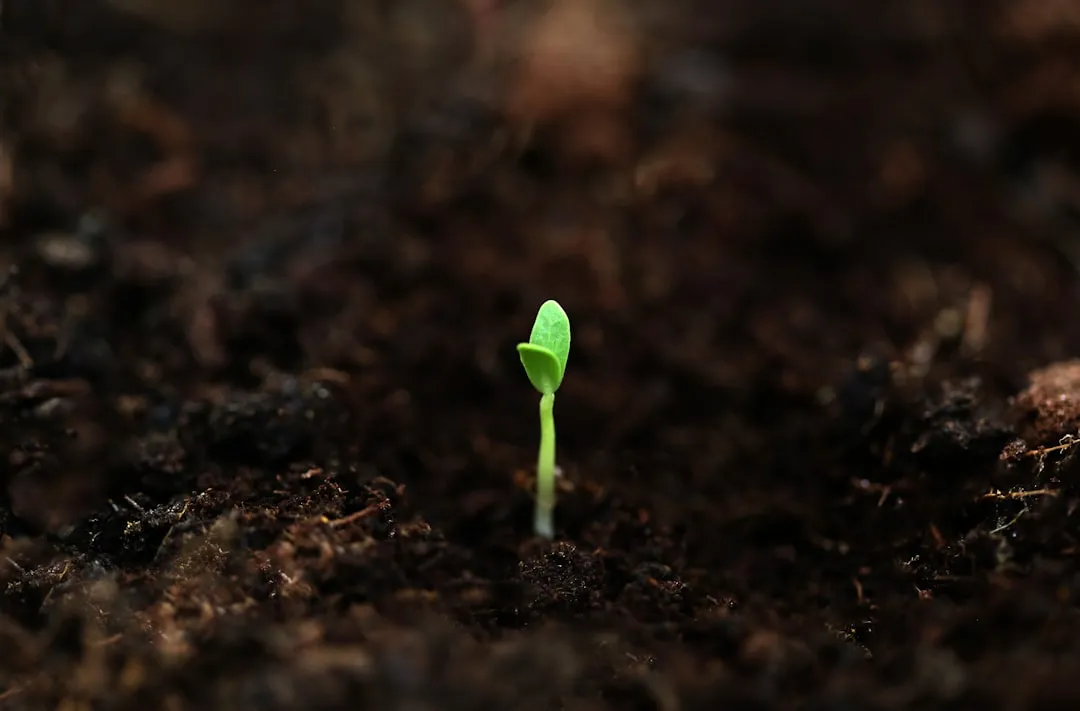
Germination is a moisture-driven event at its core. A seed needs to absorb enough water to activate its internal chemistry, split its seed coat, and push out a radicle root. Just like water levels in the ocean getting pulled up during the full or new moon, moisture levels in gardens rise as well. With more water being pulled up to the surface of the soil, plants are better able to soak it up. This is particularly important during germination, when seeds need to be well-saturated with water so they can burst open from their hard shells.
Seeds absorb more water between the new moon and the full moon because moisture is increasingly drawn to the soil’s surface during this period. This extra moisture causes seeds to swell, promoting stronger germination and better-established plants. Planting when moisture is receding means seeds sit in progressively drier surface soil, which slows or disrupts the swelling process.
It’s worth noting the honest qualifier here. While modern science hasn’t definitively proven lunar gardening effects in controlled studies, many gardeners swear by it, pointing to stronger seedlings, improved yields, and healthier plants over decades of observation. The evidence is real but imperfect, and that’s a fair description of where things stand.
The Scientific Debate: What Research Actually Shows
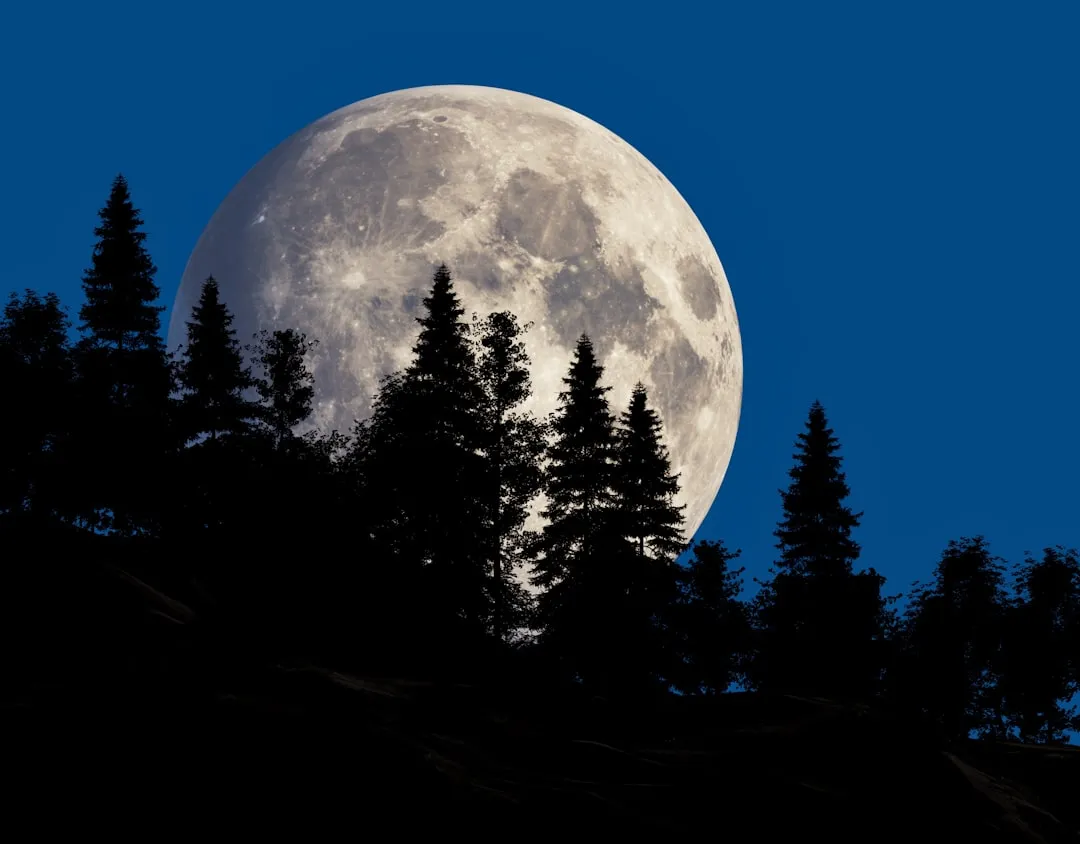
It would be misleading to present lunar planting as settled science. Serious academic review has found significant gaps. A peer-reviewed analysis published in the journal Agronomy found no reliable, science-based evidence for any relationship between lunar phases and plant physiology in plant-science related textbooks or peer-reviewed journal articles justifying agricultural practices conditioned by the moon. That’s a direct and important finding.
The majority of scientific studies on the subject come to the conclusion that the moon has little to no influence on plant growth, and when a small correlation is found, it often contradicts the most commonly held beliefs. The size of the moon’s gravitational effect on a garden bed, compared to wind, rain, and temperature, is genuinely tiny.
Yet there are older and more specific findings worth knowing. Dr. Frank Brown of Northwestern University performed research over a ten-year period and found that plants absorbed more water at the time of the full moon. He conducted his experiments in a laboratory without direct contact with the moon, yet still found that the plants were influenced by the phase. The debate is ongoing, and the honest position is one of cautious curiosity rather than certainty in either direction.
Other Factors That Outweigh Moon Phase
Even dedicated lunar gardeners acknowledge that the moon is not the only, or even the dominant, factor in germination success. Other things to take into account include the temperature of the soil, how long it will take the seed to germinate, and where the date falls in the growing cycle. Moon phase timing is best understood as one layer of a larger set of conditions, not a magic override.
Many gardeners today use artificial methods like germinating seeds in the ideal temperature and moisture of a heated propagator, meaning they have well-developed plants ready to be planted out when weather conditions are optimal. Under such controlled indoor conditions, lunar timing becomes less of a factor for germination, though it may still influence transplant outcomes.
Some horticulturalists state that the health and yield of vegetables do improve with lunar gardening, but not necessarily because of moon effects. Rather, it’s because a more regular garden management schedule as imposed by the lunar gardening calendar allows you to better plan and take care of your garden. That’s a practical and grounded observation worth keeping in mind.
How to Use a Lunar Planting Calendar Without Overthinking It
It is recommended that twelve hours before and after the transition time from one phase to the next is when sowing, planting, and pruning are best avoided. Use this time instead to improve your soil. This is one of the more practical pieces of advice from the permaculture tradition, and it’s easy to follow with any standard lunar calendar.
While some gardeners swear by lunar planting, it isn’t a rigid set of rules that must be followed to the letter. Think of it as a helpful guide, not a strict command. Your local weather, soil conditions, and personal schedule should always take priority.
One practical experiment is to plant one batch of lettuce seeds during the waxing moon and another batch during the waning moon, and plant carrots split between the two phases as well. Keeping a small notebook to record planting dates and observations over time is the most reliable way to judge whether lunar timing makes a difference in your specific garden.
The Takeaway
AI Disclaimer: This article was created with the assistance of AI tools and reviewed by a human editor.