

America’s national parks broke a record in 2024. The National Park Service reported a record-breaking year with more than 331.9 million recreation visits, a 2% increase from 2023 and slightly above the previous all-time high set in 2016. That’s a lot of people crowding the same trailheads, the same viewpoints, and the same campgrounds.
While national parks grab headlines and Instagram feeds, state parks deliver equally breathtaking scenery with a fraction of the visitors. There are nearly 10,000 state parks across America protecting over 20 million acres of land. Together, they attract more than twice as many visitors each year as the National Park System, yet they tend to be far less congested, making them a more convenient and more peaceful choice for many travelers.
The five parks below aren’t secrets exactly, but they’re overlooked in ways that shouldn’t last much longer.
Why State Parks Deserve More Attention Right Now

The overcrowding problem at major national parks isn’t theoretical. Overall visitation is increasing throughout most of the system, and half of all recreation visits occur in the top 25 most-visited parks. While significant congestion is concentrated in a dozen or so of the most-visited parks, even parks with lower annual visitation have experienced congestion and traffic issues in recent years.
The strain on park resources has led to overcrowding, maintenance delays, and visitor safety concerns. Popular destinations such as Yosemite and Mount Rainier have implemented reservation systems to manage influxes of guests.
State parks sidestep most of this entirely. They’re managed separately, generally require no timed entry permits, and often sit just miles from their more famous federal neighbors. The trade-off in grandeur, it turns out, is almost nothing.
Park 1: Palo Duro Canyon State Park, Texas – The Other Grand Canyon
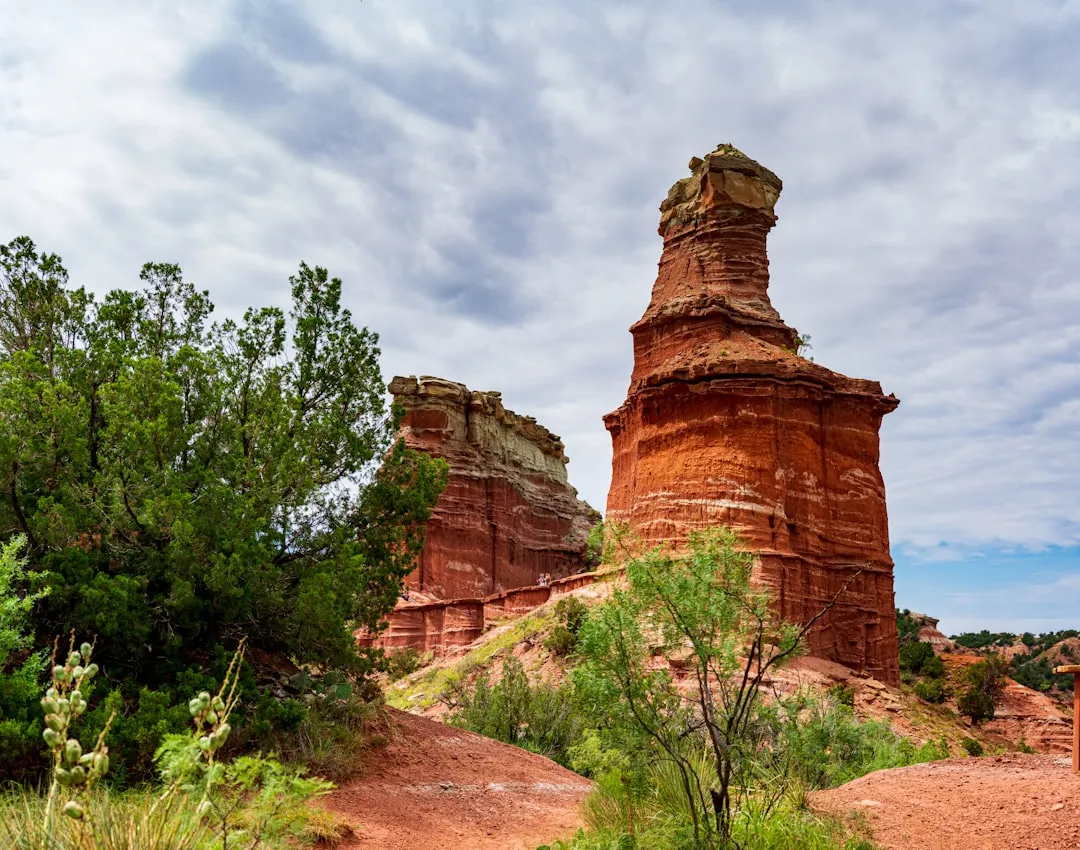
Only 30 minutes from Amarillo, Palo Duro State Park is the second-largest canyon in the United States. Like the Grand Canyon, it has layers of red, orange, and lavender-hued rock walls as well as rock hoodoos. With elevation unusual to Texas, the whole scene feels like you’re in Utah or Arizona, until longhorn cattle amble by your hike or horseback ride.
Palo Duro Canyon State Park covers 28,000 acres in Randall and Armstrong counties, Texas, and has been open to visitors since 1934. That’s nearly a century of history at a place most Americans have never heard of.
The Texas Panhandle is never crowded, making reservations easy for camping on the canyon’s floor, rim, or in one of the park’s stone cabins. The contrast with Grand Canyon National Park, which drew nearly five million visitors in 2024 alone, could not be more stark.
Park 2: Black Rock Mountain State Park, Georgia – Southern Appalachian Heights
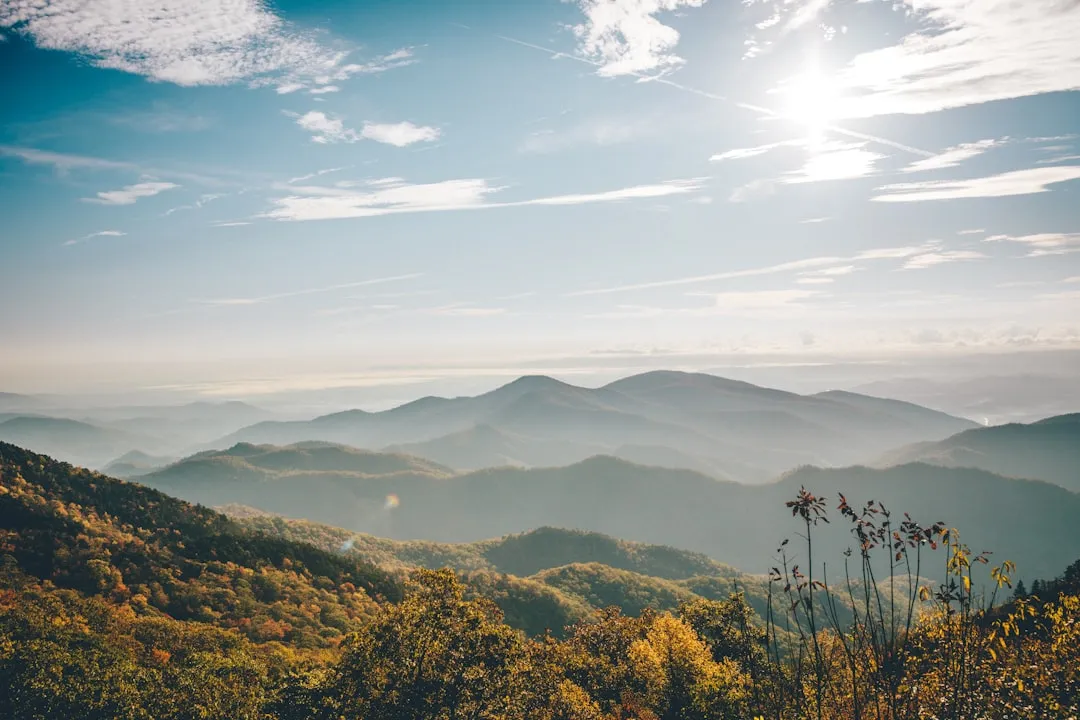
For fewer crowds, parkgoers should head to Black Rock Mountain State Park in the southern Appalachians. With views into North Carolina, South Carolina, and Tennessee, Georgia’s highest state park offers expansive vistas without the need to elbow others out of the way for the view.
Cove forests, which are canopied forests with fertile soil in sheltered ravines throughout the Appalachians, create the same species richness found in Great Smoky Mountains National Park nearby. Fields covered with boulders from the Pleistocene era add to the area’s unexpected beauty.
Great Smoky Mountains National Park logged 12.19 million visitors in 2024, making it the most visited national park in the country for years running. The trails, cabins, and remote campsites at Black Rock Mountain offer a variety of options for those wanting that same Appalachian atmosphere, and the park’s fall foliage is noted as being as spectacular as anything found further north.
Park 3: Tettegouche State Park, Minnesota – Lake Superior’s Rugged Heart
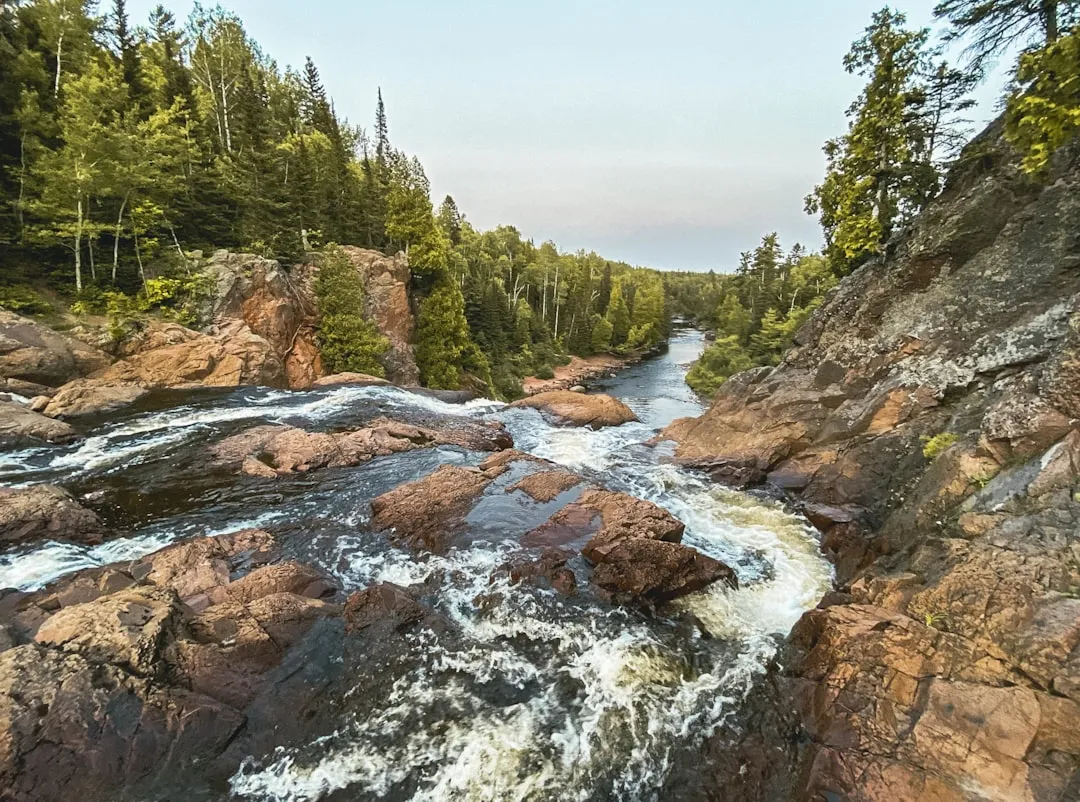
Tettegouche State Park sits on the north shore of Lake Superior, 58 miles northeast of Duluth in Lake County along scenic Minnesota Highway 61. It’s a park that genuinely surprises people. The scale of what you encounter here doesn’t feel like a state park at all.
The park covers 9,346 acres and contains six inland lakes, four waterfalls, and a beach on Lake Superior. The 70-foot High Falls on the Baptism River is the highest waterfall located entirely within Minnesota.
The park contains 22 miles of hiking trails and 12 miles of ski trails, with access to the Superior Hiking Trail. It’s also one of only four state parks in Minnesota offering rock climbing, with Shovel Point and Palisade Head cliffs as popular climbing spots above the Lake Superior shore. The wide variety of plant communities in the park supports more than 40 species of mammals, with white-tailed deer, snowshoe hare, red squirrel, and beaver among the most commonly seen.
Park 4: Tallulah Gorge State Park, Georgia – East Coast Drama
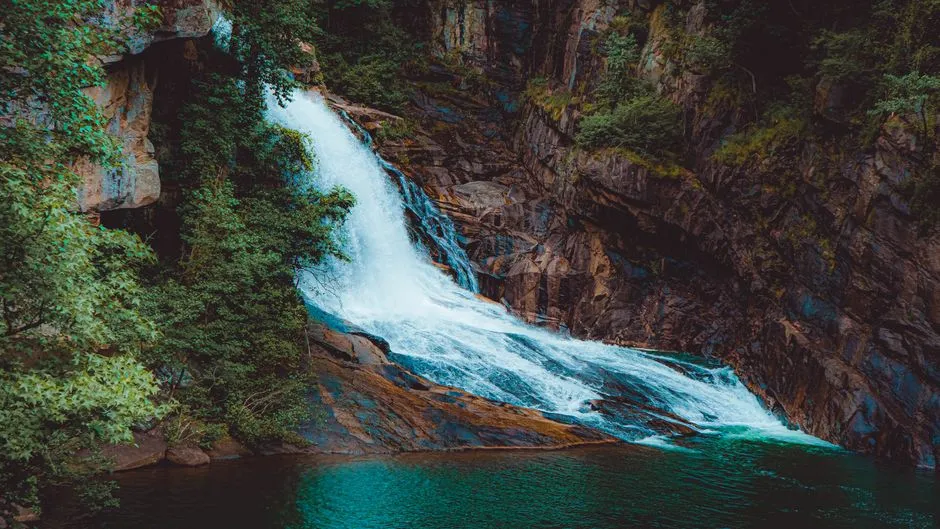
One of the most spectacular canyons in the eastern United States, Tallulah Gorge is two miles long and nearly 1,000 feet deep. Most visitors walking into this park for the first time have the same reaction: they can’t believe they hadn’t heard about it sooner.
Visitors can hike rim trails to several overlooks, or obtain a permit to hike to the gorge floor, with only 100 permits issued per day. A suspension bridge sways 80 feet above the rocky bottom, providing spectacular views of the river and waterfalls below.
Tightrope walkers have twice crossed the gorge, and visitors can still see towers used by Karl Wallenda. A paved path follows an old railroad bed, suitable for strollers and bicycles, while mountain bikers can test their skills on a challenging 10-mile trail. Visitors who appreciate a good mix of history and scenery will find both in generous supply here.
Park 5: Calaveras Big Trees State Park, California – Giant Sequoias Without the Yosemite Rush
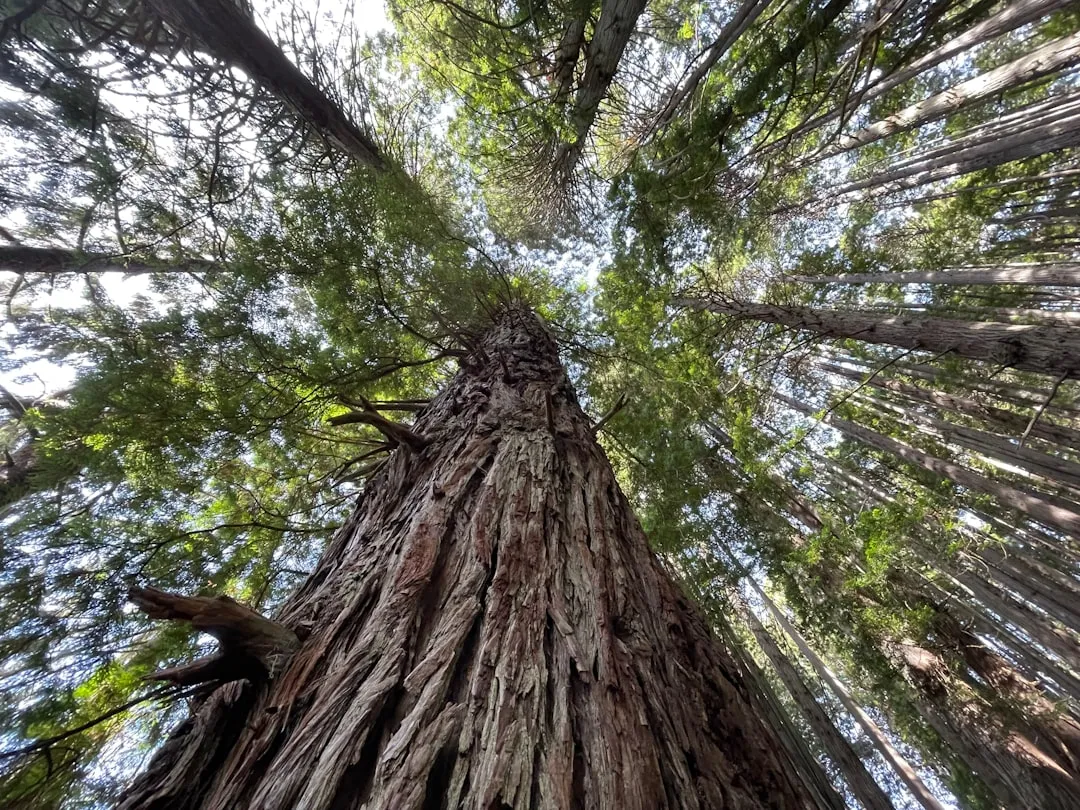
Established in 1931, Calaveras Big Trees State Park preserves a mixed conifer forest with two groves of giant sequoias, the North Grove and South Grove. In addition to the sequoias, the park features the Stanislaus River, Beaver Creek, ancient volcanic formations, and natural meadows that have awed visitors since 1852.
Just 80 miles north of Yosemite, Calaveras Big Trees is home to conifers and giant sequoias that reach heights of over 200 feet. There are volcanic formations and natural meadows to stroll among, and the 5-mile South Grove Trail takes hikers to see the park’s biggest trees while winding along a creek.
Yosemite National Park drew more than 4.12 million visitors in 2024, which means everything around it feels crowded by association. Calaveras offers a quieter, slower experience with trees that are just as tall and every bit as old, without the two-hour entrance queue.
The Gap Between Perception and Reality
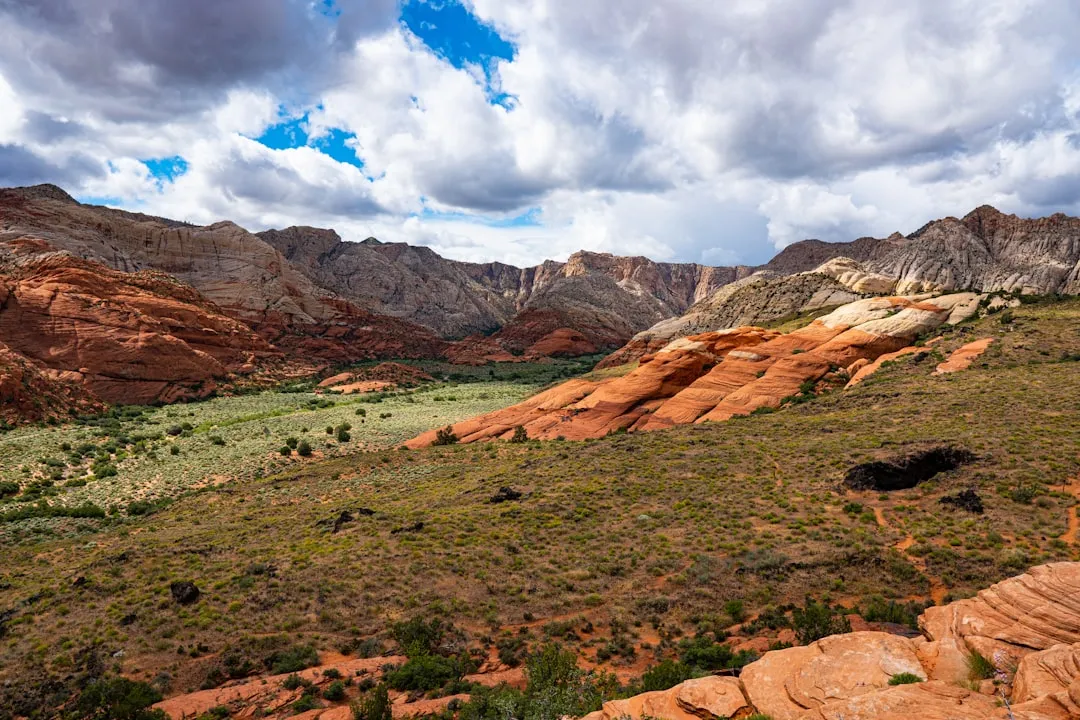
There’s a persistent assumption that if a park doesn’t appear on a national park map, the landscape must be somewhat lesser. That’s worth questioning. The U.S. is home to more than 6,600 state park sites protecting over 14 million acres of diverse landscapes. The variety within that number is staggering.
State parks near popular national parks offer equally stunning trails and vistas, and they’re typically cheaper to access. Some even allow dogs, something most national parks restrict.
The gap isn’t in the scenery. It’s in marketing. National parks have a century of brand recognition behind them. State parks, for the most part, have just the landscape.
Overcrowding at National Parks Is Getting Harder to Ignore
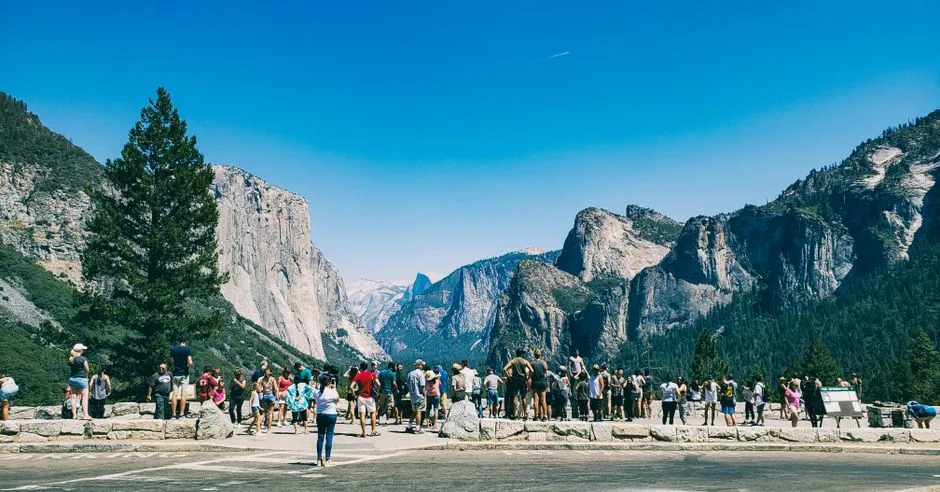
Great Smoky Mountains National Park held its top spot with 12.19 million visitors in 2024. Around the same time, roughly 1,000 probationary park workers were cut and seasonal hiring was suspended, with a court ruling later reinstating many positions.
The strain on park resources has led to overcrowding, maintenance delays, and visitor safety concerns that are increasingly difficult for managers to absorb. Cutting staffing could lead to visitor centers closing, lines becoming longer, and a reduction in regular maintenance such as cleaning restrooms.
State parks, which operate under separate state-level management and budgets, are largely shielded from these federal pressures. That’s an underappreciated structural advantage right now, not just a matter of crowd preference.
What to Know Before You Go
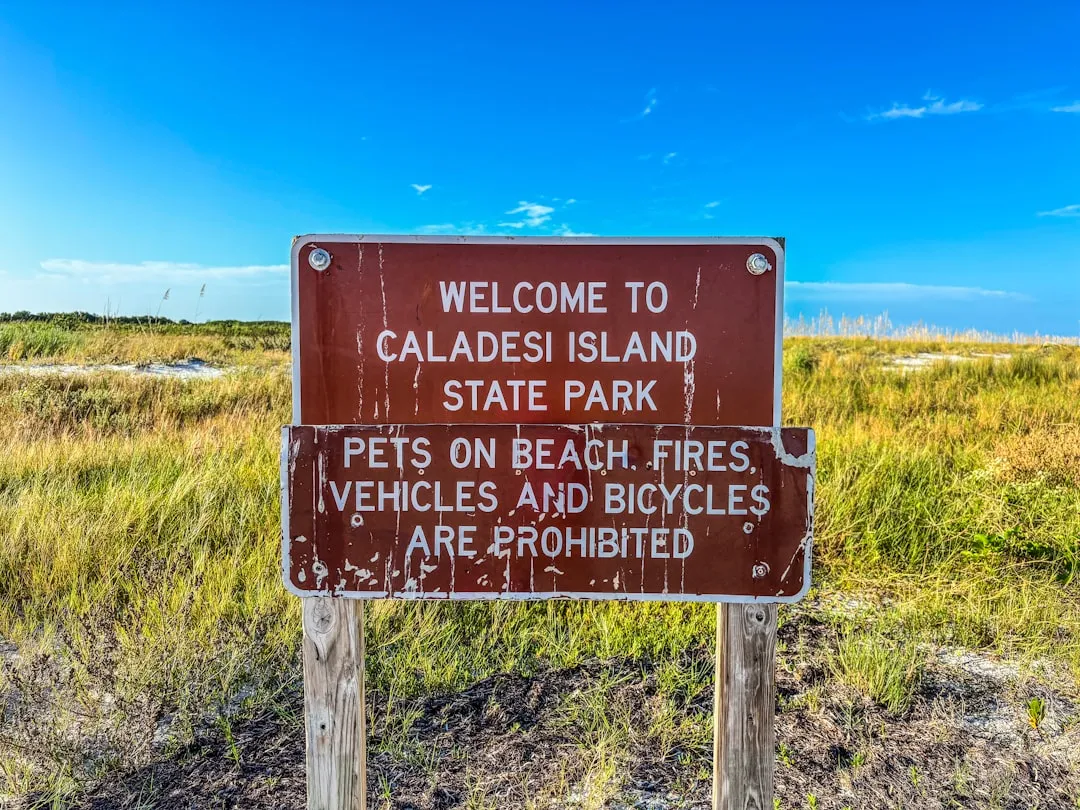
Each of these five parks has its own reservation system, permit structure, and seasonal limitations. Tallulah Gorge, for instance, caps gorge-floor access at 100 permits per day. Tettegouche’s hike-in cabins require advance booking. State parks are typically cheaper to access than national parks, and many offer day passes or annual passes at a fraction of the federal cost.
Peak summer weekends can still produce crowded parking lots at the most popular state parks, even if they never reach national park levels. Going midweek, arriving before 9 a.m., or visiting in shoulder seasons like April, May, or October generally guarantees the quiet experience these parks are known for.
None of these parks require elaborate logistics. They sit near major highways, welcome walk-in visitors, and are actively managed by state agencies that depend on local support. Showing up is most of the work.
The Case for Exploring Beyond the Famous Names
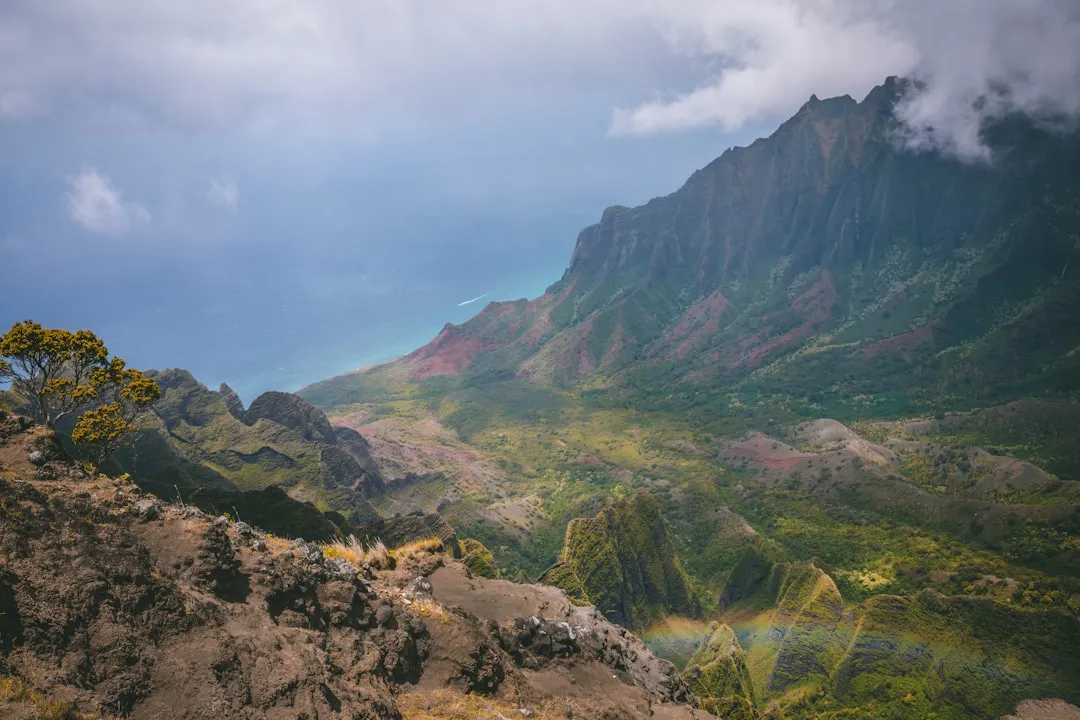
The national parks remain extraordinary. Nothing here is meant to discourage anyone from visiting Zion or Yosemite. The point is simpler: for every famous park drawing millions, there are state parks within a few hours offering nearly identical landscapes with far fewer visitors.
With the U.S. home to more than 6,600 state park sites protecting over 14 million acres of diverse landscapes, these hidden gems offer the same spectacular views, adventurous trails, and wildlife encounters without the parking battles or elbow-to-elbow crowds.
The infrastructure at state parks has also quietly improved over the years. Many now offer modern campgrounds, visitor centers, EV charging stations, and year-round facilities. Tettegouche, for example, is the only Minnesota state park with operational showers in winter. Small details that matter on longer trips.
A Quiet Shift in How Travelers Are Thinking About Parks
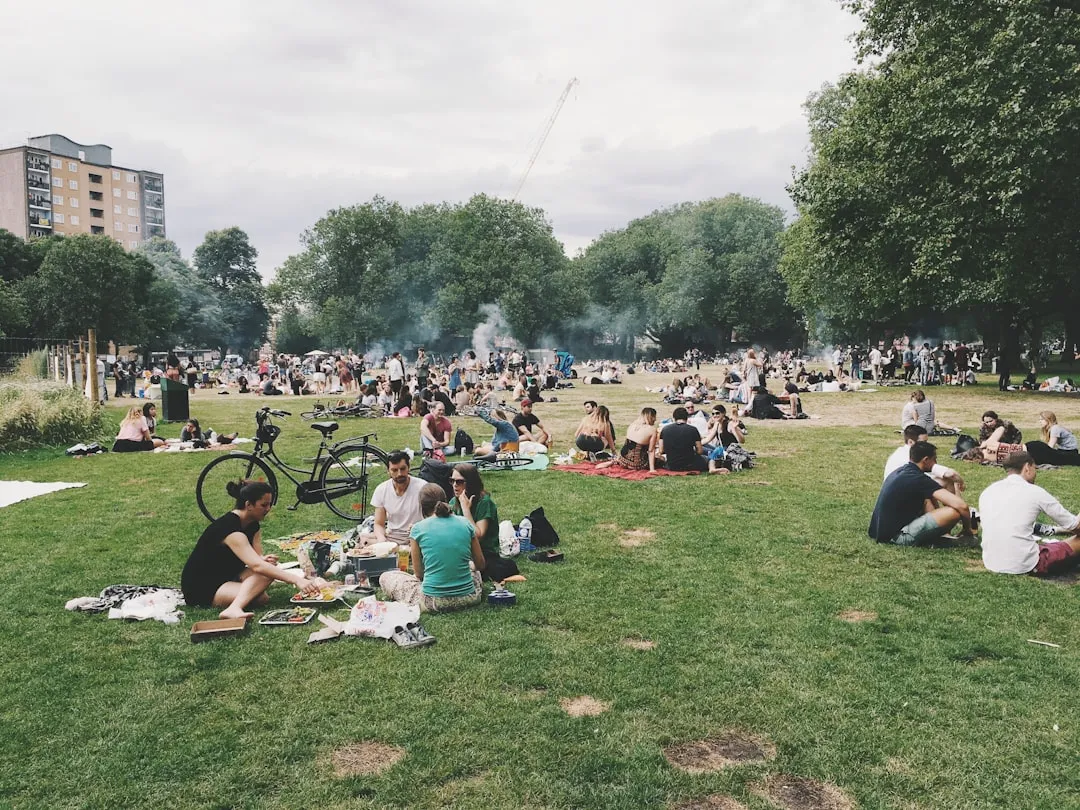
The 63 national parks recorded a combined 331.9 million visits in 2024, with well-known destinations like the Great Smoky Mountains, Zion, and the Grand Canyon leading the pack. That number is expected to keep growing. The popularity of outdoor travel, driven in part by social media, isn’t leveling off.
There’s a growing group of travelers who’ve had enough of the bottlenecks. They’ve stood in parking lots for forty-five minutes and walked single-file through viewpoints they couldn’t fully appreciate because of the human traffic ahead of them. These five state parks are where that group tends to end up next.
The views are real. The trails are maintained. The solitude is genuine. What’s missing is the fame, and for most people who’ve made the switch, that turns out to be the entire point.
Conclusion: The Best Views Often Come With No Wait
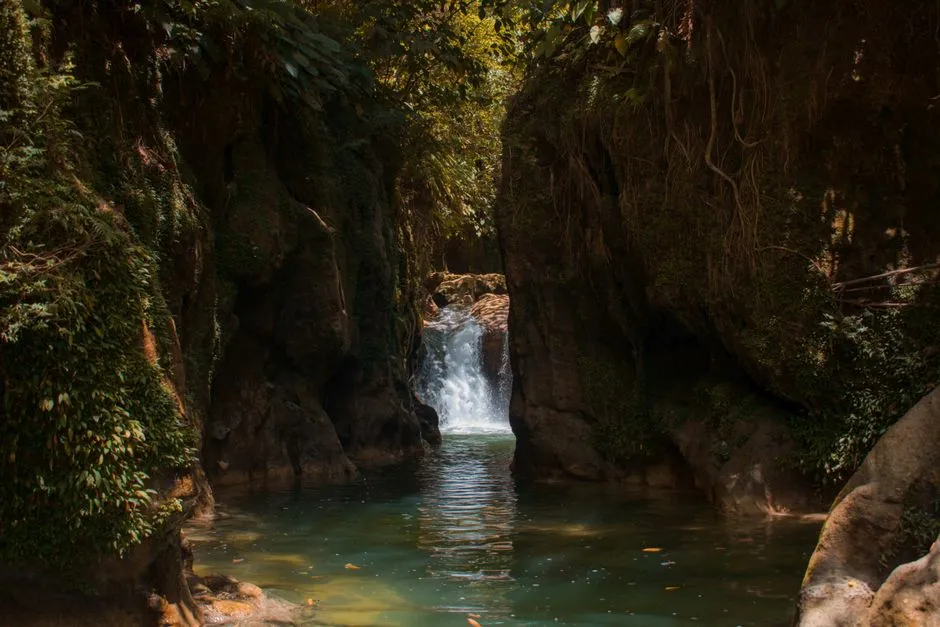
There’s something quietly satisfying about standing at the edge of a 1,000-foot gorge or beneath a 200-foot sequoia and having the whole place nearly to yourself. These five state parks offer that experience consistently, in landscapes that rival anything on the national park map.
In 2024, national parks welcomed over 325 million recreation visits, representing a 4% increase from the previous year. The pressure on those parks is only going to grow. The alternative has always been there. It just doesn’t have the same logo.
Sometimes the best travel decision isn’t finding a new place altogether. It’s finding the less-famous version of a place you already love, and discovering it’s even better than the original.
AI Disclaimer: This article was created with the assistance of AI tools and reviewed by a human editor.