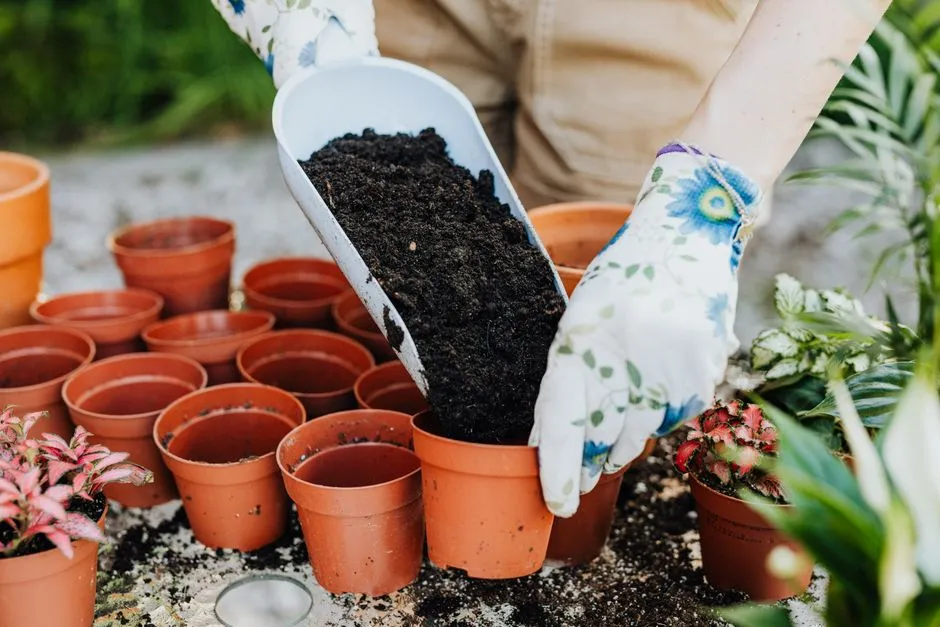

Organic fertilizers carry a reputation for being gentle and forgiving. Many gardeners assume that because something is natural, it can’t really hurt their plants. That assumption is where things go quietly wrong.
Fertilizers are indispensable for enriching soil and promoting plant health, but it’s entirely possible to have too much of a good thing, leading to fertilizer burn – a condition that can harm plants even when using organic options. The damage doesn’t always show up immediately, which makes it even easier to miss until roots are already compromised.
The Science of Root Burn: What’s Actually Happening Underground
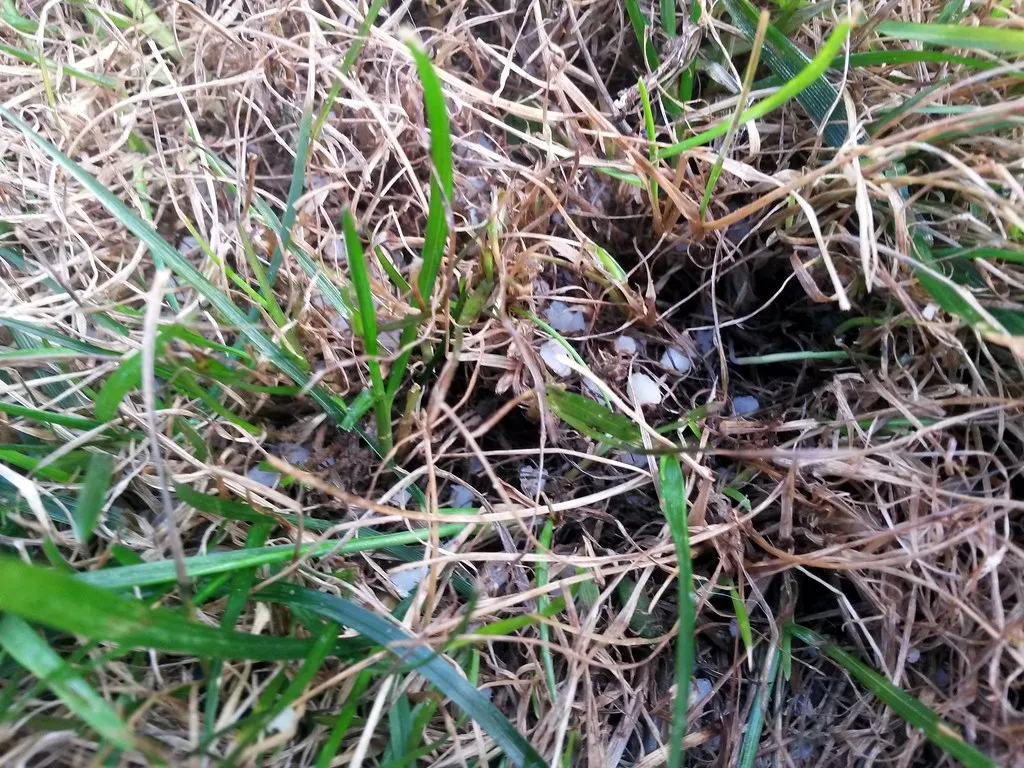
Most gardeners think of fertilizer burn as a heat issue. It isn’t. Fertilizer burn happens when too many salts and nutrients build up around your plant’s roots. The high salt concentration in the soil creates what scientists call “osmotic stress,” where salts pull water OUT of your plant’s roots instead of letting water flow IN.
Each plant cell has a semipermeable membrane that controls water movement. Inside the cells, solutes like minerals, sugars, and organic acids create a certain concentration. For water to flow into the cell, the soil water’s solute concentration needs to be lower than that inside the cell, creating a gradient that naturally draws water in.
Too much fertilizer, applied too often or in too great a quantity, can burn or desiccate roots, ultimately killing the plant. Understanding that mechanism is everything. Once you see it clearly, the five problem fertilizers below make a lot more sense.
1. Blood Meal: The Nitrogen Bomb You’re Dropping Too Close to the Roots
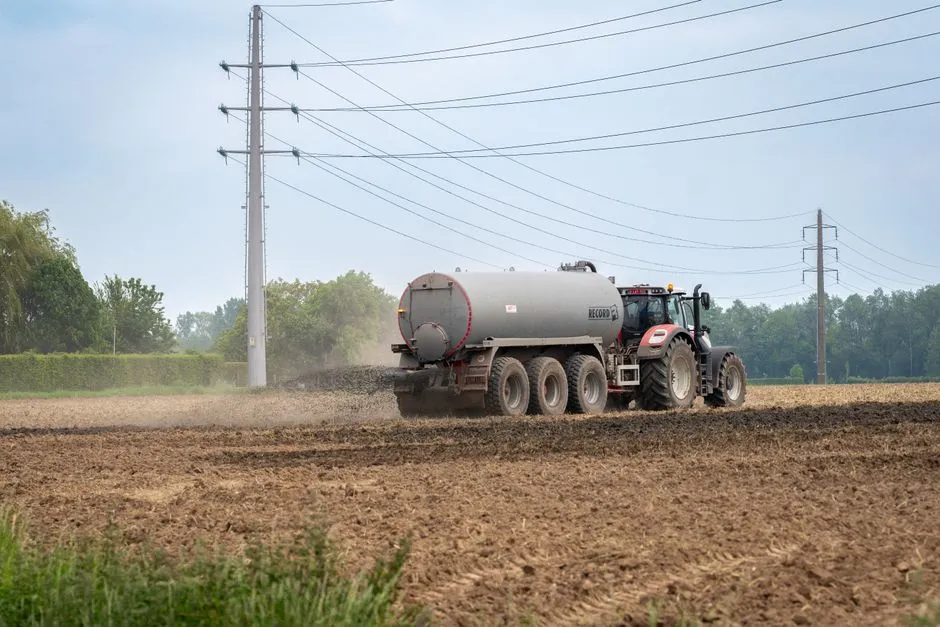
Blood meal contains about 12 percent nitrogen. That’s concentrated stuff. The recommended amount is around 1 tablespoon per plant. Go beyond that and you’re not feeding the plant, you’re overloading the root zone with more nitrogen than soil microbes can process in time.
Too much nitrogen can cause growth of more foliage than fruit and can also kill small roots, increasing plants’ vulnerability to decay and pests such as nematodes and mites. That’s a double problem: weaker roots and more pest pressure at the same time.
Don’t pile blood meal against the stem or crown of a plant. Concentrated fertilizer in direct contact with plant tissue can cause damage. The fix is straightforward: spread it thinly, mix it into the top few inches of soil, and water thoroughly immediately after application.
2. Chicken Manure: Why “Organic” Doesn’t Mean “Safe to Use Fresh”
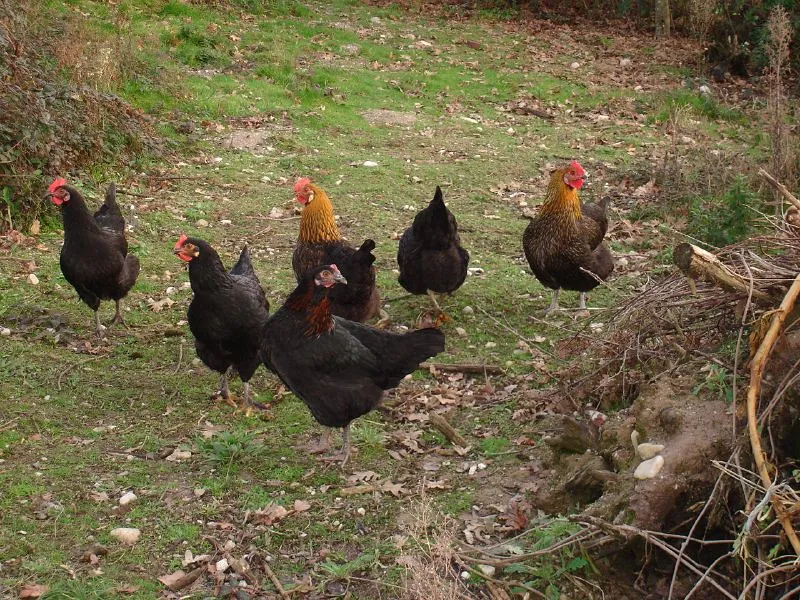
Chicken manure is one of the most nitrogen-rich organic fertilizers available – about three times more nutrient-dense than cow or horse manure – but it must be composted first, as fresh manure burns plant roots and contains pathogens. That third-party comparison alone should reset your expectations.
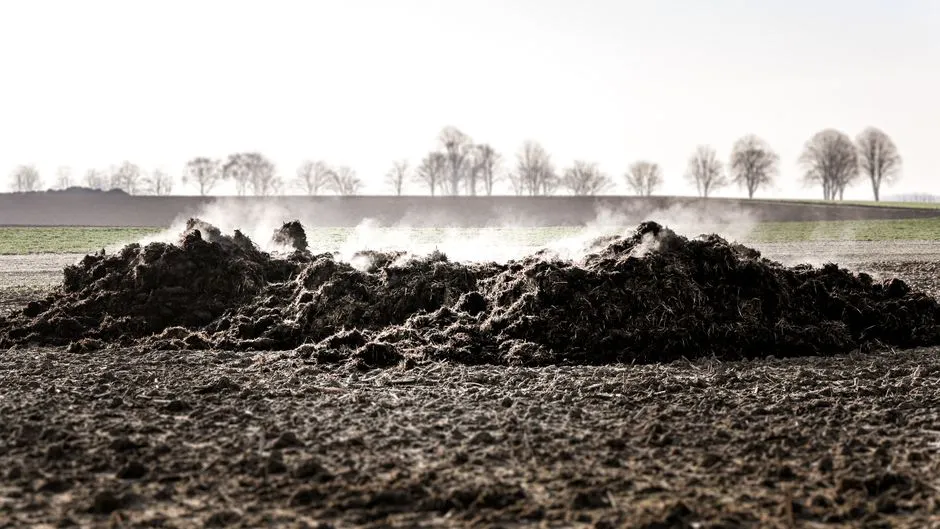
Raw chicken manure should never be applied directly to plants because it is too “hot” – meaning it can burn plant roots due to high ammonia content and nitrogen levels. Fresh manure may also harbor harmful bacteria such as Salmonella or E. coli.
Fresh manures, including chicken manure, are particularly “hot” due to high levels of ammonia and soluble salts. Composting fresh manures for about three months allows excess soluble salts to leach out and ammonia to convert to a more stable form of nitrogen, making the manure safer and more effective for garden use.
3. Bone Meal: The pH Problem Nobody Warns You About
Bone meal is a valuable organic fertilizer known for its rich nutrient profile, particularly its high phosphorus content. Phosphorus constitutes about 15 to 22 percent of bone meal, and this is instrumental in promoting robust root development, flowering, and fruiting. Used correctly, it’s one of the most reliable amendments you can work into a planting hole.
The problem is soil pH. Bone meal releases phosphorus most effectively in soils with a pH between roughly 6.0 and 7.0. In alkaline soils, phosphorus binds tightly to calcium and becomes locked out. Gardeners then add more bone meal trying to solve a deficiency the fertilizer itself can’t fix – and excess phosphorus begins accumulating.
The typical NPK ratio of bone meal is around 3-15-0, highlighting its significant contributions in phosphorus and calcium with only minimal amounts of nitrogen. This nutrient profile underscores bone meal’s effectiveness in enhancing plant development, particularly root and flower formation. A soil test before application is a simple, inexpensive step that prevents a lot of waste – and prevents unnecessary salt buildup in the root zone.
4. Fish Emulsion: Dilution Mistakes That Scorch More Than They Feed
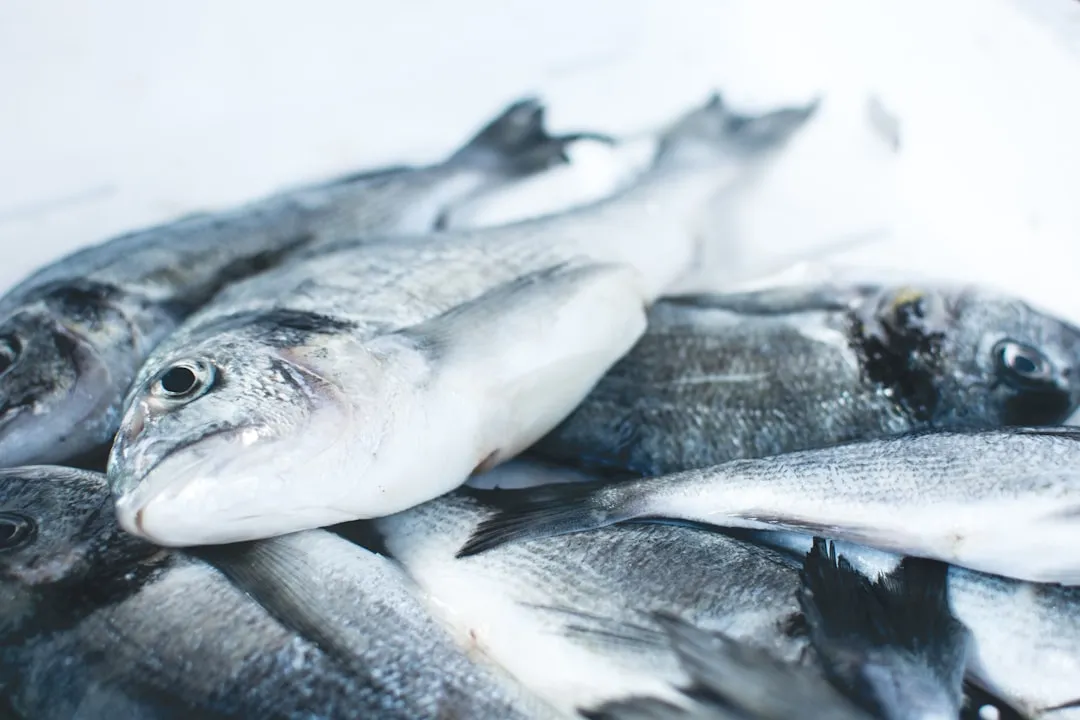
Fish emulsion is a liquid fertilizer derived from fish, and it can be applied to soil as a fertilizer or used as a foliar feed. It’s fast-acting, which makes it appealing when plants look pale. That same speed is what makes it risky when the dilution ratio is ignored.
Liquid organic fertilizers like fish emulsion are effective, but only if you dilute them properly. Most liquid organics need to be mixed at specific ratios. Applying fish emulsion at full concentration, or at double-strength in hopes of a quicker result, pushes too much nitrogen into the root zone all at once.
If you use liquid fertilizer, take care not to pour too much on or near the leaves, as the leaves can burn. The same principle applies at the root level. Watering into dry, unmoistened soil is another common error – pre-moistening the soil before applying any liquid organic fertilizer gives the nutrients somewhere to disperse rather than concentrating near roots.
5. Compost: Even the Safest Option Has a Threshold
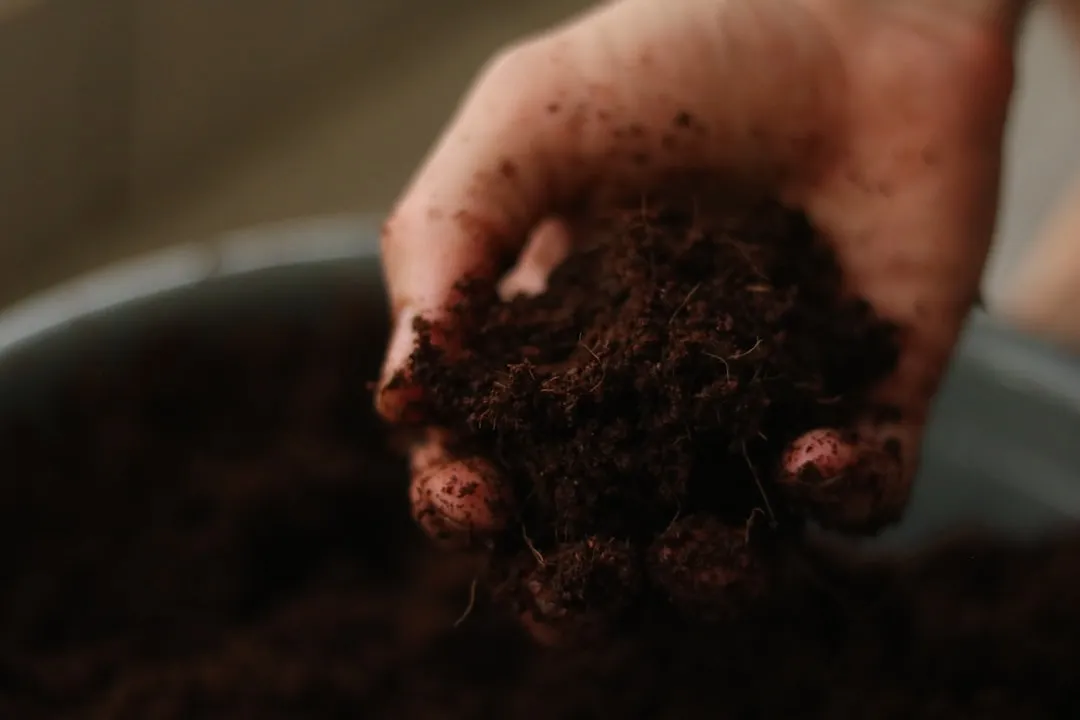
Even organic fertilizers such as compost can be overdone. The soil lab at Colorado State University recommends no more than 5 percent organic matter, but this can be easily exceeded with regular and substantial additions of compost. Most home gardeners find that surprising.
If you’re using compost, make sure the composting process is complete before adding it to your garden, or it may compete with your plants for nutrients as it breaks down. Immature compost is one of the most overlooked causes of root stress. The microbes finishing the decomposition process actively consume nitrogen from the surrounding soil, leaving nearby roots with less than they started with.
Excess fertilizer is bad for plants and the environment. Too much fertilizer may burn a plant’s roots and make the plant more vulnerable to insects and diseases. Compost applied in very thick layers also reduces soil aeration. Compacted, oxygen-depleted soil slows root growth and creates exactly the conditions where root disease gains a foothold.
The Shared Mechanism: Osmotic Stress Across All 5 Fertilizers
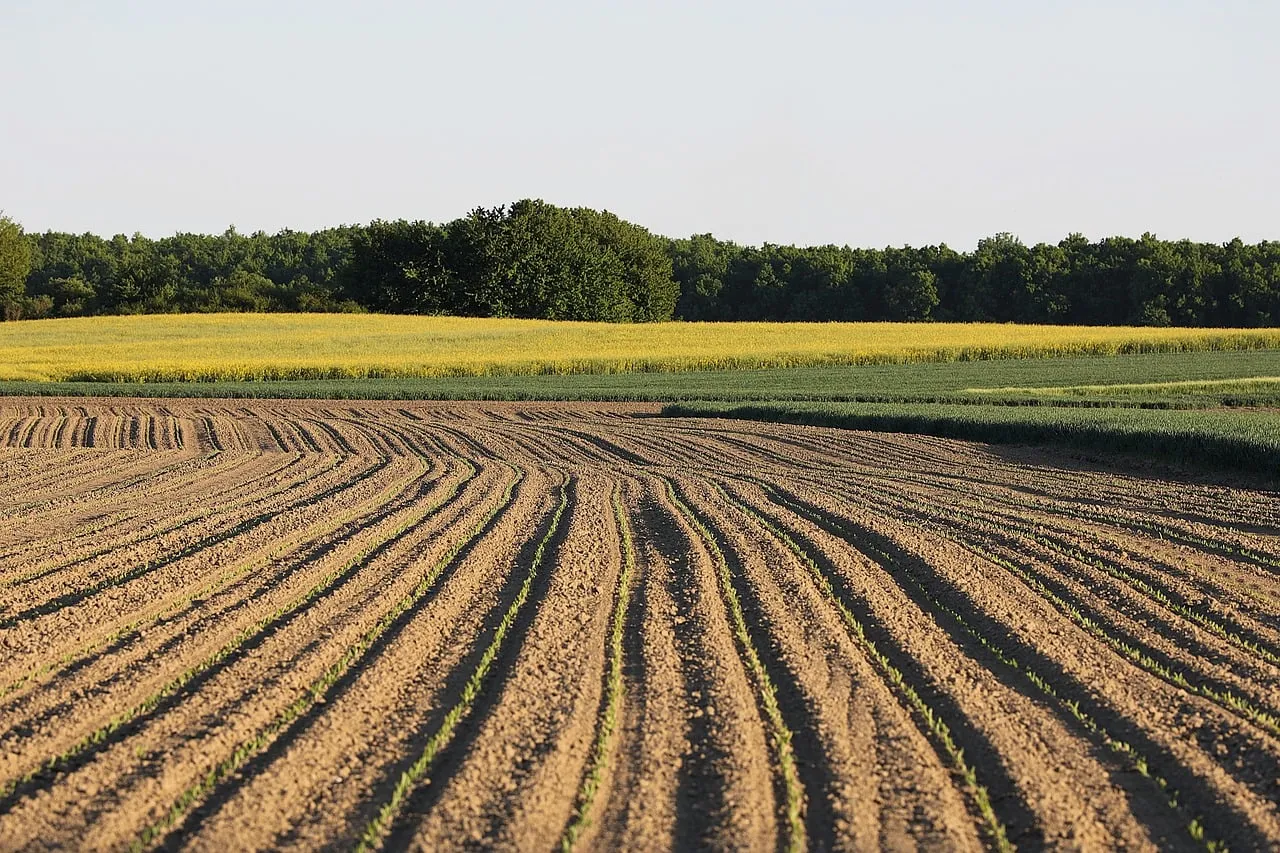
The key is the dehydration of plants. Most fertilizers are highly soluble salts, and when present in excess, they increase the osmotic pressure of the soil. In normal conditions, plants’ uptake of water is caused by the difference in osmotic pressure between the soil and the roots. When that balance tips the wrong way, roots lose moisture rather than gain it.
This is the unifying explanation behind all five of these fertilizer types. Whether it’s concentrated nitrogen from blood meal, ammonia volatilization from fresh chicken manure, or excess phosphorus from bone meal, the downstream effect on the root membrane is largely the same. The chemistry differs; the damage looks similar.
How to Spot Root Burn Before It Becomes Root Death
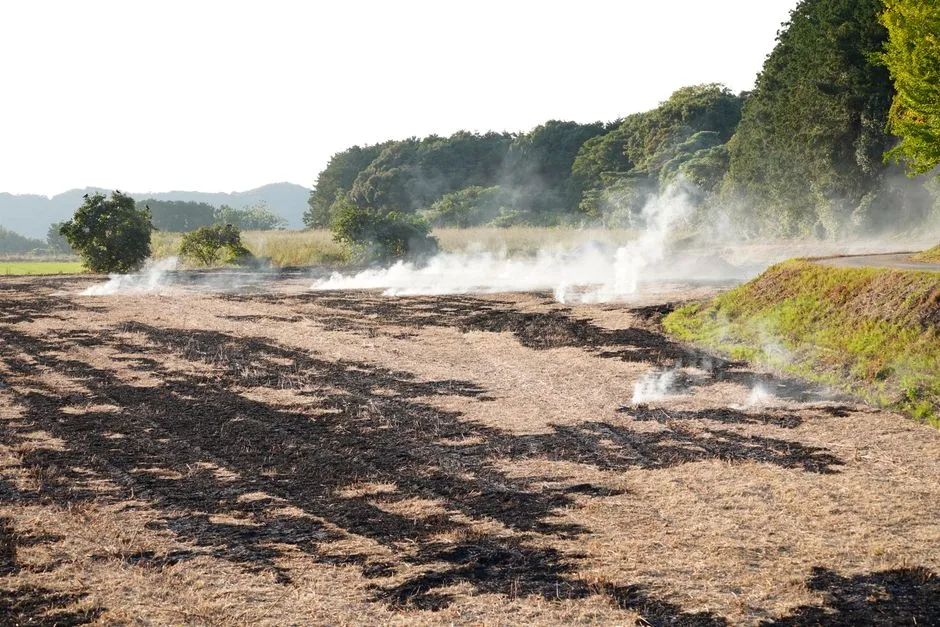
Signs of fertilizer burn on leaves will be visible several days after fast-release fertilizers are applied. Damage from slow-release fertilizers becomes clear after a couple of weeks. Roots can be suffering long before the leaves show anything obvious.
A soil test will show if you are using too much fertilizer. Without one, you can see the signs of excessive fertilizer in vegetable plants through yellow leaves, spindly stems, or plenty of green leaves but no fruit. Yellow leaves alone aren’t enough to diagnose the problem.
Do not assume every yellow leaf means nitrogen deficiency. Yellowing can also be caused by overwatering, poor drainage, root damage, compacted soil, iron deficiency, high pH, disease, or natural leaf aging. Misreading the symptom and adding more fertilizer is exactly how mild root stress escalates into serious root damage.
Soil Testing: The Step Most Organic Gardeners Skip
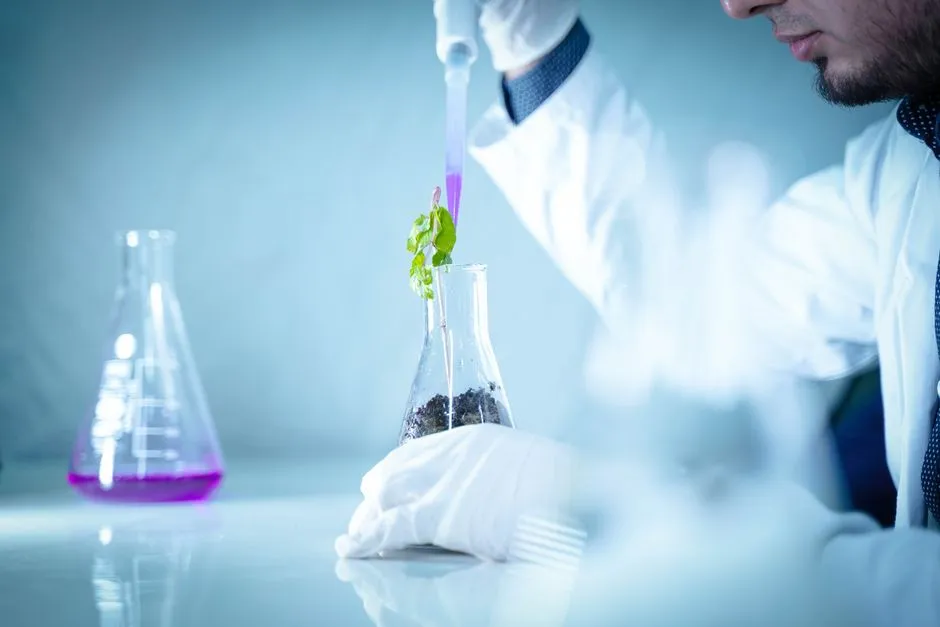
Since different species of plants require different levels of nutrients for optimum growth and yield, the type and amount of fertilizer should be properly tailored to the needs of your plants. Soil testing makes that tailoring possible. Without it, you’re essentially guessing at deficiencies and correcting in the dark.
Chicken manure is nutrient-dense, and over-application can burn plants, increase salt stress, and push excessive leafy growth. Start with measured rates and consider soil testing if you use manure-based fertilizers regularly. That advice applies equally well to blood meal, bone meal, and heavy compost application.
Most cooperative extension services and university labs offer soil testing for a modest fee. Results typically tell you current pH, phosphorus levels, potassium, and organic matter percentage – exactly the numbers you need to apply any of these five fertilizers with precision instead of hope.
Application Timing and Watering: Two Controllable Variables That Change Everything
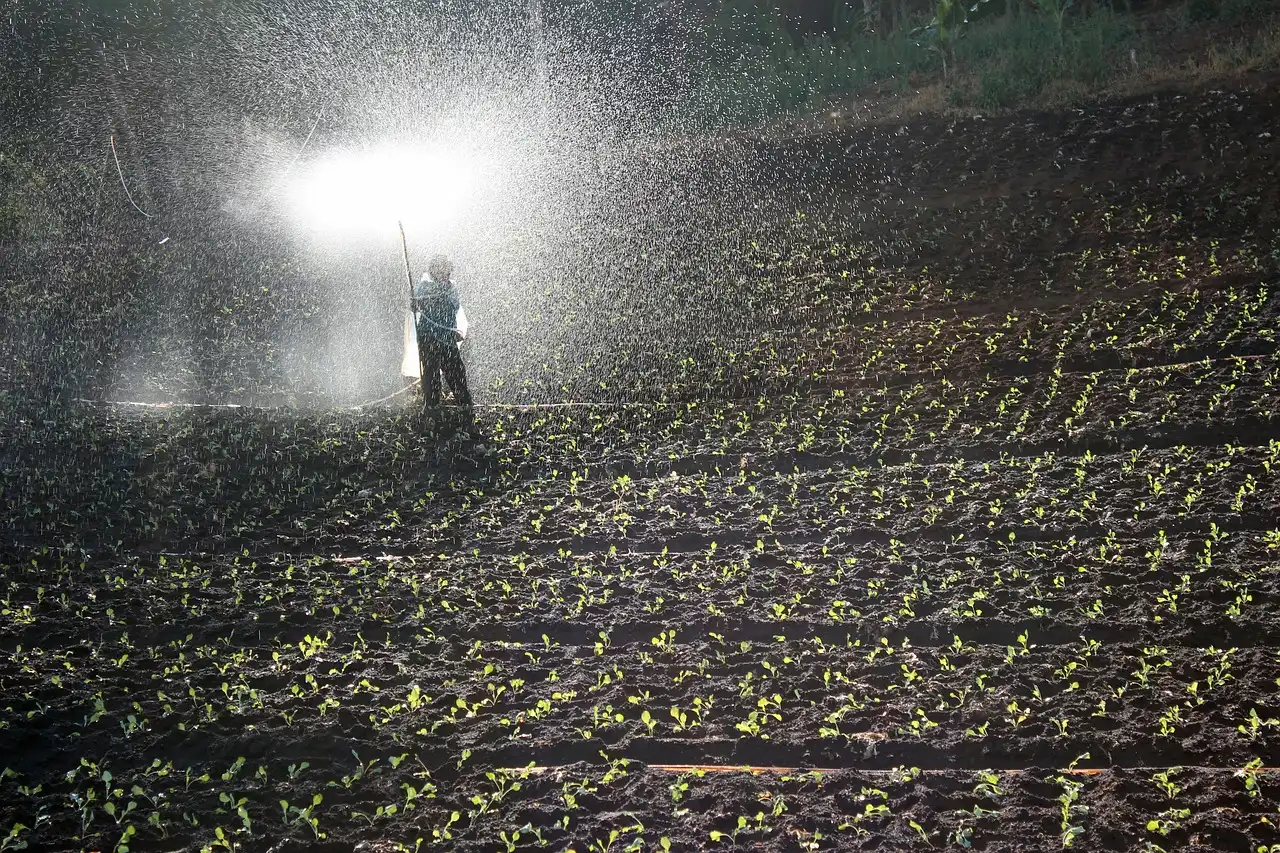
Conditions of the soil and the environment while fertilizing should be optimal – droughts and dry soil should not be present when fertilizing. Applying any organic fertilizer to stressed, dry roots concentrates salts at the point of contact rather than distributing them through the soil water.
Water in thoroughly after applying manure-based fertilizers. Water helps move nutrients into the root zone and reduces the chance of root burn from concentrated material. This is a simple mechanical fix that costs nothing extra. Deep, thorough watering after any organic fertilizer application disperses salt concentration and gives roots a buffer.
Signs of fertilizer burn on leaves will be visible several days after fast-release fertilizers are applied, and the damage from slow-release ones becomes clear after a couple of weeks. Watering consistently in the days after application is not optional – it’s what keeps the nutrient concentration in the root zone at a safe level during that critical window.
Building the Habit: The Right Organic Approach Goes Slow
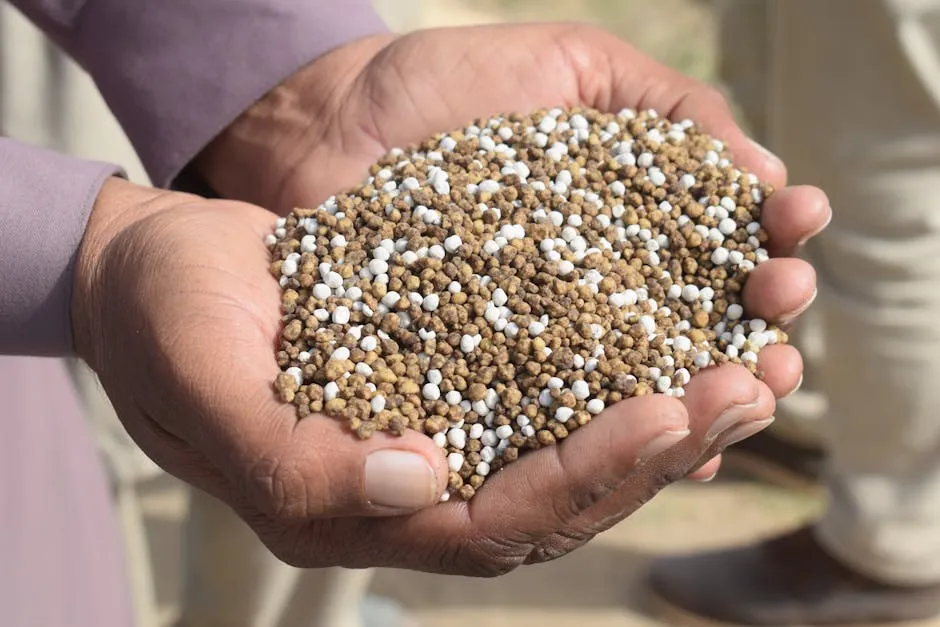
Unlike synthetic counterparts, organic fertilizers release nutrients slowly as they break down in the soil. That’s the design, and it’s the advantage. Working with that slow release rather than against it means resisting the urge to double up, apply early, or skip dilution steps.
Using organic fertilizers is beneficial because they can be safer for plants, people, and animals than chemical fertilizers. Organic fertilizers tend to work like slow-release fertilizers, slowly releasing low doses of nutrients over time. This allows plants to take up the nutrients better and also helps prevent fertilizer burn. The protection only holds when the application stays within the fertilizer’s design parameters.
The broader point here isn’t that these five fertilizers are dangerous. They’re not. Blood meal, chicken manure, bone meal, fish emulsion, and compost have all earned their place in serious gardens. The issue is that “organic” has quietly become synonymous with “harmless,” and that mental shortcut leads real gardeners to skip the label, ignore the soil test, and apply too much. The roots pay for it first, and often silently. Starting with less, testing the soil, watering thoroughly, and allowing time for breakdown are not complicated steps. They’re just easy to skip – until you see the damage and wish you hadn’t.
AI Disclaimer: This article was created with the assistance of AI tools and reviewed by a human editor.