
Sleep is one of those topics where everyone seems to have a confident opinion, yet surprisingly little of what most people believe is actually backed by science. From advice passed down by parents to half-remembered health headlines, the myths around sleep are stubborn and, in some cases, genuinely damaging to people’s health.
The complex relationship between sleep-related information, misinformation, and sleep health underscores the need for concerted efforts to combat sleep myths and promote evidence-based sleep practices. What follows are five persistent myths that doctors and sleep researchers keep seeing – and keep wishing would disappear.
Myth #1: Everyone Needs Exactly 8 Hours of Sleep
A study has debunked the common belief that everyone needs exactly eight hours of sleep each night to maintain good health. Researchers now suggest that most adults need between seven and nine hours of sleep, offering a more flexible range for optimal rest. The idea that eight hours is a universal target is more cultural lore than clinical guidance.
Sleep needs vary widely based on genetics, age, activity level, and overall health. There is no universal “perfect” number. What matters far more is whether you wake up feeling restored and can stay alert through the day without relying on caffeine to function.
Massive epidemiological evidence involving millions of people from at least 30 scientific studies suggests that the current adult average sleep duration of seven hours is sufficient. This epidemiological evidence consistently demonstrates a U-shaped curve involving sleep duration and mortality, with the lowest mortality at seven hours of sleep. So aiming for exactly eight hours, without considering your own biology, misses the point entirely.
Myth #2: You Can Train Yourself to Need Less Sleep

There is a widely shared rumor that you can train your body to need fewer than seven to nine hours of sleep. Sadly, this is a myth. It’s a belief that fits neatly into hustle culture, but it simply doesn’t hold up under scrutiny.
Although people can get used to decreased amounts of sleep, with their circadian rhythms adjusting, continued lack of sleep poses health consequences. People whose sleep is restricted do report that their feelings of sleepiness level off, yet their inability to stay awake increases. Feeling less tired is not the same as being less impaired.
A lack of sleep takes a toll on the brain and body. Even if it seems like you are getting accustomed to sleeping too little, more serious health problems may be accumulating because of the body’s inability to get the rest it needs. The damage accumulates quietly, which makes this myth particularly risky to believe.
Myth #3: Catching Up on Sleep Over the Weekend Erases Your Sleep Debt
Almost half of American adults believe we can catch up on sleep over the weekend. However, this is incorrect. Sleeping less than the recommended amount during the week causes sleep deprivation, which builds sleep debt. Sleeping more on weekends does not repay this debt.
Sleep isn’t a bank account to balance out deficits. Each sleep stage, especially deep and dream sleep, serves crucial functions for memory and cognitive processes. Trying to make up for lost sleep by sleeping longer the next day doesn’t fully restore these benefits.
Although sleeping in on weekends does disrupt the natural circadian rhythm, for people in certain professions, such as shift workers, it may be better for them to sleep in than to get fewer hours of sleep overall. Still, for most people with regular schedules, weekend lie-ins are a band-aid, not a solution.
Myth #4: Alcohol Helps You Sleep Better

Alcohol is commonly consumed prior to bedtime with the belief that it facilitates sleep. That initial drowsiness alcohol produces feels convincing. The problem is what happens once you’re actually asleep.
Research found that drinking just one alcoholic beverage led to an increase in slow-wave sleep across all three nights. It also decreased the duration of REM sleep. Overall, volunteers were able to fall asleep faster after consuming alcohol, but their quality of sleep suffered due to shortened REM periods.
Alcohol consumption adversely affects rapid eye movement (REM) sleep in a dose-dependent manner, according to a study published in Sleep Medicine Reviews. Alcohol reduced REM sleep duration by 11.3 minutes compared with the control condition, and every 1 gram per kilogram increase in alcohol dose reduced REM sleep duration by 40.4 minutes. REM sleep is critical for emotional regulation and memory consolidation, so disrupting it carries real consequences.
Researchers also noted that drinking an alcoholic beverage on consecutive nights did not change the amount of REM sleep impacted – the body did not adapt to overcome the effects of alcohol. The team concluded that drinking even a small amount of alcohol before bed can adversely affect sleep quality.
Myth #5: Falling Asleep Instantly Means You’re a Great Sleeper
Many people brag about their ability to fall asleep the moment their head hits the pillow, treating it as a kind of superpower. Doctors see it differently. Being able to fall asleep “anytime, anywhere” is called excessive daytime sleepiness. Excessive daytime sleepiness is a symptom of chronic sleep deprivation. It may also be a symptom of an untreated sleep disorder.
Typically, a healthy, well-rested person will not fall asleep immediately. It should take you between 15 and 20 minutes to fall asleep. If it takes you 30 seconds to doze off anywhere you sit down, that’s a red flag worth discussing with a doctor, not a badge of honour.
The claim by some people that they can get by on five hours of sleep was among the top myths researchers were able to dispel based on scientific evidence. They say this myth also poses the most serious risk to health from long-term sleep deficits. Chronic sleep deprivation tends to blunt our own awareness of how impaired we’ve become – which is precisely why so many people go undiagnosed for years.
Bonus Myth: Snoring Is Harmless
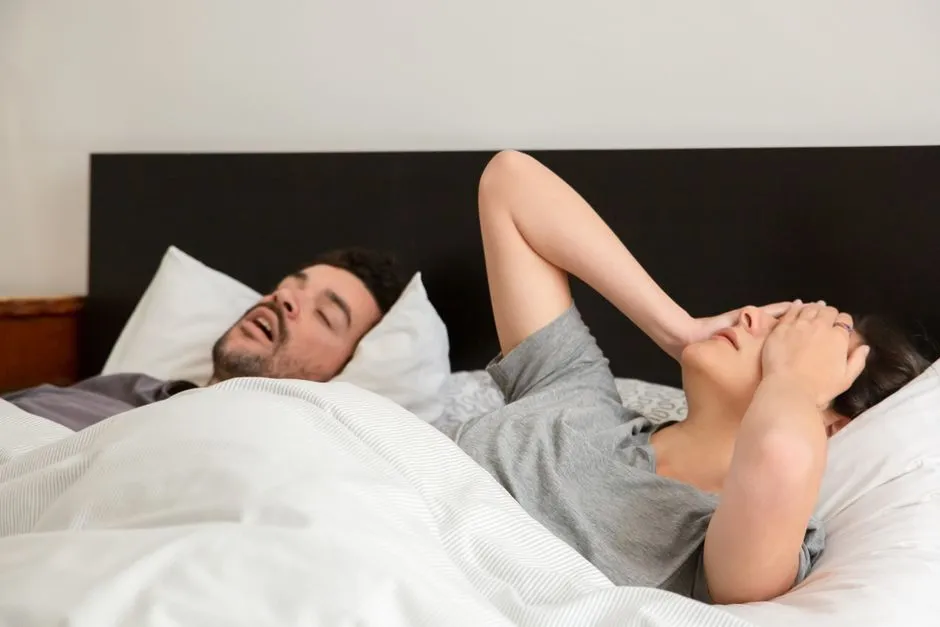
Snoring is often dismissed as a harmless annoyance. In reality, loud and frequent snoring may indicate a serious health condition like obstructive sleep apnea, where breathing starts and stops repeatedly during the night. Many people dismiss it as a quirk of getting older or a minor nuisance to their partner.
Persistent snoring, especially intense or disruptive snoring, could signal airway obstruction and potential sleep apnea. Addressing snoring concerns with a healthcare provider is crucial for identifying underlying issues and promoting better sleep quality. Left untreated, sleep apnea is linked to elevated blood pressure, heart disease, and daytime cognitive impairment.
Bonus Myth: More Sleep Is Always Better
It might seem logical to assume that the more sleep you get, the healthier you’ll be. The evidence tells a more nuanced story. Regularly sleeping more than 9 hours per night was appropriate for young people, those recovering from sleep debt, or those with illnesses. The study didn’t find associated health risks with sleeping more than 9 hours in those groups. Context matters enormously.
In most studies, the risks associated with eight or more hours of sleep have been at least as great as less than seven hours of sleep, and many of these studies found that long sleep is associated with greater mortality than short sleep. Consistently oversleeping in adults who aren’t recovering from illness may be a sign of an underlying condition rather than a lifestyle advantage.
Bonus Myth: Quality Doesn’t Matter, Only Hours Do
How long you sleep is only part of the picture. Sleep quality is a critical factor in sufficient rest. The goal should be to get high-quality, uninterrupted sleep. Someone who spends nine hours in bed but wakes frequently throughout the night is not getting anything close to nine hours of genuine rest.
If you’re having trouble falling asleep, staying in bed is not the recommended approach. Experts recommend getting out of bed after 20 minutes of failing to fall asleep. It can be better to get up and do something relaxing in a quiet, dim setting, such as reading a book. Lying in bed anxiously staring at the ceiling actually reinforces the association between your bed and wakefulness.
Bonus Myth: Naps Can Substitute for Proper Nighttime Sleep

There’s a common belief that napping makes up for a lack of nighttime sleep. In reality, naps are not a substitute for quality sleep at night. Naps do not involve progression through the stages of sleep in the same way nightly sleep does.
Napping doesn’t fully offset poor nighttime sleep. A short afternoon nap can be genuinely refreshing and there’s solid evidence it improves alertness, but it skips the deep, restorative cycles that nighttime sleep provides. Relying on naps to compensate for consistently short nights is a strategy that eventually runs dry.
Bonus Myth: Nighttime Exercise Wrecks Your Sleep

The rationale that exercise before bed will amp you up and keep you from sleeping is false. Researchers have shown no adverse effect of nighttime exercise on sleep. This myth has likely discouraged many people from exercising at all on busy days when late evening is the only available window.
For most people, moderate exercise in the evening has no measurable negative effect on sleep quality or how long it takes to fall asleep. Sleep has a huge impact on our health. It helps our brains function, protects against heart disease, and supports our immune system. Regular physical activity, regardless of timing, supports better sleep overall. If very high-intensity exercise close to bedtime leaves you wired, shift it slightly earlier – but don’t skip it entirely based on an outdated rule.
The Takeaway
By discussing sleep habits with their patients, doctors can help prevent sleep myths from increasing risks for heart disease, obesity, and diabetes. That conversation starts with being honest about what we actually know versus what we’ve simply always assumed.
Sleep science has advanced considerably, and much of the folk wisdom most of us grew up with hasn’t kept pace. The myths covered here aren’t harmless quirks in public thinking – they shape daily habits, postpone medical conversations, and quietly erode health over years. Getting better sleep doesn’t always require a dramatic lifestyle overhaul. Sometimes it just requires letting go of ideas that were never quite right to begin with.
AI Disclaimer: This article was created with the assistance of AI tools and reviewed by a human editor.