
Anyone who has pushed through the final stretch of a steep trail knows that feeling: legs burning, lungs working hard, each step requiring a separate decision. It’s not a fitness failure. It’s usually a training gap. Most casual hikers spend their weekdays on flat ground and expect their legs to suddenly perform on serious terrain. That gap between everyday movement and mountain-grade effort is exactly what the right conditioning work can close.
The good news is that you don’t need a gym membership or complicated equipment to prepare. A handful of well-chosen exercises, done consistently, can make a genuine difference in how you move when the trail tilts upward. What follows is a gallery of the five most practical, research-backed movements – along with the context of why each one actually works.
1. Step-Ups: The Most Direct Simulation of Uphill Movement

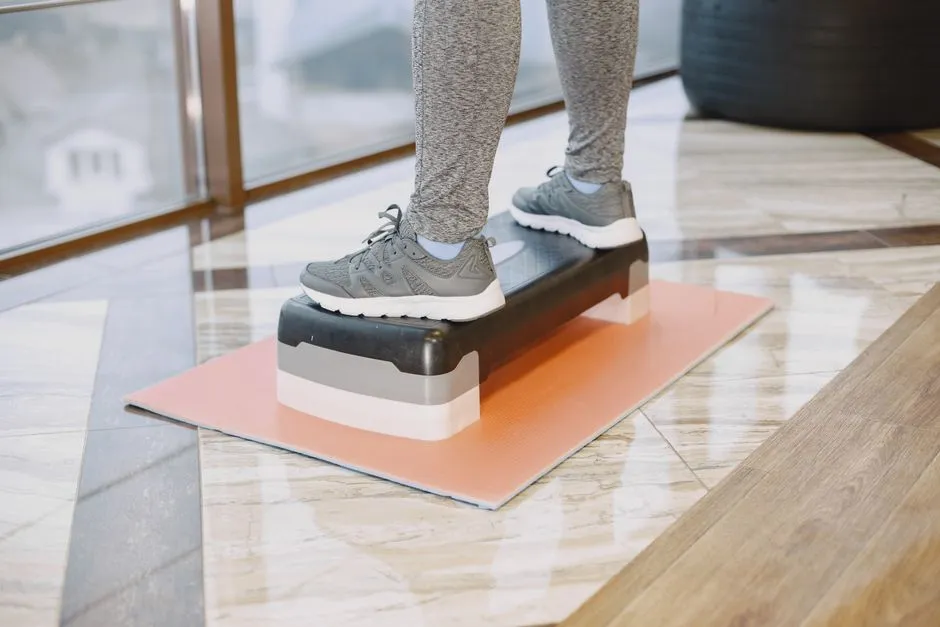
Box step-ups mimic the movement of hiking up a hill. That’s not just a common-sense observation – it’s the reason coaches and physical therapists consistently include them in trail-preparation programs. A study in the Journal of Applied Biomechanics showed that step-ups lead to greater quadriceps activation compared to squat variations.
Most people have a dominant leg, and traditional bilateral exercises like squats or deadlifts don’t always expose those imbalances. Step-ups challenge each leg individually, helping to correct asymmetries and prevent overcompensation. On a steep trail, that symmetry matters enormously.
Depending on the degree of knee and hip flexion, adjusted by altering the box height, athletes can easily manipulate what muscle groups will be primarily working. For shorter heights, knee flexion will be the primary mover, making the quadriceps and some glute active, whereas deeper steps will increase glute and total leg development, very similar to squats.
As you master the movements, begin to add weight to your step-ups – a loaded pack or a weighted vest works well. Wearing a weighted vest or ruck pack increases load while keeping hands free, great for tactical athletes, hikers, or anyone looking to train functional leg endurance.
2. Reverse Lunges: Quad and Glute Power Without the Knee Strain
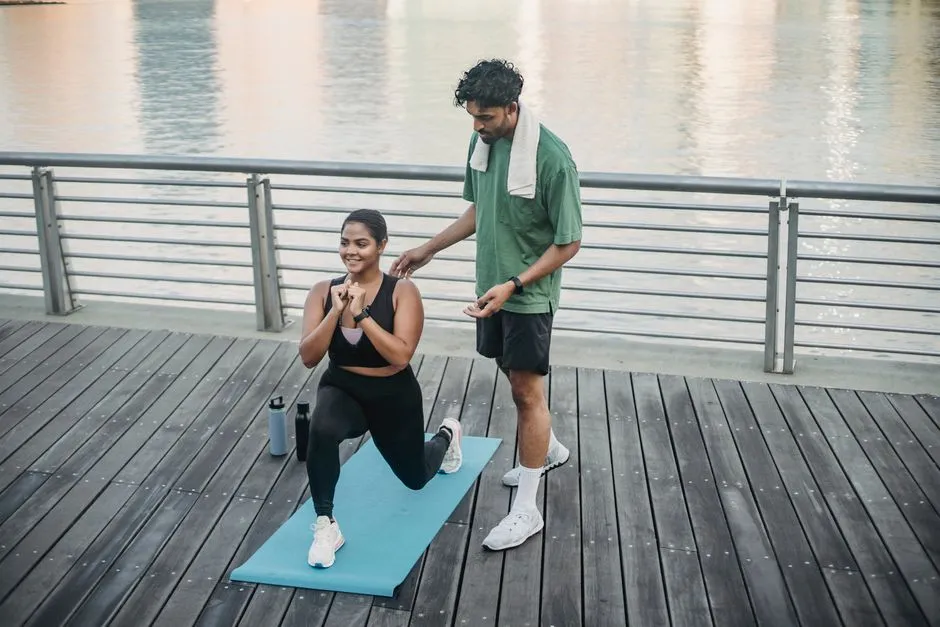
Because lunging is very similar to other forms of human locomotion – uphill walking, sprinting, sports – it can have a strong correlation with movement and performance, making it a very common staple for most athletes at all levels. Steep ascents demand exactly that kind of movement economy.
Research comparing lunges and step-ups has demonstrated that lunges produce higher activation in the vastus medialis and rectus femoris, particularly in forward and walking variations. The reverse lunge, specifically, is kinder to the joints. Reverse lunges create less anterior knee stress than forward variations, which makes them a smarter entry point for hikers still building tolerance.
If your primary goal is building the glutes, lunges may be more effective due to the longer stride and greater hip extension. Glute power is what drives you up a slope, step after step. The longer stride length typically creates more hip flexion and extension, particularly in variations like reverse lunges and walking lunges with an exaggerated step.
3. Goblet Squats: Building the Foundation Beneath Everything Else

Building muscle strength is foundational for tackling challenging trails and carrying heavy loads. Enhanced strength, particularly in the legs and strong core, improves climbing ability and overall hiking performance. The goblet squat is a clean, simple way to build that base.
Strong muscles also support joints, reducing strain during steep ascents and descents. For example, maintaining a good squat position can help distribute weight effectively during hiking. The goblet squat enforces that upright position almost automatically, since holding a dumbbell or kettlebell at chest height pulls the torso forward if form breaks down.
Strength training should include heavier weights and compound movements like deadlifts, squats, and kettlebell swings as part of a hiking-preparation plan. The goblet squat sits squarely within that category and is accessible enough to be done at home. Strength training plays its part in building stability throughout the leg, along with core strength. This is essential for elevation gain during hiking.
4. Single-Leg Glute Bridge: The Posterior Chain Power Station

It can be easy to overlook glute strength for hiking. However, having a strong posterior can decrease knee pain, improve low back pain, and keep the hip joints moving smoothly. The single-leg glute bridge targets exactly the muscles that make sustained uphill movement possible.
Research shows high gluteal muscle activity during a single-leg bridge compared to other gluteal strengthening exercises. While the single-leg bridge primarily targets the glutes and hamstrings, it’s a good exercise for promoting overall hip stability. That stability is non-negotiable on uneven, steep terrain.
The supine bridge is a bodyweight exercise demanding the posterior hip and thigh muscles including the gluteus maximus and hamstrings, and it is a recommended exercise for strengthening and preventing injuries in hamstrings and lower back muscles. Climbing stairs, an action that involves hip extension, is primarily powered by the glutes – and steep hiking is essentially climbing stairs with a pack on and no handrail.
5. Calf Raises: The Most Overlooked Engine on the Ascent

The calf muscles propel you upward when climbing and help take the strain off the knees when stepping up, so strengthening them is a must. Despite this, calf training is routinely neglected in general fitness programs. Hikers often pay for that gap within the first hour of a steep trail.
The muscular system including the calves, ankles, and the muscles along the shin bone is the final stop in a hiking-specific training program, and not to be neglected. A slow-and-controlled calf exercise will strengthen the Achilles and help prevent tendonitis.
A 2024 study found that focusing on the stretched phase of an exercise led to 43.3% greater relative muscle growth in the calf muscle compared to other methods. In practical terms, that means performing calf raises with a controlled lowering phase – heel dipping below the step – produces more conditioning benefit than rushing through partial reps. Recent studies suggest lengthened partials may stimulate more muscle growth than a full range of motion. Research found that exercises like calf raises, leg extensions, and hip extensions performed with lengthened partials produced better muscle-building results.
Why Unilateral Training Matters More Than You Think

Single-leg exercises are ideal for hiking because they mimic the instability of the trail and help prevent muscle imbalances. Every step on a steep incline is a single-leg event. Both feet are rarely on the ground simultaneously when you’re pushing uphill, especially when navigating roots, rocks, or loose scree.
Unilateral exercises enhance limb symmetry, reduce injury risk, and improve overall movement economy in athletes. Four of the five exercises in this list have a strong unilateral element – step-ups, reverse lunges, single-leg bridges, and single-leg calf raises – and that’s not by accident. It reflects how the body actually moves on a steep trail.
How Often Should You Train for Elevation?
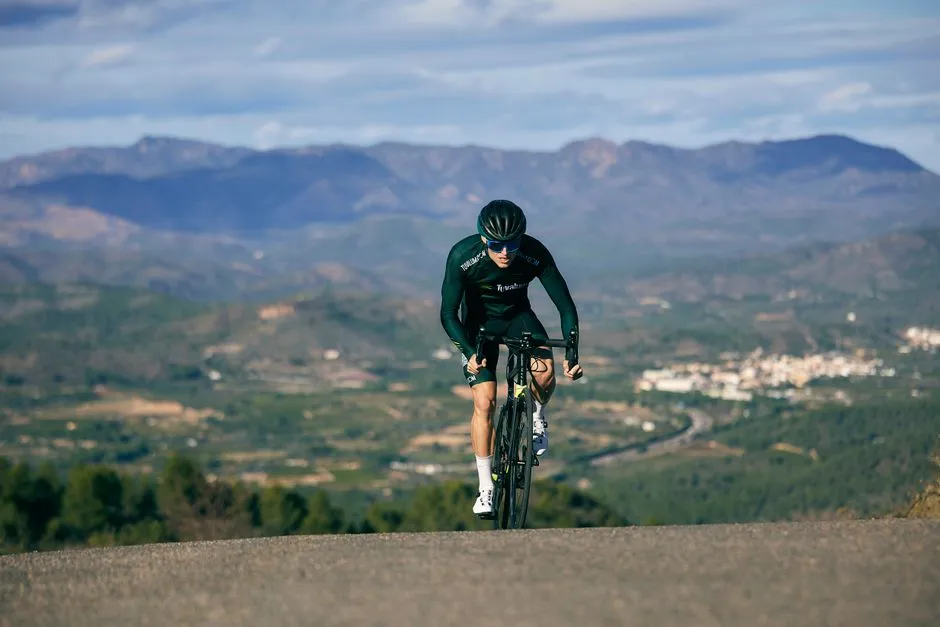
By performing these exercises twice a week, as well as hiking for several hours on the weekend and getting in some general training during the weekdays, you should be in great condition for rolling hills as well as steep ascending and descending hikes. That’s a realistic and sustainable frequency for most people with normal schedules.
Most research suggests that training the glutes two to three times per week provides the best results for most individuals. This frequency allows for enough volume to stimulate growth while providing sufficient recovery between sessions. The same logic applies to the full lower-body program – consistency over intensity.
The Role of Eccentric Strength on the Way Down
Most people think about the elevation gain on a trail, but anyone who has hiked in steep terrain knows that going downhill can be even more taxing. Descending puts enormous eccentric load on the quads and knees. Training for it specifically is not optional if you want to feel capable the morning after a big climb.
Step Downs are just as important as step-ups, and they can do wonders if you ever experience knee pain while hiking. Step Downs develop the muscles that support the knee, helping protect the body against injury on the trail. You can perform both of these exercises traditionally as well as laterally, side stepping up and down. It’s worth putting both variations into your training plan so your legs get used to eccentric loading from all directions.
How to Combine These Exercises Into a Simple Routine
Consider using a combination of strength training and cardio-based workouts to create the most effective hiking exercise program. For the five exercises covered here, a simple pairing works well: step-ups and reverse lunges in one block, goblet squats and single-leg bridges in another, with calf raises used as a finisher or warm-down movement.
A good training plan will follow a progressive structure to build strength, endurance, and mobility gradually. Start bodyweight-only for the first two weeks. Add load on week three. Perform two to three sets for each exercise and increase volume only when form is fully consistent. Chasing difficulty too early is one of the most common mistakes hikers make in the gym.
What Happens to Your Body Without This Preparation

If you go into a mountain hike without power in your legs and the endurance to keep them moving, you are guaranteed to have a bad time. You won’t be able to tolerate the steep or even moderate ascents for very long. You’ll be incredibly sore after your hike and run into trouble on day two if you’re on a multi-day trip.
Building leg muscle helps prevent foot and knee injuries, decrease knee pain, and maintain a low resting heart rate. These aren’t minor quality-of-life improvements. On a remote trail with serious elevation, they are the difference between a memorable experience and a miserable one.
By integrating exercises that target major muscle groups, hikers’ strength training can enhance their stamina and sustain energy levels throughout long hikes. This results in a more enjoyable experience and reduces fatigue. That’s the real goal: not just surviving the mountain, but actually enjoying it.
Conclusion: Train the Terrain Before You See It

Steep elevation is honest. It reveals exactly what your legs have been trained to do – and what they haven’t. The five exercises covered here are simple enough to fit into an ordinary week, yet specific enough to translate directly to trail performance. None of them require sophisticated equipment or a background in athletic training.
What they do require is consistency. Two sessions a week over six weeks is enough to notice a meaningful shift in how your legs respond to incline. The trail doesn’t change, but your relationship with it does. That’s worth showing up for.
AI Disclaimer: This article was created with the assistance of AI tools and reviewed by a human editor.