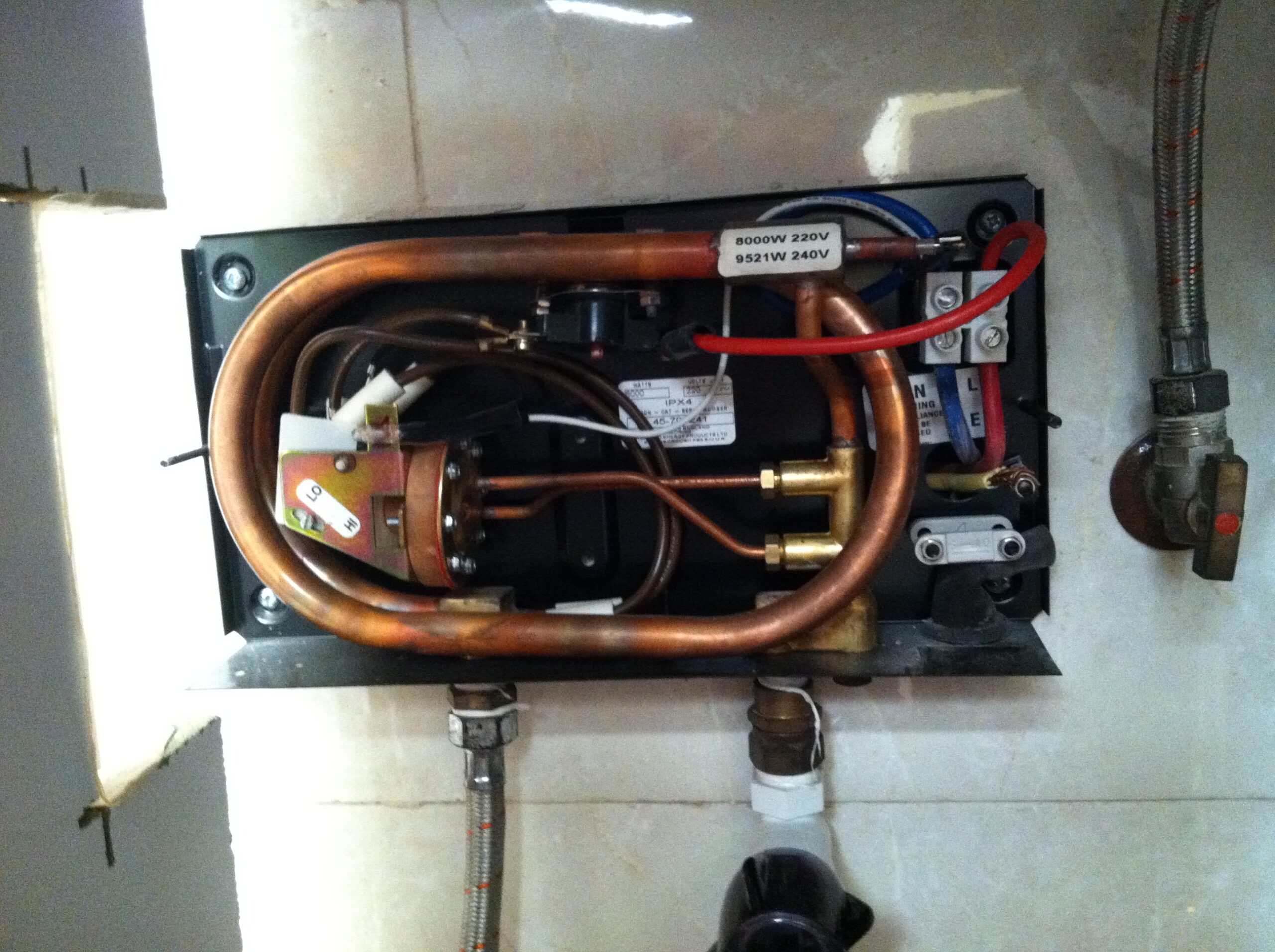

Most homeowners don’t think about their water heater until something goes wrong. It sits quietly in a utility room or basement, working every day without much attention. The problem is, when it does finally fail, the consequences can be far more serious than a cold shower.
Water heater failures cause an average of $4,444 in home damage, according to the Insurance Information Institute. Catching the warning signs early is not just practical. It can save thousands of dollars and prevent major disruption to your home.
Sign #1: Your Water Heater Is Getting Old
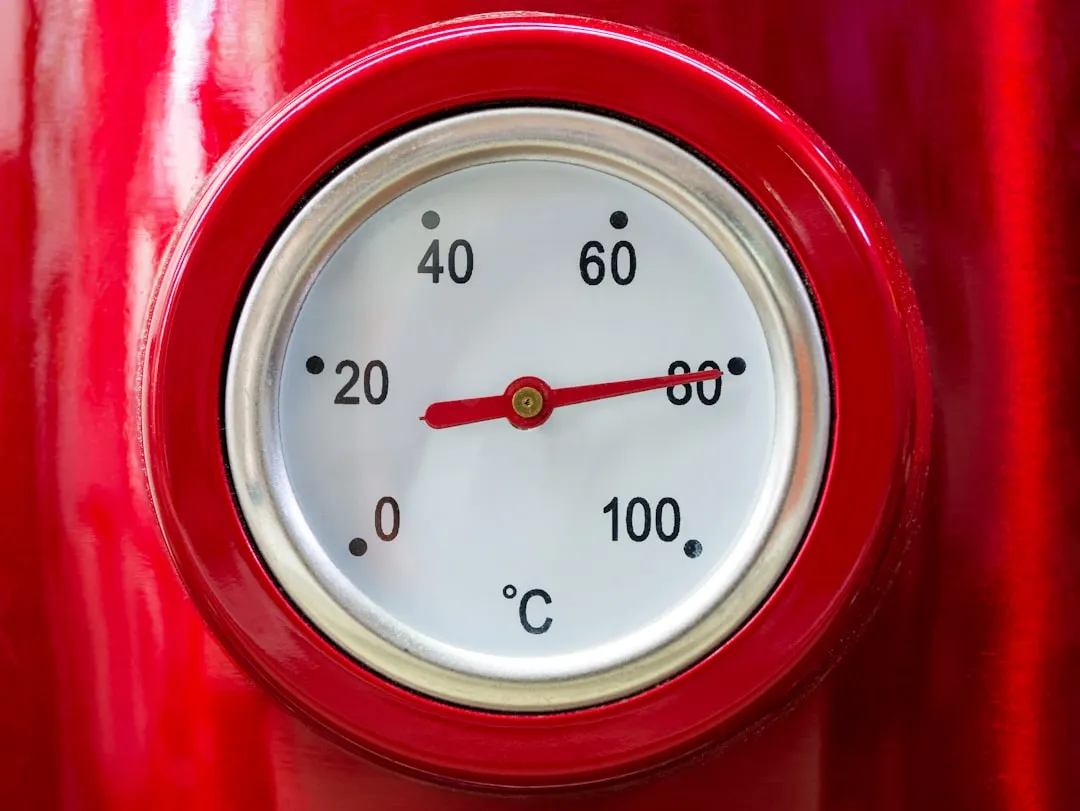
Age is the most reliable predictor of failure, and it’s one most homeowners overlook entirely. Most standard tank water heaters last 8 to 12 years, depending on water quality, maintenance, and usage levels. That’s not a lot of time, especially when these units tend to feel invisible until they stop working.
Electric water heaters tend to outlast gas models, with electric versions lasting 10 to 15 years, while gas heaters typically last 6 to 12 years. Tankless models fare much better over the long run. Tankless water heaters typically last 15 to 20 years, while traditional tank water heaters last 8 to 12 years, which is nearly double the lifespan.
Water heaters between 8 and 12 years old show increasing rates of tank failure with moderate to severe damage, and those over 12 years old fail catastrophically in the majority of cases because the tank steel is so corroded it tears rapidly once breached. If you’re not sure how old your unit is, you can determine the age of your water heater by checking the serial number on the manufacturer’s label, which typically includes the production date.
Sign #2: Inconsistent or Lukewarm Hot Water

One of the earliest and most noticeable signs of a failing water heater is inconsistent hot water. If your showers fluctuate between hot and cold, or if the hot water runs out much faster than it used to, the system may be struggling. It’s an easy symptom to dismiss at first, but it usually signals something more serious underneath.
If your hot water cycles between warm and cold, the thermostat may be wearing down. Electric water heaters often develop voltage or heating element problems, while gas water heaters may struggle with pilot light issues.
If the tank no longer keeps up with demand, sediment buildup might be covering the heating element inside the water heater. Sediment collects from minerals in the water supply and eventually reduces heat transfer. At that point, no amount of thermostat adjustment is going to fully fix the problem.
Sign #3: Rumbling, Popping, or Banging Noises from the Tank
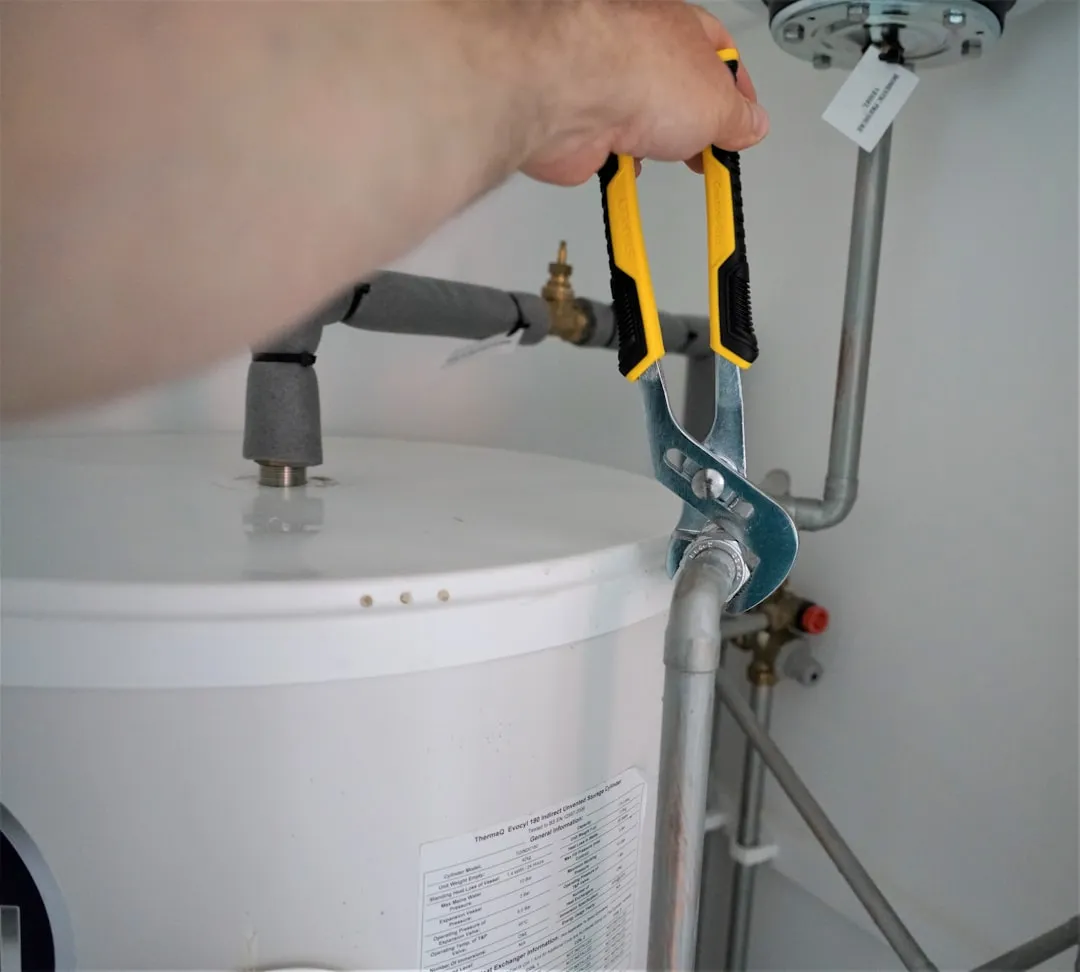
Strange noises are one of the earliest signs a hot water heater is going out. These noises include popping, banging, or even rumbling, and are usually caused by sediment buildup on the bottom of the tank. A quiet water heater is a healthy one. Once the noise starts, it’s asking for attention.
Sediment accumulation at the tank bottom traps water against the heating element. When this trapped water overheats and boils, it creates popping or rumbling sounds. Over time this sediment layer thickens and the overheating worsens.
Hard water contains dissolved minerals like calcium, magnesium, and lime. Every time water is heated, these minerals precipitate out and sink to the bottom of the tank. Over years, this creates a thick, concrete-like layer that causes overheating, reduced efficiency, strange noises, and eventually tank failure. Annual flushing of the tank can slow this process significantly, but once the damage is done, replacement is often the only real option.
Sign #4: Rusty or Discolored Hot Water
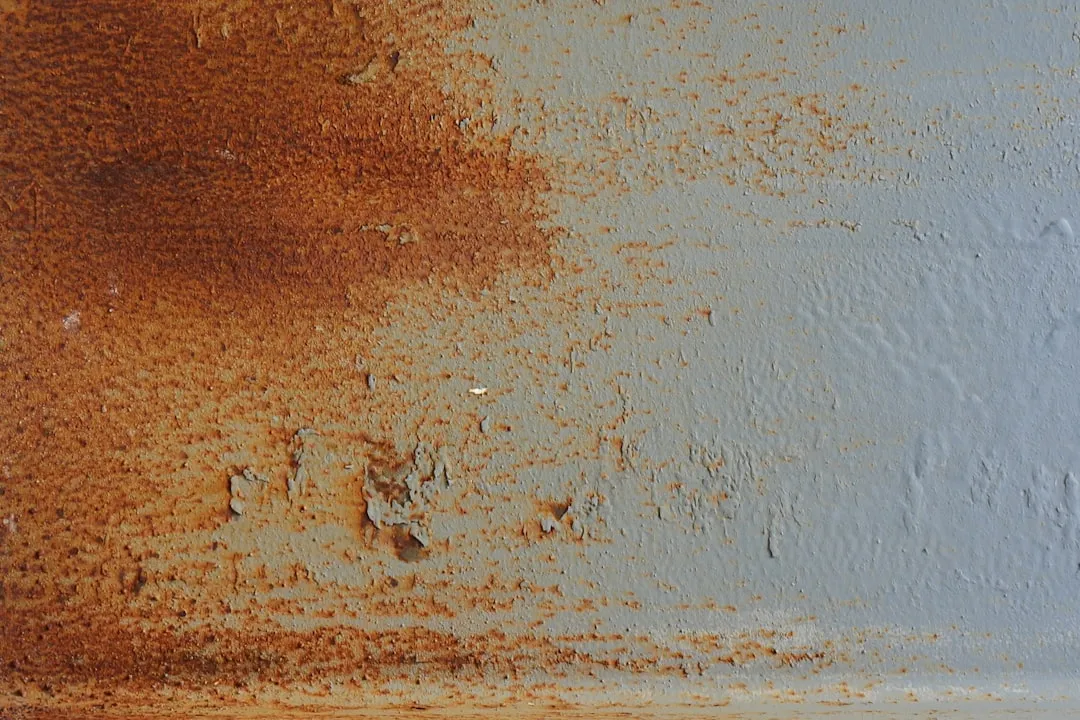
Rusty or discolored water coming from your hot water taps suggests the protective barrier has failed and tank corrosion has begun. The water might appear reddish-brown or have visible particles floating in it. This is not something to wait on.
The anode rod is your water heater’s unsung hero, a sacrificial metal rod that attracts corrosive elements in your water. It literally sacrifices itself to protect your expensive steel tank from rust and corrosion. If you start to notice that your hot water is yellow, discolored, or rusty, it’s a sign that the anode rod in your water heater tank is beginning to fail. The anode rod is responsible for protecting the interior of the tank from corrosion, so if it’s failing, it’s only a matter of time before the tank itself starts to rust.
Run your cold tap separately. If cold runs clear and hot runs rusty, your water heater is likely the source, not your pipes or well system. If both your hot and cold water are running discolored, the issue may be in your pipes or your well, and that’s a separate conversation. The simple test takes about 30 seconds and tells you a great deal. A water heater with internal rust is rarely worth repairing.
Sign #5: Visible Leaks or Moisture Around the Tank
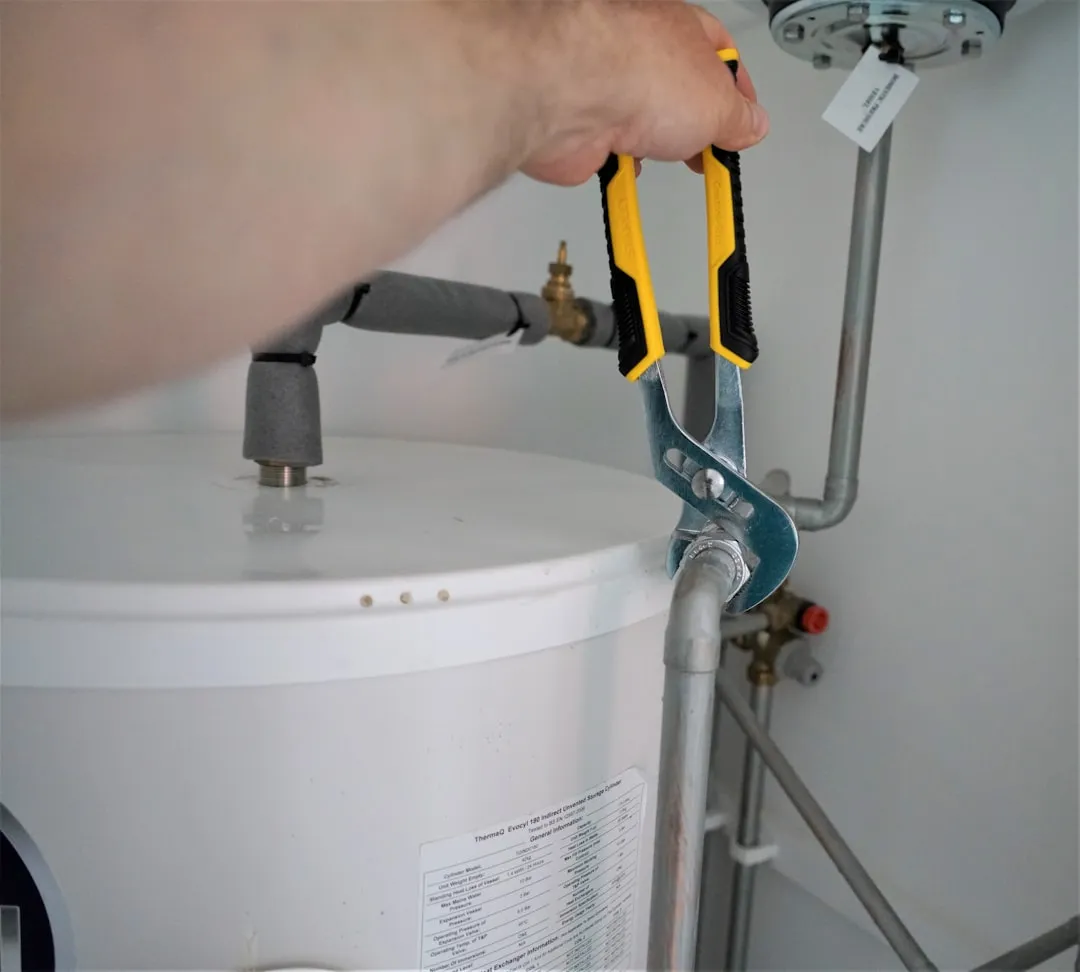
Water pooling around the base of your water heater is never normal and signals a problem that requires immediate attention. Leaks can stem from corroded tanks, loose connections, or faulty pressure relief valves.
If your hot water heater fails in a way that the plumbing or the unit gives out, it will continue to pump water into your living space until it is discovered and the main water supply valve is shut off. With water heater failure, upwards of 500 gallons per hour of water could get pumped into your home while you are at work. That figure alone makes early detection worthwhile.
Moisture or puddles near the base of your water heater can come from small cracks or loose fittings. Even minor leaks should be addressed quickly to prevent water damage. What starts as a small drip at a fitting can progress into a cracked tank over weeks or months, particularly in older units already stressed by corrosion and mineral buildup.
What Happens When the Pressure Relief Valve Fails
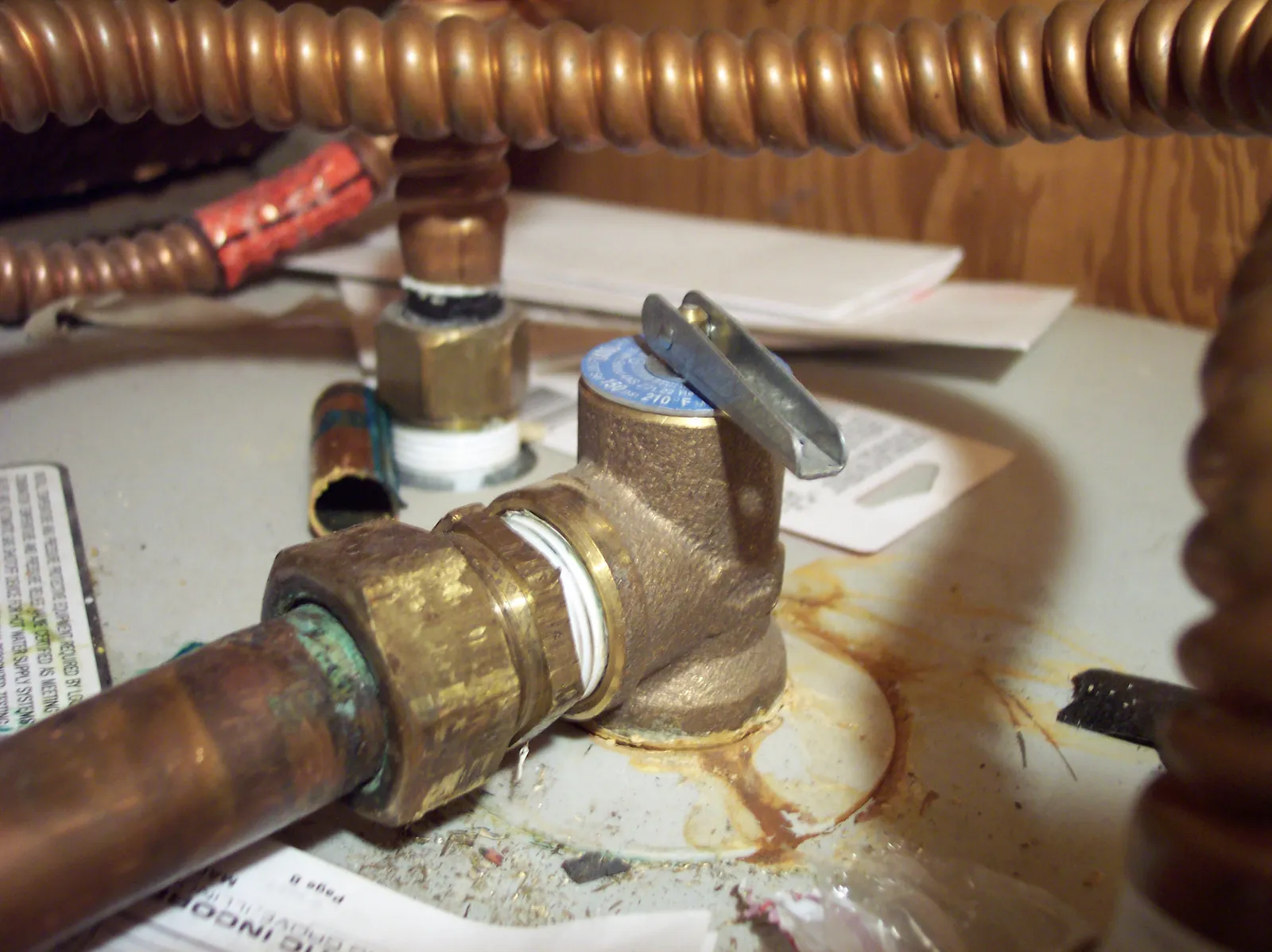
On a traditional water heater, the pressure relief valve allows water to escape when the pressure becomes too high. The valve doesn’t last forever and sometimes results in unnecessary leaking. As minerals accumulate or rust develops, the valve can fail.
In a properly functioning system, thermal expansion is safely managed by the temperature and pressure relief valve, which opens automatically when internal pressure exceeds a safe threshold, typically around 150 psi. The danger arises when this safety mechanism fails and pressure continues to build unchecked.
If a pressure relief valve doesn’t work at all, there’s potential for an explosion. There’s no other way for pressure to escape the system, so you should act quickly. This is one of those components that most homeowners never think to test, yet it’s one of the most critical safety features on the entire unit. If the valve leaks even under normal conditions, it may be defective or clogged. Hissing or whistling sounds near the valve often indicate pressure issues.
How Sediment Buildup Accelerates Failure
A buildup of sediment, salt, and corrosion on the water heater’s element can cause the element to heat up more than usual to make up for the sediment blockage. When this happens, the tank heats up so much that it expands and puts pressure on the water inside. Too much pressure in the tank will eventually spring a leak and burst.
Water quality is the single biggest factor in water heater longevity. Households in areas with hard water are at a measurably higher risk. The Water Quality Association notes that dissolved calcium and magnesium salts are among the primary causes of scale buildup in pipes and water heaters, leading to reduced efficiency and shortened equipment life.
If you ignore these signs, sediment continues to build up, stressing your hot water heater’s heating element. Eventually, it will fail, causing leaking or ceasing to operate altogether. You can extend the longevity of your water heater by scheduling regular flushing of your water tank with a plumbing professional.
Rising Energy Bills Without Explanation
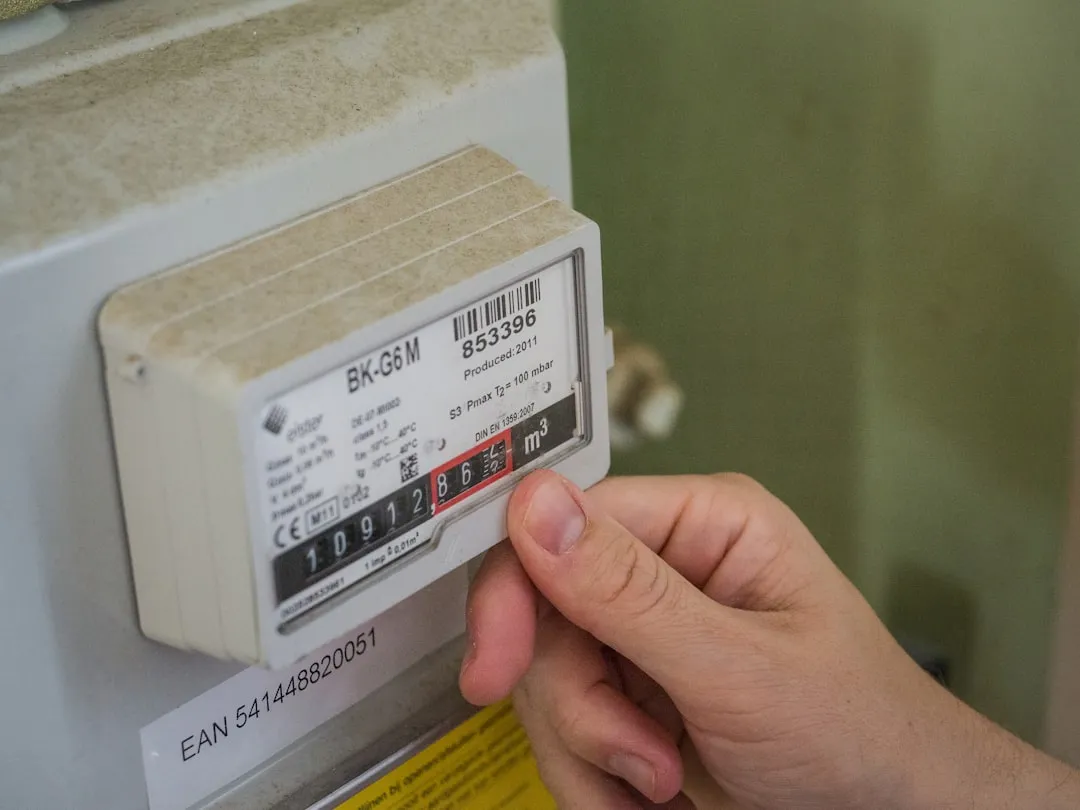
When a water heater starts to decline, it doesn’t just affect hot water output. It also quietly drives up your monthly energy costs. The U.S. Department of Energy’s water heating guidance notes that water heating accounts for approximately 18 percent of home energy use, making efficiency degradation in aging units a measurable cost factor independent of mechanical failure.
Older systems often require significantly more energy to produce hot water. Sediment acts as an insulating barrier between the heating element and the water, forcing the unit to work harder and run longer to reach the same temperature. Unusually high water or energy bills with no change in usage are a known sign that something is wrong with the unit.
Early replacement saves 15 to 30 percent on energy bills with modern, efficient units. If you’ve ruled out other household changes and your utility bills are climbing steadily, the water heater is a reasonable place to start investigating.
The Smell of Rotten Eggs or Sulfur

A rotten egg smell in your hot water is a classic sign that something is wrong. The anode rod is reacting with sulfur bacteria in the water, creating hydrogen sulfide gas. It’s unpleasant and, depending on concentration, potentially harmful to breathe in enclosed spaces.
While the most common bad anode rod symptoms include a rotten egg smell and inconsistent water temperature, other indicators are worth noting. A metallic taste in your water could suggest a corroded anode rod. And if your water appears rusty or muddy, it might also be due to an anode rod issue.
A metallic taste or smell in your hot water indicates metal dissolution. You are literally tasting the corrosion happening inside your tank. This often appears before visible discoloration. That means the smell and taste can serve as an early alert, giving you a small window to act before visible damage sets in.
Frequent Repairs That Keep Adding Up
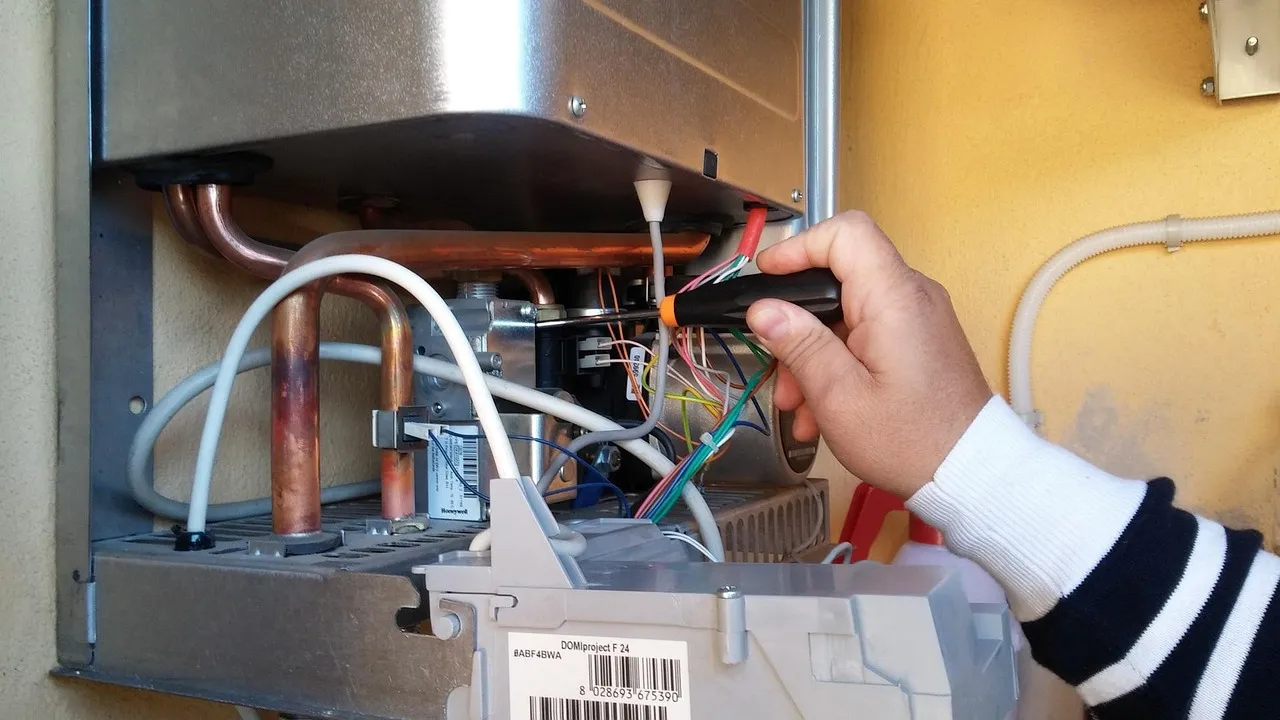
Needing repairs more than once a year is often a sign the unit is nearing the end of its lifespan. Ongoing fixes can add up quickly and may no longer be cost-effective. At some point, repairing an old unit is like patching a tire that’s already lost its tread.
If the repair price exceeds 50 percent of replacement cost, water heater replacement is usually the smarter financial choice. This is a practical rule of thumb that many plumbing professionals apply when advising homeowners. Replacing ahead of a complete failure, such as a flood or total breakdown, saves stress and often money, since emergency installations cost extra.
Replacement is rarely an emergency decision if you’re paying attention. A basic tank water heater, typically 40 to 50 gallons, costs $600 to $2,500 installed, with the wide range reflecting tank size, fuel type, and local labor rates. Planned replacements almost always land at the lower end of that range compared to rushed ones.
When to Call a Professional Instead of Waiting
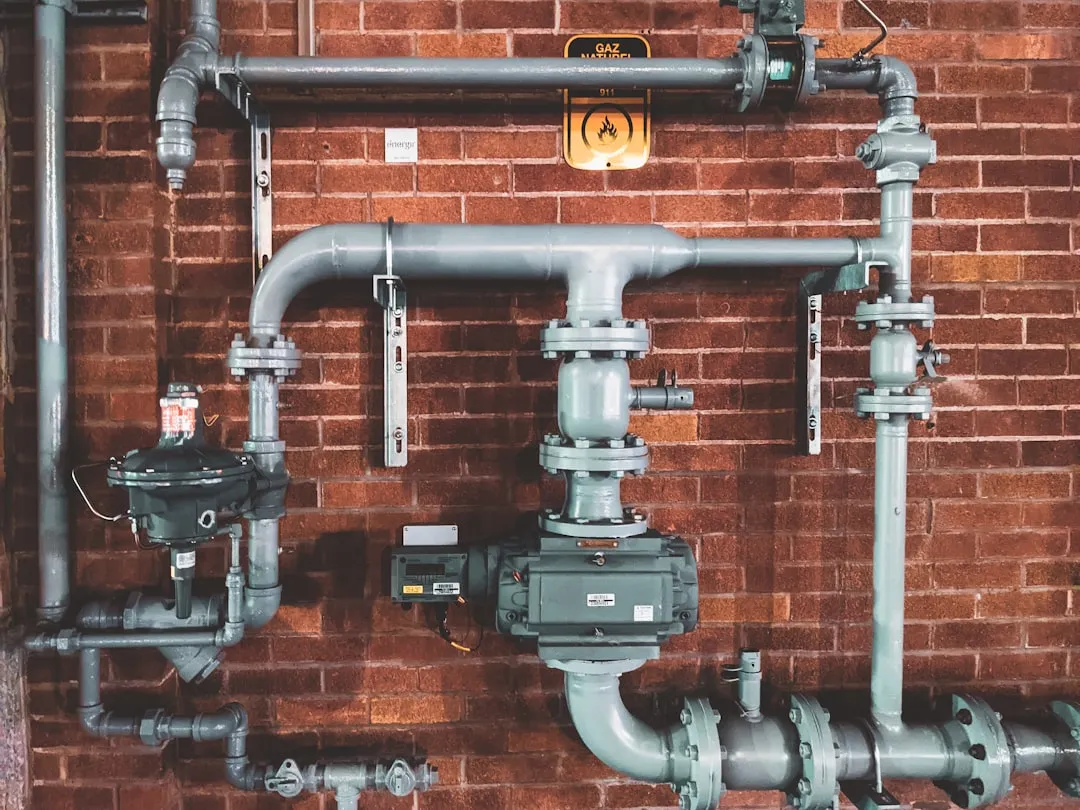
A water heater rarely fails without warning. Paying attention to small changes can help you address minor issues before they become major problems. The challenge is that most of the warning signs described above develop gradually, making it easy to normalize them over time.
Roughly 50 to 60 percent of water heater failures cause minimal or no property damage beyond needing unit replacement. These include slow leaks caught quickly and component failures without leaking. About 25 to 30 percent cause moderate damage requiring $2,000 to $8,000 in repairs, and about 15 to 20 percent cause severe damage exceeding $8,000. The difference between those outcomes often comes down to how quickly a homeowner acts on early signals.
Delaying professional help or attempting complex DIY repairs can lead to further damage and increased costs. If you’re seeing two or more of the signs covered here, especially in a unit older than ten years, a professional inspection is the logical next step rather than something to postpone.
The Takeaway
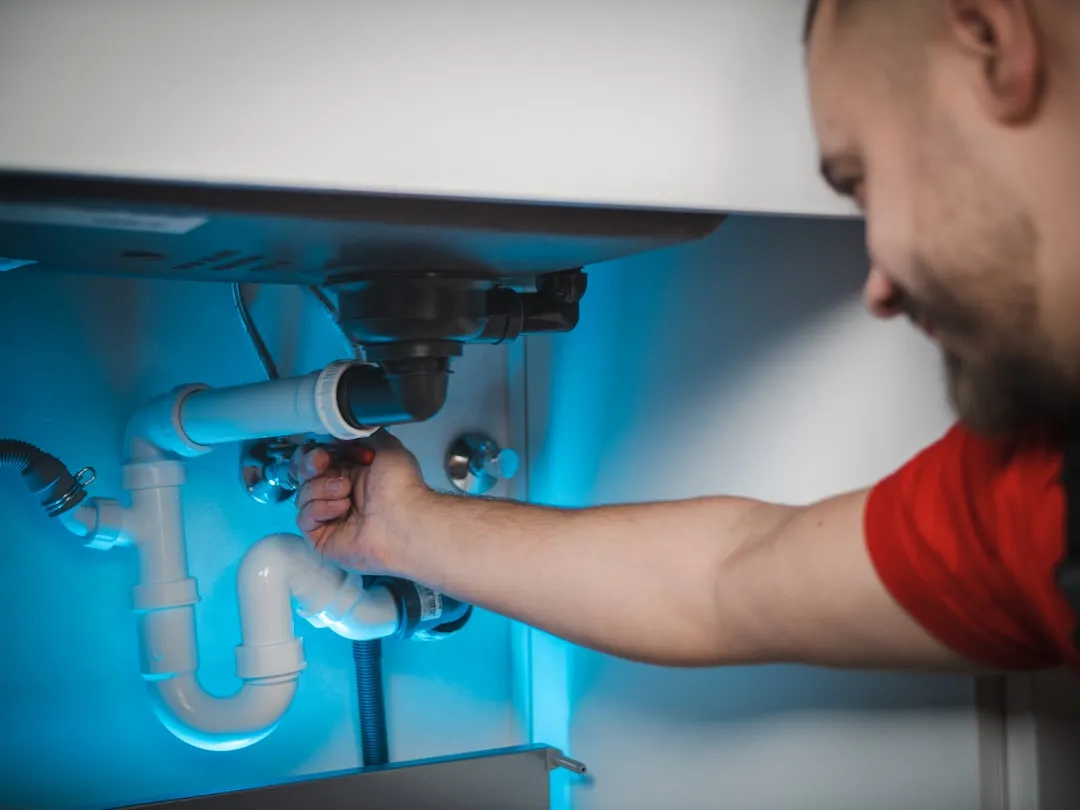
Water heaters do a quiet and thankless job until the day they don’t. The signs of impending failure, whether that’s strange noises, discolored water, a creeping energy bill, or visible moisture near the base, are almost always there ahead of a serious breakdown. The unit is communicating. The question is whether you’re listening.
Most of these warning signs are manageable and affordable when caught early. The same problems, left unaddressed for months, can turn into flooded rooms and emergency replacement calls on a Sunday night. Regular awareness and a professional check every few years go a long way toward keeping that from happening.
AI Disclaimer: This article was created with the assistance of AI tools and reviewed by a human editor.