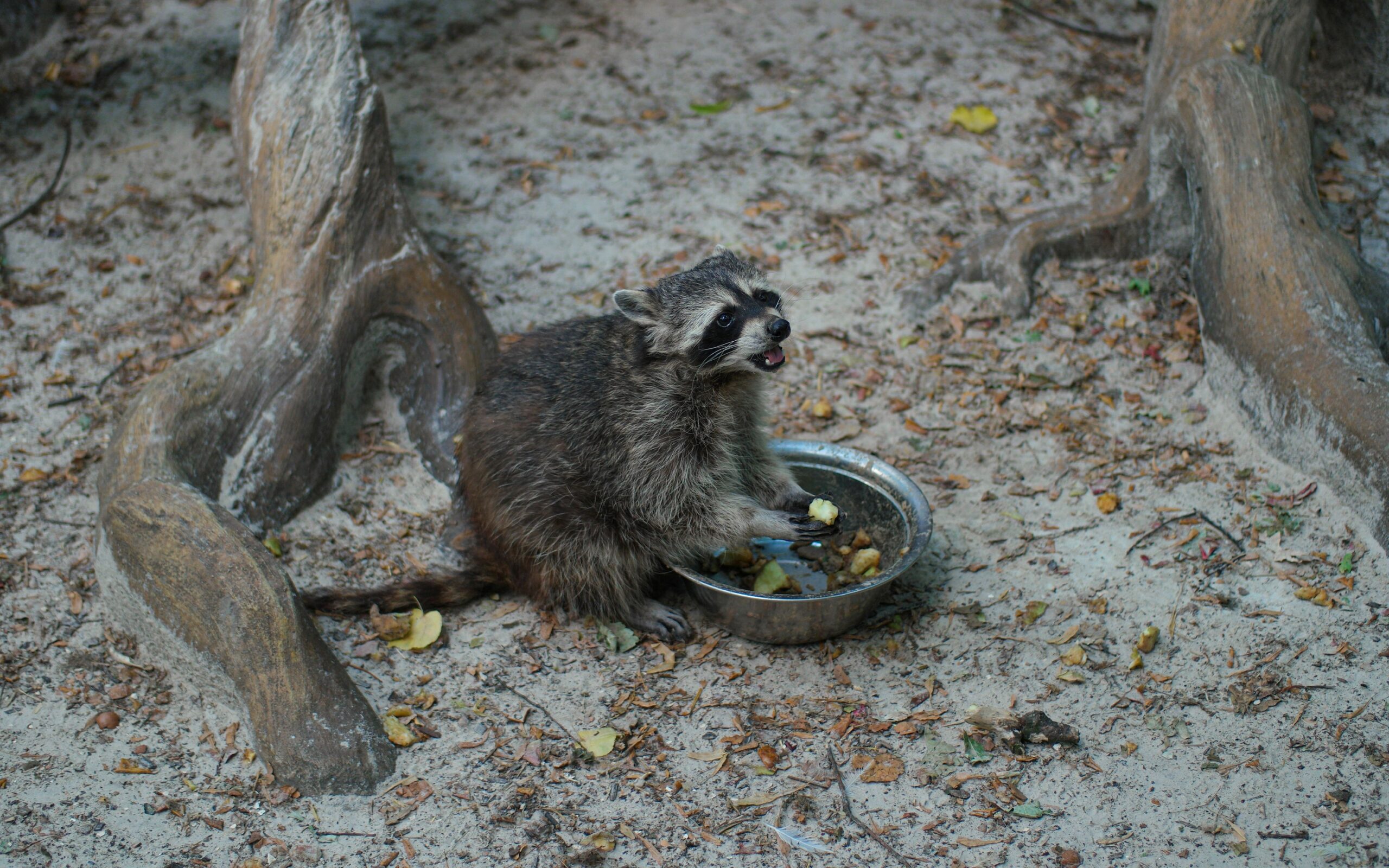

Most homeowners spend a fair amount of time thinking about what’s happening inside their homes. Walls, roofs, basements. What often gets overlooked is the shadowy gap just below the deck boards or behind the lattice skirting of a porch. For a surprising number of wild animals, that gap is basically a five-star lodging option.
Wild animals aren’t aware they’re trespassing. They only know there’s an entry hole that leads somewhere warm, dark, and quiet. For species like opossums, raccoons, foxes, skunks, and woodchucks, a porch or deck forms a ready-made roof that offers shelter and protection from danger. The signs they leave behind are real, and knowing what to look for can save you a significant headache later on.
Sign 1: Scratching and Scurrying Sounds, Especially at Night
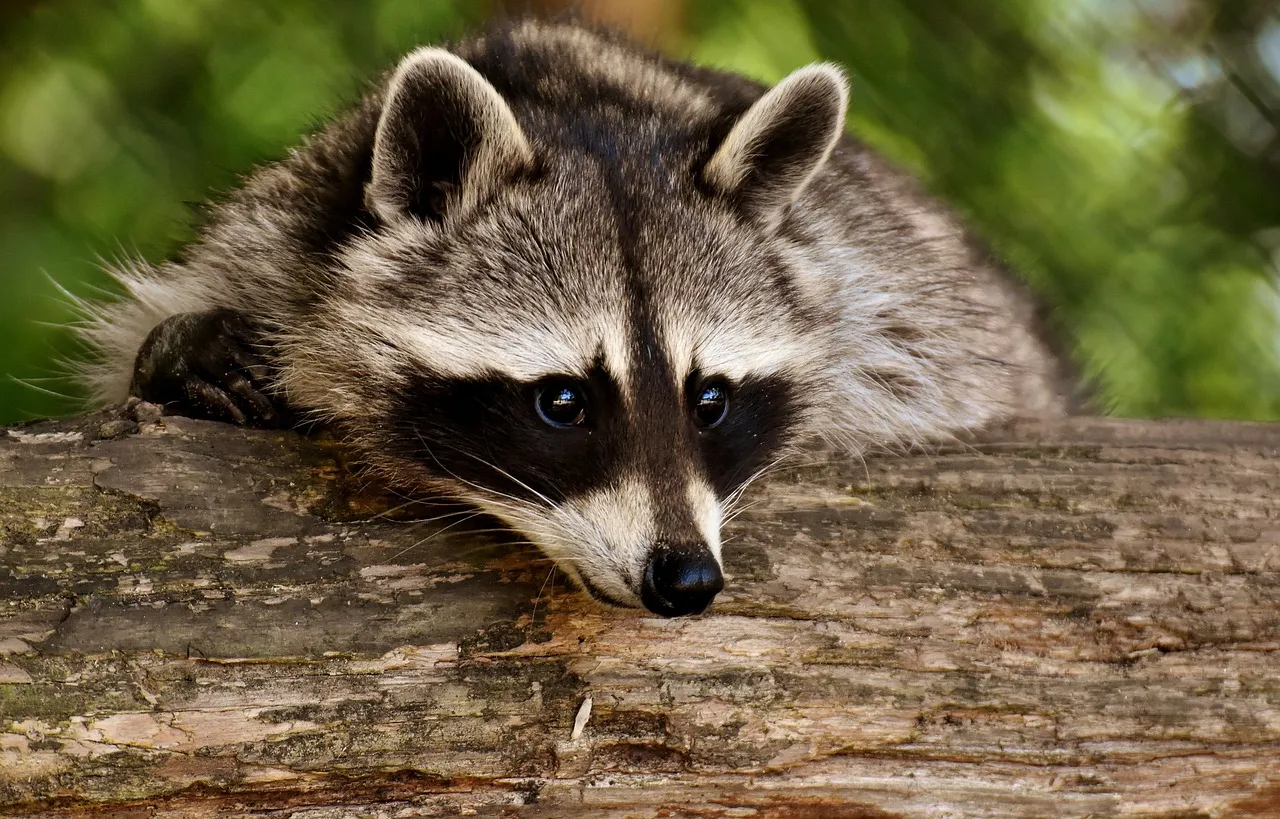
Warm, dark, and quiet places are a magnet for many different kinds of animals. Scratching, scurrying, and banging sounds underneath your porch or in walls that back onto your porch can be a warning sign that something has made itself at home. These sounds tend to be most obvious in the early morning or late at night when the household is quiet.
Raccoons, opossums, woodchucks, skunks, rats, chipmunks, and mice are opportunistic creatures that like to hide or burrow underneath decks and porches, particularly during colder weather or in spring when nesting is needed for birth. Timing matters here. If the sound is consistent and seasonal, an animal has likely set up a proper den rather than simply passing through.
The best time to listen for these pests is early morning or late afternoon when they are most active. Skunks are nocturnal, meaning they’ll be hiding in sheltered areas throughout the day and only emerge after dark. So don’t assume silence during the day means the space is empty.
Sign 2: Visible Holes, Burrows, or Disturbed Soil Near the Foundation
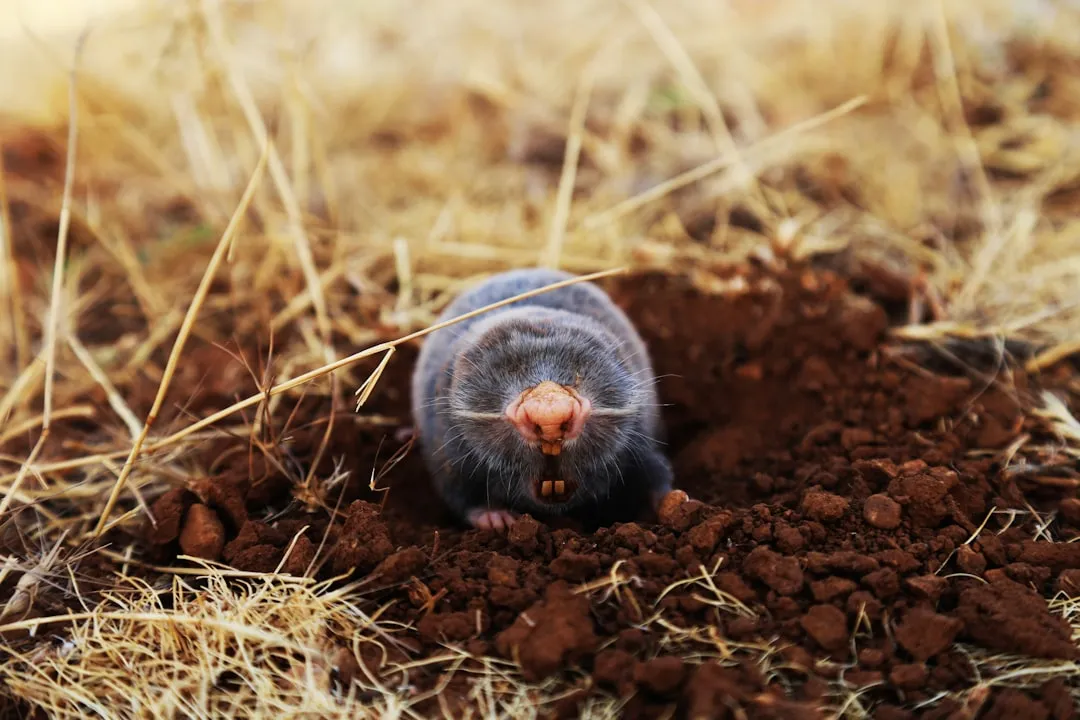
Visible holes or burrows near the foundation are a direct sign that wildlife has moved in. Some animals dig these themselves, while others exploit existing gaps that have widened over time through weathering or wood rot. Either way, fresh excavation around the base of a structure is worth taking seriously.
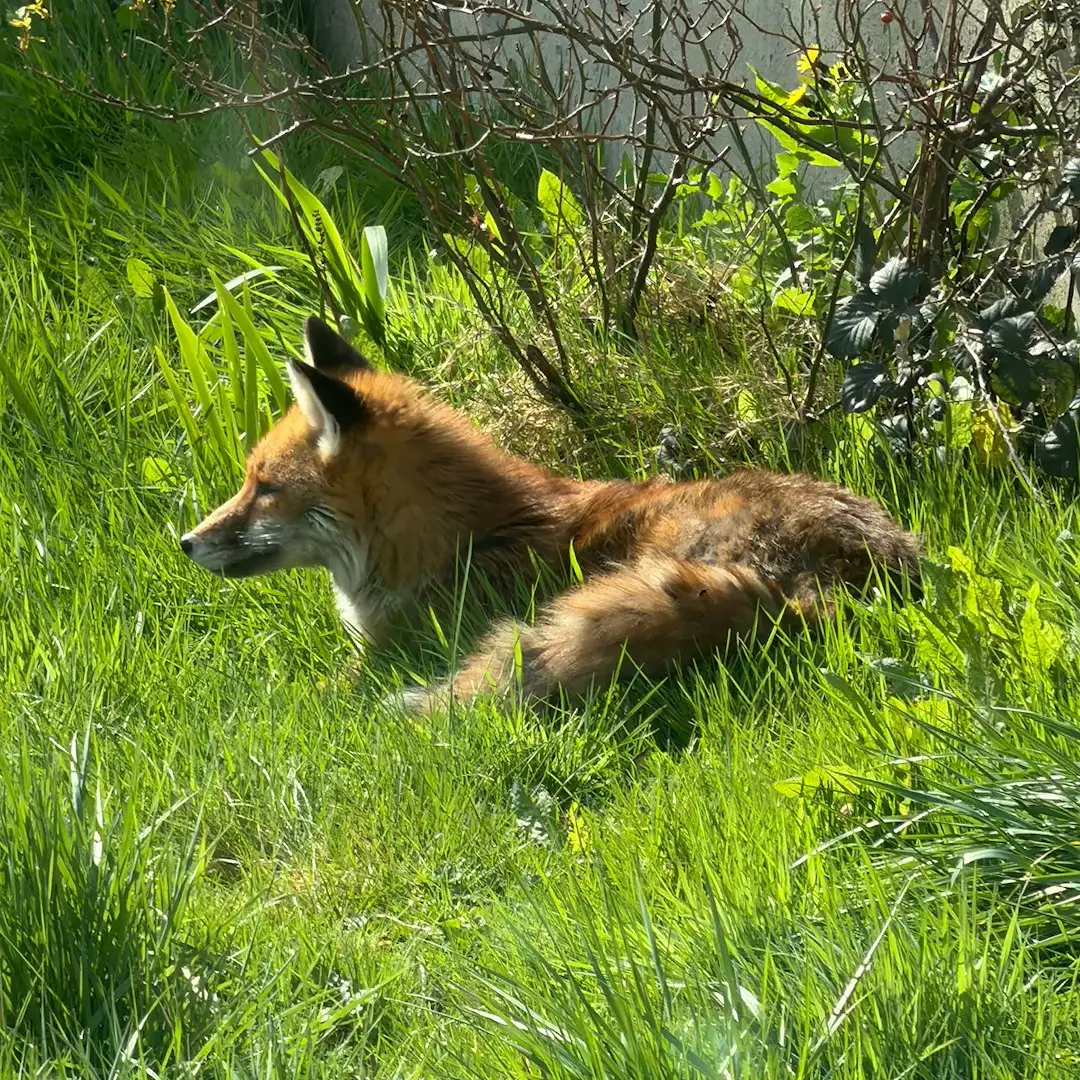
Skunks, woodchucks, and foxes may dig a burrow in the soil under the deck or porch. The entrance to these burrows is often wider than you’d expect and may have loose, disturbed dirt piled to one side. A freshly dug hole with no vegetation around it is a reliable indicator of recent and active use.
Using a flashlight to examine underneath your deck, porch, or shed is a practical first step. If unsure whether a pest is still present, tear a wad of paper or place sticks and leaves over holes and gaps. If those materials are disturbed within a day or two, something is actively coming and going.
Sign 3: Animal Droppings or Urine Smell Around the Deck’s Perimeter
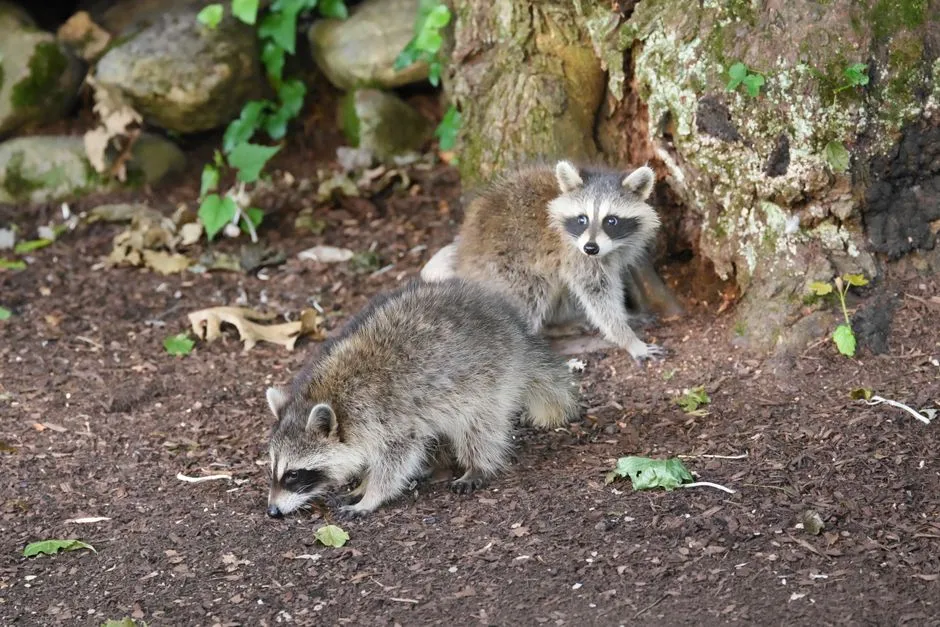
In many cases, it’s signs around the entry point, such as animal feces, scavenged food, or other debris, that suggest a wild animal is living below rather than just the sounds themselves. Droppings are one of the most reliable pieces of evidence, and they can also help you identify which species you’re dealing with.
Unlike other animals, raccoons establish community latrine areas where they repeatedly deposit feces in flat and raised areas such as corners or sides of porches and decks. This habit makes their presence particularly easy to spot. A concentrated pile of dark, tubular droppings in the same corner day after day is a strong raccoon indicator.
Finding these animals anywhere near your home can mean there are animal droppings and urine nearby, which can spread harmful diseases. Raccoons in particular pose serious health and safety risks, carrying diseases transmissible to humans and pets, and their accumulated droppings can create hazardous sanitary conditions if left unaddressed.
Sign 4: Strong or Unusual Odors Drifting Up Through the Deck
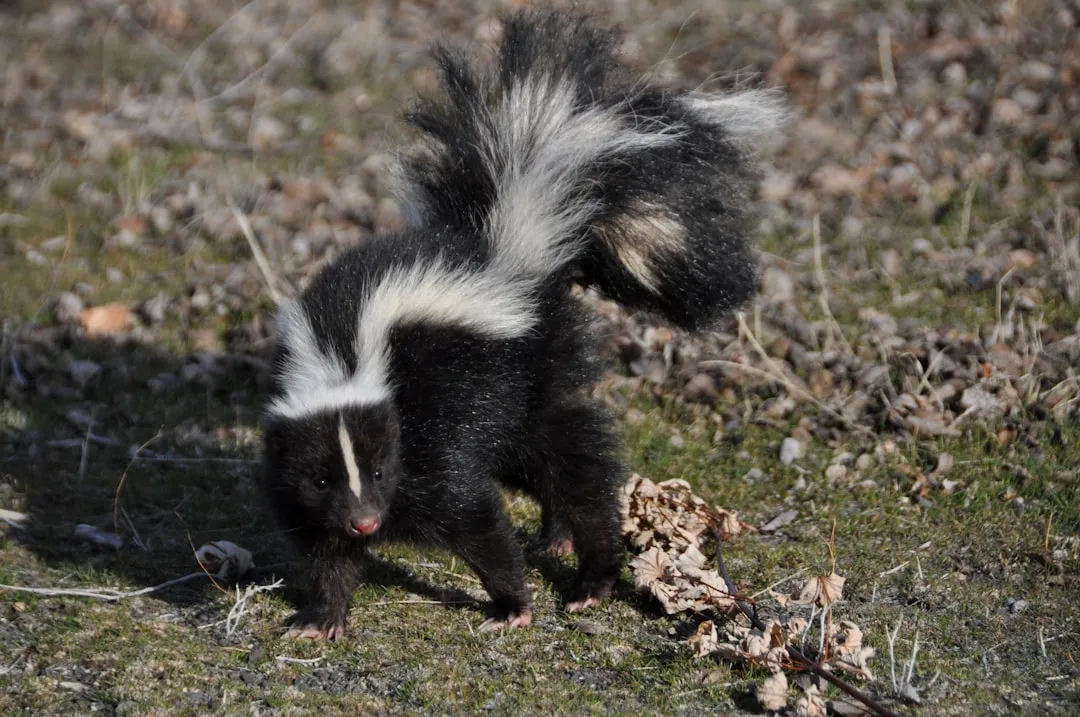
Strong odors, especially with skunks, are a clear sign of denning activity. If you’re dealing with a skunk under the porch, you may also smell their spray, which is a clear signal to stay back. Even without a direct spray event, the musky scent of a resident skunk will gradually permeate the surrounding area and eventually drift upward through deck boards.
A skunk’s spray can be detected up to 1.5 miles away, so imagine how potent it would be if it sprays in a crawl space. The smell could last for months, and each time it rains, the horrible odor becomes reinvigorated. That persistent, weather-activated smell is a useful diagnostic tool even if you’ve never seen the animal itself.
Other species also leave their mark through odor. Raccoon latrines, decaying food caches, and accumulated urine from any denning species can produce a thick, musty smell that becomes more noticeable during damp weather. If your deck area consistently smells worse after rain, something organic is almost certainly decomposing or accumulating beneath it.
Sign 5: Scratch Marks, Torn Materials, or Chewed Edges Around Entry Points

Scratch marks or droppings around the deck area are among the most commonly noted signs of wildlife activity. Scratch marks appear at ground level near entry points, on wooden boards close to soil, and sometimes higher up on lattice or skirting where an animal has repeatedly pushed through. Fresh scratches look lighter than the surrounding weathered wood.
You may find materials like newspaper, clothing, plants, or other paper materials from your trash scattered in your yard or near decks or porches, as well as other damage such as chewing through walls for raccoons. Nest-building behavior often pulls in whatever organic material is nearby, and finding shredded debris underneath or around a structure is a reliable sign.
Pests such as chipmunks, woodchucks, rats, and mice can gnaw away at electrical wiring and insulation, causing significant damage to a home’s foundation. Damage to electrical wiring from rodents, squirrels, and raccoons is one of the most common causes of house fires with unknown origins, and the National Fire Protection Association reports that rodents cause roughly a fifth to a quarter of fires where investigators cannot find a specific cause.
Why Animals Choose Decks and Porches in the First Place
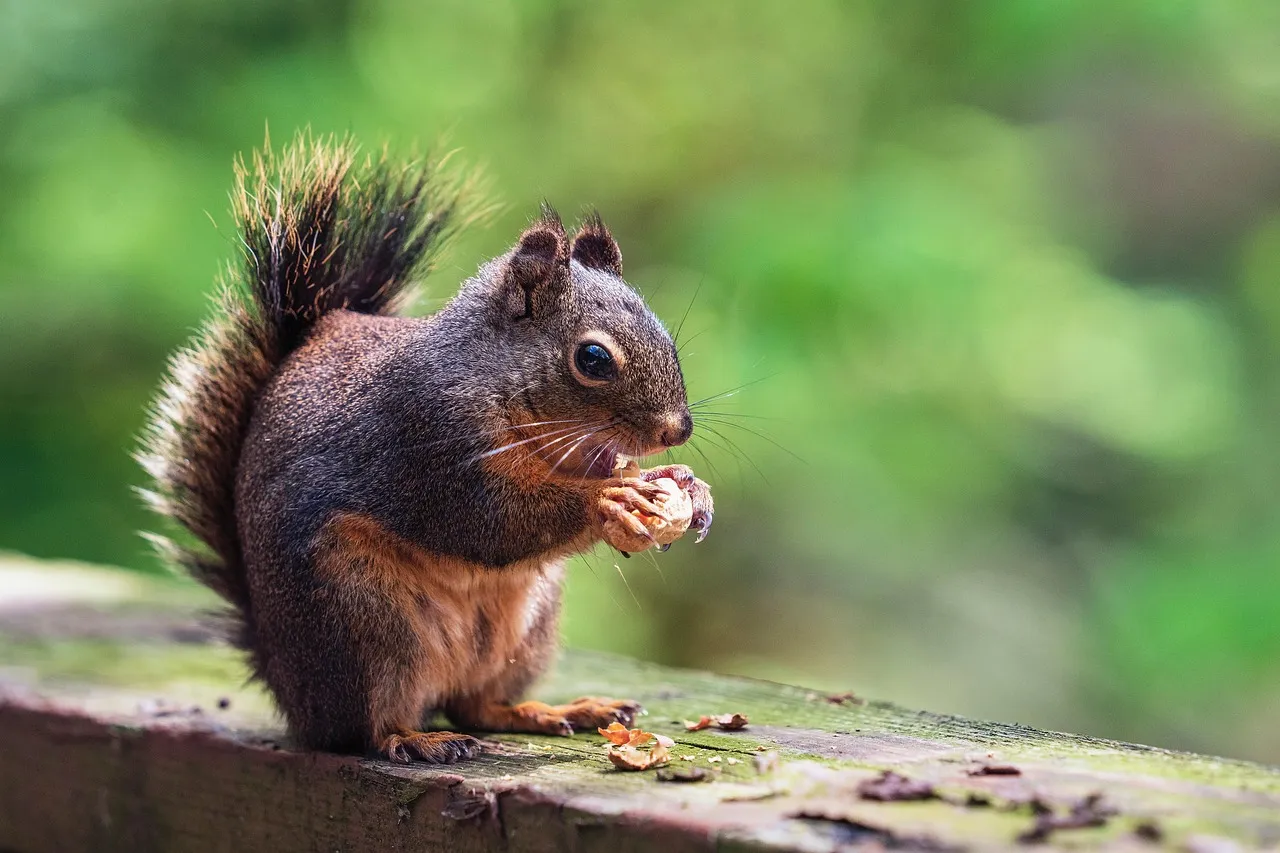
The natural instinct for many species is to look for a dark, confined space where they can give birth and raise their young, naturally seeking out caves or cavities between tree roots in the wild. Residential decks and porches replicate those conditions almost perfectly, offering overhead shelter, ground-level concealment, and a relatively stable microclimate year-round.
Many species that can burrow their own holes can be found in the cavities beneath a deck, shed, or porch. These spaces replicate the kind of environments animals would naturally seek in the wild, and since many of these species are also scavengers, the presence of food sources such as garbage or domestic pet food nearby can be an extra bonus.
Wildlife tends not to live under decks, sheds, and porches when crawl space areas are open and let in a lot of light. Enclosed, dark spaces with limited ventilation and minimal human foot traffic are strongly preferred. This is worth keeping in mind both when identifying a problem and when planning preventive measures.
Which Animals Are Most Commonly Found Denning Below Structures
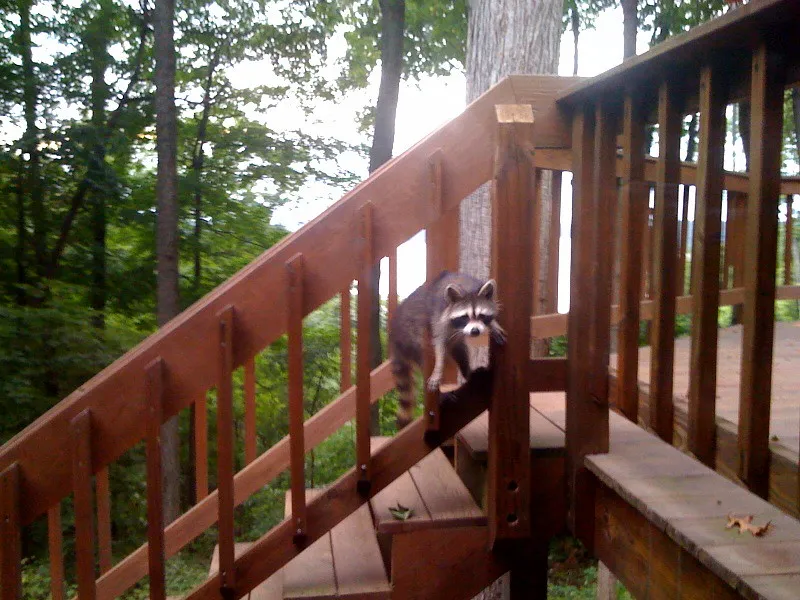
Wildlife professionals receive countless calls regarding wildlife problems under decks, with raccoons, groundhogs, skunks, opossums, foxes, and feral cats being the most common culprits. Each species has somewhat different habits and leaves slightly different evidence, which is why identifying the specific animal before acting is important.
Raccoons and opossums usually like to curl up as far back from the edge as they can get. Groundhogs and woodchucks, on the other hand, tend to be more ambitious excavators, sometimes digging substantial tunnel systems that can undermine the soil supporting deck posts over time.
In urbanized landscapes, coyotes have been observed utilizing human-made features such as denning in dry culverts, overturned boats, and under decks as substitutes for natural features. Recent research found that coyotes did not avoid human structures when denning in urban areas, and conflict instances with humans increased during pup-rearing season and when dens were located nearby. Coyotes are less common than raccoons but represent a more significant safety concern for small pets.
The Seasonal Pattern: When Denning Is Most Likely

Animals are particularly motivated to burrow underneath decks, porches, or sheds due to colder weather or during spring when nesting is needed for birth. These two windows, late fall into winter and early spring, account for the majority of new denning activity. Monitoring your property during these periods is time well spent.
Wildlife officials have noted an increase in bears denning under houses and decks due to increasing development, as well as greater human presence in bear habitats. If residents discover a den during denning season, which runs from October to April, wildlife agencies advise contacting a local wildlife helpline or district biologist for guidance.
Spring is particularly active because females with young are actively seeking secure, enclosed spaces. Disturbing a nest during this period can be counterproductive, and in many jurisdictions, relocating certain species during breeding season is regulated or prohibited entirely.
The Risks of Leaving the Situation Unaddressed

Finding animals near your home can mean there are animal droppings and urine nearby that can spread harmful diseases. Pests such as chipmunks, woodchucks, rats, and mice can also gnaw at electrical wiring and insulation, causing significant damage to a home’s foundation. These aren’t minor inconveniences, they’re compounding problems that get more expensive the longer they’re left alone.
Many animals will defend their den aggressively, meaning bites and scratches are a real risk for anyone attempting DIY removal. Raccoons, skunks, and opossums can also carry rabies and other diseases. Additionally, trapping or relocating animals without a license may be illegal depending on your state.
If a raccoon gets into a crawl space, it will tear up and compress insulation, damage wiring, destroy ducts, and use the space as a latrine. What begins as a single animal seeking warmth can escalate into a costly structural repair situation within a single season.
What to Do Once You’ve Confirmed Wildlife Activity
The first step is to make sure nothing is still living under the deck, porch, or shed. Never secure an opening until you are certain that animals are no longer present. Sealing an animal inside is both inhumane and counterproductive, as a trapped animal will cause significantly more damage trying to escape.
Removing all sources of food from your yard, especially pet food and treats, is an important deterrent step. Encircling the bottom of your porch with fencing is also an effective prevention measure. A hardware cloth barrier should extend from the deck wall to three or four inches below the ground and then outward at least twelve inches to prevent animals from digging underneath.
Removing wildlife from tight, dark spaces can be dangerous, and many animals will defend their den aggressively. Consulting a licensed wildlife control professional is generally the safest and most legally sound approach, particularly when young animals may be involved or when the species in question carries disease risk.
Final Thoughts
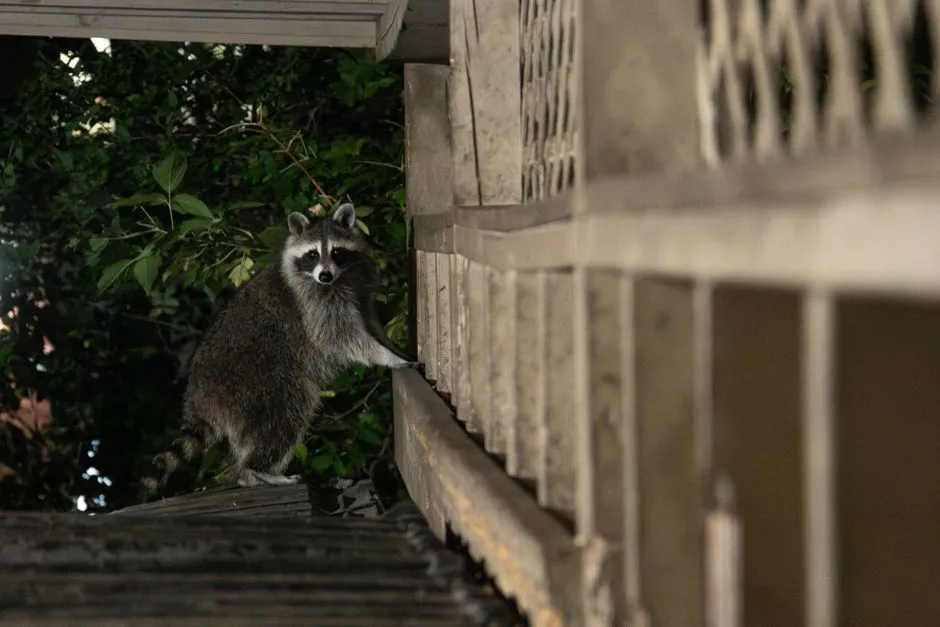
The space under a deck or porch looks unremarkable from the outside, but to a raccoon or groundhog, it’s prime real estate. The five core signs to watch for, unusual sounds, fresh burrows, droppings, persistent odor, and chewing damage, each tell a consistent story about what’s happening below the surface.
Catching the problem early, before a temporary visitor becomes a permanent tenant with offspring, makes every subsequent step easier and less costly. A brief inspection with a flashlight each season, particularly in early spring and late fall, takes very little time and can head off months of compounding trouble.
Wildlife doesn’t intend to be a nuisance. It’s simply doing what evolution built it to do. The gap under your deck looks like shelter, and shelter is exactly what it needs. Understanding that dynamic, rather than reacting with alarm, is the most useful starting point for anyone trying to resolve the situation humanely and effectively.
AI Disclaimer: This article was created with the assistance of AI tools and reviewed by a human editor.