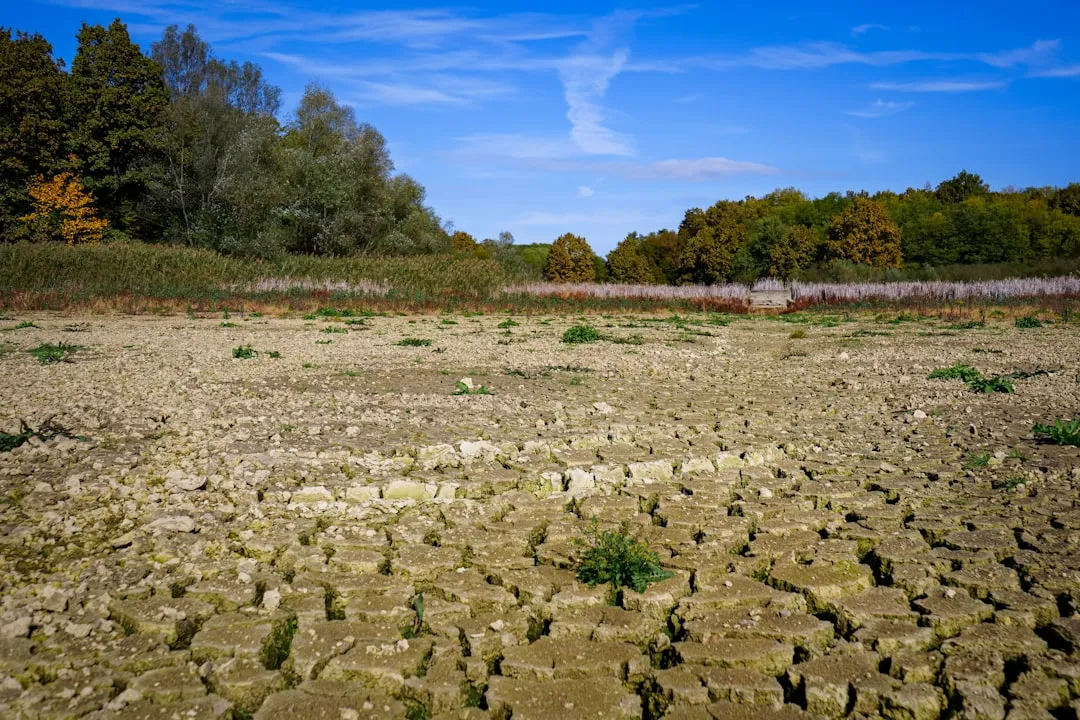

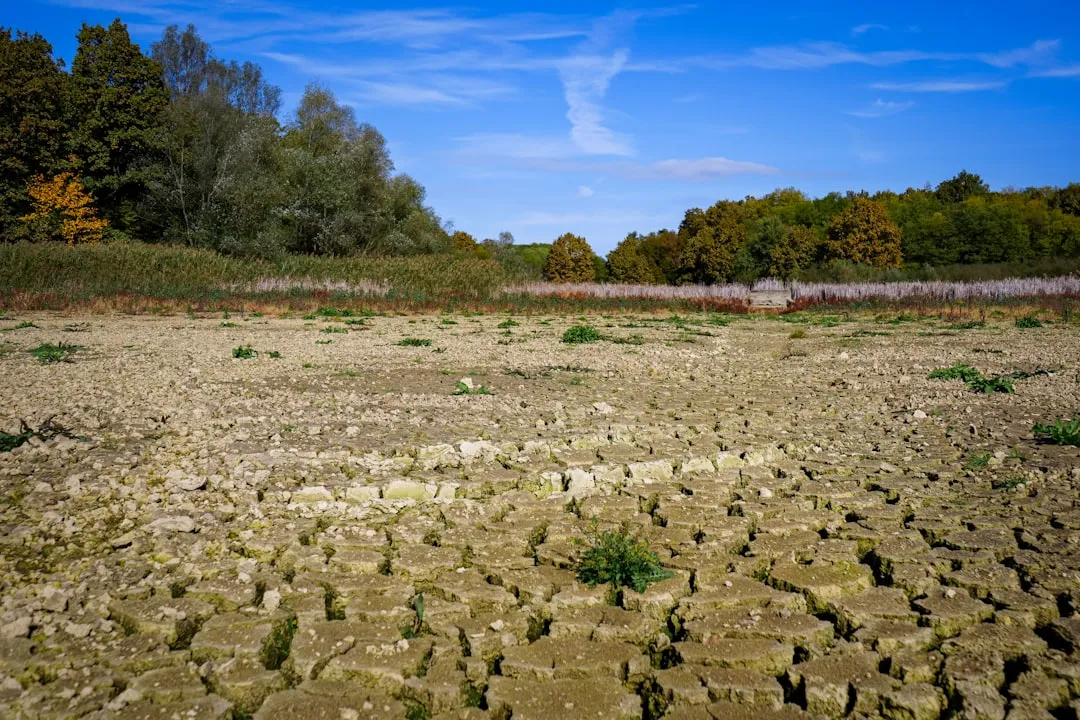
Most farmers lose sleep over a dry spell. A week without rain, and conventional crops begin to wilt, struggle, and eventually fail. Yet across arid landscapes from sub-Saharan Africa to the high Andes, certain plants just keep going. They draw water from depths other roots can’t reach, close their pores to conserve every drop, and bounce back after conditions that would wipe out a wheat field entirely.
The world faces mounting challenges due to climate change, and one of the most pressing issues is the increasing frequency and severity of droughts. With large agricultural regions becoming more susceptible to water scarcity, food security is at risk, particularly in regions that depend on rain-fed agriculture. Drought-resistant crops present a promising solution to this issue, offering a way to sustain agricultural productivity even under extreme drought conditions. The five crops below aren’t just survivors. They’re genuinely remarkable.
1. Sorghum: The Ancient Grain Built for Heat and Drought
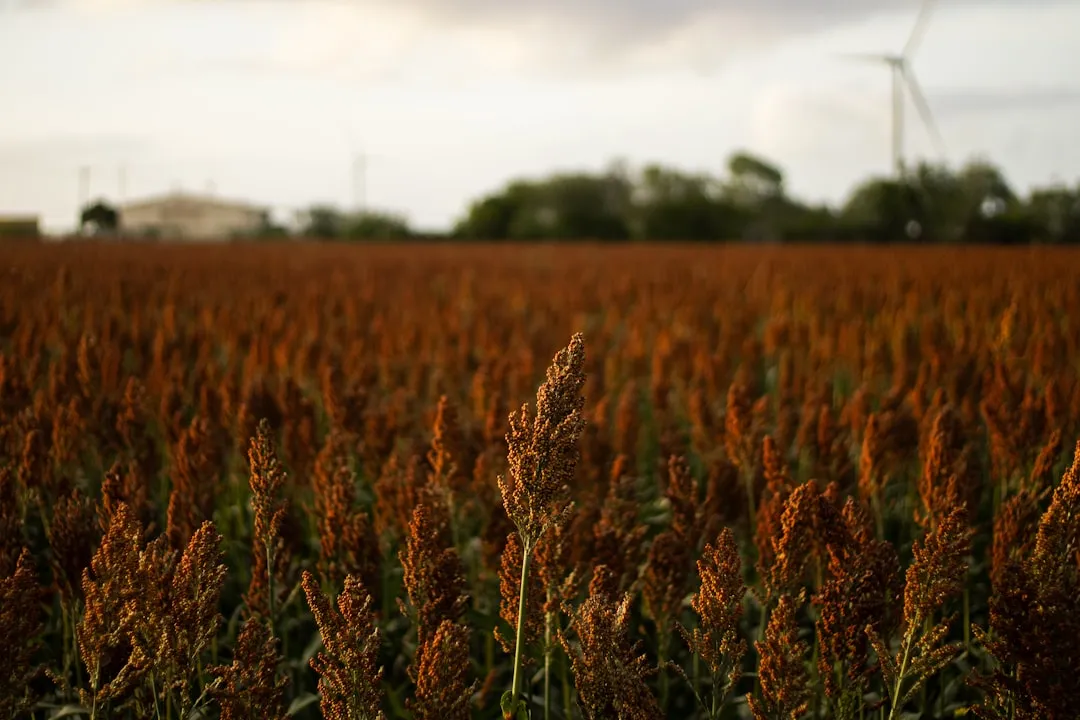
Sorghum has always been a drought crop. It’s one of the reasons it became a staple across sub-Saharan Africa and the semi-arid regions of Asia. Modern breeding is pushing its resilience considerably further.
Sorghum is a staple food crop in many parts of Africa and Asia. It is highly resilient to drought due to its deep root system and ability to reduce water loss through leaf modifications. Sorghum is used for food, animal feed, and biofuel production.
Bill Rooney leads what is likely the largest public sorghum breeding programme in the United States at Texas A&M, and his team is working on three interconnected priorities: stay-green drought tolerance, lodging resistance, and nitrogen use efficiency. Stay-green, the ability of a plant to maintain green tissue and physiological function during and after grain fill, is one of sorghum’s most valuable drought traits.
Alongside drought tolerance, Rooney’s team is also improving nitrogen use efficiency and a trait called biological nitrification inhibition, where compounds released by sorghum roots suppress soil bacteria that convert nitrogen into nitrous oxide, a potent greenhouse gas. It’s an example of how drought-tolerance breeding increasingly intersects with broader sustainability goals.
2. Cassava: The Drought, War, and Famine Crop
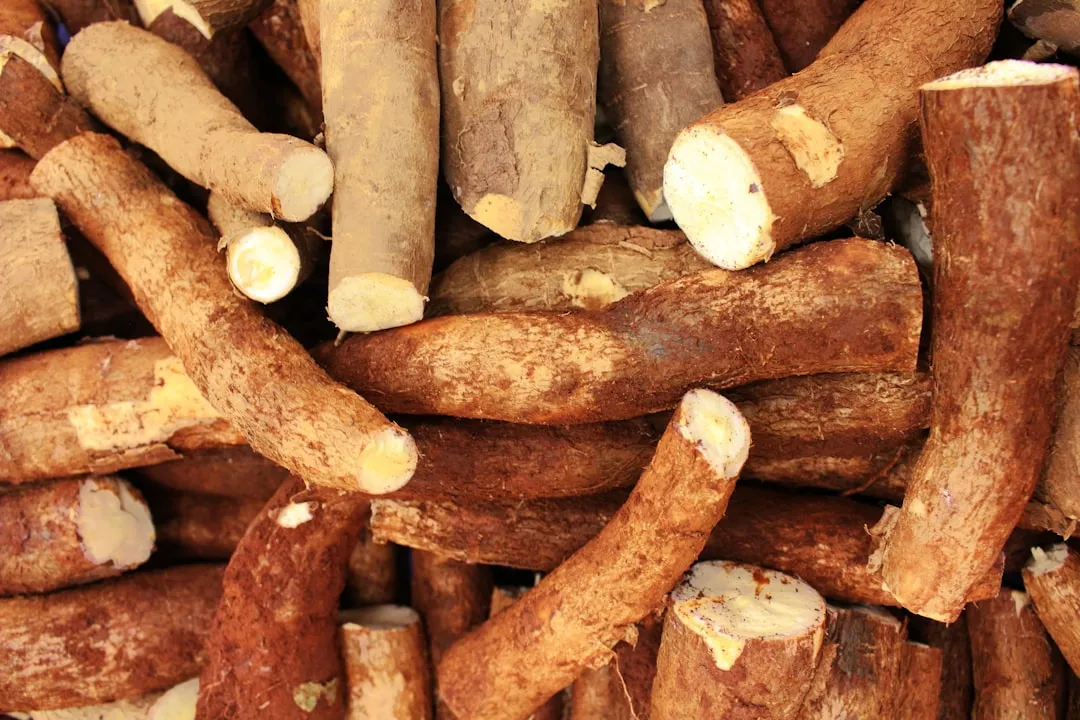
Cassava is sometimes referred to as the “drought, war, and famine crop of the developing world.” Cassava withstands difficult growing conditions and long storability underground makes it a resilient crop, contributing to food security. Low input requirements, tolerance to drought, the capacity to grow in marginal soils and long-term storability of the roots in the ground make cassava a resilient crop for food and nutritional security.
Cassava is one of the most important crops in global food security. It is the second most important staple crop in Africa. Its significance is enhanced by the fact that it very well tolerates droughts, and therefore it may be a prospective response to climate change in hot and dry areas.
Studies in controlled environments indicate that cassava stomata close in response to slight decreases in leaf water status and maintain leaf water potential at values near those of well-watered controls. This is associated with rapid and large increases in abscisic acid (ABA). Also, as stress continues, a substantial fraction of leaves abscise, thereby decreasing transpirational surface area and further conserving water during stress periods.
Among the crops, cassava is the third largest source of carbohydrates in the tropical region after rice and maize. It is a major staple food in the developing world, which has the capacity to provide a basic diet for over half a billion people. Worldwide cassava production amounted to 315 million metric tons in 2021, out of which Africa’s share was about 65%.
3. Sweet Potato: The Climate Champion That Keeps Producing
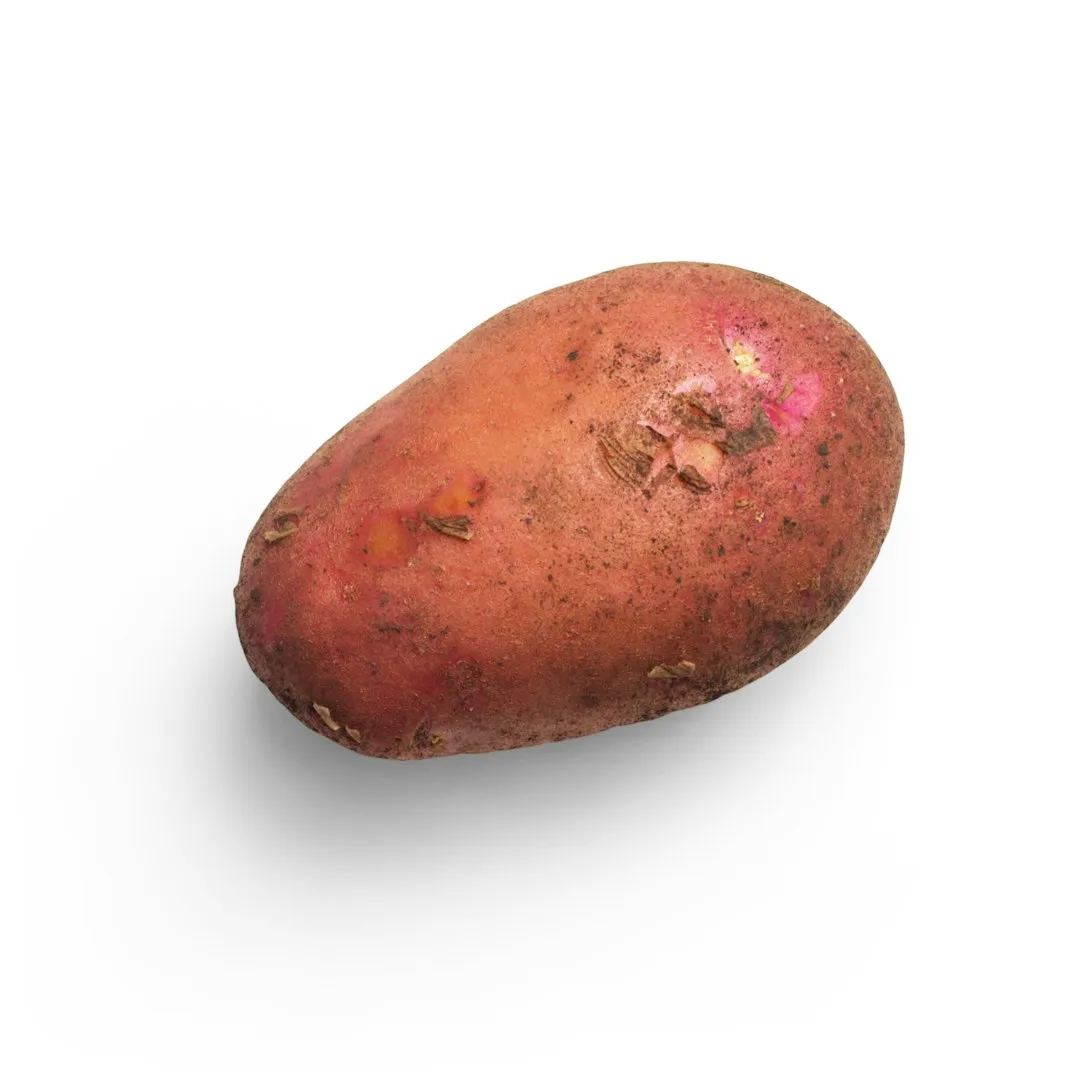
Sweet potatoes are climate champions, demonstrating exceptional tolerance to both drought conditions and high concentrations of moisture. The tubers penetrate compacted soils better than most crops, accessing water below the surface level. Modern varieties developed by North Carolina State University exhibit improved disease resistance while maintaining their natural heat-resilience. As moisture content in soil fluctuates in shifting climate patterns, disease-resistances are increasingly important.
Sweet potatoes are tolerant to high-temperature soils with low fertility, and are also not severely impacted by crop pests. They can also be cultivated more sustainably, as less chemical fertiliser is required to make them grow.
Studies on sweet potatoes show promise in their ability to recover from drought. They resume growth after drought periods that would permanently damage other crops. Combined with growing consumer demand and relatively stable pricing, sweet potatoes are a well-rounded option.
Researchers at the International Potato Center (CIP) have developed a biofortified sweet potato that grows abundantly, withstands drought and disease, and offers high micronutrient content.
4. Pearl Millet: The Climate-Smart Crop of the Sahel
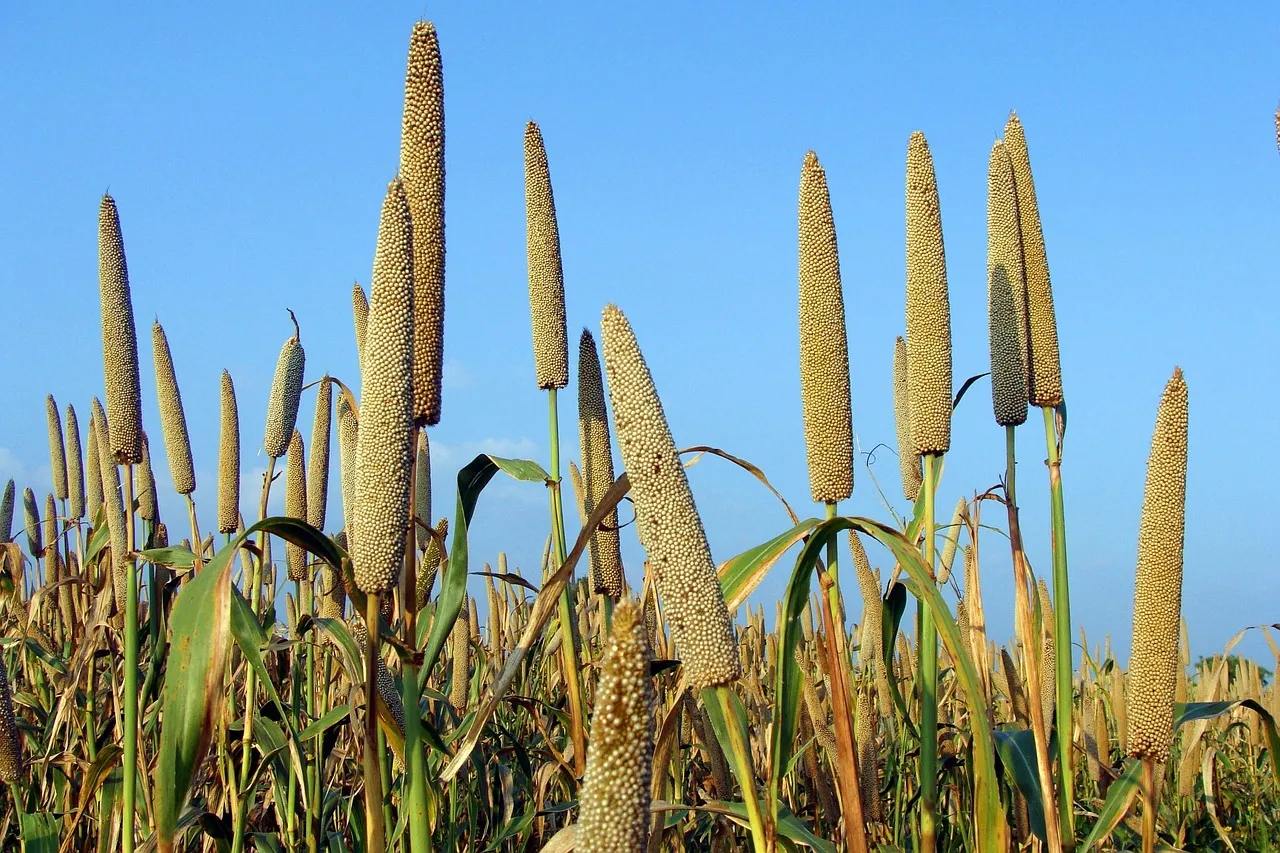
Pearl millet is one of the most produced and consumed cereal crops in Sub-Saharan Africa. This climate-resilient crop is often called a climate-smart crop. During its reproductive phase, it thrives under all adverse environmental conditions such as salinity, drought and extreme heat.
Unlike crops such as wheat, rice and corn, millets can grow in drought conditions, and with low levels of rainfall or irrigation. Millet, particularly pearl millet, also has a high tolerance to heat stress and can survive in temperatures of up to 42°C.
Sorghum and millets are gluten-free, nutrient-rich food crops with a low glycemic index. These grow in marginal areas prone to drought where water-intensive major crops sometimes fail to grow.
The Food and Agriculture Organization of the United Nations (FAO) declared 2023 as the International Year of Millets to coordinate agricultural research across continents to scale up the production of alternative nutritious crops and foods. That kind of institutional recognition doesn’t happen by accident. It reflects decades of field evidence pointing to millet as one of the most genuinely reliable dry-condition crops on earth.
5. Quinoa: The Andean Survivor That Tolerates Almost Everything
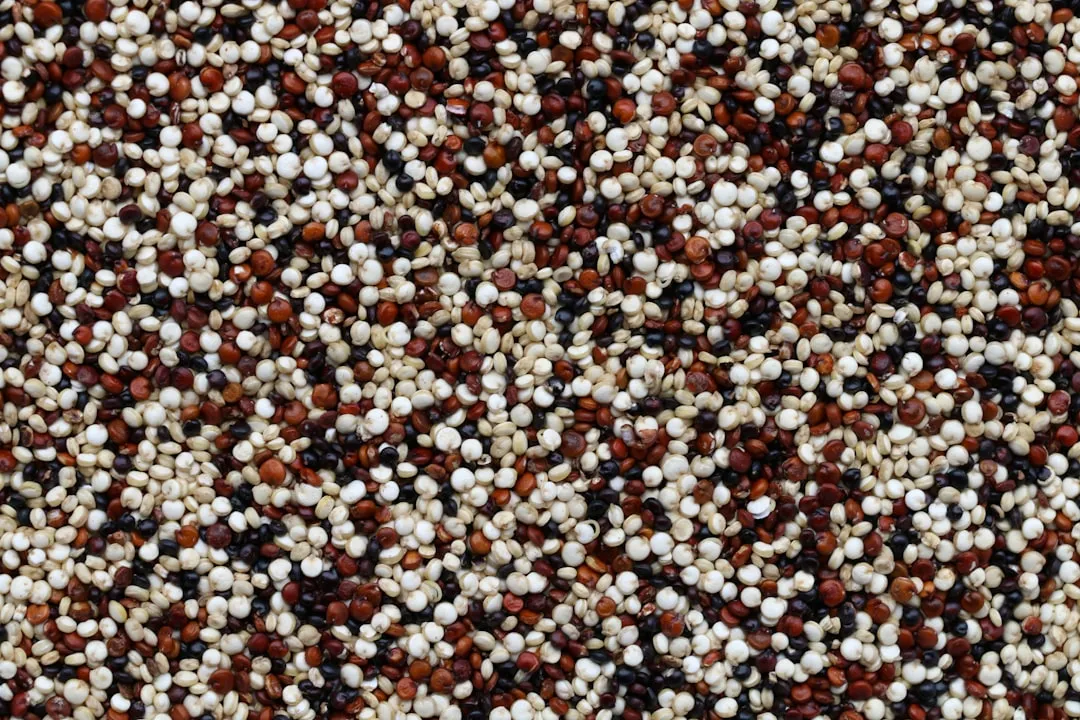
Quinoa is resilient and can be harvested in unfavorable climatic conditions such as frosts and droughts. The crop is also known for its ability to tolerate water with elevated salt levels.
Originally from the Andes, quinoa is gaining global popularity due to its high nutritional value and ability to withstand harsh growing conditions, including drought. That origin matters. The Andes are a place of temperature extremes, high altitude, poor soils, and unpredictable rainfall, a natural proving ground for resilience.
Quinoa displays remarkable tolerance to poorer soils, a growing problem in many agricultural regions due to changing precipitation patterns and rising water tables. Its versatility in the marketplace provides stable marketing channels that help buffer against market volatility.
Varieties like ‘Oro de Valle’ and ‘Brightest Brilliant’ are suited for large-scale farms, respond well to mechanical harvesting, and demonstrate consistent performance in varying conditions, maturing in 90 to 120 days. For smaller farms, ‘Cherry Vanilla’ and ‘Red Head’ varieties offer excellent drought resistance.
What Makes These Crops Different from the Rest?
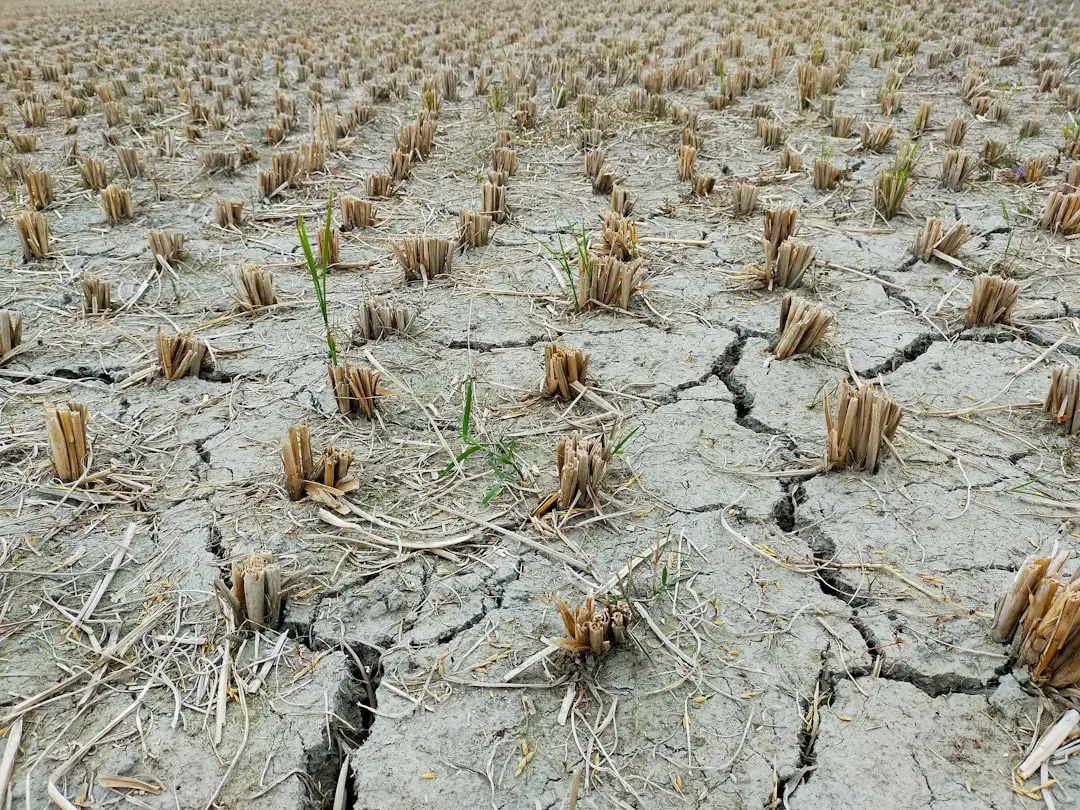
Drought resistance isn’t a single trait. It’s a combination of mechanisms that allow a plant to survive, and ideally still produce, when water is limited. These include deep root systems that access moisture lower in the soil profile, physiological traits that reduce water loss through leaves, the ability to maintain growth during stress periods, and recovery capacity after drought ends. The most drought-resistant crops tend to combine several of these.
The development of deeper root systems in crops under drought conditions plays a crucial role in enhancing their drought resistance, as they enable plants to access water stored in deeper soil layers. This adaptation mechanism allows plants to explore a larger soil volume and extract water from deeper reservoirs, significantly contributing to their resilience to water scarcity.
The Role of Modern Breeding and Biotechnology
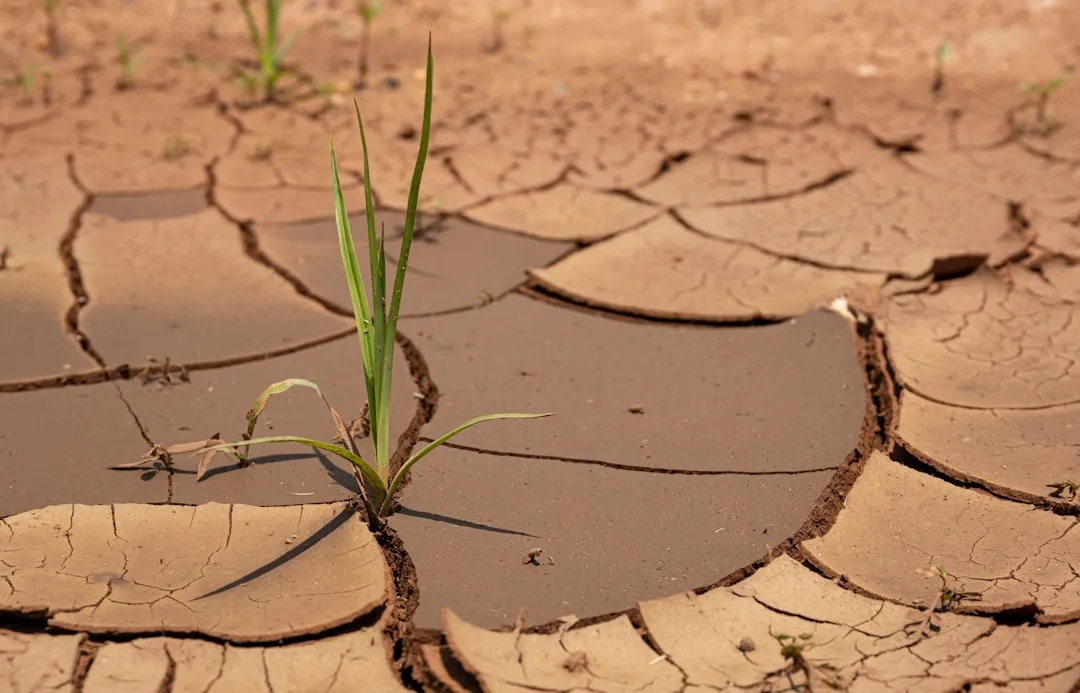
Modern breeding programmes use marker-assisted selection, genomic selection, and increasingly AI to identify and stack drought-tolerance traits faster than traditional field methods ever could.
Advancements in plant breeding and biotechnology have facilitated the identification and manipulation of genes associated with drought tolerance. Marker-assisted selection, genome-wide association studies, and CRISPR-based genome editing have enabled the development of drought-resistant crop varieties with improved water-use efficiency.
Crops such as pearl millet, sorghum, rye, amaranth, camelina, and quinoa are already helping to safeguard food security in climate-vulnerable regions. A 2024 review published in the journal Plants recommends diversifying crop species, increasing the use of wild or underused plants, and shifting breeding priorities towards stability under stress rather than yield alone.
What Drought Tolerance Data Actually Shows in the Field
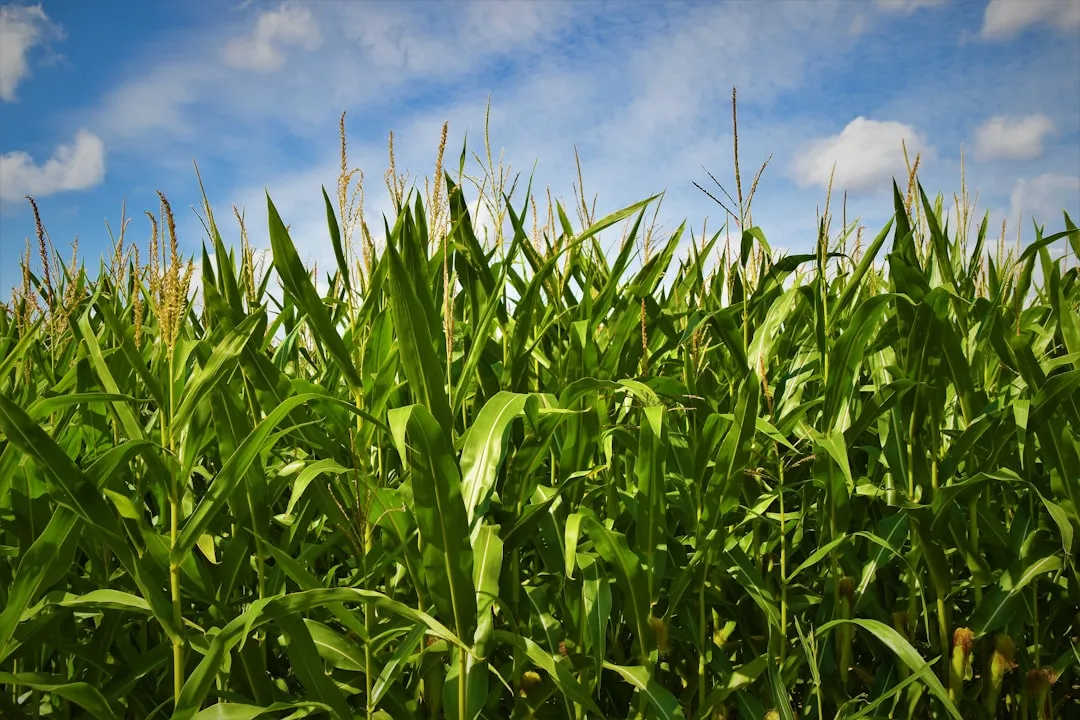
In Zimbabwe, households planting CIMMYT’s drought-tolerant maize varieties harvested 617 additional kilograms per hectare compared to conventional varieties, a surplus sufficient to feed a family for over nine months. In Uganda, drought-tolerant varieties increased yields by roughly a sixth and reduced the risk of crop failure by nearly a third in drier regions. In Malawi, yield increases of 44% were recorded alongside a meaningful acceleration in hybrid adoption.
Drought-resistant crops generally have stronger survival mechanisms under dry conditions, while drought-tolerant crops can withstand water stress but may still experience yield loss. Drought-resistant crops still need water, especially during germination, establishment, flowering, and yield formation. They simply perform better under limited water than many other crops.
Resilient Crops and Global Food Security
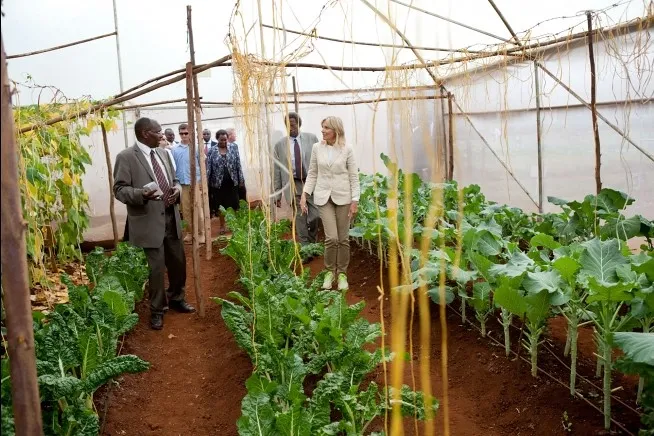
With large agricultural regions becoming more susceptible to water scarcity, food security is at risk. Drought-resistant crops present a promising solution, offering a way to sustain agricultural productivity even under extreme drought conditions. These crops have the potential to revolutionize farming, ensuring global food supply while addressing environmental sustainability.
Drought-resistant crops help reduce the risk of crop failure in dry years. They can support food availability, farmer income, and supply chain stability in water-scarce regions.
Many of these crops are naturally adapted to grow in marginal environments with limited inputs, making them well-suited for resource-poor regions. Crops like finger millet and teff are drought-tolerant grains that can thrive in arid and semi-arid conditions, requiring significantly less water than staple crops like wheat or rice.
How Farmers Can Benefit Right Now
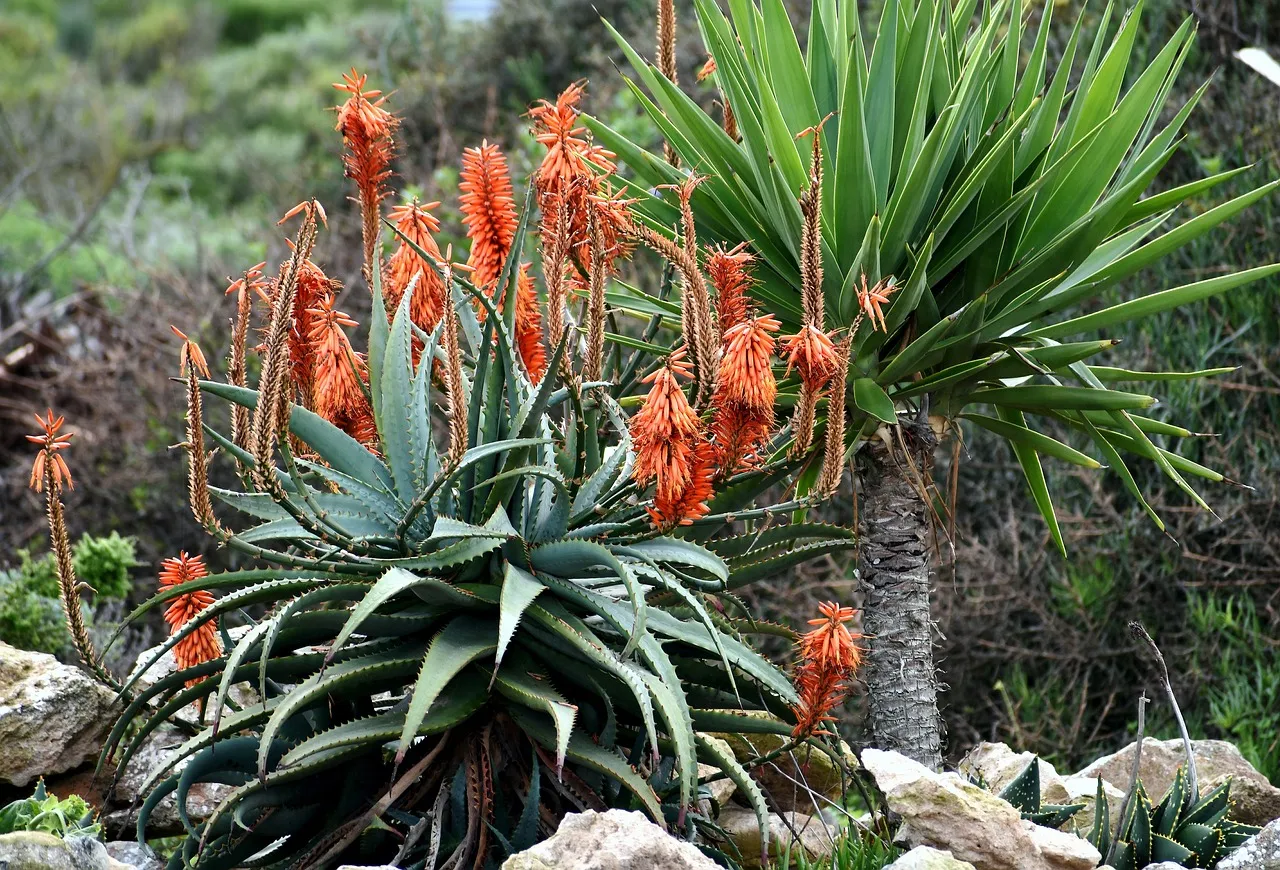
Drought-resistant crops perform better when supported by good land and water management. The combination of resilient crops and resilient farming practices is usually more effective than relying on crop selection alone.
Combined with growing consumer demand and relatively stable pricing, sweet potatoes are a well-rounded option for farmers seeking reliable income alongside climate resilience. ‘Georgia Jet’ is a high-yield variety that offers reliable harvests. ‘O’Henry’ sweet potatoes have either white or pink flesh and excellent storage characteristics.
Cassava’s attributes such as tolerance to drought and low input requirements show that it has great potential to increase food productivity in sub-Saharan Africa as a strategic crop. The same logic applies almost anywhere that rainfall is increasingly unreliable. Choosing the right crop isn’t just a practical decision. In many regions, it’s becoming the difference between a harvest and a loss.
Looking Ahead: Why These Five Crops Matter More Than Ever
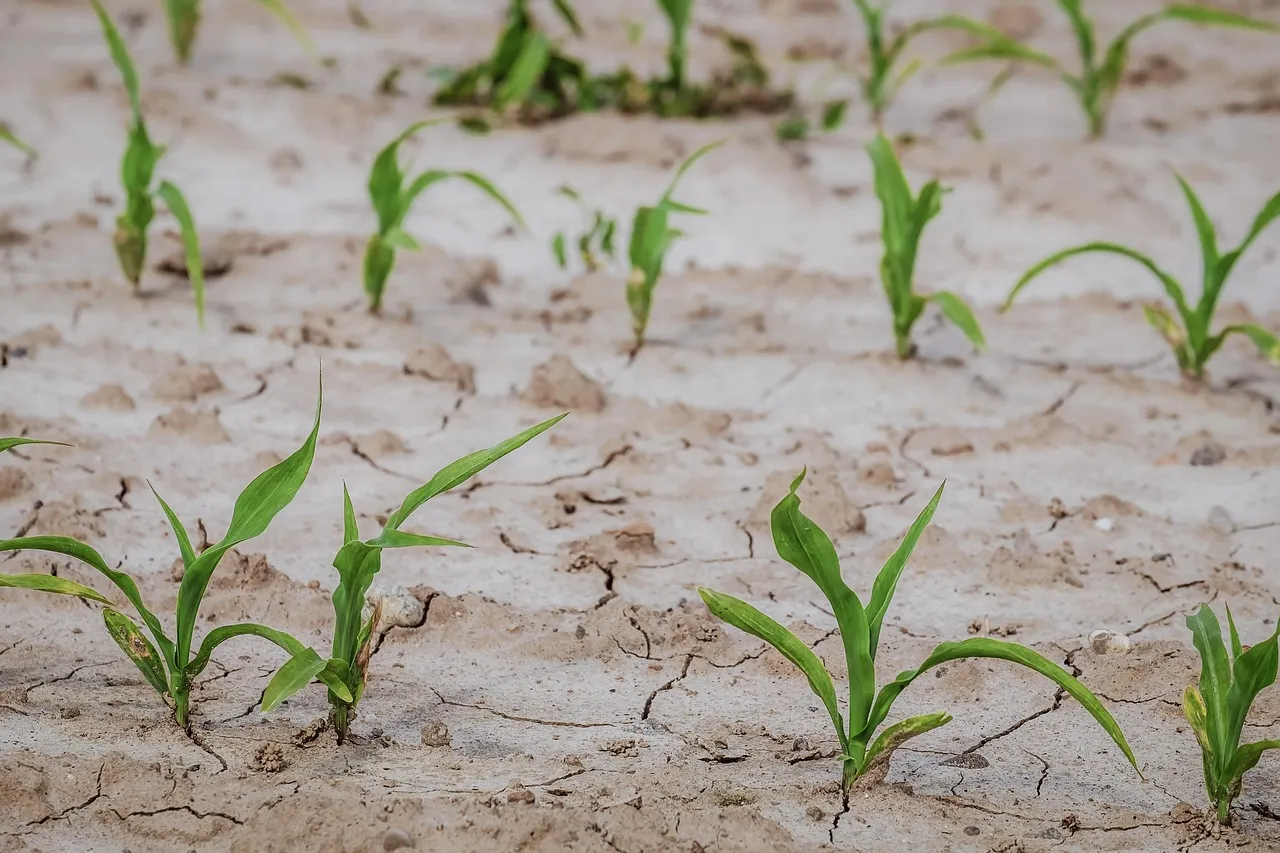
Drought develops gradually and its start or end can be difficult to identify, but its effects are often long-term and catastrophic. Climate change is predicted to lead to more frequent and severe droughts in many parts of the world.
A 2024 review article published in the journal Plants explores how climate change affects crop production and how plant breeding and agricultural innovation can support adaptation through resilient cultivars. The review highlights how multiple stressors, including drought, heat, and elevated atmospheric carbon dioxide, can negatively affect plant growth and yield. It also provides examples of resilient crops that require fewer inputs, including reduced fertiliser use and less frequent cultivation, and that perform well during periods of water scarcity.
Global millet initiatives and biofortification networks are working towards reaching one billion people with biofortified crops by 2030. That goal tells you something about the scale of ambition now attached to these ancient, unglamorous, remarkably tough plants. Sorghum, cassava, sweet potato, pearl millet, and quinoa have survived for centuries across some of the harshest farmland on the planet. The evidence increasingly suggests that in a warming world, their moment is only beginning.
AI Disclaimer: This article was created with the assistance of AI tools and reviewed by a human editor.