
It is easy to get swept up in the beauty of glossy garden center displays, where vibrant flowers and lush greenery promise instant curb appeal. But hidden among the tempting plants are species that can wreak havoc on your yard, choke out native plants, and create long-term maintenance nightmares. Many of these invasive or overly aggressive plants are still widely sold because they are easy to grow, but what garden centers don’t tell you is how quickly they can spiral out of control.
Before adding anything new to your landscape, it is worth taking a closer look at these common offenders. By avoiding them, you protect your soil, preserve biodiversity, and save yourself years of frustration. Here are five popular plants that can quickly take over and destroy your yard if you are not careful.
English Ivy (Hedera helix)

English ivy might look elegant cascading from planters or climbing trellises, but once it escapes your control, it becomes one of the most destructive plants you can introduce to your yard. This aggressive vine spreads rapidly, smothering lawns, flowerbeds, and even trees. Its dense growth blocks sunlight from reaching other plants, effectively choking out any native species beneath it. Over time, it can destabilize entire ecosystems by reducing biodiversity and limiting food sources for pollinators.
The problems don’t stop there. When allowed to climb, English ivy attaches itself to walls, fences, and tree trunks, where it traps moisture and causes structural damage. In forests, it girdles trees and makes them more susceptible to disease and wind damage. Removing it can be extremely difficult, as it spreads by both runners and seed. If you love the look of ivy, opt for native alternatives like Virginia creeper, which provides stunning fall color without the ecological harm.
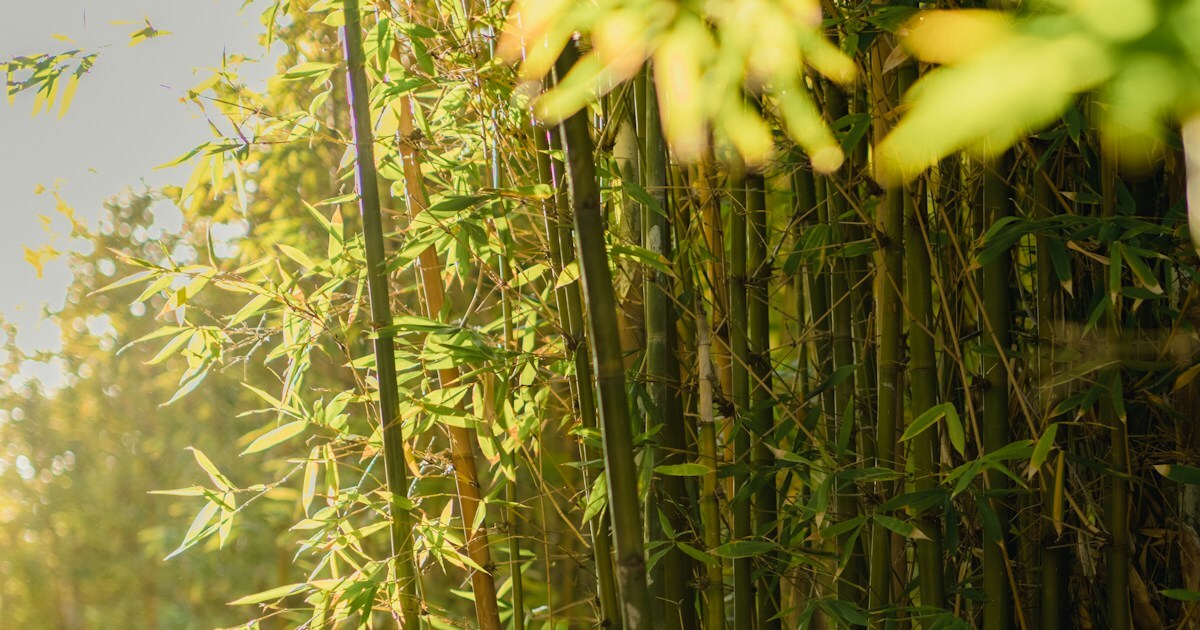
Bamboo (Phyllostachys spp.)
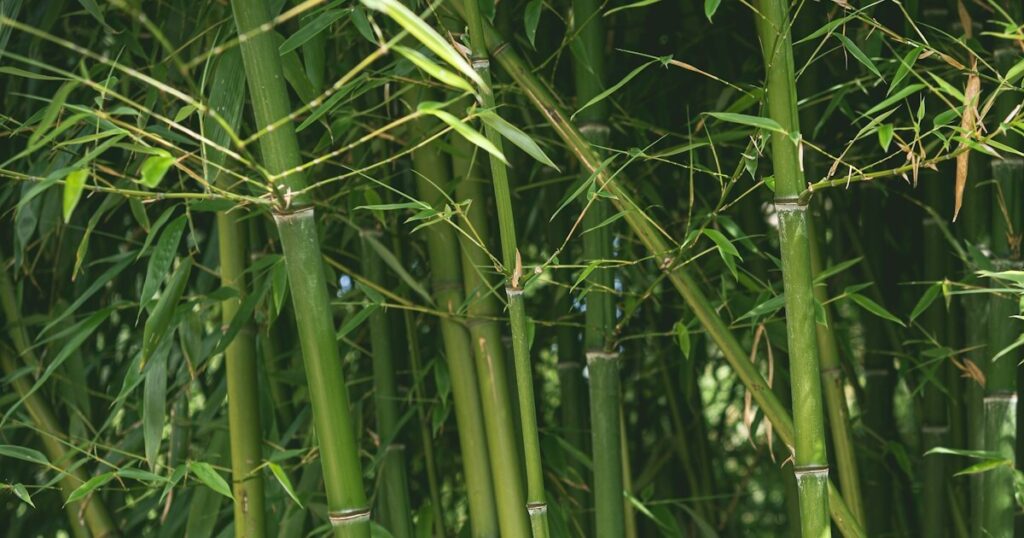
Bamboo is often marketed as a fast-growing privacy solution, but what garden centers rarely mention is just how invasive certain species can be. Running bamboo varieties, in particular, send underground rhizomes shooting several feet away from the main plant, popping up through lawns, sidewalks, and even your neighbor’s yard. Once established, it is nearly impossible to remove without extensive digging or barriers.
Beyond being a maintenance nightmare, bamboo can alter soil conditions and crowd out native plants by monopolizing water and nutrients. In many regions, it is considered an invasive species because it spreads so aggressively and disrupts local ecosystems. If you want the aesthetic appeal of bamboo without the headaches, choose clumping varieties that stay contained or plant native shrubs and grasses that provide privacy without taking over your entire property.
Mint (Mentha spp.)
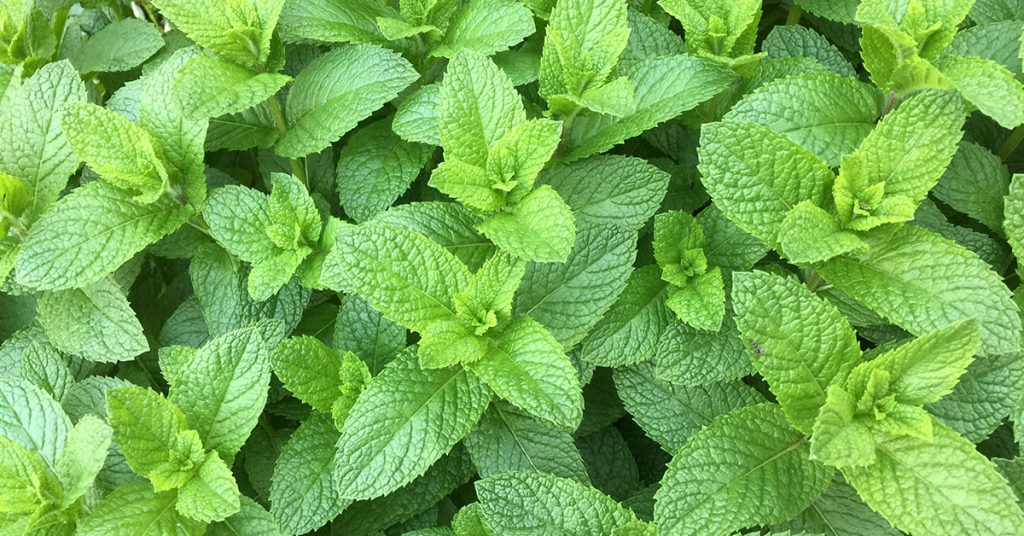
Mint is a beloved herb for teas, desserts, and cocktails, but planting it directly in your garden beds is one of the quickest ways to lose control of your yard. Once in the ground, mint spreads relentlessly through underground runners, forming dense mats that smother surrounding plants. Within a single season, it can take over flowerbeds and vegetable gardens, leaving little room for anything else to grow.
While mint is not inherently harmful to the environment, its aggressive nature makes it a poor choice for uncontained planting. The solution is to grow mint in containers or raised beds where its roots are confined. By managing it this way, you can enjoy its culinary benefits without dealing with the frustration of ripping out endless runners every spring. Gardeners who ignore containment often regret planting it directly in their soil, as mint can persist for years even after heavy removal efforts.
Wisteria (Wisteria sinensis and Wisteria floribunda)
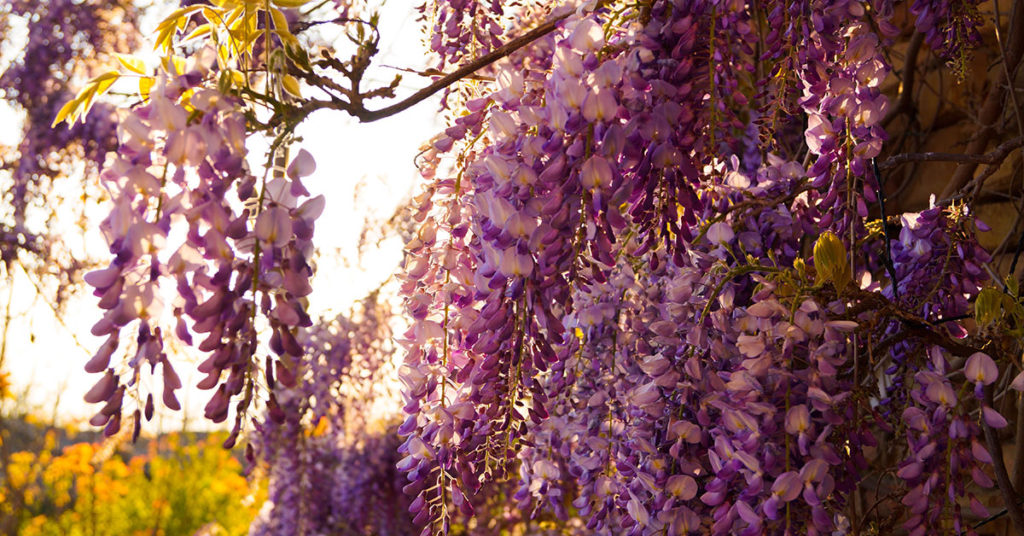
Wisteria is undeniably stunning, with its cascading clusters of purple flowers creating breathtaking spring displays. Unfortunately, the commonly sold Asian varieties—Chinese wisteria and Japanese wisteria—are invasive in many parts of the United States. They grow aggressively, sending out long vines that twist around trees, fences, and structures. Over time, they can strangle and kill mature trees while destabilizing ecosystems by crowding out native vegetation.
Even if you manage to control its sprawling growth, wisteria’s root systems are incredibly tenacious. Cutting back the vines often encourages more aggressive regrowth, making it nearly impossible to contain once established. For a safer alternative, choose American wisteria (Wisteria frutescens), which is native, less aggressive, and equally beautiful. By selecting native options, you get the same romantic aesthetic without sacrificing the health of your yard and surrounding environment.
Butterfly Bush (Buddleja davidii)
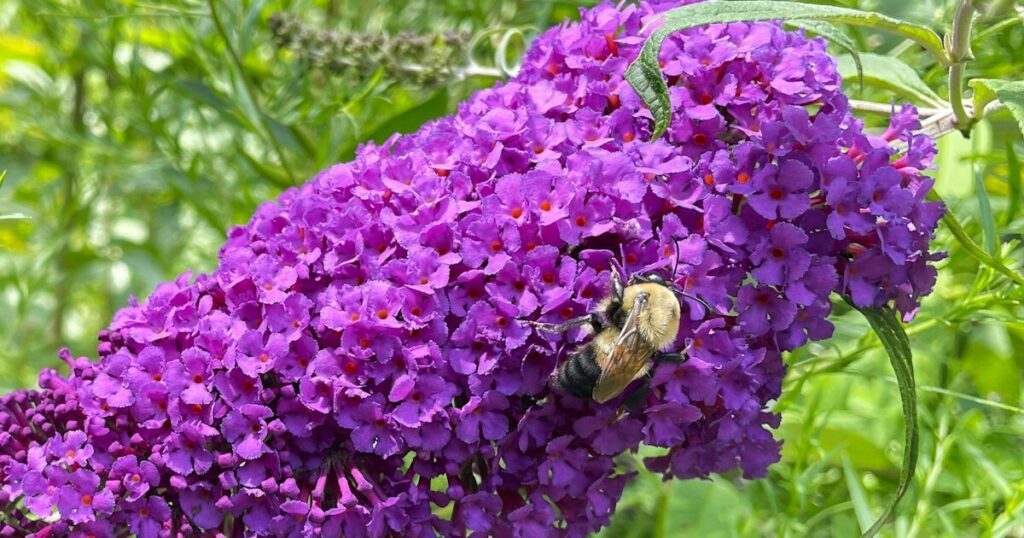
Butterfly bush is widely marketed as a pollinator-friendly plant, and while its flowers do attract adult butterflies, this popular shrub is far from beneficial for your yard’s ecosystem. Native butterflies lay their eggs on specific host plants where caterpillars feed and develop. Butterfly bush does not provide the food necessary for caterpillars, meaning it supports adult pollinators but fails to sustain future generations.
In addition to this ecological mismatch, butterfly bush is considered invasive in many regions, where it spreads aggressively and outcompetes native plants. Over time, it can reduce the availability of food sources that local wildlife truly depends on. Instead of planting butterfly bush, choose native alternatives like buttonbush, viburnum, or blazing star, which provide nectar, pollen, and habitat for all life stages of butterflies and other pollinators. By choosing better options, you create a truly thriving pollinator garden that benefits your entire ecosystem.