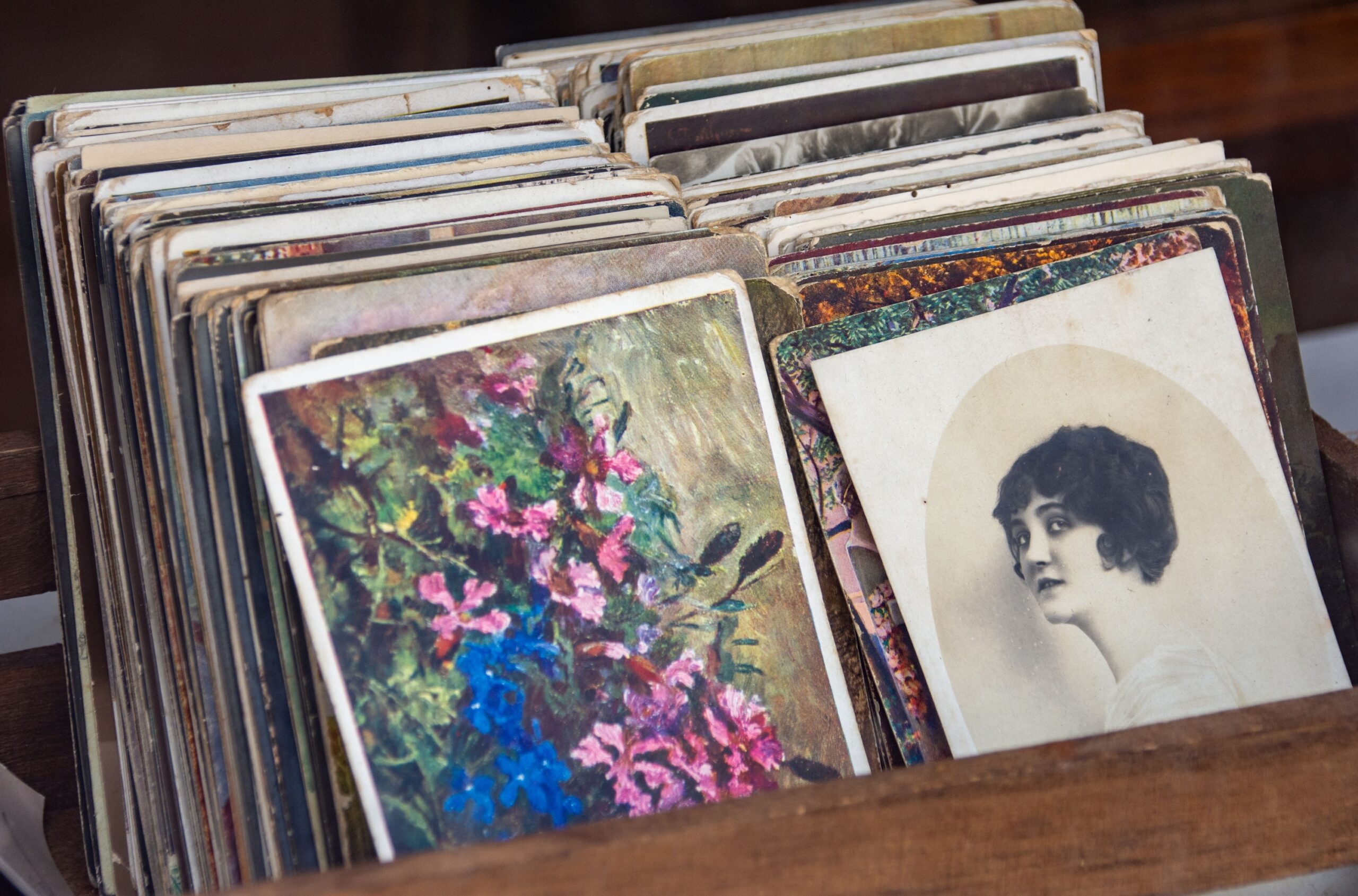

Most people assume their memories are safe somewhere in a box, a drawer, or a dusty shelf. The truth is quieter and more unsettling than that: physical materials degrade on a timeline most of us never think about, and by the time the damage becomes obvious, it’s already too late to fully recover what’s been lost.
Over 3.5 trillion photos were printed between 1950 and 2000, and less than ten percent of those have been digitized. That’s a staggering amount of irreplaceable visual history sitting in boxes, slowly breaking down. Photographs are susceptible to damage from environmental factors such as humidity, light, and temperature fluctuations, and the same goes for most other physical records.
The good news is that digitizing is more accessible and affordable than ever. The photo digitization services market was valued at roughly 2.6 billion dollars in 2024 and is projected to reach 5.3 billion dollars by 2032, reflecting a very real shift in awareness. Here are the five categories of photos and records that deserve your attention most urgently.
1. Printed Family Photographs from the Pre-Digital Era
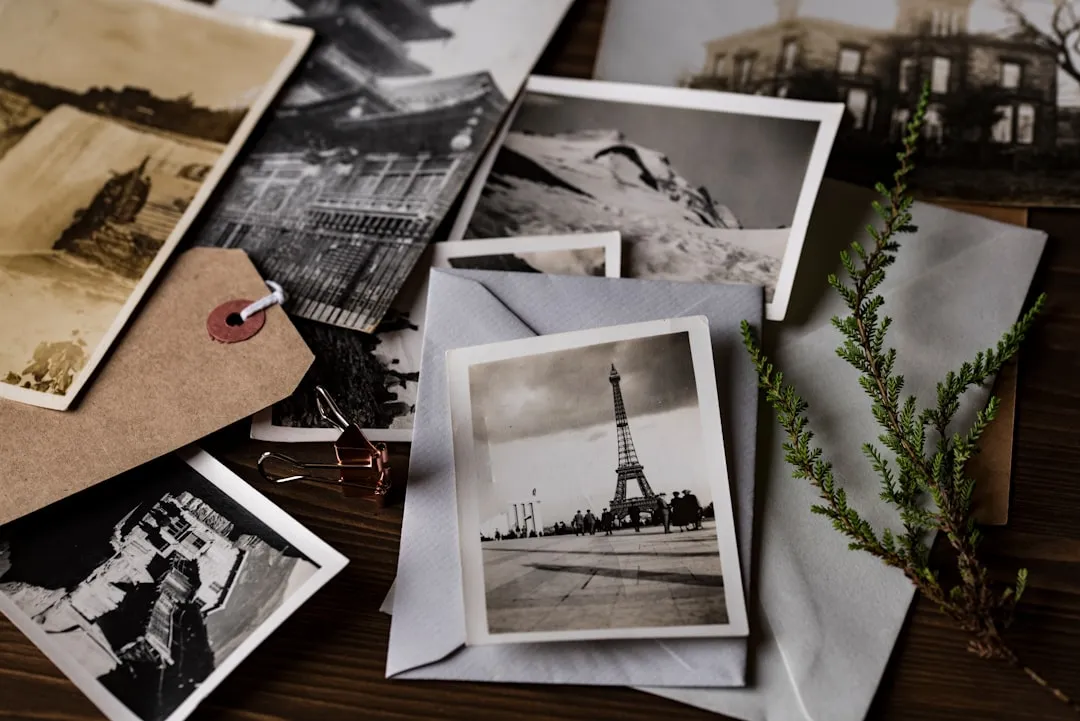
There’s a reason old photo albums feel so fragile in your hands. High temperatures, humidity, and exposure to light can speed up the deterioration process, and many color photos from the 1970s and 1980s are already exhibiting noticeable color shifts and fading. These changes are gradual but irreversible once they set in.
Other photo media, like 35mm slides and film negatives, risk fading and deterioration too. The window to capture a clean, accurate digital copy closes a little more every year. To preserve the best remaining quality, it’s advisable to take action within the next few years.
For extra security, printing high-quality copies of significant images and storing them in archival albums creates an additional safeguard alongside your digital files. Still, a high-resolution scan stored in multiple locations remains the most durable form of preservation available right now.
2. VHS Tapes and Home Video Recordings
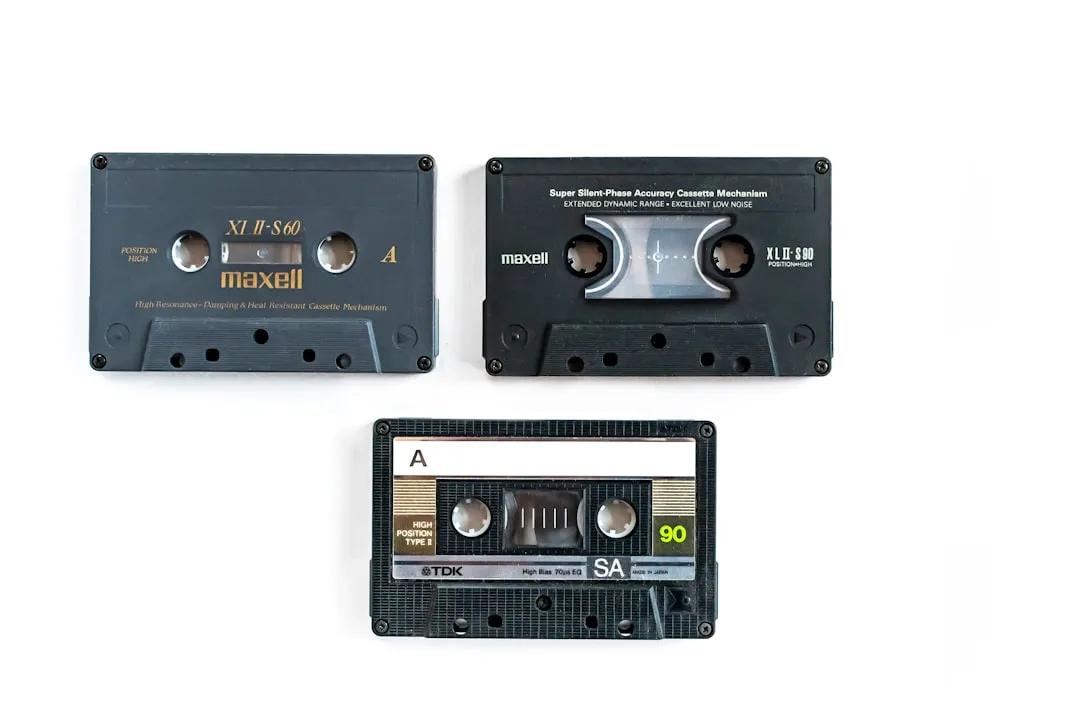
VHS tapes preserve birthdays, holidays, school performances, weddings, and ordinary family moments that may not exist anywhere else. Unfortunately, the magnetic tape inside each cassette was never designed to last forever. Most people don’t realize how close to the edge their tapes already are.
Magnetic tape has a practical lifespan of 10 to 30 years, meaning recordings from the 1980s and 1990s are already at high risk. The polyurethane binder absorbs moisture over time, leading to sticky-shed syndrome, where the oxide coating becomes tacky and sheds during playback. Heat, humidity, and repeated use accelerate degradation.
VHS tapes last 10 to 30 years under ideal conditions. Most conditions are not ideal. If your tapes are from the 1980s or 1990s, assume the clock has run out and act accordingly. Garage shelves, attic boxes, and basement storage are among the worst environments possible for these tapes.
3. Handwritten Letters and Personal Correspondence
Historical records such as letters and ledgers can lose information through fading ink, brittle paper, mold, water damage, or repeated handling. Letters written by grandparents, wartime correspondence, or even personal diaries from decades past carry details that no official record will ever capture.
Handwritten records on paper are aging rapidly and soon many will no longer be legible. The fading isn’t always dramatic at first. An old letter might look passable today and be barely readable five years from now. Once detail is lost from the original, digitization cannot fully recreate it.
Creating high-quality digital copies allows these records to be accessed, shared, and studied without the wear and tear of physical handling. This ensures the information remains usable while the original materials are protected from further damage. Scanning at a high resolution matters here more than most people appreciate.
4. Legal and Financial Documents on Aging Paper
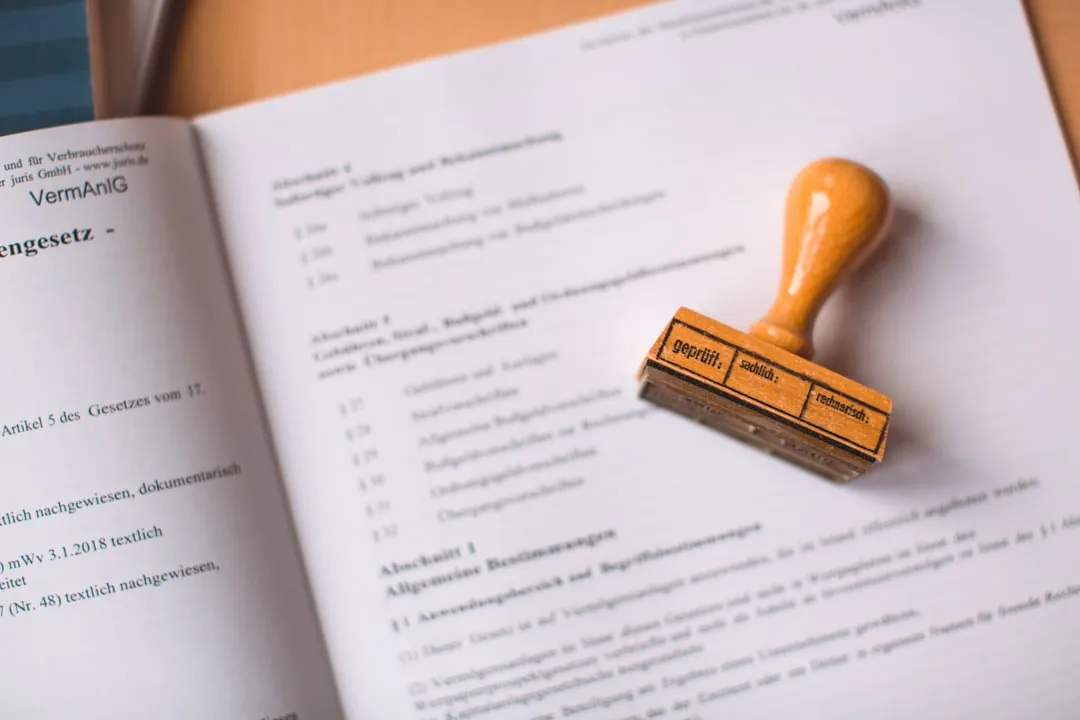
Deeds, birth certificates, wills, tax records, and insurance policies often exist as single physical copies stored at home. Physical documents are fragile, and even under the best conditions, paper and microfiche eventually deteriorate. This puts the unique information they hold at risk of being lost forever.
Handwritten volumes from the mid-20th century and older photostat copies have a finite lifespan. Ink fades. Paper becomes brittle. Some records that were legible ten years ago are already showing significant degradation. For legal documents especially, that’s a problem that reaches beyond sentiment.
Digitized records provide an added layer of protection in the event of fires, floods, or other emergencies. While original materials may not be recoverable, having scanned copies helps ensure the information they contain is not lost. Cloud storage with a backup on a separate hard drive is the most reliable approach for documents of this kind.
5. Super 8 Film, Slides, and Analog Home Movies
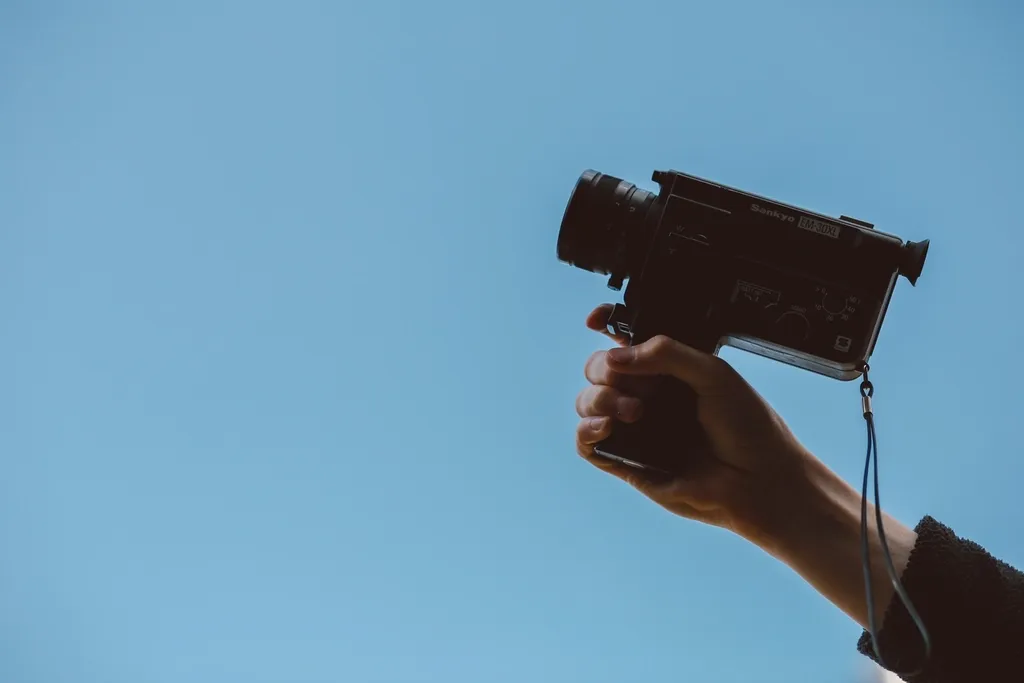
Super 8 film was the home movie format of choice through much of the 1960s and 1970s, and most of it has been sitting in canisters for half a century. Super 8 film is now mostly unrecoverable in many cases due to shrinkage of the film base, and 35mm color slides deteriorate from physical stresses as well as chemical breakdown. These aren’t just historical artifacts. They’re often the only footage of people and places that are otherwise gone.
All are vulnerable to damage or destruction by natural hazards such as floods, fire, and earthquakes, by vermin, and through human ignorance. There are already cases when a lack of recent use has been interpreted as a lack of interest, and a valuable collection has been discarded. Film that hasn’t been looked at in years is especially at risk of being quietly thrown away during a move or estate clearing.
Digitization creates a surrogate, a digital copy that becomes your access vehicle while the original is stored safely and handled only when necessary. Many institutions use digitized surrogates for the vast majority of research requests, which dramatically reduces wear on fragile originals. The same principle applies at home.
The Hidden Risk: Disasters Don’t Warn You in Advance
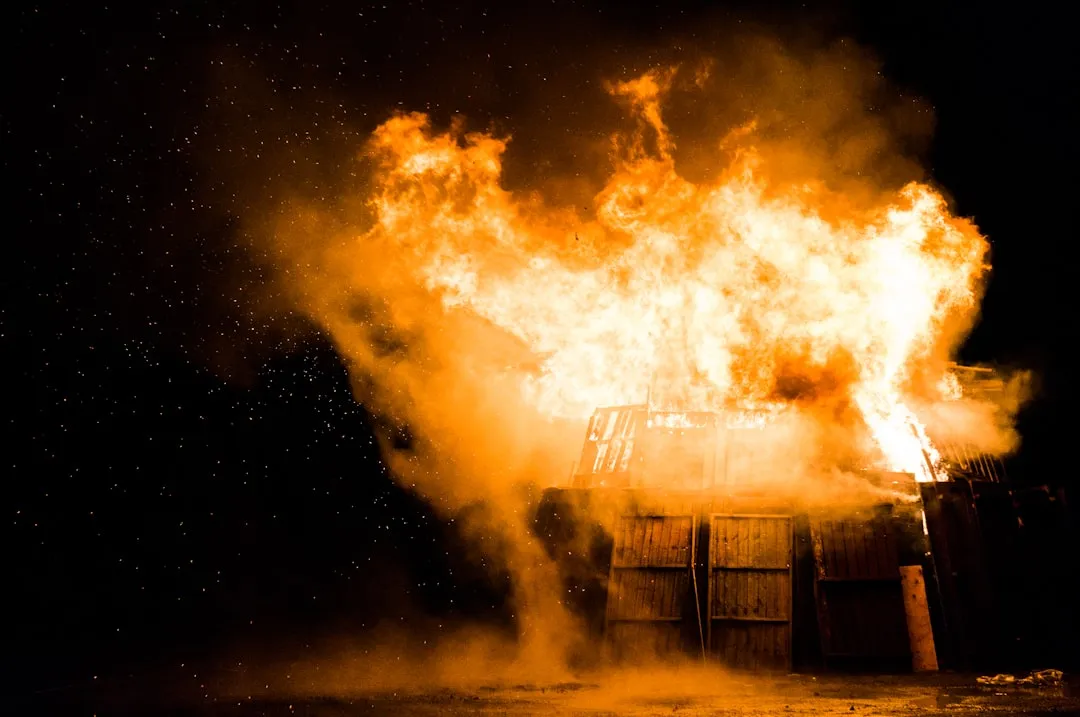
Natural disasters like hurricanes, floods, and fires threaten these memories daily. A flooded basement or a house fire doesn’t spare the box in the closet. Physical materials, no matter how carefully stored, exist at the mercy of circumstances completely outside your control.
There is no failsafe way to preserve physical records forever, but digitizing your materials and combining the digital copy with readable, searchable text allows you to preserve the contents well into the future while simultaneously adding functionality. The only version of a memory that survives a house fire is the one that was never inside the house.
How to Approach Your Own Digitization Project

Scanning at low resolution can cause loss of detail over time, forgetting to label photos means future generations may not know who’s in them, and storing only on one device is risky since hard drives can fail and should always have at least one backup. These are the three most common mistakes people make when they finally get around to digitizing.
Start with whatever is most fragile or most irreplaceable. Collect old photo albums, loose prints, and any slides or negatives as a first step. Prioritize anything you couldn’t bear to lose. VHS tapes from the 1990s, handwritten letters, and old slides all tend to be further along the decay curve than most people expect.
Individuals and institutions are digitizing historical materials and family albums to aid in genealogy tracing and digital archiving. The motivation doesn’t have to be academic. Sometimes it’s simply about making sure a grandparent’s face is still visible in fifty years.
The Takeaway
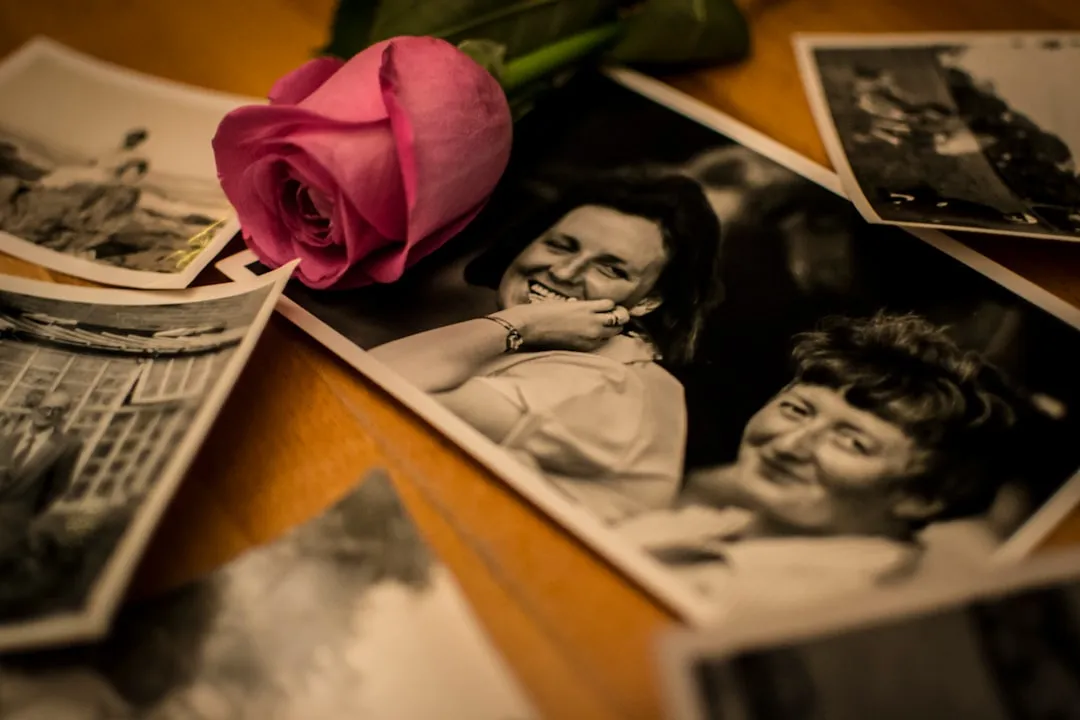
Physical materials carry a kind of quiet countdown that most of us don’t notice until something is already gone. There is a growing realization among individuals and organizations about the necessity of preserving precious memories and historical records in digital formats. That realization tends to come in two ways: gradually, or all at once after a loss.
Digitizing doesn’t require perfection or an expensive setup to get started. It requires showing up before the window closes. The photos, tapes, letters, and films sitting in your home right now are not permanent. They’re just patient. The question is whether you act before they stop being.
AI Disclaimer: This article was created with the assistance of AI tools and reviewed by a human editor.