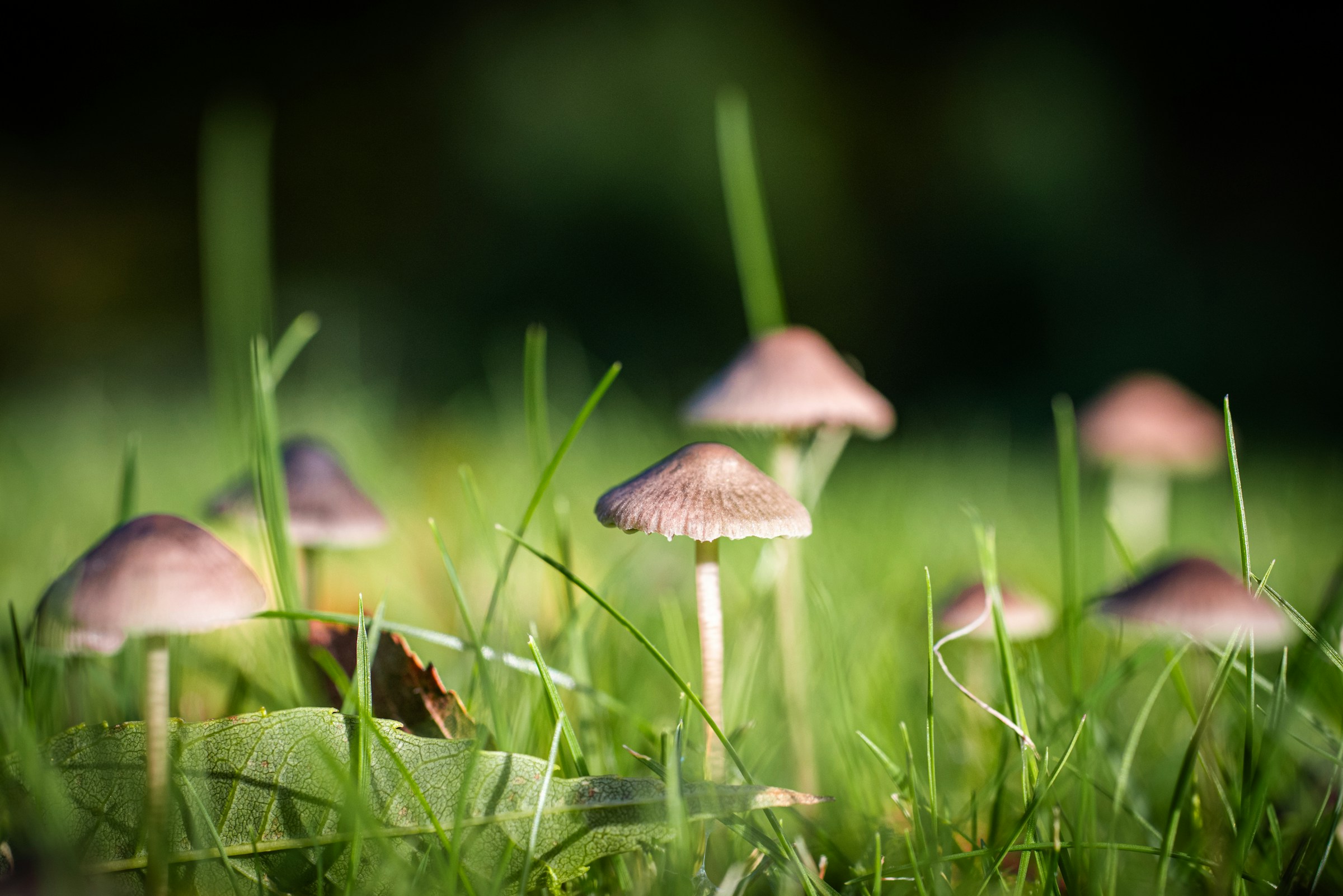

Walk out to your yard on a wet morning and there they are: small caps pushing up through the grass, apparently from nowhere. Most people’s first instinct is to pull them out. Their second instinct is to wonder whether they need to be worried. The answer, more often than not, is no – but the details matter, and each species tells its own story about what’s going on underneath your turf.
Mushrooms are the reproductive structures produced by fungi, and they develop from spores that spread by wind or other means. Those spores can lay in the soil for years until conditions are favorable, such as during warm, humid, rainy summers, at which point they grow very quickly. That sudden overnight appearance isn’t magic. It’s biology doing exactly what biology does.
1. The Fairy Ring Mushroom (Marasmius oreades)
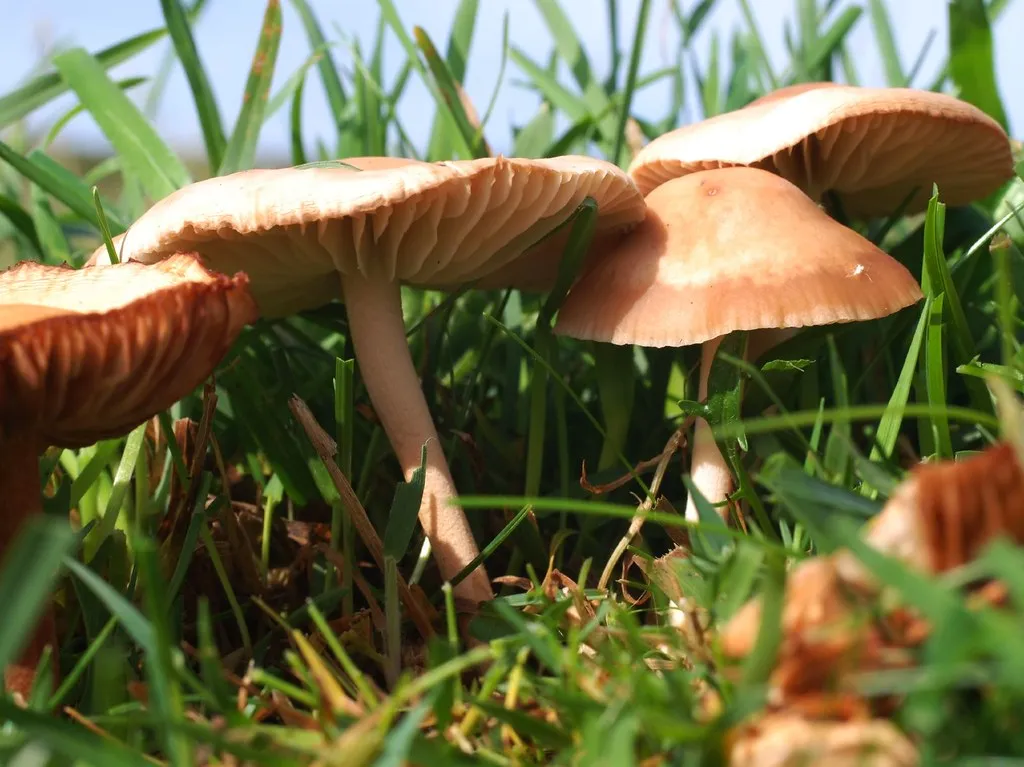
The fairy ring mushroom, scientifically known as Marasmius oreades, is a common sight on lawns, meadows, and pastures in summer and fall. It is a small, tan to reddish-brown mushroom with off-white gills. The cap typically starts convex when young and flattens out with age, often keeping a slight central bump.
Marasmius oreades grows in so-called “fairy rings,” which are circular underground mycelia common in lawns across temperate areas of the world, and these rings can be thought of as natural, long-term evolutionary experiments, as each ring has a common origin and expands radially outwards over many years.
Fairy rings are formed by fungi that live in the soil and break down organic matter. The ring is caused by the natural radial growth pattern that fungi exhibit, and these rings are the most pronounced in lawns due to the evenness of the substrate, allowing the fungus to grow in all directions. The darker color in the grass is caused by excess nutrients that are released into the soil from fungal decomposition, which stimulates growth of the turf.
Fairy rings are further classified into three types: Type 1 includes those where the grass is killed or badly damaged; Type 2 includes those where the grass growth is only stimulated; and Type 3 includes those where there is no damage to the turf, but the fruiting bodies are found in rings, especially after heavy rainfall. So that neat circle of darker grass in your lawn isn’t necessarily a death sentence for your turf – it depends on which type you’re dealing with.
Marasmius oreades is edible and considered excellent, though the tough, fibrous stems should be discarded. Caution is advised, however, as there are toxic lookalikes. Unless you’re confident in your identification skills, it’s best to leave these ones alone.
2. The Lawnmower’s Mushroom (Panaeolus foenisecii)
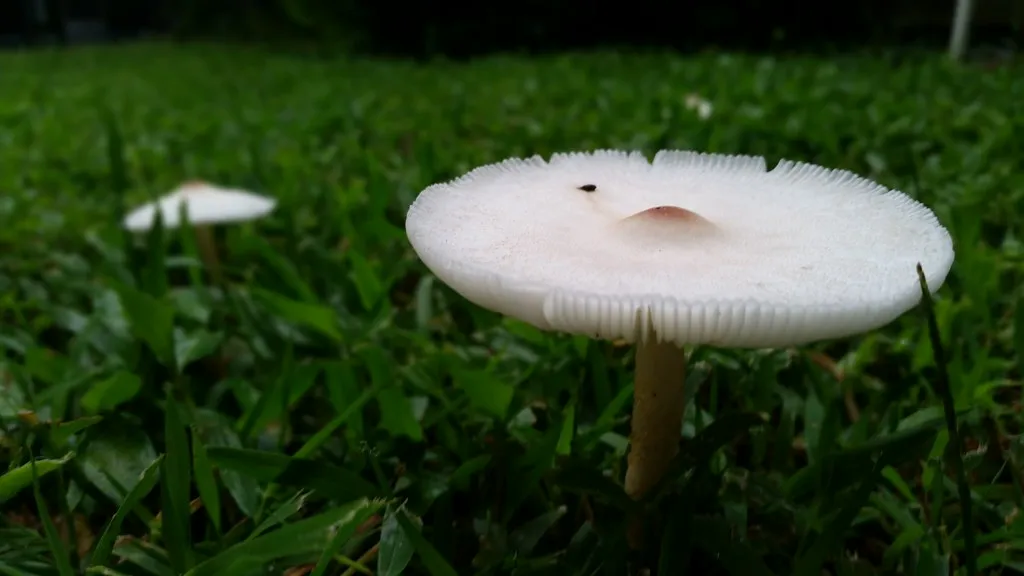
Also known as the Haymaker’s Mushroom, Panaeolus foenisecii is a small, brown mushroom that is prolific in yards across North America and often grows in clumps in grass. Depending on its stage of maturity, the cap will be conical or bell-shaped when young and flat when mature, with a short, smooth stem.
Haymaker mushrooms are common lawn mushrooms, often sprouting after rain or in humid conditions from late spring through fall. The slender brown mushrooms are inedible but emit a nutty odor. They’re one of those species that experienced gardeners learn to recognize quickly because they show up so reliably.
In the Pacific Northwest of the United States, this species may be the most common to appear in recently fertilized lawns. It is also found on lawns along the East Coast. In 1963, researchers found that this mushroom contains serotonin, 5-HTP, and related compounds. Many field guides list it as psychoactive, but the mushroom does not produce any noticeable hallucinogenic effects as it only contains trace amounts of psilocybin.
These mushrooms are small with slender stems, brown gills and spores, and cone-shaped heads. What does their presence mean for your lawn? Primarily, that your soil has plenty of organic matter and is staying moist – a sign of a biologically active yard, not a troubled one.
3. The Meadow Mushroom (Agaricus campestris)
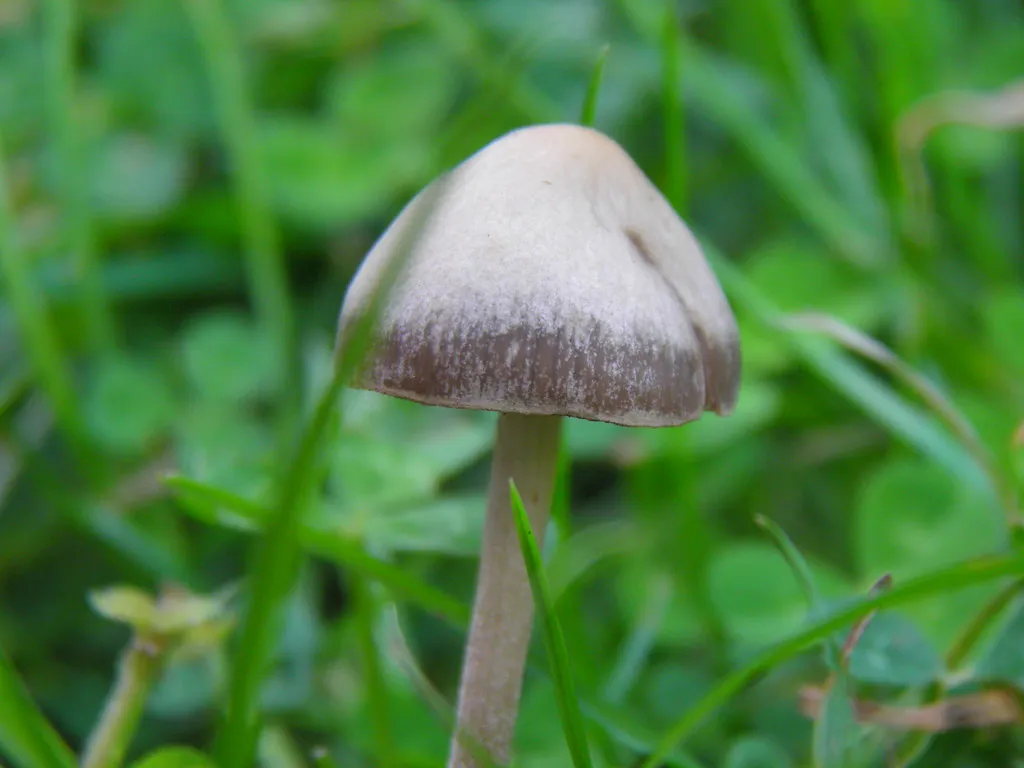
Meadow mushrooms (Agaricus campestris) are clearly named for their frequent growing location – meadows – and they’re also commonly found in the grass around homes. The white mushroom is identified by its white cap and pinkish gills that turn brown. The cap is smooth and bell-shaped and grows roughly one and a half to four and a half inches in diameter.
Common species that grow in fairy rings include Marasmius oreades, Chlorophyllum molybdites, and Agaricus campestris, among others. So when you spot a white-capped mushroom forming a loose arc in the lawn, Agaricus campestris is a reasonable suspect – though not the only one.
Fungi are a vital part of a healthy soil ecosystem. It’s a misconception that mushrooms are a sign of soil problems; they help break down dead plants and other organic matter in the soil and provide nutrients for other plants. The meadow mushroom exemplifies this perfectly, thriving precisely in soils where organic activity is highest.
The meadow mushroom can be confused with toxic lookalikes, particularly the yellow-staining Agaricus xanthodermus. Always check that the gills are pink (turning brown with age) and that the flesh does not turn yellow when cut – that color change is a red flag.
4. The Shaggy Ink Cap (Coprinus comatus)
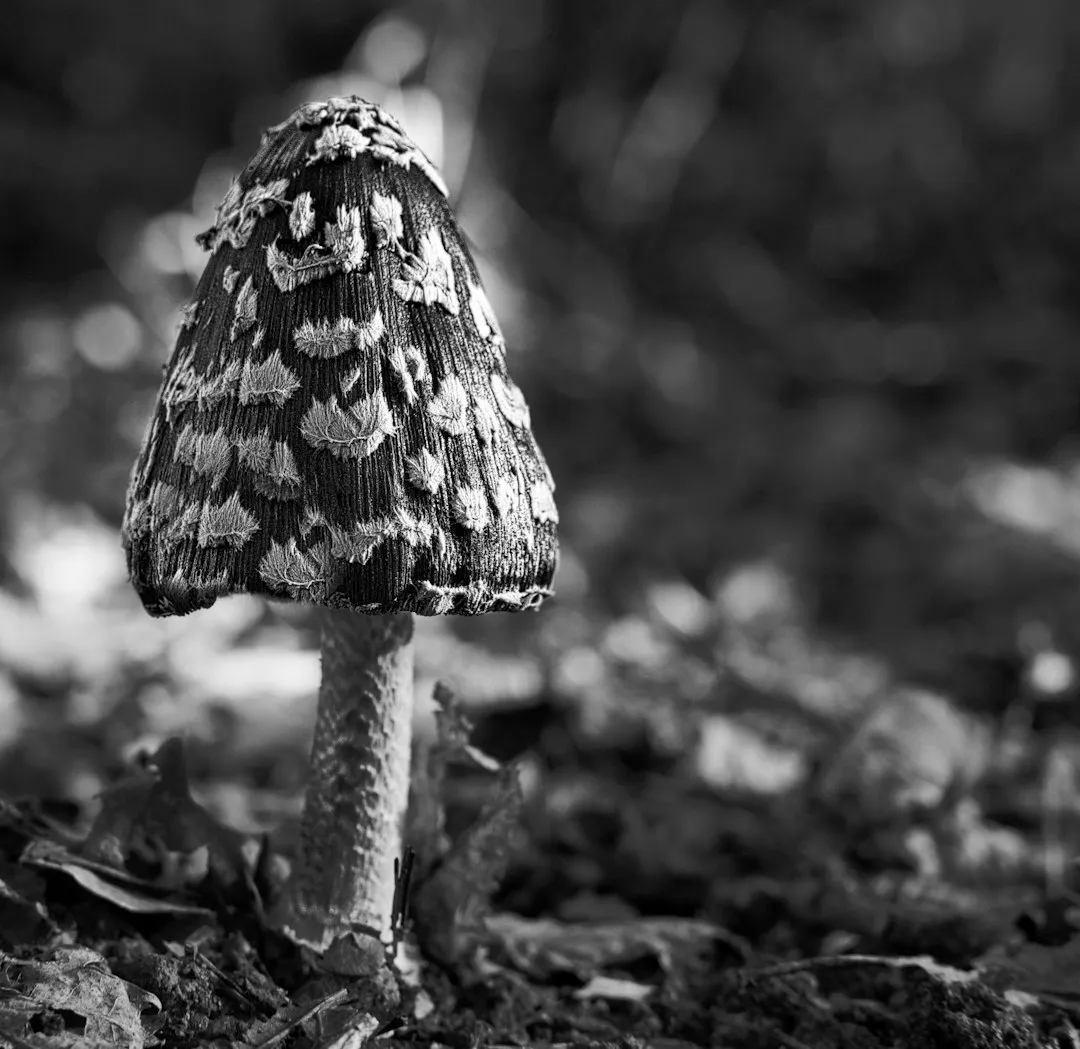
When immature, Shaggy Ink Caps have tall, grayish-white caps that resemble a bullet, with upturned scales and a smooth stem. Often found in lawns, these mushrooms only live about 24 hours. Once past maturity, Shaggy Ink Caps transform into a black ink-like substance full of spores.
Inky caps are a common yet distinctive group of lawn mushrooms. They are so named because the cap of the mushroom decomposes into dark liquid resembling ink shortly after its appearance in the lawn. That liquefaction process – called autodigestion – is how the fungus disperses its spores, an unusually efficient and visually striking strategy.
Coprinus comatus is a common yard mushroom characterized by its distinctive white cylindrical cap covered in shaggy scales. The white mushroom grows up to six inches tall with a skinny stipe. It’s hard to mistake this one for anything else when you see it fresh.
Spotting shaggy ink caps in your lawn typically signals that buried organic matter is decomposing nearby – possibly old roots or a long-gone stump. Mushrooms usually indicate the presence of rotting organic matter underground, such as an old stump, dead tree roots, or ground-up stump grindings. The ink cap is simply doing the cleanup work.
5. The Green-Spored Parasol (Chlorophyllum molybdites)
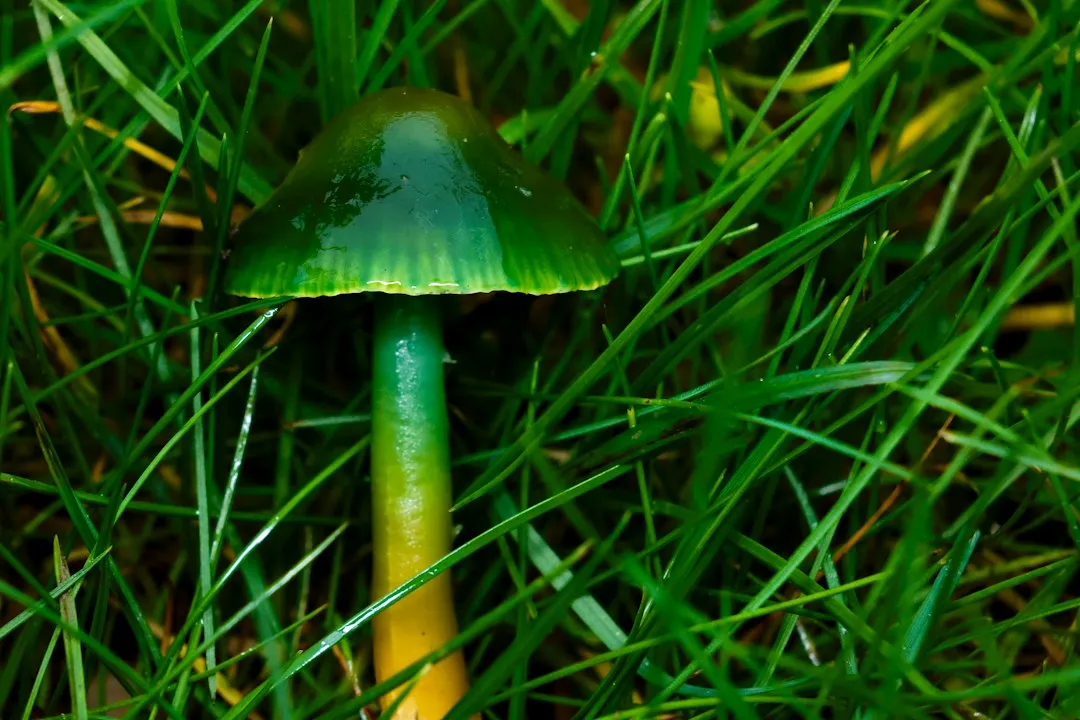
Chlorophyllum molybdites is one of the most common mushrooms found on lawns and pastures throughout the country, with the exception of the Pacific Northwest. It looks deceptively similar to edible parasol mushrooms, which is precisely what makes it dangerous. The cap is broad and white, and the overall appearance is almost regal – until the gills reveal a greenish tint at maturity.
When eaten raw, Chlorophyllum molybdites can produce severe symptoms, including bloody stools, within a couple of hours. This makes it one of the most important lawn mushrooms to be able to recognize – not for foraging purposes, but for safety, particularly in households with children or pets.
Chlorophyllum molybdites has caps ranging from four to eight inches wide and is common on lawns, causing acute gastrointestinal poisoning. The size alone can make it look tempting or impressive, but the grayish-green spore print it leaves behind is a definitive identification clue that sets it apart from its edible relatives.
The use of the common name “fairy ring mushroom” for Marasmius oreades leads to substantial confusion, causing Chlorophyllum molybdites, Agaricus campestris, and other mushrooms to be mislabeled. If you’re seeing large white parasol-shaped caps in your lawn, especially in the warmer months, treat them with real caution until a proper identification is made.
Why Mushrooms Keep Coming Back: Understanding the Soil Signal
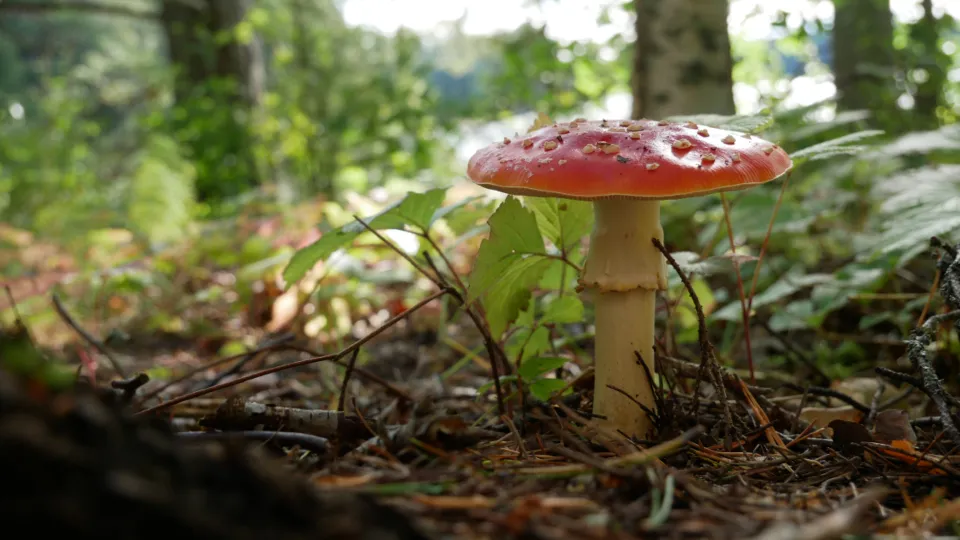
Underground, below the mushrooms, are thread-like networks called hyphae. Some attach to plant roots, creating filaments that reach far into the soil, increasing the surface area of plant roots up to a thousand times. Fungal hyphae and plant roots working together are called mycorrhizae.
The mycorrhizal filaments of fungi also produce organic compounds that glue soils together and improve their structure and porosity to enhance root growth. In addition, mycorrhizae in the soil have been found to suppress soil-borne pathogens and protect plants from root diseases. In other words, a mushroom-populated lawn may actually be a more resilient one.
Mushrooms usually emerge when rain follows extended dry periods. Dry weather stresses the fungi, and when water becomes available, it triggers the reproductive mechanism and mushrooms pop up. That timing explains why a lawn that looked clear all summer can suddenly be dotted with caps after the first autumn rains.
What Lawn Mushrooms Actually Reveal About Your Soil
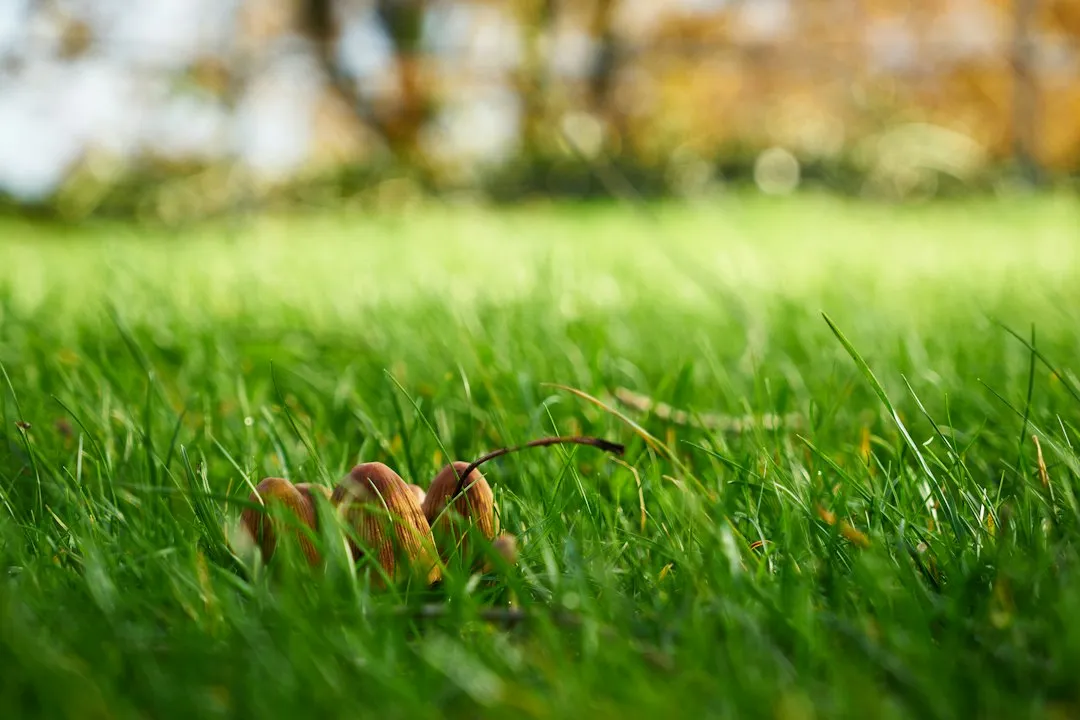
Mushrooms don’t directly damage your lawn, but their presence often signals underlying turf issues. They commonly appear in areas with heavy thatch or poor drainage, both of which can lead to patchy, yellowing grass and reduced lawn health.
Fungi love moisture, and consistently wet or soggy soil creates the perfect environment for mushrooms to thrive. Overwatering, a broken irrigation system, or a yard that doesn’t drain well can all encourage fungal growth. A recurring flush of mushrooms after routine irrigation is worth investigating.
A thick thatch layer – dead grass and organic matter that builds up between the soil and grass – traps moisture and provides a buffet for fungi. Mushrooms are likely to appear when this organic layer becomes excessive. Dethatching and aerating can reduce the frequency of flushes over time, though it won’t eliminate fungi permanently.
Are Lawn Mushrooms Dangerous to Children and Pets?
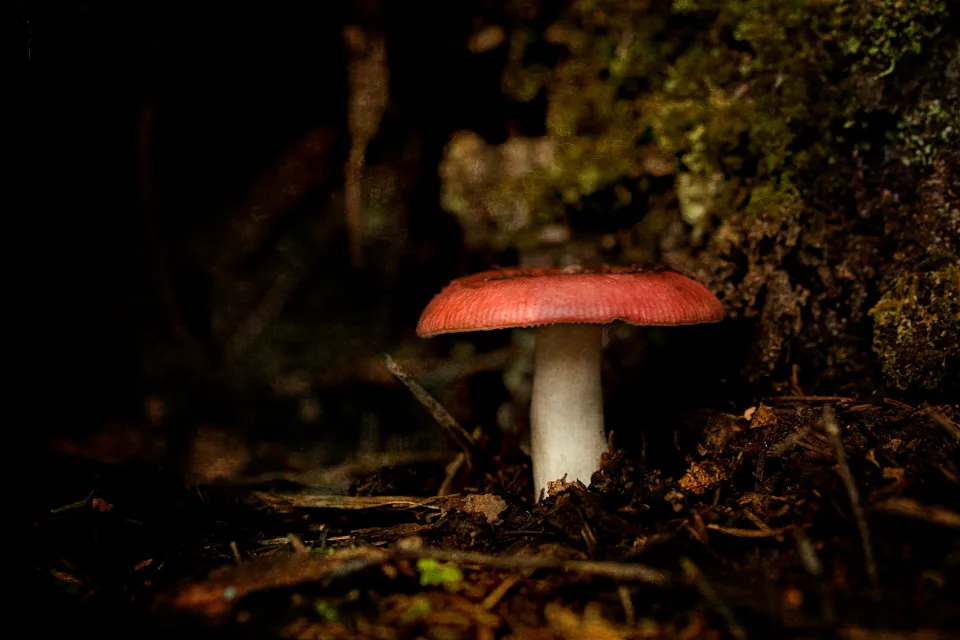
Some mushrooms growing in the yard are harmless, whereas others can be toxic and harmful if ingested. The risk level depends entirely on the species – which is why identification matters far more than a blanket reaction to any mushroom you find in the grass.
A few lawn mushroom species are toxic, and children or dogs might eat them, leading to sometimes severe stomach upset. Chlorophyllum molybdites is the most common culprit in North American poisoning cases because of how widely distributed it is and how easy it is to confuse with benign species.
The safest approach in a household with young children or pets is to remove any unidentified mushrooms promptly. The Mushroom Observer is a database of user-submitted photos and descriptions of mushrooms worldwide, and the National Audubon Society Mushrooms of North America Field Guide provides color photos and information about 668 mushroom species in North America. Both are practical identification resources worth bookmarking.
How to Manage Mushrooms Without Damaging Your Lawn
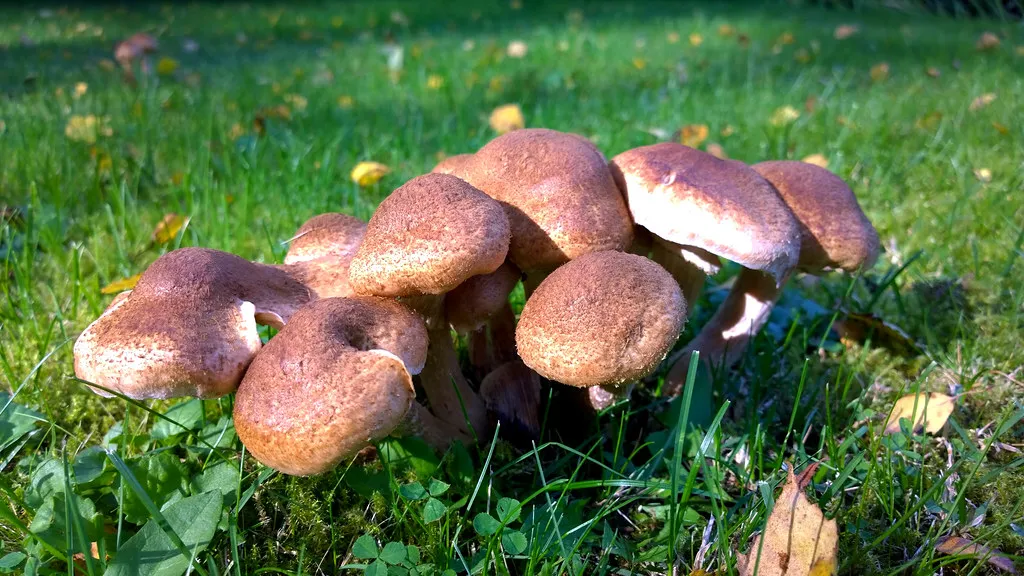
There is very little that can be done from a treatment standpoint once mushrooms are present. Even though mushrooms come from fungi, fungicide treatments are not an effective solution – research shows that very high application rates are needed, results are inconsistent and minimal, and the fungus remains in the soil and will return when conditions are right.
Aside from appearance, most lawn mushrooms are harmless. You can allow the mushrooms to stay, especially since completely ridding the lawn of them might require steps that do more harm than good for your lawn’s soil. Hand removal after identifying the species is the most practical and least disruptive approach.
A stronger, healthier turf can prevent bad fungi from infecting the plant while good fungi in the soil help to support the turf and outcompete the bad fungi. So investing in overall turf health – proper mowing height, balanced fertilization, and good aeration – does more long-term good than trying to wage war on underground mycelium.
Gallery at a Glance: Quick Identification Recap
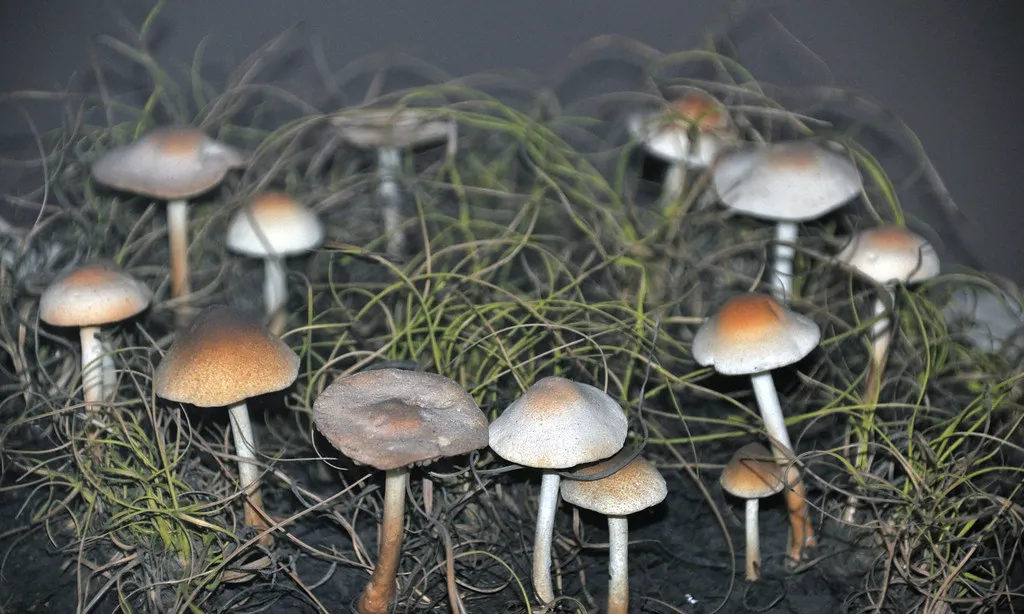
The fairy ring mushroom (Marasmius oreades) is a very common lawn species, best known for forming circular or curved growth patterns in grass. It is a small but tough mushroom that can survive dry conditions better than many others, and it is widespread in lawns, parks, golf courses, and pastures, especially during warm, moist seasons.
Lawnmower’s mushrooms (Panaeolus foenisecii) are small, short-lived, and fragile fungi that prefer well-mowed lawns. Meadow mushrooms (Agaricus campestris) are common edible whitish mushrooms found in backyards and lawn areas. Shaggy Ink Caps have tall, grayish-white caps that resemble a bullet, with upturned scales and a smooth stem. And the green-spored parasol is the one to treat with the most respect – large, white, and potentially harmful.
About 50 species of fungi can form fairy rings or cause mushrooms to sprout in turf. No two lawns are exactly the same, and the species you encounter will depend on your climate, soil history, and what’s buried beneath the surface. A regional field guide or an app-based identification tool can narrow things down quickly when you’re unsure.
Final Thoughts
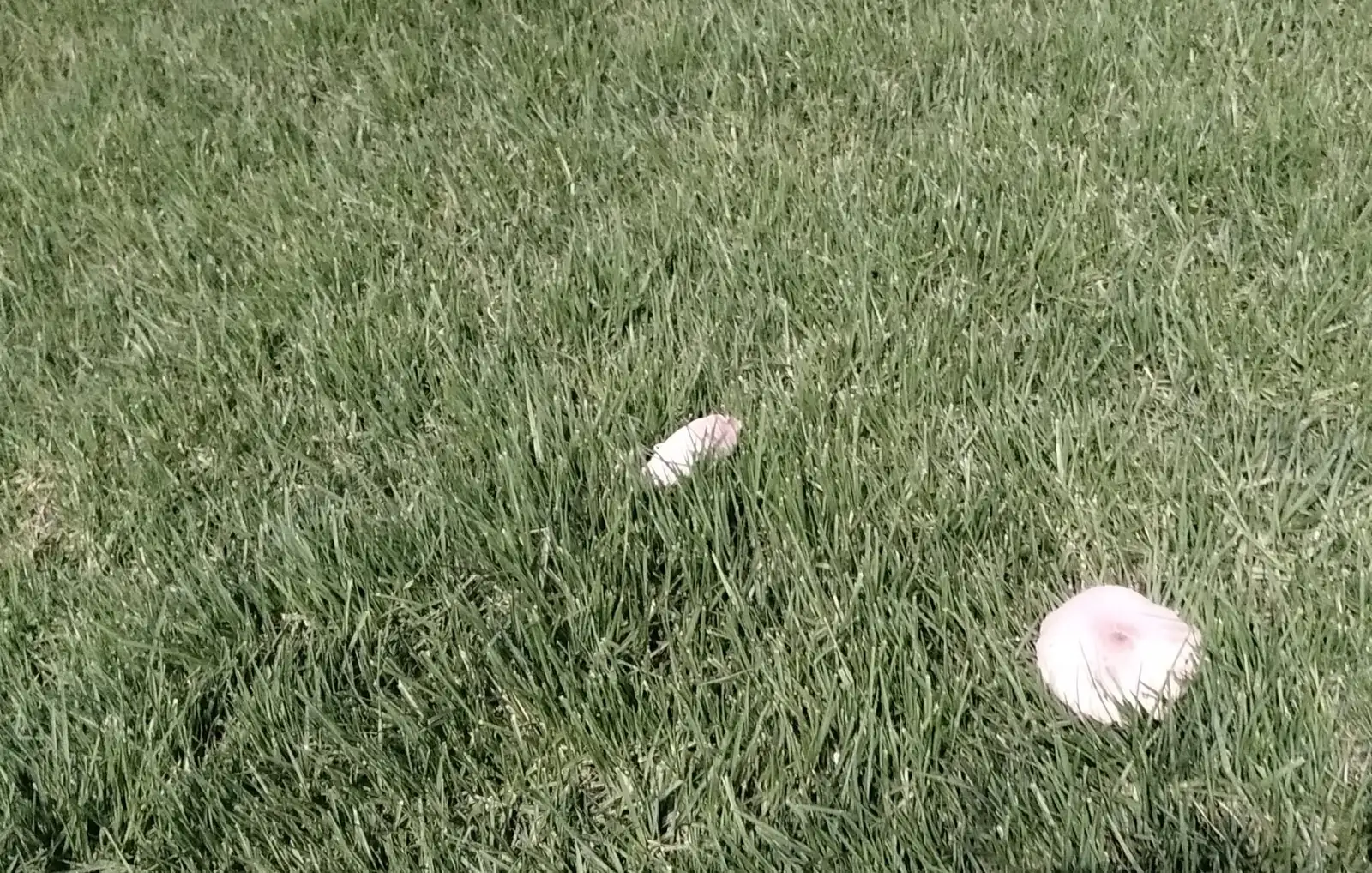
Lawn mushrooms have a reputation they don’t fully deserve. Most of the time, they’re doing quiet, useful work: breaking down what’s dead, feeding what’s living, and connecting soil particles in ways that no fertilizer can replicate. Fungi serve as nature’s recyclers by breaking down complex organic matter like lignin-based foods found in decaying wood and fallen tree leaves, and this decomposition process releases nutrients back into the soil, promoting healthy soils filled with beneficial microbial activity.
The real takeaway isn’t whether mushrooms belong in your lawn. It’s learning to read what they’re telling you. A ring of caps after a rainy week is one thing. A persistent flush near a specific spot, season after season, is the soil pointing you toward something buried and unresolved. Pay attention to the pattern, identify what you’re looking at, and act accordingly.
The lawn is never just grass. It’s an ecosystem, and the mushrooms are part of the conversation.
AI Disclaimer: This article was created with the assistance of AI tools and reviewed by a human editor.