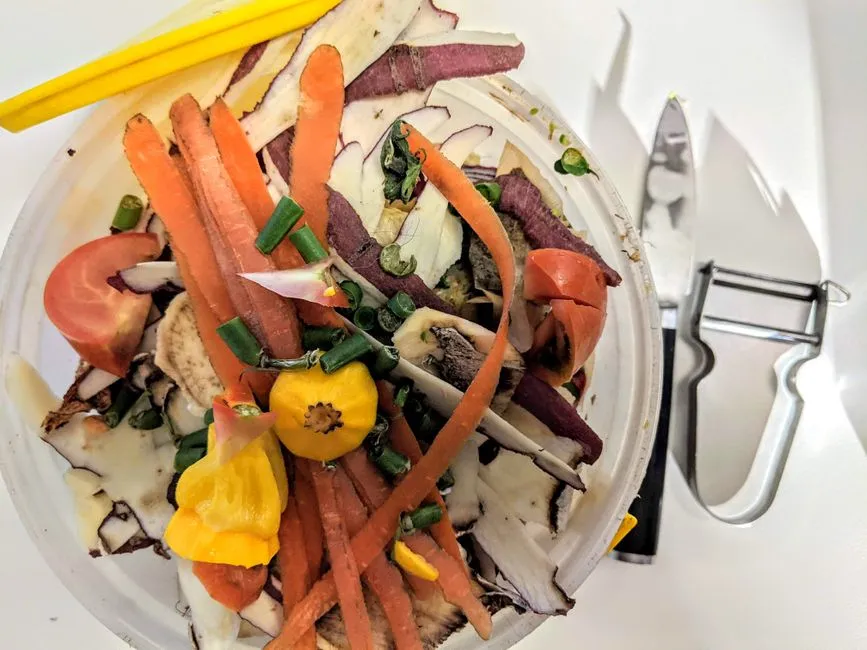

There’s a particular kind of satisfaction in watching something you were about to throw away come back to life on a sunny windowsill. No soil, no seed packets, just a jar of water and a bit of patience. It turns out several vegetables sitting in your crisper drawer right now still have enough life left in them to grow again, and the process is a lot simpler than most people assume.
1. Green Onions: The Fastest Payoff In The Kitchen
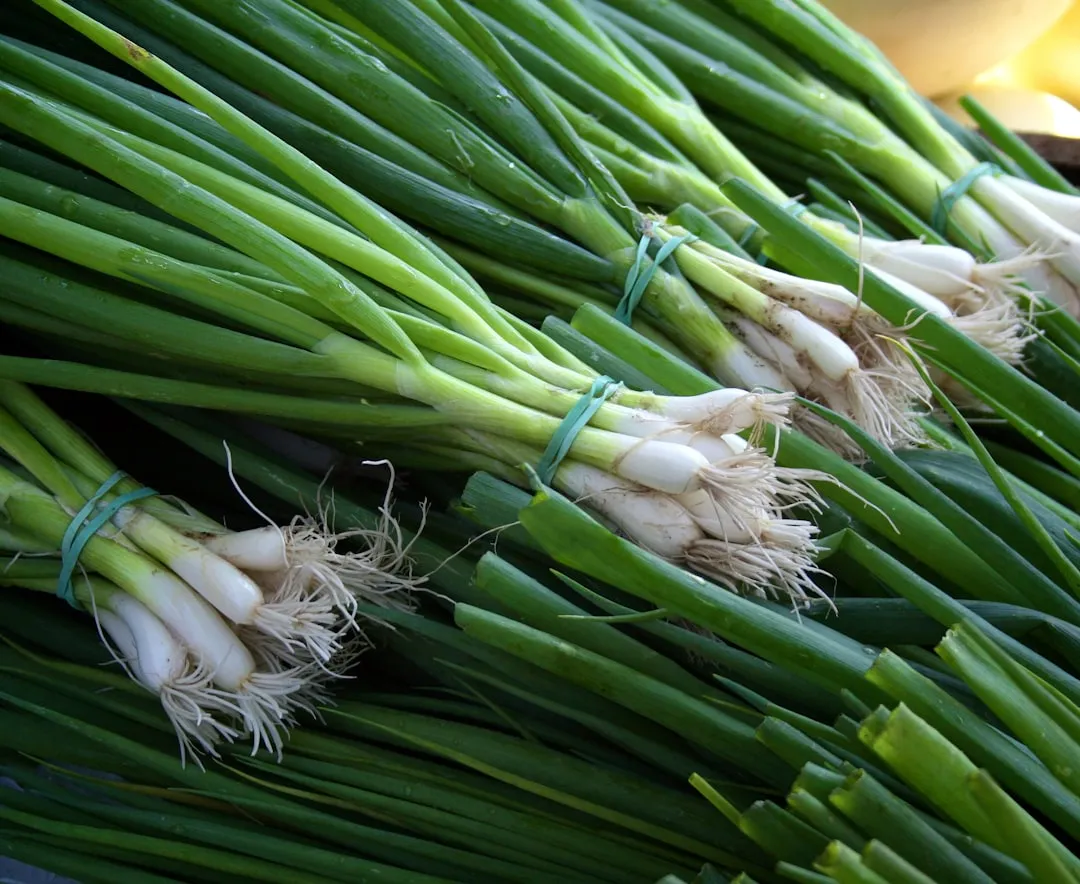
Green onions, sometimes called scallions, are the classic starting point for anyone curious about regrowing food from scraps. All you need is the white root end with about an inch of the base still attached, placed in a small glass with just enough water to cover the roots. For anyone looking for a fast return on investment, these green onions regrew quick, often showing new green shoots within days. According to home gardening writers who have tracked the process closely, when you regrow onions in water, they will continue producing for several weeks, then slow down and eventually stop, because they have run out of nutrients. Snipping only what you need and leaving the rest intact keeps the plant producing longer, which makes this one of the most forgiving scraps to experiment with.
2. Celery: New Growth From An Old Stalk Base
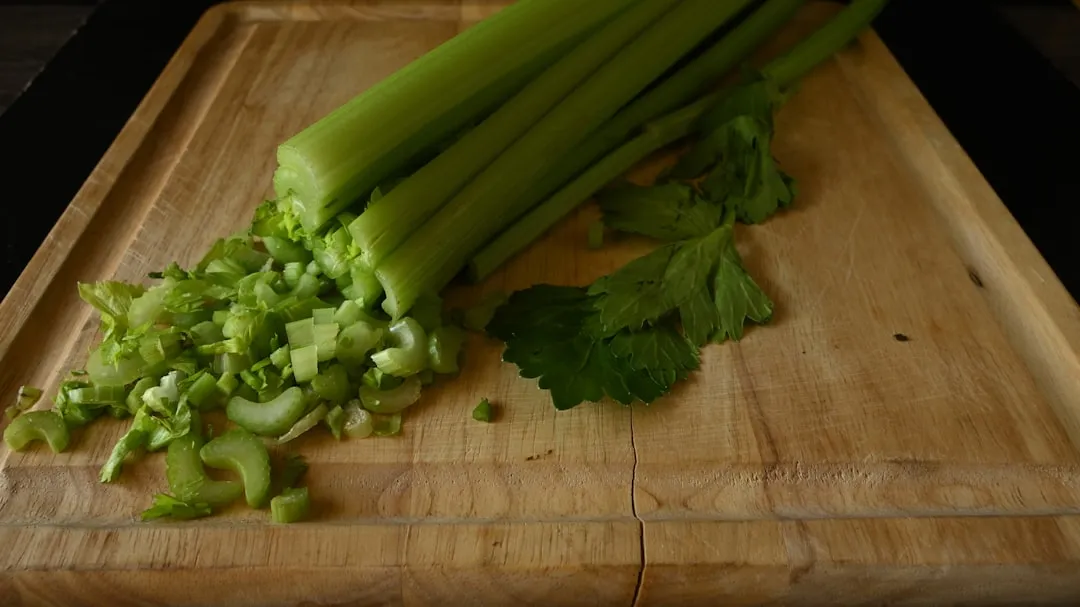
Celery is often the second experiment people try after green onions, and for good reason. You simply cut off the bottom two inches of a celery bunch, the part most people toss without a second thought, and set it in a shallow bowl or glass with water covering just the base. Growth happens surprisingly fast once the cut end is in water. New growth begins from the center in one to two days, with significant growth in less than a week. Some gardeners have gone further and successfully moved their regrown celery into garden soil afterward, extending the life of a single stalk well beyond the kitchen counter.
3. Romaine Lettuce: A Few Extra Leaves From The Stem
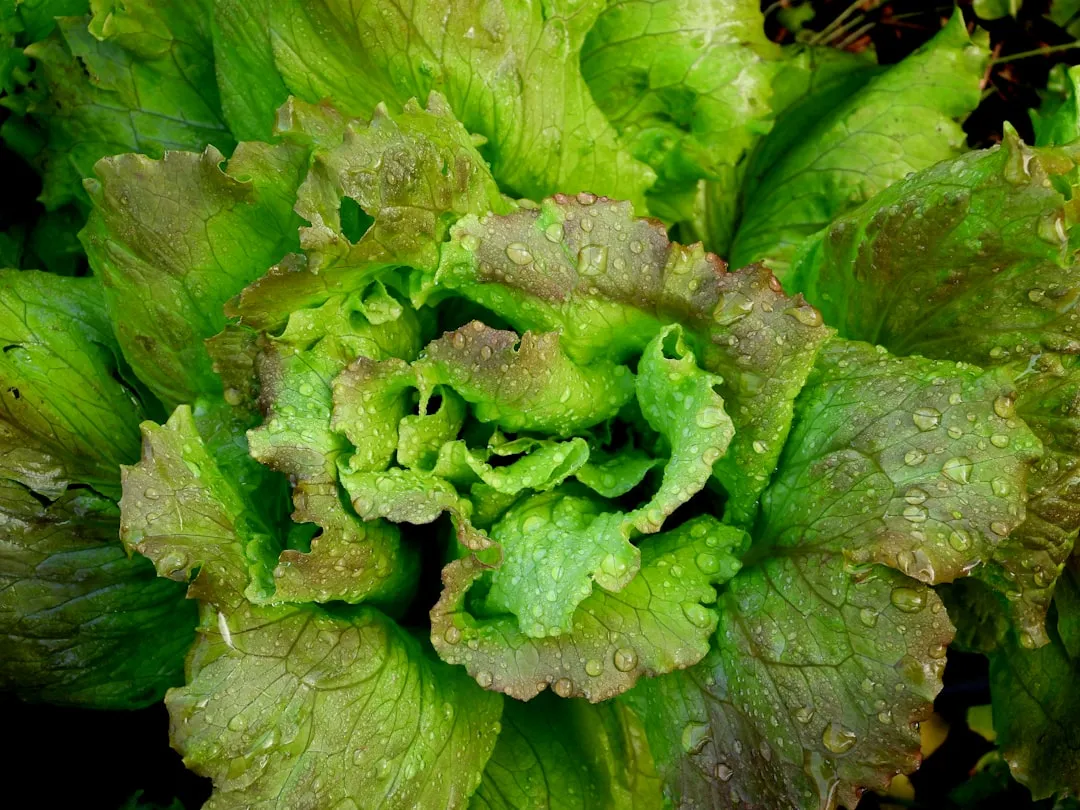
Romaine lettuce works a little differently than celery or onions, and it helps to set expectations before starting. You keep the stem end after eating the leaves, cutting the lettuce about an inch from the bottom, then place it in a shallow dish of water on a bright windowsill. One gardener who documented the process closely found that a full grown leaf from a store bought romaine compares to about a dozen leaves regrown from a romaine stem after roughly four weeks. It’s worth noting upfront that this method will not produce a full new head. You will only regrow a few leaves, usually two to four inches long, enough for a sandwich, and the plant will eventually bolt before forming a full head, though that does not make the experiment any less worthwhile.
4. Bok Choy: A Compact Regrower For Small Spaces
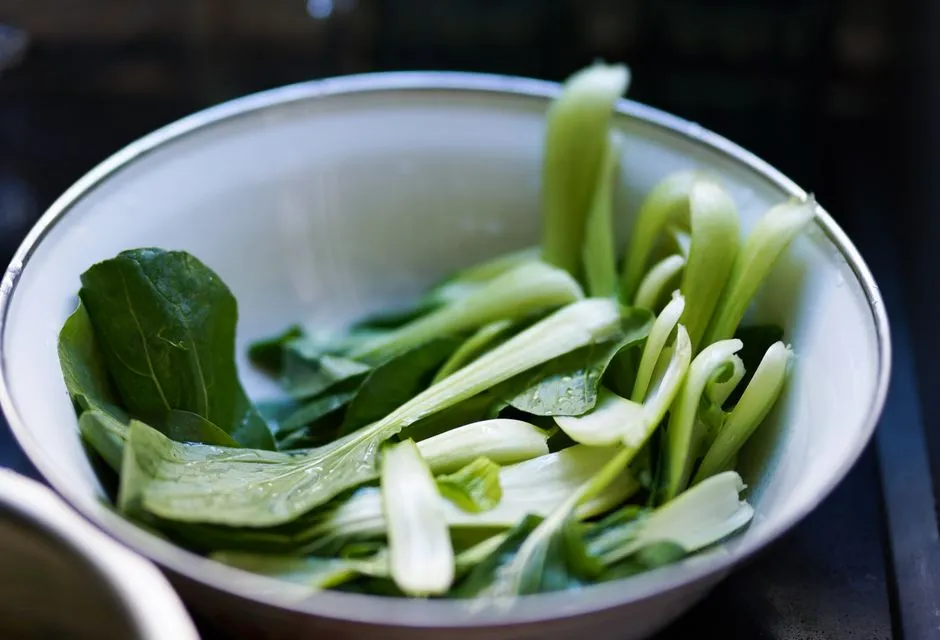
Bok choy follows a similar logic to romaine lettuce, since both are leafy vegetables with a distinct base that holds dormant growth points. After trimming the leaves for cooking, the stump goes into a shallow bowl of water with the cut side facing up and the root nub touching the liquid. Within a week or two, small pale leaves typically begin pushing up from the center of the base, and they continue to fill out as long as the water stays fresh. Home cooks who have tried hydroponic style setups for leafy greens on their counters describe bok choy as one of the easier vegetables to keep going indoors once the initial roots take hold. It’s a smaller plant than a full head of lettuce, which makes it a practical choice if windowsill space is tight.
5. Garlic Scapes: Getting Greens From A Sprouting Clove
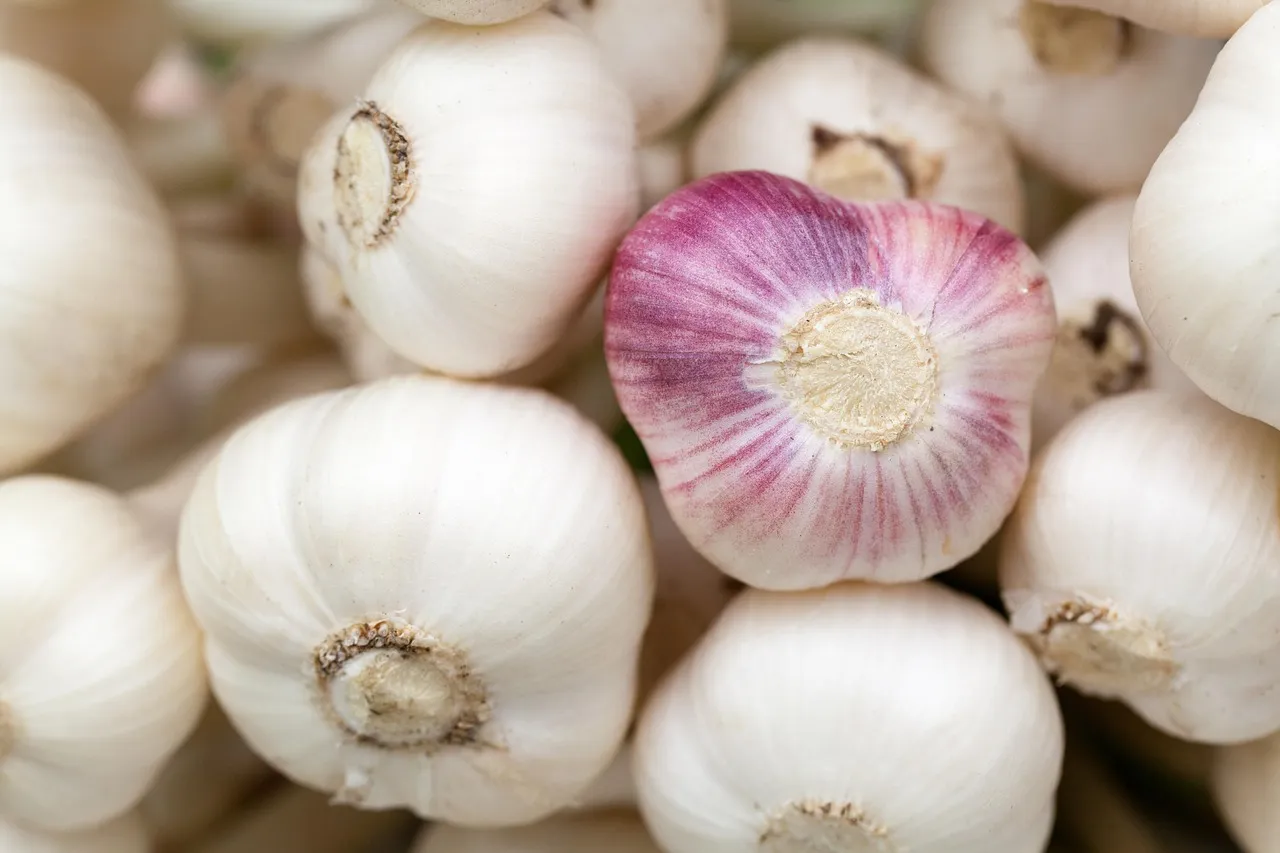
Garlic behaves more like an onion than a leafy green, since it is a bulbing crop rather than a leaf crop. Food science experts who study kitchen regrowth note that onions are a bulbing crop, and you will get regrowth, though the outcome depends on the type of onion involved, and garlic follows the same general pattern. If a clove has already begun sprouting a green shoot, standing it upright in a small glass with the base just touching water will usually encourage that shoot to keep growing into a garlic scape, which can be snipped and used much like chives or scallions. It will not produce a new full bulb sitting in water alone, but the fresh green tops are a real and useful payoff for something that would otherwise be discarded.
Why This Actually Works On A Cellular Level
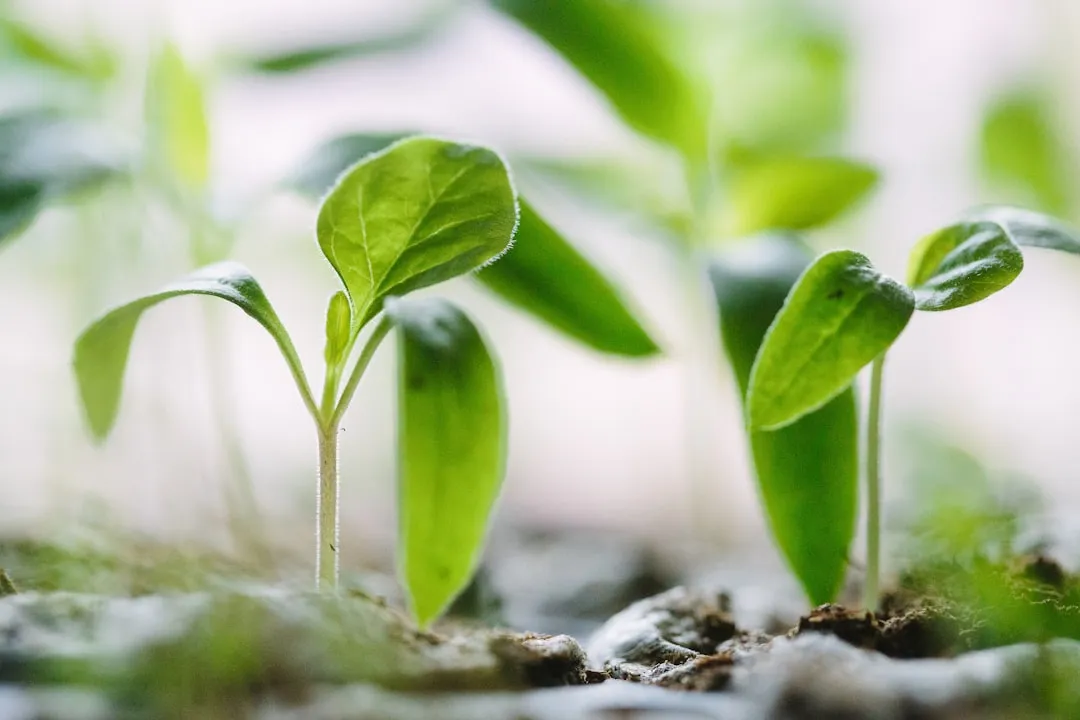
The reason any of this works comes down to something plants are naturally built to do, which is grow new roots from cut tissue when conditions allow it. Food science specialists who have studied consumer questions about regrowing vegetables point out that while lettuce can technically grow hydroponically, water by itself is not an especially strong growing medium, and full regrowth from stems does not always work as smoothly as online tutorials suggest. That is not a reason to avoid trying it, but it does explain why some vegetables, like green onions, regrow reliably while others, like a full lettuce head, only ever produce a partial result. Understanding that distinction upfront saves a lot of disappointment later.
Setting Up A Simple Windowsill Station

You do not need special equipment to get started, just containers sized appropriately for what you are growing. Gardening writers who track this at home suggest that lettuce and celery do best in shallow, wide bowls, while taller items like green onions prefer narrow glasses that keep the base upright without tipping over. A windowsill that gets a few hours of indirect or morning light each day is usually enough, since most of these scraps are not trying to flower or fruit, just push out new leaves. Refreshing the water every couple of days keeps it from turning cloudy and helps prevent the mild odor that stagnant water can develop.
The Mistakes That Slow Everything Down
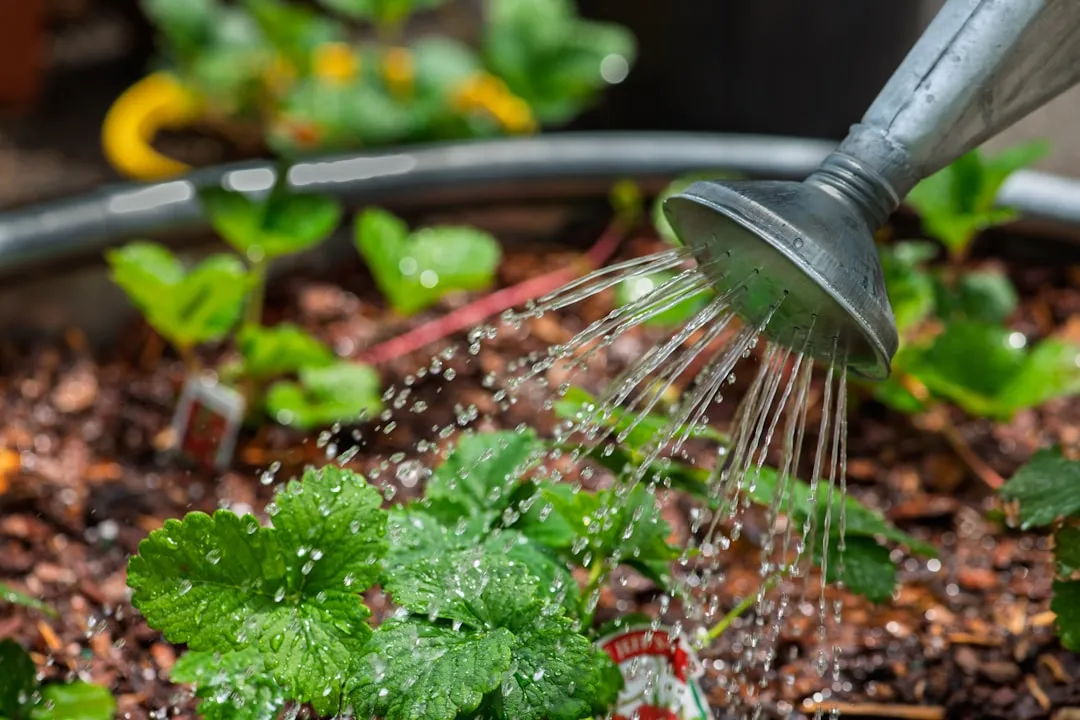
The most common mistake is letting the water sit too long without changing it, which starves the roots of oxygen and invites bacteria. Another frequent issue is harvesting too aggressively. Gardeners who track green onion regrowth recommend not harvesting more than half of each individual plant at a time, to avoid shocking it. Overcrowding a single glass with too many cuttings can also stunt growth, since the plants end up competing for the same limited nutrients in the water. Patience matters too, since expecting a full head of lettuce or a complete garlic bulb from a glass of water will always end in disappointment, given what these methods can and cannot realistically produce.
Why Even A Small Habit Like This Adds Up
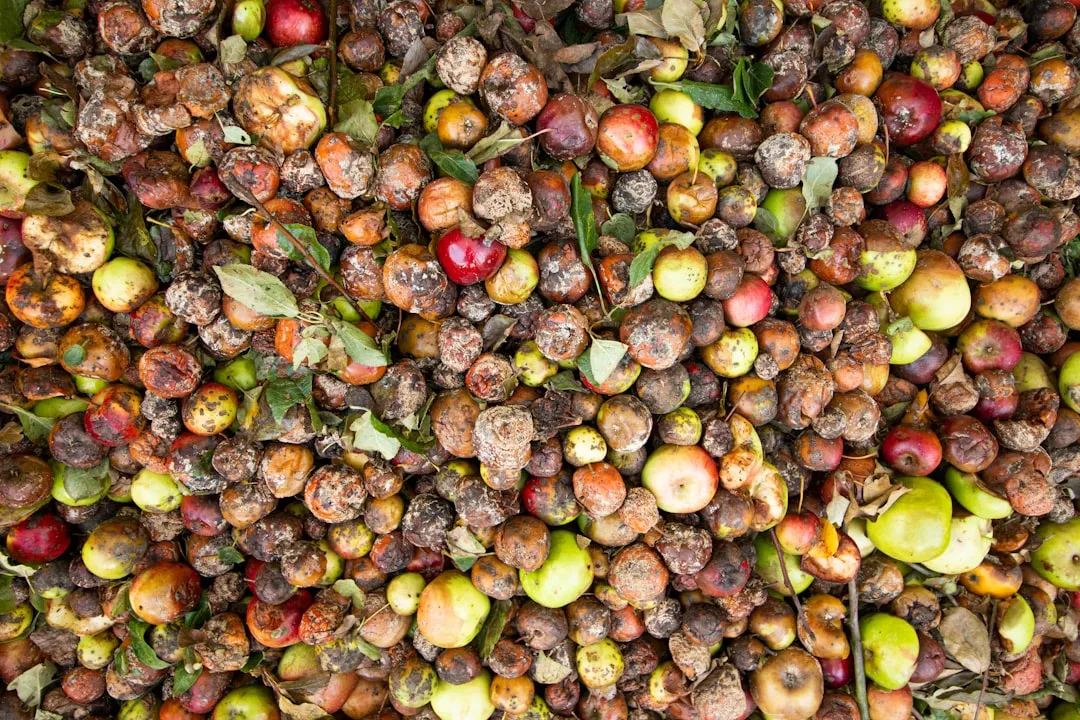
Regrowing scraps will not solve a household’s grocery bill on its own, but it sits inside a much larger pattern worth noticing. Recent data on food waste shows that losses and waste for root crops, fruit, and vegetables run roughly 40 to 50 percent of what is produced, a category that includes exactly the kind of celery ends and lettuce stems this article is about. On the household side, fruits and vegetables make up roughly 40 percent of the food that households throw away, according to recent waste tracking data. Federal estimates released in 2025 put real numbers behind that pattern too, noting that the average American family of four spends around 1,500 dollars each year on food that ultimately goes to waste. None of that means a jar of regrown green onions changes the math dramatically, but it does mean the instinct behind it, squeezing a little more use out of food already purchased, lines up with a much bigger and well documented problem.
Moving From Water To Soil For The Long Term
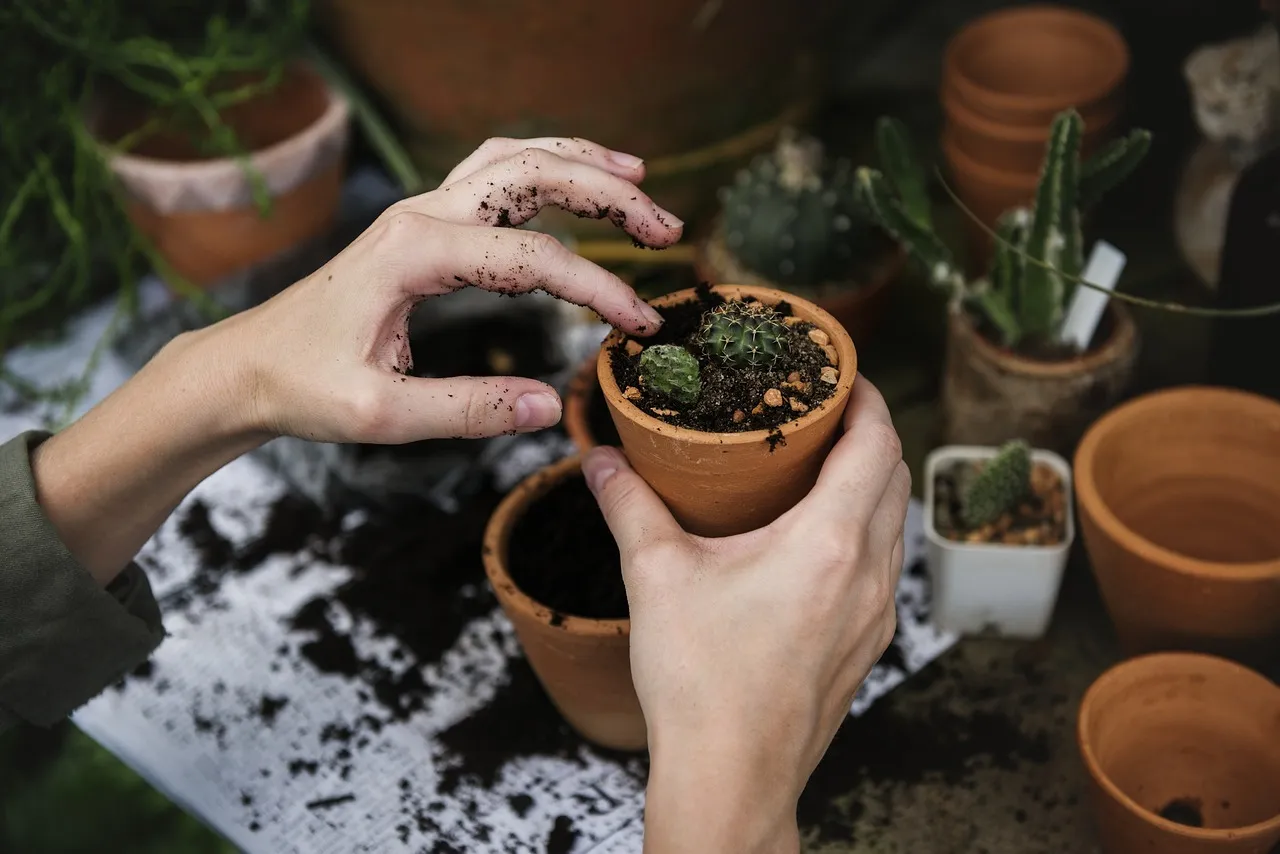
Once roots are established in water, several of these scraps can be transferred into potting soil to keep growing well beyond what a glass alone can support. Gardeners who have tested this directly report success moving both celery and green onions into garden beds after the initial water stage. One home gardener noted having great success regrowing celery from stalk ends, even managing to successfully transplant celery into the garden afterward. The same applies to green onions, which are considered highly successful when grown from the root end, can be transplanted outside as well, and allow for repeated harvesting over time. For anyone who enjoys the windowsill experiment enough to want more than a few weeks of leaves, soil is the natural next step.
There is nothing complicated about any of this, which is part of the appeal. A few scraps that were headed for the compost bin instead sit in a glass by the window, quietly doing what plants have always done when given water, light, and a little time. It’s a small habit, but a genuinely useful one, and it costs nothing but a jar you already own.
AI Disclaimer: This article was created with the assistance of AI tools and reviewed by a human editor.