

Most gardeners assume that more sunlight equals more herbs. It’s a reasonable assumption, but it’s not always true. Some of the most useful plants in a kitchen garden actually struggle in intense sun, bolting quickly, wilting in summer heat, or producing tough, bitter leaves when left baking all afternoon.
Most traditional herb gardens are said to need a minimum of six hours of direct sunlight daily, but many low-maintenance favorites, such as parsley, cilantro, and mint, actually thrive in partial shade, which is typically defined as three to six hours of sun per day. That’s genuinely good news for anyone growing herbs on a north-facing patio, under a tree, or in a balcony spot that only catches morning light. The five herbs below are not just tolerant of shade. In many cases, shade is where they genuinely do their best work.
1. Mint: The Shade-Loving Spreader
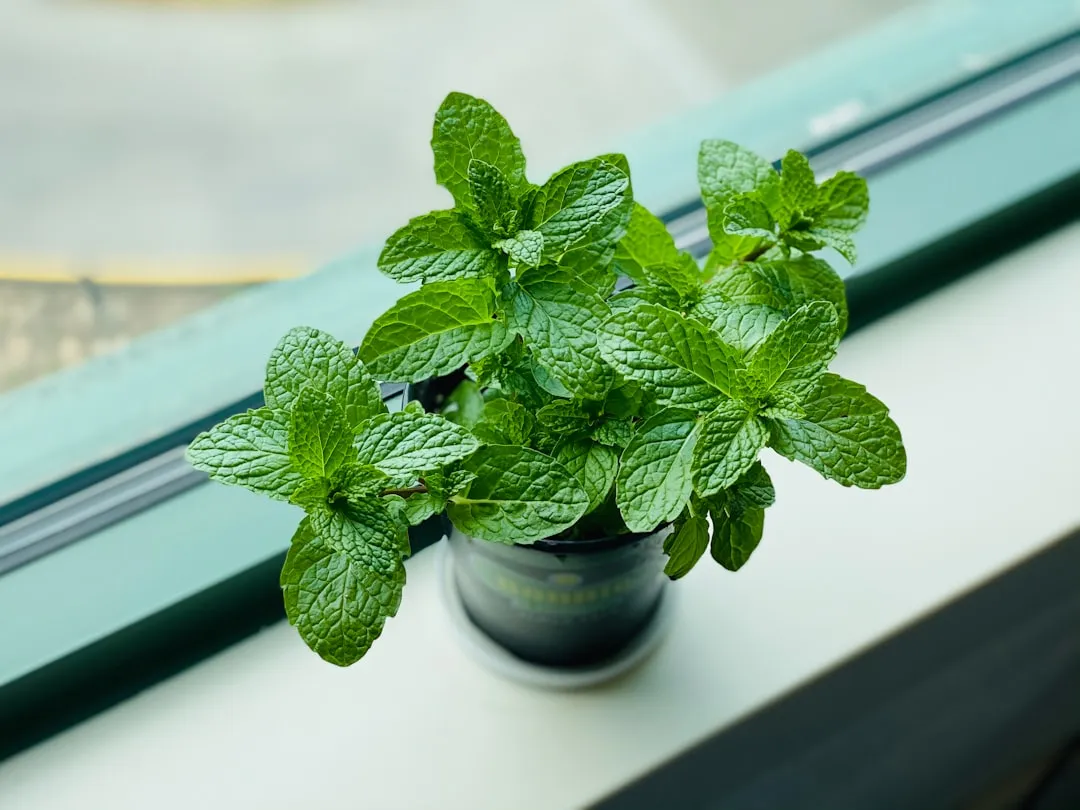
Mint has a reputation for being nearly impossible to kill, but not everyone knows that too much sun is actually one of the fastest ways to damage it. Mint grows well in partial shade, and heavy, harsh sunlight can wilt the leaves, leaving spots and killing off the taste. That’s a significant practical point for anyone who’s ever wondered why a sun-exposed mint plant looked ragged by midsummer.
Mint is the first shade-loving herb in the mint family, and it actually prefers partial shade to full sun. This mint thrives in shade, where it will also consume less water than if planted in full sun. That’s a bonus most gardeners don’t expect: lower maintenance, not just shade tolerance.
Thriving in USDA zones 3 through 9, mint prefers rich, moist soil and easily tolerates partial shade. However, it is notoriously aggressive, so it’s a good idea to grow it in pots or behind physical barriers to prevent it from becoming invasive. A container under the porch is genuinely ideal.
2. Cilantro: Shade Is the Secret to a Longer Harvest
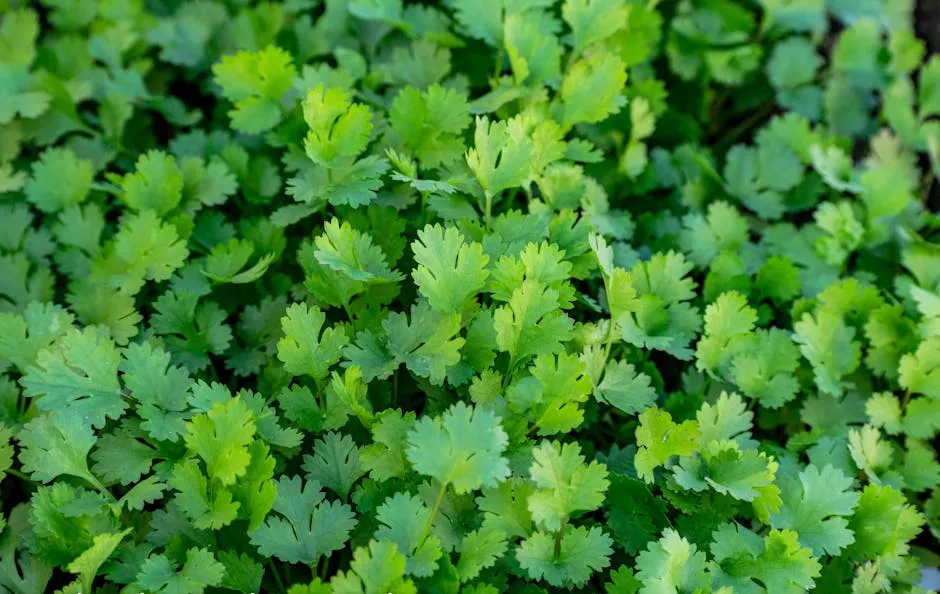
Cilantro is notoriously finicky in hot weather. Plant it in full sun during summer and it bolts within weeks, sending up a flower stalk and abandoning leafy growth almost overnight. Cilantro tends to bolt super fast in hot, sunny weather, but in shade, it stays cooler and lasts much longer while producing more tender leaves. It’s perfect for late spring or summer planting in partly shaded beds.
Cilantro is a fast-growing, short-lived annual that produces citrusy-peppery leaves, tangy roots, and pungent seeds known as coriander. This cool-season crop prefers dappled shade or partial sun, especially as temperatures reach 70 degrees Fahrenheit, at which point the natural process of bolting occurs.
Grown in shade, cilantro is slow to bolt and you’ll be harvesting its succulent leaves for longer than from a plant in full sun. It grows well with three to six hours of direct sunlight, and afternoon shade can help slow bolting and extend the harvest considerably.
3. Parsley: Sweeter Roots and Longer Seasons in the Shade
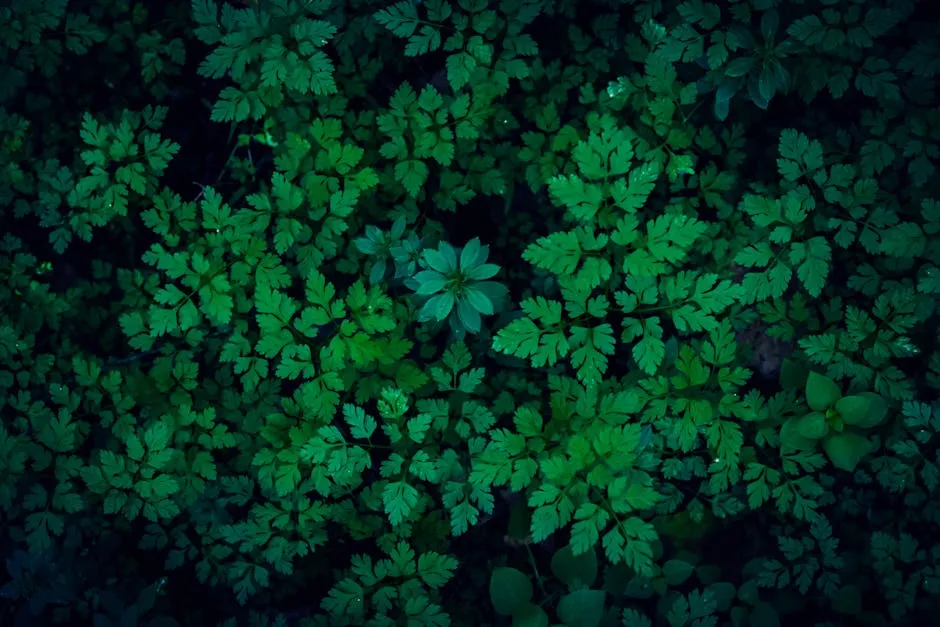
Parsley is a herb that most people grow without giving much thought to its light preferences. It looks tough, it performs in many conditions, and it rarely complains. Parsley, both curly and flat-leaf varieties, grows beautifully in partial shade. It thrives with cooler roots and can actually become sweeter when not exposed to intense sun.
Available in both curly and flat-leaved Italian varieties, parsley is an adaptable biennial that flourishes in USDA zones 4 through 11. While it can handle full sun, it benefits from light or afternoon shade in hot, humid climates. The practical implication is simple: if your summers run hot, move parsley out of the afternoon glare.
Both flat-leaf and curly parsley varieties handle shaded conditions extremely well. They might grow a little slower with reduced sunlight, but the flavor will be just as strong. Slightly slower growth is a fair trade-off for a longer, more productive harvest season.
4. Chives: The Quiet Performer in Dappled Light
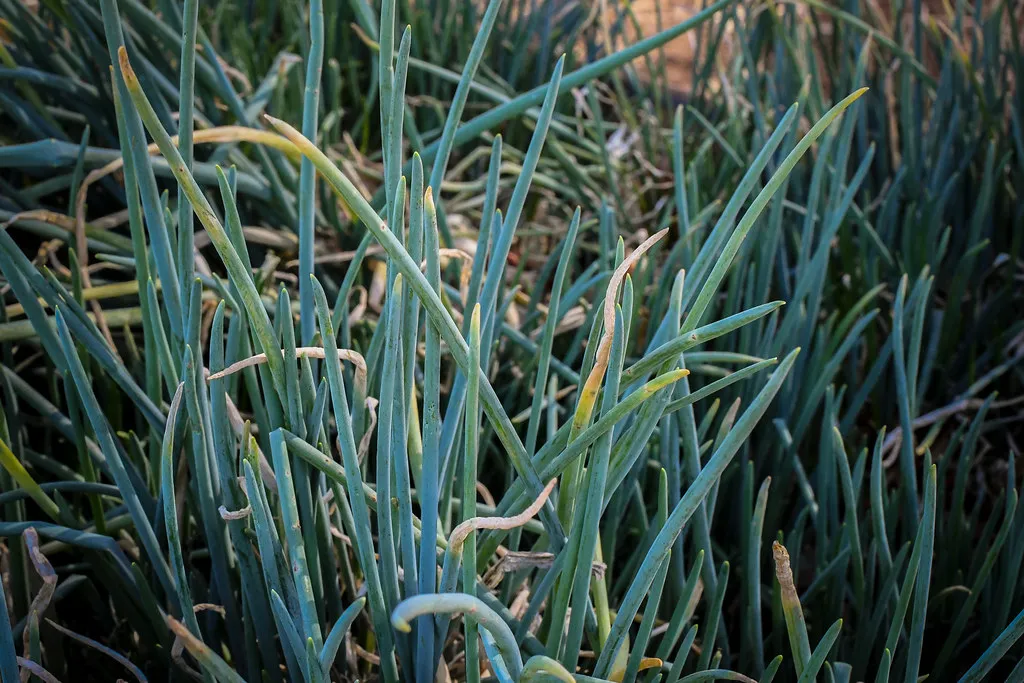
Chives are one of those herbs that seem to thrive everywhere, and that’s essentially true. Still, they earn their place on this list because shade doesn’t just tolerate them, it genuinely suits them. Although chives can grow in full sun where ample soil moisture is present, there is the risk of the plant bolting, which results in bitter leaves. Partial shade helps maintain the taste and flavor of the herb and ensures a steady crop of larger leaves.
As a resilient and low-maintenance member of the onion family, chives are a perennial herb that grow in USDA zones 3 through 9. While they flourish in full sun, chives are known to be shade-tolerant and adaptable, and they are hardy, cool-season herbs that are typically the first to emerge in early spring.
This perennial herb surprises with adorable purple flowers in late spring, which is a nice bonus for a shady spot. Chives add a gentle oniony flavor to dishes and are full of vitamins, making them perfect for sprinkling on salads. Divide the clumps every couple of years to keep them productive and avoid overcrowding.
5. Lemon Balm: The Shady Herb Nobody Talks About Enough
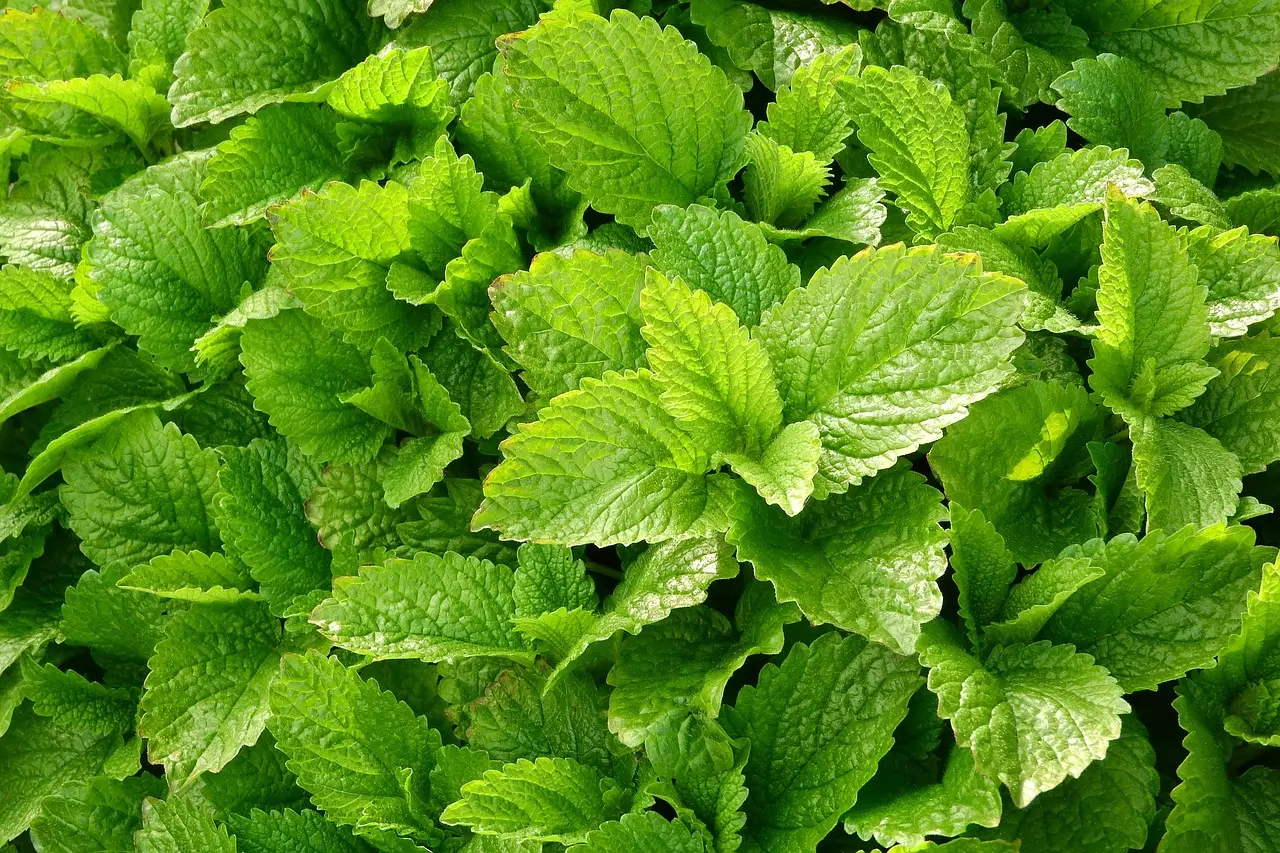
Lemon balm doesn’t get nearly the attention it deserves. It’s easy to grow, wonderfully fragrant, useful in teas and cooking, and it genuinely thrives where the sun isn’t beating down all day. Lemon balm can be grown in full sun or partial shade, but partial shade is ideal. While adaptable to almost any soil and sun conditions, some people find that it can lose color if exposed to too much sun, and that some shade can actually improve the flavor.
Lemon balm is a European perennial that does as well in shade as it does in full sun, and its delightful lemon scent comes from its high essential oil content. Partial shade, such as dappled sunlight under taller plants or trees, is often the sweet spot, particularly in regions prone to hot summers.
A fragrant relative of the mint family, lemon balm is a hardy perennial sought after for its serrated, heart-shaped foliage and refreshing citrus scent. Grown in USDA zones 3 through 7, this low-maintenance herb prefers temperate climates and partially shaded locations with moist, well-drained soil. Like mint, it can spread aggressively in open ground, so containers work well.
Why Leafy Herbs and Shade Are a Natural Match
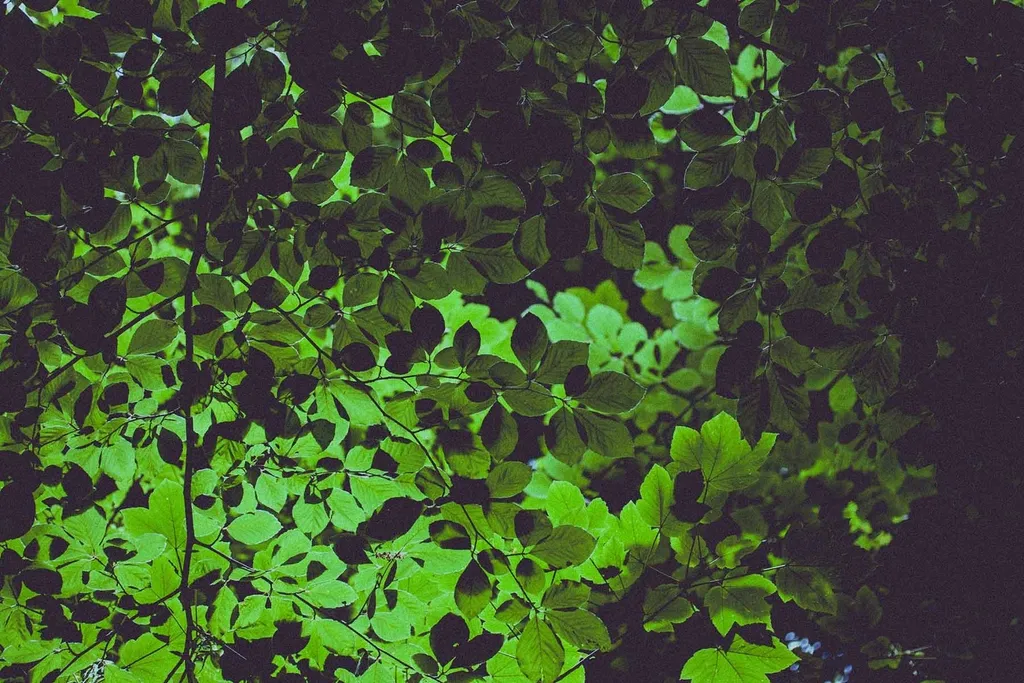
There’s a simple ecological reason these herbs tolerate, and often prefer, less direct sun. Some herbs evolved in woodland edges or temperate forest floors where light filters in through leaves and the soil stays a little damper. That’s where shade-tolerant herbs truly shine. They weren’t designed for open, sun-scorched hillsides the way rosemary or lavender were.
Leafy herbs such as mint, lemon balm, chives, and parsley tend to tolerate lower light conditions better than woody Mediterranean herbs. The best herbs for partial shade are those grown primarily for their leaves. The logic holds: when you’re not asking a plant to produce dense, woody stems or to push out abundant blooms, it has less need for constant, intense light.
The Bolting Problem: How Shade Saves Your Harvest
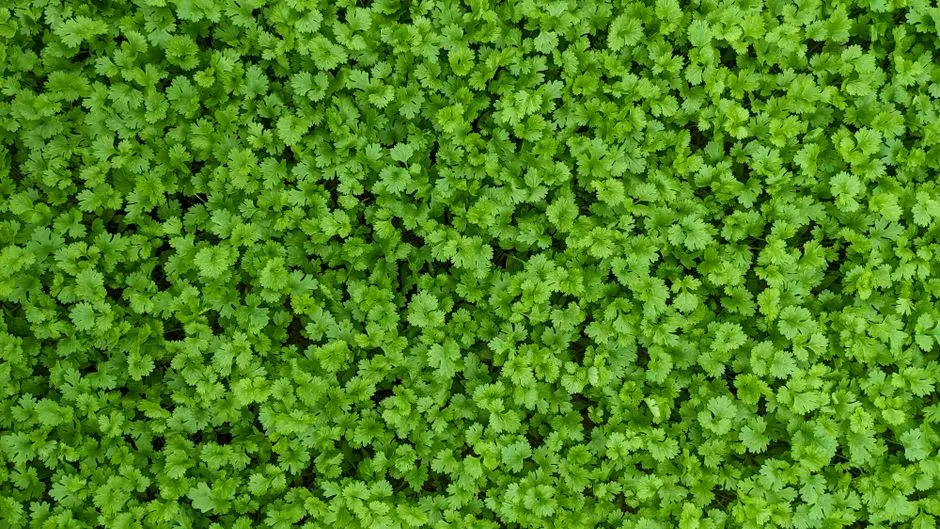
Bolting is the gardener’s least welcome surprise. One warm week and your cilantro is suddenly four feet tall with tiny flowers and no usable leaves. Shade often reduces heat stress and extends the growing period. Herbs like cilantro and parsley are less likely to bolt in cooler, shaded areas, and some herbs develop a more delicate and nuanced flavor when grown away from harsh sunlight.
Many herbs bolt more slowly in shade. If you’ve ever had your cilantro or parsley go from leafy to lanky overnight in the heat, a bit of afternoon shade might actually help extend your harvest significantly. This is especially true in climates where summer temperatures climb quickly in June and July.
Getting the Light Right: Partial Shade vs. Full Shade
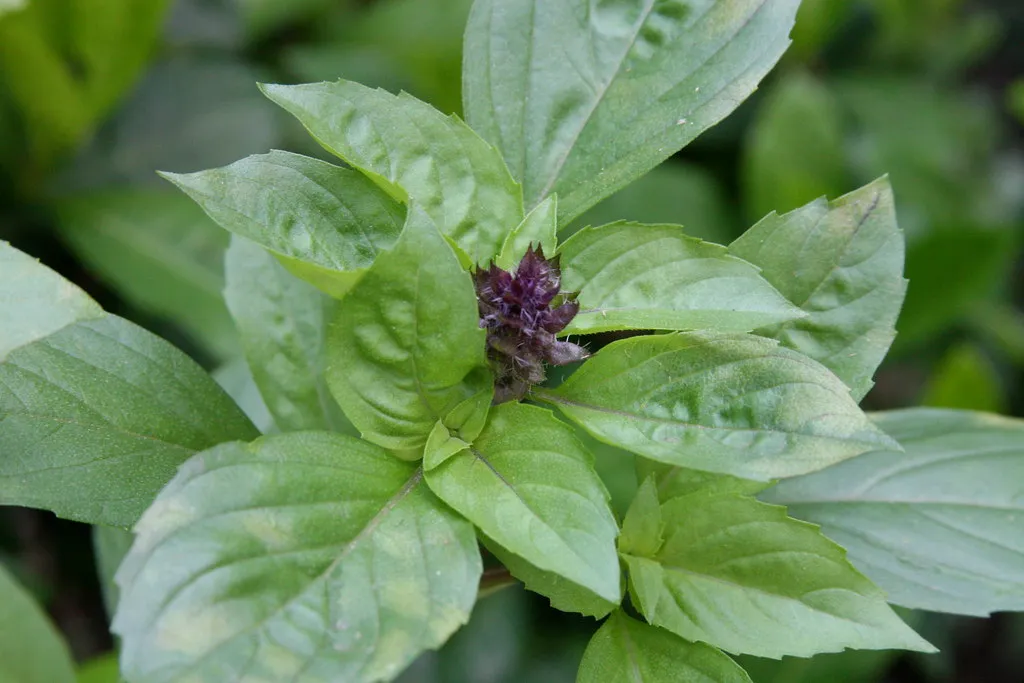
It’s worth being precise here, because “shade” covers a wide range of conditions. Full shade means no direct sun at all, which usually isn’t ideal for herbs. Most need some light to produce flavor-packed leaves. What you’re aiming for is partial shade, not a dark corner.
Herbs like mint, parsley, cilantro, chives, and lemon balm grow well in partial shade and can handle as little as three to five hours of sun per day, especially if that light comes in the morning. Morning sun is gentler and ideal for shade-tolerant herbs. Afternoon sun is more intense and better for sun-loving Mediterranean herbs. If you can only provide partial sun, morning sun with afternoon shade works well for most herbs and prevents heat stress.
Shade Herb Growing Tips That Actually Make a Difference
Growing in less light requires a few adjustments to prevent the most common problems. Because shaded areas often stay moist longer, avoid heavy or waterlogged soil. Many herbs, especially Mediterranean varieties, prefer well-drained conditions. Soggy roots in low-light spots is a reliable path to root rot.
Frequent harvesting encourages bushier growth and prevents plants from becoming leggy as they stretch toward the light. Herbs grown in lower light conditions may produce softer growth and slightly less concentrated flavor, but they are still useful and productive in the kitchen. Regular snipping is genuinely good for the plant, not just your cooking.
Using containers to chase the light is one practical approach for gardens with patchy or shifting sun. Moving shade-loving herbs in containers throughout the season, tucking them under trees in summer and sliding them out into brighter corners in early spring and fall, can make a real difference.
The Best Spots in Your Garden for Shade Herbs
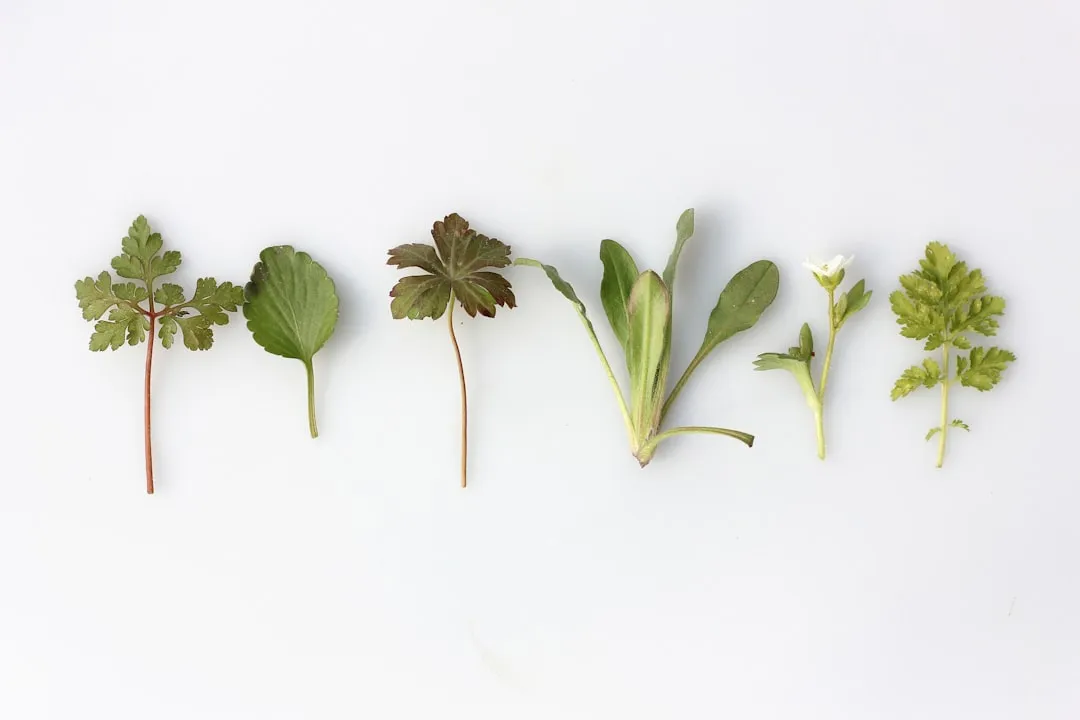
Not every garden has obvious shade, but most have more of it than they realize. North-facing patios are perfect for parsley, cilantro, or chervil. Grouping several pots together creates a lush look, and rotating them occasionally ensures even growth. A narrow side yard between buildings is another often-overlooked opportunity.
Some herbs actually prefer a bit of shelter, especially in the summer. Lemon balm and mint planted under trees stay cool and happy during heatwaves. Mint makes excellent ground cover around trees, and can also be placed in planters tucked up under a porch, out of direct sunlight.
Conclusion: Rethink Where You Place Your Herb Garden
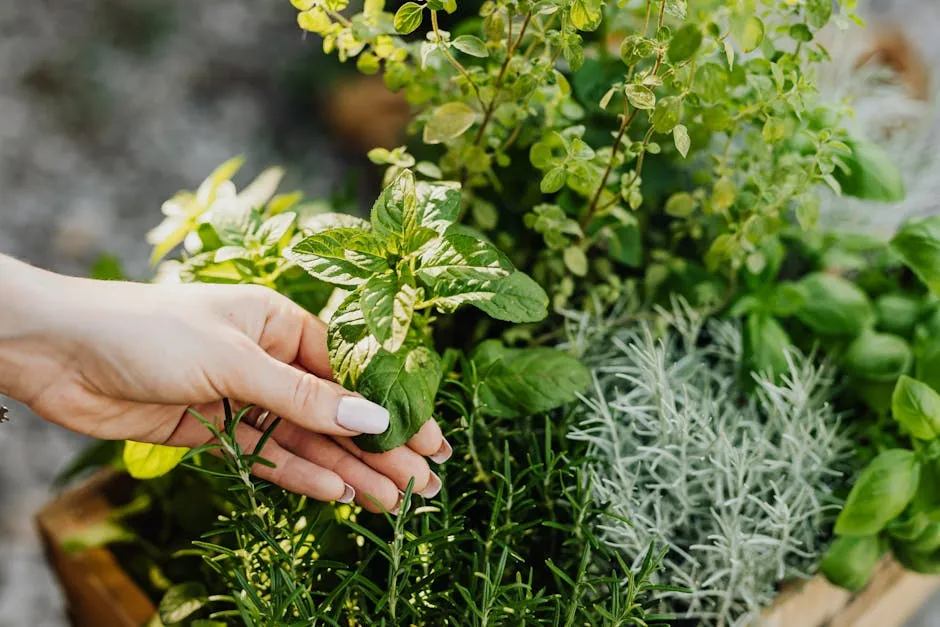
The instinct to give every plant as much sun as possible isn’t wrong, exactly, but it doesn’t account for how different herbs actually evolved. While most culinary herbs prefer some sun, many tolerate partial shade surprisingly well. Leafy herbs, in particular, often appreciate protection from intense summer heat and can remain tender and productive longer in lightly shaded spots.
Some leafy herbs actually appreciate a bit of protection from intense afternoon sun, especially during the heat of summer. With the right choices, those partially shaded areas can become a productive and fragrant herb garden that provides fresh flavor for your kitchen all season long.
If you’ve been ignoring a shady corner of your patio or treating a tree-lined bed as wasted space, these five herbs give you a genuinely practical reason to reconsider. Sometimes the best growing conditions aren’t the most obvious ones.
AI Disclaimer: This article was created with the assistance of AI tools and reviewed by a human editor.