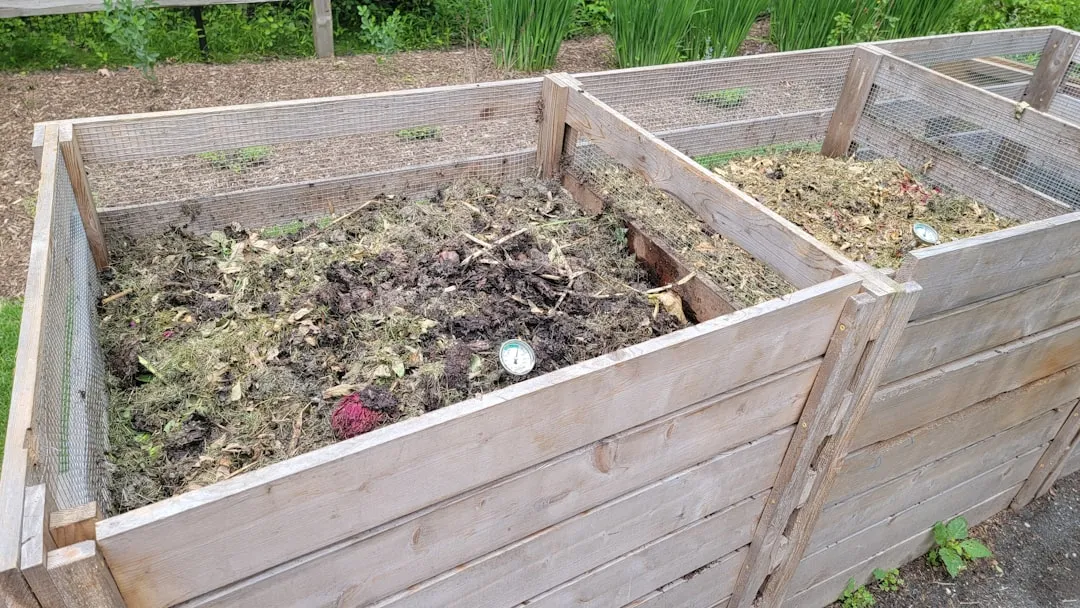

Composting feels like one of those things you can’t really get wrong. You’re just tossing organic scraps into a bin, right? Nature does the rest. That’s the general idea, and mostly it works – until someone slides in the wrong thing and suddenly the pile smells like a dumpster, or a family of rats sets up camp in the backyard.
The frustrating part is that many of the offenders seem completely reasonable to add. They’re kitchen scraps, yard trimmings, things that were once alive. Surely they belong in the pile? Not always. A handful of common additions can quietly wreck the balance of your compost, slow decomposition to a crawl, invite pests, or – in some cases – spread the very garden problems you were trying to solve.
1. Meat and Fish Scraps
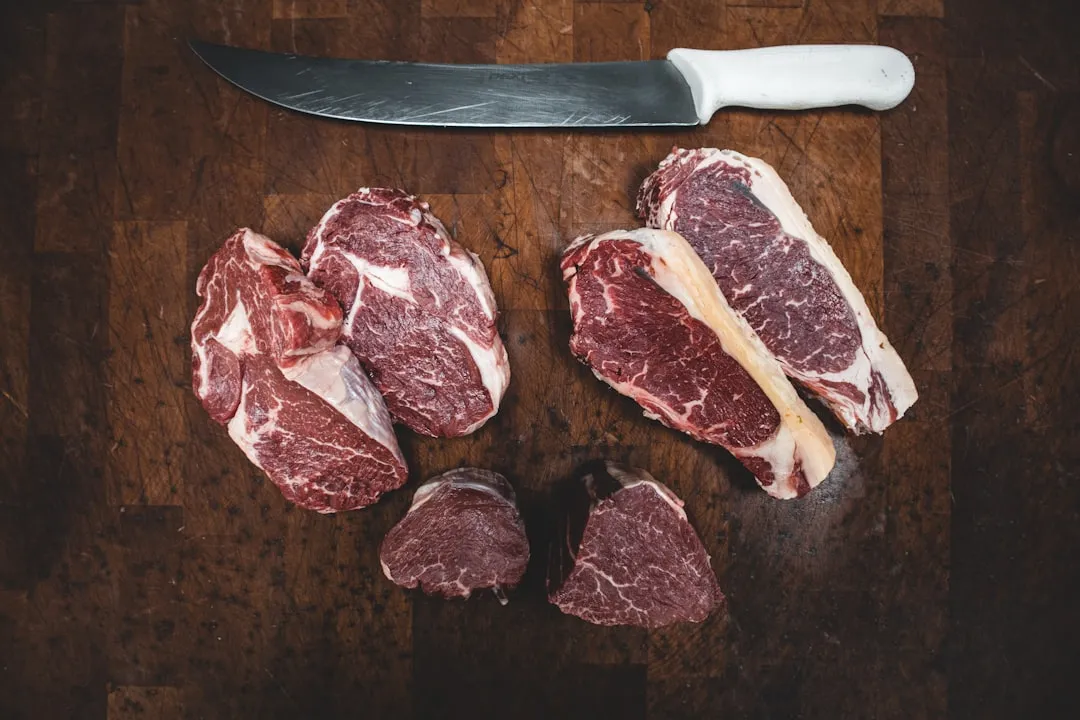
This one tops nearly every expert list, and with good reason. Meat and fish scraps decompose in ways that cause serious problems, primarily around pathogen risk. Raw meat and fish harbor Salmonella, Listeria, E. coli, and other harmful bacteria. Your backyard pile simply cannot reliably destroy those organisms.
Standard home compost piles often do not sustain the temperatures needed – between 131 and 149 degrees Fahrenheit held for several days – throughout the entire pile to ensure pathogen destruction. The outer layers of a passive pile almost never reach those thermophilic temperatures.
The odor compounds released as meat decomposes – including cadaverine, putrescine, and fatty acids – are powerful attractants for rats, raccoons, foxes, dogs, and flies. Once wildlife learns your pile is a meal, keeping them out becomes a battle you rarely win. Dispose of meat scraps through your municipal waste system instead.
2. Dairy Products and Eggs (But Not Eggshells)
Milk, cheese, yogurt, and other dairy products can create odors and attract pests in backyard compost bins. The fermentation process they go through before breaking down fully produces a smell that travels far and wide, announcing your pile to any passing scavenger in the neighborhood.
Dairy products and eggs in general are not suitable for home composting due to their tendency to ferment. The resulting smell of rotting milk or eggs will attract unwanted visitors. It’s not just unpleasant – it’s a genuine disruption to the microbial culture you’re trying to build.
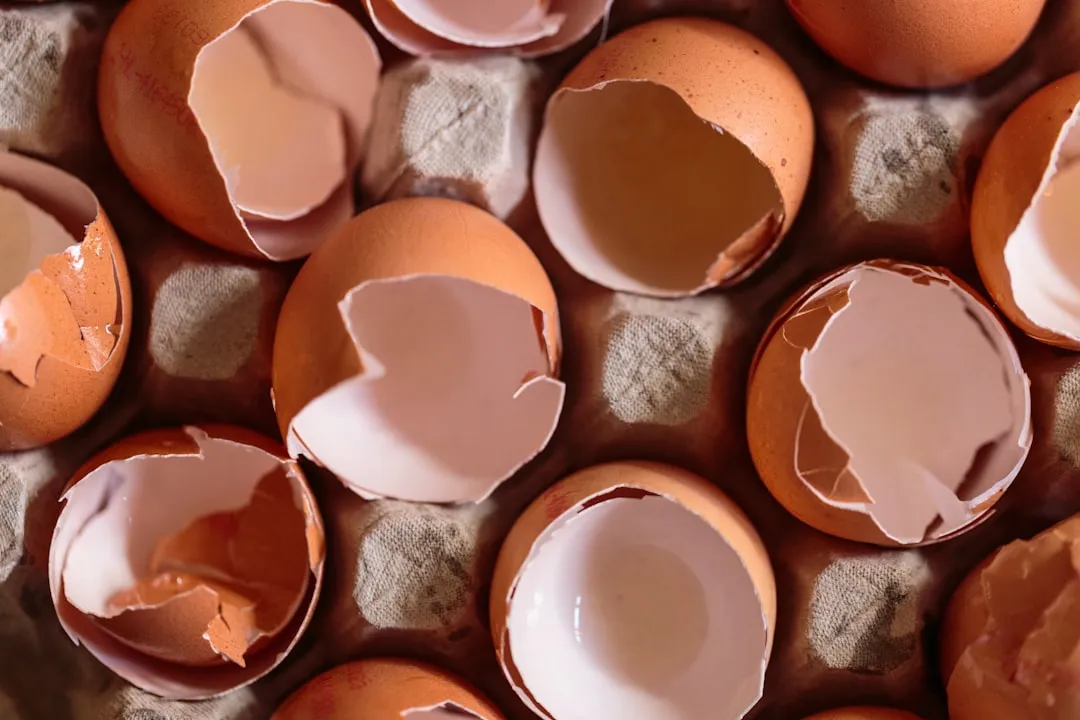
There is a useful exception worth knowing. Eggshells, on the other hand, do provide valuable calcium to finished compost. It’s best to rinse and dry the eggshells before reducing them to a fine grind or powder. Otherwise, eggshells can take up to a year to fully compost. Keep the shells, skip the egg itself.
3. Cooking Oils, Fats, and Grease
Oils and fats will form a coating around vegetable materials and significantly slow down the decomposition process. This is one of those things that looks harmless – maybe you’re draining a little olive oil off a pan – but the cumulative effect on your pile can be significant.
Fats, oils, and grease are dense and can coat other materials, reducing air and water penetration. This leads to anaerobic conditions, favoring the smelly, slow decomposition caused by anaerobic microbes. They also don’t offer a readily digestible food source for many of the beneficial microbes.
Fats and oils will linger in piles and may even negatively impact the culture of microorganisms. They can begin to ferment and spoil long before they’re fully broken down. Even a salad heavily dressed in vinaigrette is better kept out of the pile. Oily foods are irresistible to rodents, raccoons, flies, and ants. Once animals learn your compost is a food source, they tend to come back, dig through the pile, and scatter material around your yard.
4. Weeds That Have Gone to Seed
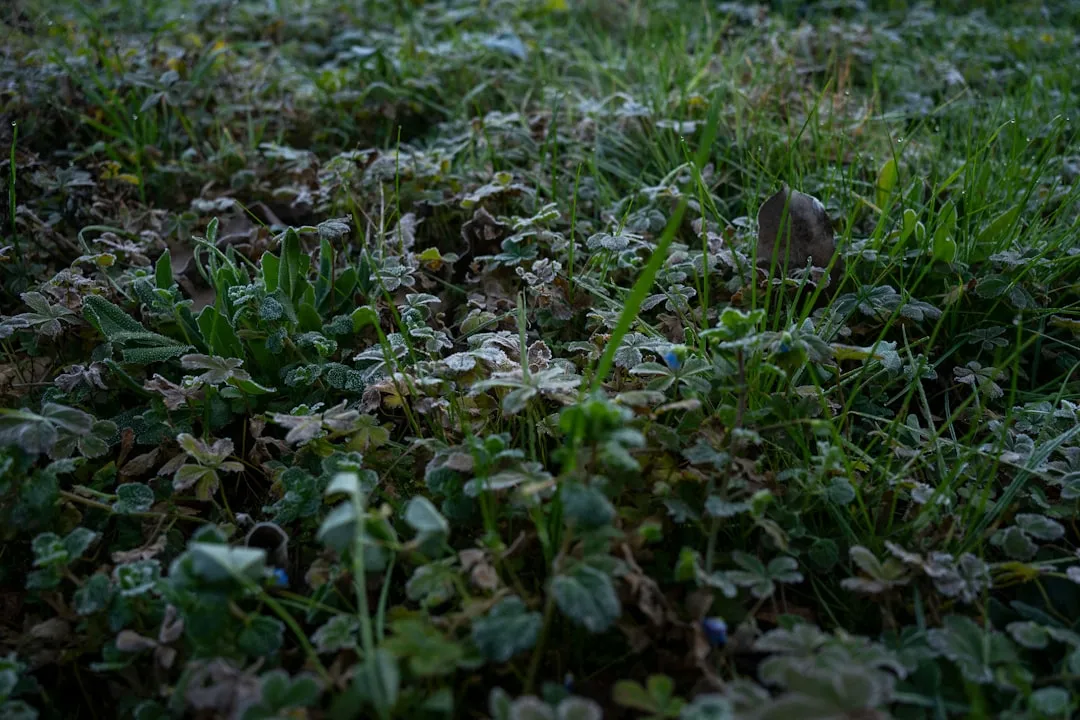
Pulling weeds and tossing them straight into the compost bin feels tidy and efficient. For younger weeds that haven’t flowered yet, it can be fine. For weeds that have already set seed, it’s a mistake that gets worse the moment you spread your finished compost.
Weed seeds, invasive plants, and diseased plant material can survive in home compost piles that don’t reach high enough temperatures. When you use that compost later, you may unintentionally reintroduce the very problems you were trying to eliminate.
For effective weed seed kill, agricultural research and composting standards often recommend maintaining temperatures above 130 degrees Fahrenheit for at least three consecutive days, with the pile being turned to ensure all material cycles through the hot core. If your compost pile consistently reaches those high temperatures, many weed seeds can be destroyed. However, most backyard piles don’t maintain heat evenly. To be safe, avoid composting weeds with mature seeds unless you’re confident your pile stays hot throughout.
5. Diseased Plants
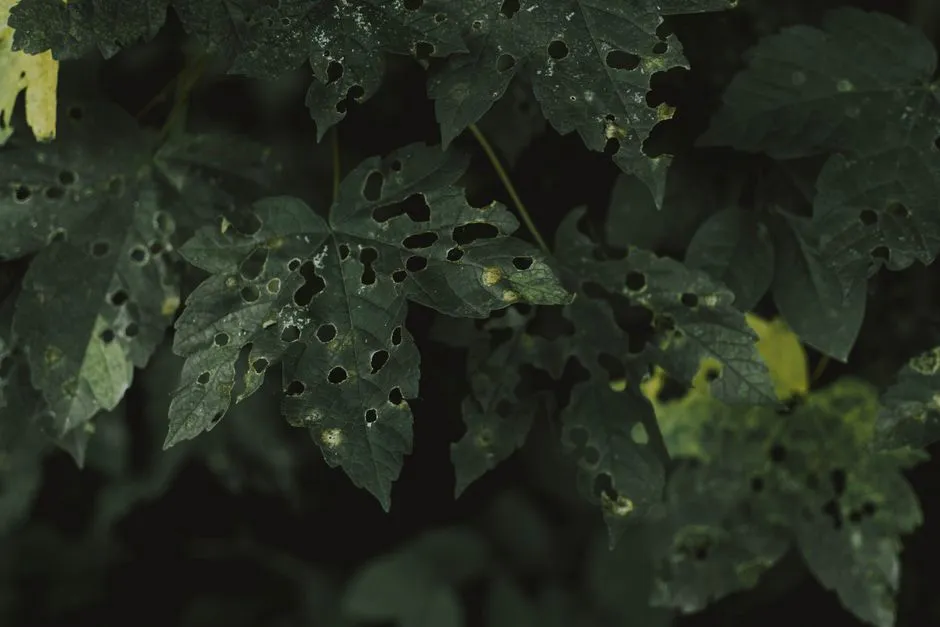
Some plants shouldn’t go into a compost bin, even if they are considered “greens.” If you have plants that you know or suspect to be diseased, leave those out. Otherwise you may spread diseases or pathogens around your garden when you use the compost as fertilizer.
According to Pennsylvania State University, you should not add diseased plants to compost. On average, backyard compost piles get up to about 140 to 160 degrees Fahrenheit while organic matter is decomposing. However, it needs to reach temperatures of up to 180 degrees Fahrenheit to kill the pathogens that cause plant diseases.
Most backyard piles don’t achieve those temperatures uniformly. Outer layers and corners often stay at ambient or mesophilic temperatures. If diseased material survives composting and is applied to garden beds, you reintroduce the pathogen – sometimes in higher concentration than if you had simply disposed of it. That’s the quiet irony: trying to be responsible with plant waste can make things worse.
The Bonus Offender: Produce Stickers
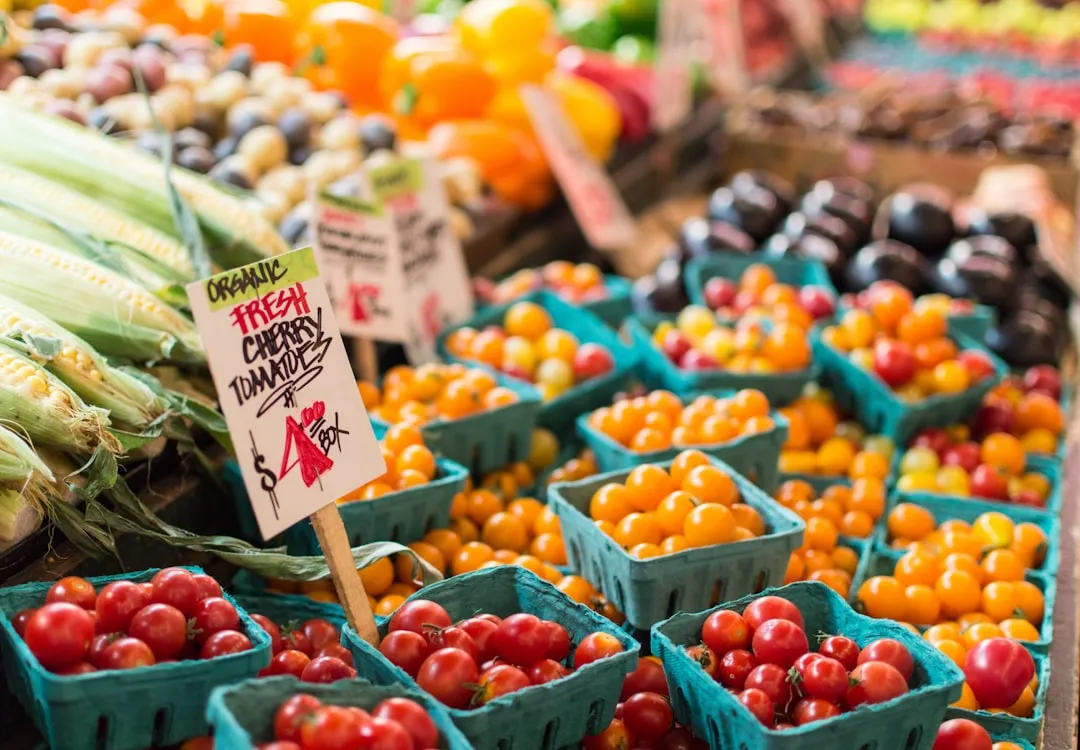
They’re tiny and easy to forget, but produce stickers are one of the more insidious compost contaminants around. Many store-bought fruits and vegetables come with small produce stickers attached. These labels are typically made from plastic or plastic-coated materials designed to withstand moisture, meaning they won’t break down in a home compost bin.
Once mixed in, they remain intact long after the organic matter has decomposed, contaminating finished compost with bits of plastic that are difficult to remove. Over time, this can reduce the quality of your compost and introduce microplastics into your garden soil.
Some produce labels are plastic, some are paper, some are vinyl – all of which are considered “food-grade.” Plastic and vinyl labels simply don’t break down in compost. Get in the habit of peeling them off the moment you bring fruit home, before the peel ever makes it near the compost bin.
The Citrus and Allium Question
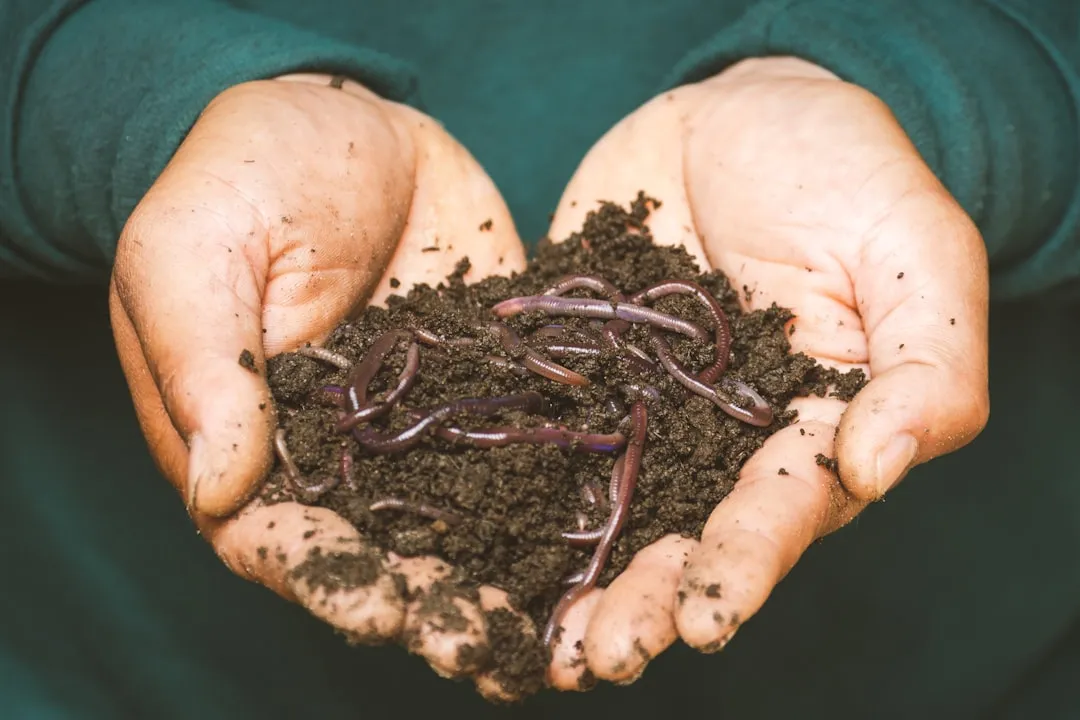
Citrus peels and onion scraps occupy an interesting grey area. They won’t destroy a standard outdoor compost pile outright, but they can cause real trouble in specific situations. The natural chemicals and acidity in citrus peels and onions can kill worms and other microorganisms, which can slow down the decomposition in your pile. Plus, unless chopped into tiny bits, citrus peels take a long time to break down, which will delay how soon you can use your compost.
If you only occasionally throw citrus peels and onion scraps into your compost bin, it’s no big deal, but if you vermicompost or have worm bins, then citrus peels, onions and garlic scraps are a no-no, because they will harm your worms. Context matters here. A hot outdoor pile handles them better than a worm bin does.
Citrus peels take longer to break down than most scraps and, in large amounts, their acidity can throw off the balance of your compost. They’re especially a problem for worm bins, since worms don’t tolerate acidic food well. In a regular compost pile, small amounts are usually fine if mixed with plenty of other material. Moderation is the practical answer here.
What Goes Wrong When the Balance Breaks
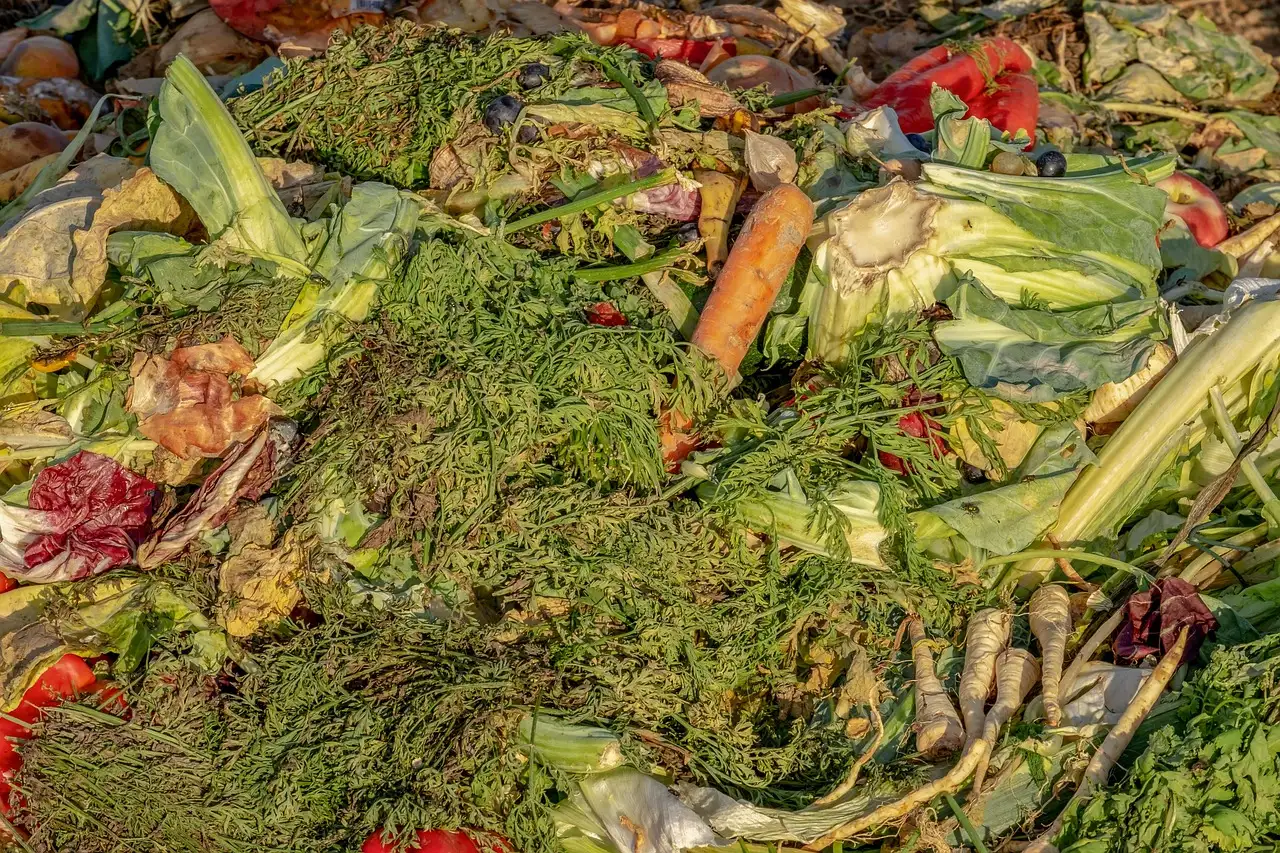
Adding the wrong items to your compost bin doesn’t just cause short-term issues like smells or pests. Over time, it can affect the quality and safety of the compost you’re working so hard to create. This is worth taking seriously, especially if you’re growing food.
Strong smells are often a sign that your compost is out of balance. Foods high in fat, protein, or moisture break down anaerobically – without oxygen – producing sour or rotten odors rather than the earthy compost smell. That earthy smell is the sign your microbial community is happy. When it’s gone, something is wrong.
Problem items often break down at different rates or compact the pile, reducing airflow. This slows decomposition, leaving you with half-finished compost that never fully matures. Months of effort can produce something you still can’t safely use in the garden – which defeats the whole purpose.
The Balance Your Pile Actually Needs
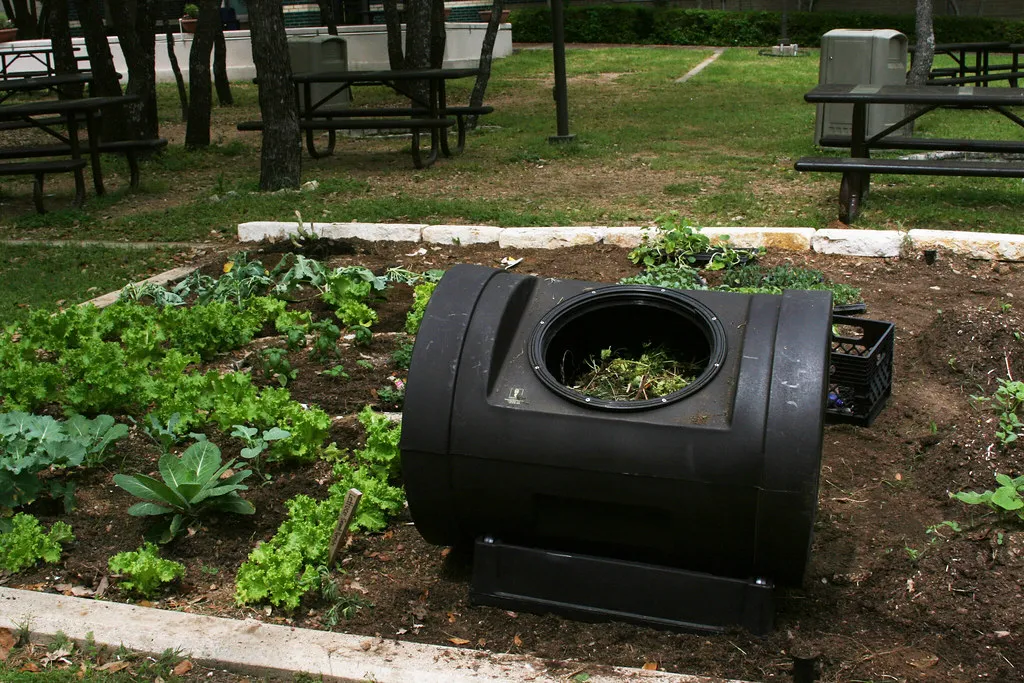
Compost is a balance of oxygen, water, nitrogen, and carbon. In composting, the nitrogen part is known as “greens” and includes yard trimmings and food scraps. The carbon part – known as “browns” – includes dry leaves, paper, cardboard, and wood clippings.
A recommended approach is a roughly 50/50 balance, though based on what you’re putting in, you might need a little more of one or the other. If the pile smells like garbage or seems overly wet, that’s a signal to incorporate more browns. Getting this ratio right is far more important than volume alone.
Proper moisture is also crucial for the composting process. Too much water can lead to anaerobic conditions and foul odors, while too little can slow down decomposition. Think of the pile as a living system with preferences, not a waste receptacle with infinite tolerance.
What to Do Instead
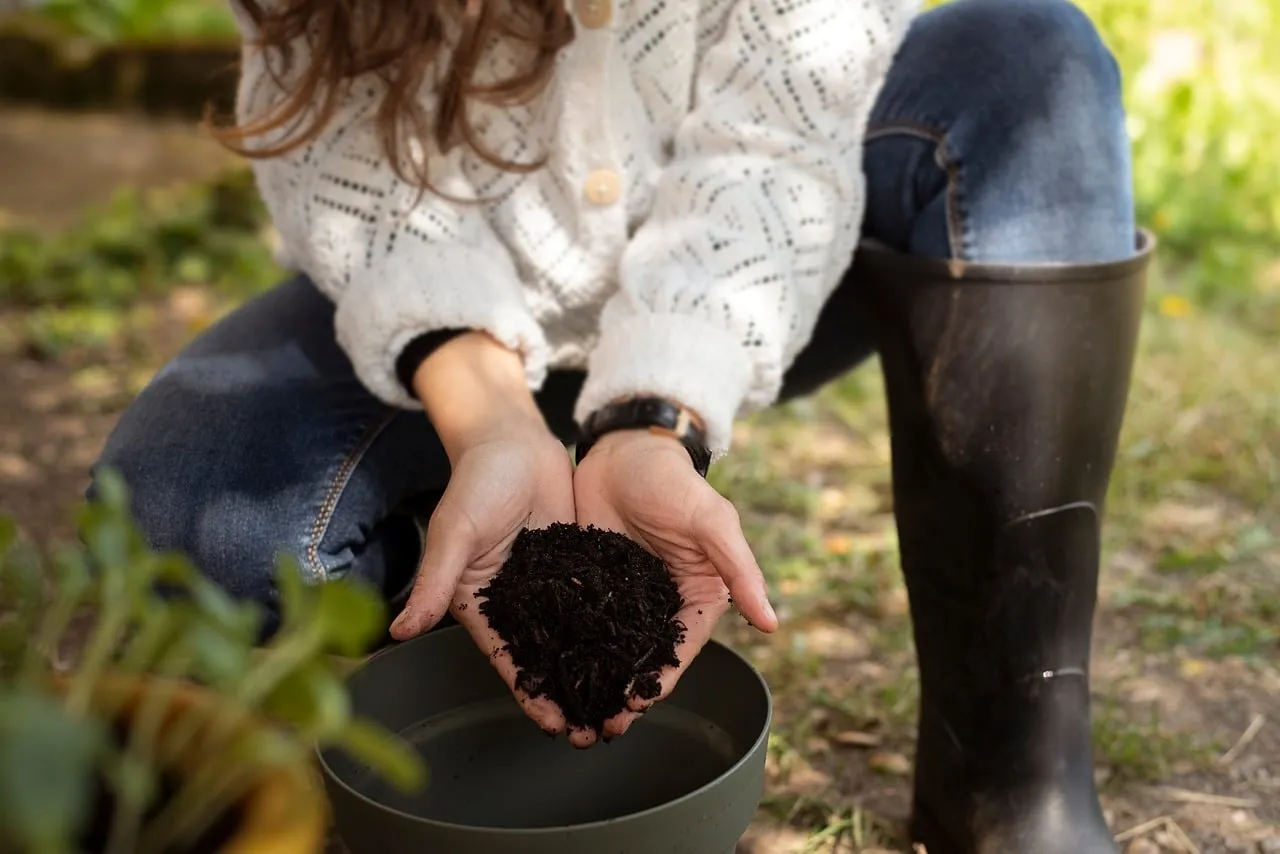
The good news is that most of the problem items have reasonable alternatives. Meat and dairy scraps can go into municipal organics programs in many cities and towns, where industrial composting can handle them efficiently, operating at higher temperatures under controlled conditions.
If you’re ever unsure about an item, remember this simple rule: when in doubt, leave it out or look for a safer disposal option. That approach keeps your pile clean, productive, and free of the problems that plague so many home composters who add things in good faith.
When you skip foods that attract pests, materials that carry chemicals, or plants that spread disease, you’re not doing composting “wrong” – you’re doing it responsibly. Composting less but smarter leads to healthier soil and better results in the long run. The pile rewards restraint more than generosity.
Conclusion
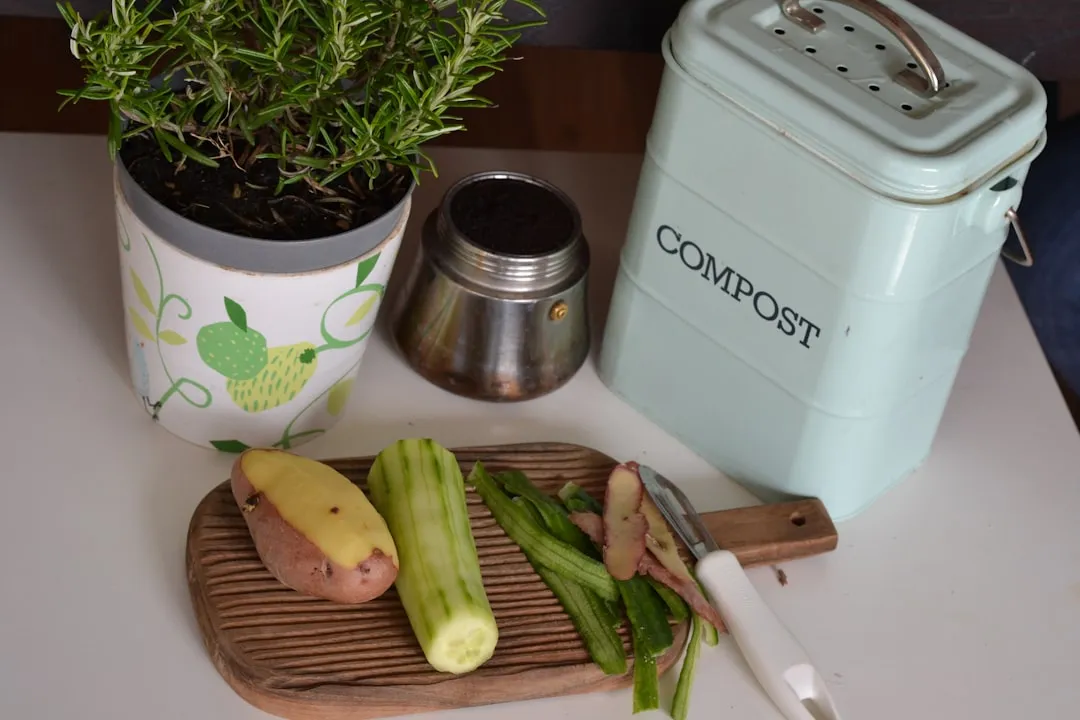
Most composting mistakes come from a genuine place – the instinct to waste nothing and return everything to the earth. That instinct is right. The execution just needs a few guardrails. Keeping meat, dairy, oily foods, diseased plants, seeded weeds, and those sneaky produce stickers out of your bin isn’t about being precious. It’s about protecting months of patient work.
A well-kept compost pile is one of the most useful things in a garden. It takes scraps nobody wants and turns them into something that genuinely improves your soil over time. The only thing standing between you and that result is knowing which items to keep out.
Good compost isn’t made by adding more. It’s made by adding the right things.
AI Disclaimer: This article was created with the assistance of AI tools and reviewed by a human editor.