
Most people don’t think twice about an unfamiliar plant growing along a trail or creeping up a fence line. It just looks like greenery. The problem is that some of the most destructive plants in America were once considered attractive, useful, or completely harmless. That’s precisely how they got here in the first place.
Invasive species are non-native to the ecosystems they occupy, and their presence causes or is likely to cause harm to the economy, environment, or human health. Left unchecked, they can threaten native species, biodiversity, water resources, agricultural production, and public safety. The USDA and its agencies have been sounding the alarm for years. Here are five plants that federal authorities say need to go, on sight, no hesitation.
1. Kudzu (Pueraria montana var. lobata): The Vine That Ate the South
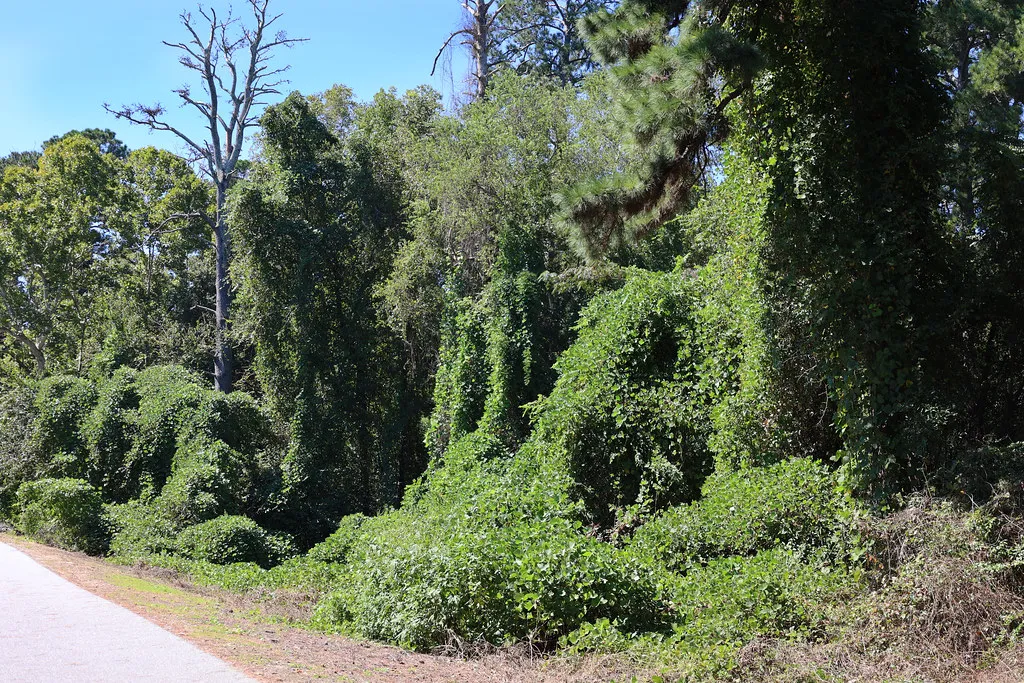
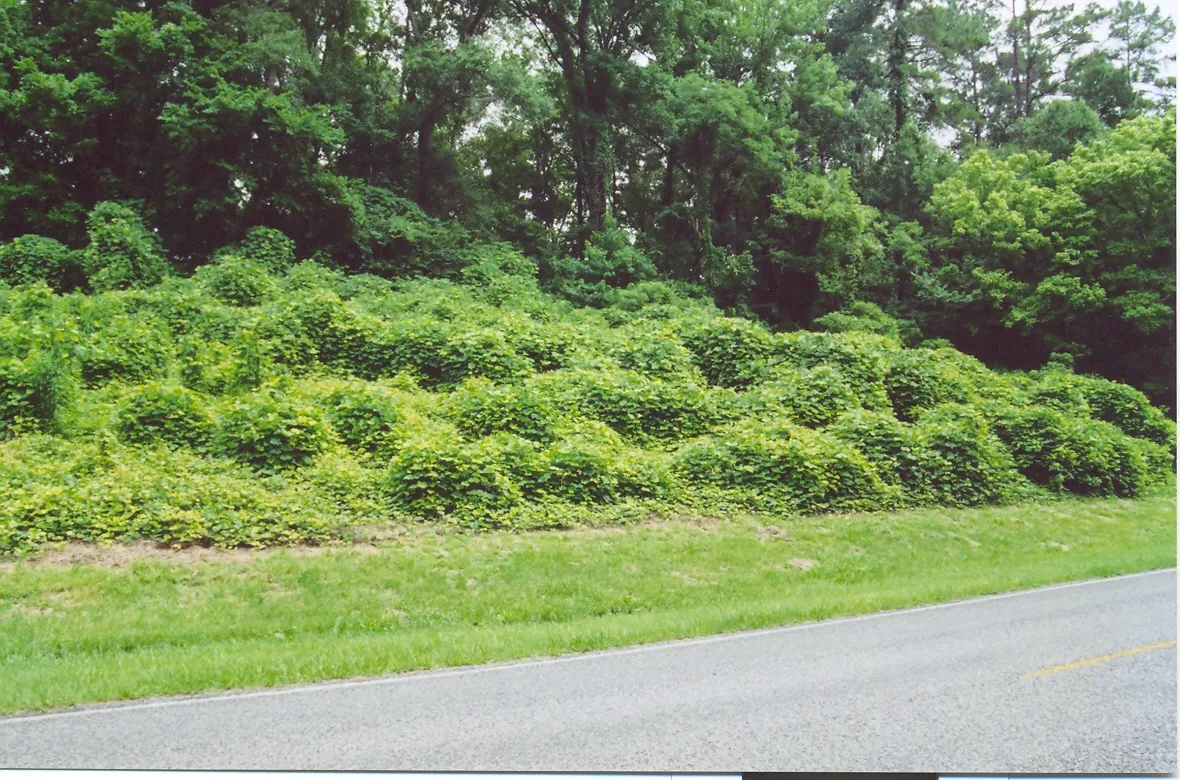
Japan introduced kudzu to the U.S. at the Philadelphia Centennial Exposition in 1876. It was first promoted as an ornamental plant and later as a forage crop in the Southeast. One million acres of kudzu were planted in the 1930s and 1940s by the Soil Conservation Service to reduce soil erosion on deforested lands. It seemed like a practical solution at the time.
It was not until the 1950s that it was recognized as an invasive. Once established, kudzu grows at a rate of up to one foot a day and 60 feet annually. This vigorous vine takes over areas in the Southeast by smothering plants and kills trees by adding immense weight and girdling or toppling them.
Kudzu has been spreading rapidly in the Southern United States, easily outpacing the use of herbicide, spraying, and mowing, while also increasing the costs of these controls by six million dollars annually. The USDA’s Forest Service lists kudzu among the most prominent examples of invasive species threatening national ecosystems. It is named alongside garlic mustard, Japanese knotweed, and other high-priority threats on the USDA Forest Service’s diversity of concern list.
2. Japanese Knotweed (Reynoutria japonica): The Plant That Breaks Concrete
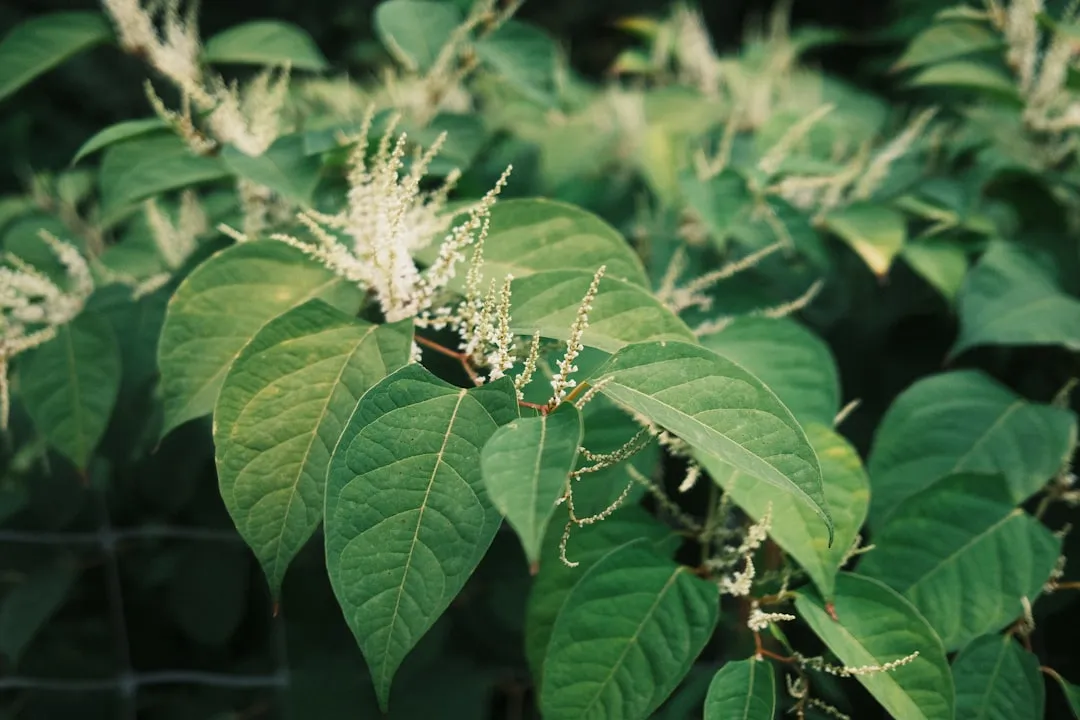
Introduced to the United States from East Asia in the late 1800s, Japanese knotweed has been considered problematic since the mid-20th century. It spreads quickly, crowding and shading out native vegetation. What makes it especially tenacious is what happens underground.
One of the most invasive plants in the world, the aggressive growth habit and tenacious rhizomatous roots, which can even break through pavement, makes Japanese knotweed extremely difficult to eradicate. Pulling it out by hand barely slows it down. Small fragments of root left in the soil can regrow into a full plant.
Plants have escaped cultivation to invade moist wetlands, stream banks, drainage ditches, and disturbed sites. Its aggressive rhizomatous roots make it one of the hardest invasive plants in the world to remove. It is found throughout much of the U.S., particularly in the East, Northern Midwest, and Northwest. The USDA’s National Invasive Species Information Center flags it as a species that crowds out native plants wherever it establishes itself.
3. Cogongrass (Imperata cylindrica): The Federal Noxious Weed
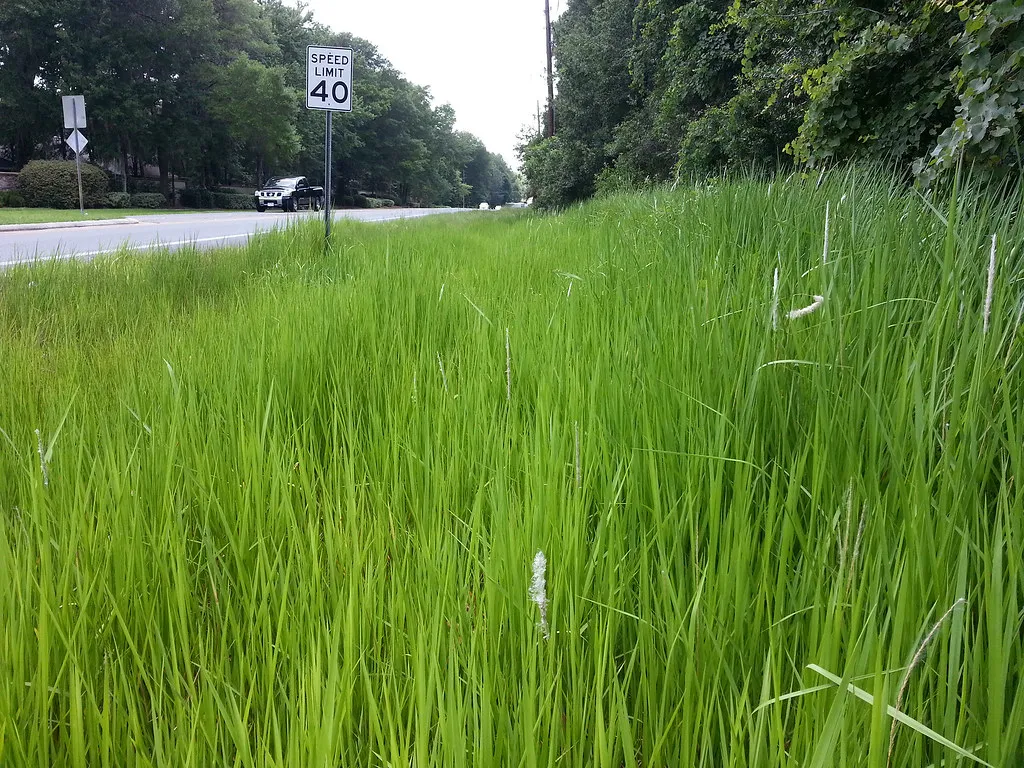
Cogongrass has been labeled one of “the world’s worst invasive weeds” by the United States Department of Agriculture and banned by federal legislation. That designation alone should tell you something about how seriously the agency takes this plant. Cogongrass first arrived in Louisiana in 1912 by accident, the USDA states, but it was then introduced on purpose in Florida in the 1930s.
Cogongrass is considered the seventh worst weed in the world and is listed as a federal noxious weed by USDA Animal and Plant Health Inspection Service Plant Protection and Quarantine. That ranking reflects its reach, its aggression, and how hard it is to kill once established.
USDA-APHIS estimates that approximately 82 percent of the United States is climatically suitable for the establishment of cogongrass. Cogongrass can grow in a variety of conditions and climates, and it thrives in both nutrient-poor and water-logged soils. It even survives wildfires and grows quickly, overtaking acres of natural ecosystems, rangelands, agriculture, and forests. Currently, most cogongrass is controlled with herbicides, which only serve as a temporary solution, and those herbicides must be reapplied every six to twelve months.
4. Purple Loosestrife (Lythrum salicaria): The Beautiful Destroyer of Wetlands
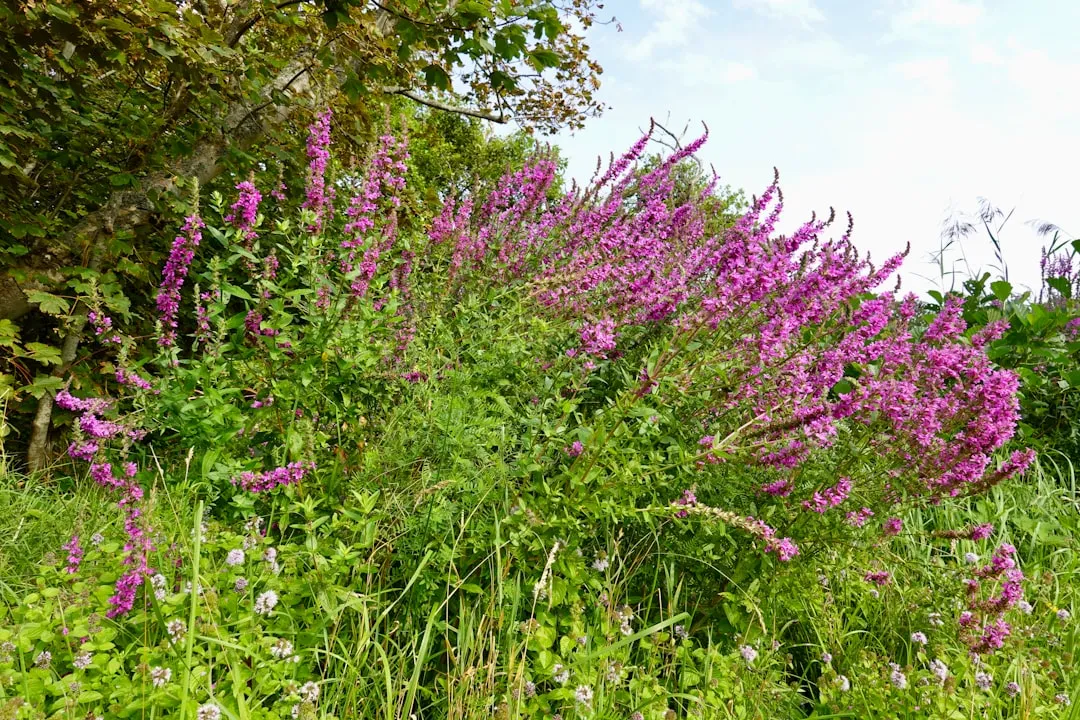
Purple loosestrife was introduced to the United States in the early 1800s for ornamental and medicinal uses. It has tall, vivid purple flower spikes and looks, quite honestly, like it belongs in a garden. That’s the deceptive part. Purple loosestrife is commonly found along waterways and moist areas such as roadside ditches, stream banks, and disturbed wet areas, displacing native vegetation and wildlife.
Now growing invasively in most states, purple loosestrife can become the dominant plant species in wetlands. One plant can produce as many as 2 million wind-dispersed seeds per year, and underground stems grow at a rate of 1 foot per year. That combination of aerial and underground spread makes it nearly impossible to contain once it’s taken hold.
Each plant produces 2 to 3 million seeds that remain viable for years. Purple loosestrife is now one of the most invasive plants in the U.S., naturalized in nearly every state, and most invasive in the Northeastern U.S., Upper Midwest, and Western states. Its thick mat of roots depletes the soil’s nutrients, and the plants crowd out other native species, reduce biodiversity, and diminish the habitat richness that local wildlife depend on.
5. Giant Hogweed (Heracleum mantegazzianum): The Plant That Can Blind You
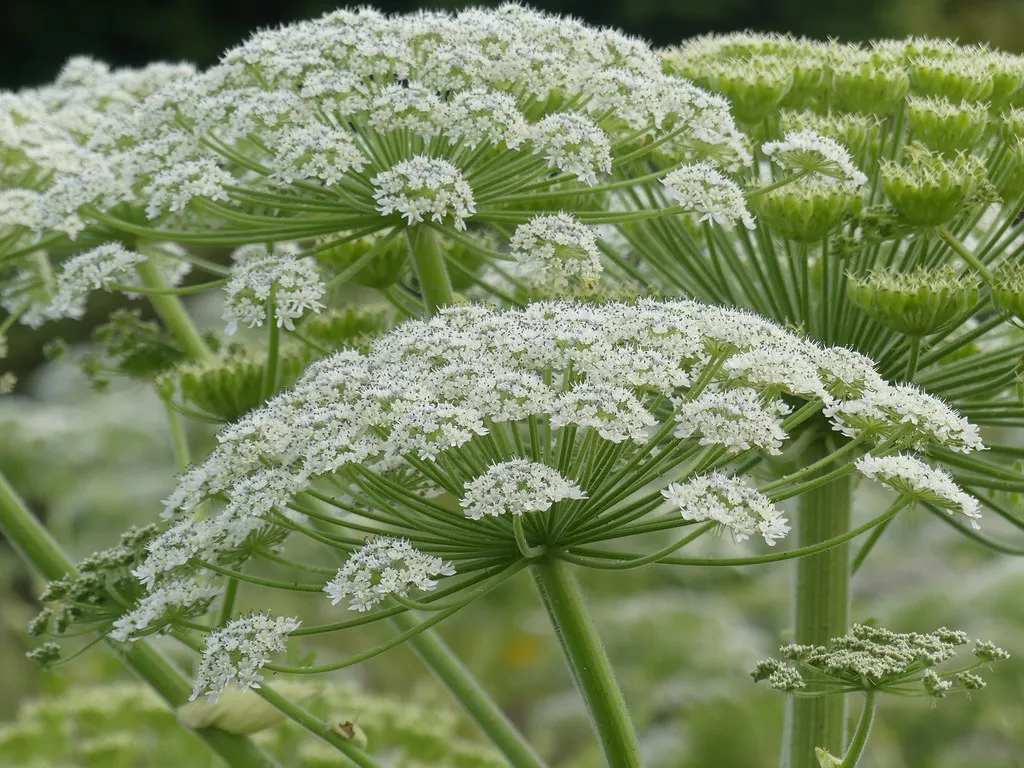
Giant hogweed is officially classified as a noxious weed. Though it was originally cultivated as an ornamental plant, contact with its sap can cause terribly painful burns, scarring, and even blindness. This is not hyperbole. The plant is considered a public health hazard by multiple federal and state authorities.
Giant hogweed originated from the Caucasus region of Eurasia. It was taken to the UK, USA, and Canada in the 19th century as a garden showpiece. Sap from the stem, leaf, or other parts of the plant causes severe skin irritation in sunlight. That reaction is called phototoxicity, and it can permanently damage skin tissue and vision.
You cannot control this plant by cutting the above-ground portion alone. Like Japanese knotweed, giant hogweed can regrow from its underground root. Even animal grazing cannot adequately control the population. Lack of natural enemies in its new habitat is the primary reason it has become so invasive. Anyone who encounters it should not touch it, and should report it to local authorities immediately.
Why So Many Invasive Plants Are Still Being Sold
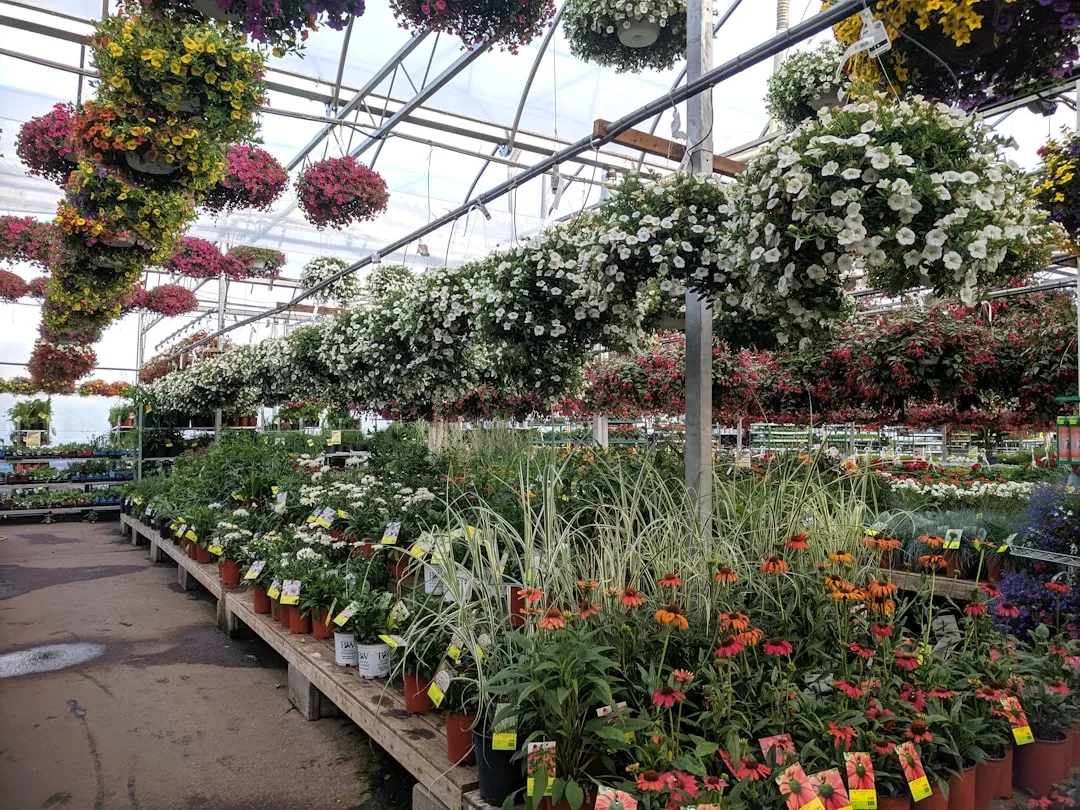
Here’s something that genuinely surprises most people. Despite federal bans and state regulations, many of these plants are still commercially available. Researchers gathered information from 1,330 nurseries, garden centers, and online retailers and discovered that 61 percent of 1,285 invasive plant species remain available through the plant trade, including half of state-regulated species and one-fifth of federal noxious weeds.
Cogongrass is considered the most concerning case of federally designated noxious weed sales, and researchers found it was being sold by 33 vendors across 17 states. This means a plant banned by federal law was sitting on nursery shelves with a price tag on it.
Selling several species of invasive plants had been banned by federal and state regulators, and yet even plants designated as “the world’s worst invasive weeds” by the USDA continue to be sold at many U.S. garden centers. The gap between regulation and enforcement is clearly part of the problem.
The Scale of the Threat Across the Country
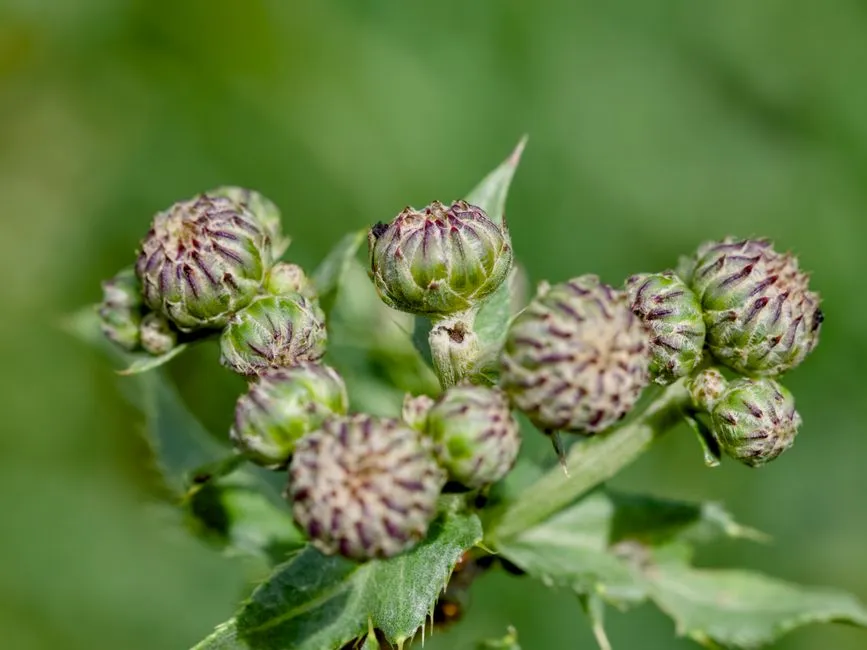
There are more than 6,500 invasive species established across the United States. Plants represent a significant portion of that number. Invasive species have contributed to the decline of 42 percent of U.S. endangered and threatened species, and for 18 percent of those species, invasives are the main cause of their decline.
Hundreds of nonnative invasive plant species are currently present in the Midwest and Northeast, and climate change is expected to increase habitat for many of these species, which may be poised to outcompete native species. The window for control is getting smaller as temperatures shift.
In addition to the great loss of biodiversity, habitat degradation, and other ecological consequences, invasive species cause huge economic damages valued in billions of dollars annually, and some pose a human health threat. The five plants covered in this article sit at the most severe end of that spectrum.
How These Plants Actually Spread
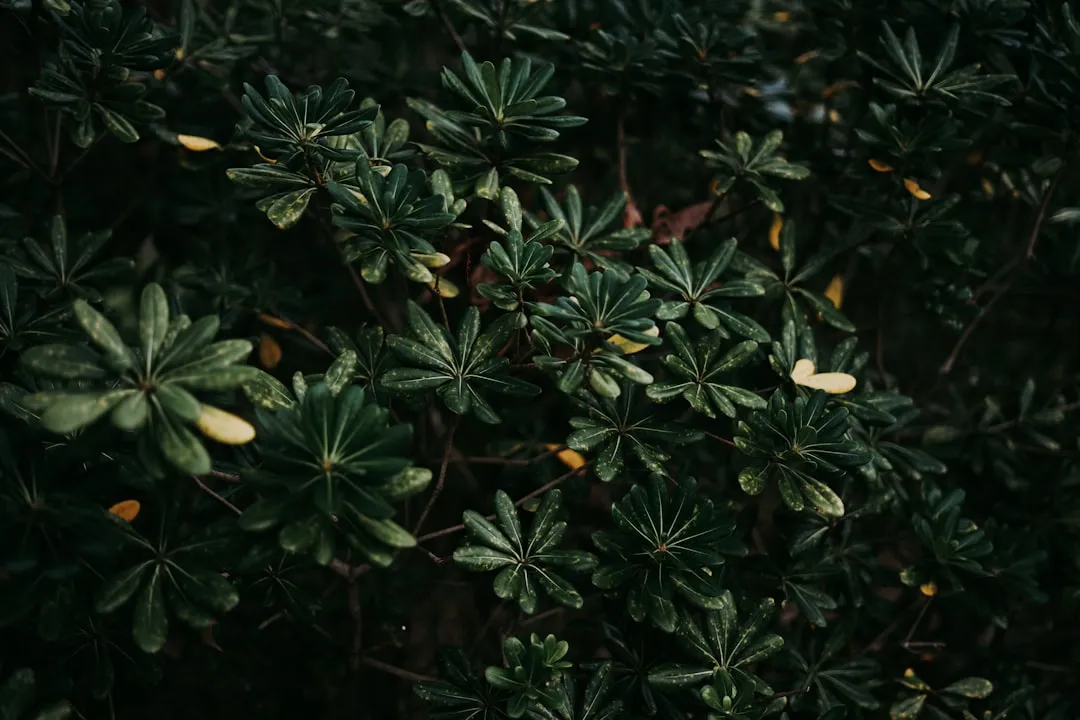
Many invasive plant species produce large quantities of seed. Many invasives thrive on disturbed soil. Invasive plant seeds are often distributed by birds, wind, or unknowingly by humans, allowing seeds to move great distances. That’s why a plant found on a trailhead can end up a hundred miles away in a matter of seasons.
Some invasives have aggressive root systems that spread long distances from a single plant. These root systems often grow so densely that they smother the root systems of surrounding vegetation. Some plant species also produce chemicals in their leaves or root systems that inhibit the growth of other plants around them.
Wind, people, and vehicles often carry and disperse cogongrass seeds, but its ability to spread is also thanks to its rhizomes. These underground stems are sharp enough to puncture other plants’ roots, effectively excluding them. Each species on this list has its own toolkit for taking over territory fast.
What the USDA Recommends You Do
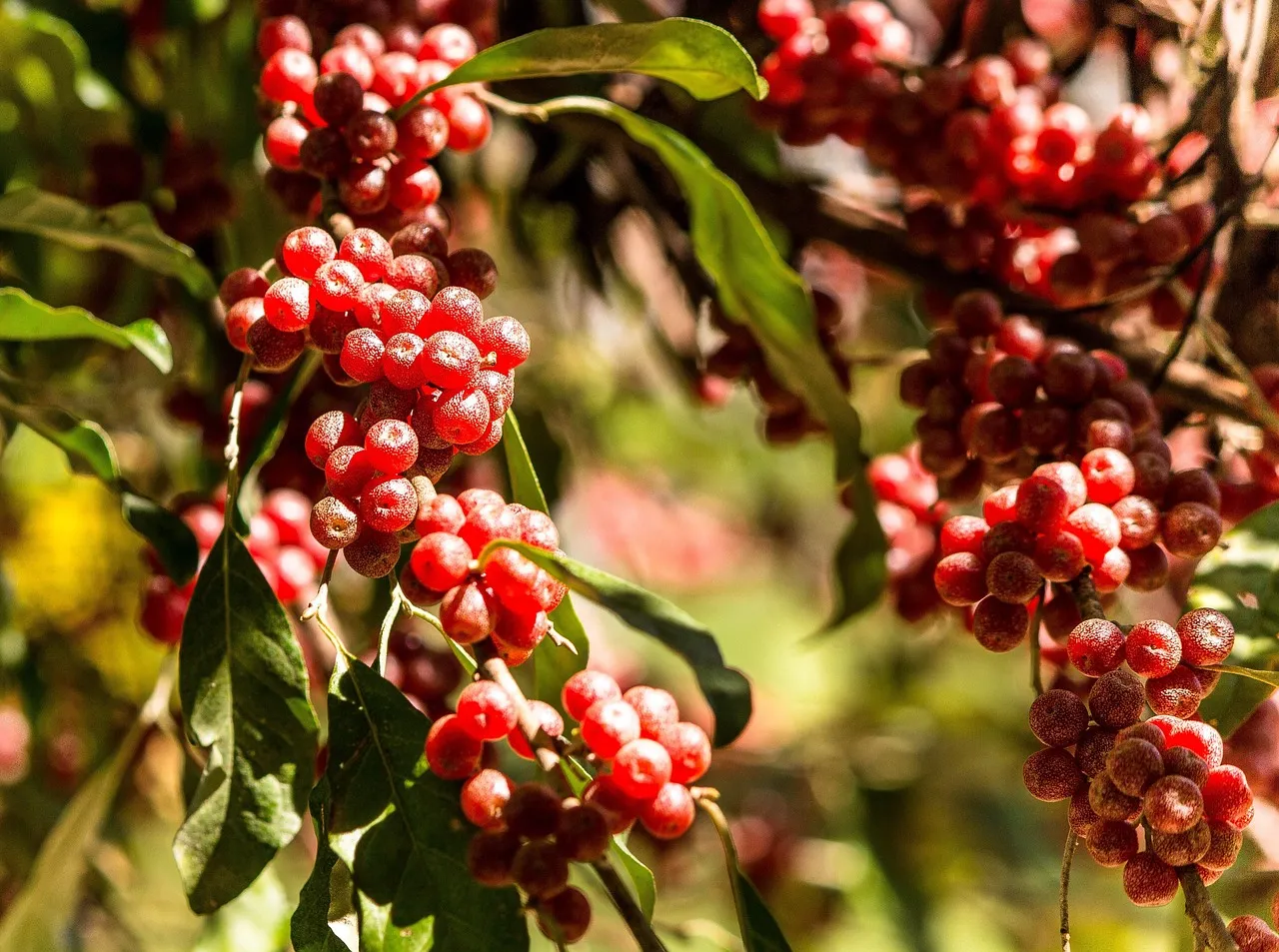
Current methods for controlling nonnative invasive species emphasize early detection and rapid response to new infestations. That means the earlier you catch one of these plants, the better chance there is of containing it. Once it’s established at scale, the cost and effort of removal multiplies dramatically.
Report invasive species infestations to your local, county, state, or federal government agency. The USDA Forest Service also recommends using native alternatives for ornamental plantings and avoiding invasive ornamental plants on your property. These two steps, reporting and replacing, are within reach of any homeowner or land manager.
Make sure to clean your clothes, boat, animals, and gear after recreating to prevent the spread of invasive species to other areas. Do not collect invasive plants, their seeds, or reproductive bodies. Seed carried on the sole of a boot or stuck to a dog’s coat is one of the most common, and most overlooked, ways these plants jump to new locations.
The Garlic Mustard Problem in Forest Ecosystems
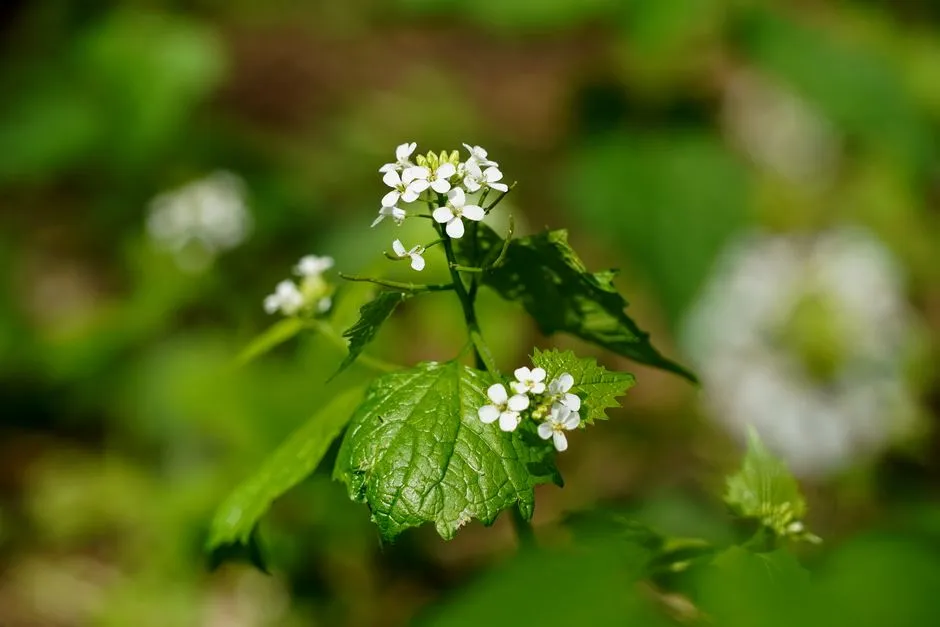
Garlic mustard is a member of the Brassica family and is an herbaceous biennial that completes its life cycle in two growing seasons. Typically growing between two to four feet tall, garlic mustard outcompetes native plant species in woodland regions. It doesn’t look like a threat, but the science tells a different story.
Garlic mustard produces secondary metabolites that reduce the inoculum potential, activity, and biomass of mycorrhizal fungi. Because garlic mustard is a non-mycorrhizal plant, this assault on the mycorrhizal mutualists of its competitors helps explain its high invasion success. In plain terms, it chemically sabotages the underground fungal networks that native trees and plants rely on to survive.
Garlic mustard poses a real threat to surrounding wildlife and the biodiversity of native ecosystems in the U.S. It is able to spread without restraint, as animals don’t eat it, and it kills surrounding fungi by releasing chemicals through its roots. The plant originates from Europe, Africa, and Asia, and its introduction to the United States as a medicinal and edible plant can be traced back to the 1800s.
What History Tells Us About These Plants
The federal government has historically promoted the introduction and widespread distribution of species that have become invasive, including multiflora rose and kudzu, for a variety of reasons. This is an uncomfortable but important fact. Many of today’s worst invasive plants were planted with government encouragement.
Over half of the flora recognized as invasive or noxious weeds were deliberately introduced to the United States by either government policy or individuals. That history doesn’t assign blame so much as it underlines how difficult it is to predict long-term ecological consequences from short-term solutions.
Non-native plants can be dormant for hundreds of years before becoming invasive and wreaking havoc on the environment. Most dormant invasive plants take an average of 40 years to become an issue. By the time a plant reveals its invasive character, it often has decades of silent establishment behind it. That lag is exactly why vigilance matters now, not later.
Final Thoughts
The five plants described in this article share one critical trait: they were all introduced to a place where nothing evolved to keep them in check. Non-native invasive species are organisms that have been introduced by humans either purposely or by accident, and one reason for their success is that they are typically introduced without the natural controls, such as herbivores, parasites, or pathogens, that exist in their native range.
Invasive animals, plants, and pathogens pose a persistent and growing threat to U.S. agricultural production, forest resources, global food security, and rural economies. These threats have real implications not just for farmers and natural resource managers, but for all Americans. Invasive species impact our quality of life, human health, and our ability to adapt to a changing climate.
The best thing most of us can do is learn to identify these plants, stop planting them, report them when we see them, and remove them carefully and thoroughly when they appear on land we manage. It’s unglamorous work. It also happens to be one of the most effective things an ordinary person can do for the ecosystems they live in.
AI Disclaimer: This article was created with the assistance of AI tools and reviewed by a human editor.