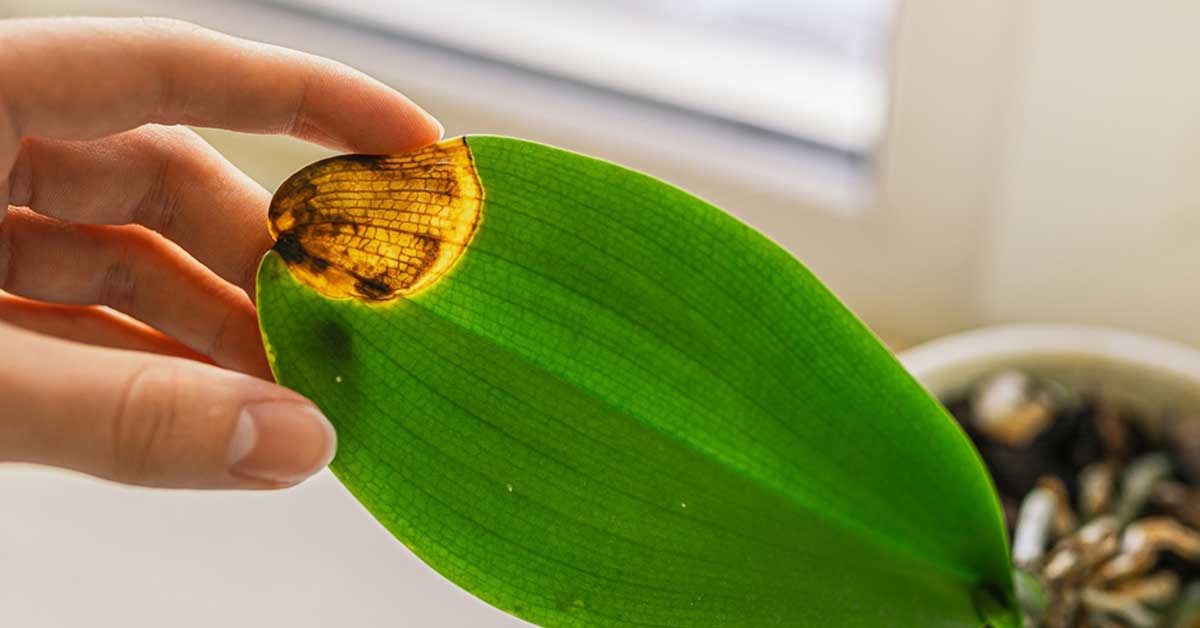

Houseplant care advice is everywhere—social media, garden centers, and well-meaning friends all have their tips and tricks for keeping your plants healthy. But here is the truth: a lot of those “must-follow” rules are outdated, oversimplified, or just plain wrong. Sticking to them can actually make your houseplants less healthy and lead to more frustration than success.
The reality is that every plant, home environment, and gardener is different. Your lighting, humidity, and watering habits all play a role in plant health, which means rigid rules often do more harm than good. Here are five common houseplant “rules” you can safely ignore and what to do instead to keep your plants thriving.
Rule #1: “Water Your Plants on a Set Schedule”
One of the most common pieces of advice for houseplant care is to water on a strict schedule—once a week, every Tuesday, or exactly every ten days. While this sounds simple, it is not how plants actually work. Different plants have different water needs, and even the same plant will require more or less moisture depending on its location, the season, and your home’s humidity.
Instead of following a calendar, learn to read your plants and your soil. Check moisture levels by sticking your finger an inch or two below the surface or use a moisture meter for more accuracy. Only water when the soil is dry to the appropriate depth for each plant type. This approach prevents the number-one killer of houseplants: overwatering. It also encourages stronger, healthier root systems because you are responding to what the plant actually needs rather than forcing it into a rigid schedule.
Rule #2: “All Houseplants Need Bright, Direct Light”
While many houseplants enjoy bright light, assuming they all need to be placed in sunny windows is a recipe for failure. In fact, several of the most popular indoor plants evolved to thrive on the forest floor under dappled or filtered sunlight, meaning direct exposure can scorch their leaves and stress the plant.
Understanding your plant’s native environment is key. For example, pothos, snake plants, and ZZ plants all tolerate low-light conditions and actually do better when shielded from intense afternoon sun. On the flip side, succulents and cacti will struggle without several hours of direct light. By grouping plants based on their individual light needs and observing how they respond, you’ll create a healthier, more balanced environment. Forget the one-size-fits-all rule and tailor your plant placement to mimic nature instead.
Rule #3: “Always Repot Your Plants After Buying Them”
A common piece of advice is to immediately repot new plants after bringing them home. While there are cases where this makes sense—like when a plant is severely root-bound or in poor-quality soil—it is not always necessary and can actually cause more harm than good. Repotting too soon can stress plants as they adjust to a new environment, leading to drooping leaves, slowed growth, or even root damage.
Instead, give your plant a few weeks to acclimate to your home’s lighting and humidity before disturbing its roots. Use this time to observe how quickly the soil dries and check for signs of pests or disease. If the plant is healthy and thriving in its nursery pot, it is often best to leave it as is until the next growing season. Waiting ensures the plant builds strength before transitioning to a larger pot and new soil, setting it up for long-term success.
Rule #4: “Misting Is the Best Way to Increase Humidity”
Misting has become a go-to recommendation for houseplant care, but it does not actually increase humidity in a meaningful or lasting way. Any moisture sprayed on leaves evaporates within minutes, leaving the surrounding air unchanged. Worse, frequent misting can create damp conditions that encourage fungal growth and leaf spot issues, especially for plants with dense or delicate foliage.
Instead of misting, focus on solutions that reliably raise humidity levels around your plants. Grouping plants together creates microclimates where moisture naturally collects, or you can use a pebble tray filled with water beneath your pots to promote slow, consistent evaporation. For high-humidity lovers like calatheas or ferns, investing in a small humidifier provides far better results. Skipping the misting rule saves time and prevents potential fungal issues while still giving your plants the environment they need to thrive.
Rule #5: “Fertilize Often for Faster Growth”
It is easy to believe that more fertilizer means bigger, healthier plants, but overfeeding is one of the fastest ways to harm houseplants. Applying too much fertilizer too frequently can cause salt buildup in the soil, burning delicate roots and leading to yellowing leaves or stunted growth. Most houseplants do not grow year-round and therefore do not require constant feeding, especially during the fall and winter months when growth naturally slows.
A better approach is to fertilize sparingly and strategically. During the active growing season—typically spring and summer—use a diluted, balanced fertilizer once a month for most houseplants. Pause feeding during dormancy and instead focus on maintaining consistent watering and light conditions. By feeding plants based on their natural growth cycles rather than an arbitrary schedule, you promote healthier, stronger plants that can sustain themselves over time.
Rethinking “Rules” for Better Plant Care
Houseplant care is not about following strict, universal rules but about understanding the unique needs of each plant and your specific environment. By observing your plants, adapting your routine, and ignoring outdated advice, you give your indoor garden the best chance to thrive.
Breaking these five common “rules” frees you from unnecessary stress and helps you become a more intuitive gardener. Instead of chasing perfection, focus on creating a healthy balance of light, water, nutrients, and airflow—and you will be rewarded with plants that are not only beautiful but resilient and happy.