
1. Cast Iron Cookware
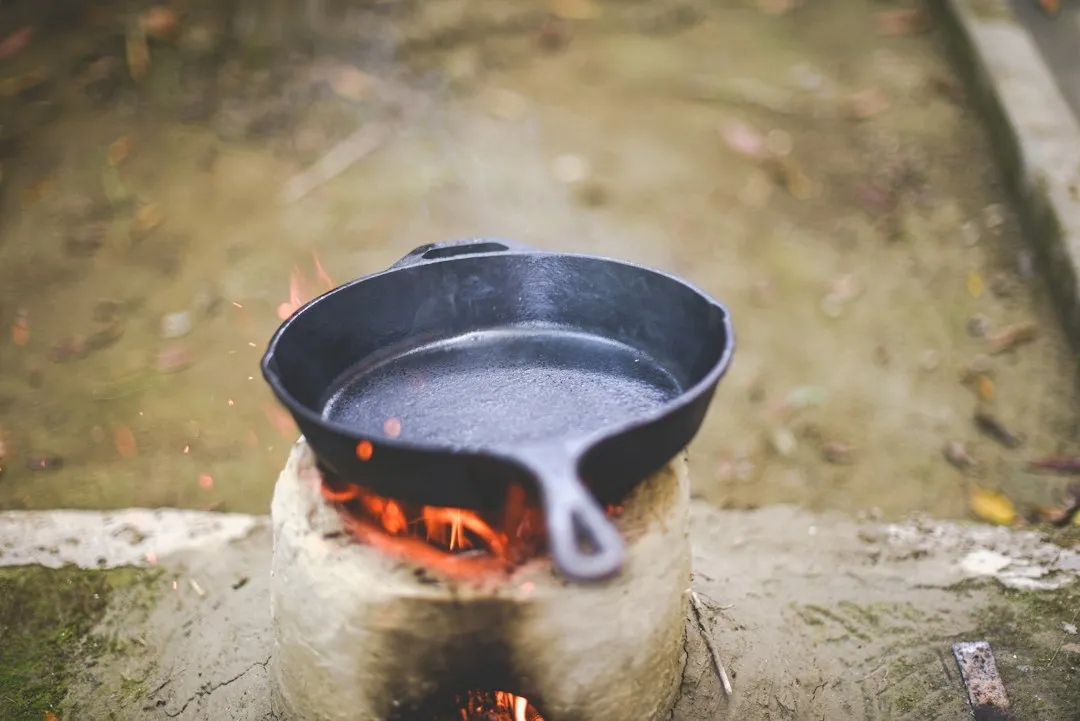
Cast iron is tough, but its reputation for indestructibility is a bit misleading when it comes to dishwashers. The dishwasher is the sworn enemy of cast iron. The intense heat, prolonged exposure to water, and the harsh detergents used in dishwashers can strip away the precious seasoning that protects your pan and makes it non-stick.
The seasoning is a polymerized layer of oil that bonds to the iron, creating a naturally non-stick surface and preventing rust. Once that layer is gone, the bare metal is exposed to moisture and starts corroding fast. The dishwasher strips away protective seasoning, leaving the iron exposed to moisture, and that makes rust form quickly.
A single cast iron wash doesn’t just damage the skillet. It contaminates the entire dishwasher environment, and that contamination can persist for multiple cycles afterward. The damage spreads to other items in the load through what corrosion experts call flash rust. Cast iron performs best and can last for generations when you hand-wash it with only warm water, dry it completely, and lightly oil it after each use.
2. Sharp Kitchen Knives
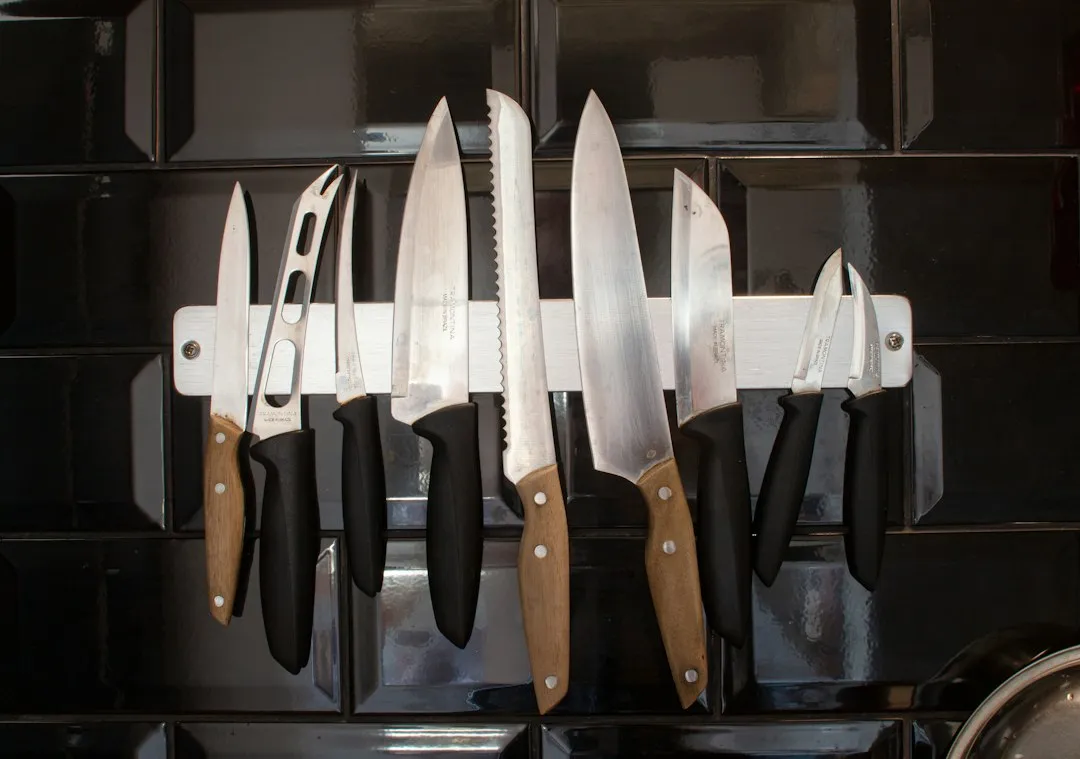
This one surprises a lot of people, especially when knives are labeled “dishwasher safe.” A dishwasher blasts heat, strong detergents, and high-pressure water across everything in the racks. Knives rattle, bang into other items, and sit in steamy, caustic water while they dry. This wears down the edge, stains and pits the steel, and wrecks many handles.
Dishwasher detergents contain aggressive alkalis, acids, and salts, which can contribute to corrosion on the knife blades. The damage isn’t always obvious after one cycle. The real problem is repeated heat cycling combined with moisture, which weakens the thin steel at the edge and accelerates micro-corrosion that feels like rapid dulling.
The sharp edges on knives don’t just cut food. When they’re in the wash rack, they can also cut into any protective coating on the rack or utensil baskets. Once cut, you’ll end up exposing the metal underneath, which will eventually rust, thus requiring a rack replacement. There’s also a basic safety issue. A knife can flip sharp-side up or slide out of a rack. Cuts happen fast, especially if kids help with dishes.
3. Wooden Cutting Boards and Utensils
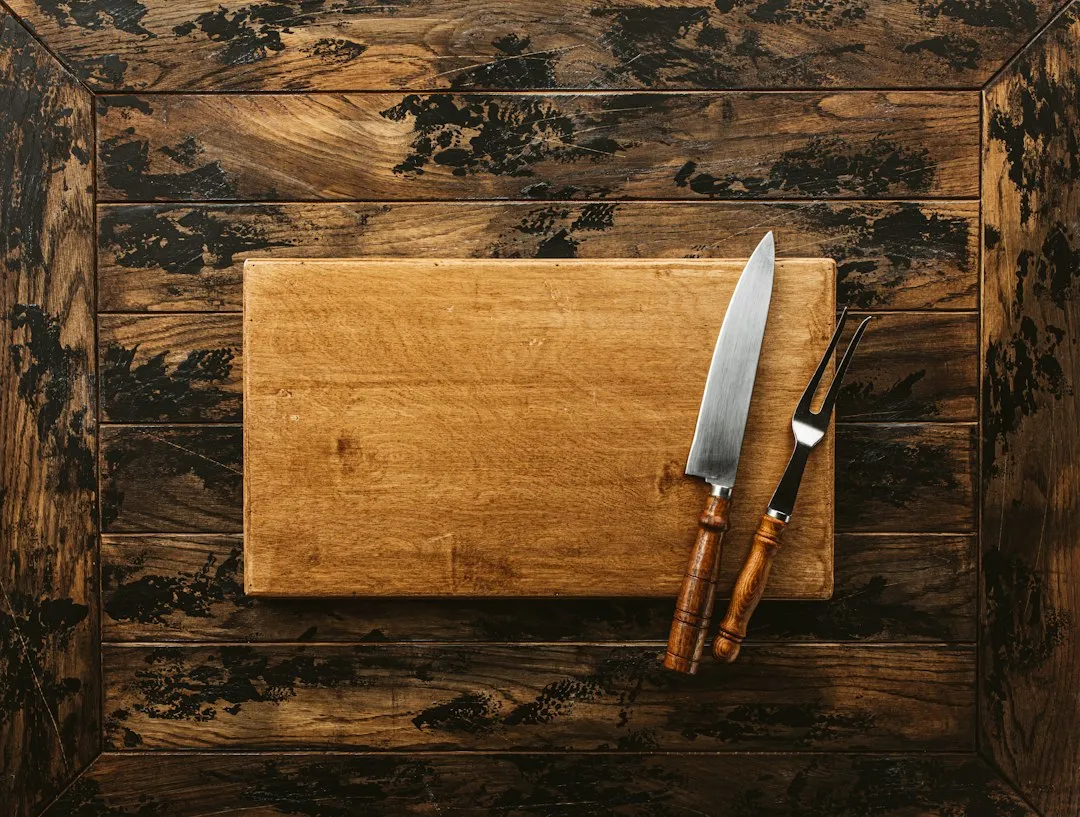
Wood and dishwashers are a genuinely bad combination. Wood cutting boards can become damaged after even one cycle through the dishwasher. Hot water can cause even the strongest wood to warp, bend, crack, or split. The issue is built into the material itself.
The nature of wood makes these items more likely to become ruined by the hot and humid conditions inside a dishwashing machine. Perhaps you could get away with machine-washing them a few times, but the permeable surface of the wood expands in the heat and water, so sooner or later, the shape of the item will warp.
The harsh chemicals in dishwasher detergent strip away the natural oils that keep wooden items from drying out and cracking. When protective oils fade, wooden utensils can suffer. Spoons, cutting boards, and bowls may split or warp. This can create food safety risks. A cracked cutting board, in particular, harbors bacteria in ways that are difficult to clean out properly.
4. Nonstick Pans
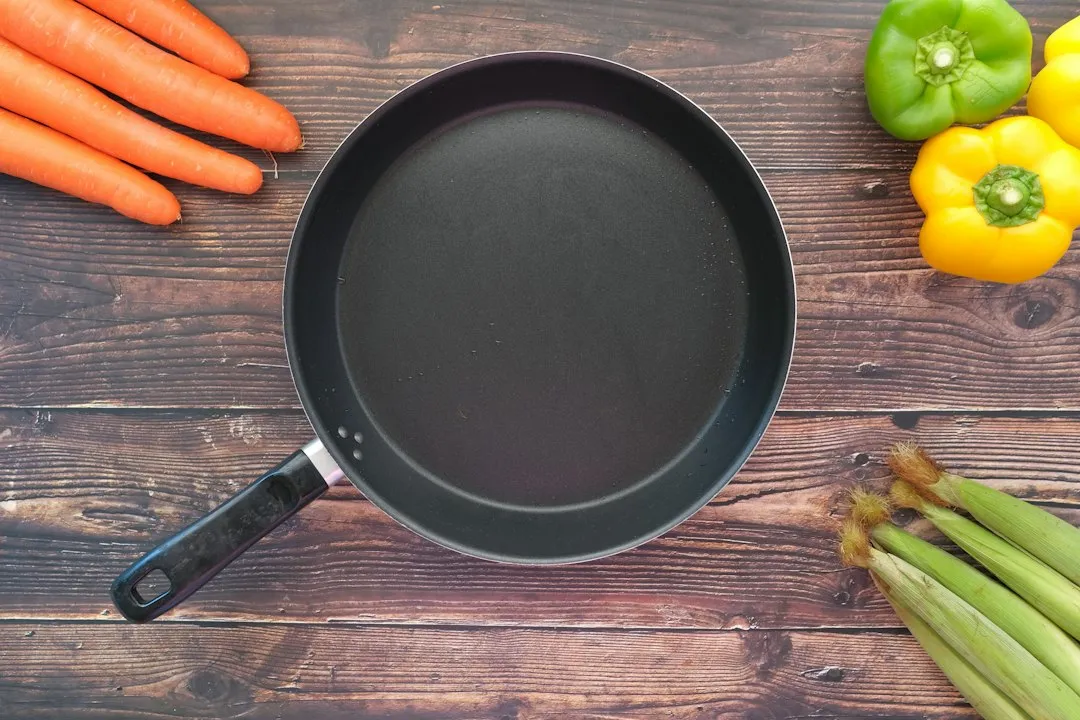
Nonstick pans often carry a “dishwasher safe” label, and that label does a lot of damage in the long run. The combination of harsh detergents and high drying temperatures gradually breaks down the nonstick coating. Each wash cycle slightly damages the surface, reducing the pan’s effectiveness and potentially creating food safety concerns if the coating begins to flake.
The nonstick surface on your favorite pan can be damaged by the severity of the dishwasher detergent and the high temperatures during the drying cycle. If anything comes into contact with your pan, that can also scratch away the nonstick. It may say dishwasher safe, but you could be doing more harm than good.
The high-pressure water jets can also force small food particles under any existing chips or scratches, making them worse and creating areas where bacteria can hide. The smarter move is a quick hand-wash with a soft sponge, which takes about thirty seconds and preserves the coating for years.
5. Crystal Glassware
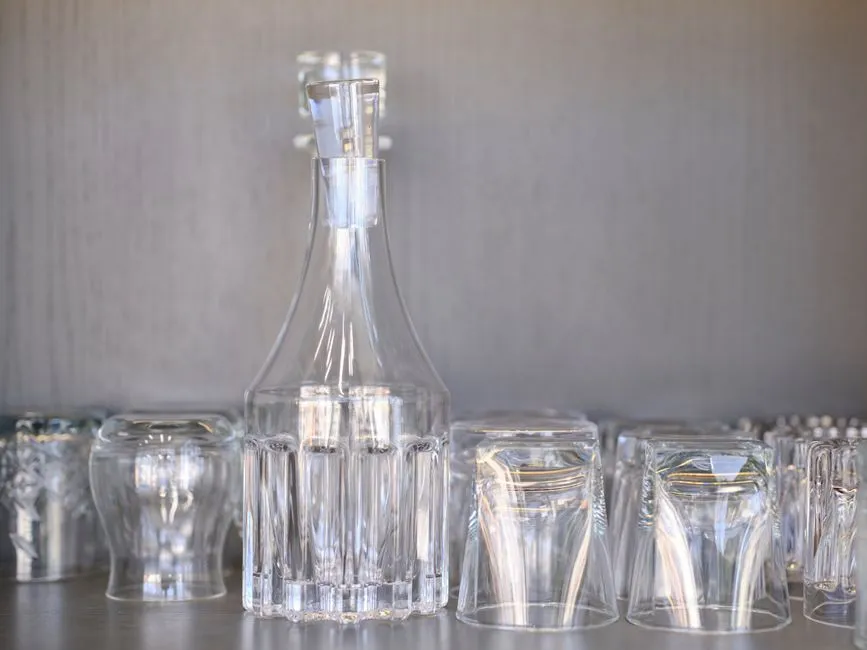
Crystal is one of those items that looks sturdy enough to handle a machine wash, but it’s far more vulnerable than regular glass. Crystal and fine glassware are sensitive to temperature and detergents, and these types of delicate glassware are prone to cracking and etching, which is irreversible. Crystal can also turn cloudy from the build-up of calcium deposits from hard water.
Crystal glass is delicate and can easily become etched, scratched, and made cloudy by the heat and detergent in the dishwasher. The etching process is particularly frustrating because it’s not immediately obvious. If you have glasses, bowls, or any other items made out of crystal, it’s best to keep them out of the dishwasher, as dishwasher detergent and salt can damage the surface and cause glass corrosion.
Instead, plan to hand-wash these delicate pieces with dish soap and warm water. To reduce water spots, dry by hand with an absorbent dish towel. It takes an extra minute, and it keeps heirloom pieces looking the way they should for decades.
How Dishwashers Actually Cause the Damage
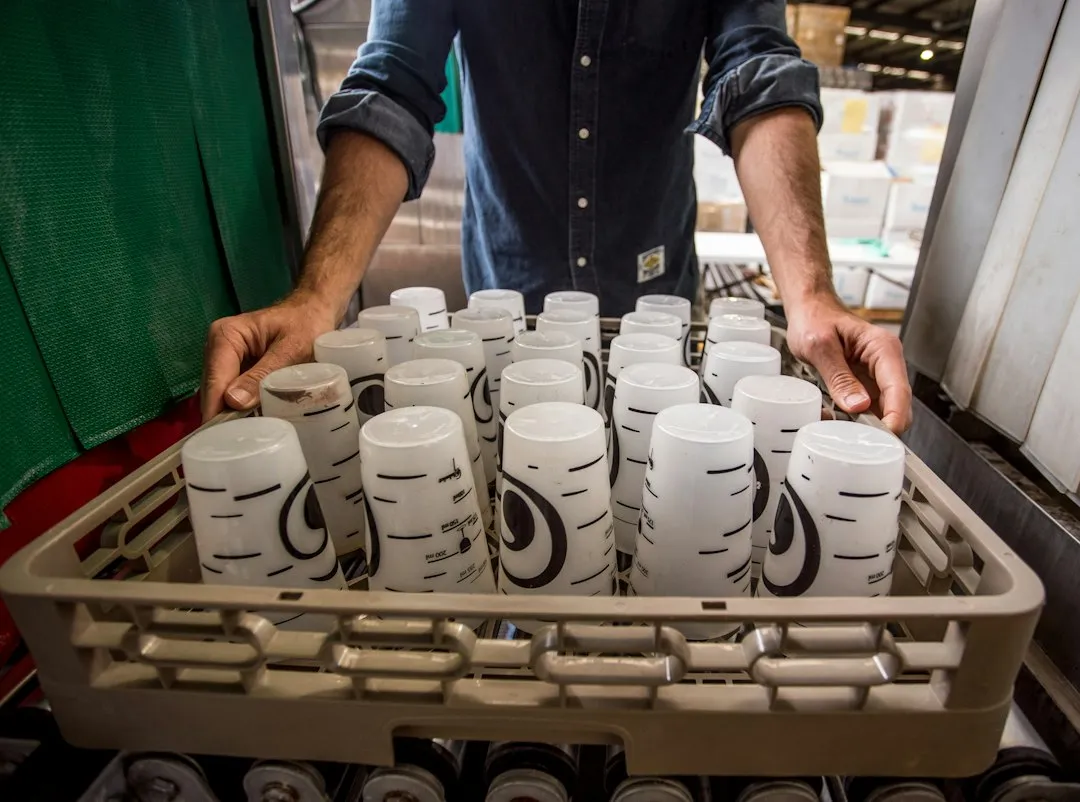
Understanding the mechanism helps explain why so many different materials are at risk. Most home dishwashers operate at water temperatures between roughly 120°F and 160°F during the wash cycle, and the drying cycle can push even higher. The hot alkaline environment inside a dishwasher strips seasoning layers and causes chemical reactions on exposed metals. It’s a combination of heat, pressure, and chemistry, not just water alone.
Modern dishwasher pods and powders are highly alkaline. This high pH is great for cutting through grime on ceramics, but it acts as a solvent on certain surfaces, slowly dissolving layers you’d rather keep. The jets themselves add a physical dimension that makes the problem worse. Scorching temperatures and high-pressure water jets are great for blasting grime off plates, but they’re no friend to more delicate kitchen gear.
The “Dishwasher Safe” Label: What It Actually Means
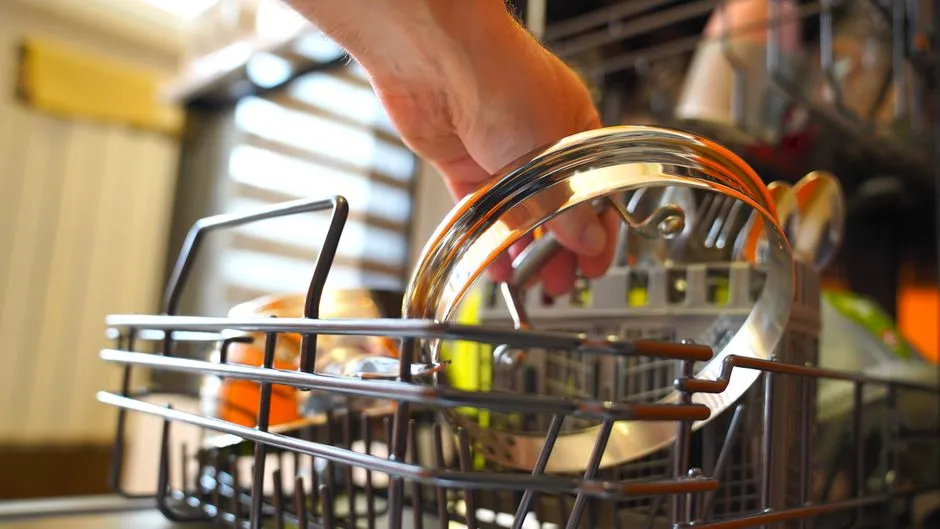
Most people take “dishwasher safe” to mean the item will come out perfectly fine every time. That’s not really what the label guarantees. It typically means the item won’t be destroyed in a single cycle under standard conditions. Even “dishwasher-safe” knives will maintain their edge longer with proper hand washing.
Putting the wrong items through a wash cycle can damage both your dishes and your machine, leading to costly repairs or replacements that no homeowner wants to face. The label is a baseline, not a promise. Repeated exposure to harsh conditions adds up over time, and the cumulative wear is rarely visible until real damage is already done.
Insulated Mugs and Travel Cups

Insulated mugs have become daily staples for millions of people, and the temptation to toss them in the dishwasher after a long day is real. The high heat and pressure of a dishwasher can damage or break the vacuum seal that makes these insulated vessels effective. Once the seal is compromised, the mug loses its ability to hold temperature and is essentially just a regular cup.
The heat of the dishwasher can cause damage to the insulation and seals of insulated containers. Some may be labeled dishwasher safe, but it’s best not to put them in the dishwasher. The fix here is simple: warm soapy water and a bottle brush. Wash them by hand using warm water and soap. That’s genuinely all they need.
Pressure Cooker Lids
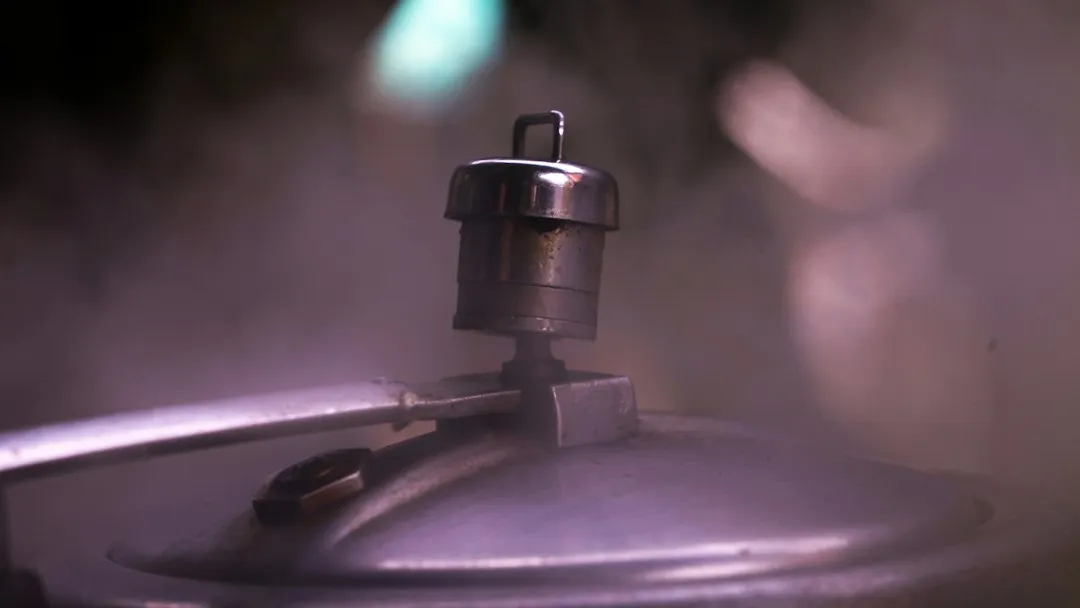
Pressure cooker lids contain multiple small components including valves, vents, and rubber gaskets that work together to regulate pressure safely. When lids lined with rubber gaskets are thrown in the whirlpool of a dishwasher, small food particles and detergent can get lodged in the regulator, safety valves, and vents. That’s not just a cleaning problem. It’s a safety issue.
Pressure cooker lids shouldn’t go in the dishwasher because the detergent and heat can damage the seals and valves. Not only will a faulty seal affect performance and the overall functionality of the appliance, but it also puts the user at risk for steam burns and other unexpected failures. Individual components should be washed by hand under warm running water and inspected regularly for wear.
Vintage and Antique China
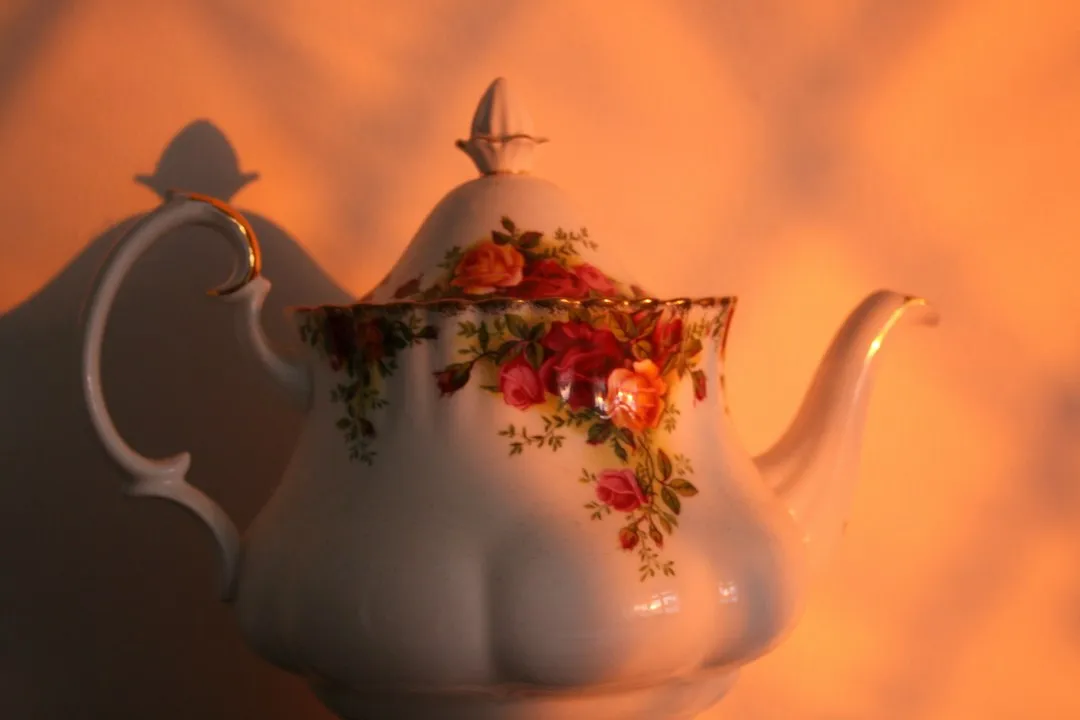
Older china, whether it’s a family heirloom or a flea market find, deserves careful handling. You’ll regret putting any of your vintage china into the dishwasher, even on a delicate cycle. The delicate patterns and glazes are easily destroyed by the heat and water pressure. Instead, treat these pieces as highly fragile items and hand-wash them carefully in the sink.
Depending on the age and condition of your china and gold-trimmed crockery, putting it in the dishwasher can wear away the pattern or chip and break the dishes. Gold or metallic accents are especially at risk. Any china with metallic accents, such as gold around the rim, should never go in the dishwasher.
The Takeaway
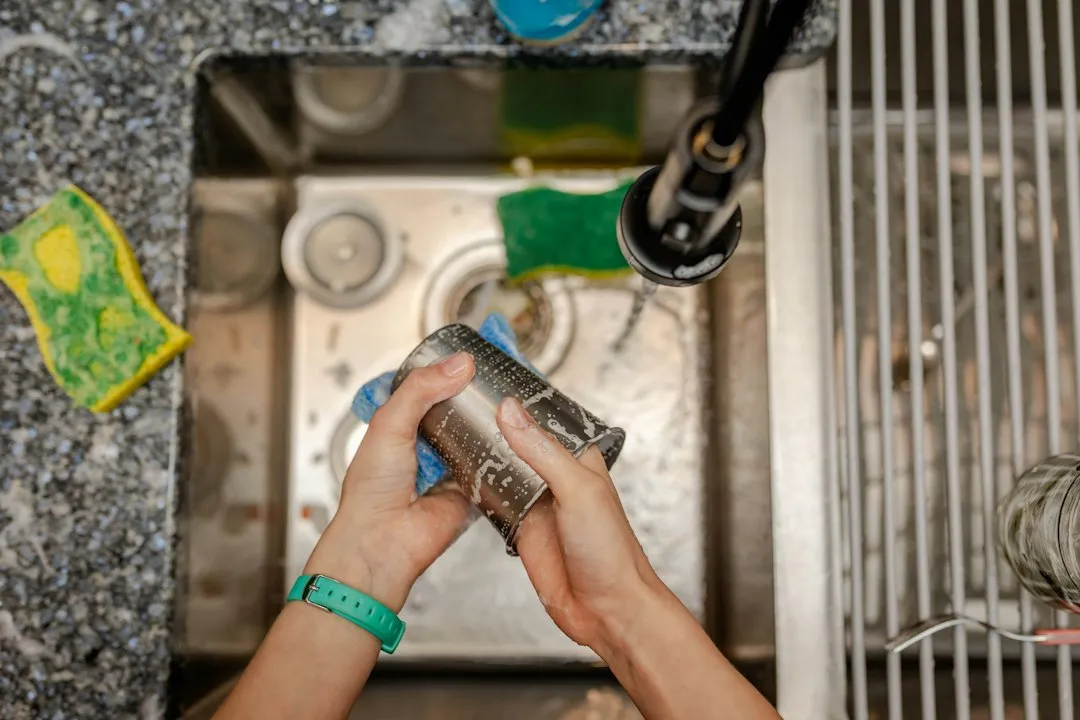
The dishwasher genuinely is a remarkable appliance, and for most everyday dishes, it’s the smarter, more efficient choice. The trouble comes when it’s treated as a catch-all for everything in the kitchen. A deep clean in the machine will dull expensive chef’s knives and strip the finish off cast-iron cookware. If you value the longevity of your tools, you have to stop treating the dishwasher like a one-size-fits-all solution.
A few minutes of hand-washing each day is a small price for keeping quality kitchen tools in good working order for years. Cast iron, good knives, wooden boards, nonstick pans, and crystal glassware all share one thing in common: they were built to last, but only if you treat them accordingly. The dishwasher door is worth closing on these five categories, every single time.
AI Disclaimer: This article was created with the assistance of AI tools and reviewed by a human editor.